
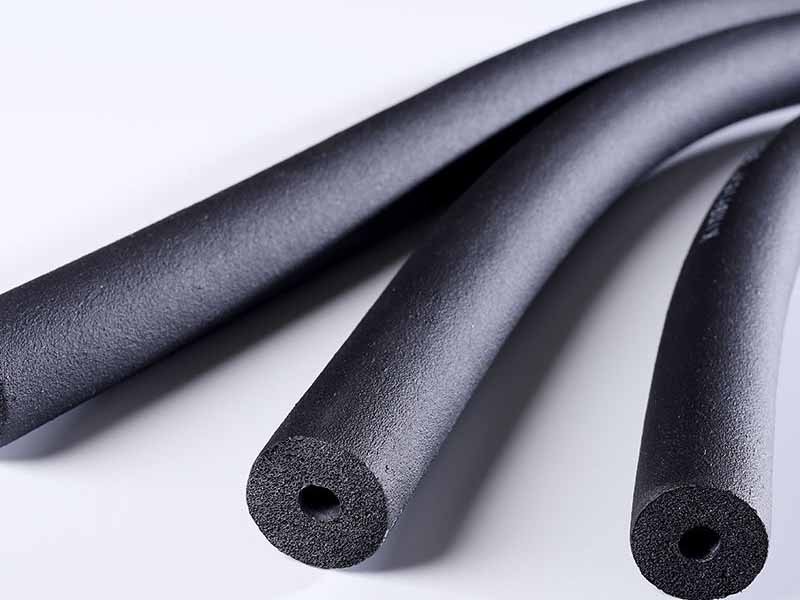
A lot of products made from neoprene look simple on the surface. A koozie wraps around a can. A wetsuit fits close to the body. A laptop sleeve feels soft and slightly padded. A sports brace adds support and warmth. But behind that simple appearance is a very practical engineering question: how do you make neoprene hold temperature well enough for the product to actually perform in real use?
That question matters more than many customers first expect. A neoprene bag that feels too thin may not protect temperature-sensitive contents for long. A wetsuit that uses the wrong foam structure may lose warmth faster than expected. A brace that is too dense may feel supportive, but become uncomfortable after extended wear. In other words, thermal insulation in neoprene is not a marketing phrase. It is the result of material structure, thickness planning, lamination method, and process control during manufacturing. Closed-cell foams are widely used for insulation because trapped gas reduces heat flow, and neoprene wetsuit materials rely on closed-cell polychloroprene foam as a thermal barrier. Manufacturing quality also matters because foaming, laminating, and thickness control directly affect consistency and end-use performance.
Neoprene manufacturing achieves thermal insulation mainly by creating a closed-cell foam structure that traps gas inside many sealed cells, slowing heat transfer. Insulation performance is then adjusted through thickness, density, lamination, and surface fabrics. In practical product development, that means warmth, flexibility, water resistance, and bulk must be balanced together rather than treated as separate features.
For customers developing neoprene products, the real goal is not just to ask whether neoprene insulates. It is to ask how well it insulates in the exact product being built, at the exact cost target, in the exact conditions where customers will use it. That is where manufacturing experience starts to separate an average supplier from a useful development partner.
What Is Neoprene Manufacturing with Thermal Insulation?
Neoprene manufacturing with thermal insulation means producing neoprene foam in a way that reduces heat transfer through closed-cell structure, controlled thickness, density, and laminated surface layers. It is not one single step. It is a coordinated material process that determines how warm, flexible, durable, and commercially practical the final product will be.
Neoprene Manufacturing Basics
Neoprene used in insulated products is usually a foamed rubber material rather than a solid sheet. In basic manufacturing terms, the compound is mixed, expanded, cured, and then processed into usable sheet form. One published manufacturing description of wetsuit neoprene notes that the material begins in liquid form, additives are mixed in, and the material is then baked and cooled before later converting steps. In cellular rubber terminology, foam is created by internal gas generation during expansion, and the finished material may be open-cell or closed-cell depending on the process and formulation.
For insulation-focused products, the most important part is not just that neoprene is “foam,” but what kind of foam it is. Closed-cell structure matters because each small sealed cell traps gas and restricts heat movement better than an open structure where air or moisture can move more freely. That is one reason closed-cell foams are widely valued in insulation applications.
From a customer’s point of view, the basics of neoprene manufacturing affect four things immediately:
- how warm the product feels
- how thick or bulky it becomes
- how much water resistance it keeps
- how stable the material stays from batch to batch
This is why two products labeled “neoprene” can perform very differently. The name of the material alone does not tell the full story. The cell structure, cure quality, and later lamination choices all shape the final result.
Thermal Insulation in Neoprene
Thermal insulation in neoprene comes from trapped gas inside the closed-cell foam. Gas is a weak conductor compared with dense solid material, so when many sealed cells are distributed through the sheet, heat transfer slows down. That is the foundation. In wetsuits, neoprene acts as a thermal barrier between the body and the surrounding environment, and in general foam insulation, lower thermal conductivity is associated with better insulating performance.
In real product use, insulation shows up in different ways:
- a wetsuit reduces body heat loss in water
- a koozie slows warming of a cold beverage
- a lunch or bottle bag helps maintain temperature longer
- a support brace adds warmth retention around joints and muscles
But there is an important nuance here. Neoprene is not magic, and thicker is not always “better” in every product. More thickness usually improves insulation, but it also adds weight, stiffness, and material cost. Dive and wetsuit guidance commonly shows this tradeoff clearly: around 2–3 mm is often used for warm water, 5 mm for cooler or temperate conditions, and 6–7 mm for colder conditions, with warmth improving as thickness increases while mobility drops.
That same principle applies outside watersports. A 3 mm neoprene can koozie may be enough for daily beverage use, while a medical brace may need a different balance of compression, softness, and heat retention. So insulation performance should always be evaluated together with the product’s actual use case, not in isolation.
Here is a simple reference framework:
| Neoprene Thickness | Common Use Direction | Insulation Effect | Flexibility |
|---|---|---|---|
| 2–3 mm | sleeves, koozies, warm-water gear | light to moderate | high |
| 3–5 mm | supports, bags, general insulation products | moderate to strong | medium |
| 5–7 mm | wetsuits, cold-water gear, stronger thermal use | strong | lower |
The exact result still depends on density, lamination, and product pattern design, but thickness remains one of the clearest variables customers can control.
Why Neoprene Manufacturing Matters
A lot of sourcing problems begin when customers assume that if two suppliers both offer “3 mm neoprene,” the material performance will be roughly the same. In practice, that is often not true. Manufacturing quality affects the shape and uniformity of the cells, the bonding of fabric layers, the consistency of thickness across the sheet, and the long-term stability of the product. Foam glossaries and processing references note that lamination, leveling, and physical properties like density, water absorption, and compression behavior are all part of how cellular rubber is controlled and evaluated.
This has direct business consequences. Poor process control can lead to:
- uneven thickness that changes fit or feel
- weak lamination that peels during use
- unstable insulation from one batch to another
- higher defect rates in cutting and sewing
- more customer complaints after launch
On the other side, controlled manufacturing supports:
- more reliable warmth retention
- cleaner cutting and assembly
- better repeat orders
- lower rejection during production
- more predictable product pricing
For example, if the neoprene sheet has inconsistent thickness across the roll, a sports brace may feel tighter in one batch and looser in the next. If the lamination bond is weak, a bag panel can bubble or separate after repeated folding. If the cell structure is too open or irregular, thermal performance can drift below expectation. None of those problems are visible from a simple product photo, but all of them affect the customer experience.
This is why thermal insulation in neoprene should be treated as a manufacturing result, not just a material label.
How Does Neoprene Manufacturing with Thermal Insulation Work?
Neoprene manufacturing with thermal insulation works through three connected controls: creating the foam, maintaining a closed-cell structure, and laminating the foam with appropriate fabrics or surface layers. Those three steps determine whether the finished product feels warm, flexible, durable, and commercially consistent.
Neoprene Foam Process
The foam process is where insulation begins. In cellular rubber production, gas is formed or introduced during expansion so the material develops many internal cells. A published wetsuit manufacturing description explains that neoprene starts as a liquid mixture with additives, then moves through heating and curing stages before later conversion. In broader cellular-rubber terminology, expansion and vulcanization conditions influence whether the resulting material has tight cells, voids, blisters, or more stable structure.
For customers, the important part is what this means for product performance. Better-controlled foaming usually leads to:
- more even insulation across the whole sheet
- cleaner conversion into cut parts
- better dimensional stability
- lower risk of visible weak spots
Poor foaming can create hidden issues such as oversized cells, voids, edge instability, or uneven resilience. These defects may not appear immediately, but they often show up later in sewing, skiving, bonding, or end use.
A practical way to think about the foam step is this: it sets the foundation. If the foam structure is unstable, no later printing, stitching, or packaging improvement can fully fix that. That is why experienced neoprene factories spend serious attention on compounding, temperature control, curing windows, and sheet consistency before they even start converting the material into finished products.
Closed Cell Structure
Closed-cell structure is the real engine of neoprene insulation. In closed-cell foam, the cells are sealed rather than interconnected. Rubber and foam industry references distinguish closed-cell materials from open-cell materials by their ability to resist the passage of water, air, or gas more effectively. In insulation terms, this matters because a sealed cell network holds gas in place and reduces heat transfer. In product terms, it also improves water resistance and helps maintain structure in wet or humid environments.
This explains why neoprene is so common in products such as wetsuits, koozies, and protective sleeves. A wetsuit needs warmth and water resistance. A koozie needs some thermal buffering and shape recovery. A support brace may need warmth plus moderate compression. Closed-cell neoprene can serve all three, but the exact cell tightness and density should still be matched to the product.
Here is a useful comparison:
| Structure Type | Air / Water Movement | Insulation Stability | Water Resistance | Suitable for Thermal Products |
|---|---|---|---|---|
| Open cell | higher | lower | lower | limited |
| Closed cell | lower | higher | higher | strong |
Another benefit is durability in use. When a product is squeezed, folded, or worn repeatedly, a better closed-cell structure generally holds form more consistently. That does not mean every closed-cell neoprene is equal, but it does mean the structure itself gives a stronger starting point for thermal products.
Lamination in Manufacturing
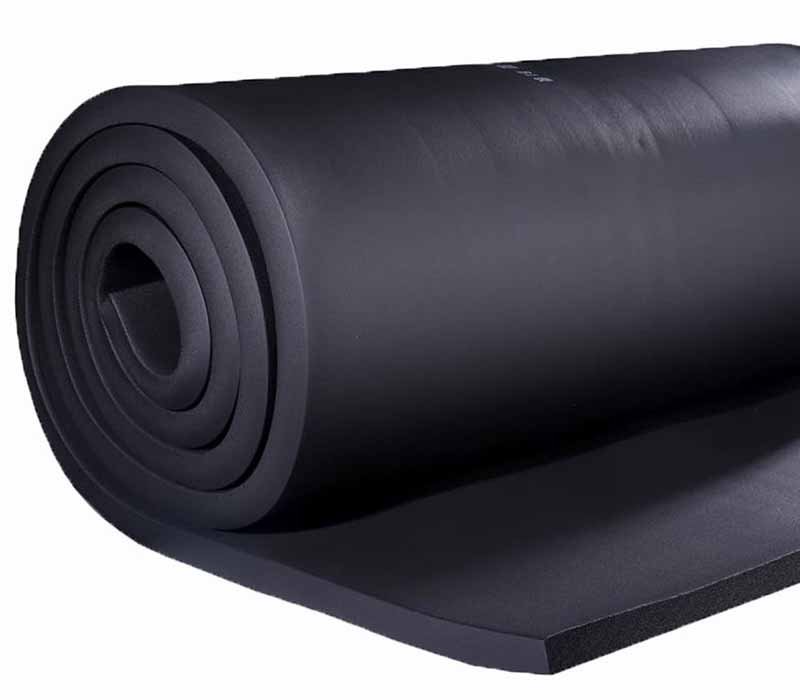
Lamination is where neoprene becomes more usable, more durable, and often more commercially valuable. Foam references describe fabric lamination as fusing substrates together through heat, pressure, and adhesives, and in neoprene products this usually means bonding fabric to one or both sides of the foam.
This step affects far more than appearance. Lamination can change:
- abrasion resistance
- stretch behavior
- hand feel
- surface printability
- sewing stability
- thermal feel against skin or other surfaces
For example, a wetsuit may use a more technical stretch fabric to preserve mobility. A laptop sleeve may use a fabric surface that improves print quality and scratch resistance. A medical support may use a skin-contact fabric chosen for comfort and repeated wear. A can cooler may prioritize shape retention and clean edge finishing.
Different lamination approaches also create different cost structures. Single-sided lamination can reduce material weight and sometimes lower cost. Double-sided lamination usually adds strength and better balance. A plush or brushed inner face may improve comfort but raise total material cost. So when customers ask for “insulated neoprene,” the better question is usually: insulated for what, and with what surface requirement?
A practical comparison looks like this:
| Lamination Choice | Main Advantage | Common Product Fit |
|---|---|---|
| Single-sided | lighter weight, simpler build | sleeves, simple pouches |
| Double-sided | better balance and durability | bags, supports, koozies |
| Stretch fabric | flexibility and fit | wetsuits, braces |
| Reinforced fabric | abrasion resistance | bags, outdoor products |
Lamination is often underestimated during sourcing, but it is one of the clearest places where manufacturing know-how affects real-world performance.
What Should Focus on Before Sampling
Before asking for a sample, it helps to define the actual thermal goal clearly. In many projects, the sample process becomes slower and more expensive simply because the insulation requirement was described too vaguely.
A stronger starting checklist is:
- What temperature condition will the product face?
- How long should it help retain warmth or cold?
- Is flexibility more important than insulation, or the reverse?
- Will the product be used in water, outdoors, or only indoors?
- Is the priority premium feel, low cost, or mass-market consistency?
When these answers are clear, the factory can recommend a more accurate thickness range, foam quality, and lamination direction from the start.
For custom development, that matters. It reduces trial-and-error, lowers sampling waste, and helps move faster into stable bulk production.
Which Factors Affect Neoprene Manufacturing with Thermal Insulation?
Neoprene insulation performance is not controlled by a single variable. It is the result of several factors working together, including thickness, density, cell structure, and surface layers. For product development, understanding how these variables interact helps avoid common mistakes such as over-specifying thickness or underestimating lamination impact.
Thickness and Density
Thickness is the most visible factor in neoprene insulation, but density is just as important. These two parameters work together to determine how much heat is retained and how the material behaves during use.
From a practical standpoint:
- Increasing thickness → improves insulation, but adds bulk and weight
- Increasing density → improves structure and durability, but reduces flexibility
For example, a 5 mm neoprene with moderate density may provide better overall insulation than a thinner but very dense material, simply because there is more air trapped inside the structure.
Here is a useful comparison:
| Thickness | Density | Insulation | Flexibility | Typical Use |
|---|---|---|---|---|
| 2–3 mm | Low–Medium | Light | High | sleeves, koozies |
| 3–5 mm | Medium | Moderate–High | Medium | bags, supports |
| 5–7 mm | Medium–High | High | Lower | wetsuits, cold gear |
Another key point is compression. Neoprene can compress under pressure, which reduces thickness and temporarily lowers insulation performance. This is especially important for:
- knee supports under movement
- bags under load
- wetsuits under water pressure
A well-balanced density helps maintain thickness stability during use.
Cell Structure Quality
Cell structure determines how evenly insulation is distributed across the material. Even if thickness is correct, poor cell structure can reduce performance.
Important characteristics include:
- Cell size uniformity
- Cell wall strength
- Distribution consistency
If cells are too large or uneven:
- insulation becomes inconsistent
- weak points may appear
- durability decreases
If cells are too tight or overly compact:
- flexibility decreases
- material becomes stiff
- comfort is reduced
In production, high-quality neoprene usually shows:
- uniform fine cells
- stable resilience after compression
- minimal internal voids
Comparison:
| Cell Structure | Insulation Stability | Flexibility | Durability |
|---|---|---|---|
| Irregular | Low | Inconsistent | Low |
| Balanced | High | Good | High |
| Overly dense | Medium | Lower | High |
For products like wetsuits and medical supports, balanced cell structure is critical because both insulation and comfort are required at the same time.
Fabric and Coating Layers
Lamination and surface materials have a direct impact on how neoprene performs in real use. While foam controls insulation internally, the outer layers influence heat retention, durability, and user experience.
Key effects of lamination:
- Reduces heat loss through surface exposure
- Improves wear resistance
- Enhances structural stability
- Adds functional properties (stretch, waterproofing, softness)
Different fabric choices lead to different results:
| Fabric Type | Key Benefit | Typical Application |
|---|---|---|
| Nylon | Durable, abrasion resistant | bags, outdoor gear |
| Polyester | Cost-effective, stable | general products |
| Stretch fabric | Flexibility, comfort | wetsuits, supports |
| Brushed lining | Warm feel, comfort | medical, wearable products |
Coatings can also be added to:
- improve water resistance
- enhance UV resistance
- increase surface durability
For example, a neoprene cooler bag with an additional thermal lining can extend temperature retention time by 15–30%, depending on design.
Where Is Neoprene Manufacturing with Thermal Insulation Used?
Thermal-insulated neoprene is used across multiple industries because it offers a balance of insulation, flexibility, and durability. The exact requirements vary by product, but the underlying manufacturing principles remain the same.
Wetsuits and Water Gear
Wetsuits are one of the most demanding applications for neoprene insulation. They must retain body heat while allowing movement in water.
Key requirements:
- strong insulation
- high flexibility
- water resistance
- durability under pressure
Thickness selection is critical:
| Water Temperature | Recommended Thickness |
|---|---|
| 20°C+ | 2–3 mm |
| 15–20°C | 3–5 mm |
| Below 15°C | 5–7 mm |
In wetsuits, insulation works together with water layering. A thin layer of water is trapped between the body and the suit, then warmed by body heat. The neoprene helps keep that heat from escaping.
Manufacturing quality affects:
- seam sealing
- panel flexibility
- thermal consistency
Bags and Koozies
Neoprene is widely used in bags and beverage holders because it provides lightweight insulation and shock absorption at the same time.
For koozies:
- insulation slows temperature change
- flexibility allows easy fit
- lightweight structure improves portability
For bags:
- protects contents from temperature shifts
- adds cushioning
- maintains shape
Typical performance example:
| Product | Thickness | Insulation Effect |
|---|---|---|
| Can koozie | 3 mm | slows warming by ~20–40% |
| Lunch bag | 3–5 mm | maintains temperature for 1–3 hours |
| Bottle holder | 3–5 mm | reduces temperature loss |
Performance depends on design details such as:
- closure system
- internal lining
- exposure to air
Sports and Medical Supports
Neoprene supports use thermal insulation in a different way. Instead of maintaining external temperature, they retain body heat to improve circulation and comfort.
Common applications:
- knee braces
- elbow supports
- back supports
Key benefits:
- heat retention around joints
- improved flexibility during movement
- mild compression support
Material requirements:
- moderate insulation
- high flexibility
- skin-friendly lamination
For these products, thickness is usually in the 2–4 mm range to balance warmth and comfort.
How to Choose Neoprene Manufacturing with Thermal Insulation?
Choosing neoprene with the right thermal insulation is not about selecting the thickest or most expensive material. It is about matching the material structure, thickness, density, and lamination to your product’s real use, price positioning, and production scale. The right choice improves both product performance and business efficiency.
Choosing the Right Thickness
Thickness is usually the first parameter customers consider, but it should always be linked to actual use conditions.
Start with these practical questions:
- What temperature range will the product face?
- How long should insulation last?
- Is flexibility more important than warmth?
- Will the product be worn, carried, or static?
General selection guide:
| Product Type | Recommended Thickness | Reason |
|---|---|---|
| Koozies | 2–3 mm | lightweight, sufficient insulation |
| Laptop sleeves | 3 mm | balance of protection and slimness |
| Lunch bags | 3–5 mm | moderate insulation + structure |
| Sports supports | 2–4 mm | flexibility + warmth |
| Wetsuits | 3–7 mm | strong thermal retention |
Increasing thickness improves insulation, but after a certain point, gains become less noticeable while weight and stiffness increase. This is why choosing thickness without considering product function often leads to over-engineered designs.
Balancing Cost and Performance
Cost control is a key part of product development, especially for brands scaling production.
Neoprene cost is influenced by:
- Thickness (more material = higher cost)
- Density (higher density = higher raw material cost)
- Lamination complexity
- Surface materials
- Production efficiency
A simple comparison:
| Configuration | Cost Level | Performance | Use Case |
|---|---|---|---|
| Thin + basic lamination | Low | Light insulation | entry products |
| Medium thickness + standard lamination | Medium | Balanced | mainstream products |
| Thick + premium lamination | High | Strong insulation | premium products |
For many successful products, the goal is not maximum insulation but optimal insulation within a target cost range.
For example:
- A 3 mm neoprene koozie with good lamination may outperform a poorly made 5 mm version
- A well-designed 4 mm lunch bag may achieve better real-world performance than a thicker but poorly structured alternative
This is where manufacturing experience becomes valuable. It allows performance to be improved without unnecessary cost increases.
Custom Manufacturing Solutions
Standard neoprene materials can only go so far. For brands looking to differentiate, custom manufacturing plays a major role.
Customization options include:
- Foam density adjustment for specific flexibility or support
- Thickness combinations for multi-layer designs
- Fabric selection for branding, durability, or comfort
- Printing and surface finishing for visual identity
- Structural design optimization for product use
Example customization scenarios:
| Product Goal | Custom Solution |
|---|---|
| Slim insulated sleeve | 3 mm neoprene + tight lamination |
| Premium cooler bag | 5 mm neoprene + thermal lining |
| Sports brace | 3 mm stretch neoprene + soft inner fabric |
| High-end wetsuit | multi-panel thickness design |
Customization allows brands to move beyond generic products and create solutions that match their market exactly.
A Practical Decision Framework
To simplify the selection process, use the following framework when developing a neoprene product:
| Key Question | If Your Answer Is… | Recommended Direction |
|---|---|---|
| Do you need strong insulation? | Yes | Increase thickness + optimize structure |
| Do you need flexibility? | Yes | Reduce density + use stretch fabric |
| Is cost sensitive? | Yes | Optimize thickness and lamination |
| Is appearance important? | Yes | Focus on fabric and finishing |
| Is production volume large? | Yes | Prioritize consistency and efficiency |
This approach helps avoid common mistakes such as:
- choosing thick neoprene without considering flexibility
- ignoring lamination impact on performance
- over-specifying materials beyond market needs
What Many Buyers Miss
Many customers focus only on material specifications, but overlook how manufacturing execution affects the final product.
Critical factors include:
- Lamination bonding strength
- Cutting precision and material waste
- Stitching compatibility with neoprene thickness
- Edge finishing and durability
- Batch consistency across production runs
For example:
- Weak lamination can cause bubbling or peeling
- Poor cutting leads to inconsistent product dimensions
- Incorrect stitching tension can damage foam structure
A well-made 3 mm neoprene product can outperform a poorly made 5 mm product simply because the manufacturing process is better controlled.
Final Comparison Summary
| Factor | Key Insight |
|---|---|
| Insulation source | Closed-cell foam structure |
| Main control factors | Thickness, density, lamination |
| Best performance approach | Balance, not maximum values |
| Common mistake | Over-focus on thickness |
| Real advantage | Manufacturing quality and consistency |
Start Your Custom Neoprene Project with Oneier
If you are planning to develop a neoprene product with thermal insulation, the most important step is making the right decisions early—before sampling, before production, and before committing to large orders.
With Oneier, you can:
- Define the right material structure for your product
- Optimize thickness and performance based on real use
- Reduce sampling time and development cost
- Ensure consistent quality across bulk orders
Whether you are launching a new product or improving an existing one, the right neoprene manufacturing approach will directly impact your product success.
Send your product idea, design, or requirements to Oneier today. Our team will help you select the right neoprene solution and turn your concept into a high-quality, market-ready product.