
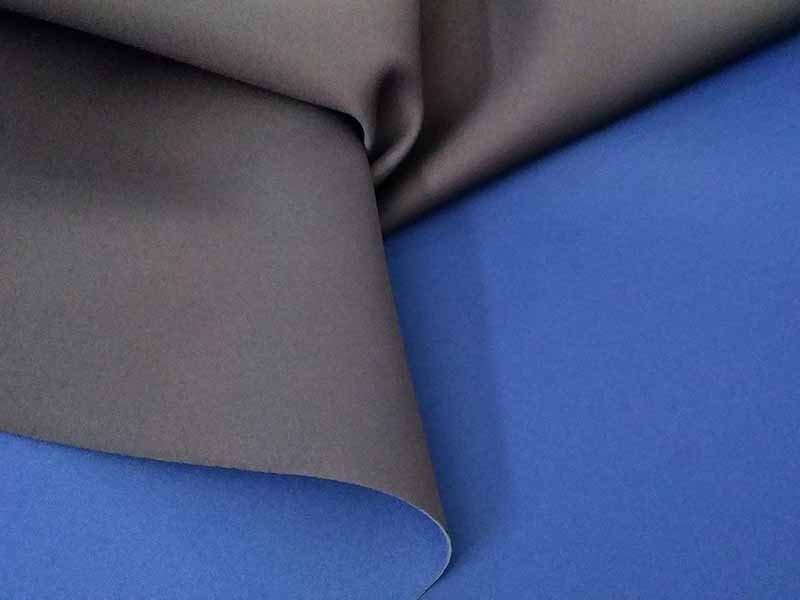
A lot of people use the words neoprene foam and neoprene fabric as if they mean the same thing. In real manufacturing, they do not. That small misunderstanding can create bigger problems later: the product feels too soft, the stitching fails too early, the print result looks poor, or the material cost goes up without improving performance. For a brand developing neoprene bags, koozies, sports supports, medical braces, or wetsuits, this difference is not just technical language. It affects product comfort, protection, durability, appearance, and final pricing.
The simplest way to understand it is this. Neoprene foam is the rubber core. Neoprene fabric is what you get when that foam is laminated with textile layers, usually on one side or both sides. The foam gives cushioning, insulation, stretch, and body. The fabric layer gives surface strength, better appearance, easier sewing, and better printing or branding performance. Most finished neoprene products sold in the market use laminated neoprene rather than raw foam alone.
That sounds easy enough, but the real questions start after that. Which thickness is right for a laptop sleeve? Why does a wetsuit material behave differently from a neoprene can cooler? Why do some neoprene bags feel firmer while others feel soft and floppy? Once you understand how foam, lamination, thickness, and surface fabric work together, material selection becomes much clearer. That is where smart product development starts.
What Is Neoprene Foam vs Neoprene Fabric?
Neoprene foam is the closed-cell rubber middle layer that gives the material its cushion, flexibility, and insulation. Neoprene fabric is neoprene foam laminated with textile on one or both sides, making it easier to sew, stronger on the surface, and more suitable for finished products such as bags, wetsuits, koozies, and braces.
What Is Neoprene Foam in Neoprene Foam vs Neoprene Fabric?
Neoprene foam is the functional core of neoprene material. It is the part responsible for the soft body, shock absorption, light insulation, and stretch that people usually associate with neoprene products. If you remove the outside fabric from a neoprene bag or wetsuit panel, what remains in the middle is the foam layer.
This foam is made with a closed-cell structure. That means it contains many tiny sealed cells inside the rubber. These cells are one reason neoprene performs well in cushioning and temperature retention. In practical product development, the foam layer affects several things at once:
- how soft or firm the product feels
- how much impact protection it gives
- how much shape the product holds
- how much thickness and body the item has
- how much insulation it can provide
For example, a 2 mm neoprene foam core used in a slim pouch gives light padding and flexibility. A 5 mm foam core used in a sports support or wetsuit panel gives much more body, insulation, and compression effect.
A simple thickness guide helps show how foam choice changes product direction:
| Foam Thickness | Common Product Use | Product Feel |
|---|---|---|
| 1 mm | light sleeves, thin covers, fashion details | light, flexible, low bulk |
| 2 mm | laptop sleeves, pouches, can coolers | balanced, soft, practical |
| 3 mm | tote bags, braces, bottle holders | fuller body, better protection |
| 4 mm | medical supports, heavy-duty sleeves | firm, supportive |
| 5 mm+ | wetsuits, diving products, strong supports | thick, insulated, more structured |
Raw neoprene foam by itself is rarely the best final-facing material for most sewn products. It does the functional work, but it still needs help on the surface. That is why foam alone is only part of the story.
What Is Neoprene Fabric in Neoprene Foam vs Neoprene Fabric?
Neoprene fabric is not a completely different material from neoprene foam. It is neoprene foam after lamination. In other words, the factory bonds textile to the foam surface so the material can perform better in real production and real use.
This textile may be laminated on one side or both sides, depending on the product. Common surface fabrics include polyester, nylon, stretch jersey, and special printed or textured fabrics. The choice of outer fabric changes not only the look of the material, but also how it cuts, sews, prints, stretches, and wears over time.
For customers, this matters because neoprene fabric is usually what they are actually buying when they order finished neoprene products. A cooler sleeve, wetsuit panel, neoprene tote bag, sports support, or medical brace is usually made from foam plus fabric, not raw foam only.
The fabric layer improves the material in several ways:
- makes the surface less sticky and easier to handle
- improves seam performance during sewing
- protects the foam from direct abrasion
- supports printing, sublimation, embossing, or branding
- gives the product a cleaner and more commercial appearance
This is why two neoprene products with the same foam thickness can still feel very different. One may use smooth jersey on both sides. Another may use a firmer outer knit. Another may use one side fabric and one exposed functional side. The foam thickness may be the same, but the user experience can still change a lot.
Here is a practical comparison:
| Material Form | Structure | Main Value |
|---|---|---|
| Neoprene foam | rubber foam core only | cushioning, insulation, softness |
| Single-laminated neoprene fabric | foam + one textile side | functional surface + core protection |
| Double-laminated neoprene fabric | textile + foam + textile | better durability, sewing, appearance |
For most custom neoprene products, laminated neoprene fabric is the production-ready material that factories actually cut and sew.
How Are Neoprene Foam vs Neoprene Fabric Made?
Understanding how the material is made helps explain why factories talk so much about thickness, lamination, bonding strength, and surface fabric type.
The process starts with neoprene rubber compounding and foaming. That stage creates the foam core. After that, the foam is sliced or controlled into target thickness. Then textile is laminated to the foam with adhesive and bonding processes. Once lamination is complete, the material becomes much more practical for finished product manufacturing.
A simplified process looks like this:
| Production Stage | What Happens | Why It Matters |
|---|---|---|
| Rubber compounding | base material is mixed | affects density and performance |
| Foaming | closed-cell foam structure is formed | creates insulation and cushion |
| Thickness control | foam is made to target thickness | affects body and use |
| Lamination | textile is bonded to foam | improves sewing and durability |
| Material inspection | stretch, bond, thickness, surface checked | protects product consistency |
At factory level, this process determines many of the final product results customers care about:
- whether the thickness is even
- whether the fabric peels away from the foam
- whether the material stretches too much or too little
- whether the print surface is stable
- whether repeated folding damages the lamination
For example, if the bond between foam and fabric is weak, a bag panel may bubble or separate after use. If the foam density is too low, a protective sleeve may collapse too easily. If the outer fabric is poorly chosen, the material may look cheap or pill too quickly.
That is why experienced neoprene manufacturers do not choose material by thickness alone. They evaluate the complete material build: foam type, density, outer textile, lamination method, and intended product use.
What Are Differences in Neoprene Foam vs Neoprene Fabric?
The main differences are structure, surface performance, sewing behavior, durability, and product suitability. Neoprene foam is the functional inner layer. Neoprene fabric is the finished laminated material used for production. Foam gives core performance. Fabric lamination makes that performance usable in real commercial products.
Which Structure Defines Neoprene Foam vs Neoprene Fabric?
The clearest difference is structural. Neoprene foam is one internal material layer. Neoprene fabric is a composite material. That structural difference changes how the material behaves under stress, stitching, printing, and day-to-day wear.
Think of neoprene foam as the engine and neoprene fabric as the full assembled system. The foam does the hidden functional work, but the outer textile layers determine how that performance reaches the user.
From a manufacturing point of view, structure affects:
- panel stability
- seam holding strength
- surface finish
- edge behavior after cutting
- comfort against skin or touch points
- compatibility with branding methods
A structure comparison makes this easier to see:
| Structural Point | Neoprene Foam | Neoprene Fabric |
|---|---|---|
| Number of layers | single foam core | composite layered build |
| Surface condition | rubber-like | textile-faced |
| Cut edge appearance | exposed foam | fabric-bonded foam edge |
| Seam durability | weaker if sewn alone | much better |
| Finished product suitability | limited | high |
This is especially important in products that take repeated load or repeated bending. A neoprene tote bag with handles, a sports brace with hook-and-loop sections, or a wetsuit with high movement zones needs more than cushioning. It needs structural stability at the surface.
That is why the question is not simply “foam or fabric?” In practice, the real question is “what structure does this product need?” For most commercial neoprene products, the answer points toward laminated neoprene fabric.
How Do Properties Differ in Neoprene Foam vs Neoprene Fabric?
The foam core and fabric surface work together, but they do not contribute the same things. Foam brings softness, body, buoyancy, and insulation. Fabric brings abrasion resistance, handling performance, better appearance, and stronger production practicality.
Customers often focus first on thickness, but thickness alone does not explain material behavior. A 3 mm neoprene material can feel soft and stretchy or firm and supportive depending on the fabric, foam density, and lamination.
Below is a more practical property comparison:
| Property | Neoprene Foam | Neoprene Fabric |
|---|---|---|
| Cushioning | high | high |
| Insulation | high | high |
| Surface durability | low to medium | medium to high |
| Sewing friendliness | low | high |
| Print friendliness | low | medium to high |
| Appearance control | limited | strong |
| Abrasion resistance | limited | better |
| Product finishing quality | basic | commercial-grade |
This is why finished product categories separate naturally. Raw or minimally surfaced foam may work inside technical structures or niche insulation uses. Laminated neoprene fabric works much better for products people carry, wear, sell, photograph, brand, and reuse.
It is also why some customers get confused during sourcing. They may ask for “3 mm neoprene” without specifying the surface fabric, then receive something that technically matches the thickness but not the expected feel or use result. Good manufacturers avoid this by confirming the full material build, not only the foam measurement.
Which Is Stronger in Neoprene Foam vs Neoprene Fabric?
For finished products, neoprene fabric is usually stronger in the ways that matter commercially. Raw foam can compress well and recover shape, but it is much more vulnerable to tearing, edge wear, and seam weakness if it is used without the right surface support.
Laminated fabric improves strength in practical ways:
- better tear behavior at stitched seams
- better abrasion performance in daily use
- better support for straps, closures, and patches
- better resistance to surface damage
- better handling during mass production
A useful way to think about strength is to separate core strength from usable strength.
- Foam has core resilience and body
- Laminated fabric has better usable product strength
For example:
| Product Example | Better Material Choice | Why |
|---|---|---|
| Can cooler | laminated neoprene fabric | easier printing, better finishing |
| Laptop sleeve | laminated neoprene fabric | cleaner stitching and durability |
| Sports brace | laminated neoprene fabric | stretch + surface support |
| Wetsuit panel | laminated neoprene fabric | comfort, movement, strength |
| Internal cushioning insert | foam may be enough | outer appearance less important |
This is exactly why most commercial neoprene products sold under private label or OEM programs are based on laminated neoprene fabric systems rather than exposed foam sheets. The finished product has to survive shipping, branding, retail handling, repeat use, and customer expectations. Surface structure matters as much as core function.
For a factory like Oneier, which works across neoprene bags, koozies, sports protection, medical supports, and wetsuits, material choice is never only about “soft or thick.” It is about matching foam, fabric, lamination, and final use together. That is the difference between a sample that only looks right on the table and a product that performs well after months of real use.
How Are Neoprene Foam vs Neoprene Fabric Used?
Neoprene foam and neoprene fabric are used across many industries, but the way manufacturers apply them depends on the final product’s functional requirements. Neoprene foam provides cushioning, insulation, and flexibility, while neoprene fabric—laminated with textile layers—allows the material to be sewn, printed, and shaped into finished products.
Which Products Use Neoprene Foam vs Neoprene Fabric?
Different industries choose between neoprene foam and neoprene fabric depending on whether the product needs structural strength, visual appeal, or simply internal cushioning.
Neoprene foam is often used as a core material where its primary role is insulation or shock absorption. Because raw foam does not hold seams well and is more vulnerable to surface wear, it is usually hidden inside products rather than exposed.
Common foam-focused applications include:
- internal insulation layers
- protective padding inserts
- sound or vibration dampening layers
- industrial sealing materials
Neoprene fabric, on the other hand, is the material most commonly used in finished consumer products. The laminated textile surface allows manufacturers to stitch panels together and produce durable items with clean edges and strong seams.
Products that rely on neoprene fabric include:
| Product Category | Why Laminated Neoprene Fabric Is Used |
|---|---|
| laptop sleeves | balanced protection and flexibility |
| beverage koozies | easy printing and comfortable grip |
| tote bags | good structure with soft feel |
| wetsuits | stretch with surface durability |
| sports braces | support and skin comfort |
This difference is one reason many brands new to neoprene manufacturing initially misunderstand the material. They may ask for “neoprene foam products,” but the finished goods they see in stores are usually made from laminated neoprene fabric rather than exposed foam.
How Are Bags Made with Neoprene Foam vs Neoprene Fabric?
Neoprene bags are one of the fastest-growing product categories using neoprene materials. These bags combine the cushioning properties of neoprene foam with the structural stability of laminated fabric.
In bag production, the foam core provides body and protection, while the fabric layer allows the panels to be cut and sewn like traditional textile materials.
A typical neoprene bag structure looks like this:
| Layer | Function |
|---|---|
| outer fabric | appearance and abrasion resistance |
| neoprene foam core | cushioning and shape |
| inner fabric | comfort and structural stability |
This structure gives neoprene bags several advantages:
- lightweight construction
- water resistance
- flexible storage capacity
- shock protection for electronics
For example, a 3 mm laminated neoprene sheet is widely used in laptop sleeves and tote bags because it balances softness with sufficient protection.
Manufacturers producing custom neoprene bags also consider additional design elements such as:
- reinforced handles
- zipper placement
- internal pockets
- logo printing methods
The choice of fabric lamination can influence how the final bag looks and performs. Polyester laminated neoprene often provides a smoother printing surface, while nylon laminated neoprene offers better stretch and durability.
How Are Sports Products Made with Neoprene Foam vs Neoprene Fabric?
Sports supports and medical braces rely heavily on neoprene fabric because it combines elasticity with structural strength.
In these products, the foam core provides compression and cushioning around joints, while the fabric layers stabilize the structure and protect the foam from tearing.
Sports protection equipment commonly made from laminated neoprene includes:
- knee supports
- elbow braces
- ankle supports
- back stabilizers
These products require materials that can stretch repeatedly without losing their shape. Laminated neoprene performs well because the fabric layer distributes tension across the material instead of concentrating it in the foam.
A performance comparison helps explain why laminated neoprene fabric works well for sports equipment:
| Performance Requirement | Neoprene Foam | Laminated Neoprene Fabric |
|---|---|---|
| elasticity | high | high |
| structural durability | moderate | strong |
| abrasion resistance | low | high |
| skin comfort | moderate | high |
In wetsuits, laminated neoprene fabric also plays a critical role in thermal insulation and movement flexibility. The foam traps a thin layer of water between the suit and the body, which warms quickly and helps maintain body temperature.
At the same time, the fabric layer ensures that the wetsuit can withstand constant stretching during swimming or diving.
For manufacturers, choosing the correct lamination structure is essential for ensuring the finished product performs reliably during repeated use.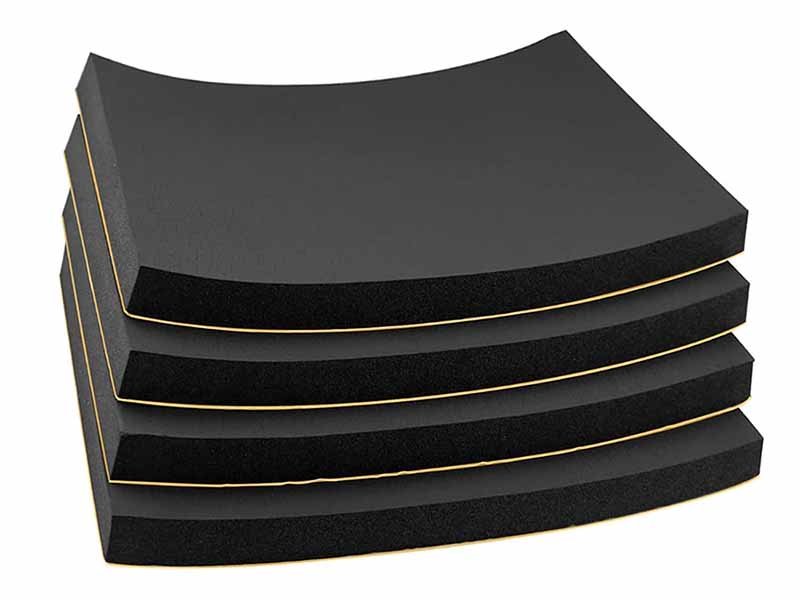
Which Is Better: Neoprene Foam vs Neoprene Fabric?
The question of which material is “better” depends entirely on the product being developed. Neoprene foam and neoprene fabric serve different purposes, and most finished products actually rely on a combination of both.
Which Is Better for Insulation in Neoprene Foam vs Neoprene Fabric?
When insulation is the primary requirement, neoprene foam plays the most important role.
The foam core contains closed air cells that trap heat and prevent rapid temperature transfer. This property explains why neoprene has been widely used in diving suits and thermal protective gear for decades.
The insulation performance depends largely on foam thickness.
| Foam Thickness | Insulation Performance |
|---|---|
| 2 mm | light thermal retention |
| 3 mm | moderate insulation |
| 5 mm | strong thermal insulation |
| 7 mm | heavy cold-water protection |
For wetsuits, thicker foam layers provide stronger insulation but reduce flexibility. Manufacturers must balance warmth and movement depending on the intended environment.
In contrast, the fabric layer contributes little to insulation. Its main role is structural and protective.
Which Is Better for Durability in Neoprene Foam vs Neoprene Fabric?
Durability is where neoprene fabric clearly outperforms foam alone.
The textile layer protects the foam core from abrasion and distributes stress more evenly across the material. This prevents tearing and surface damage during everyday use.
For example:
- a neoprene laptop sleeve constantly rubs against desks and bags
- a sports brace experiences repeated stretching
- a tote bag must support the weight of carried items
Without laminated fabric, the foam would quickly degrade under these conditions.
Durability comparison:
| Durability Factor | Neoprene Foam | Neoprene Fabric |
|---|---|---|
| abrasion resistance | low | high |
| tear resistance | moderate | strong |
| seam durability | weak | strong |
| long-term wear | limited | reliable |
Because of these advantages, laminated neoprene fabric is the preferred material for most commercial neoprene products.
Which Is Better for Custom Products in Neoprene Foam vs Neoprene Fabric?
Custom product development requires materials that are easy to cut, sew, print, and shape. Laminated neoprene fabric offers significant advantages in all these areas.
For custom OEM manufacturing, laminated neoprene allows:
- clean stitching lines
- accurate panel shaping
- high-quality logo printing
- consistent material appearance
This flexibility makes it suitable for a wide range of custom products such as:
| Custom Product | Recommended Material |
|---|---|
| neoprene tote bags | laminated neoprene fabric |
| promotional koozies | laminated neoprene fabric |
| sports supports | laminated neoprene fabric |
| laptop sleeves | laminated neoprene fabric |
Raw neoprene foam still plays an important role inside many of these products, but it is rarely used as the visible outer surface.
Manufacturers therefore consider neoprene foam as the functional core and neoprene fabric as the production-ready material used for final product construction.
How Do Factories Choose Neoprene Foam vs Neoprene Fabric?
Factories choose between neoprene foam and neoprene fabric by evaluating the final product’s function, durability requirements, thickness needs, and production method. In most commercial applications, the choice is not between one or the other. Instead, manufacturers determine the correct combination of foam core, textile lamination, and thickness that allows the product to perform reliably while remaining cost-effective to manufacture.
How Do Manufacturers Select Neoprene Foam vs Neoprene Fabric Thickness?
Thickness selection is one of the first technical decisions in neoprene product development. The foam thickness affects product structure, cushioning performance, flexibility, and overall weight. Choosing the wrong thickness can result in a product that feels either too weak or unnecessarily bulky.
Manufacturers usually match thickness to the product’s functional requirements.
| Neoprene Thickness | Common Products | Key Reason |
|---|---|---|
| 1 mm | fashion accessories, light sleeves | lightweight and flexible |
| 2 mm | koozies, bottle sleeves, small pouches | soft grip and light insulation |
| 3 mm | laptop sleeves, tote bags | balance of structure and flexibility |
| 4 mm | sports braces, protective covers | stronger compression support |
| 5 mm | wetsuits, thermal gear | improved insulation |
| 7 mm | diving suits, cold-water equipment | maximum insulation |
For example, a neoprene laptop sleeve typically uses 3 mm laminated neoprene fabric because it provides enough cushioning without making the sleeve overly bulky. A diving wetsuit, however, may require 5–7 mm neoprene to maintain thermal insulation in cold water.
Factories also evaluate foam density when selecting thickness. Higher-density foam provides stronger structural support, while lower-density foam offers greater flexibility.
How Do Factories Laminate Neoprene Foam vs Neoprene Fabric?
The lamination process is what transforms neoprene foam into neoprene fabric suitable for commercial products. During lamination, textile layers are bonded to the foam core using adhesive and heat pressure.
The most common lamination structures include:
| Lamination Type | Structure | Product Use |
|---|---|---|
| single laminated | fabric + foam | braces, medical supports |
| double laminated | fabric + foam + fabric | bags, wetsuits |
| stretch laminated | stretch fabric + foam | sports gear |
| printed laminated | printed fabric + foam | promotional products |
The lamination process must achieve strong bonding between the fabric and foam layers. Weak lamination can cause the layers to separate during repeated bending or washing.
Manufacturers therefore test laminated materials by stretching and bending them repeatedly. High-quality lamination maintains a stable bond even after extended use.
Lamination also determines how the material behaves during sewing. If the fabric surface is too thin, stitching may pull through the foam. If the fabric is too thick, the material may lose flexibility.
Experienced neoprene manufacturers carefully match fabric type, adhesive strength, and foam density to achieve balanced performance.
Which Neoprene Foam vs Neoprene Fabric Works Best for OEM Products?
For OEM product development, laminated neoprene fabric is generally the most practical material because it supports cutting, sewing, and branding operations.
Custom OEM products typically require several features that raw foam alone cannot provide:
- strong seams for structural stability
- clean surface for logo printing
- durable edges for long-term use
- consistent appearance across production batches
Examples of OEM neoprene products include:
| OEM Product | Recommended Material Structure |
|---|---|
| neoprene tote bag | double laminated neoprene |
| beverage koozie | single laminated neoprene |
| sports knee brace | stretch laminated neoprene |
| laptop sleeve | double laminated neoprene |
| wetsuit panel | double laminated neoprene |
Manufacturers like Oneier often assist clients in selecting the most appropriate lamination structure based on product purpose, target price, and branding requirements.
For instance, promotional beverage koozies frequently use 2 mm laminated neoprene because it balances insulation with cost efficiency. In contrast, high-end sports supports may require thicker foam and specialized stretch fabrics to improve comfort and durability.
Custom Neoprene Product Manufacturing with Oneier
Developing neoprene products successfully requires both material expertise and manufacturing experience. Many companies can supply neoprene sheets, but far fewer manufacturers understand how foam structure, lamination, and product design interact during production.
Oneier is a Chinese manufacturer with more than eighteen years of experience specializing in neoprene material development and product manufacturing. The company focuses on producing customized neoprene products for international brands and e-commerce businesses.
Oneier supports a wide range of neoprene applications, including:
| Product Category | Example Products |
|---|---|
| neoprene bags | laptop sleeves, tote bags |
| beverage accessories | can coolers, bottle sleeves |
| sports supports | knee braces, elbow supports |
| medical supports | rehabilitation braces |
| water sports gear | wetsuits and protective gear |
The company provides integrated services covering product design, sampling, and manufacturing.
Key capabilities include:
- custom neoprene thickness selection
- laminated fabric development
- logo printing and branding options
- low minimum order quantities
- rapid sample production
This approach allows customers to move from product concept to finished product efficiently.
Many brands developing neoprene products begin with a sample stage. During this stage, manufacturers evaluate the material structure, stitching quality, and product performance before large-scale production begins.
For companies launching private label neoprene products, this sampling process helps ensure that the final product matches both functional requirements and brand expectations.
If your company is developing neoprene bags, koozies, sports supports, or wetsuits, the Oneier team can assist with material selection, product design, and OEM manufacturing solutions.
By working with an experienced manufacturer that understands both neoprene materials and product development, brands can transform simple neoprene materials into reliable, market-ready products that support long-term business growth.