
Neoprene Fabric Composition Explained — From Rubber to Modern Material
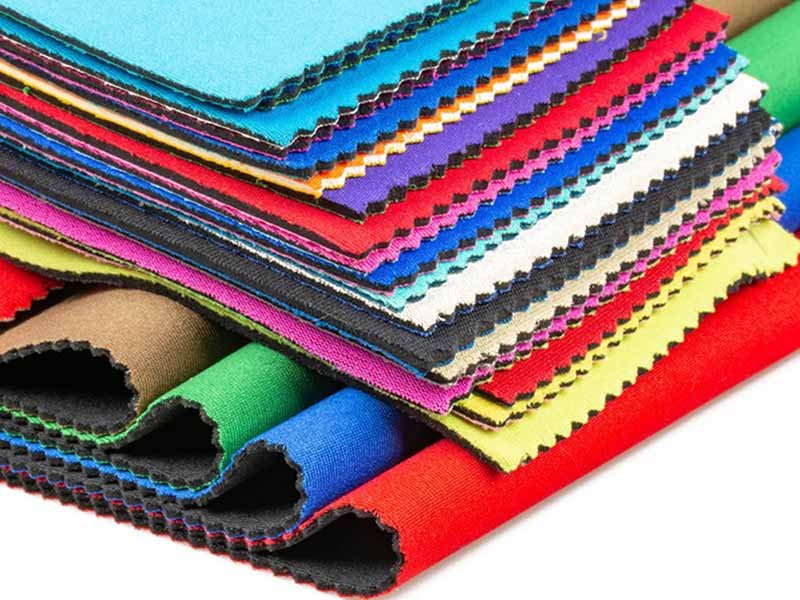
In the vast universe of modern fabrics, few materials balance science and sensation like neoprene. What began as an industrial rubber now defines the aesthetic of sleek travel bags, wetsuits, and tech-driven fashion. Its story is a fusion of chemistry and craftsmanship — one that reshaped how we experience protection, comfort, and design.
Neoprene fabric is made from synthetic rubber called polychloroprene, created by polymerizing chloroprene monomers. The foam is then expanded with gas cells and laminated with textiles such as polyester or nylon to form soft, waterproof, flexible sheets. The result is a durable, insulating fabric used across sportswear, accessories, and industrial applications.
When materials feel effortless, science is usually working invisibly underneath. Neoprene’s distinctive bounce and velvety smoothness come from engineered micro-bubbles inside a rubber matrix. At Szoneier, a team with more than 18 years of neoprene R&D experience, designers often describe it as “air sculpted by chemistry.” From car seats to couture bags, the secret of neoprene’s comfort lies not in a single ingredient, but in the careful orchestration of many.
What Is Neoprene Fabric and How Is It Made?
Neoprene fabric is a closed-cell synthetic rubber material produced by polymerizing chloroprene, forming elastic foam sheets later laminated with fabrics. This process gives neoprene its waterproof, shock-absorbing, and temperature-stable characteristics, making it ideal for accessories, protective gear, and performance fashion.
From Chemistry to Comfort
Neoprene was first synthesized in 1930 by DuPont as a substitute for natural rubber. Unlike rubber tapped from trees, neoprene originates from laboratory chemistry — a process known as polymerization. Chloroprene molecules (C₄H₅Cl) link together under controlled heat and catalysts to form long, flexible chains called polychloroprene. These chains create a stable backbone that resists oil, ozone, and heat, making neoprene tougher than most elastomers.
Foaming — The Birth of Softness
After polymerization, the solid neoprene compound is mixed with blowing agents. When heated, these agents release inert gases, expanding the compound into millions of sealed cells — each trapping air like microscopic cushions. This closed-cell structure explains neoprene’s light weight and buoyancy.
- Average cell diameter ≈ 100 µm
- Typical density range ≈ 0.25–0.5 g/cm³
- Compression recovery > 90 %
The resulting foam block is cured, sliced into sheets, and aged for dimensional stability before any textile touches it.
Lamination — Transforming Rubber into Fabric
Pure neoprene alone is fragile to abrasion. To become usable as fabric, it’s laminated on one or both sides with woven or knitted textiles — usually polyester jersey, nylon 6/6, or spandex blends. This combination gives neoprene its signature duality: rubber strength outside, fabric comfort on skin. Adhesives today are largely water-based, replacing older solvent systems to minimize VOC emissions.
| Stage | Purpose | Result |
|---|---|---|
| Polymerization | Create rubber base | Polychloroprene compound |
| Foaming | Introduce gas cells | Lightweight, insulating foam |
| Vulcanization | Cross-link chains | Elastic and heat-stable sheet |
| Lamination | Bond textile surface | Durable, printable fabric |
The Evolution of Formulas
Modern neoprene formulations vary by use:
- Standard CR Neoprene: Balanced elasticity for bags and sleeves.
- High-Density Foam: Greater compression resistance for support gear.
- Super-Stretch Blend: Added spandex laminate for athletic wear.
These subtle differences come from altering catalysts, fillers, and curing methods — giving designers precise control over firmness, thickness, and flexibility.
The Human Touch in Manufacturing
Despite its scientific origins, neoprene’s final quality still relies on human precision. Skilled technicians monitor foaming temperatures, slice uniform sheets, and align lamination under constant tension to avoid air pockets. The tactile perfection consumers feel — that quiet bounce-back — is the result of countless micro-adjustments along the line.
What Are the Primary Raw Materials Used in Neoprene Production?
The main raw materials for neoprene production are chloroprene monomer, chemical initiators, metal oxides, antioxidants, and fillers such as carbon black and calcium carbonate. Each additive influences elasticity, stability, and appearance. Together they form polychloroprene — a durable synthetic rubber that becomes the base of neoprene foam.
Chloroprene — The Foundation Molecule
Everything begins with chloroprene (C₄H₅Cl), a clear liquid derived from butadiene or acetylene. When polymerized, it creates the repeating units of polychloroprene, giving neoprene its molecular backbone. The chlorine atom enhances chemical resistance, allowing the material to withstand oils, solvents, and UV exposure far better than natural rubber.
Catalysts and Initiators
To trigger polymerization, producers use free-radical initiators — organic peroxides or azo compounds — which open chloroprene’s double bonds and join molecules into long chains. This reaction determines the rubber’s molecular weight and, therefore, its flexibility and strength. Precise timing ensures chains are long enough for elasticity but short enough for manageable viscosity.
Metal Oxides and Accelerators
After polymerization, the compound requires vulcanization — cross-linking between chains for stability. Common agents include zinc oxide and magnesium oxide, which form bridges between molecules. These cross-links prevent softening under heat and maintain structure under pressure. Think of it as microscopic scaffolding inside every sheet.
Fillers and Pigments
Fillers such as carbon black, calcium carbonate, and silica adjust density, firmness, and color depth. Carbon black increases tensile strength and provides natural UV protection, while calcium carbonate lightens the compound for softer foams. For visual applications like fashion bags, pigments are blended directly into the matrix to ensure even coloration.
| Additive Type | Purpose | Typical Effect |
|---|---|---|
| Chloroprene Monomer | Main polymer source | Elastic base |
| Peroxide / Azo Initiators | Polymer chain formation | Controls flexibility |
| ZnO, MgO | Cross-linking agents | Heat and aging resistance |
| Carbon Black | Reinforcement & color | UV protection |
| CaCO₃ / Silica | Filler | Density & cost balance |
| Antioxidants | Prevent degradation | Extended lifespan |
Antioxidants and Stabilizers
Like any organic compound, polychloroprene is prone to oxidation. To extend lifespan, manufacturers blend antioxidants such as phenolic resins or amine derivatives. These act as sacrificial barriers, neutralizing radicals before they damage the polymer chain. Without them, neoprene would yellow and lose elasticity within months.
Plasticizers and Softening Agents
Where flexibility or drape is required — for garments, gloves, or soft-touch covers — mild plasticizers are introduced. These compounds reduce intermolecular friction, giving neoprene its silky hand feel without weakening its structure. The challenge lies in balance: too much plasticizer, and the foam loses rebound; too little, and it feels rigid.
From Compound to Foam
Once all ingredients are blended into a viscous mixture, it’s spread into molds and heated. Blowing agents expand under heat, pushing the compound upward like bread dough. The foam is then cured — a process that finalizes cross-links — and cooled slowly to ensure uniform cell size. What emerges is the familiar lightweight rubber block that will later be sliced and laminated into neoprene fabric.
What Fabrics Are Commonly Laminated onto Neoprene Sheets?
Neoprene foam is typically laminated with polyester, nylon, or spandex fabrics to add strength, printability, and comfort. Polyester jersey provides structure and quick drying, nylon offers smoothness and abrasion resistance, and spandex ensures stretch. The lamination process transforms raw neoprene into a usable textile with both durability and flexibility for fashion, sports, and accessories.
Why Lamination Matters
Neoprene, by itself, is a soft foam with limited surface durability. To turn it into a textile suitable for bags, wetsuits, or laptop sleeves, manufacturers bond a fabric layer onto one or both sides. This lamination not only protects the foam but also defines how it behaves — glossy or matte, stretchy or firm, sporty or elegant.
The process uses heat, pressure, and adhesive films (now mainly water-based) to create a permanent bond. When done correctly, the layers move as one — no bubbling, no peeling, no distortion even after years of use.
Common Lamination Fabrics
| Lamination Fabric | Key Properties | Typical Application |
|---|---|---|
| Polyester Jersey | Light, fast-drying, affordable | Bags, sleeves, accessories |
| Nylon Jersey | Smooth, abrasion-resistant, color rich | Wetsuits, covers, travel gear |
| Spandex Blend | High elasticity, soft touch | Activewear, comfort gear |
| RPET Fabric | Recycled fibers, eco option | Sustainable lines |
| Cotton Knit | Natural feel, breathable | Lifestyle products |
Each fabric creates a different sensory identity. Polyester is functional; nylon feels technical; spandex is luxurious. Designers choose according to how they want the neoprene to “speak” — matte sophistication, glossy athleticism, or eco softness.
The Two-Sided Equation
In single-laminated neoprene, one side retains exposed foam — ideal for insulation or grip surfaces. In double-laminated neoprene, both sides are covered, creating symmetrical strength for cutting and sewing. The double type is standard for most consumer goods due to its easy handling and longevity.
Thickness pairing examples:
- 3 mm neoprene + 100 gsm polyester jersey → everyday tote bag
- 5 mm neoprene + 150 gsm nylon + spandex → premium wetsuit
- 2 mm neoprene + recycled PET knit → eco laptop sleeve
The Role of Adhesives
Earlier lamination relied on solvent-based glues with volatile organic compounds (VOCs). Modern production uses water-based polyurethane adhesives, reducing odor and environmental impact by up to 80 %. This shift also enhances softness since the glue layer remains flexible after curing.
Surface Aesthetics
Designers can modify the lamination fabric to achieve visual effects:
- Embossed nylon adds texture.
- Brushed polyester mimics suede.
- Printed jersey enables vibrant sublimation patterns.
- Perforated neoprene offers ventilation and sport-luxe appeal.
The lamination fabric, therefore, becomes part of the storytelling — deciding whether the final product feels athletic, artisanal, or futuristic.
How Do Different Neoprene Formulas Affect Performance?
Neoprene formulas vary in density, elasticity, and additives. High-density neoprene offers rigidity and insulation; low-density versions provide softness and stretch. Chemical adjustments create grades suited for sportswear, industrial use, or accessories. The formula determines texture, strength, and comfort — defining where each type performs best.
Density and Elasticity
The most visible difference between neoprene types lies in density. Lightweight foams (0.25–0.35 g/cm³) feel cushiony and pliable — excellent for laptop sleeves or lunch bags. Dense foams (0.45–0.55 g/cm³) resist compression, essential for diving suits or tool covers.
| Neoprene Grade | Density (g/cm³) | Elasticity | Common Uses |
|---|---|---|---|
| Soft Lightweight | 0.25–0.35 | High | Bags, cases, comfort wear |
| Medium Density | 0.36–0.45 | Balanced | Wetsuits, gloves |
| High Density | 0.46–0.55 | Moderate | Industrial pads, braces |
Elasticity also depends on the degree of cross-linking during vulcanization. More cross-links = stiffer sheet; fewer = greater stretch.
Additive Adjustments
By altering ratios of fillers, plasticizers, and accelerators, manufacturers can fine-tune characteristics like rebound, insulation, or flame resistance.
- Increased carbon black → higher tear strength, darker color
- Added silica → improved heat resistance
- Higher plasticizer content → softer hand feel
Such variations turn one base polymer into countless possibilities, from flexible yoga mats to rigid industrial seals.
Surface & Finish Modifications
Surface finishing further diversifies performance:
- Smoothskin Neoprene: polished outer layer; hydrodynamic and windproof.
- Open Cell Neoprene: unlaminated, sticky texture; used for high-grip wetsuits.
- Fabric-Lined Neoprene: comfort and color versatility.
Each finish is a strategic choice balancing practicality and design language.
Thermal and Acoustic Properties
Neoprene’s foam cells trap air, providing both thermal insulation and sound absorption. Its thermal conductivity (~0.054 W/m·K) is lower than many fabrics, keeping warmth close to the body. Similarly, in speaker covers or camera cases, it dampens vibration and external noise — a hidden performance advantage.
Resistance Factors
Formulation directly influences chemical and environmental durability:
- Oil Resistance: achieved through chlorine content in polychloroprene.
- UV Resistance: improved with carbon black and stabilizers.
- Saltwater Stability: inherent in closed-cell structure.
This makes neoprene remarkably universal — equally at home underwater, under sunlight, or on city streets.
Are There Eco-Friendly or Sustainable Alternatives to Traditional Neoprene?
Modern neoprene is becoming more sustainable through limestone-based, recycled, and plant-based alternatives. Limestone neoprene replaces petroleum feedstocks; recycled neoprene reuses production waste; and natural rubber alternatives like Yulex® offer renewable options. Eco adhesives and water-saving laminations also lower emissions, reshaping how neoprene fits in sustainable design.
Limestone-Based Neoprene
Traditional neoprene uses petroleum-derived chloroprene. The limestone version, pioneered in Japan, replaces petroleum with calcium carbonate extracted from limestone, reducing reliance on crude oil. Though still synthetic, this shift cuts CO₂ emissions during chloroprene synthesis by approximately 20–25 %. Its structure and performance remain identical — soft, flexible, and durable — proving sustainability can coexist with technical excellence.
Recycled Neoprene
Waste from cutting and lamination processes — often up to 15 % of total volume — can be shredded, reblended, and foamed again. This post-industrial recycling lowers landfill waste and reduces new material demand. Some manufacturers also mix recycled neoprene granules into fresh compounds for secondary uses such as yoga mats or protective packaging.
Plant-Based Substitutes (Yulex® and Others)
An emerging alternative is natural rubber foam made from Hevea brasiliensis latex. The brand Yulex®, for instance, processes natural rubber into a neoprene-like material that’s 100 % renewable and certified by the Forest Stewardship Council (FSC). While more expensive, it has found a niche in premium wetsuits and eco-luxury accessories.
| Type | Source | Environmental Advantage | Performance Note |
|---|---|---|---|
| Limestone Neoprene | Mineral (Calcium Carbonate) | Lower CO₂ footprint | Same as standard neoprene |
| Recycled Neoprene | Post-industrial foam scrap | Waste reduction | Slightly denser texture |
| Yulex® Natural Rubber | Renewable latex | Biodegradable, renewable | Softer, less heat resistant |
Water-Based Adhesives & Solvent-Free Lamination
The biggest step in greening neoprene production lies in adhesive reformulation. Modern factories have replaced solvent glues with water-based polyurethane systems, eliminating nearly all VOCs (volatile organic compounds). Combined with closed-loop water cooling systems, lamination today consumes far less energy and releases cleaner air.
Energy Efficiency and Carbon Control
Advanced producers now integrate solar-powered curing ovens and waste-heat recovery units into production lines. The overall carbon savings may reach 30 % per batch. Though invisible to consumers, these behind-the-scenes optimizations make neoprene one of the most rapidly evolving technical textiles in environmental terms.
The Ethical Angle
Sustainability is not just chemistry; it’s ethics. Brands increasingly demand material transparency — where the foam originated, what dyes were used, whether the process was safe for workers. Certified facilities with OEKO-TEX® and REACH compliance answer this need, reassuring buyers that “performance” doesn’t come at the planet’s expen
The Material’s Changing Narrative
The story of neoprene is no longer about synthetic vs natural — it’s about innovation vs inertia. What was once a purely industrial rubber has evolved into a showcase for smart chemistry and responsible design. From limestone to recycled to plant-based options, the new generation of neoprene proves that progress and sustainability can share the same fabric.
How Is Quality Tested in Neoprene Fabric Manufacturing?
Neoprene fabric undergoes multiple quality tests, including thickness uniformity, tensile strength, compression recovery, and aging resistance. These tests ensure stability, safety, and comfort. Certified neoprene meets standards such as OEKO-TEX®, REACH, and ISO, guaranteeing low chemical emissions and consistent performance for global markets.
Why Testing Matters
Every neoprene sheet tells a story of chemistry, heat, and time. But consistency is not guaranteed — without strict testing, even small variations in foaming or lamination can affect elasticity, color, or odor. That’s why professional production doesn’t end at curing; it ends with verification.
Testing provides two key assurances:
- Reliability — each batch behaves the same in performance and appearance.
- Safety — no harmful substances linger within the material or adhesives.
Physical Property Tests
Laboratories evaluate how neoprene behaves under stress and exposure.
| Test | Purpose | Typical Result (Good-Quality Neoprene) |
|---|---|---|
| Tensile Strength (ISO 37) | Measure of stretching force before breaking | 6–8 MPa |
| Elongation at Break | Flexibility of foam under tension | 350–500 % |
| Compression Set | Ability to recover after pressure | ≤ 10 % loss |
| Tear Resistance | Durability against cuts | 2.5–3.0 kN/m |
| Density Check | Weight-to-cell ratio | 0.30–0.55 g/cm³ |
These figures may look technical, but they define the “feel” of the material — whether a bag stands tall, bends softly, or rebounds after pressure.
Environmental and Aging Tests
Quality neoprene must survive years of sunlight, moisture, and temperature swings.
- UV Aging (ASTM D1149): measures color and flexibility loss after simulated sunlight.
- Hydrolysis Test: ensures adhesive bonds stay stable in humid environments.
- Thermal Aging: neoprene sheets heated to 70 °C for 168 hours — elasticity must remain within tolerance.
- Odor Emission: confirms clean lamination without residual solvents.
Aging tests are particularly vital for applications like wetsuits or outdoor gear that face real climate extremes.
Surface and Color Evaluation
Color matching and texture uniformity are checked under standardized daylight (D65 lighting). Any deviation in hue or gloss can alter the perceived quality of the end product. Many high-end brands also perform hand-feel tests — literally running fingers across the sheet to sense consistency.
Certification and Compliance
Modern neoprene must pass international chemical and safety standards:
- OEKO-TEX® Standard 100: ensures skin safety by restricting harmful substances.
- REACH (EU Regulation): controls chemical usage for European markets.
- ISO 9001 / 14001: covers quality management and environmental responsibility.
These certifications don’t just reassure end users; they serve as proof that every layer of neoprene — foam, adhesive, lamination — meets professional expectations worldwide.
What Factors Determine the Final Application of Neoprene Fabric?
Neoprene’s performance depends on its density, thickness, lamination fabric, and surface finish. Soft, thin sheets fit fashion and accessories, while dense foams support sports and industrial gear. The right combination defines whether neoprene feels luxurious, athletic, or protective — shaping its final purpose.
Thickness and Density
Thickness determines the product’s identity. A 2 mm neoprene feels flexible and lightweight — perfect for travel pouches or fashion totes. 3–5 mm provides insulation for beverage coolers or thermal sleeves. Industrial applications often exceed 6 mm, prioritizing impact resistance over softness.
| Thickness | Feel | Typical Use |
|---|---|---|
| 1–2 mm | Light, soft | Clothing, light bags |
| 3–4 mm | Balanced | Wetsuits, sports accessories |
| 5–6 mm+ | Firm, structured | Tool cases, protective covers |
Surface Fabric and Finish
The lamination fabric transforms raw foam into design personality:
- Nylon Jersey: technical, smooth, professional.
- Polyester Knit: lightweight and affordable.
- Brushed or Embossed Texture: adds depth for premium looks.
For lifestyle products, designers often choose double-sided lamination to balance strength and aesthetic. For specialized use, one-sided lamination preserves grip or insulation.
Color and Print Treatment
Neoprene’s smooth surface welcomes digital sublimation — allowing high-resolution patterns or gradients impossible on coarse fabrics. Canvas may absorb dye unevenly; neoprene prints remain photographic. As a result, creative industries from fashion to electronics use it as a canvas (ironically) for innovation.
Comfort and Handling
Comfort depends on cell structure. A well-foamed sheet with even microcells feels lighter and more breathable. Poorly foamed neoprene feels dense and rubbery. Manufacturers use precise foaming controls to achieve “air-cushion softness” that defines premium products.
Application Spectrum
Neoprene’s versatility makes it a material of many worlds:
| Category | Key Requirements | Why Neoprene Fits |
|---|---|---|
| Bags & Cases | Lightweight, protective | Cushioned foam absorbs impact |
| Sportswear | Stretch, thermal control | Elastic and insulating |
| Wetsuits & Gloves | Waterproofing | Closed-cell design repels water |
| Industrial Seals | Oil & chemical resistance | Durable synthetic structure |
| Medical Supports | Compression & comfort | Soft, skin-friendly elasticity |
Its balance between science and softness lets designers cross boundaries — merging practicality with tactile luxury.
Why Choose Expert Manufacturers like Szoneier for High-Quality Neoprene Fabric?
Experienced neoprene manufacturers ensure material consistency, advanced lamination, and eco-friendly production. With more than 18 years of expertise, Szoneier combines R&D, design, and precision manufacturing to deliver custom neoprene materials and products that balance performance, aesthetics, and sustainability.
Experience that Shapes Innovation
Neoprene looks simple — until you try to perfect it. Behind every flawless sheet lies meticulous control over polymer balance, temperature, and tension. With over 18 years of dedicated neoprene research and fabrication, Szoneier has refined this process from raw compound to finished product. Their continuous investment in lamination technology and material testing ensures each fabric’s texture and resilience meet the expectations of global clients.
Integrated Production and R&D
Unlike trading intermediaries, Szoneier operates its own integrated production system — from foam development and cutting to lamination and inspection. This control allows rapid adjustments for color, thickness, and feel. The result is consistency across orders and genuine material reliability — essential for brands that value reputation as much as design.
Commitment to Sustainability and Safety
Szoneier’s adoption of water-based adhesives, low-emission curing, and closed-loop water systems aligns with modern environmental standards. Their materials comply with OEKO-TEX® and REACH regulations, ensuring safety for both users and ecosystems.
Collaboration with Designers and Brands
Whether creating protective laptop sleeves or lifestyle bags, Szoneier’s team collaborates closely with design professionals to translate creative intent into performance-ready material. Clients receive personalized support — from prototype sampling to finish adjustments — ensuring the fabric’s character matches the vision behind the product.
Quiet Craftsmanship, Global Reach
What sets Szoneier apart isn’t loud marketing, but quiet consistency. Decades of refinement and respect for materials have made the brand a trusted partner for companies seeking reliability, not just supply. The name rarely appears on the product itself, yet its craftsmanship lives in every smooth curve, every clean stitch, every piece of neoprene that feels effortlessly right.
Conclusion — The Science of Soft Strength
Neoprene’s journey from liquid chloroprene to sculpted, wearable fabric captures the essence of modern material design — precision guided by purpose. It merges the discipline of chemistry with the poetry of touch: lightweight yet resilient, synthetic yet human in feel.
From the moment chloroprene molecules bond, to the careful lamination that gives them life, every stage defines how the world perceives performance, comfort, and style. Few materials balance contradiction so elegantly: it is both industrial and intimate, functional and emotional.
Today, neoprene stands not just as a material, but as a medium — connecting innovation, sustainability, and everyday design.
For those seeking dependable, beautifully engineered neoprene fabrics that meet both technical and aesthetic demands, Szoneier remains a trusted name — shaping the next generation of neoprene materials with the same quiet mastery that defined its past.
What Can I Do For You?
Here, developing your OEM/ODM private label leather goods collection is no longer a challenge,it’s an excellent opportunity to bring your creative vision to life.