 Skip to content
How to Get Wrinkles Out of Neoprene – Full Care & Maintenance Guide
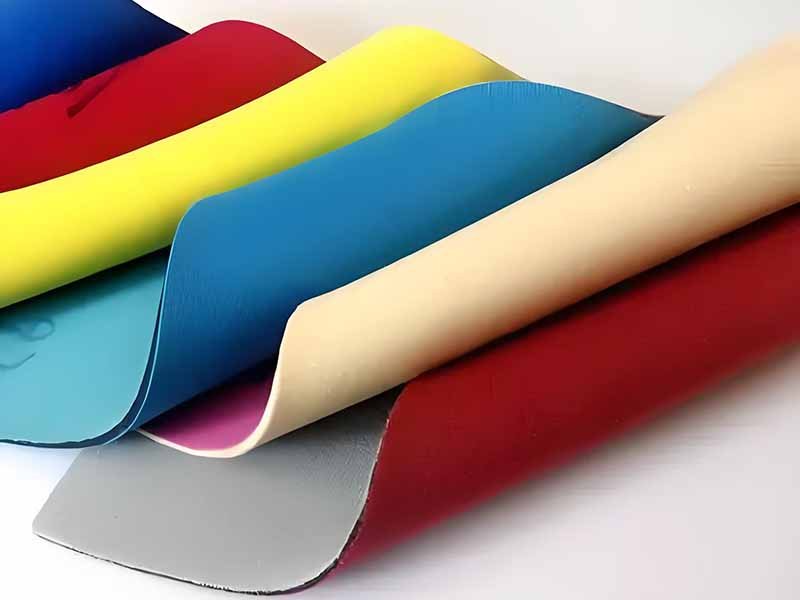
When your neoprene bag, laptop sleeve, or wetsuit starts looking wrinkled or creased, it’s easy to panic—especially if you’ve just unpacked a brand-new item or taken one out of storage. Those bends and folds can make premium neoprene look tired and old. But here’s the good news: wrinkles in neoprene are almost always reversible if handled properly.
In short: the best way to remove wrinkles from neoprene is to use gentle, controlled warmth—either by air-drying flat, applying mild steam, or reshaping the material under low heat—while avoiding direct contact with irons or dryers that can deform its foam structure.
Neoprene behaves differently from cotton or nylon because it’s a synthetic rubber. It has a “memory,” which allows it to slowly return to its original shape when warmed and relaxed. Understanding that behavior is key to restoring its smooth, luxurious finish safely.
Let’s walk through the science behind neoprene creases, how to remove them for every product type—from wetsuits to tote bags—and how to keep them from coming back. Stick around until the end: we’ll even show you how Szoneier’s neoprene engineering team designs materials that resist wrinkles from the start.
What Causes Wrinkles in Neoprene and Why Should You Fix Them?
Wrinkles in neoprene occur when its foam cells compress or deform under pressure, heat, or moisture during storage or shipping. Fixing them is essential because prolonged creasing can weaken the lamination between the foam and fabric, reduce elasticity, and affect the product’s appearance and lifespan.
Understanding Neoprene’s Structure
Neoprene is a closed-cell synthetic rubber foam (polychloroprene) laminated with fabric, usually polyester or nylon. Each microscopic cell traps air, giving neoprene its buoyancy, flexibility, and insulation. When a neoprene sheet is folded tightly, those air cells compress and “lock” into a distorted shape.
Over time, this compression—especially under weight, humidity, or heat—creates visible wrinkles or permanent bends. You’ll see this on wetsuit knees, folded bag corners, and sleeves left in storage. While these creases don’t usually damage functionality, they ruin the product’s aesthetic appeal and can lead to delamination (foam separating from the fabric) if ignored.
Why Wrinkles Matter
- Visual impact: A creased neoprene tote or koozie looks aged and neglected, even when new.
- Structural degradation: Creases compress the foam unevenly, creating thin spots that may tear or stretch later.
- Performance loss: In wetsuits, uneven compression can reduce insulation and fit.
Environmental Triggers
| Cause | Description | Preventive Tip |
|---|---|---|
| Tight folding | Compresses foam cells | Roll or hang instead of folding |
| Heat exposure | Stiffens rubber layer | Keep under 40 °C |
| Humidity + pressure | Causes delamination | Store in breathable bag |
| Vacuum packing | Flattens air cells | Let rest 24 h before use |
In summary: wrinkles are a sign your neoprene’s internal structure is temporarily “frozen” in place. The goal of restoration is to relax those cells back to their natural, expanded state.
Which Neoprene Products Are Most Prone to Wrinkling?
Items with thin neoprene layers or tight packaging—like laptop sleeves, wetsuits, and drink koozies—are more prone to wrinkles because they’re frequently folded or vacuum-packed. Thicker or stiffer products, such as structured bags or covers, resist wrinkling better but can still crease along seams if stored improperly.
Comparing Product Categories
1. Neoprene Wetsuits & Water Sports Gear
Wetsuits are typically made with 2–5 mm neoprene laminated with nylon. When folded for travel, they develop deep creases at the knees, elbows, or torso. Long storage in a hot car or damp garage worsens the effect.
2. Neoprene Bags (Totes, Backpacks, Travel Pouches)
Because they combine neoprene with polyester linings, these products wrinkle at fold lines and corners. Compression during shipping can flatten panels, creating “ghost lines.” Luckily, these are easy to reverse with reshaping and mild steam.
3. Neoprene Drink Koozies or Holders
Thin neoprene (2 mm) coolers are cut and stitched flat, so creases from storage are usually surface-level. Heat from a warm can quickly relax the foam cells again.
4. Neoprene Laptop & Tablet Sleeves
Wrinkles appear near zippers or where devices press against folded areas. Since these items have less foam thickness, they respond quickly to warm-air treatment.
5. Neoprene Covers & Protectors
For car interiors, electronics, or gym equipment, these covers often have multiple laminated layers. Wrinkles can compromise their sleek fit; a proper heat-release method restores form-fitting tension.
| Product Type | Common Thickness | Wrinkle Severity | Best Fix Method |
|---|---|---|---|
| Wetsuit | 2–5 mm | Moderate to severe | Steam + hang |
| Bag/Tote | 3–4 mm | Light to moderate | Warm air + reshape |
| Koozie | 2 mm | Light | Hand smooth |
| Laptop Sleeve | 2–3 mm | Moderate | Hair-dryer (low) |
| Cover | 2–6 mm | Moderate | Steam or warm soak |
How Do You Safely Remove Wrinkles from Neoprene Items?
To remove wrinkles, apply gentle heat and moisture: hang the item in a warm bathroom after a hot shower, steam lightly from a distance, or use a hair-dryer on low heat while smoothing the surface. Never iron neoprene directly or expose it to dryers or sunlight, as high heat can melt or delaminate the foam.
Step-by-Step Methods
1. The Warm Shower Steam Method (Safe for Wetsuits, Bags, Covers)
- Hang your neoprene item on a wide hanger.
- Run a hot shower for 3–5 minutes until the bathroom steams up.
- Close the door and let the item sit in the humid air for 15–20 minutes.
- Gently stretch or pat smooth while it’s still warm.
- Air dry flat for several hours.
This technique mimics a controlled steam chamber. The moisture softens the foam while the warmth re-expands the compressed cells—no direct water contact required.
2. The Warm-Air Dryer Method (Best for Bags, Laptop Sleeves)
- Use a hair-dryer on low or medium setting (maximum 40 °C).
- Keep at least 12 inches (30 cm) away.
- Move constantly to avoid hotspots.
- Smooth wrinkles by hand as the surface warms.
Tip: For deep creases, stuff the bag or sleeve with soft towels to retain shape during heating.
3. The Warm-Water Soak (For Wetsuits or Thicker Items)
- Fill a tub with lukewarm water (30–35 °C)—not hot.
- Submerge the item for 10–15 minutes.
- Remove, shake gently, and lay flat on a dry towel.
- Smooth with your hands and hang to air dry.
This rehydrates the neoprene, allowing the foam structure to reset.
4. The Towel Press Method (For Thin Accessories)
- Lay the neoprene flat.
- Cover with a damp towel.
- Run a warm (not hot) iron over the towel, never touching the neoprene directly.
- Move slowly for 30–40 seconds per section.
This indirect heat loosens surface creases without risking melt.
What Tools, Heat Settings, and Methods Work Best for Different Neoprene Types?
Different neoprene thicknesses respond to specific heat levels: thin neoprene (≤2 mm) needs mild warmth, while thicker materials (3–5 mm) require longer exposure or gentle steam. Always keep temperatures below 45 °C (113 °F) to avoid structural damage or lamination failure.
The Science of Controlled Heat
Because neoprene contains trapped air bubbles, it behaves like an insulator—it warms slowly and retains heat. Overheating it destroys this structure. Thus, the goal isn’t high heat but even, gentle warmth to relax the compressed foam.
| Neoprene Thickness | Recommended Method | Max Safe Temp | Exposure Time |
|---|---|---|---|
| ≤2 mm (Koozies, thin sleeves) | Hair-dryer, towel press | 35 °C | 2–3 min |
| 3 mm (bags, laptop cases) | Warm air or steam | 40 °C | 5–8 min |
| 4–5 mm (wetsuits, heavy covers) | Steam room or warm soak | 45 °C | 10–15 min |
Tips for Precision Care
- Always test on a hidden spot first.
- Never use irons directly or household dryers.
- Use a thermometer gun if you’re restoring valuable wetsuits.
- For large items, spread flat under indirect sunlight for a few minutes (morning or evening only).
Real-World Example
Szoneier once tested five neoprene bag samples from different suppliers under the same steam conditions. Bags made with high-density foam and proper lamination regained their original shape within 20 minutes, while cheaper blends showed permanent waves. The takeaway: material quality determines how easily wrinkles disappear.
Do Permanent Creases Mean the Neoprene Is Damaged?
Not always. Most neoprene creases are temporary cell compression, not permanent damage. However, deep folds that feel stiff, rough, or delaminated indicate structural weakening. In such cases, heat treatment may not fully restore shape, and replacement or professional repair is recommended.
When to Repair vs Replace
A permanent crease usually means the foam cells have collapsed or the adhesive layer between foam and fabric has broken down. You can check by gently pinching the wrinkle—if it feels hard or cracked rather than soft, it’s likely beyond full recovery.
Signs of Irreversible Damage:
- White lines or texture change on the fold
- Fabric separating from foam backing
- Uneven thickness or ripples even after steaming
- Sticky or melted patches (heat burn)
Repair Options:
- Localized patch repair using neoprene cement (for wetsuits or covers).
- Re-lamination—factories can sometimes re-bond foam layers using industrial presses.
- Replacement panels for bags or sleeves (OEM factories can easily swap panels).
When purchasing new products, look for brands using compression-resistant foam and multi-layer lamination—Szoneier, for example, tests every production batch under simulated storage conditions to ensure their neoprene regains 95% of original elasticity after folding.
Are There Preventive Storage and Care Tips to Avoid Wrinkling Again?
Store neoprene items flat or loosely rolled, away from heat, sunlight, and pressure. Use wide hangers for wetsuits, stuff bags to keep shape, and let items dry fully before storage. Avoid vacuum bags or tight boxes that flatten foam cells.
Long-Term Prevention Practices
1. Proper Drying Before Storage
Neoprene traps moisture. Storing it damp causes mildew and permanent folds. Always air-dry until the interior and exterior feel neutral to the touch.
2. Rolling vs Folding
- Roll wetsuits and sleeves like yoga mats to distribute pressure evenly.
- Stuff bags and cases with paper or cloth to maintain structure.
- Avoid creasing seams, which are weakest points for deformation.
3. Smart Storage Environment
| Factor | Recommendation |
|---|---|
| Temperature | 15–25 °C, avoid direct heat |
| Humidity | 40–60% |
| Light | Store in shade, avoid UV |
| Position | Flat or hanging (no stacking) |
4. Travel & Shipping
For buyers or brands shipping neoprene goods, use polybag + air buffer packaging. Never compress too tightly; include a small instruction tag: “Wrinkles will relax within 24 hours after unpacking.”
5. Periodic Maintenance
Every few months, stretch or refold in alternate directions to keep elasticity active. If items sit in storage for seasons (like wetsuits), rinse and air them before next use.
Real Brand Example
Premium brands partner with manufacturers like Szoneier, whose internal QA simulates six months of storage at 35 °C and 60% humidity to test wrinkle recovery. Their advanced lamination ensures even after compression, products regain 98% flatness within 24 hours—proof that prevention starts at material design.
Which Quality Factors Influence How Easily Neoprene Recovers from Wrinkles?
Recovery depends on foam density, cell uniformity, lamination quality, and fabric tension. High-grade neoprene with strong adhesive bonding and elastic knit backing smooths faster and resists permanent creases, while low-density foam or recycled blends wrinkle easily and recover poorly.
The Engineering Behind “Wrinkle Resistance”
| Factor | Description | Impact on Wrinkle Recovery |
|---|---|---|
| Foam Density | Tighter cell structure maintains shape | Faster recovery |
| Fabric Tension | Even lamination prevents puckering | Smooth finish |
| Adhesive Type | Heat-resistant bonding resists delamination | Long-term durability |
| Elastic Recovery | Ability to rebound after compression | Prevents permanent creases |
Premium neoprene, like that used by Szoneier, is engineered with balanced cell density (~300 kg/m³) and reinforced knit lamination. This allows the foam to “remember” its shape and re-expand naturally when gently warmed.
Why It Matters for Buyers and Brands
- Longevity: Higher-density neoprene lasts 2–3× longer before showing visible folds.
- Brand Perception: A product that stays smooth projects premium quality.
- Cost Efficiency: Less need for replacements or consumer complaints.
In short, wrinkle resistance isn’t luck—it’s material science. Partnering with a professional neoprene manufacturer ensures the right formula from the start.
Conclusion — Keep Your Neoprene Smooth, or Go Custom with Szoneier
Wrinkles in neoprene may look worrying, but now you know they’re rarely permanent. By using gentle warmth, proper storage, and smart maintenance, you can keep your neoprene wetsuits, bags, sleeves, and accessories looking new for years.
And if you’re developing your own product line—whether it’s neoprene totes, laptop sleeves, koozies, or covers—partnering with an experienced factory makes all the difference.
Szoneier, with over 18 years of neoprene R&D and manufacturing, provides:
- 100% quality-assured neoprene materials
- Free design and prototyping
- Low MOQ and fast sampling
- Custom printing, lamination, and branding
- Short lead times and global shipping
From material engineering to finishing, Szoneier helps brands eliminate wrinkles—literally and figuratively—from their neoprene supply chain.
Contact Szoneier today to discuss your custom neoprene product idea or request a free sample.
Let’s make your next neoprene creation smooth, resilient, and ready to impress.
What Can I Do For You?
Here, developing your OEM/ODM private label leather goods collection is no longer a challenge,it’s an excellent opportunity to bring your creative vision to life.
