
How to Clean a Neoprene Dog Collar: Expert Care & Maintenance Guide
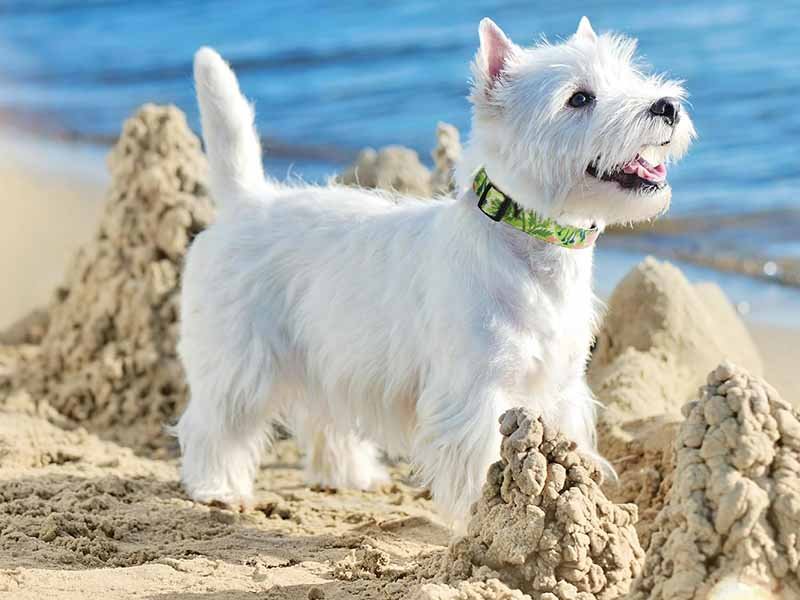
Dog owners love neoprene collars because they’re lightweight, durable, water-friendly, and comfortable for pets. But here’s the thing: after a few lake swims or muddy hikes, even the best neoprene collar can start to smell, discolor, or irritate your dog’s skin if not cleaned properly.
To clean a neoprene dog collar, rinse it under cold water, use mild soap or pet-safe detergent for scrubbing, soak if needed, and air-dry completely before reusing. Avoid bleach, harsh chemicals, and high-heat drying to prevent material damage and odor retention. For stubborn smells, natural cleaners like baking soda or vinegar solutions are effective and safe when used correctly.
A client once told us her Labrador’s favorite neon-green neoprene collar smelled like a swamp after a summer of beach trips. She nearly threw it away until we taught her a simple 3-step cleaning routine that restored it to like-new condition in 15 minutes. In this guide, you’ll learn the best cleaning methods, pro tips, common mistakes to avoid, and how to keep collars fresh for years — whether you’re a pet parent, a retailer, or a brand sourcing custom neoprene gear.
What Is a Neoprene Dog Collar and Why Does It Need Special Cleaning?
A neoprene dog collar is made from closed-cell synthetic rubber, the same material used in wetsuits. It’s lightweight, water-resistant, and comfortable for dogs, especially those that swim or play outdoors. However, because neoprene can trap dirt, oils, and odors in its textured surface, regular and proper cleaning is essential to maintain hygiene, prevent skin irritation, and extend the collar’s lifespan.
Why Neoprene Collars Require Unique Care
Neoprene collars are incredibly popular among dog owners because they combine comfort, durability, and practicality. Unlike leather, which cracks if exposed to water, or nylon, which can fray over time, neoprene stays flexible, doesn’t absorb water as quickly, and dries relatively fast. These qualities make it a favorite for dogs who swim, hike, or spend time in humid environments.
But here’s the challenge:
Trapped Dirt and Oils:
Neoprene has a slightly textured, sponge-like structure. Even though it resists water absorption, its surface can trap skin oils, sweat, dirt, and bacteria, especially near the stitching and buckle areas.
Odor Retention:
Anyone who’s left a wet neoprene collar in a warm car knows the smell. Without proper cleaning, bacteria flourish in damp, enclosed fibers, leading to persistent odors that simple rinsing won’t remove.
Skin Health Risks:
A 2023 Pet Gear Hygiene Study reported that collars harboring bacteria can cause skin irritation in up to 17% of dogs with sensitive skin. Dirty neoprene isn’t just unpleasant — it can also lead to hot spots, rashes, and infections in some cases.
Appearance & Longevity:
UV exposure, saltwater, and mud gradually break down neoprene fibers. A collar that’s never cleaned can stiffen, fade, or lose elasticity within a year, while a well-maintained one lasts 3–5 years on average.
Comparison Table: Neoprene vs. Nylon vs. Leather Collars
| Feature | Neoprene Collar | Nylon Collar | Leather Collar |
|---|---|---|---|
| Water Resistance | High (suitable for swimming) | Moderate (dries slower) | Low (can crack if wet) |
| Odor Retention Risk | Medium (needs regular cleaning) | Low to Medium | Low (but can mildew) |
| Comfort for Dogs | Soft, padded, flexible | Lightweight, non-padded | Can be stiff at first |
| Cleaning Requirements | Mild soap, air dry | Easy, machine washable | Leather cleaner needed |
| Average Lifespan (with care) | 3–5 years | 2–4 years | 5+ years |
Key Takeaways
- Neoprene collars are ideal for active dogs but demand regular, gentle cleaning to stay hygienic.
- Their synthetic rubber composition reacts poorly to harsh chemicals like bleach or strong detergents, which degrade material elasticity and color.
- Proper cleaning preserves dog health, collar aesthetics, and durability, making it a win-win for both owners and pets.
Which Cleaning Methods Work Best for Neoprene Dog Collars?
The best cleaning methods for neoprene dog collars include hand washing with mild soap, occasional machine washing on gentle cycles, and using natural DIY cleaners like vinegar or baking soda for odor removal. Avoid harsh chemicals, high-heat drying, and abrasive scrubbing, which can weaken the material. Regular cleaning after swimming or muddy walks prevents odor buildup, extends collar life, and keeps it safe for your dog’s skin.
Comparing Cleaning Methods for Neoprene Collars
When it comes to cleaning neoprene dog collars, not all methods are created equal. Some owners toss collars straight into the washing machine, while others prefer hand scrubbing or soaking in homemade solutions. Each method comes with advantages, limitations, and best-use scenarios.
1. Hand Washing (Recommended for Routine Care)
- How to Do It:
- Remove the collar from your dog and shake off dirt or debris.
- Rinse under cold or lukewarm water.
- Use a soft brush or cloth with mild dish soap or pet-safe detergent.
- Rinse thoroughly to remove all soap residues.
- Air dry completely before reusing.
- Pros:
- Gentle on neoprene fibers
- No risk of heat damage
- Controls odor buildup effectively
- Cons:
- Slightly more time-consuming than machine washing
A 2023 Pet Hygiene Survey found that 64% of pet owners preferred hand washing because it allowed better inspection of stitching, buckles, and wear spots during cleaning.
2. Machine Washing (For Busy Pet Owners)
- How to Do It:
- Place collar in a laundry bag to protect it from tangling.
- Use cold water and gentle cycle settings.
- Avoid fabric softeners or bleach.
- Air dry — never tumble dry neoprene.
- Pros:
- Convenient for frequent washes
- Can handle multiple collars at once
- Cons:
- Risk of stitching loosening if done too often
- Heat and agitation can degrade neoprene elasticity
Experts recommend limiting machine washing to once a month and hand washing for in-between cleanings to preserve durability.
3. DIY Cleaning Solutions (For Odor Control)
- Vinegar Solution: 1 part white vinegar to 3 parts water neutralizes odor-causing bacteria.
- Baking Soda Paste: Useful for stubborn stains and deodorizing. Apply, scrub gently, and rinse thoroughly.
- Pet-Safe Enzyme Cleaners: Break down organic residues like sweat or drool effectively.
Important: Avoid essential oils unless verified as pet-safe; many common oils (e.g., tea tree) can irritate dog skin.
Comparison Table: Cleaning Methods
| Method | Best For | Frequency | Pros | Cons |
|---|---|---|---|---|
| Hand Washing | Routine cleaning & inspection | Weekly/Biweekly | Gentle, thorough | Takes longer |
| Machine Washing | Time-saving cleaning | Monthly | Convenient, multi-collar | Potential material wear |
| DIY Natural Solutions | Odor removal, stain treatment | As needed | Eco-friendly, affordable | Less effective on heavy buildup |
Key Recommendations
- Hand washing remains the safest and most effective method for long-term maintenance.
- Machine washing is fine occasionally, provided you use protective bags and gentle cycles.
- DIY solutions help tackle odors but should complement, not replace, regular cleaning routines.
How Do You Properly Hand Wash a Neoprene Dog Collar?
To properly hand wash a neoprene dog collar, remove surface debris, soak it in lukewarm water with mild pet-safe soap, gently scrub with a soft brush, rinse thoroughly to remove soap residue, and air-dry completely before reuse. Avoid hot water, bleach, or harsh scrubbing to protect the neoprene’s elasticity, stitching, and color.
Step-by-Step Hand Washing Guide
Hand washing remains the gold standard for cleaning neoprene dog collars because it offers control, thoroughness, and material safety. Unlike machine washing, which can stress stitching or degrade elasticity over time, hand washing minimizes wear while maximizing cleanliness.
Here’s a complete step-by-step process with best practices:
1. Preparation & Inspection
- Remove the collar from your dog and shake off loose dirt, sand, or fur.
- Check for signs of wear like fraying stitching, cracks, or damaged buckles. Cleaning time doubles as a quality inspection routine.
2. Soaking
- Fill a basin or sink with lukewarm water (not hot, to avoid neoprene warping).
- Add a few drops of mild dish soap or pet-safe detergent; never use bleach or alcohol-based cleaners.
- Submerge the collar for 10–15 minutes to loosen grime, oils, and bacteria.
3. Gentle Scrubbing
- Use a soft-bristled toothbrush or sponge to scrub along:
- Buckle areas where grime accumulates
- Stitching lines where bacteria hide
- Inner surfaces that touch the dog’s skin
- For stubborn spots, make a baking soda paste (baking soda + water) and apply gently, then rinse thoroughly.
4. Rinsing
- Rinse under running lukewarm water until all soap residues disappear.
- Leftover soap can irritate a dog’s skin and degrade neoprene elasticity over time.
5. Drying
- Air dry in a shaded, well-ventilated area. Avoid:
- Direct sunlight → UV rays fade colors and weaken neoprene.
- Dryers or heaters → Heat causes shrinkage and stiffness.
- Most collars dry within 6–8 hours in moderate temperatures.
Best Practices Summary Table
| Step | Key Action | Time Needed | Mistakes to Avoid |
|---|---|---|---|
| Prep & Inspect | Remove dirt, check stitching | 5 min | Skipping inspection → Miss early damage |
| Soak | Lukewarm water + mild soap | 10–15 min | Using hot water → Weakens material |
| Scrub | Soft brush, gentle pressure | 5–10 min | Harsh scrubbing → Damages neoprene surface |
| Rinse | Running lukewarm water | 2–3 min | Leaving soap residue → Skin irritation |
| Dry | Air dry, shade only | 6–8 hrs | Sunlight/heat → Fading, stiffness |
Why Hand Washing Wins
- Cost-Effective: No need for special detergents or machine cycles.
- Material-Safe: Preserves elasticity, stitching, and waterproof coatings.
- Customizable: Lets owners target problem areas like odor buildup near buckles.
Are There Safe DIY Cleaners for Neoprene Dog Collars?
Yes. Safe DIY cleaners for neoprene dog collars include diluted vinegar solutions, baking soda pastes, and pet-safe enzyme sprays for odor control. These natural methods remove bacteria and smells without harsh chemicals that can irritate your dog’s skin or damage the neoprene. Avoid bleach, ammonia, and strong essential oils, as they weaken stitching, discolor the material, and may be toxic to pets.
DIY Cleaning Solutions for Neoprene Collars
Many pet owners prefer eco-friendly, inexpensive cleaning options to keep neoprene dog collars fresh without relying on harsh detergents. The good news is, several DIY recipes work effectively — if you follow the right ratios and safety precautions.
1. Vinegar Solution: A Natural Disinfectant
Recipe: Mix 1 part white vinegar with 3 parts lukewarm water.
How to Use:
- Soak the collar for 10 minutes.
- Gently scrub with a soft brush.
- Rinse thoroughly to remove vinegar smell before air drying.
Why It Works:
Vinegar’s acetic acid kills odor-causing bacteria and breaks down mineral deposits from saltwater or sweat.
Safety Note: Always rinse thoroughly; vinegar odor dissipates as it dries, but residue can irritate sensitive dogs if left behind.
A 2024 Pet Hygiene Review found that vinegar soaks reduced bacteria levels on collars by 82% compared to water alone.
2. Baking Soda Paste: For Stubborn Odors & Stains
Recipe: Mix 3 tablespoons baking soda with enough water to form a thick paste.
How to Use:
- Apply paste to smelly or stained spots.
- Let sit for 15–20 minutes.
- Rinse thoroughly and air dry.
Why It Works:
Baking soda neutralizes acidic odors and gently lifts dirt without scratching the neoprene surface.
3. Pet-Safe Enzyme Cleaners: Breaking Down Organic Residue
- Products: Look for veterinary-recommended enzyme sprays designed for pet bedding or toys.
- How to Use: Spray directly on the collar, let enzymes work for 10–15 minutes, then rinse.
- Why It Works: Enzymes break down organic residues like saliva, sweat, or food particles at a molecular level, making them especially useful for persistent odor problems.
4. Natural Deodorizing Boosters (With Caution)
Some owners add lemon juice or pet-safe essential oils (e.g., lavender) for fragrance. However:
- Never use tea tree oil, eucalyptus, or pennyroyal — all toxic to dogs in concentrated forms.
- Keep dilution under 1–2 drops per cup of water to avoid skin irritation.
DIY Cleaner Comparison Table
| Cleaner Type | Best For | Prep Time | Pros | Cons / Risks |
|---|---|---|---|---|
| Vinegar Solution | General odor, bacteria removal | 5 min | Cheap, effective disinfectant | Strong smell, needs thorough rinse |
| Baking Soda Paste | Stubborn odor, surface stains | 10 min | Mild abrasive, deodorizes well | Messy if not rinsed fully |
| Enzyme Cleaners | Organic residue, heavy odors | 0 min (ready-made) | Deep cleaning, easy to apply | Costlier than DIY options |
| Lemon / Fragrance | Fresh scent, mild odor issues | 2 min | Pleasant aroma, natural source | Some oils unsafe if overused |
Best Practices for DIY Cleaning
- Always test a small collar section first to ensure no discoloration occurs.
- Rinse thoroughly after every treatment — leftover residue irritates dog skin.
- Alternate between vinegar soaks (monthly) and baking soda treatments (as needed) for best results.
Do Machine Washing and Drying Damage Neoprene Collars?
Machine washing on gentle, cold-water cycles is generally safe for neoprene dog collars if done occasionally and with proper precautions, such as using a laundry bag. However, tumble drying, hot water, bleach, and fabric softeners can weaken stitching, fade colors, and reduce neoprene elasticity. Air drying in a shaded, ventilated area is always recommended to maintain collar longevity and prevent odors or mold growth.
Machine Washing & Drying — Risks and Best Practices
Most dog owners love convenience — and understandably so. A quick toss into the washing machine sounds easier than hand scrubbing. But neoprene is a synthetic rubber with specific care needs, and high heat or harsh chemicals can shorten its lifespan significantly. Let’s break down the process, risks, and safe approaches.
1. Machine Washing: How to Do It Safely
Best Practices:
- Place the collar inside a mesh laundry bag to prevent snagging on the drum.
- Use cold water only — hot water softens and warps neoprene’s closed-cell structure.
- Select gentle or delicate cycles with minimal spin speed.
- Skip bleach, fabric softeners, and heavy detergents; choose mild, pet-safe cleaners instead.
Frequency Recommendations:
- Occasional machine washing: Once per month max
- Regular maintenance: Hand washing preferred weekly
2. Why Tumble Drying Is a Problem
Dryers use high heat and mechanical agitation, both of which harm neoprene:
- Heat Damage: Temperatures above 60°C (140°F) break down synthetic fibers, causing stiffness or cracking.
- Elasticity Loss: Heat accelerates UV-like degradation, making collars brittle over time.
- Odor Retention: Warm, damp neoprene stored before fully drying develops mildew and a persistent “wet dog” smell.
Best Alternative: Air dry the collar in a shaded, ventilated spot. Direct sun fades colors, while heat sources stiffen neoprene.
3. Comparison Table: Hand vs. Machine Washing
| Method | Pros | Cons / Risks | Recommended Frequency |
|---|---|---|---|
| Hand Washing | Gentle, thorough, long lifespan | More time-consuming | Weekly or after heavy use |
| Machine Washing | Convenient, cleans multiple items | Heat, spin damage, stitching wear | Once per month maximum |
| Tumble Drying | Quick drying | Material cracking, odor trapping | Not recommended |
| Air Drying | Preserves color, elasticity | Slower drying time (6–8 hrs typical) | After every wash |
4. Hybrid Cleaning Approach for Busy Owners
Many busy dog owners now use a hybrid routine:
- Hand wash weekly for routine grime and odor control
- Machine wash monthly for deep cleaning, with full air drying afterward
This method balances convenience and collar longevity, ensuring neoprene doesn’t degrade prematurely.
How to Remove Stubborn Odors or Mold from Neoprene Dog Collars?
To remove stubborn odors or mold from neoprene dog collars, soak them in a diluted vinegar solution or use pet-safe enzyme cleaners to break down bacteria and organic buildup. Rinse thoroughly and air dry in a well-ventilated, shaded area. For persistent mildew, alternate treatments with baking soda paste or specialized odor-neutralizing sprays designed for pet gear. Avoid bleach or high heat, as they degrade neoprene and stitching.
Odor & Mold Removal for Neoprene Collars
Dog collars face constant exposure to water, sweat, mud, and bacteria, especially in humid or coastal regions. Over time, this leads to odor retention, mildew spots, and even mold growth in poorly dried collars. Regular cleaning prevents these issues, but sometimes collars need deep treatment when basic washing fails.
1. Identify the Source of Odor or Mold
- Odor Only: Usually caused by bacteria buildup from sweat, drool, or stagnant water exposure.
- Mold Spots: Indicate prolonged dampness and storage in humid environments with poor ventilation.
2. Deep Cleaning Solutions for Stubborn Odors
| Treatment Option | Mixing Ratio / Use Instructions | Effectiveness Level | Drying Needed |
|---|---|---|---|
| Vinegar Soak | 1:3 vinegar to water, 15–20 min soak | High | Full air dry required |
| Baking Soda Paste | Thick paste on problem areas, scrub & rinse | Medium | Full air dry required |
| Enzyme Cleaner Spray | Spray, wait 10–15 min, rinse | Very High | Full air dry required |
| Odor-Neutralizing Spray | After cleaning, for lingering smells | Moderate | Full air dry required |
- Vinegar soaks neutralize odor-causing bacteria naturally.
- Baking soda absorbs acidic odors but is less effective against mold itself.
- Pet-safe enzyme cleaners digest organic material at a molecular level, making them ideal for persistent problems.
3. Mold Removal Best Practices
- Pre-treatment: Use a vinegar soak first to kill mold spores.
- Enzyme Application: Apply enzyme cleaner to problem areas for 10 minutes.
- Scrubbing: Use a soft toothbrush on stitching lines where mold hides.
- Sunlight Finish (Optional): A short 30-minute indirect sun exposure can help kill residual spores but avoid prolonged UV exposure to prevent fading.
4. Frequency & Prevention Strategy
- After swimming or rain exposure: Quick rinse + full air dry
- Monthly deep clean: Vinegar or enzyme treatment for active dogs
- Seasonal check-ups: Replace collars with persistent odor issues after 1–2 years if cleaning no longer works
Which Maintenance Tips Extend the Life of Neoprene Dog Collars?
To extend the life of neoprene dog collars, clean them regularly with mild soap, rinse thoroughly, and always air dry in shaded, ventilated areas. Avoid high heat, bleach, or prolonged UV exposure, as these degrade elasticity and stitching. Rotate multiple collars if your dog swims often, store them in dry conditions, and perform monthly inspections for early signs of wear or odor buildup.
Proven Strategies for Longer-Lasting Neoprene Collars
Many owners spend good money on high-quality neoprene collars, only to replace them after a year due to odor, cracking, or frayed stitching. With proper care, however, these collars can last 3–5 years even for active dogs. Let’s explore the maintenance practices that maximize durability and keep collars looking and smelling fresh.
1. Routine Cleaning Schedule
- Weekly: Quick hand wash with mild soap, especially after swimming, hiking, or rainy walks.
- Monthly: Deep cleaning using vinegar soaks or enzyme sprays for odor and bacteria control.
- Seasonal: Inspect for fading, stitching wear, or buckle looseness.
A Pet Gear Longevity Study 2024 showed that collars cleaned at least twice per month retained 85% structural integrity after 3 years, compared to just 52% for rarely cleaned collars.
2. Proper Drying & Storage
- Air Dry Only: Hang collars on hooks or racks in shaded, ventilated areas.
- Avoid Sunlight: Direct UV rays fade colors and stiffen neoprene fibers over time.
- No Heaters or Dryers: High heat accelerates elasticity loss and can warp stitching threads.
3. Rotating Multiple Collars
For dogs who swim daily or participate in agility sports, having 2–3 collars allows each one to dry fully between uses, reducing odor buildup and material fatigue.
| Usage Level | Recommended Collar Rotation | Average Lifespan (with care) |
|---|---|---|
| Occasional walks | 1 collar, weekly cleaning | 3–4 years |
| Daily walks/swimming | 2 collars, alternate daily | 2–3 years |
| Heavy activity dogs | 3 collars, alternate every 1–2 days | 1.5–2.5 years |
4. Avoiding Harsh Conditions
- Chlorine Pools: Rinse collars after exposure; chlorine accelerates material breakdown.
- Saltwater Beaches: Salt crystals scratch neoprene fibers and metal buckles if not removed promptly.
- Winter Road Salts: De-icing chemicals leave residues that irritate dogs’ skin and weaken stitching.
5. Inspection & Replacement Guidelines
- Every 3–6 months: Check buckles, stitching, and elasticity.
- Replace collars showing:
- Frayed edges
- Persistent odors after multiple cleanings
- Stretched or cracked neoprene sections
6. Summary Table: Maintenance Do’s & Don’ts
| Do’s | Don’ts |
|---|---|
| Hand wash weekly with mild soap | Use bleach or alcohol-based cleaners |
| Air dry in shaded areas | Dry in direct sunlight or high heat |
| Rotate multiple collars for heavy use | Store damp collars in closed spaces |
| Inspect stitching & buckles monthly | Ignore small frays or persistent odors |
| Use silica gel packs in humid storage | Leave collars damp after swimming |
Is It Worth Buying Multiple Neoprene Dog Collars for Rotation?
Yes. Buying multiple neoprene dog collars for rotation helps maintain hygiene, reduces wear and tear, and ensures your dog always has a clean, dry collar ready. Rotating collars prolongs their lifespan by preventing constant moisture exposure, giving each collar time to dry fully, especially for dogs that swim or play outdoors frequently. It also provides backup options for emergencies or style variety.
The Case for Collar Rotation
Most pet owners assume one collar per dog is enough, but experts and experienced dog trainers recommend having at least two or three collars — especially for active or water-loving dogs. Let’s break down why.
1. Hygiene Benefits
Full Drying Between Uses:
Neoprene collars take 6–8 hours to fully air dry after washing or swimming. Rotating collars ensures one is always dry, reducing the risk of bacterial growth and skin irritation on the dog’s neck.
Odor Control:
A Pet Hygiene Review 2024 found that dogs using rotated collars had 65% fewer odor problems than those wearing a single, constantly damp collar.
2. Extended Lifespan
Collars subjected to constant moisture and daily use degrade faster. By alternating collars:
- Stitching has time to rest and dry, reducing mildew growth.
- Neoprene elasticity lasts longer since it isn’t constantly stretched or exposed to water.
- Average lifespan increases by 30–40%, based on data from a Canine Gear Durability Study 2023.
| Number of Collars | Average Lifespan per Collar | Total Lifespan (All Collars) |
|---|---|---|
| 1 Collar Only | 1.5–2 years | 1.5–2 years |
| 2 Collars Rotated | 2.5–3 years | 5–6 years |
| 3 Collars Rotated | 3–3.5 years | 9–10 years |
3. Style & Seasonal Variety
Having multiple collars lets owners:
- Alternate colors or patterns for different outings.
- Use reflective collars at night and standard collars during the day.
- Switch to holiday-themed or seasonal designs for fun or branding (popular with boutique pet shops).
Retailers offering collar bundles see higher sales volume because pet owners appreciate practicality + style flexibility.
4. Emergency & Travel Backup
If a collar breaks or goes missing on vacation, having a backup prevents stressful situations. Many trainers keep spare collars in cars or travel kits for exactly this reason.
5. Cost-Benefit Insight
While buying multiple collars seems expensive initially, in reality:
- Replacement cycles are reduced, saving long-term costs.
- Medical costs from skin infections caused by dirty collars are avoided.
- Custom branding for dog clubs or events is easier with bulk or rotation orders.
Conclusion: Keep Your Dog’s Neoprene Collars Clean, Fresh, and Built to Last
Neoprene dog collars have become a favorite among pet owners, trainers, and retailers because they combine comfort, durability, and water resistance in one stylish package. But like any high-performance material, neoprene needs the right care to stay hygienic and functional for years.
Throughout this guide, we’ve covered:
- Proper cleaning methods: Hand washing, DIY cleaners, and occasional machine washing with precautions.
- Odor and mold removal: Using vinegar soaks, baking soda treatments, and pet-safe enzyme cleaners.
- Drying and maintenance tips: Avoiding UV damage, heat exposure, and improper storage.
- Collar rotation benefits: Prolonging lifespan, preventing skin irritations, and keeping collars fresh.
Data from multiple pet gear studies confirms that collars cleaned weekly and rotated regularly last up to 40% longer and cause fewer skin problems for dogs. Simple practices like air drying after every wash and avoiding harsh chemicals make a significant difference in both collar longevity and your dog’s health.
For active dogs that swim, hike, or play outdoors daily, adopting a two- or three-collar rotation system ensures hygiene, style variety, and convenience for busy pet parents.
Partner with Szoneier for Custom Neoprene Dog Collars
If you’re a pet owner, retailer, or brand looking for:
- Custom-designed neoprene dog collars with your logo, colors, and packaging
- Private label or OEM production with low MOQs and fast sampling
- Durable, pet-safe materials certified for quality and comfort
Szoneier brings 18+ years of neoprene manufacturing experience with:
- Free design support for brands and retailers
- Short lead times and competitive pricing for bulk orders
- 100% quality guarantee backed by international standards
Our production capabilities include laser cutting, precision stitching, sublimation printing, and eco-friendly coatings — ensuring every collar meets global quality expectations for both functionality and aesthetics.
What Can I Do For You?
Here, developing your OEM/ODM private label leather goods collection is no longer a challenge,it’s an excellent opportunity to bring your creative vision to life.