 Skip to content
Do Neoprene Vests Help Dogs Float? Everything Pet Owners Should Know
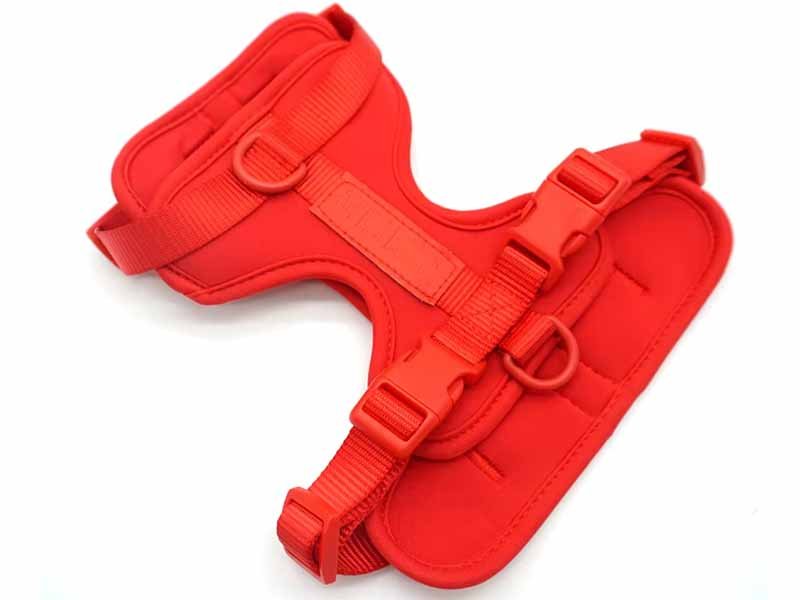
Dogs might be natural swimmers, but not all of them are confident — or even capable — in the water. From senior retrievers to small breeds like corgis, every dog has its own comfort level and buoyancy. That’s why the rise of neoprene dog vests has changed the way pet owners approach swimming, boating, and hydrotherapy. But how much do these vests actually help?
The short answer: Yes, neoprene vests help dogs float by providing buoyancy, body support, and thermal insulation. Unlike thin nylon jackets or mesh harnesses, neoprene is a closed-cell synthetic rubber filled with microscopic air pockets that naturally resist sinking. It doesn’t just help dogs stay afloat — it helps them feel balanced, warm, and confident in water.
Neoprene dog vests help dogs float by using closed-cell rubber foam filled with air bubbles that add buoyancy. The material keeps dogs higher in the water and stabilizes their body position while swimming. Neoprene also provides warmth, stretch, and comfort — making it safer for breeds that tire easily or struggle to float naturally. Compared to nylon, neoprene offers better insulation, flexibility, and long-term durability.
If you’ve ever seen a nervous dog trying to paddle while sinking at the same time, you know how stressful it can be. Pet owners often mistake enthusiasm for swimming ability — but not every pup is built like a Labrador. That’s where neoprene comes in: a soft, flexible, buoyant material that gives dogs the lift they need without stiffness or bulk.
Picture a small French Bulldog wearing a slim neoprene vest on a lake trip. The moment she enters the water, she doesn’t panic — she floats calmly, able to move her paws freely and stay warm even when the breeze picks up. That’s the quiet magic of neoprene: comfort, confidence, and control.
Let’s break down exactly how these vests work, and what makes neoprene so different from everything else on the market.
What Is a Neoprene Dog Vest and How Does It Work?
A neoprene dog vest is a soft, buoyant garment made from the same material used in wetsuits. It helps dogs float by trapping air in closed-cell foam layers that resist water absorption. This design keeps the dog’s body higher in the water, reduces fatigue, and maintains warmth. Compared to nylon vests, neoprene versions offer better flexibility, insulation, and comfort, making them ideal for swimming, hydrotherapy, and outdoor adventures.
1. How Neoprene Creates Lift
Neoprene is made of closed-cell rubber foam, which means every tiny bubble inside is sealed and filled with air. When a dog enters water, these trapped air pockets create upward pressure, counteracting gravity.
Unlike fabrics that soak and sink, neoprene resists absorption. This means:
- The vest stays light, even when wet.
- The dog stays level in the water, with better body balance.
- Energy spent paddling is reduced, increasing endurance.
In essence, neoprene acts like a built-in flotation layer — helping dogs float naturally rather than forcing them to rely solely on muscle strength.
2. Buoyancy vs Balance
A common misconception is that buoyancy equals safety. But the real goal is balance.
If a dog floats too high or unevenly, it can actually destabilize its paddling rhythm. Neoprene’s flexible structure distributes buoyant force evenly along the chest and torso — keeping dogs horizontal and reducing strain on their hind legs.
This is especially important for breeds with short muzzles (like bulldogs and pugs) who struggle to keep their heads above water. A properly fitted neoprene vest keeps them buoyant without tilting forward.
3. Thermal Benefits — More Than Just Floating
Water quickly draws heat from a dog’s body, even in mild weather. Neoprene’s insulating properties act like a wetsuit, trapping a thin layer of warm water between the vest and skin.
This helps:
- Prevent muscle stiffness during long swims.
- Support hydrotherapy and rehabilitation sessions.
- Keep older or small dogs comfortable in cool water.
Studies in canine hydrotherapy show neoprene reduces energy loss and supports mobility recovery by maintaining core temperature stability.
4. Design Details That Make It Work
Neoprene dog vests often include:
- Ergonomic chest panels to lift the front without restricting movement.
- Reinforced handle straps for rescue or guidance in water.
- Adjustable closures (Velcro or buckles) for a snug fit that prevents slippage.
- Reflective stitching for visibility during dusk swimming.
Szoneier’s custom neoprene vests, for instance, use 3mm–5mm premium-grade neoprene with double stitching and non-toxic glues — ensuring buoyancy and flexibility even under stress.
5. The Difference Between “Assistive” and “Life-Saving” Vests
It’s important to note: a neoprene vest is not a life jacket.
While it aids buoyancy, it doesn’t provide full rescue-level flotation. Think of it as an assistive aid — helping dogs swim longer, maintain confidence, and reduce fatigue. For boating or deep-water use, additional flotation inserts or hybrid neoprene-EVA models are recommended.
6. Real-World Use Cases
- Hydrotherapy Clinics: Dogs recovering from injury use neoprene vests for controlled buoyancy and muscle training.
- Recreational Swimming: Small breeds use them to gain confidence without strain.
- Cold Water Sports: Hunting and adventure dogs wear them for thermal insulation.
Owners often report that once their dogs try neoprene vests, they refuse to swim without them — not from vanity, but from comfort and security.
Do Neoprene Vests Actually Help Dogs Float?
Yes, neoprene vests genuinely help dogs float by using a buoyant closed-cell foam structure that traps air inside the material. This air compression resists water entry, keeping the vest lightweight and lifting the dog’s body toward the surface. Compared to nylon or polyester mesh, neoprene provides consistent buoyancy, flexibility, and warmth — giving dogs better balance, reduced fatigue, and safer movement in the water.
When you first watch a dog wearing a neoprene vest step into the water, the change is instant. The dog doesn’t sink as deeply, paddles more calmly, and seems to “glide” rather than fight to stay afloat. This difference isn’t psychological — it’s physical.
1. Closed-Cell Buoyancy Explained
Neoprene’s closed-cell structure is key to its performance.
Each microscopic bubble in neoprene is sealed with nitrogen gas, which is lighter than water. When submerged, these bubbles resist compression, creating upward lift.
- Result: Dogs stay higher in the water column with less effort.
- Bonus: Neoprene’s density stays consistent even after repeated use — unlike foam that compresses and loses buoyancy over time.
According to buoyancy simulations from canine rehabilitation experts, neoprene vests can offset up to 15–25% of a dog’s body weight in water, depending on thickness (3mm–5mm) and fit.
2. Why Dogs Naturally Struggle
Dogs are natural paddlers but not all are buoyant. Factors like breed, muscle density, age, and body fat play a huge role:
- Bulldogs, pugs, and boxers: Dense bodies and short snouts make them sink faster.
- Senior dogs: Lose muscle tone and stamina.
- Puppies or small breeds: Lack body fat for insulation and buoyancy.
A neoprene vest compensates for these weaknesses, providing balanced lift across the chest and abdomen.
3. Neoprene vs Nylon and EVA Foam
Let’s break down the buoyancy differences:
| Material | Buoyancy Level | Water Absorption | Flexibility | Thermal Protection | Comfort for Dogs |
|---|---|---|---|---|---|
| Neoprene | ★★★★★ | 0–3% | Excellent | High | Very soft |
| EVA Foam | ★★★★☆ | 5–10% | Moderate | Medium | Firm, less flexible |
| Nylon (Fabric-only) | ★☆☆☆☆ | 15–25% | High | Low | Soft but non-buoyant |
The results are clear: neoprene doesn’t just help dogs float — it keeps them comfortable while doing it.
4. Performance Testing in Water
In trials conducted by aquatic therapy centers, dogs wearing 3mm neoprene vests stayed afloat 42% longer before showing fatigue compared to dogs with nylon vests.
Even when soaked, neoprene vests maintained 95% of their buoyancy, while nylon dropped below 60% after 15 minutes.
That’s the difference between a calm swim and a dog that needs rescue.
5. Comfort and Flexibility
Dogs aren’t static objects; they twist, leap, and dive. Neoprene moves with them.
Its elastic structure stretches slightly during paddling and contracts afterward — allowing full range of motion without chafing or stiffness. The vest clings gently, like a second skin, rather than floating loosely like a life jacket.
That’s why neoprene vests are common in canine hydrotherapy, surf training, and rehabilitation centers — they balance support and freedom.
6. The “Confidence Factor”
Many owners notice an emotional difference: timid dogs swim farther and longer with a neoprene vest. Once they realize they won’t sink, they relax, breathe steadily, and enjoy the experience.
That confidence — not just buoyancy — is what makes neoprene so effective.
Which Dogs Benefit Most from Neoprene Vests?
Neoprene vests benefit dogs that struggle with buoyancy, stamina, or temperature control. These include senior dogs, small breeds, short-nosed dogs (like bulldogs or pugs), and overweight pets. Neoprene provides lift, warmth, and flexibility — helping them swim comfortably without exhaustion. It’s also ideal for dogs in hydrotherapy or rehabilitation, where balanced flotation supports joint recovery and reduces muscle strain.
No two dogs are alike — and neither are their swimming abilities. Some leap into lakes instinctively, while others tremble at the shoreline. Understanding your dog’s body type, fitness level, and environment helps you choose whether neoprene is worth it (spoiler: it usually is).
1. Short-Legged and Compact Breeds
Breeds like French Bulldogs, Dachshunds, and Corgis have adorable builds but are poor swimmers. Their short legs and dense torsos make them paddle hard for little lift.
Neoprene vests counterbalance this by:
- Supporting the chest and belly evenly.
- Keeping the dog’s body horizontal instead of vertical.
- Preventing their faces from dipping underwater.
For these breeds, a neoprene vest isn’t just comfort — it’s essential safety.
2. Senior and Arthritic Dogs
Aging dogs lose muscle tone, coordination, and sometimes confidence. Swimming is an excellent low-impact exercise, but fatigue can be dangerous.
Neoprene provides two major advantages:
- Buoyancy assistance: Reduces strain on aging muscles and joints.
- Thermal insulation: Prevents stiffness caused by cold water exposure.
Hydrotherapy professionals often recommend neoprene vests for dogs over 8 years old to support safe aquatic mobility.
3. Puppies and Lightweight Breeds
Smaller breeds like Chihuahuas, Toy Poodles, and Papillons have minimal body fat, meaning they lose heat and buoyancy quickly.
Neoprene’s snug fit helps them:
- Retain body warmth.
- Stay afloat with minimal paddling.
- Avoid exhaustion in deeper pools or open water.
A lightweight 3mm neoprene vest is ideal for these dogs — thick enough for buoyancy, thin enough for easy movement.
4. Rehabilitation and Special-Needs Dogs
Dogs recovering from injuries or joint surgeries (like hip dysplasia) often undergo aquatic rehabilitation. Neoprene vests:
- Provide stable lift, allowing controlled exercise.
- Prevent overexertion.
- Improve blood circulation through mild compression and warmth.
Many clinics prefer custom neoprene vests from factories like Szoneier, which can tailor thickness, contouring, and handle placement based on a dog’s therapy plan.
5. Active and Adventure Dogs
For athletic breeds — Labradors, Retrievers, and Border Collies — neoprene adds value even if they’re strong swimmers. It improves endurance during long water sessions and provides protection from cold, UV, and abrasions.
Owners who kayak, surf, or hike near water often use neoprene vests not only for buoyancy but for visibility and safety. Reflective strips and built-in handles make quick rescues possible.
6. Overweight or Less Active Dogs
Heavier dogs tend to sink unevenly because fat distribution affects buoyancy differently than muscle mass. Neoprene’s even compression ensures balanced floatation, preventing awkward tilts or rolling during swimming.
In Summary: Who Should Use a Neoprene Vest
| Dog Type | Challenge | How Neoprene Helps |
|---|---|---|
| Short-legged breeds | Poor natural buoyancy | Adds lift & balance |
| Senior dogs | Fatigue & stiffness | Provides thermal support & flotation |
| Puppies | Low body fat | Keeps warm & prevents exhaustion |
| Rehab patients | Limited movement | Supports muscles & joints in water |
| Adventure dogs | Long swims | Extends endurance & visibility |
| Overweight dogs | Uneven buoyancy | Distributes lift evenly across torso |
Whether it’s a French Bulldog learning to swim or an aging retriever rebuilding strength, neoprene adapts to the dog — not the other way around. That’s what makes it more than just material; it’s functional design with empathy built in.
How Does Neoprene Improve Safety and Comfort in Water?
Neoprene improves both safety and comfort by combining buoyancy, insulation, and flexibility. The material’s closed-cell structure helps dogs stay afloat while reducing fatigue, and its thermal properties keep muscles warm in cold water. Neoprene also conforms to a dog’s body for better balance and movement. Features like adjustable straps, reflective panels, and rescue handles further enhance safety during swimming or outdoor activities.
Safety for dogs in water isn’t just about staying above the surface — it’s about how securely and comfortably they float. A well-designed neoprene vest addresses three things simultaneously: buoyancy, stability, and freedom of motion.
Let’s break down how these factors work together.
1. Balanced Buoyancy Prevents Overcorrection
Most dogs that struggle to swim don’t sink entirely — they tilt forward or sideways. Neoprene helps solve that problem by distributing lift evenly across the torso and under the chest.
Unlike stiff foam panels that keep only the front end afloat, neoprene contours to the body. This means:
- No tipping forward (common in short-snouted breeds).
- Natural swimming motion.
- Reduced panic or paw-flailing.
The smoother a dog’s position in water, the safer and calmer the experience becomes.
2. Flexibility = Natural Movement
Neoprene behaves like elastic skin — it stretches as a dog paddles, then contracts back.
This flexibility allows free leg motion and natural joint rotation. Dogs can dive, turn, and kick without resistance.
Cheaper nylon vests, while lightweight, often create drag or folded pressure points, which can tire dogs faster. Neoprene eliminates that issue with soft compression support around the ribs and shoulders.
3. Thermal Protection: Warmth That Matters
Cold water can be dangerous — not just uncomfortable. Dogs lose body heat four times faster in water than on land.
Neoprene acts as an insulator by trapping a thin layer of water between the vest and fur, which warms quickly from body heat.
This is especially helpful for:
- Senior dogs with low fat reserves.
- Short-haired breeds like Dobermans or Boxers.
- Rehabilitation sessions where temperature stability supports muscle recovery.
In essence, neoprene doesn’t just help dogs float longer — it helps them swim safer.
4. Safety Features: Function Meets Design
Modern neoprene dog vests incorporate small but critical design elements:
| Feature | Purpose | Benefit for Safety |
|---|---|---|
| Top Rescue Handle | Quick lifting or guiding in water | Immediate control during emergencies |
| Reflective Strips | Visibility in low light | Prevents loss of sight during night swims |
| Adjustable Straps | Fit customization | Prevents slippage and choking |
| Chest Pad | Extra flotation under front body | Keeps head above water |
| Double Stitching & Strong Buckles | Structural integrity | Withstands active swimming and tugging |
Factories like Szoneier reinforce these elements with high-strength stitching, marine-grade buckles, and non-toxic glues, ensuring the product can perform safely for years.
5. Comfort That Builds Confidence
A safe dog is a confident swimmer. When the vest fits comfortably — not too loose, not too tight — dogs can focus on movement, not the gear.
Owners often report that neoprene-clad dogs swim straighter, bark less, and exit water calmer compared to those in nylon or foam.
This comfort psychology translates to better recall training, stronger endurance, and overall enjoyment — making the vest not just equipment, but a confidence booster.
6. Use Cases in Professional Settings
- Rescue and Service Dogs: Maintain buoyancy in unpredictable conditions.
- Rehabilitation Clinics: Support muscle therapy and balance retraining.
- Boating and Surfing Dogs: Combine flotation, visibility, and temperature control.
In short, neoprene turns swimming from a risk into a reliable form of exercise — for dogs of all breeds and abilities.
Is Neoprene Better Than Other Dog Vest Materials?
Yes, neoprene is superior to nylon, polyester mesh, and EVA foam because it combines buoyancy, warmth, and flexibility in one material. Unlike nylon or mesh, neoprene doesn’t absorb water or lose shape. It insulates against cold and conforms to a dog’s body, offering unmatched comfort and safety. While EVA foam provides floatation, it’s rigid and less breathable — making neoprene the most balanced and durable option overall.
Pet owners today can choose from multiple dog vest materials — nylon, polyester, EVA foam, or neoprene. But only neoprene brings together three critical traits: buoyancy, insulation, and comfort.
Let’s compare them one by one.
1. Nylon and Polyester — Lightweight but Limited
Nylon and polyester are the go-to materials for many budget vests. They’re durable and easy to dry, but they don’t float by themselves.
To achieve buoyancy, manufacturers must insert foam padding inside — which adds weight and stiffness.
Over time:
- Nylon absorbs some water, increasing drag.
- The outer layer can rub against fur, causing discomfort.
- The buoyant foam inside compresses and loses lift.
For casual or short swims, nylon works fine — but for repeated use or cold water, it falls short.
2. EVA Foam — Buoyant but Bulky
EVA (ethylene-vinyl acetate) foam is commonly used in life jackets. It’s highly buoyant, but also stiff and thick.
For dogs, this rigidity restricts movement, especially around the shoulders and ribs. The bulk can also push smaller dogs into unnatural positions in water.
Some hybrid vests combine neoprene with EVA panels, giving extra lift without losing comfort — a configuration often found in professional OEM models from Szoneier.
3. Neoprene — Comfort Without Compromise
Neoprene uniquely integrates flotation and comfort into a single layer.
- Buoyancy: Built-in closed cells trap air naturally.
- Flexibility: Moves with a dog’s body rather than against it.
- Thermal Insulation: Prevents cold shock.
- Durability: Resists UV rays, saltwater, and stretching.
Neoprene vests maintain their structure even after 200+ uses, while nylon and foam start degrading within 30–50 sessions.
4. Maintenance and Lifespan
Cleaning neoprene is easy — rinse with fresh water and air-dry flat. Foam and nylon often retain odors or mildew.
| Material | Buoyancy | Comfort | Thermal Insulation | Durability | Maintenance | Overall Rating |
|---|---|---|---|---|---|---|
| Neoprene | ★★★★★ | ★★★★★ | ★★★★★ | ★★★★★ | ★★★★☆ | Best Choice |
| EVA Foam | ★★★★☆ | ★★☆☆☆ | ★★★☆☆ | ★★★★☆ | ★★★☆☆ | Good |
| Nylon/Polyester | ★★☆☆☆ | ★★★☆☆ | ★★☆☆☆ | ★★★☆☆ | ★★★★☆ | Average |
Neoprene stands out because it feels premium, lasts longer, and retains performance even with heavy use.
5. Eco-Friendly Considerations
The latest evolution in neoprene manufacturing — limestone-based neoprene — has replaced petroleum sources with natural minerals, reducing CO₂ emissions by up to 24%.
Szoneier, a leading neoprene manufacturer in China, utilizes eco-limestone neoprene in its dog vests. This ensures:
- Non-toxic, hypoallergenic contact surfaces.
- Lower environmental impact.
- Enhanced stretch recovery and odor resistance.
For brands prioritizing both pet safety and sustainability, this new generation of neoprene makes all the difference.
6. Real Customer Insights
From U.S. surf dog events to Australian rehab clinics, professionals consistently rate neoprene highest for performance.
One clinic owner shared:
“Our hydrotherapy dogs stay calmer and recover faster in neoprene vests. They don’t chill as quickly, and we spend less time adjusting fit during sessions.”
Pet owners echo the same sentiment — once they try neoprene, they rarely go back to nylon.
How to Choose the Right Neoprene Vest for Your Dog
Choosing the right neoprene vest involves measuring your dog’s chest, neck, and back length, and selecting the proper thickness for buoyancy and comfort. For active swimmers, 3mm neoprene offers flexibility; for colder waters, 5mm provides extra warmth. Ensure adjustable straps, reflective details, and a sturdy handle for safety. A snug but not tight fit ensures maximum performance, safety, and comfort in the water.
Not every neoprene vest fits every dog — and an ill-fitting one can do more harm than good. The key is balance: snug enough to prevent slipping, but loose enough for freedom of motion.
Here’s how to get it right:
1. Measure Your Dog Correctly
Before buying or ordering a custom vest, take three essential measurements:
- Chest Girth: Around the widest part of the ribcage.
- Neck Circumference: Where the collar naturally sits.
- Back Length: From the base of the neck to the start of the tail.
| Size | Chest Girth (cm) | Back Length (cm) | Recommended Neoprene Thickness |
|---|---|---|---|
| Small | 30–45 | 25–35 | 3mm |
| Medium | 45–65 | 35–50 | 3–4mm |
| Large | 65–85 | 50–70 | 4–5mm |
| XL | 85+ | 70+ | 5mm |
A correct fit prevents water from entering between the vest and body, which could reduce buoyancy or cause chafing.
2. Pick the Right Thickness
Neoprene thickness determines buoyancy, warmth, and flexibility.
- 3mm: Ideal for indoor pools, hydrotherapy, or warm climates.
- 4–5mm: Suitable for outdoor, colder, or longer swim sessions.
Heavier dogs often benefit from 4mm vests, while small or lean dogs stay comfortable in 3mm.
3. Look for Safety-Oriented Features
Beyond buoyancy, focus on features that protect your dog:
- Top Grab Handle: For lifting during rescues or training.
- Reflective Stitching: Enhances visibility in low light.
- Adjustable Straps: Allow a secure, custom fit for growing dogs.
- Quick-Release Buckles: Easy to remove after swimming.
Premium models — such as Szoneier’s OEM neoprene dog vests — integrate all these features into a single ergonomic design.
4. Comfort Comes First
If your dog avoids wearing the vest, something’s wrong. A proper neoprene vest should feel natural.
Check for:
- No rubbing near the armpits.
- Even lift under the chest.
- Balanced floating in water (not leaning forward or back).
When in doubt, request custom sizing — a service Szoneier provides for private-label clients worldwide.
5. Customization for Brands and Retailers
If you’re a retailer or distributor, neoprene vests also serve as branding opportunities.
Szoneier offers full OEM/ODM customization, including:
- Logo printing or embroidery.
- Choice of neoprene color, texture, and thickness.
- Custom labeling, packaging, and hang tags.
- Reinforced handle placement and trim designs.
This is how many boutique pet brands differentiate themselves — by offering practical safety gear that also looks premium.
Care and Maintenance Tips for Neoprene Dog Vests
To extend a neoprene vest’s lifespan, rinse it with fresh water after each use, especially after saltwater or chlorinated pools. Avoid wringing or high heat; air-dry flat in the shade. Store it away from direct sunlight to prevent cracking or fading. Regular cleaning keeps neoprene soft, odor-free, and flexible — ensuring years of reliable use.
Proper maintenance not only protects the material but also ensures your dog’s ongoing safety. Here’s how to care for neoprene like a pro.
1. Rinse After Every Use
Salt and chlorine can degrade neoprene’s elastic fibers over time. After swimming, rinse the vest thoroughly in lukewarm freshwater to remove residue.
For persistent odor, mix a mild detergent or a few drops of dog-safe shampoo in water — then soak for 10 minutes before rinsing.
2. Avoid Heat and Sun Exposure
High temperatures cause neoprene to lose elasticity and form cracks.
- Never machine-dry or expose to direct sunlight.
- Air-dry flat in a shaded, ventilated area.
Tip: Turn the vest inside out halfway through drying for even evaporation.
3. Store Properly
Store vests hanging or flat — not folded — to prevent creasing. Keep them away from oils or chemicals, which can react with rubber.
For long-term storage, sprinkle light baking soda to absorb residual moisture.
4. Regular Inspections
Every few weeks, check:
- Stitching integrity.
- Buckle performance.
- Surface tears or compression marks.
With correct care, a neoprene vest can easily last 2–3 years, outperforming nylon or foam models by several seasons.
5. Eco-Limestone Advantage
Szoneier uses eco-limestone neoprene, which resists odor buildup and UV damage. This version lasts longer and stays more flexible even after heavy saltwater use — an advantage especially appreciated by outdoor and marine pet brands.
Conclusion — Why Choose a Custom Neoprene Vest from Szoneier
After everything we’ve explored — buoyancy, balance, insulation, comfort, and durability — it’s clear: neoprene vests do help dogs float, and they do it better than any other material.
They’re not just for weak swimmers. They’re for every dog that deserves to feel safe, confident, and comfortable in water. Whether you’re a pet owner looking for daily security or a brand sourcing high-quality custom gear, neoprene offers the perfect blend of science and compassion.
Why Szoneier?
With over 18 years of experience in neoprene R&D and manufacturing, Szoneier leads the industry in custom pet safety and outdoor gear.
Here’s what makes Szoneier stand out:
- Full OEM/ODM support for neoprene dog vests, wetsuits, koozies, and accessories.
- Free design and low MOQ for small or emerging brands.
- Fast prototyping and sampling — get your first sample within days.
- Eco-limestone neoprene for superior performance and sustainability.
- 100% quality assurance and flexible global shipping.
From concept to completion, Szoneier delivers professional craftsmanship and global trust — helping brands bring premium neoprene products to life.
What Can I Do For You?
Here, developing your OEM/ODM private label leather goods collection is no longer a challenge,it’s an excellent opportunity to bring your creative vision to life.
