
Is Neoprene Good For Dog Harnesses? A Buyer’s Guide
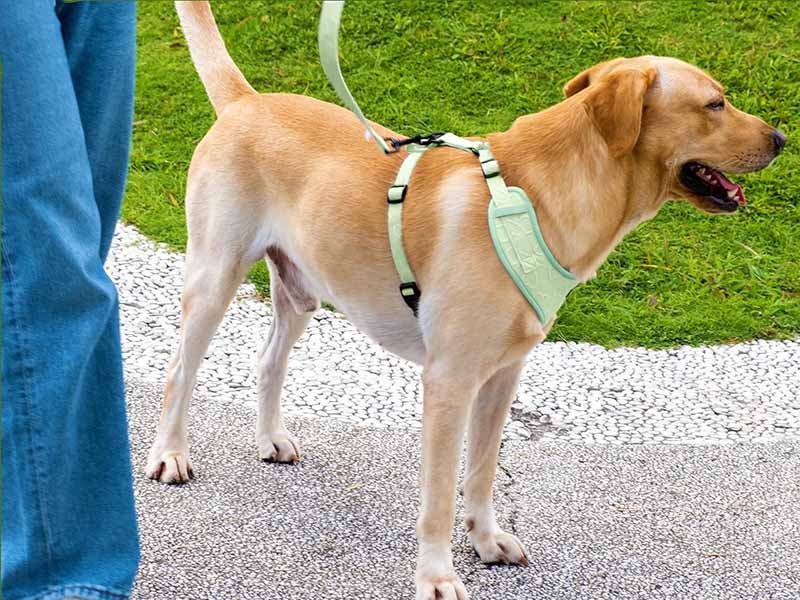
Neoprene shows up in surprising places—wetsuits, laptop sleeves, even beverage koozies. For pet brands, though, the question is pointed: is neoprene actually a smart material for dog harnesses? It promises cushioned comfort, water resistance, and a premium look. But buyers also worry about breathability in summer, odor retention after muddy walks, and how the foam holds up against claws and trail snags. If you’re speccing a new harness line, the material choice will determine customer reviews, returns, and repeat orders.
Yes—neoprene is good for dog harnesses when used as a padded, laminated panel rather than the entire structure. It delivers soft cushioning, water resistance, and stable printing for branding. Pair it with strong webbing (nylon/polyester), breathable mesh zones, and bound edges to reduce heat and wear. Select the right thickness (usually 2–4 mm), density, and face fabric, and you’ll get premium comfort without sacrificing durability or odor control.
Last year, a partner came to Szoneier with a blunt brief: “No more chafing reviews.” We replaced the stiff straps with a 3 mm SCR neoprene pad over a nylon webbing skeleton, added air-mesh windows at heat points, and bound every edge. Returns dropped, ratings climbed, and the line scaled across sizes, colors, and reflective trims—proof that when you spec neoprene correctly, a solid harness can become a category hero. Here’s how to do it right.
What Is Neoprene In Dog Harnesses, And Where Is It Used?
Neoprene is a closed-cell foam made from polychloroprene and laminated with fabrics (commonly nylon or spandex). In dog harnesses, it’s best used as contact-side padding on the chest, belly, and back plates—areas that need cushioning, stability, and a clean surface for branding. The load-bearing structure should still come from webbing and hardware; neoprene supplies comfort, water resistance, and aesthetics.
A well-designed dog harness has two jobs: control and comfort. Control comes from webbing, buckles, D-rings, and the pattern (H-frame, Y-front, or vest). Comfort is where neoprene shines:
- Closed-cell, cushioned contact: The foam compresses and rebounds, distributing pressure over a larger area to minimize hot spots—useful for pullers and active dogs.
- Water-resistance in daily use: Neoprene’s cellular structure resists water uptake better than open-cell foams, helping pads dry faster after rain, sprinklers, or beach walks.
- Print-friendly surface: White or dyed nylon lamination on neoprene accepts sublimation and screen graphics cleanly, which is great for private label, patterns, and seasonal drops.
Placement matters. We typically recommend neoprene pads on sternum/chest, belly, and back/yoke panels, with webbing routes stitched atop or through the pad. For hot climates, we open mesh vents into the pad zones (or swap certain areas to spacer mesh) to keep airflow.
Don’ts:
- Don’t rely on neoprene alone for tensile strength; it’s not a replacement for webbing.
- Don’t skip edge binding; raw cuts can abrade fur and reduce lifespan.
- Don’t over-thicken everywhere; targeted thickness wins.
How Does Neoprene Compare With Nylon, Mesh, And Leather For Comfort And Durability?
Versus nylon or leather alone, neoprene offers superior cushioning and water resistance but less breathability. Compared with spacer mesh, neoprene pads better and prints cleaner, while mesh breathes better. The most durable, comfortable harnesses layer materials: webbing for strength, neoprene for padding, and mesh in heat zones. Leather looks premium but needs more care and dries slowly.
Material choice is not either–or. The best harnesses combine them:
A. Property Comparison
| Property | Neoprene (CR/SCR) | Nylon Webbing | Polyester Mesh | Leather |
|---|---|---|---|---|
| Cushioning | High (foam) | Low | Medium | Low-Med |
| Breathability | Low | Low | High | Low |
| Water Resistance | High (foam core) | Med-High | Med | Low-Med |
| Dry Time | Fast (core) | Medium | Fast | Slow |
| Odor Control | Good with smooth face | Fair | Fair-Good | Fair (needs care) |
| Abrasion Resistance | Good (with nylon face) | High | Medium | Medium |
| Print/Branding | Excellent (sublimation, screen) | Woven labels/prints | Heat transfer | Emboss/deboss |
| Cost (Pad Only) | Medium | Low | Low-Med | High |
B. Why Hybrid Builds Win
- Nylon webbing handles loads (pulling, lunges).
- Neoprene prevents chafing and pressure points on chest/belly plates.
- Spacer mesh or perforation zones boost airflow at heat spots (sternum, underarms) while keeping soft contact.
- Edge binding protects seams and fur.
C. Durability Considerations
Neoprene’s surface durability depends on the laminated fabric. A denser nylon face and/or embossed texture hides scuffs from brush and rocks. For city use, a smooth matte face looks premium and wipes clean. For trail gear, choose textured/embossed faces and heavier denier nylon.
Which Dogs And Activities Benefit Most From Neoprene Padding?
Neoprene padding benefits pullers, active breeds, short-coated dogs prone to chafing, and water-loving dogs. It’s great for hiking, running, and daily walks, especially where pressure distribution and quick-dry comfort matter. In very hot, humid climates or for heat-sensitive dogs, add mesh zones and avoid over-thick pads.
Not every dog needs the same padding. Think coat length, activity, climate, and behavior:
- Short coats / sensitive skin (e.g., Pit Bull–type, Boxers, Whippets): Neoprene helps prevent strap lines and rub marks on the sternum and behind the elbows.
- Pullers / high-energy breeds (e.g., Huskies, Malinois, Border Collies): Padding spreads force over a wider area, reducing hot spots during training.
- Water dogs (Labs, retrievers, beach hikers): Fast-drying foam core and water resistance keep weight down post-swim.
- Senior dogs / rehab: Softer pads are forgiving around arthritic joints and allow slightly looser fits without shifting.
Climate & Season
- Cool to temperate: Neoprene is comfortable most of the year.
- Hot/humid: Keep pads 2–3 mm, introduce perforations/mesh windows, and select lighter linings.
- Cold: Thicker 3–4 mm pads add comfort under jackets or in snow.
Activity Matching
| Use Case | Neoprene Pad Thickness | Notes |
|---|---|---|
| Daily City Walks | 2–3 mm | Smooth nylon face; easy wipe-down |
| Trail/Hiking | 3–4 mm | Textured/embossed face; reinforced binding |
| Running/Canicross | 2–3 mm | Mesh vents at sternum; Y-front pattern |
| Water/Beach | 2–3 mm | Quick-dry webbing + stainless rings |
| Training Pullers | 3–4 mm | Larger sternum plate for pressure spread |
Is Neoprene Safe And Breathable For Canine Skin—Any Allergy Or Heat Risks?
Neoprene is generally skin-safe and widely used in human sportswear and medical braces. The main risks are heat buildup in hot weather and rare contact sensitivities to adhesives or dyes. Design around this with mesh/vent zones, lighter colors, smooth linings, and cleaning routines. If irritation appears, discontinue use and consult a vet.
A. Skin Contact & Sensitivities
Neoprene foams are typically laminated with nylon or spandex; the dog’s skin contacts the fabric face, not bare rubber. Choose smooth, brushed-soft linings for sensitive dogs. Reactions, while uncommon, usually trace to dyes, adhesive residues, or detergent buildup, not the foam itself.
B. Heat Management
Closed-cell foam is not breathable; it insulates. For warm climates or summer collections:
- Use 2–3 mm pads, keep coverage targeted (avoid full-vest coverage).
- Add spacer mesh or perforations at the sternum and underarms.
- Offer lighter colors to reduce solar gain.
- Encourage owners to monitor heat and take breaks on hot days.
C. Hygiene & Odor
Odors arise from trapped moisture and biofilm on fabric faces. Solutions:
- Prefer smooth nylon faces (less fiber snag, easier wipe-down).
- Recommend quick rinses post-mud/salt and air-dry out of direct sun.
- Offer removable pads or designs that open flat for easy cleaning.
D. Compliance & Quality
Szoneier can produce with low-odor adhesives, provide SGS test reports, and align with OEKO-TEX/REACH/RoHS requirements on request—important for brands selling in the EU/US with strict customer safety expectations.
How Water-, Odor-, And Abrasion-Resistant Is Neoprene In Daily Use?
Neoprene’s closed-cell core resists water uptake and dries fast; laminated nylon faces wipe clean and curb odor. With proper edge binding and textured surfaces, it handles abrasion from leash clips, brush, and rolling. For saltwater or heavy mud, rinse and air-dry. Expect strong day-to-day durability when paired with reinforced webbing and quality hardware.
A. Water Behavior
The foam core doesn’t soak like open-cell foams, so it stays lighter after rain or swims. Faces can hold surface water briefly; smooth woven nylon sheds it fast. For coastal SKUs, specify stainless steel or zinc-alloy hardware and polyester webbing (better wet stability).
B. Odor Control
Odors are mostly about drying time and cleanability:
- Smooth nylon faces resist dirt attachment; white nylon supports sublimation and deep cleaning.
- Recommend a mild soap rinse, then hang dry. Avoid heat sources that can warp adhesives.
C. Abrasion & Wear
Harnesses rub rocks, bark, concrete, and car interiors. Upgrade the neoprene’s face fabric and construction:
- Heavier denier nylon or embossed texture hides scuffs.
- Edge binding prevents delamination and protects fur.
- Consider bar-tack reinforcements at leash paths.
D. Field Longevity
When built with quality lamination and binding, neoprene pads maintain compression recovery over thousands of cycles of sit/stand/pull. In heavy-duty lines, use CR-rich foam; for value lines, SCR balances cost and performance.
Which Specs Matter: Thickness, Density, Lamination, Edge Binding, Hardware?
Key specs are foam thickness (2–4 mm), density (for rebound), laminated face (nylon/spandex/mesh), edge binding, and hardware (stainless/zinc-alloy). The structure should rely on nylon/polyester webbing; neoprene is padding. Use reflective trims, reinforced stitch patterns, and Pantone-accurate colors for a premium, safe product.
A. Foam & Density
- 2–3 mm: everyday comfort, lighter weight, warmer climates.
- 3–4 mm: trail, pullers, larger breeds, cooler climates.
- Density: tune for rebound; too soft packs down, too hard loses comfort.
B. Laminations
- Nylon (PA) face: durable, wipe-clean, prints well (sublimation on white).
- Spandex/Lycra: extra stretch for move-with-dog feel (less abrasion-resistant).
- Spacer Mesh Panels: add airflow at heat zones (sternum, underarms).
- Loop Fabric (medical-style): compatible with hook closures for adjustable chest wraps.
C. Construction
- Edge Binding (polyester/nylon): comfort, longevity.
- Stitching: box-x or bar-tacks at load points.
- Bonded + Stitched hybrids for clean silhouettes.
- Patterning: Y-front designs reduce windpipe pressure vs. straight chest straps.
D. Webbing & Hardware
- Webbing: nylon or polyester, width according to size.
- D-rings: stainless for coastal/wet use; welded for strength.
- Buckles: acetal or zinc-alloy for cold/impact; quick-release as a convenience feature.
- Reflective Piping/Tape: visibility for night walks.
Spec Snapshot (Typical Sizing)
| Size | Webbing Width | Neoprene Pad | D-Ring | Notes |
|---|---|---|---|---|
| XS–S | 15–20 mm | 2–3 mm | Ø20–25 mm | Lightweight, short-coated breeds |
| M | 20–25 mm | 3 mm | Ø25–30 mm | Everyday city use |
| L–XL | 25–32 mm | 3–4 mm | Ø30–35 mm | Pullers, hiking, large breeds |
How Do You Size, Fit, and Maintain A Neoprene Dog Harness For Long Service Life?
Measure neck base and girth; choose a size with 2–3 cm adjustability. Fit so you can insert two fingers beneath straps. Wash with mild soap, rinse, and air-dry—especially after salt or mud. Inspect bindings, stitches, and metal parts monthly. Good fit + simple care = longer life and fewer returns.
A. Sizing & Fit
- Neck Base: around the lowest part of the neck (above shoulders).
- Girth/Chest: around the widest ribcage point.
- Adjustability: target 2–3 cm play to accommodate fur growth or weight change.
- Two-Finger Rule: snug but not tight; check behind elbows for rub risk.
B. Pattern Choice
- Y-Front: distributes pressure across the sternum and avoids the throat; great for pullers and runners.
- H-Frame: classic, adjustable, easy on/off.
- Vest: more coverage; use thinner pads and mesh windows in warm climates.
C. Care Guide
- Rinse after mud/saltwater.
- Mild detergent hand-wash; avoid bleach/softeners.
- Air-dry out of direct sun/heat.
- Brush off sand/grit from seams and bindings.
- Monthly inspection: look for fuzzing bindings, lifted edges, or bent rings.
D. Owner Education = Fewer Returns
Include a fit card and QR code to a 60-second video. Clear guidance reduces support tickets and elevates NPS.
How Can Brands OEM/ODM Custom Neoprene Harnesses With Szoneier (Logos, MOQs, Lead Times)?
Szoneier offers free design, free samples, low MOQs, and fast prototyping (~14 days). Customize foam (CR/SCR), 2–4 mm thickness, face fabrics, Pantone colors, reflective trims, hardware, and packaging. We provide spec sheets and third-party tests (e.g., SGS) on request, and stabilize color/handfeel from sample to mass production.
A. Customization Menu
- Foam: CR for premium longevity; SCR for value lines.
- Thickness: 2–4 mm typical; zone-map thickness for performance.
- Faces: matte nylon for premium look; white nylon for full-bleed sublimation; mesh windows for airflow.
- Colors/Branding: Pantone-matched knits, reflective piping, woven labels, rubber patches, laser marks.
- Hardware: stainless D-rings, acetal buckles, quick-release options.
- Packaging: carded retail packs, polybag with insert, or custom boxes.
B. Development Timeline (Typical)
- Design & Dielines: 1–3 days (free support).
- Samples: ~14 days including print tests.
- Confirmation & PP Sample: 7–10 days after comments.
- Mass Production: depends on quantity and trims; we prioritize short lead times and on-time delivery.
C. Documentation & QC
- Spec Sheets with BOM and stitch maps.
- SGS/Compliance testing as needed (OEKO-TEX/REACH/RoHS alignment).
- Carton-level QC and shade control across colorways.
D. Cost Engineering
We balance comfort, durability, and margin by adjusting foam blend, face weights, binding styles, and hardware grades. You’ll see the impact of each option in a clear quote.
Practical Bill-Of-Materials (BOM) Patterns That Work
| Harness Tier | Foam | Face Fabric | Thickness | Webbing | Hardware | Notes |
|---|---|---|---|---|---|---|
| Value City | SCR | Matte nylon | 2–3 mm | Polyester | Zinc-alloy + acetal | Light, fast-dry, great for everyday |
| Active Trail | CR-rich | Embossed nylon + mesh vents | 3–4 mm | Nylon | Stainless + acetal | Durable, scuff-hiding, breathable |
| Performance Run | SCR | Nylon + spacer mesh windows | 2–3 mm | Nylon | Lightweight acetal | Minimal weight, high airflow |
| Coastal/Water | SCR | Smooth nylon | 2–3 mm | Polyester | Stainless | Salt-tolerant, easy rinse |
| Premium Urban | CR | Matte nylon + reflective piping | 3 mm | Nylon | Zinc-alloy + stainless ring | Polished look, strong rebound |
Common Buyer Questions
Do neoprene harnesses smell?
With smooth nylon faces, quick rinses, and air-drying, odor is minimal. Odor rises when fabrics stay damp or accumulate detergent/soil.
Is neoprene too hot for summer?
Not if you design for heat: 2–3 mm pads, mesh windows, and lighter colors. Encourage owners to monitor dogs in extreme heat.
Will dogs chew through neoprene?
Persistent chewers can damage any soft good. Use webbing for structure, keep pad edges bound, and educate owners to remove harnesses when unsupervised.
Is leather or all-webbing better?
Leather needs more care and dries slowly; all-webbing lacks padding. Hybrid (webbing + neoprene + mesh) is the sweet spot for comfort and performance.
Why Szoneier For Neoprene Dog Harnesses?
- 18+ years building neoprene soft goods (bags, braces, sleeves, wetsuits) adapted to pet gear.
- Free design support from pattern to dielines and brand placements.
- Free samples and low MOQs for fast market tests.
- ~14-day prototyping including print trials.
- CR/SCR foam choices, 2–4 mm targeted padding, textured faces, reflective trims.
- Spec sheets, SGS reports, and EU-friendly material options.
- On-time delivery with carton-level QC and color stability across runs.
If you want a high-comfort, fast-drying harness that holds up to city sidewalks, muddy trails, and saltwater weekends—without chafing complaints—let us turn your brief into a production-ready spec. Share your target price, sizes, and colorways; we’ll recommend the foam blend, thickness map, face fabrics, trims, and graphics that match your brand and margin.
What Can I Do For You?
Here, developing your OEM/ODM private label leather goods collection is no longer a challenge,it’s an excellent opportunity to bring your creative vision to life.