
Are Neoprene Camera Cases Good? A Practical Guide
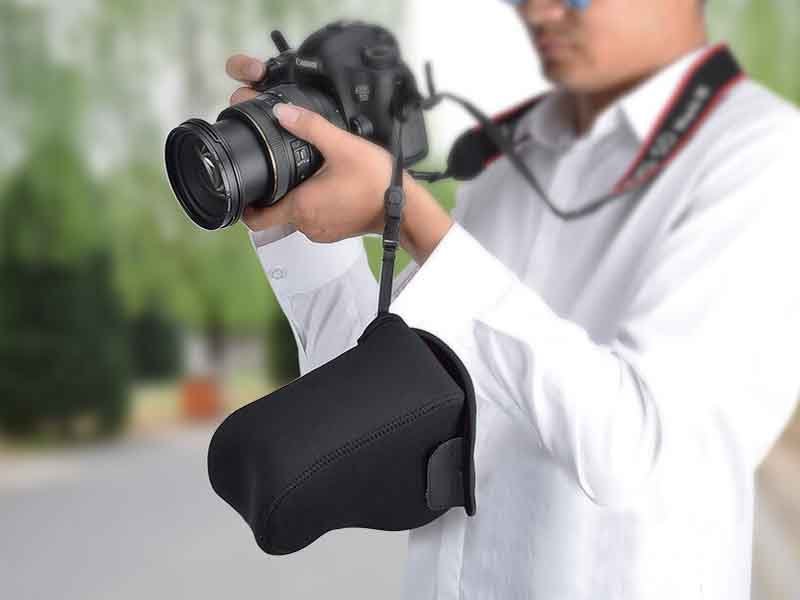
If you shoot on the move—street, travel, weddings, content gigs—you want protection without bulk. That’s exactly where neoprene camera cases shine. They’re soft, stretch to fit, dampen everyday bumps, and disappear inside bigger backpacks or totes. Yet buyers still ask: Are they good enough? When should I pick neoprene over hard shell or padded nylon? Below, we cut through the noise with real-world guidance, side-by-side comparisons, and fit charts so you can match protection, portability, and brand goals to the right case.
Yes—neoprene camera cases are good for everyday protection, packability, and low weight. The closed-cell foam structure cushions minor impacts, resists abrasion, and adds a moisture barrier while staying flexible and slim. Choose 3–5 mm neoprene for sleeves and lens pouches, use zip or roll-top closures for better weather resistance, and add a hard shell or dry bag when you need crush protection or full waterproofing. For branding, neoprene prints cleanly and supports low MOQs.
Think of this as the 80/20 solution: neoprene excels at the 80% of situations most shooters face—commutes, café edits, run-and-gun travel—while hard cases win the other 20% (airline check-in, heavy rain, crush hazards). Read on for clear scenarios, materials, and customization tips—plus how Szoneier can turn your spec into retail-ready product with low MOQs, fast sampling, and free design.
What Is Neoprene And How Does It Protect Cameras?
Neoprene is a closed-cell elastomer that combines stretch, impact damping, and a moisture barrier. It absorbs everyday knocks, shields against scratches, and reduces condensation on cold gear. At 3–5 mm thickness, it balances protection with packability—great for sleeves, body covers, and lens pouches. It’s not crush-proof, so pair with a hard case for heavy impacts or stacking.
Neoprene’s micro-bubble (closed-cell) structure traps air, which is why it insulates and cushions. When your bag swings into a door frame or the kit slides on a car seat, those cells compress and rebound, spreading force over time and area—reducing sharp pressure peaks that cause scuffs and minor dings. Add a brushed or microfiber lining, and you also cut down on finish wear around hot-shoe edges, tripod sockets, and lens rings.
Where it excels:
- Daily carry: subway, rideshares, walking between shoots.
- Pack-in protection: padding inside larger backpacks, sling bags, and travel luggage.
- Quiet handling: no plastic clatter; helpful for wildlife, weddings, and sets.
- Temperature buffer: slows rapid temp changes that can drive condensation.
Where it’s limited:
- Crush and point loads: a fully loaded suitcase on top of your camera? Neoprene alone won’t resist deformation like a hard shell.
- Sustained pressure: tight packing over hours can compress the foam and print marks into softer finishes (temporary in most cases).
- Waterproof claims: neoprene sheds splashes, but seams and zippers are typical leak points (more on this later).
Protection Modes At A Glance
| Protection Mode | Neoprene Contribution | Notes |
|---|---|---|
| Impact Damping | ★★★★☆ | Spreads everyday bumps; not for high-G drops |
| Scratch/Abrasion | ★★★★★ | Soft lining prevents finish wear |
| Moisture Barrier | ★★★★☆ | Resists splashes; not a dry-bag |
| Thermal Buffer | ★★★☆☆ | Slows temp swings; not an insulator for electronics heat |
| Crush Resistance | ★★☆☆☆ | Limited; use hard shell if stacking weight is expected |
Are Neoprene Camera Cases Good For Drops, Weather, And Daily Carry?
They’re excellent for daily carry and light weather. Neoprene sleeves reduce cosmetic damage from bumps and scuffs, and shed drizzle when paired with covered zippers or roll-tops. For serious drops, heavy rain, or crush risks, upgrade to padded nylon with frame support or a hard case, or add a dry bag overlay.
Neoprene is the everyday athlete: nimble and protective when you’re on foot, hopping rides, or packing light. Consider three threat zones:
- Drops & Bumps
- From desk height to car seat slides, neoprene’s compliance prevents small chips and rub-through.
- It’s not a magic shield: corner impacts (e.g., lens hood striking a step) focus energy—here, a rigid cage, padded dividers, or hard shell has the edge.
- Tip: Use 5 mm neoprene for heavier bodies/primes or lens pouches to raise your safety margin without much weight.
- Weather
- Water-resistant, not fully waterproof. Neoprene resists splash and light rain, but water can enter through zippers, seams, and needle holes.
- Upgrades that help: PU/DWR coatings, storm flaps, roll-top closures, seal tape on critical seams.
- For downpours/boat spray, add a rain cover or put the neoprene sleeve inside a waterproof roll-top.
- Daily Carry
- Quiet and grippy in hand; sleeves slide smoothly into tote/backpack compartments.
- Collapsible: when you change lenses or mount to a rig, the empty sleeve folds flat in a pocket.
- Workflow tip: color-code sleeves (e.g., primes vs zooms) to speed swaps and reduce missed shots.
Use Scenarios & Suggested Protection
| Scenario | Risk Profile | Suggested Case |
|---|---|---|
| Commute + Café Edits | Low–Medium | Neoprene body sleeve + pouch for lens |
| Run-And-Gun Travel | Medium | 3–5 mm neoprene inside padded daypack |
| Mountain/Beach | Medium–High (sand/spray) | Neoprene + pack liner or small dry bag |
| Checked Luggage | High (crush) | Hard case or padded divider insert in suitcase |
| Heavy Rain/Boat | High (water ingress) | Waterproof dry bag + desiccant; neoprene inside |
| Set/Studio with Rigs | Medium (knocks) | Neoprene for components + rigid case for transport |
Which Camera Types And Lenses Fit Best In Neoprene Sleeves?
Neoprene sleeves fit mirrorless and DSLR bodies (with or without small primes/compact zooms), compact cameras, action cams, and lenses in pouch sizes S–XL. Measure body + lens length and diameter, allow 2–3 mm stretch, and choose 5 mm for heavier glass. For gripped bodies or long zooms, use dedicated patterns or separate body sleeve + lens pouch.
Fit is everything. Neoprene’s stretch creates a tailored feel—but start with measurements:
- Body: width × height × depth (including grip).
- Lens: overall length and maximum diameter (with hood reversed if that’s your storage habit).
- Add-ons: plates, cages, microphones—these change profiles quickly; consider modular sleeves.
Practical Fit Guide (Typical Ranges)
| Item Type | Typical Examples | Recommended Pouch Size | Notes |
|---|---|---|---|
| Compact / P&S | RX100, G-Series | XS–S | Extra pocket for spare battery |
| Action Cam | GoPro, Insta360 (no cage) | XS | Add SD card sleeve |
| Mirrorless + Small Prime | A7 + 35/2, Z6 + 40/2 | M | Confirm depth w/hood reversed |
| Mirrorless + Compact Zoom | R6 + 24-70/4 | M–L | Bottom disk adds structure |
| DSLR Body Only | D750, 5D IV | M–L | Choose lined interior |
| DSLR + 24-70/2.8 | — | L | 5 mm neoprene recommended |
| Telephoto Lens | 70-200/2.8, 100-400 | L–XL | Separate lens pouch with belt loop |
| Ultra-Wide Zoom | 16-35/2.8 | M–L | Check hood flare width |
Fit Tips
- Stretch Margin: neoprene tolerates 2–3 mm beyond nominal diameter without distorting logos or seams.
- Bottom Disks: for longer lenses/camera-plus-lens sleeves, a circular base keeps the silhouette upright and prevents “slip-through.”
- Belt & MOLLE: lens pouches with belt loops or MOLLE webbing integrate with straps and tactical packs—handy for weddings and wildlife.
- Color Coding: print focal lengths or use woven labels—your assistants will love you for it.
How Do Neoprene Cases Compare With Hard Shell, EVA, And Padded Nylon Bags?
Neoprene wins on weight, packability, and quiet handling. Hard shell wins on crush/impact. EVA sits between: semi-rigid, lighter than hard shell. Padded nylon offers configurable dividers and organization but adds bulk. Mix them: neoprene sleeves inside a padded bag is the most flexible everyday setup.
No single case does it all—so compare by protection, carry experience, organization, and price.
Comparison Matrix
| Attribute | Neoprene Sleeve | EVA Semi-Rigid | Hard Shell | Padded Nylon Bag |
|---|---|---|---|---|
| Impact (Drops) | ★★★★☆ | ★★★★☆ | ★★★★★ | ★★★★☆ |
| Crush Resistance | ★★☆☆☆ | ★★★☆☆ | ★★★★★ | ★★★☆☆ (depends on frame) |
| Weight | ★★★★★ | ★★★★☆ | ★★☆☆☆ | ★★★☆☆ |
| Packability | ★★★★★ | ★★★★☆ | ★★☆☆☆ | ★★★☆☆ |
| Weather | ★★★☆☆ | ★★★☆☆ | ★★★★☆ | ★★★★☆ (with cover) |
| Organization | ★★☆☆☆ | ★★☆☆☆ | ★★☆☆☆ | ★★★★★ (dividers/pockets) |
| Noise/Stealth | ★★★★★ | ★★★★☆ | ★★☆☆☆ | ★★★☆☆ |
| Price (Unit) | $–$$ | $$ | $$$–$$$$ | $$–$$$ |
How Pros Combine Them
- Travel Light: camera in neoprene sleeve, lenses in neoprene pouches, all inside a regular daypack—discreet and low-weight.
- Event Day: padded nylon shoulder bag with dividers; each lens still lives in a neoprene pouch for fast swapping and scratch control.
- Air Travel: carry-on padded backpack; hard shell for check-in or shipping; neoprene sleeves protect items even if a zipper is open or a divider shifts.
- Studio/Set: rigid cases on carts; neoprene sleeves for on-set staging and quiet moves during takes.
Do Neoprene Camera Cases Offer Real Waterproofing Or Just Water Resistance?
Neoprene cases are water-resistant, not fully waterproof. The foam itself sheds splashes, but zippers, seams, and needle holes are leak points. For heavy rain, submersion, or boat spray, use a dry bag or IP-rated housing. You can improve resistance with roll-top designs, storm flaps, coatings, and taped seams—great for drizzle and daily carry.
Water protection hinges on the weakest path. Even with a coated shell, a non-covered coil zipper will wick moisture under sustained rain.
Closure Systems vs Water Performance
| Closure Type | Water Performance | Best Use |
|---|---|---|
| Plain Zipper | Basic splash resistance | Indoors, commute |
| Zipper + Storm Flap | Better | Light rain, street |
| Roll-Top (Velcro/Clip) | Strong | Wet hikes, beach, boats (surface spray) |
| Drawcord + Toggle | Moderate | Lens pouches inside a bigger bag |
| Waterproof Zip (Specialty) | Strong | Premium niche; stiffer, pricier |
Seams & Fabrics
- Blind/flatlock stitching is comfortable and low-profile but not watertight.
- Tape-sealing raises water resistance—but adds cost and stiffness.
- Surface coatings (PU/DWR) help water bead and roll off.
Practical Setup
- Urban rain: neoprene sleeve + bag’s own rain cover.
- Beach/boat: neoprene inside a roll-top dry bag with desiccant.
- Downpour + hiking: roll-top neoprene or coated nylon pouch inside a weatherproof pack liner.
How Do You Choose The Right Size, Thickness, And Features?
Measure body and lens length/diameter, allow 2–3 mm stretch, pick 3 mm neoprene for everyday carry and 5 mm for heavier glass or rough travel. Add bottom disks for tall loads, belt loops/MOLLE for fast swaps, and microfiber linings to protect finishes. Choose closures (zip/roll-top) and pockets to match your workflow.
Sizing Workflow
- List your carry kit: body (with/without grip), typical lens attached, spare lenses, flash, mic.
- Measure: overall length (with hood reversed), max diameter, and body height including hot-shoe.
- Decide storage habit: hood on/off, plate installed, cage on/off.
- Pick thickness: 3 mm for minimal carry; 5 mm for travel/rough venues.
- Features: belt loops for lens swaps, D-rings for tethers, ID windows for rental gear.
Thickness & Environment Guide
| Environment | Suggested Neoprene | Why |
|---|---|---|
| Office/Commute/Street | 3 mm | Slim, light, adequate bump protection |
| Weddings/Events (crowded) | 3–5 mm | People bumps, quick swaps |
| Travel/Backpacking | 5 mm | Overhead bins, tight packing |
| Cold/Hot Swings | 5 mm | Extra thermal buffer |
| Long Telephotos | 5 mm | Heavier mass needs more damping |
Feature Add-Ons That Matter
- Microfiber or brushed knit lining: guards screens and finishes.
- Bottom disks & structured rims: maintain shape for tallboy zooms.
- External pockets: cards, filters, batteries—avoid overloading sleeves (balance is king).
- Handles/loops: grab points speed retrieval from deep packs.
- Color bands/labels: identify focal lengths or camera bodies at a glance.
How Do You Customize Neoprene Camera Cases For Brands, Studios, And Retail?
Choose type (body sleeve, lens pouch, kit bag), thickness (3–5 mm), and features (zips, roll-top, belt loops). Provide vector artwork and Pantone colors; select sublimation for photo-quality, screen print for bold logos, or woven/TPR patches for texture. Confirm packaging (belly bands, hang tags, boxes) and timelines. Szoneier supports low MOQs, fast sampling, and private label/OEM/ODM.
Branding Methods
| Method | Look/Benefit | Works Best On | Notes |
|---|---|---|---|
| Sublimation | Photo-quality, full-bleed | Light neoprene bases | Great for gradients/art; retail-ready |
| Silk Screen | Crisp spot colors | Neoprene & foam | Cost-efficient at scale |
| Heat Transfer | Fine detail on dark colors | Neoprene & foam | Flexible for small runs |
| Woven Label/Patch | Premium, tactile | Neoprene | Position near zipper or belt loop |
| Rubber/TPU Patch | Sporty, durable | Neoprene | 3D brand effect |
| Embroidery | Craft look | Thicker neoprene | Keep stitch density balanced |
OEM/ODM Options With Szoneier
- Patterns & Forms: body sleeves, lens pouches, multi-lens rolls, drone/monitor sleeves.
- Hardware: YKK zippers, pulls, D-rings, hooks, roll-top buckles.
- Function Upgrades: magnets for quick flap closure, ID windows, desiccant pockets.
- Packaging: retail boxes, hang tags, polybags with barcodes, eco options.
- Quality: stitch consistency, seam alignment, color checks, pull tests for hardware.
Low-MOQ, High-Variety Strategy
- Launch 3–5 SKUs in core sizes (body, prime, mid-zoom, tele) and 2 colorways.
- Use shared base patterns + different prints to keep tooling costs down.
- Bundle lens pouch sets (S/M/L) for higher AOV in e-commerce.
Are Neoprene Cases Easy To Clean And Compliant With Market Standards?
Yes. Hand wash or gentle machine (cold), mild detergent, air-dry flat. Avoid bleach and high heat. Wipe stainless/leather accents. For retail/export, include care labels and keep material/ink specs from suppliers to meet local requirements. Store fully dry to prevent odor or mildew.
Care
- Neoprene: rinse after beach/sweat, squeeze (don’t wring), air-dry away from direct sun.
- Foam: hand wash, air-dry only.
- Hardware: wipe zippers and buckles; a touch of zipper lubricant keeps pulls smooth.
- Odor control: dry thoroughly; add desiccant packs to storage bins; occasional mild-vinegar rinse, then a fresh water rinse.
Storage
- Keep sleeves dry and uncompressed for long periods.
- Avoid long UV exposure on bright prints; store in a cool, ventilated place.
Compliance (General Guidance)
- Include fiber content & care info where required.
- Keep supplier declarations for inks, coatings, and hardware.
- Follow destination-market rules for labeling (country of origin, warnings if applicable).
- If selling to schools/kids programs, confirm the relevant consumer product safety requirements before mass production.
Cleaning Methods By Material
| Material | Cleaning | Drying | Notes |
|---|---|---|---|
| Neoprene | Hand/gentle machine (cold) | Air-dry flat | No bleach/solvents |
| Foam | Hand wash only | Air-dry | Avoid twisting/wringing |
| Silicone | Dishwasher safe (top rack) | Air-dry | Great for cup sleeves |
| Leather/PU Accents | Wipe only | Air-dry | Avoid soaking |
| Stainless (Rigid) | Wipe with mild soap | Air-dry | Keep gaskets dry |
Why Work With Szoneier
Szoneier is a China-based neoprene R&D and manufacturing factory with 18+ years of experience. We build neoprene camera sleeves, lens pouches, tech covers, bags, wetsuits and more for custom, private label, OEM/ODM programs. Expect 100% quality assurance, free design, low MOQs, fast sampling, free samples, and short lead times—plus thoughtful engineering on stitching, fit, and finishing.
What We Deliver
- Precise patterns for mirrorless, DSLR, compact, and lens sizes (S–XL).
- 3–5 mm neoprene options, microfiber linings, roll-tops, zippers, belt loops, MOLLE.
- Branding: full-bleed sublimation, silk screen, heat transfer, woven/TPU patches.
- Retail readiness: packaging, barcodes, QC documentation, export support.
- Scaling: pilot runs to large batches with consistent color and seam quality.
Ready To Spec Your Neoprene Camera Case?
Tell us your camera models, lenses, artwork, and deadline, and we’ll recommend the right thickness, features, and branding method—with a free design mockup and sample.
Szoneier — Neoprene Custom & Wholesale
- Website: www.neoprene-bag.com
- Email: info@neoprene-bag.com
- Phone/WhatsApp: +86 13823134897
Let’s build sleeves and pouches your customers actually use—day after day, shoot after shoot.
What Can I Do For You?
Here, developing your OEM/ODM private label leather goods collection is no longer a challenge,it’s an excellent opportunity to bring your creative vision to life.