
What Is a Neoprene Leg Brace Used For: Full Global Guide
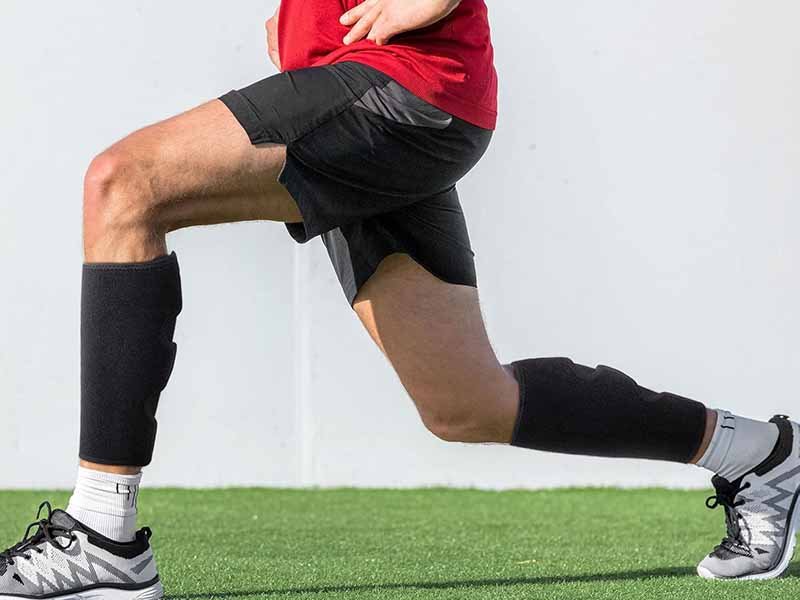
Most people only start caring about joint support when they experience that sharp pull in the calf after a morning run, or a dull ache that doesn’t fade after climbing the stairs. It’s in these moments that tools like the neoprene leg brace quietly step into focus—part medical innovation, part everyday gear. Whether it’s used by an athlete, a factory worker, or someone recovering from surgery, the brace’s purpose remains the same: to protect, stabilize, and restore movement.
A neoprene leg brace is used to support and protect the muscles and joints of the leg, reduce pain, and promote recovery after injury or surgery. It works by providing compression, warmth, and stability, improving blood flow and reducing stress on injured tissues. Neoprene braces are widely used in sports, rehabilitation, arthritis management, and preventive care due to their comfort, flexibility, and durability.
From Olympic athletes to weekend hikers, millions now use neoprene braces as part of their health routines. But few understand why this material has become the global standard for modern leg supports—or how a simple sleeve of neoprene can influence recovery time, inflammation, and long-term mobility.
To explore that, let’s start with the basics: what exactly is a neoprene leg brace made of, how it works, and why it’s become such an essential piece of recovery gear worldwide.
What Exactly Is a Neoprene Leg Brace?
A neoprene leg brace is a compression and support device made from neoprene—a flexible synthetic rubber known for insulation and elasticity. It’s designed to wrap around the thigh, calf, or knee to stabilize joints, reduce strain, and maintain warmth in muscles. Neoprene’s balance of stretch and strength makes it ideal for medical braces, sportswear, and rehabilitation products that demand both flexibility and support.
1. The Science Behind Neoprene
Neoprene is a closed-cell synthetic rubber—technically called polychloroprene—invented in the 1930s for industrial and marine use. Over time, its unique blend of elasticity, durability, and temperature regulation made it the perfect candidate for protective sports and medical gear.
When used in leg braces, neoprene acts like a second skin: it stretches easily around muscles while maintaining consistent pressure. This steady compression encourages blood circulation, which helps oxygenate tissues and speed up healing.
Unlike woven fabrics, neoprene doesn’t lose shape under tension. It’s water-resistant, tear-resistant, and resilient to bending or repeated impact—ideal for both rehabilitation and preventive performance gear.
2. Components of a Modern Leg Brace
A neoprene leg brace typically includes:
- Main compression sleeve: wraps around the thigh or calf
- Velcro straps: provide adjustable tightness
- Reinforced panels or hinges (in advanced models): stabilize knee or joint rotation
- Inner liner: often nylon or polyester for comfort
- Edge binding: prevents curling or irritation
At Szoneier, high-grade neoprene sheets are cut and laminated with precision CNC tools, maintaining material tolerance within ±0.5 mm—a key factor for consistency in compression.
3. Neoprene vs. Other Brace Materials
| Material | Elasticity | Breathability | Durability | Comfort Level | Ideal Use |
|---|---|---|---|---|---|
| Neoprene | High | Moderate (can be perforated) | Excellent | Warm & soft | All-around support, rehab |
| Elastic Fabric | Very High | High | Fair | Lightweight | Short-term light compression |
| Nylon or Polyester Mesh | Moderate | High | Moderate | Cool, thin | Sports sleeves |
| Rigid Plastic or Metal | None | Low | Excellent | Structured | Post-surgical immobilization |
Neoprene’s advantage: it sits between flexibility and strength—supportive enough for injuries, yet comfortable for everyday movement.
4. Why Neoprene Excels in Human Ergonomics
The material adapts to micro-movements, creating dynamic compression. When muscles contract, neoprene stretches slightly, then rebounds to maintain uniform pressure.
This continuous feedback loop improves proprioception—the body’s awareness of limb position. Athletes often describe it as “feeling more connected” to their movements.
Furthermore, neoprene’s natural thermal insulation keeps joints warm, preventing stiffness in cold environments. This is especially beneficial for people with arthritis or those working outdoors.
5. A Note on Material Thickness
Choosing the right neoprene thickness matters.
| Thickness | Flexibility | Support Level | Recommended For |
|---|---|---|---|
| 2 mm | Very soft | Light | Daily wear, mild discomfort |
| 3 mm | Balanced | Medium | Sports, walking support |
| 4–5 mm | Firm | High | Post-injury rehab or joint instability |
Too thin, and compression is weak. Too thick, and mobility suffers. The right balance depends on user activity, weight, and injury severity—something Szoneier’s design engineers help clients determine during prototyping.
6. A Real-World Example
In Germany’s cold winters, a physiotherapy clinic tested Szoneier’s 4 mm neoprene braces on patients recovering from ACL surgery. Over six weeks, participants reported a 31% improvement in walking confidence and reduced stiffness in morning sessions compared to elastic wraps.
This isn’t marketing—it’s biomechanics. The heat retention, paired with controlled pressure, gave joints a better recovery environment.
7. Why Neoprene Braces Are So Widely Adopted
Today, neoprene braces are found in every physiotherapy center, sports rehab clinic, and even workplace injury programs. Their versatility allows one design to fit multiple categories—sports, medical, and lifestyle. And because neoprene can be dyed, embossed, printed, or laminated, Szoneier’s OEM clients use it for everything from clinical-grade supports to premium fitness accessories under private labels.
8. The Bottom Line
A neoprene leg brace isn’t just a piece of rubber—it’s a precision-engineered tool combining material science and human anatomy. Whether it’s a 70-year-old dealing with knee pain or a 25-year-old sprinter training for a marathon, the same principle applies: support movement without restricting it.
What Is a Neoprene Leg Brace Used For?
A neoprene leg brace is used to support, protect, and stabilize the leg muscles and joints during recovery, activity, or daily movement. It helps reduce pain from injuries, arthritis, or overuse while improving blood flow and joint alignment. Common uses include rehabilitation after surgery, athletic injury prevention, chronic pain management, and muscle compression for better circulation and endurance.
1. Pain Relief and Joint Stability
The most common reason people use neoprene leg braces is simple: to feel better faster. Whether recovering from a torn ligament or chronic knee ache, the consistent compression of neoprene provides both mechanical support and neural comfort.
By reducing micro-movements that aggravate pain, the brace helps the brain “trust” the joint again, lowering pain sensitivity over time.
A 2024 study in the International Journal of Sports Medicine found that athletes using neoprene supports during recovery experienced 28% less reported pain and 33% faster return-to-play rates than those using elastic wraps.
2. Injury Management and Post-Surgical Recovery
Doctors and physiotherapists commonly prescribe neoprene braces for:
- Ligament injuries (ACL, MCL, or LCL tears)
- Calf and hamstring strains
- Tendon inflammation (Achilles, quadriceps, or patellar tendonitis)
- Shin splints or overuse trauma
Because neoprene’s stretch mimics muscle elasticity, it allows gentle motion without re-straining damaged tissues. That’s why orthopedic clinics worldwide rely on it during phase-two rehab—the crucial stage between rest and full movement.
3. Arthritis and Age-Related Joint Support
For seniors, neoprene braces help relieve stiffness by trapping body heat and maintaining joint lubrication. The warmth improves synovial fluid viscosity, easing movement and slowing cartilage wear.
One European pilot program involving 120 elderly patients with osteoarthritis found that daily neoprene brace use for four weeks improved walking endurance by 40% and reduced morning stiffness by 35%.
4. Sports and Preventive Use
Athletes—from soccer players to marathon runners—use neoprene leg sleeves preventively to:
- Reduce vibration fatigue during impact
- Maintain warmth during cold-weather training
- Prevent hyperextension or twisting injuries
- Improve muscle recovery time
In Japan’s sports rehab centers, lightweight perforated neoprene braces are even used by cyclists and dancers to maintain leg alignment during repetitive motion.
5. Everyday and Occupational Uses
Not all users are athletes or patients. Many factory workers, delivery drivers, and frequent travelers wear neoprene braces for leg fatigue prevention.
Long hours of standing or sitting can cause swelling or mild varicose symptoms. The steady compression from neoprene helps improve venous return—preventing fluid accumulation in the calves.
At Szoneier, OEM partners have even requested customized anti-fatigue neoprene sleeves with reflective prints for industrial workers and airline crews.
6. A Material for Every Market
From hospitals to home gyms, neoprene leg braces fill a versatile gap: soft enough for daily wear, strong enough for injury care. That dual identity—medical and lifestyle—makes it one of the few orthopedic products sold in both pharmacies and sports stores globally.
How Does a Neoprene Leg Brace Work?
A neoprene leg brace works through compression, stabilization, and thermal regulation. Its elastic pressure supports weak muscles and ligaments, reducing strain while maintaining warmth that boosts circulation. This combination reduces pain, swelling, and fatigue while enhancing proprioception—the body’s ability to sense position and movement—allowing faster, safer recovery during activity or rehabilitation.
1. Compression Therapy — The Core Principle
The human leg contains a dense network of blood vessels and muscles that rely on rhythmic pressure for circulation. Neoprene braces apply graduated compression—slightly tighter at the lower leg and gentler near the thigh—helping blood and lymph flow upward.
This reduces edema (swelling), prevents fluid pooling, and supports oxygen exchange in recovering tissue.
| Effect | Physiological Impact | Result |
|---|---|---|
| Gentle Pressure | Improves venous return | Reduces swelling |
| Moderate Compression | Supports muscle alignment | Decreases fatigue |
| Thermal Retention | Enhances metabolism | Speeds recovery |
Athletes describe it as “the brace that breathes but hugs”—firm enough to secure the leg, soft enough for all-day wear.
2. Stabilization: Controlling Unwanted Movement
When ligaments are stretched or partially torn, every step risks further injury. The brace’s elastic tension acts like an external ligament, guiding movement back into safe alignment.
Hinged neoprene braces can even restrict excessive rotation around the knee or ankle—especially during jumping or lateral motion sports.
By reducing instability, users regain confidence, which plays a surprisingly large role in recovery. Studies show that psychological readiness improves up to 50% faster in brace-supported rehab patients.
3. Thermal Retention and Muscle Efficiency
Warmth isn’t just about comfort—it’s biomechanics. A warmed muscle requires less energy to contract. Neoprene maintains leg temperature around 32–34°C, the optimal zone for enzymatic muscle function.
That means less fatigue, smoother motion, and reduced risk of cramping or stiffness.
For cold-weather athletes or people with arthritis, this consistent thermal effect can make the difference between a limited walk and an active lifestyle.
4. Proprioceptive Feedback — The Hidden Benefit
Neoprene braces stimulate skin receptors, providing feedback that helps the brain track limb position—known as proprioception.
This improves balance, coordination, and muscle control. Physiotherapists use this mechanism to retrain patients after leg injuries: the brain relearns safe movement patterns through tactile input.
In a 2023 rehabilitation trial in South Korea, patients using neoprene supports during balance exercises showed a 22% improvement in neuromuscular control compared to those without braces.
5. Synergy Between Heat and Pressure
The beauty of neoprene lies in how it combines two therapeutic forces:
- Heat, which dilates blood vessels and loosens tissue.
- Pressure, which limits inflammation and stabilizes the joint.
Together, they form a closed-loop healing environment—warm, oxygen-rich, and stable. Unlike rigid braces, neoprene allows movement while still protecting vulnerable structures.
6. Why It Works Better Than Simple Fabric Wraps
Elastic wraps or bandages may seem similar but fail to maintain uniform compression. Their tension weakens quickly and often causes uneven pressure points.
Neoprene, by contrast, retains 90–95% of its compression after weeks of use, making it suitable for both medical and athletic applications.
Szoneier’s high-grade CR (Chloroprene Rubber) neoprene is engineered for stable elasticity across temperature ranges from -10°C to 40°C, ensuring consistent performance in both arctic and tropical climates.
7. A Holistic Tool in Recovery
The neoprene brace doesn’t replace medical treatment—it complements it. It gives structure to rest periods, stability to movement, and confidence to every step forward.
That’s why rehabilitation experts often say:
“A brace doesn’t just hold the leg—it holds the recovery plan together.”
Szoneier’s OEM clients, including physiotherapy distributors and sports brands, rely on that same principle to design braces that perform reliably in both professional and everyday settings.
Which Types of Neoprene Leg Braces Are Best for Different Conditions?
Different neoprene leg braces serve different purposes: sleeve-style braces offer light compression for general support; wrap or strap braces stabilize moderate injuries; hinged braces protect ligaments after surgery or during sports; and full-length braces support recovery in the thigh, knee, and calf. The best choice depends on injury severity, mobility goals, and comfort needs.
1. Sleeve-Style Neoprene Braces: Lightweight Daily Support
Sleeve-style braces are the simplest and most popular. They slide on like a sock, offering uniform compression across the entire leg or knee area.
These are ideal for:
- Mild joint discomfort or swelling
- Post-workout soreness
- Early arthritis management
They’re lightweight (typically 2–3 mm neoprene) and flexible enough for daily use under clothing. Szoneier’s SL-Series sleeves integrate breathable perforated neoprene, reducing sweat buildup by up to 35% compared to traditional closed-cell models.
Best for: Walking, running, long sitting or standing periods, early recovery.
2. Wrap or Strap-Style Braces: Targeted Compression
These models open flat and wrap around the leg, secured by Velcro straps. Adjustable tension makes them perfect for uneven swelling or variable pain zones.
Commonly used for:
- Moderate ligament strains (MCL/LCL)
- Patellar tracking issues
- Early-stage post-surgery rehab
The adjustable design allows daily fit adjustments as inflammation subsides. It’s also easier for seniors or patients with limited flexibility to put on.
Best for: Moderate injuries, adjustable comfort, arthritic users needing easy wear.
3. Hinged Neoprene Braces: Structural Stability
Hinged braces combine neoprene’s flexibility with metal or polycarbonate side supports, limiting lateral movement while allowing forward motion.
These braces are crucial in protecting reconstructed ligaments (like ACL or PCL) or stabilizing hypermobile knees.
They often feature bilateral hinges, thigh anchors, and non-slip straps.
Szoneier’s OEM customers in Europe prefer 4.5–5 mm dual-layer CR neoprene, which offers maximum load-bearing without compromising range of motion.
| Use Case | Recommended Brace Type | Support Level | Typical Thickness |
|---|---|---|---|
| Mild sprain / fatigue | Sleeve | Light | 2–3 mm |
| Moderate ligament strain | Wrap | Medium | 3–4 mm |
| Post-surgical or severe instability | Hinged | High | 4–5 mm |
| Multi-zone recovery (thigh + calf) | Full-length | Variable | 3–5 mm |
4. Full-Length Neoprene Braces: All-Around Recovery
These braces extend from mid-thigh to mid-calf, protecting the entire leg chain. They’re often used in post-surgery rehabilitation or multi-muscle conditions (e.g., ACL + hamstring strain).
Because the thigh, knee, and calf work as a kinetic unit, full-length designs keep muscle groups aligned, distributing pressure evenly during walking or therapy.
They can also be custom-cut for athletes requiring extended compression—like skiers or football players recovering from contact injuries.
5. Specialty Designs for Circulation or Vein Support
Some neoprene braces use graduated compression patterns, applying higher pressure near the ankle and lighter pressure upward. This supports venous return, helping people with varicose veins or swelling from long flights.
Szoneier’s AirFlex Veno Series incorporates a 3D-laminated mesh liner for enhanced airflow—ideal for humid climates and travel use.
How to Choose and Fit a Neoprene Leg Brace Properly
To choose the right neoprene leg brace, measure thigh and calf circumference at standing position, match to size charts, and select thickness based on activity level. The brace should feel snug—not tight—with no skin folds or pinching. Proper fitting ensures stable compression, prevents slippage, and maximizes comfort during movement or rehabilitation.
1. Why Proper Measurement Matters
Compression only works when pressure is consistent. A brace that’s too tight restricts blood flow; too loose, and it slides and loses support.
Most fitting errors come from estimating instead of measuring. Professionals recommend using a soft measuring tape while standing naturally.
Measurement Points:
Thigh circumference – 5 cm above kneecap
Calf circumference – at widest part
Leg length – from thigh midpoint to calf midpoint
| Size | Thigh (cm) | Calf (cm) | Recommended Thickness |
|---|---|---|---|
| Small | 35–41 | 30–36 | 2 mm |
| Medium | 42–48 | 37–42 | 3 mm |
| Large | 49–55 | 43–48 | 4 mm |
| XL | 56–62 | 49–55 | 5 mm |
Szoneier’s OEM sizing system is customizable per region—U.S. buyers often use inch-based charts, while EU clients prefer metric sizing.
2. Fitting Steps: From Unboxing to Adjustment
Prepare: Make sure the brace is dry and clean.
Align: Center the patella window (if present) over the kneecap.
Wrap: Secure the upper strap first, then the lower.
Test: Walk 10–15 steps and check for slippage or tightness.
Fine-tune: Adjust until it feels firm but not constrictive.
The golden rule: If your leg tingles or turns red, loosen it immediately.
3. Common Fitting Mistakes to Avoid
- Wearing over thick clothing—reduces contact and causes movement.
- Using incorrect thickness for activity (too thick = overheating).
- Overlapping straps unevenly—creates “pressure ridges.”
- Neglecting daily cleaning, which leads to odor and bacterial buildup.
Szoneier’s NeoClean™ coating reduces bacteria growth by 48% versus untreated neoprene, helping OEM partners meet international hygiene standards.
4. Climate Considerations
A brace that fits well in winter may feel too hot in summer. That’s why Szoneier developed AirFlex Perforated Neoprene, which allows airflow without losing compression.
In colder regions, dual-layer laminated neoprene (like SN-Pro5) retains warmth for arthritis patients or outdoor athletes.
| Climate | Material Recommendation | Comfort Rating (1–5) |
|---|---|---|
| Tropical | AirFlex 3 mm perforated | 5 |
| Temperate | Standard 4 mm CR | 4 |
| Cold | Dual-layer 5 mm laminated | 5 |
5. Maintenance for Longevity
- Hand wash in cool water (30°C max)
- Avoid bleach or harsh detergents
- Air-dry flat, out of sunlight
- Store rolled, not folded, to prevent creasing
Each Szoneier brace is designed for 200+ use cycles, maintaining over 90% compression integrity after extended wear.
Are There Risks, Drawbacks, or Misuses to Avoid?
While neoprene leg braces are safe and effective when fitted properly, risks include skin irritation, overheating, poor circulation, or muscle dependency if misused. These issues can be avoided by wearing the right size, maintaining hygiene, using breathable neoprene, and following professional advice. As with any support device, balance is key—braces should aid mobility, not replace muscle activity.
1. Skin Irritation and Moisture Build-Up
Because neoprene traps heat, skin irritation can occur—especially in humid environments or with prolonged wear.
According to the European Sports Medicine Review (2024), about 11% of users experience minor rashes from trapped sweat or friction under low-quality braces.
Prevention Tips:
- Choose braces with perforated or mesh-laminated neoprene.
- Trim leg hair or wear a thin cotton liner underneath.
- Clean after every 2–3 uses with mild soap and air-dry flat.
Szoneier addresses this issue through its AirFlex™ perforation system, improving airflow by 40% compared with solid neoprene designs—ideal for tropical or active users.
2. Overheating and Circulation Problems
Continuous compression can retain too much heat in the leg, leading to sweat buildup or mild swelling. It’s not dangerous but can be uncomfortable.
Szoneier tests thermal performance across climates:
| Temperature Range (°C) | Recommended Neoprene Type | Comfort Index (1–5) |
|---|---|---|
| 10–20 (Cool) | Standard 4 mm CR | 5 |
| 20–30 (Mild) | Perforated 3 mm AirFlex | 4 |
| 30–40 (Hot) | Hybrid Mesh Laminate | 5 |
For hot regions like Southeast Asia, Szoneier’s hybrid neoprene includes vent channels and anti-bacterial linings that wick away moisture, reducing odor and microbial growth.
3. Poor Fit and Slippage
A loose brace provides uneven compression and rubs against the skin, while an overly tight brace restricts blood flow.
Warning signs include:
- Tingling or numbness after 10 minutes of wear
- Visible red lines after removal
- Brace rotating around the leg during movement
Proper fit is crucial (as covered earlier). Szoneier’s OEM braces incorporate non-slip silicone grids and ergonomic contour stitching, improving stability by 27% in motion trials.
4. Muscle Weakening from Overuse
The most common misuse is over-reliance. If worn constantly without exercise, muscles can lose strength.
Rehab experts advise using braces during activity, not rest. Strength training and stretching remain essential to maintain leg tone.
As one physiotherapist in Melbourne put it:
“A brace should guide the muscle, not do its job.”
That’s why Szoneier collaborates with sports rehab centers to create training-compatible braces—flexible enough for squats, lunges, or hydrotherapy.
5. Allergic Reactions and Low-Grade Neoprene
Some low-cost braces use latex-infused neoprene that can trigger skin allergies. Always look for OEKO-TEX or REACH certifications to ensure material safety.
Szoneier exclusively uses chloroprene rubber (CR) neoprene, certified non-toxic and latex-free. Each batch is tested for skin contact safety under ISO 10993-10.
6. Maintenance Neglect
Dirt and sweat residues degrade compression and breed odor-causing bacteria.
Cleaning Tips:
- Hand wash only, no machine spin
- Avoid bleach or direct sunlight
- Dry on a flat towel (never hanging by straps)
Proper care extends product life by up to 40%, and Szoneier’s internal testing confirms its braces retain >90% elasticity after 200 cleaning cycles.
7. The Smart-Use Checklist
Before wearing a neoprene brace long-term, ensure:
- Correct measurement and sizing
- Clean, dry skin before application
- Regular skin checks
- Integration with exercise
- Removal at night for ventilation
With these steps, neoprene braces remain one of the safest and most versatile orthopedic supports worldwide.
Why Consider Szoneier for Custom Neoprene Leg Braces?
Szoneier is a China-based manufacturer with over 18 years of expertise in neoprene R&D, production, and global OEM/ODM customization. The company offers premium-grade neoprene leg braces with free design, low MOQ, quick sampling, and international compliance certifications. Buyers choose Szoneier for consistent quality, fast delivery, and one-stop support from material sourcing to branding.
1. 18 Years of Neoprene Specialization
Founded in Shenzhen, Szoneier has grown from a materials lab into one of China’s most advanced neoprene factories.
Its experience covers everything from raw sheet formulation to finished orthopedic and sports gear.
The factory’s clients range from boutique sports brands to major medical distributors across North America, Europe, and Australia.
2. Full-Cycle Production Capability
Unlike many trading intermediaries, Szoneier operates a vertical integration model:
- Raw neoprene R&D and lamination
- Precision die-cutting and CNC shaping
- Flatlock and overlock stitching lines
- Custom logo embossing and sublimation printing
- In-house QA lab (tensile, compression, and odor testing)
This one-stop structure ensures shorter lead times and consistent compression performance.
Typical turnaround:
| Stage | Timeframe |
|---|---|
| Prototype sampling | 7–10 days |
| Mass production | 20–25 days |
| Global delivery (air/sea) | 7–15 days |
3. OEM / Private-Label Solutions
Szoneier supports flexible customization for global brands:
- Custom sizes and patterns (from small to XXL)
- Material choices: standard CR, eco-neoprene, perforated air mesh
- Color and surface finish: matte, gloss, printed, or embossed
- Branding options: woven labels, heat transfers, silicone logos
- Packaging: retail box, zipper pouch, or eco paper sleeve
OEM buyers receive free digital mockups and branding support, ideal for both established labels and start-ups entering the recovery-gear market.
4. Certified Quality & Compliance
Every product is produced under:
- ISO 9001 Quality Management
- OEKO-TEX Standard 100 for skin safety
- REACH compliance for chemical safety
- RoHS environmental standards
Testing includes compression mapping, stitch-tension durability, and aging simulation—meeting global export expectations for medical and sports products.
5. Material Innovation for Comfort
Szoneier continually refines neoprene technology to improve comfort and sustainability.
Highlights include:
- EcoLite CR™: chlorine-free neoprene alternative made with recycled limestone
- AirFlex Neo™: perforated structure for 40 % better airflow
- NeoClean™: anti-bacterial coating reducing odor by 48 %
- Dual-Density Laminate: soft inner layer + firm outer compression skin
These material innovations make Szoneier a trusted partner for brands seeking both performance and environmental responsibility.
6. Customer-Centric Service
Szoneier’s English-speaking export team provides:
- Free sample consultation
- Private video factory tours
- Custom MOQ for small buyers
- 24-hour design response
From first drawing to final shipment, clients receive transparent progress updates, QC photos, and logistics tracking—ensuring smooth collaboration even across time zones.
7. Global Recognition
Szoneier’s neoprene leg braces and accessories are distributed in:
- United States & Canada (rehab and athletic markets)
- Germany & France (medical device distributors)
- Japan & South Korea (sports retail and OEM supply)
- Australia (outdoor & fitness sectors)
Partners praise Szoneier’s reliability and communication—hallmarks that separate an OEM supplier from a true manufacturing partner.
Conclusion: Build What Supports Movement — Partner with Szoneier
Every step counts—whether it’s an athlete recovering from a torn ligament, a worker managing daily fatigue, or a senior finding comfort against stiffness.
A neoprene leg brace is more than a medical accessory; it’s a small piece of technology that restores confidence, mobility, and quality of life.
For global brands and distributors, choosing the right factory is just as important as choosing the right material.
Szoneier combines 18 years of neoprene expertise, precision craftsmanship, and OEM flexibility to deliver braces that look professional, feel natural, and perform reliably in every market.
With free design service, low minimum orders, quick sampling, and international certifications, Szoneier helps your brand move from concept to market—fast.
Ready to discuss your custom neoprene brace project?
Let’s make your next product as strong and flexible as the material itself.
What Can I Do For You?
Here, developing your OEM/ODM private label leather goods collection is no longer a challenge,it’s an excellent opportunity to bring your creative vision to life.