
What Is the Use of Neoprene Back Brace?
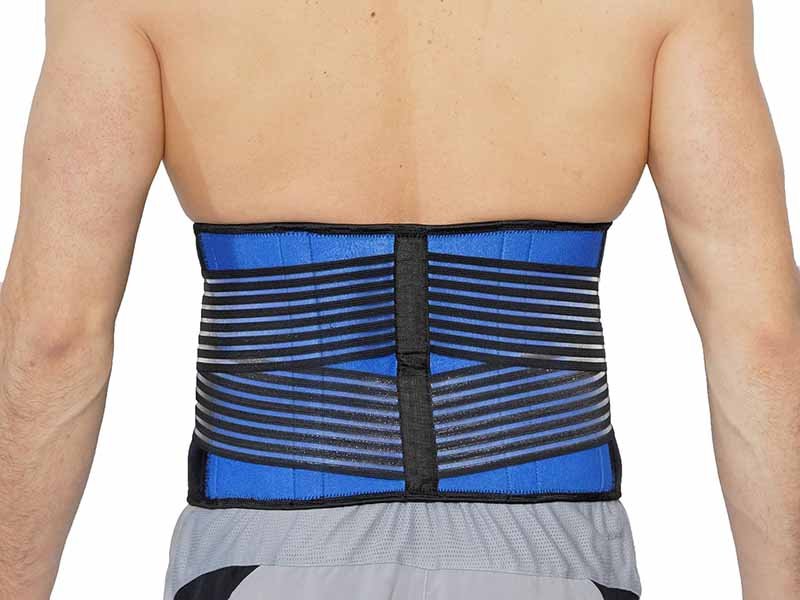
Neoprene back braces have become a go-to solution for people dealing with lower back aches, posture issues, or lifting strains. They’re not just “another strap you put on” — neoprene braces offer compression, warmth, slight restriction of movement, and even improved proprioception, all of which may help in pain relief, recovery, or daily support. Imagine finishing a long day at work and your lumbar feels relaxed rather than stiff. That’s the kind of relief many seek.
A neoprene back brace is used to provide compression, warmth, stabilization and improved sensory feedback to the lower back. It alleviates pain from strains or poor posture, limits unwanted motion that could aggravate injury, and helps maintain alignment. For many users, it accelerates recovery, reduces discomfort during movement, and supports posture retraining.
Let me paint a picture: it’s 5 a.m., you haul yourself out of bed for a morning run, but your lower back protests — just sliding the brace on gives instant comfort. That warmth, the secure hug around your core, the relief in bending — if you’ve felt that, you’ll see why people swear by neoprene. If not, keep reading — because whether you need it for sport, work, rehab, or OEM product design, there’s a lot more to understand.
What Is a Neoprene Back Brace and How Does It Work?
A neoprene back brace is a supportive device made of synthetic rubber material that wraps around the lumbar region. It works through compression (reducing strain on soft tissues), heat retention (promoting blood flow and relaxing muscles), mild motion restriction (preventing aggravation), and sensory feedback, which together reduce pain, help injury recovery, and improve posture.
Material: What makes neoprene special?
- Neoprene is a synthetic rubber with closed cell foam structure that traps air, which gives it good insulation, stretch, and resilience. It can retain heat, resist moisture (to some degree), and provide flexible support. Unlike rigid hard braces, neoprene allows some movement which is important in daily life or during mild activity. Yet it is stiffer and more supportive than purely soft fabrics.
Compression and its effects
- When compressed properly, a neoprene brace exerts gentle pressure over muscles and soft tissues of the lower back. This helps in reducing swelling, restricting micro-movements that can aggravate pain or delay healing, and also enhancing proprioception — your body’s awareness of where your spine is positioned. A study showed neoprene lumbar braces reduce positional errors in trunk movement tasks.
Heat retention and muscle relaxation
- The insulating property of neoprene helps maintain warmth around lumbar region. Warm muscles are more pliable, less stiff, with better blood flow. Stiff muscles often lead to spasms; warmth helps relieve those. This is especially helpful first thing in the morning or after periods of inactivity (sitting, sleeping, etc.).
Motion limitation: controlled, not total restriction
- While you still want to move (to avoid stiffness, reduced circulation), a brace can limit extreme bending, twisting, or lifting motions that stress injured or weak structures. For example, in conditions like lumbar muscle strain or disc irritation, controlling flexion or extension helps avoid re-injury.
Sensory feedback / proprioception
- Wearing a brace gives your body cues (via pressure, contact) that help you move more carefully, maintain better posture. That feedback loop can help retrain the brain/muscles to avoid bad habits: slouching, over-reaching, poor lifting posture.
When brace effects happen vs limitations
- The brace works best when: properly fitted; used for appropriate duration; combined with other supportive strategies (therapy, exercise). However, overuse, very tight braces, or wrong fit can cause discomfort, skin irritation, possibly muscle weakening if used constantly without active movement.
Which Conditions or Injuries Benefit Most from a Neoprene Back Brace?
Neoprene back braces help most in cases of acute lower back strain, lumbar muscle spasms, postural fatigue, rehabilitation after minor injury, and support during lifting or repetitive bending. They are less effective (or require stronger braces) for serious spinal instability, fractures, or neurological deficits, where rigid braces or medical intervention might be necessary.
Acute strains and muscle spasms
- If you pulled something (e.g. slipped, twisted, lifted wrongly), muscles in the low back spasm to protect injured tissue. A neoprene brace helps reduce the load on those muscles, keeps them from overstretching, and provides warmth that can reduce pain and stiffness. In many cases, people feel relief within a short period of wearing a brace.
Posture fatigue
- After long hours of sitting, standing, or walking, especially with poor posture, the lumbar region gets fatigued. A brace helps by giving support and reminding you to hold upright posture. It’s particularly useful for desk workers, drivers, or people who do repetitive bending. Because the brace gives sensory feedback, you tend to shift less into bad posture unconsciously.
Rehabilitation following mild injury or surgery
- After recovery from mild lumbar injury, or after procedures that don’t need rigid immobilization, neoprene braces serve to protect while still allowing some movement. They may slow re-injury by limiting extremes of motion until healing progresses. They act as a transitional support before returning fully to normal activity.
Support during heavy or repetitive tasks
- Lifting, bending, carrying — whether in gym, warehouse, home, or field work — can repeatedly stress lumbar region. Wearing a neoprene brace during such activities can reduce risk of strain, ease discomfort, and prevent overuse injury. Many athletes and laborers use braces prophylactically during peaks of activity.
Chronic pain and degenerative conditions
- For people with chronic low back pain (non-specific), degenerative disc disease, or arthritis, a neoprene brace can help manage symptoms — warmth, moderate compression, reduced micro-motion — but it’s often adjunctive: combined with exercise, physical therapy, posture correction. It’s generally not sufficient as sole therapy for severe degenerative changes or nerve compression.
When neoprene brace may be insufficient or risky
- If there is spinal instability, neurological symptoms (numbness, weakness in legs), fractures, or after major surgery, a more rigid brace or surgeon’s recommendation may be required. Also, wearing a brace too long without strengthening muscles may lead to dependency or weaker core muscles.
How Do Neoprene Back Braces Provide Support and Pain Relief?
Neoprene back braces support and relieve pain by combining compression, heat, posture stabilization, motion control, and sensory feedback. By compressing lumbar soft tissues, retaining warmth to ease muscle stiffness, guiding posture, reducing harmful movements, and alerting proprioceptive senses, they lessen spinal stress, speed healing, and improve comfort during activity.
Compression: what it does
- Compression from a brace reduces swelling by limiting fluid accumulation in injured tissue. It supports weak muscles so they do not have to work overtime. Properly calibrated compression also increases intra-abdominal pressure (IAP) which helps unload the spine. Note: studies are mixed on exactly how much IAP increases, but many users feel less ache immediately upon wearing a snug brace.
Heat retention: warming effect
- Neoprene’s insulating properties help retain body heat. This warmth increases blood flow, reducing stiffness, relaxing tight muscles, which in turn reduces discomfort. Effects are more noticeable for people in colder environments or after sitting/resting periods. Also helps morning stiffness in low back.
Posture stabilization
- The brace gives external structure: it resists excessive forward bending, twisting, arching, depending on design. By guiding the torso into safer postural alignment, it reduces strain on discs, ligaments, facet joints. Over time, this can encourage better posture habits, especially when combined with breaks and active postural awareness.
Motion control: limiting harmful movements
- For example, when lifting, bending forward, twisting — these can aggravate lumbar pain or discs. A brace can reduce the range of harmful motion, or delay onset of these movements by forcing user awareness. Motion control doesn’t mean full rigidity (unless medically prescribed), but enough to protect.
Sensory feedback / proprioceptive cues
- Wearing a neoprene brace makes you more aware of your movements. If you start to slouch, twist too much, or overreach, you notice pressure or tension from the brace. This awareness helps adjust posture and movement. One clinical study showed improved trunk proprioception in subjects wearing lumbar neoprene brace vs unbraced.
Psychological & behavioral aspects
- Sometimes part of relief comes from feeling supported, which reduces fear of movement (kinesiophobia). When people believe they are protected, they often move more confidently. Also brace use often triggers behavior changes: quieter lifting, more attention to posture, which contribute to recovery.
Are Neoprene Back Braces Suitable for Sports, Work, or Daily Wear?
Neoprene back braces are ideal for sports (lifting, workouts), repetitive heavy labor, or daily work that strains the back (standing, bending, driving). But for long‐duration all-day wear, braces must balance support with comfort—good adjustability, breathability, correct sizing—to avoid discomfort, skin irritation, or dependence. They excel when activity plus recovery are both considered.
Use in sports
- Athletes in weightlifting, functional training, CrossFit, or manual sports often use neoprene braces during training to support the lumbar region. The brace helps with heavy loads by reducing spinal shear forces, maintaining posture during lift, and offering warmth to avoid muscle tightness. However, performance may be somewhat constrained for movements needing full mobility.
Work / manual labor
- Workers who lift, bend, twist (construction, warehouse, caregiving, agriculture) benefit from braces especially during peak tasks. Brace helps reduce risk of strain from repeated motion, gives extra core support. Ergonomics best practice still applies: lift technique, rest breaks, load balancing.
Daily wear & long hours
- For tasks like driving, standing long shifts, desk work: brace can relieve fatigue, support posture. But key issues arise: discomfort, heat accumulation, moisture, skin irritation if worn too long. Good designs have breathable panels, moisture wicking liners, adjustable compression.
Balance between support vs mobility
- In many cases, sports/work require flexibility. A brace that is too restrictive becomes hindrance. You need designs that allow bending, twisting where needed but block extremes. Customizable straps, optional stays, detachable supports help.
Consider environmental factors
- If you live in hot climates, neoprene braces may trap too much heat, so thinner neoprene or perforated designs are preferable. In cool climates, thicker neoprene helps. Also considerations: sweat, odor, cleaning routines.
Typical usage duration
- Often recommended use is for periods of demand (heavy lifting, after injury), rather than constant wear 24/7. Using the brace for a few hours per day, or during specific tasks, tends to get good benefit while reducing risk like muscle dependency.
Which Types of Neoprene Back Braces Are Available on the Market?
Neoprene back braces generally fall into flexible belts, semi-rigid braces with stays or support panels, and rigid braces. They differ by support level, coverage area (lower back vs full lumbar vs sacroiliac support), closure style (velcro straps, belts, zippers), and extras (padding, heat wrap). Choosing the right type depends on your injury severity, daily activity, posture needs, and comfort preferences.
Flexible / soft neoprene belts
- These are light, stretchy, often simple wrap or corset style. They provide mild compression and warmth, are easy to wear under clothes, good for mild strains, posture fatigue, daily tasks. They don’t restrict movement heavily, so safer for general use.
Semi-rigid braces
- These add structural support: stays (plastic or metal), reinforced panels, perhaps a rigid back panel or side wings. They limit motion more, especially lateral bending or twisting. Good for more serious use: post-strain recovery, more load-bearing tasks, sport lifting. Need more care in sizing and comfort.
Rigid braces
- Typically medical grade. Hard panels, sometimes custom molded. Used post-surgery, fractures, severe instability. These are heavy, less comfortable under clothing, restrict range of motion considerably. Not always made with neoprene (often mix with plastic or metal components), but some models incorporate neoprene around rigid supports for comfort.
Full lumbar coverage vs targeted areas
- Some braces cover lower back only (lumbar region), some extend to sacroiliac joints, others higher up toward thoracic spine. Which one you need depends on where your pain or need is: lower lumbar pain, SI joint pain, mid-back posture, etc.
Closure styles and adjustability
- Velcro straps are most common for easy adjustability; dual straps let you fine-tune espcially for semi-rigid models. Some have belt loops, zipper fronts or sides, or even hook-and-loop plus belt overlay. Good adjustability ensures better fit, avoids slipping or bunching.
Additional features
- Pads or inserts (lumbar pad, heating pack pockets)
- Breathable panels to reduce sweating
- Odor-resistant lining
- Reinforced seams
- Optional stays or ribs that are removable
How to Choose and Properly Wear a Neoprene Back Brace?
Choosing a neoprene back brace involves selecting the right size, support level, and comfort features. Proper wearing includes aligning with lumbar curve, ensuring closures are secure but not constrictive, using it for appropriate durations, and cleaning it properly. A good brace fits snugly, allows necessary movement, includes adjustability, breathable linings, and if using custom/OEM, matching these features to target users’ needs.
Sizing & fit
- Measure waist circumference, lower back height, hip width (if sacroiliac support needed).
- Try bending, sitting, lifting while wearing: does it restrict too much or slip?
- Look for braces with adjustable straps or multiple size options.
- Ensure the lumbar curve is supported — brace should follow the natural lumbar lordosis, not flatten it.
Support level matching condition
- Mild strain or posture fatigue → flexible or soft brace.
- Moderate strain / lifting / sport or work heavy duty → semi-rigid with stays.
- Post-surgery / severe instability / fractures → rigid brace, often prescribed.
Wearing duration & schedule
- Not usually for full 24/7. Use during periods of activity or pain flare-ups.
- Remove during rest, sleep (unless doctor recommends).
- Gradually reduce dependence; combine with exercises to strengthen core, back, posture muscles.
Comfort & breathability
- Look for breathable linings, moisture-wicking fabrics, odor-resistant materials.
- Ventilated or perforated neoprene helps in hot/humid conditions.
- Edges should be soft, seams smooth to prevent chafing.
Care and maintenance
- Rinse after use to remove sweat, salt, dirt.
- Air-dry inside out, away from direct sun or heat sources.
- Check Velcro closures, reinforcements for wear.
- Replace when compression loses elasticity or padding degrades.
Safety & consult professionals
- If pain includes neurological signs (numbness, tingling), get medical evaluation.
- Consider physical therapy to complement brace use.
- Avoid overuse or using brace as a substitute for strengthening.
Do Neoprene Back Braces Really Work? Evidence, Pros & Cons?
Yes — there is evidence that neoprene back braces reduce pain, improve posture, and enhance proprioception, especially for mild to moderate back issues or daily tasks. However, their effectiveness depends on proper fit, correct support level, and limited duration. Drawbacks include risk of muscle weakening if overused, discomfort in hot weather, skin irritation, and sometimes false sense of security.
Scientific studies & proof
- A study titled Trunk Proprioception: Enhancement Through Lumbar Brace found that neoprene lumbar braces improve somatosensory feedback and decrease positioning errors in trunk flexion tasks.
- Back support belts are repeatedly shown to reduce pain in many users: e.g. Medical News Today notes studies where back support belts help reduce pain for conditions like herniated disk, osteoarthritis, or non-specific low back pain.
- Clinical-style reports also show that using braces in combination with physical therapy gives better outcomes than therapy alone in certain cases. Although high-quality randomized trials are fewer for long-term outcomes, the short-term benefits are well documented.
Advantages
- Rapid relief of pain and stiffness especially after injury, for mild to moderate strain.
- Helps improve posture and reduce load on muscles during daily tasks or lifting.
- Provides warmth and compression which enhance circulation and reduce muscle fatigue.
- Affordable and accessible: many neoprene braces are relatively inexpensive compared to rigid orthoses.
Limits and criticisms
- Overuse: wearing brace too often or too tight can lead to dependency and disuse of core musculature. Muscles that normally support spine may weaken.
- Inadequate support: for severe conditions (fracture, major instability, surgical recovery), neoprene brace may be insufficient; rigid braces or medical devices needed.
- Discomfort: heat, sweating, smell, skin irritation. In hot/humid climates, neoprene can trap heat and moisture leading to rash or odor.
- Fit issues: poor fit reduces effectiveness; slipping, bunching, or wrong size make brace less supportive and more irritating.
When evidence is mixed or lacking
- Long-term outcomes: fewer studies demonstrate long-term efficacy.
- Industrial back belts (used by workers) have mixed evidence; some studies show no reduction in spinal loading or injury rates when used without training or ergonomic adjustments.
- Placebo / psychological effect: part of benefit may come from perceived stability, confidence, rather than structural correction.
Best practice from evidence
- Use short-term, as needed during pain flare ups or heavy load tasks.
- Combine with strength and flexibility training (core, back extensors)
- Ensure proper fit and sizing.
- Monitor for any signs of overdependence, skin issues, discomfort.
Conclusion & Why Choose Szoneier for Custom Neoprene Back Braces
Neoprene back braces can be powerful tools for pain relief, posture improvement, lifting/work support, and recovery from mild to moderate back injuries. They work via compression, warmth, motion limitation, and sensory feedback. But they’re not one-size solves all — effectiveness depends heavily on matching the brace type, support level, and comfort features to the user’s specific condition and usage pattern.
If you are a retailer, medical supply business, or brand looking to offer high-quality neoprene back braces under your own label, Szoneier has you covered. With over 18 years in neoprene R&D and manufacturing, Szoneier offers:
- Free design mockups & logo/private-label services
- Low MOQ so you can test products without large inventory risk
- Fast sample turn-around so you can trial fit & features quickly
- Wide variety of styles: soft/flexible belts, semi-rigid with stays, extra-padding, breathable linings, heat-retaining or ventilated designs
- Quality guarantee: durable neoprene, strong Velcro/closure systems, reinforced stitching
If you want, I can prepare a custom spec sheet for your ideal back brace: tell me what support level you need (gentle/medium/high), who the user is (office, labor, sports), what climate you’re in (hot/cold), and your budget. Szoneier can then provide you sample designs, pricing, and MOQ so you can bring your own high-quality brand to market.
What Can I Do For You?
Here, developing your OEM/ODM private label leather goods collection is no longer a challenge,it’s an excellent opportunity to bring your creative vision to life.