
Do Neoprene Rod Sleeves Float? A Complete Guide for Anglers
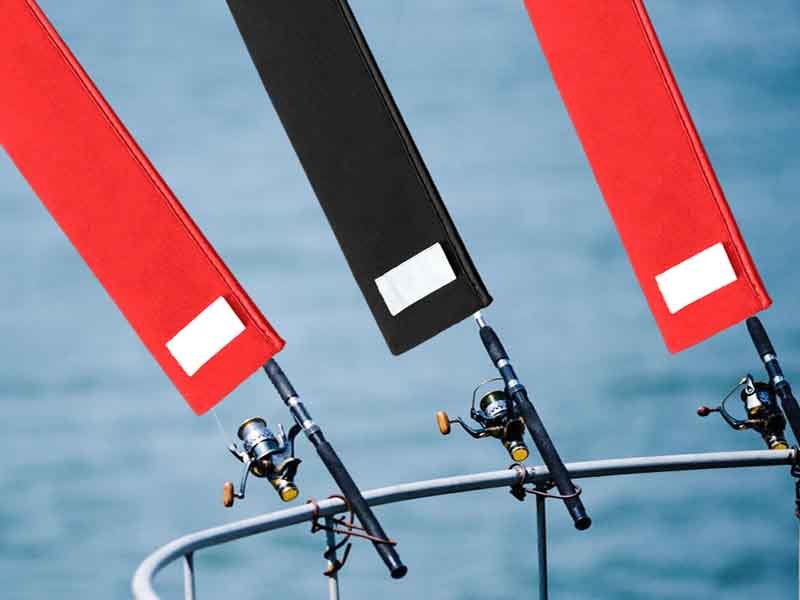
If you’ve ever knocked your fishing rod off the side of a kayak or pier, you know that sinking feeling—literally. That’s where neoprene rod sleeves come in, offering rod protection from scratches and tangles, and in some cases, keeping your gear afloat long enough for rescue. But do they really float, or is it just marketing hype?
Most neoprene rod sleeves do float if designed with closed-cell neoprene and adequate thickness, though factors like rod weight, sleeve density, and added foam inserts affect performance. Floating sleeves give anglers valuable time to recover dropped rods, especially in kayaking or boat fishing scenarios.
To illustrate this, we’ll explore the materials, buoyancy science, types of sleeves, and buying tips—plus share how Szoneier customizes OEM neoprene sleeves for fishing brands worldwide. Let’s dive in.
What Are Neoprene Rod Sleeves and How Are They Made?
Neoprene rod sleeves are protective covers made from flexible, closed-cell neoprene foam. They shield fishing rods from scratches, UV damage, and tangles during transport or storage. Some models use thicker neoprene or foam inserts to add buoyancy, helping them float if dropped in water.
Neoprene rod sleeves serve two primary purposes: protection and convenience. Constructed from synthetic rubber (neoprene), they combine durability, water resistance, and cushioning. Neoprene’s closed-cell structure traps gas bubbles within the material, offering natural buoyancy and thermal insulation—a feature borrowed from wetsuit technology.
Manufacturing Process
- Material Selection: Szoneier sources eco-friendly neoprene sheets in thicknesses from 2–5 mm.
- Cutting & Lamination: Sleeves are die-cut to fit spinning, casting, or fly rods, sometimes with polyester or nylon outer layers for abrasion resistance.
- Stitching/Sealing: Seams use flatlock or blindstitch methods to balance strength with flexibility.
- Customization: OEM clients add logos via silk-screen printing, heat transfer, or embroidery.
Design Features
- Drawstring Closures: Secure sleeves to rods during transport.
- Reinforced Tips: Prevent hook punctures.
- Optional Foam Inserts: Increase buoyancy for floating models.
While basic sleeves focus on tangle prevention, premium designs integrate floating materials, UV resistance, and even color-coded branding for tackle organization.
Which Types of Neoprene Rod Sleeves Are Available?
Common types include standard neoprene sleeves for basic protection, floating sleeves with thicker neoprene or foam inserts, and heavy-duty sleeves for saltwater or offshore fishing. Each type balances weight, buoyancy, and durability differently.
Rod sleeves vary by material thickness, reinforcement, and buoyancy design:
| Type | Thickness | Buoyancy | Best Use Case | Cost Range (USD) |
|---|---|---|---|---|
| Standard Neoprene Sleeves | 2–3 mm | Low–Moderate | Freshwater, general transport | $3–8 |
| Floating Neoprene Sleeves | 3–5 mm + foam core | High | Kayak fishing, pier/boat recovery | $6–12 |
| Heavy-Duty Offshore Sleeves | 4–5 mm reinforced | Moderate | Saltwater, large rods, harsh UV | $10–18 |
- Standard Sleeves: Light, flexible, affordable—ideal for casual anglers.
- Floating Sleeves: Extra buoyant; may feature EVA foam strips or thicker neoprene for added lift.
- Heavy-Duty Models: UV-coated, abrasion-resistant for saltwater corrosion and tournament conditions.
Angler Insight:
Many kayak anglers prefer bright-colored floating sleeves—easier to spot when dropped overboard. Szoneier’s OEM options even include reflective printing for night fishing.
How Does Buoyancy Work in Neoprene Materials?
Neoprene’s buoyancy comes from its closed-cell foam structure, trapping nitrogen gas bubbles within rubber layers. The thicker the neoprene (3–5 mm vs. 1–2 mm), the greater its flotation capacity, as thicker layers displace more water and resist sinking under moderate weight loads.
The Archimedes’ Principle governs buoyancy: an object floats if it displaces water equal to its weight before becoming fully submerged.
Why Neoprene Floats
- Closed-Cell Foam: Millions of tiny gas bubbles reduce overall density below that of water.
- Hydrophobic Surface: Resists water absorption, maintaining buoyancy even after prolonged use.
- Thermal Insulation: Same trapped gases that provide buoyancy also retain heat—hence neoprene wetsuits.
Thickness Impact
| Neoprene Thickness | Buoyancy Rating | Typical Use |
|---|---|---|
| 1–2 mm | Low (sinks with rods) | Basic protection sleeves |
| 3 mm | Moderate | Light spinning rods |
| 4–5 mm | High | Floating or heavy-duty sleeves |
Do All Neoprene Rod Sleeves Float or Only Specific Designs?
Not all neoprene rod sleeves float. Standard 2–3 mm neoprene sleeves may only slow sinking, while thicker 4–5 mm sleeves or those with foam inserts are specifically designed for buoyancy. Rod weight, reel size, and added materials like EVA foam strips influence flotation performance, so anglers should verify product specs before purchase.
Here’s where expectations often clash with reality:
- Standard Neoprene Sleeves (2–3 mm): These protect rods from scratches and tangles but lack the thickness to keep heavier rods afloat. They might slow sinking but won’t prevent it.
- Floating Designs (3–5 mm): Incorporate extra-thick neoprene or EVA foam panels, displacing more water and resisting submersion even with attached reels.
- Rod Weight Factor: A 100 g ultralight spinning rod floats easily, while a 1 kg offshore setup requires reinforced buoyancy chambers.
Performance Comparison Table
| Rod + Sleeve Combo | Neoprene Thickness | Buoyancy Rating | Result in Water |
|---|---|---|---|
| 200 g freshwater rod + 2 mm | 2 mm | Low | Sinks slowly |
| 200 g freshwater rod + 4 mm | 4 mm + EVA foam | High | Floats for 2–3 minutes |
| 1 kg offshore rod + 4 mm | 4 mm | Moderate | Partial buoyancy, sinks fast |
| 1 kg offshore rod + 5 mm + EVA | 5 mm + foam inserts | High | Floats if retrieved quickly |
Is Neoprene Better Than Other Materials for Floating Rod Sleeves?
Yes. Neoprene outperforms nylon, polyester mesh, and rubber because it combines water resistance, flexibility, durability, and natural buoyancy. While nylon and mesh sleeves are cheaper and lighter, they absorb water and sink quickly. Rubber sleeves are durable but too heavy, lacking the balance of floatation and comfort neoprene offers.
Different materials dominate the fishing accessory market:
Nylon or Polyester Mesh:
- Pros: Lightweight, cheap, breathable
- Cons: Absorb water, sink quickly, minimal impact protection
- Use Case: Freshwater transport, tackle box organization
Rubber or PVC:
- Pros: Durable, UV-resistant, waterproof
- Cons: Heavy, rigid, minimal buoyancy
- Use Case: Industrial or marine equipment protection
Neoprene:
- Pros: Natural buoyancy (closed-cell foam), thermal insulation, impact cushioning, custom branding flexibility
- Cons: Higher cost than nylon, requires thickness for max flotation
Material Comparison Table
| Material | Buoyancy | Durability | Flexibility | Water Absorption | Cost |
|---|---|---|---|---|---|
| Neoprene (3–5 mm) | High | High | High | Very Low | Medium–High |
| Nylon/Polyester Mesh | Low | Medium | High | High | Low |
| Rubber/PVC | Low–Medium | Very High | Low | Very Low | Medium |
How to Choose the Right Neoprene Rod Sleeve for Your Fishing Needs
Consider rod weight, fishing environment, neoprene thickness (2–5 mm), and whether you need flotation. For freshwater, standard sleeves work; for kayak or offshore fishing, choose 4–5 mm floating sleeves with foam reinforcement. Look for OEM options like custom logos, colors, and sizes if buying for brands or retailers.
Choosing the right rod sleeve involves balancing protection, buoyancy, cost, and branding:
Fishing Environment:
- Freshwater/Pond: Standard 2–3 mm neoprene sleeves suffice.
- Saltwater/Kayak Fishing: 4–5 mm floating sleeves with UV + corrosion resistance.
Rod Type & Weight:
- Light spinning rods need minimal buoyancy; heavy offshore rods require reinforced foam inserts.
Customization Needs:
- Retailers/brands order OEM sleeves with silk-screened or heat-transfer logos, color-coded sizes, and branded packaging for resale.
Budget vs. Performance:
- Standard sleeves: $3–8 each
- Floating EVA-reinforced sleeves: $6–12 each
- Heavy-duty offshore models: $10–18 each
Buying Guide Table
| Fishing Style | Recommended Thickness | Buoyancy | Customization Options | Price Range (USD) |
|---|---|---|---|---|
| Freshwater / Pond Fishing | 2–3 mm | Low–Moderate | Basic logo printing | $3–8 |
| Kayak / Boat Fishing | 4–5 mm + EVA Foam | High | Reflective + full branding | $6–12 |
| Offshore / Saltwater Fishing | 5 mm Reinforced | High | Color-coded, UV-resistant logos | $10–18 |
Conclusion: Partner with Szoneier for Custom Neoprene Rod Sleeves
Neoprene rod sleeves aren’t just about rod protection anymore—they’ve evolved into multi-functional gear offering flotation safety, UV defense, and even branding opportunities for fishing retailers.
With over 18 years of manufacturing experience, Szoneier delivers:
- Low MOQ (300 pcs) for startups & retailers
- Free Design & Samples within 3–7 days
- Fast Production (25–35 days) for global delivery
- OEM Branding: Logos, colors, packaging, reflective printing
Get your free sample today and bring branded, high-quality neoprene rod sleeves to your fishing customers worldwide.
What Can I Do For You?
Here, developing your OEM/ODM private label leather goods collection is no longer a challenge,it’s an excellent opportunity to bring your creative vision to life.