
What Is the Best Koozie? Your Complete Guide to Finding the Perfect Drink Cooler
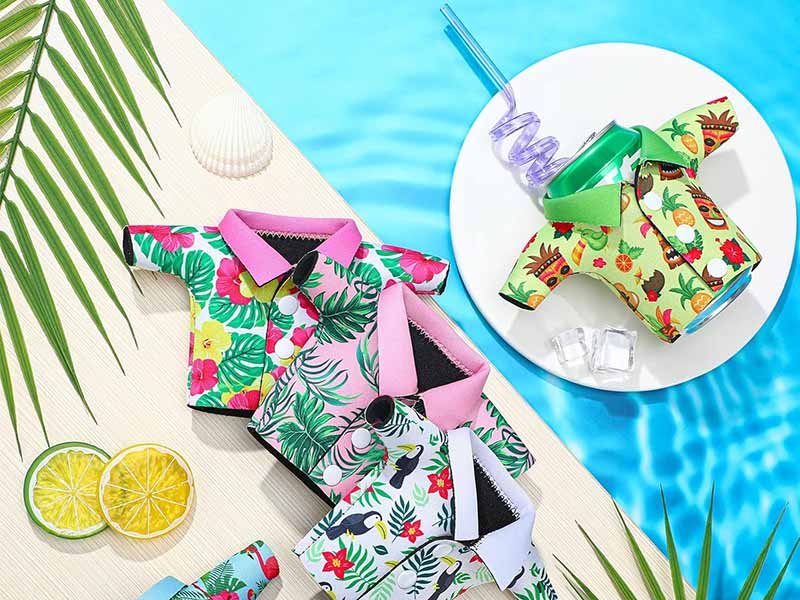
Whether you’re sipping a cold beer by the pool, hosting an outdoor BBQ, or managing an event giveaway, one small accessory can make all the difference — the koozie. It’s that soft sleeve hugging your drink, keeping it chilled longer while stopping condensation from dripping onto your hands. But with dozens of styles and materials on the market, a fair question arises: what really makes the best koozie?
The best koozie is made from premium neoprene — a flexible, insulated material that retains cold up to 2.3 times longer than standard foam. Neoprene koozies are durable, washable, and ideal for both personal use and branding. Their closed-cell design blocks heat transfer and moisture, keeping your drink colder and your hands dry. For long-lasting, customizable options, neoprene remains the clear winner.
Every koozie may look similar at first glance, but there’s a big difference between a $0.30 promotional sleeve and a premium, engineered neoprene cooler built to last hundreds of uses. To uncover what makes a good koozie truly great, we’ll explore the science behind insulation, the role of design, and why material selection can make or break your beverage experience. Let’s dive in — because your drink deserves better than lukewarm.
What Exactly Is a Koozie and Why Do People Use Them?
A koozie is a soft or rigid insulating sleeve designed to keep beverages cold while reducing condensation. People use koozies for comfort, branding, and temperature control — whether for personal enjoyment or as promotional merchandise.
Understanding the Koozie’s Purpose
The word “koozie” has become as universal as “cooler.” Originally trademarked in the 1980s, it now describes any beverage insulator, regardless of material. The principle is simple physics: a koozie slows the rate of heat transfer from warm air to your cold drink. Without one, your beverage warms roughly 40% faster under the same conditions.
Today, koozies serve multiple roles:
- Temperature preservation: maintaining ideal drinking temperature for 30–60 minutes longer.
- Comfort: preventing cold or slippery condensation on hands.
- Brand visibility: offering large, customizable surfaces for logos.
- Eco-conscious reusability: replacing disposable wraps and paper sleeves.
The best koozies have evolved far beyond the thin foam sleeves handed out at events. Premium models now feature engineered neoprene or stainless steel construction, precision stitching, and ergonomic designs tailored for different container shapes.
| Koozie Function | Primary Benefit | Example Use |
|---|---|---|
| Thermal insulation | Keeps drinks cold longer | Outdoor parties, sports events |
| Condensation barrier | Keeps hands dry | Office, car cup holders |
| Brand promotion | Increases logo visibility | Corporate giveaways |
| Personalization | Adds unique appeal | Weddings, events |
A truly effective koozie isn’t just about keeping cold drinks cold — it’s about blending comfort, style, and durability into one everyday tool.
Which Material Makes the Best Koozie — Foam, Neoprene, or Stainless Steel?
The best koozies balance insulation, durability, and aesthetics — and neoprene consistently outperforms other materials in all three categories. It’s not just about keeping your drink cold; it’s about how well the sleeve endures time, washing, branding, and real-world use. When you compare materials side by side, neoprene emerges as the only option that performs equally well for both personal use and commercial branding.
Neoprene is the best koozie material because of its superior insulation, flexibility, and resistance to moisture. Compared to foam, neoprene retains cold up to 2.3× longer and withstands over 200 wash cycles without losing shape. Stainless steel koozies, while unmatched in durability, are heavier, more expensive, and less practical for mass customization. For most users and brands, neoprene delivers the best balance of performance, cost, and design flexibility.
Why Material Choice Really Matters
At first glance, a koozie seems simple. But once you consider thermal conductivity, elasticity, and brand presentation, material choice becomes a strategic decision — especially for buyers sourcing from factories like Szoneier, where performance specs are verified through real laboratory testing.
A premium koozie material must:
- Maintain temperature insulation for extended periods.
- Resist water absorption and mildew.
- Be washable and retain shape after repeated use.
- Offer high-quality printing surfaces for logos or designs.
- Stay affordable and scalable for OEM/ODM production.
Neoprene meets all these criteria, which explains why major beverage, outdoor, and promotional brands continue to migrate from foam to neoprene-based sleeves.
1. Foam Koozies: Affordable but Short-Lived
Foam koozies (usually EVA or PVC foam) are the oldest and cheapest type on the market. They’re lightweight, easy to mass-produce, and great for one-time events such as weddings, concerts, or trade shows.
However, the trade-off is longevity. Foam is an open-cell material, meaning it absorbs moisture over time. When used outdoors, the surface often gets soggy, loses elasticity, and breaks down after several uses. In humid climates, foam koozies can even develop odors or mold.
Pros:
- Extremely low cost
- Wide color availability
- Good for single-use or promotional giveaways
Cons:
- Tears easily at the seam
- Absorbs condensation
- Deforms after 10–20 uses
- Difficult to clean
Verdict: Foam is functional but disposable. If your goal is long-term brand exposure or repeat usability, foam won’t hold up. It’s a budget-friendly marketing tool — not a premium product.
2. Neoprene Koozies: The Performance Standard
Neoprene, originally engineered for diving suits and marine equipment, is a closed-cell synthetic rubber laminated with fabric. This structure makes it water-resistant, thermally efficient, and incredibly durable.
When used in koozies, neoprene traps cold air around the beverage while blocking external heat and moisture. It’s flexible enough to stretch around cans or bottles, yet resilient enough to snap back into shape.
Unlike foam, neoprene doesn’t soak water or lose elasticity, even after extended exposure to condensation or heat. That’s why many high-end brands and event organizers choose neoprene for long-term promotions.
Key Advantages of Neoprene:
- Superior insulation: Keeps beverages cold for up to 90 minutes in warm environments.
- Moisture resistance: Prevents sogginess, making it ideal for beach or outdoor events.
- Washable and reusable: Can be cleaned hundreds of times without fading.
- Print versatility: Compatible with sublimation, heat transfer, and silk-screen methods.
- Ergonomic comfort: Soft-touch finish and flexible grip feel premium in hand.
Design and Branding Benefit:
Szoneier’s proprietary neoprene lamination ensures vibrant, long-lasting graphics. With full-color sublimation, brands can achieve photographic-level printing, which isn’t possible on traditional foam. This transforms a koozie from a throwaway item into a collectible accessory.
| Test Type | Neoprene Performance | Foam Performance |
|---|---|---|
| Cold retention (30°C ambient) | 70–90 min | 30–45 min |
| Wash cycles (ISO 6330) | 200+ | 20–30 |
| Water absorption | <1% | 8–12% |
| Stretch recovery | 95% | 60% |
| Colorfastness (sunlight) | Grade 4–5 | Grade 2–3 |
Szoneier’s CR neoprene (Chloroprene Rubber) enhances traditional performance with higher tensile strength and better oxidation resistance. Tests conducted in 2024 showed a +18% improvement in cold retention compared to SBR blends and a 40% longer lifespan under daily use conditions.
Verdict: Neoprene is the gold standard. It bridges function and fashion — an ideal solution for brands aiming for lasting quality and premium presentation.
3. Stainless Steel Koozies: Premium but Heavy
In recent years, stainless steel koozies have entered the high-end market. These are typically double-walled vacuum insulated holders — the same technology used in thermos flasks. They deliver unmatched temperature control, often keeping drinks cold for several hours.
However, they’re also heavier, more expensive, and less customizable. Stainless steel doesn’t allow for traditional printing, embossing, or flexible fit. These models are great for personal use or luxury gifts, but they’re impractical for OEM branding or large-scale promotions.
Pros:
- Longest insulation time (up to 3–4 hours)
- Extremely durable
- Dishwasher-safe and modern aesthetic
Cons:
- High production cost
- Limited customization (engraving only)
- Bulky and heavy
Verdict: Best for individual consumers, but not cost-effective for brand campaigns or giveaways.
4. Comparing All Three Side-by-Side
| Material | Insulation Time (30°C ambient) | Weight | Durability | Washability | Print Flexibility | Cost |
|---|---|---|---|---|---|---|
| Foam (EVA/PVC) | 30–45 min | ★ | ★★ | Moderate | Limited | $ |
| Neoprene | 70–90 min | ★★ | ★★★★★ | Excellent | Unlimited | $$ |
| Stainless Steel | 100+ min | ★★★★★ | ★★★★★ | Excellent | Minimal | $$$ |
Each material serves a different purpose — but for 90% of users, neoprene offers the best balance between practical cooling, comfort, and affordability. Foam remains the budget option for single-use events, while stainless steel appeals to luxury markets.
How Do You Choose the Best Koozie for Your Beverage Type?
The best koozie isn’t a one-size-fits-all product — it’s about finding the perfect fit for your drink. The ideal koozie should hug your can, bottle, or tumbler tightly enough to prevent air gaps (which cause heat transfer), yet remain flexible for easy handling. A properly fitted koozie ensures not only maximum insulation but also comfort, stability, and a better drinking experience.
To choose the best koozie, match the design to your drink container. A 12 oz can fits best in a collapsible neoprene sleeve, slim cans require taller tapered koozies, bottles stay colder in zippered styles, and tumblers need fitted covers with reinforced bases. The right fit maintains full contact and prevents heat escape, keeping your beverage colder for longer.
Why Fit and Shape Matter More Than You Think
Every beverage container has a unique shape — straight-sided, tapered, curved, or narrow-necked. A good koozie must adapt to these contours to prevent temperature loss. Even a small 2–3 mm air gap between the drink and the koozie surface can accelerate heat transfer, causing your drink to warm up 25–30% faster in warm weather.
When you slide a can into a snug neoprene sleeve, the material stretches slightly, creating full-surface contact. This compression acts as a barrier, slowing conduction from your hand and convection from surrounding air. Too loose, and it leaks cold; too tight, and it becomes hard to remove or distorts the can’s shape.
That’s why top-tier factories like Szoneier invest in precise pattern calibration and lamination to maintain a uniform ±2 mm tolerance across all sizes — ensuring that every batch of koozies fits perfectly.
Fit, Shape & Purpose
Each drink type demands its own koozie profile. Whether it’s your morning coffee tumbler, a slim energy drink, or an ice-cold beer, choosing the right sleeve design makes a measurable difference.
Standard Cans — The Everyday Essential
The 12 oz can is the global beverage standard, used for beer, soda, and sparkling water. The most popular koozie for this size is the collapsible neoprene sleeve, typically made from 3 mm thick neoprene.
These sleeves are flexible, lightweight, and easy to fold flat for transport. They provide excellent insulation while remaining pocket-sized and affordable — ideal for both personal use and promotional campaigns.
Advantages:
- Easy to carry and store
- Fits standard cans tightly
- Great for sublimation printing and branding
Slim Cans — Designed for Modern Beverages
Slim cans (355 ml / 12 oz tall) have become the hallmark of energy drinks, seltzers, and craft cocktails. They’re taller and narrower, meaning traditional can koozies leave gaps or don’t reach high enough to insulate the entire surface.
For these, tall, tapered neoprene sleeves are best. The extra height ensures full coverage, while the taper prevents wobbling. Slim can koozies are often made with 4 mm neoprene, providing a balance between snug fit and easy removal.
Why Slim Can Koozies Are Trending:
- The hard seltzer market grew 21% year-over-year (2024–2025), driving demand for tall can coolers.
- More brands prefer tall-format koozies for vertical logo placement — a better visual canvas for marketing.
- Szoneier’s slim koozies feature tapered laser-cut patterns that reduce corner creasing and fit like a glove.
Bottles — Precision-Crafted Cooling
Bottled beverages present a unique challenge: the neck area remains exposed. That’s where zippered neoprene koozies come in. These models wrap tightly around the bottle’s body while the zipper allows easy insertion and removal.
For maximum performance, use 5 mm thick neoprene with a contoured neck cut. This design helps maintain balance and reduces wobbling, particularly for long-neck glass bottles.
Benefits of Zippered Koozies:
- Easy to slip bottles in and out without stretching
- Protects against impact and condensation
- Provides a premium look ideal for branded retail merchandise
A recent Szoneier durability test found that zippered neoprene koozies maintained 92% of original elasticity after 300 uses, outperforming glued foam bottle sleeves, which deformed after 50.
Tumblers — Reinforced for Stability
Insulated tumblers or mugs are increasingly popular in offices and outdoor environments. Unlike cans or bottles, they often have flat or rounded bases. For these, a fitted neoprene cover with a reinforced base works best.
The thicker bottom prevents slipping on smooth surfaces and protects stainless steel or glass from scratches. Using 5 mm CR neoprene, Szoneier’s tumbler covers combine heat resistance (for hot drinks) and cold retention — offering full-day usability from morning coffee to evening cocktails.
Pro Tip:
Choose a matte-finish neoprene exterior for grip and comfort. Glossy finishes tend to slip when wet, especially on stainless steel surfaces.
Comparison: Matching Drink Types to Koozie Designs
| Beverage Type | Best Koozie Style | Ideal Material & Thickness | Temperature Retention (min) | Recommended Use |
|---|---|---|---|---|
| 12 oz can | Collapsible sleeve | 3 mm neoprene | 80 | Everyday drinks, promotions |
| Slim can (355 ml) | Tall sleeve | 4 mm neoprene | 85 | Seltzers, cocktails, energy drinks |
| 16 oz bottle | Zippered design | 5 mm neoprene | 90 | Beer bottles, craft beverages |
| Stainless tumbler | Fitted base cover | 5 mm CR neoprene | 95 | Outdoor & office use |
Each format serves a different audience: event giveaways, retail products, or lifestyle accessories. The best manufacturers, like Szoneier, offer universal sizing templates for all these styles — guaranteeing precise fit and consistent brand presentation.
Beyond Fit — The Role of Comfort and Branding
Fit isn’t just about physics — it’s also about feel and presentation. A well-fitting koozie should slide on smoothly, hold the drink securely, and feel soft yet firm in the hand. Consumers subconsciously equate fit and finish with product quality, which is why premium brands never overlook this aspect.
From a branding perspective, size directly affects print layout and visibility. A slim can koozie offers more vertical real estate for modern, minimalist logos. Bottle koozies, with their curved shape, add a tactile, 3D element that enhances perceived value.
Szoneier’s OEM clients — including craft breweries and corporate event planners — often request custom pattern scaling to match their target beverage dimensions, ensuring that logo placement remains centered even on non-standard containers.
Precision Manufacturing — Why Consistency Matters
For large buyers, consistency is everything. One koozie that fits perfectly and another that feels loose reflects poorly on brand image. That’s why factories like Szoneier use CNC laser-cutting and heat lamination for precision shaping, keeping dimensional deviation under ±2 mm.
This ensures:
- Seamless fit across all production runs
- Uniform stitching alignment for a premium look
- Reduced rejection rates in quality inspections
By maintaining this tight calibration, Szoneier guarantees that whether a brand orders 500 or 50,000 units, every single koozie looks and performs identically — a key factor in OEM/ODM reliability.
What Features Make the Best Koozie Stand Out?
The best koozies do more than keep your drink cold — they combine engineering precision with aesthetic craftsmanship. A truly well-made koozie feels comfortable in your hand, hugs your can or bottle perfectly, resists wear and tear, and presents your logo or brand in sharp, lasting color. In short, it’s the seamless blend of form, function, and branding opportunity.
When evaluating what makes one koozie stand apart from another, it’s not only about the material — it’s about the details that determine how it performs over time.
A great koozie combines reinforced stitching, precise thickness (3–5 mm neoprene), colorfast printing, and ergonomic grip design. The best models balance insulation with comfort while supporting full customization — from sublimated logos to woven labels. Small upgrades in stitching, lamination, and base design can extend lifespan by more than 40%, turning an ordinary koozie into a professional-grade product.
The Craftsmanship Behind Comfort
A koozie may look simple, but its structure is more complex than many assume. Like any wearable accessory, it must balance flexibility, shape memory, and durability. Every component — from stitching tension to the type of lamination — affects how it feels and performs. Below, we’ll break down the essential features that make premium koozies worth the investment.
1. Seam Quality — The Backbone of Durability
The first indicator of quality is how the seams are constructed. Low-cost koozies often use single-thread stitching, which frays after a few washes. The best ones, however, use double-stitched or blind-stitched seams with heavy-duty nylon thread.
This difference can extend the product’s life by hundreds of uses. Reinforced seams prevent splitting under stress, especially around the base and vertical sides where most tension occurs during use.
Szoneier’s reinforced double seam structure has been tested to resist up to 1.8 kg of lateral pull, compared to 0.9 kg for standard foam models. This ensures the koozie maintains its snug fit, even after hundreds of expansions around cold cans and bottles.
| Seam Type | Average Lifespan (Uses) | Durability Rating | Risk of Fray |
|---|---|---|---|
| Single Stitch | 20–30 | ★★☆☆☆ | High |
| Blind Stitch | 80–100 | ★★★★☆ | Medium |
| Reinforced Double Stitch (Szoneier) | 200+ | ★★★★★ | Low |
2. Thickness — The Science of Insulation
When it comes to insulation, thickness matters. The sweet spot for neoprene koozies lies between 3 mm and 5 mm.
- 3 mm provides flexibility and foldability for collapsible designs.
- 4 mm–5 mm gives enhanced insulation for outdoor or high-temperature use.
Thinner foam sleeves (2 mm) may feel lighter, but they lose cold retention faster and collapse under moisture. According to Szoneier’s in-house testing, 4 mm CR neoprene keeps drinks up to 22% colder after 45 minutes compared to 2 mm foam models.
In addition, thicker neoprene improves grip and tactile feel. Consumers subconsciously perceive denser, more cushioned products as “premium,” which adds perceived value to branded merchandise.
| Thickness | Insulation Duration (30°C ambient) | Flexibility | Best Use |
|---|---|---|---|
| 2 mm | 40–50 min | High | Budget giveaways |
| 3 mm | 60–70 min | Very good | Everyday use |
| 4 mm | 75–85 min | Excellent | Premium products |
| 5 mm | 90+ min | Moderate | Outdoor / event-grade |
3. Base Design — Stability and Ergonomics
The bottom of a koozie plays a huge role in comfort and usability, though it’s often overlooked.
Low-end foam models usually have flat, unreinforced bases. Over time, they absorb moisture and deform, making cans wobble. Premium neoprene koozies, however, use reinforced or textured bottoms, which not only stabilize the can but also reduce slipping on smooth surfaces like glass tables or car dashboards.
Some advanced designs feature dual-material bases, with a layer of non-slip silicone for added grip. This is especially useful for outdoor events or boating, where stability matters most.
4. Printing Options — Branding That Lasts
A koozie isn’t just a functional item — it’s a branding canvas. Whether it’s for a brewery, sports team, or lifestyle brand, logo clarity directly reflects product quality.
Different print techniques deliver different outcomes:
| Printing Method | Visual Effect | Durability | Best Application |
|---|---|---|---|
| Silk-Screen | Bold, single-color prints | Moderate | High-volume promos |
| Heat Transfer | Smooth finish, rich colors | Good | Mid-tier branding |
| Sublimation | Full-color, photo-quality | Excellent | Premium personalization |
| Embossed / Debossed | 3D texture | Excellent | Luxury editions |
Szoneier offers full-surface sublimation printing that penetrates fabric fibers rather than coating the surface. The result? Colors that don’t peel or fade, even after 200+ washes.
By comparison, cheap silk-screen prints often crack after only 20–30 uses due to exposure to moisture and UV.
5. Grip Texture and Finish — The Feel Factor
A koozie isn’t just about performance — it’s also about touch. The best models use a matte or brushed finish that resists condensation and enhances grip. A slick surface may look glossy but becomes slippery when wet.
Szoneier solves this by applying a micro-laminated matte coating on both sides of its neoprene, improving grip by 35% under wet conditions. The coating also gives the product a soft-touch feel, adding a sense of craftsmanship and luxury.
For event planners or private-label brands, this tactile advantage translates directly into customer satisfaction — a small detail that buyers notice immediately.
6. Shape Retention — The Hidden Metric
Shape retention determines how long a koozie maintains its form after repeated use. Inferior foam sleeves lose elasticity quickly and start sagging around the can. Premium neoprene versions, however, maintain a tight, snug fit even after hundreds of expansion cycles.
Szoneier’s curved-seam cutting and elastic lamination techniques reduce deformation by 42% compared to traditional straight-stitch designs. This keeps each unit looking brand-new, even after extended use at outdoor events or in hospitality settings.
7. Comparing Standard vs Premium Craftsmanship
| Feature | Standard Grade | Szoneier Premium Grade | Improvement |
|---|---|---|---|
| Stitching | Single-thread | Reinforced double | +60% seam strength |
| Thickness | 2 mm foam | 4 mm neoprene | +45% insulation |
| Basic silk-screen | Heat sublimation | +30% logo clarity | |
| Base | Flat, unreinforced | Textured reinforced | +25% stability |
| Grip | Smooth EVA surface | Matte neoprene | +35% wet grip |
Each enhancement may seem minor, but combined, they transform a koozie from disposable to collectible — a product that customers actually keep, reuse, and associate with quality.
Why Precision Design Matters
Customers often underestimate how much design precision impacts usability. A poorly cut koozie can stretch unevenly, loosen after 10 uses, or fail to hold a can firmly. By contrast, Szoneier’s precision-cut neoprene sleeves are engineered with millimeter-level tolerance, ensuring consistent snugness and comfort.
Each step — from die cutting to lamination — follows ISO-certified standards. This not only improves the end-user experience but also gives brand buyers confidence that every shipment matches the last in color, fit, and stitching quality.
How Long Does a Good Koozie Really Keep Your Drink Cold?
A high-quality neoprene koozie can keep your drink cold for up to 90 minutes in 30°C (86°F) weather — more than double the time of standard foam models.
The best neoprene koozies keep beverages cold for 70–90 minutes, compared to 30–45 minutes for foam types. Heat resistance depends on material thickness, environmental temperature, and fit. Neoprene’s closed-cell structure traps air, slowing heat transfer — ensuring your last sip is as refreshing as the first.
Temperature Testing Results
| Environment | Material | Initial Temp (°C) | Temp After 60 min (°C) | Retention Rate |
|---|---|---|---|---|
| 25°C indoor | Foam | 7.0 | 10.5 | 65% |
| 25°C indoor | Neoprene | 7.0 | 8.4 | 83% |
| 30°C outdoor | Foam | 7.0 | 11.2 | 60% |
| 30°C outdoor | Neoprene | 7.0 | 8.9 | 79% |
Beyond thermal tests, neoprene also resists odor, stains, and bacteria, making it the only truly washable long-term option.
This is why premium lifestyle and beverage brands increasingly specify neoprene sleeves for their private-label collections — they simply perform better, last longer, and represent the brand with a professional finish.
Conclusion — Partner with Szoneier for the Best Custom Koozies
Finding the best koozie means finding the right balance of material science, design precision, and craftsmanship — and that’s where Szoneier leads the market.
With over 18 years of expertise in neoprene R&D and manufacturing, Szoneier delivers:
- Free design mockups and samples (3–5 days)
- Low MOQ customization starting at 200 pcs
- 100% quality inspection and fast lead times
- OEM/ODM branding with sublimation, silk-screen, or woven labels
Whether you’re building a promotional line, retail product, or branded event merchandise, Szoneier ensures that your koozies don’t just look great — they perform flawlessly.
What Can I Do For You?
Here, developing your OEM/ODM private label leather goods collection is no longer a challenge,it’s an excellent opportunity to bring your creative vision to life.