 Skip to content
What Are Water Bottle Sleeves Made Of? Full Material Guide
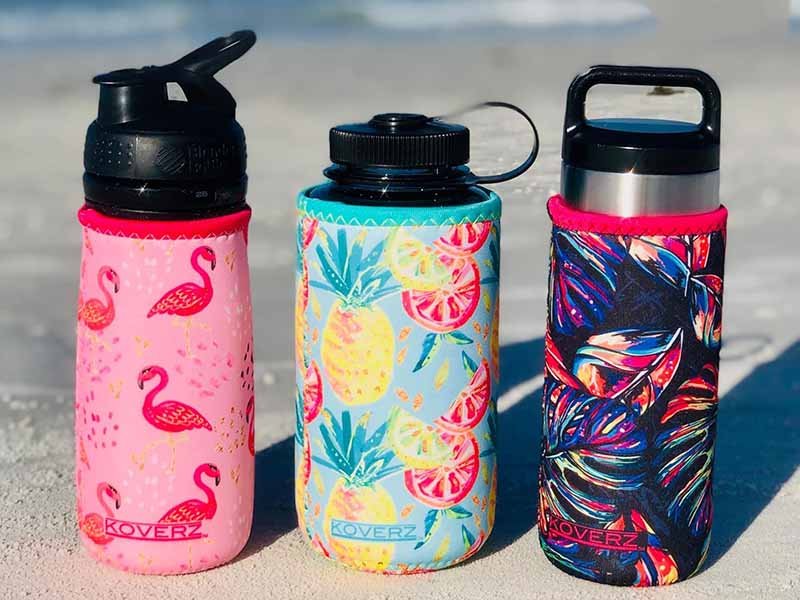
The surge in reusable water bottles over the past decade has reshaped how we think about hydration, style, and sustainability. But while the bottles themselves get most of the attention, the often-overlooked bottle sleeve plays an equally important role. A sleeve doesn’t just add aesthetic appeal—it protects bottles from dents and scratches, insulates drinks, prevents condensation from soaking bags, and offers a branding opportunity for businesses.
Today’s water bottle sleeves are crafted from a variety of materials, each offering distinct benefits, limitations, and applications. From neoprene, prized for insulation and flexibility, to silicone, valued for grip and heat resistance, and even natural fabrics like cotton and hemp, consumers have more choices than ever. With eco-conscious buyers asking tough questions about sustainability, and active lifestyles demanding high-performance gear, understanding sleeve materials is no longer optional—it’s essential.
Water bottle sleeves are commonly made from neoprene, silicone, polyester, cotton, leather, or hybrid blends. Each material offers unique properties—neoprene for insulation, silicone for grip, fabrics for eco-friendly appeal, and leather for premium aesthetics. Choosing the right one depends on intended use, durability needs, and sustainability preferences.
To illustrate, imagine this: a college student tossing a bottle into their backpack might prioritize scratch resistance, while a hiker trekking in the Alps cares about temperature retention, and a corporate brand manager sourcing promotional merchandise looks for customizability and eco-certifications. The right sleeve material serves each user differently. Let’s break it down.
What Materials Are Commonly Used in Water Bottle Sleeves?
Water bottle sleeves are commonly made from neoprene, silicone, polyester, cotton, and leather, with some hybrid designs using stainless mesh or recycled fabrics. Each material provides distinct benefits, such as insulation, durability, flexibility, or eco-friendliness.
Dive Deeper: Material Options Explained
The material of a water bottle sleeve determines not only how it feels in your hand but also how it performs across insulation, durability, sustainability, and customization. Below is a detailed look at the most common materials.
1. Neoprene
Neoprene, a synthetic rubber, is one of the most popular materials for water bottle sleeves. Known for its closed-cell structure, neoprene traps air bubbles that provide natural insulation. This keeps drinks colder (or hotter) for longer compared to fabric sleeves. It is also highly durable, stretchable, and resistant to moisture. That’s why it dominates the market for sports and outdoor use.
- Advantages: Excellent insulation, durable, protective against impact.
- Drawbacks: Not always eco-friendly unless recycled versions are used.
2. Silicone
Silicone sleeves are thin, flexible, and valued for their non-slip grip. Many brands, including Hydro Flask and Yeti, use silicone sleeves to prevent bottles from sliding on smooth surfaces or clattering in gym settings. Unlike neoprene, silicone does not insulate well, but it excels in impact resistance and heat protection—making it ideal for glass bottles or hot beverage containers.
- Advantages: Heat resistant, provides grip, dishwasher safe.
- Drawbacks: Minimal insulation, adds little cushioning.
3. Polyester & Nylon Fabrics
Fabric sleeves, often made of polyester or nylon, are lightweight and easy to print on, making them popular for promotional items. While they don’t insulate like neoprene, some come with laminated or padded linings for mild temperature retention.
- Advantages: Inexpensive, customizable with printing.
- Drawbacks: Lower durability, absorbs moisture unless treated.
4. Cotton & Hemp
With sustainability driving purchasing decisions, natural fabrics such as cotton or hemp are gaining attention. These materials appeal to eco-conscious consumers and can be blended with recycled PET fibers for strength. While they provide minimal insulation, they score highly on eco-friendliness and branding aesthetics.
- Advantages: Eco-friendly, biodegradable, breathable.
- Drawbacks: Poor insulation, can absorb moisture and stain easily.
5. Leather & Faux Leather
For premium branding, leather or PU (faux leather) sleeves are chosen. They lend a sophisticated look, making them ideal for corporate gifts or luxury markets. While not as functional as neoprene in terms of insulation, they win on durability and style.
- Advantages: Premium aesthetics, long-lasting, strong branding appeal.
- Drawbacks: Higher cost, less insulating, not waterproof unless treated.
6. Hybrid and Specialty Designs
Some sleeves combine multiple materials—for example, neoprene interiors with fabric exteriors, or silicone bases attached to fabric bodies. These hybrids aim to combine the best of both worlds: insulation, grip, and style.
How Does Neoprene Compare to Other Sleeve Materials?
Neoprene sleeves outperform most materials in insulation, flexibility, and impact resistance, making them ideal for sports and outdoor use. Compared to silicone, polyester, or cotton sleeves, neoprene offers better temperature control and protection, though it may be less eco-friendly than natural fabrics.
Comparing Neoprene to Other Options
When evaluating sleeve materials, buyers often weigh several key factors: insulation, durability, water resistance, aesthetics, eco-friendliness, and cost. Neoprene consistently ranks high in performance-oriented categories, which is why it remains the most popular choice for both consumers and manufacturers. However, each material has unique strengths that appeal to different target markets.
1. Insulation Performance
One of neoprene’s defining qualities is its closed-cell foam structure, which traps air bubbles and slows down heat transfer. This means a neoprene sleeve can keep a cold drink cooler for longer or prevent hot drinks from warming your hands uncomfortably.
By contrast:
- Silicone sleeves provide almost no insulation—they act primarily as a grip and shock absorber.
- Polyester or cotton sleeves offer minimal thermal protection unless padded or lined with foam.
- Leather sleeves may insulate slightly but are chosen more for aesthetics.
Practical example: A 16oz stainless steel bottle with a neoprene sleeve retains a cold beverage at drinkable temperature for 1.5–2 hours longer than the same bottle with only a polyester cover.
2. Durability and Longevity
Durability is critical for reusable bottles since they are designed for daily use. Neoprene shines here because it is abrasion-resistant, flexible, and stretchable, meaning it can survive being stuffed into backpacks, dropped on concrete, or exposed to sun and moisture without breaking down quickly.
- Silicone sleeves are also highly durable and resistant to tears but can attract dust and lint.
- Polyester/cotton sleeves may fray after repeated washing or exposure to rough use.
- Leather sleeves are extremely durable but require maintenance and are not suitable for wet conditions.
Market research from outdoor gear retailers shows that neoprene sleeves typically last 3–5 years, while cloth sleeves often need replacing within 12–18 months.
3. Waterproofing and Moisture Resistance
This is where neoprene truly differentiates itself. The closed-cell foam does not absorb water, so condensation from cold bottles never seeps through to your hands or bags.
- Silicone is equally waterproof but thinner, so condensation can still make the bottle feel cold.
- Fabric sleeves absorb moisture, often leaving wet marks on desks or inside backpacks.
- Leather resists light splashes but can become stained or warped with prolonged water exposure.
For athletes tossing bottles into gym bags, or commuters carrying laptops, neoprene’s waterproofing becomes a practical advantage.
4. Customization and Branding
From a business perspective, customization potential is key. Neoprene offers an excellent surface for:
- Heat transfer printing
- Sublimation printing
- Embroidery and stitched labels
This makes it highly attractive for companies sourcing promotional merchandise or private-label products.
- Polyester sleeves also score high in customization due to easy screen printing.
- Silicone sleeves are harder to print on, usually requiring debossing or laser etching.
- Leather sleeves offer premium embossing but at higher costs.
5. Eco-Friendliness
While neoprene dominates performance, it faces criticism on sustainability. As a synthetic rubber, traditional neoprene is not biodegradable and can have a higher carbon footprint than natural materials. However, manufacturers like Szoneier are increasingly offering recycled neoprene options or blending it with eco-friendly fabrics.
- Cotton/hemp sleeves score highest in sustainability but lowest in performance.
- Recycled polyester (rPET) offers a middle ground, combining eco-friendliness with durability.
- Silicone is technically recyclable but requires specialized facilities.
For brands targeting eco-conscious consumers, balancing performance with sustainability is becoming a key strategy.
Comparison Table: Neoprene vs. Other Materials
| Factor | Neoprene | Silicone | Polyester/Nylon | Cotton/Hemp | Leather/PU |
|---|---|---|---|---|---|
| Insulation | ★★★★☆ (Excellent) | ★☆☆☆☆ (Poor) | ★★☆☆☆ (Low) | ★★☆☆☆ (Low) | ★★☆☆☆ (Moderate) |
| Durability | ★★★★★ (High) | ★★★★☆ (High) | ★★☆☆☆ (Moderate) | ★★☆☆☆ (Low) | ★★★★★ (Very High) |
| Water Resistance | ★★★★★ (Waterproof) | ★★★★★ (Waterproof) | ★☆☆☆☆ (Absorbent) | ★☆☆☆☆ (Absorbent) | ★★☆☆☆ (Limited) |
| Customization | ★★★★☆ (Flexible) | ★★☆☆☆ (Limited) | ★★★★★ (Excellent) | ★★★☆☆ (Good) | ★★★☆☆ (Premium embossing) |
| Eco-Friendliness | ★★☆☆☆ (Low, unless recycled) | ★★★☆☆ (Moderate) | ★★★☆☆ (Recycled options) | ★★★★★ (High) | ★★☆☆☆ (Low, unless vegan PU) |
| Cost | Mid-range | Low-mid | Low | Low-mid | High |
How Are Water Bottle Sleeves Manufactured?
Water bottle sleeves are manufactured through a process that involves material preparation, cutting, printing, sewing, finishing, and quality inspection. Neoprene sleeves, in particular, are crafted from closed-cell rubber sheets that are cut to size, stitched or glued for durability, and customized with logos or branding. The process ensures a snug fit, insulation, and long-lasting performance.
The Step-by-Step Production Process
Manufacturing water bottle sleeves requires a combination of technical precision and custom design capability. While production methods vary depending on the material (neoprene, silicone, fabric, leather), the core workflow generally follows the same principles. Let’s break down the process:
Step 1: Material Selection and Preparation
The first and most crucial stage is selecting the correct raw material.
- Neoprene: Closed-cell sheets of neoprene foam are chosen for their thermal insulation and flexibility. Different grades (SBR, CR, SCR blends) determine performance.
- Silicone: High-grade, food-safe silicone is selected for grip and water resistance.
- Fabric (Polyester/Nylon): Rolls of woven fabric are prepared, often backed with foam or padding for structure.
- Leather: Genuine or PU leather is cut into sheets, sometimes with fabric lining for added strength.
For neoprene, thickness selection is vital. For example, 3mm neoprene provides solid insulation, while thinner 2mm neoprene offers lightweight portability.
Step 2: Cutting and Shaping
Raw material sheets are cut into panels based on bottle dimensions. Precision cutting machines (die cutters or laser cutters) are used to ensure consistency.
- Straight-cut sleeves are ideal for promotional items.
- Shaped sleeves with contours or handles require more advanced cutting templates.
Custom requests may include zippers, handles, or strap slots, which are cut at this stage.
Step 3: Printing and Branding
Branding is a key value driver for bottle sleeves. Businesses often want their logo or artwork applied before assembly. Popular methods include:
- Silk Screen Printing – Cost-effective, bold color designs.
- Heat Transfer Printing – Durable and detailed; ideal for multicolor logos.
- Sublimation Printing – Allows full-color, photographic-quality designs, particularly effective on polyester-backed neoprene.
- Embossing/Debossing – Used for leather sleeves for a premium look.
At this stage, colors and Pantone standards are checked to ensure accuracy.
Step 4: Assembly and Stitching
Panels are joined together to form the cylindrical or fitted sleeve shape.
- Neoprene: Edges are stitched (commonly with flatlock or zigzag stitches) for durability. Some sleeves use glued seams for waterproofing.
- Fabric sleeves: Double stitching is used to reinforce the structure.
- Silicone sleeves: Manufactured using molding machines rather than stitching.
The goal is to ensure seam strength while maintaining flexibility and comfort in handling.
Step 5: Finishing Touches
Final adjustments are added depending on the design:
- Non-slip rubber backing for stability.
- Elastic or drawstring closures for flexible sizing.
- Handles, straps, or clips for portability.
- Inner linings for additional insulation or protection.
Each product is trimmed, cleaned, and prepared for inspection.
Step 6: Quality Control and Inspection
Before packaging, every batch undergoes strict quality checks:
- Dimensional accuracy: Ensuring sleeves fit standard bottle sizes (500ml, 750ml, 1L, etc.).
- Stitch and seam strength: Tested for durability and resistance to tearing.
- Printing quality: Colors, logos, and artwork are checked for precision.
- Waterproof/Insulation tests: Neoprene sleeves are tested to ensure water resistance and insulation performance.
For international clients, compliance with REACH, OEKO-TEX®, or CPSIA standards may also be required.
Step 7: Packaging and Shipping
Final products are packaged according to buyer requirements:
- Individual polybags for retail-ready products.
- Bulk cartons for wholesale or promotional orders.
- Custom packaging with branded inserts for premium clients.
Efficient packing ensures sleeves arrive in perfect condition, whether shipped to distributors, retailers, or directly to customers.
Why the Manufacturing Process Matters for Buyers
Understanding how sleeves are made allows businesses to make smarter sourcing decisions. For example:
- A brand targeting outdoor sports should prioritize neoprene with reinforced stitching.
- A company focusing on corporate giveaways might choose polyester sleeves with low-cost screen printing.
- A luxury brand could opt for embossed leather sleeves with premium packaging.
This insight ensures that buyers align product design with customer expectations, reducing returns and increasing brand loyalty.
Are Water Bottle Sleeves Eco-Friendly and Sustainable?
Yes, water bottle sleeves can be eco-friendly depending on the material. Options like recycled neoprene, organic cotton, hemp, and RPET polyester provide sustainable alternatives. Many manufacturers now use recycled rubber blends or biodegradable fabrics to reduce environmental impact while maintaining durability and insulation.
In today’s market, sustainability is no longer a side topic—it’s a core buying factor. Consumers want products that perform well but also align with their environmental values. For water bottle sleeves, the choice of material and production process determines how eco-friendly they truly are. Let’s analyze the most relevant factors.
1. Recycled Neoprene and Rubber Blends
Traditional neoprene, while durable, is not inherently eco-friendly because it’s derived from petrochemicals. However, many factories—including Szoneier—offer recycled neoprene blends.
- SBR/CR Mixes: Using scrap neoprene from wetsuit production reduces waste.
- Post-consumer recycled rubber: Repurposed into sleeve manufacturing to cut landfill contributions.
- Energy savings: Recycling reduces raw material demand, lowering carbon footprints.
This makes neoprene sleeves a more sustainable option without compromising durability.
2. Organic Fabrics: Cotton and Hemp
For buyers who prioritize natural materials, organic cotton and hemp are popular sleeve options.
- Cotton: Breathable, biodegradable, and customizable with screen printing.
- Hemp: Extremely durable, naturally antimicrobial, and requires less water to cultivate.
- Drawback: These fabrics are less water-resistant than neoprene, so they often require inner linings or coatings.
Brands targeting eco-conscious consumers often prefer these for promotional campaigns or retail lines.
3. Recycled Polyester (RPET)
Polyester sleeves made from recycled PET bottles (RPET) are gaining traction in the promotional product industry.
- Eco advantage: Diverts plastic bottles from landfills and oceans.
- Versatility: Works well for sublimation printing, enabling full-color designs.
- Durability: Comparable to virgin polyester but with reduced environmental impact.
RPET has become a bridge between sustainability and branding flexibility, which appeals to corporate buyers.
4. Sustainable Manufacturing Practices
Beyond materials, how sleeves are produced also matters. Factors include:
- Low-waste cutting techniques (laser cutting to reduce scraps).
- Water-based inks for printing to avoid toxic chemicals.
- Energy-efficient equipment in cutting and stitching.
- Certifications such as OEKO-TEX®, GRS (Global Recycled Standard), and REACH compliance to ensure eco-friendly standards.
Eco-Friendly Material Comparison Table
| Material Type | Sustainability Level | Key Benefits | Drawbacks | Best Use Cases |
|---|---|---|---|---|
| Recycled Neoprene | Moderate-High | Durable, insulating, reduces landfill waste | Still petrochemical-based | Sports/outdoor, branded sleeves |
| Organic Cotton | High | Biodegradable, natural, breathable | Not waterproof, less insulating | Eco-friendly promos, retail |
| Hemp | Very High | Strong, antimicrobial, low water cultivation | Rougher texture, higher cost | Premium eco lines |
| RPET Polyester | High | Uses recycled bottles, printable, durable | Synthetic, needs energy for processing | Corporate giveaways, retail |
5. Consumer Trends in Eco-Friendly Sleeves
Studies show that 73% of millennials and Gen Z buyers prefer sustainable products, even if they cost more. In the corporate gifting space, companies are shifting to eco-friendly branded merchandise to enhance their CSR (Corporate Social Responsibility) image.
For distributors and retailers, offering eco-conscious water bottle sleeves can differentiate their brand and meet growing consumer demand.
Do Different Sleeve Materials Affect Durability and Usability?
Yes, different sleeve materials directly affect durability and usability. Neoprene offers long-lasting insulation and flexibility, silicone provides strong grip and water resistance, fabric sleeves are lightweight but less durable, and leather adds premium aesthetics but requires maintenance. The right material depends on usage conditions, from daily commuting to sports or branding.
When sourcing or purchasing water bottle sleeves, it’s not enough to focus only on looks or insulation—durability and usability are critical factors. These determine how well a sleeve performs in everyday conditions, how long it lasts, and whether it suits your target customers’ needs.
Let’s examine how different materials compare in strength, maintenance, water resistance, and cost-effectiveness.
1. Neoprene Sleeves
- Durability: Excellent. Resistant to tears, stretching, and abrasion. Can withstand daily use in sports, outdoors, and travel.
- Usability: Provides insulation to keep drinks hot or cold, plus shock absorption to protect bottles. Lightweight and easy to carry.
- Best Use Cases: Sports bottles, promotional giveaways, outdoor accessories.
2. Silicone Sleeves
- Durability: High. Silicone is heat-resistant, flexible, and doesn’t wear down easily. Resistant to UV and chemicals.
- Usability: Provides strong grip and prevents slipping. Transparent designs possible for visibility. Easy to clean in dishwashers.
- Best Use Cases: Glass bottles (protection against breaking), reusable eco-bottles.
3. Fabric Sleeves (Polyester, Nylon, Cotton)
- Durability: Moderate. While polyester and nylon are tough, fabric sleeves can fray or fade with frequent washing.
- Usability: Lightweight and breathable, but usually offer less insulation. Great for customization with sublimation printing.
- Best Use Cases: Corporate branding, eco-friendly promotions, light daily use.
4. Leather or Faux Leather Sleeves
- Durability: High if genuine leather; PU/faux leather varies in quality. Can last for years with care.
- Usability: Premium look and feel, suitable for luxury products. Less insulating and heavier than neoprene. Requires maintenance (conditioning, cleaning).
- Best Use Cases: High-end gifts, fashion accessories, corporate premium branding.
Durability & Usability Comparison Table
| Material | Durability Level | Water Resistance | Insulation | Grip/Usability | Maintenance Needs | Best For |
|---|---|---|---|---|---|---|
| Neoprene | Excellent | High | Strong | Flexible, easy | Low | Sports, outdoor, promotions |
| Silicone | High | Very High | Moderate | Excellent grip | Very low (dishwasher safe) | Glass bottles, eco-market |
| Fabric | Moderate | Low-Moderate | Limited | Light, breathable | Medium (washable, may fade) | Branding, eco promos |
| Leather | High (genuine) | Moderate | Low | Premium, stylish | High (conditioning required) | Luxury, corporate gifts |
5. How Usability Impacts Consumer Satisfaction
- Sports Users: Value grip and insulation. Neoprene and silicone are best here.
- Corporate Buyers: Focus on branding potential. Fabric and neoprene work well for printing logos.
- Luxury Consumers: Seek aesthetic value over function. Leather sleeves are preferred.
- Eco-conscious Buyers: Demand sustainable, recycled, or natural materials. RPET polyester or hemp blends are rising in this segment.
How Should Buyers Choose the Right Water Bottle Sleeve Material?
Buyers should choose water bottle sleeve materials based on intended use, durability needs, insulation performance, branding potential, and budget. Neoprene is best for insulation and durability, silicone for grip and glass protection, fabric for eco-friendly branding, and leather for premium aesthetics.
A Buyer’s Framework for Selecting Sleeve Materials
Choosing the right water bottle sleeve material isn’t just about picking what looks attractive—it’s about matching functionality, audience, and market positioning. A sleeve used for corporate giveaways will differ from one sold as a premium outdoor accessory.
Here’s how businesses and consumers can evaluate their options.
1. Define the Primary Purpose
- Insulation: Do you need to keep drinks hot or cold? Neoprene offers the best thermal retention.
- Grip/Protection: If bottles are glass or prone to slipping, silicone is ideal.
- Branding/Promotions: Fabric sleeves (polyester, cotton, RPET) allow vibrant sublimation printing.
- Luxury Appeal: Leather or faux leather offers a stylish, premium appearance.
2. Consider the Target Audience
- Sports & Fitness: Athletes want lightweight, insulating, and shock-absorbing sleeves → Neoprene.
- Eco-Conscious Buyers: Look for sustainable options like organic cotton or hemp.
- Corporate Clients: Seek budget-friendly but customizable choices → Fabric or neoprene.
- Luxury Consumers: High-end market prefers leather/faux leather for aesthetics.
3. Match Material to Climate and Environment
- Hot/Cold Climates: Neoprene sleeves insulate best.
- Wet Conditions: Silicone and neoprene resist moisture.
- Everyday Indoor Use: Fabric sleeves provide light coverage at a lower cost.
- Travel/Outdoor Adventures: Durable neoprene withstands rough handling.
4. Factor in Branding and Customization Needs
- Neoprene: Works well with silk screen, heat transfer, and sublimation printing.
- Fabric (Polyester): Excellent for sublimation (full-color designs).
- Leather: Allows embossing or debossing for a premium look.
- Silicone: Logos can be debossed or added with durable ink printing.
5. Weigh Budget Against Lifetime Value
A sleeve that lasts longer and delivers consistent performance offers better ROI, especially for branded merchandise. For example, neoprene sleeves may cost more than simple fabric ones, but they keep the brand in the customer’s hand for years, not months.
Water Bottle Sleeve Material Selection Guide
| Buyer Requirement | Best Material | Why It Works | Branding Methods | Cost Level |
|---|---|---|---|---|
| Insulation & Durability | Neoprene | Excellent heat retention, shock absorption | Screen print, sublimation, heat transfer | Moderate |
| Grip & Glass Protection | Silicone | Slip-resistant, heat/chemical resistant | Debossing, ink printing | Moderate |
| Eco-Friendly Appeal | Organic Cotton, Hemp, RPET | Sustainable, biodegradable/recycled | Screen print, sublimation | Low-Moderate |
| Budget-Friendly Promotions | Polyester/Nylon | Lightweight, customizable | Sublimation, screen printing | Low |
| Luxury & Premium Branding | Leather/Faux Leather | Stylish, long-lasting | Embossing, debossing | High |
Conclusion
Water bottle sleeves are no longer just a functional add-on—they’ve become a branding, sustainability, and lifestyle product. Whether you’re targeting the sports market, eco-conscious consumers, or premium corporate gifting, the right sleeve can reinforce your brand identity and meet customer demands.
Szoneier is a China-based factory with 18+ years of neoprene R&D and manufacturing expertise, offering customized water bottle sleeves with low MOQs, free design services, fast sampling, and 100% quality assurance. With global clients ranging from small businesses to premium brands, Szoneier provides reliable OEM/ODM solutions tailored to your needs.
By partnering with Szoneier, you’re working with a factory that combines deep neoprene expertise with flexible customization, strict quality assurance, and reliable global delivery.
What Can I Do For You?
Here, developing your OEM/ODM private label leather goods collection is no longer a challenge,it’s an excellent opportunity to bring your creative vision to life.
