Skip to content

The right neoprene thickness can completely change how a cosmetic bag feels and functions. Thinner bags may be easy to fold and fit into purses, but they can lack protection for fragile items. Thicker bags offer more cushioning and structure, but they can feel heavy and less flexible for everyday use. For brands and designers, selecting the correct thickness is not just about material—it is about creating the ideal balance of protection, portability, and perceived value.
Most cosmetic bags perform best with 2mm to 3mm neoprene. This range offers flexibility, moderate cushioning, and lightweight usability, making it suitable for daily carry and travel. Thicker options up to 5mm are ideal for bags that need to protect glass or fragile items or for premium gift and travel editions.
Imagine a user packing for a weekend trip: a 2mm bag slides easily into a backpack without taking much space, while a 5mm bag can safely carry glass perfume bottles without risking dents or spills. For brands, this choice affects production cost, shipping weight, and customer satisfaction. At Oneier, we guide our clients through these decisions to ensure every custom cosmetic bag meets both functional and aesthetic expectations.
What Is Neoprene Thickness for Cosmetic Bags?
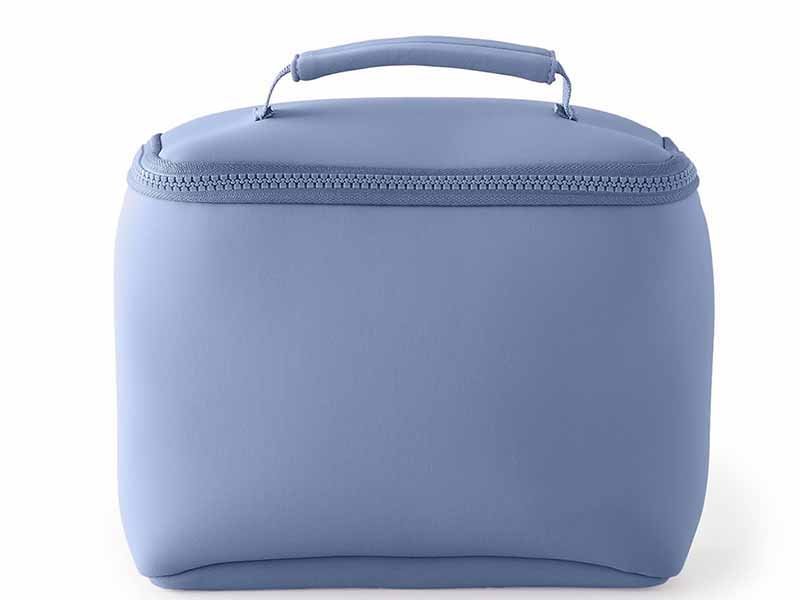
Neoprene thickness refers to the measurement of the foam and fabric layers used in cosmetic bags. It directly affects flexibility, protection, insulation, and weight. Most cosmetic bags use thickness between 2mm and 5mm, balancing portability, cushioning, and durability for daily use, travel, or premium applications. Choosing the right thickness ensures functionality, customer satisfaction, and product value.
Flexibility and Portability
Thinner neoprene, such as 2mm, bends and folds easily. This makes bags convenient for users who carry them in handbags or backpacks. However, extreme flexibility can compromise shape retention, making the bag feel less premium. 3mm neoprene strikes a balance, providing moderate structure without sacrificing portability. Designers must consider how users interact with bags in real life—compact storage versus rigid structure.
Protection and Cushioning
The foam in neoprene acts as a shock absorber. A 2mm bag provides minimal protection for fragile items like glass bottles, while 4–5mm offers strong cushioning. Closed-cell foam slows the impact from drops or pressure, reducing damage risks. Brands targeting luxury markets often favor thicker neoprene to ensure fragile cosmetics arrive intact, enhancing perceived product quality.
Weight and Shipping Considerations
Thicker neoprene increases bag weight and shipping costs. A 2mm bag is lightweight, ideal for everyday users, while a 5mm bag may add noticeable weight but protects higher-value items. For global brands shipping multiple units, even small weight differences affect logistics costs significantly.
Cost and Material Efficiency
Neoprene is a high-value material. Using unnecessarily thick sheets can inflate costs, while overly thin bags may require costly replacements due to damage. Oneier advises clients to select 3mm for medium-sized cosmetic bags, balancing material cost with durability and consumer satisfaction.
User Experience and Perceived Quality
Customers equate tactile feel with product value. Thicker bags convey sturdiness and premium quality, while very thin bags may feel cheap. The right thickness enhances brand perception and repeat purchase likelihood.
| Thickness | Flexibility | Protection | Weight | Ideal Use |
|---|---|---|---|---|
| 2mm | High | Low | Very Light | Compact daily bags |
| 3mm | Medium | Medium | Light | Travel cosmetic bags |
| 4mm | Low-Med | High | Moderate | Fragile or gift bags |
| 5mm | Low | Very High | Moderate-High | Premium travel kits |
Neoprene Thickness Definition
Neoprene thickness is measured in millimeters and combines foam and fabric layers. It determines the bag’s resistance to pressure, flexibility, and overall weight. Selecting the right thickness ensures cosmetic items are protected without compromising portability.
Why Thickness Matters
Thickness affects protection, portability, and tactile experience. Thicker bags enhance durability and brand perception, while thinner bags favor compactness. Brands should evaluate their customer’s needs, intended use, and pricing strategy when deciding thickness.
Which Neoprene Thickness for Cosmetic Bags Works Best?
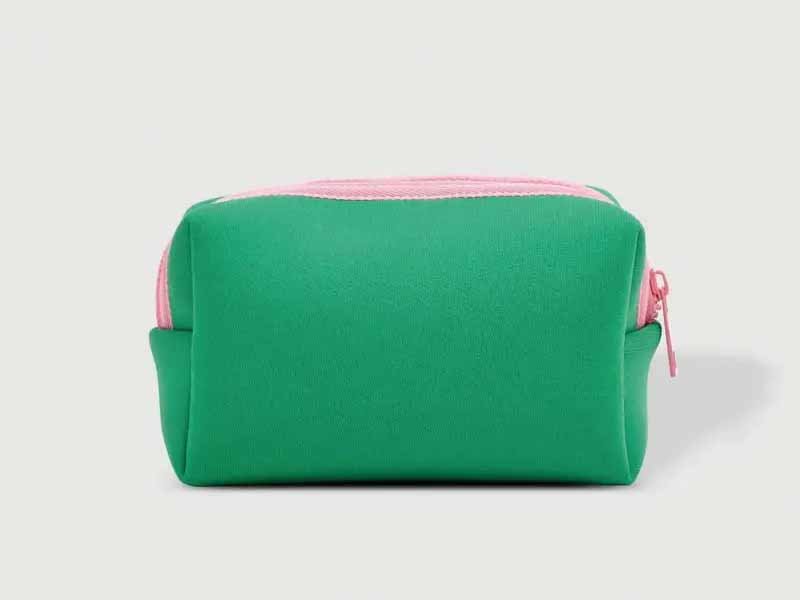
The best neoprene thickness depends on bag use. 2–3mm works for daily carry and lightweight cosmetic bags. 3–4mm suits travel bags, providing protection without bulk. 4–5mm is ideal for premium or gift bags, safeguarding fragile items while enhancing perceived quality and durability. Selecting the right thickness ensures the bag balances protection, portability, and cost-effectiveness.
Everyday Cosmetic Bags (2–3mm)
Thin neoprene bags are lightweight and easy to fold, perfect for users storing them in handbags or small backpacks. They provide sufficient protection for pencils, brushes, and compact powders. Using 2mm material keeps shipping costs low and makes the bag ideal for daily use.
Travel Cosmetic Bags (3–4mm)
Travel scenarios demand more structure. 3–4mm neoprene prevents bending and protects glass bottles, serums, and powders. Users carrying multiple cosmetics find these bags maintain their shape under pressure. A medium thickness balances weight, cost, and protection, making them practical for airline carry-ons or overnight trips.
Premium or Gift Bags (4–5mm)
For luxury cosmetic sets, thicker neoprene provides a premium feel and maximum protection. 5mm bags safeguard fragile contents, including glass bottles, jars, and powders, while reinforcing brand perception. Thicker material also enables embossing, heat transfer printing, or multi-layer designs that enhance visual appeal.
Cost and Production Considerations
Every additional millimeter of thickness increases material use and cost by roughly 20–30% per medium-sized bag. Choosing the right thickness ensures profitability without compromising user experience or product safety. Oneier works with clients to optimize thickness for their production goals.
User Perception and Market Positioning
Users perceive thicker bags as higher quality. A 3mm bag often delivers the best balance of flexibility, protection, and premium feel for everyday and travel use. 5mm bags appeal to the luxury market or promotional products. Thickness selection directly impacts customer satisfaction and repeat purchases.
| Bag Purpose | Recommended Thickness | Benefits | Notes |
|---|---|---|---|
| Daily Use | 2–3mm | Lightweight, flexible | Fits in handbags and backpacks |
| Travel | 3–4mm | Balanced protection, maintains shape | Ideal for fragile items |
| Gift/Luxury | 4–5mm | Premium feel, high cushioning | Perfect for corporate gifts or high-end kits |
Best Thickness for Daily Use
2–3mm provides flexibility, light weight, and sufficient protection for everyday cosmetics, making it the most versatile choice for compact and portable bags.
Best Thickness for Travel and Protective Bags
3–4mm balances protection and portability, maintaining bag shape while preventing damage to fragile cosmetics during trips.
Best Thickness for Premium or Gift Bags
4–5mm provides maximum cushioning and a premium tactile experience, ideal for glass bottles, gift sets, and luxury packaging.
How Does Neoprene Thickness for Cosmetic Bags Change Performance?
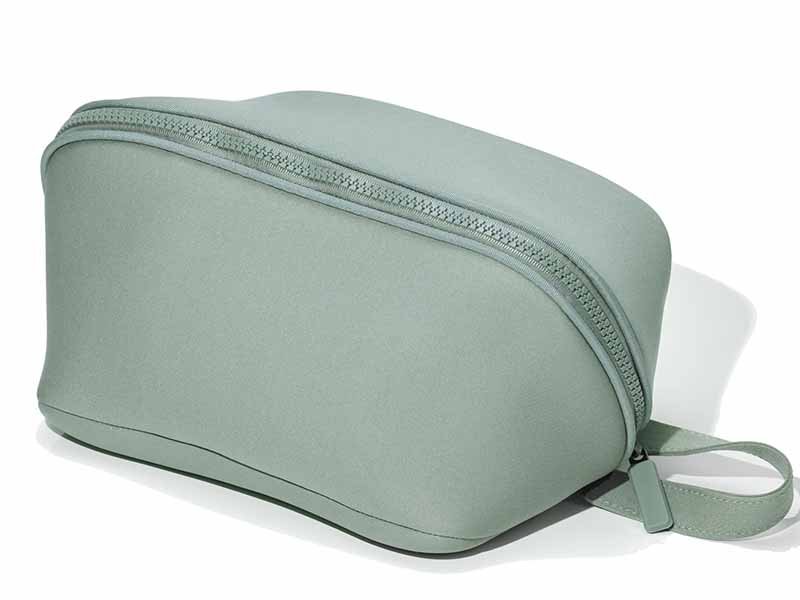
Neoprene thickness directly affects flexibility, protection, and weight. Thinner bags (2mm) fold easily for daily use but offer limited cushioning. Mid-range thickness (3mm) balances portability and structure, while thicker bags (4–5mm) provide maximum protection for fragile cosmetics and create a premium feel. Choosing the right thickness ensures your cosmetic bag performs as expected, meets customer expectations, and reduces product damage.
Flexibility and Storage
Thinner neoprene (2mm) bends easily and allows bags to fold or slide into tight compartments. This is ideal for users who carry their bags in handbags, backpacks, or travel kits. However, bags that are too thin can sag or collapse when loaded, which may affect usability and brand perception. A 3mm thickness improves shape retention while still offering flexibility for daily use. Brands can optimize thickness based on typical bag size and expected content, ensuring users experience both convenience and quality.
Protection of Contents
Protection is one of the most critical functions of neoprene. Thicker material increases the cushioning effect, helping prevent cosmetic breakage. For example, 3mm neoprene offers moderate protection for soft bottles and powders, while 5mm provides high-level cushioning for fragile glass containers or luxury serums. Closed-cell foam slows down impacts and distributes pressure evenly, reducing the risk of cracks, spills, or dents during transport. Brands dealing with premium cosmetics often prefer 4–5mm bags to ensure product safety during shipping or travel.
Weight and Portability Considerations
Every additional millimeter of neoprene adds material weight. While a 2mm bag may weigh less than 50g, a 5mm bag can weigh 100–150g depending on size. For consumers who carry their bag daily, excess weight may reduce convenience and usability. Brands must balance protection and portability to meet the expectations of users who value lightweight, easy-to-carry bags without compromising safety for fragile cosmetics.
Thermal and Moisture Effects
Thicker neoprene slightly increases thermal insulation, which can help maintain temperature-sensitive products. For cosmetics like serums or creams, 4–5mm bags provide minor thermal buffering that protects contents from short-term temperature fluctuations. Thicker neoprene also improves water resistance, keeping the interior dry if exposed to light rain or accidental spills. This added protection can be a selling point for travel or outdoor-use bags.
Cost Impact and Material Use
Thicker neoprene costs more due to increased raw material usage. For medium-sized cosmetic bags, a 3mm bag typically balances cost and performance, while 5mm thickness may increase production costs by 20–30%. Brands need to consider the trade-off between added protection and higher manufacturing expense, especially for private-label or promotional products where budget constraints exist.
Customer Experience and Perceived Quality
Users often equate thickness with quality. Thinner bags may feel inexpensive or less durable, while thicker bags create a sense of premium value and sturdiness. A 3mm bag delivers a balance that feels substantial without being heavy, and 4–5mm bags are excellent for high-end products or corporate gift sets. Understanding customer expectations helps brands choose the correct thickness for their target market and maintain satisfaction and repeat purchases.
| Thickness | Flexibility | Protection | Weight | Use Case |
|---|---|---|---|---|
| 2mm | Very High | Low | Very Light | Compact, daily-use cosmetic bags |
| 3mm | Medium | Medium | Light | Travel bags, structured everyday use |
| 4mm | Low-Medium | High | Moderate | Fragile items, premium cosmetics |
| 5mm | Low | Very High | Moderate-High | Luxury or gift bags, shipping protection |
Flexibility
Flexibility affects storage and ease of use. Thinner bags slide into tight spaces and fold for easy packing. Thicker bags maintain upright structure but may limit portability. A 3mm bag balances these needs for most users.
Protection
Protection depends on neoprene density and thickness. Thicker neoprene absorbs shocks and prevents cosmetic breakage. Bags with 4–5mm neoprene are recommended for fragile or high-value items.
Weight
Weight increases with thickness. While thin bags remain light and portable, thicker bags can feel heavy if over 5mm. Choosing the right balance ensures user comfort and practicality.
Thermal and Moisture Resistance
Thicker neoprene slightly insulates against temperature changes and improves water resistance, offering extra protection for sensitive cosmetics during travel or outdoor use.
Cost and Perceived Quality
Thicker bags cost more but are perceived as premium. Brands must balance cost with performance and user expectations to optimize value and profitability.
Which Neoprene Thickness for Cosmetic Bags Fits Each Use?
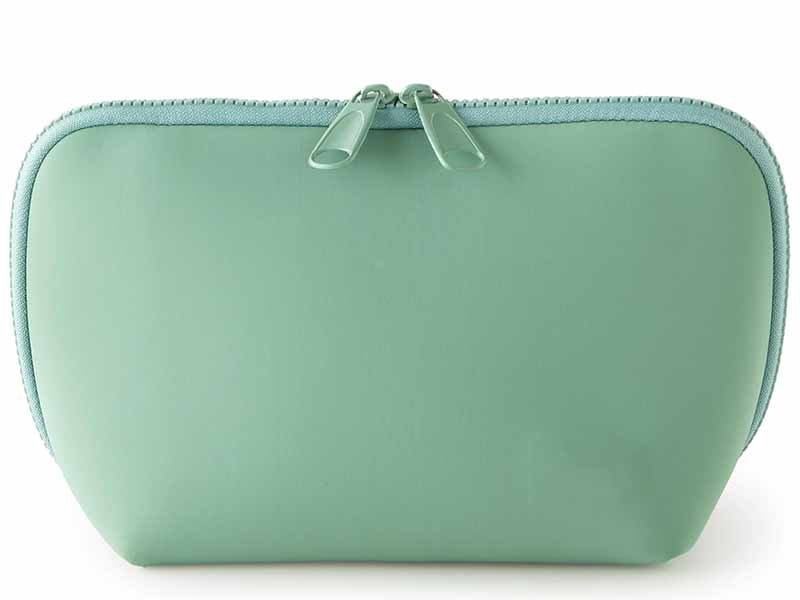
The right neoprene thickness depends on how the bag will be used. 2–3mm works best for lightweight, daily-use cosmetic bags, providing flexibility and easy portability. 3–4mm suits travel and structured bags, balancing shape retention and protection. 4–5mm is ideal for premium, gift, or corporate cosmetic bags, offering maximum cushioning, structural integrity, and a luxurious feel while safely transporting fragile items.
Daily Use Cosmetic Bags (2–3mm)
For everyday carry, thinner neoprene is preferred. Bags with 2–3mm thickness are lightweight, flexible, and easy to fold into handbags, backpacks, or purses. They are best suited for users who only carry soft or compact cosmetics such as brushes, pencils, or powders. Thinner neoprene reduces bulk and ensures that the bag doesn’t feel heavy or cumbersome, which is crucial for commuting customers or those storing the bag in tight spaces. Many brands choose 3mm for its balance of lightness and moderate structure.
Travel Cosmetic Bags (3–4mm)
Travel bags require additional protection to prevent damage during transport. 3–4mm neoprene provides sufficient cushioning for glass bottles, jars, and luxury products while maintaining a manageable weight for packing. This thickness keeps the bag upright and structured, preventing cosmetic spillage and keeping contents organized. Travel bags often need internal compartments, and slightly thicker neoprene ensures these compartments hold shape without collapsing under weight. For brands targeting frequent travelers, 3–4mm is the most practical choice.
Premium, Gift, or Corporate Bags (4–5mm)
Luxury cosmetic bags or corporate gift sets often carry fragile or high-value items. 4–5mm neoprene provides maximum protection, shock absorption, and a premium tactile feel. Thicker material supports embossing, heat transfer printing, and multi-layer designs, enhancing brand presentation. Users perceive these bags as higher quality and more durable. For promotional gifting or high-end cosmetics, this thickness ensures both safety and a luxury experience.
Large or High-Volume Bags
Larger cosmetic bags carrying multiple products require more structural integrity. 3–5mm thickness prevents sagging and maintains bag shape. For example, a cosmetic travel kit containing multiple glass bottles and jars performs best with 4mm neoprene, as it distributes weight evenly and prevents crushing. Brands must consider bag size alongside thickness to ensure functional and aesthetic consistency.
Balancing Cost, Performance, and Customer Experience
Thicker neoprene increases production cost due to higher material use. For medium-sized bags, 3mm is often the sweet spot, balancing protection, flexibility, and cost. Customers also expect lightweight bags for daily use, while heavier premium bags are acceptable for gift sets or travel kits. Selecting the right thickness ensures customer satisfaction and repeat purchase potential without unnecessarily increasing manufacturing expenses.
Practical Guidelines for Brands
- 2mm: Ideal for compact, soft-use bags, low-cost, lightweight, suitable for daily commuters.
- 3mm: Most versatile; supports travel bags, maintains shape, moderately protective.
- 4mm: Suited for fragile contents and structured travel kits, premium tactile feel.
- 5mm: Luxury, gift, or promotional bags; maximum protection, supports custom embossing/branding.
| Bag Use Category | Recommended Thickness | Key Benefits | Notes |
|---|---|---|---|
| Daily Carry | 2–3mm | Lightweight, foldable, easy to store | Soft cosmetics only, compact size |
| Travel & Structured | 3–4mm | Cushions fragile items, maintains shape | Moderate size, multiple compartments |
| Luxury / Gift | 4–5mm | Maximum protection, premium tactile feel | Corporate or high-end sets |
| Large / High-Volume | 3–5mm | Supports multiple items, prevents sagging | Large cosmetic kits, glass bottles |
Daily Use Bags
2–3mm neoprene works best for soft, lightweight cosmetics. The bag remains flexible, portable, and easy to fold. It’s ideal for commuters, students, or customers who prioritize compact storage.
Travel Cosmetic Bags
3–4mm neoprene balances protection and portability. The bag maintains structure during trips, keeps items organized, and prevents breakage of fragile products like glass jars or bottles.
Premium and Gift Bags
4–5mm neoprene provides maximum protection and a luxury feel. Ideal for corporate gifts or high-value cosmetic sets, this thickness also supports embossing, printing, and multi-layered designs for brand enhancement.
Large or High-Volume Bags
Large bags carrying multiple items perform best with 3–5mm neoprene. This ensures shape retention and reduces risk of crushing, keeping contents safe during travel or storage.
Cost and Performance Balance
Selecting the right thickness ensures cost-efficiency without compromising functionality. 3mm often provides the best balance for everyday and travel-use cosmetic bags, while thicker bags are reserved for premium applications.
How Do You Choose Neoprene Thickness for Cosmetic Bags?
Selecting neoprene thickness requires considering the bag’s purpose, user experience, size, and protection needs. Daily-use bags often work best at 2–3mm, travel bags at 3–4mm, and luxury or gift bags at 4–5mm. Balancing flexibility, cushioning, and cost ensures bags are functional, durable, and appealing to consumers while meeting production and shipping requirements.
Evaluate Usage Scenarios
Start by determining how the bag will be used. Daily-use cosmetic bags need flexibility and light weight. Users prefer bags that fold easily into backpacks or purses. Travel bags require more structure and protection to handle fragile items and frequent packing. Luxury or gift bags prioritize both protection and a premium tactile feel, which influences thickness selection. Understanding the target consumer’s daily habits is crucial for functional design.
Consider Product Fragility and Content
Assess what the bag will carry. Brushes, pencils, and powders are low-risk items, suitable for thinner neoprene. Glass bottles, jars, and high-end serums require thicker material for impact absorption. Closed-cell foam in neoprene slows impacts and prevents cosmetic breakage. Brands targeting premium markets often choose 4–5mm neoprene to guarantee product safety, which in turn improves brand reputation and customer satisfaction.
Balance Cost and Material Efficiency:
Thicker neoprene increases raw material usage, production cost, and shipping weight. For medium-sized cosmetic bags, 3mm thickness provides a balance between protection and affordability. Excessively thick bags may feel cumbersome for the user and inflate logistics costs. Choosing the correct thickness ensures production efficiency and maintains profit margins while delivering a high-quality product.
Prototype and Test
Testing different thicknesses through sample prototypes allows brands to experience flexibility, protection, and weight in real-world scenarios. Oneier provides 2mm, 3mm, and 5mm sample bags to help clients select the optimal option for their target market. This approach reduces risk, ensuring that the final production batch aligns with both functional and aesthetic expectations.
Size and Volume Considerations
Bag dimensions influence thickness choice. Larger bags carrying multiple bottles or cosmetic sets need thicker neoprene to maintain shape and structural integrity. Small pouches benefit from thinner neoprene to remain portable and foldable. Thickness should scale with bag volume to maintain a consistent user experience.
Branding and Customization Needs
Thicker neoprene allows for high-quality embossing, heat transfer printing, and multi-layer design options. Thinner neoprene can limit design possibilities. Oneier collaborates with brands to integrate thickness decisions with branding, ensuring that bags not only perform well but also showcase logos and colors effectively.
| Consideration | Recommended Thickness | Notes |
|---|---|---|
| Daily Use | 2–3mm | Lightweight, foldable, portable |
| Travel Use | 3–4mm | Maintains shape, cushions fragile items |
| Premium / Gift Use | 4–5mm | Maximum protection, luxurious feel |
| Large Bag Volume | 3–5mm | Supports structural integrity |
| Branding / Customization | 3–5mm | Allows embossing and heat transfers |
| Cost Optimization | 3mm | Balances material, protection, and shipping |
Conclusion
Selecting the right neoprene thickness for cosmetic bags is a strategic decision that affects flexibility, protection, weight, cost, and user experience. 2–3mm is ideal for lightweight, everyday use. 3–4mm works best for travel bags, balancing protection with portability. 4–5mm is suited for premium, gift, or promotional bags, where maximum cushioning and a luxurious feel are priorities. The ideal thickness depends on bag size, contents, and brand positioning.
Oneier leverages over 18 years of experience in designing, manufacturing, and customizing neoprene products. From selecting the right thickness to producing high-quality prototypes, Oneier helps brands create cosmetic bags that meet functional, aesthetic, and market demands.
If you’re looking to design or produce custom cosmetic bags with the perfect neoprene thickness, contact Oneier today. We offer flexible customization, low MOQ, free samples, and reliable delivery for private-label, OEM, or custom-branded products. Ensure your cosmetic bags stand out in quality, protection, and design by partnering with a trusted manufacturer.