
Are Neoprene Bags Waterproof: What They Really Protect Against
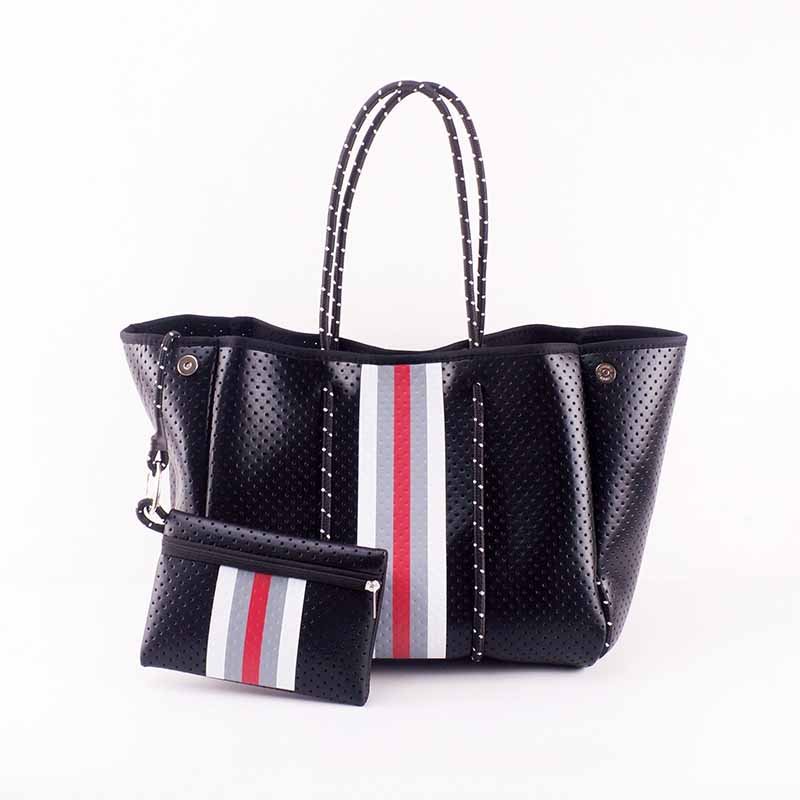
Many buyers assume that neoprene bags are waterproof by default. After all, neoprene is the same material used in wetsuits, diving gear, and medical supports—products that are constantly exposed to water. So it feels logical to expect neoprene bags, backpacks, or totes to offer the same level of water protection.
But here’s the reality: not all neoprene bags are waterproof in the same way, and many are not “waterproof” at all in a technical sense.
The confusion usually comes from mixing three very different concepts: waterproof material, water-resistant construction, and waterproof product performance. Neoprene as a material behaves very differently from fabrics like nylon or polyester, but a bag’s real-world waterproof ability depends on far more than just the fabric itself.
For brand owners, product developers, and professional buyers, this distinction matters. Misunderstanding it can lead to customer complaints, warranty issues, or product positioning problems—especially for backpacks, sports bags, or outdoor neoprene products.
Neoprene bags are generally water-resistant, not fully waterproof. Neoprene fabric itself repels water, but stitching, seams, zippers, and bag construction allow moisture to enter. A neoprene bag can protect contents from rain, splashes, and brief exposure, but it is not designed for full submersion unless additional waterproof engineering such as sealed seams and waterproof zippers is applied.
Picture a commuter caught in sudden rain, a gym bag placed on a wet floor, or a neoprene backpack sitting beside a pool. These are real scenarios where neoprene performs well—but also where its limits become obvious. Understanding what neoprene bags truly protect against is the key to designing, sourcing, and selling them correctly.
What Is Neoprene Material
Neoprene is a synthetic rubber material, chemically known as polychloroprene, widely used for its water resistance, flexibility, insulation, and shock-absorbing properties. Unlike woven fabrics, neoprene has a closed-cell foam structure that repels water rather than absorbing it. This makes neoprene suitable for wetsuits, bags, sports protection, and medical applications, though it is inherently water-resistant rather than fully waterproof.
What exactly is neoprene and how is it made?
Neoprene is the commercial name for polychloroprene, a synthetic elastomer developed to perform in environments where natural rubber fails. It is produced through a polymerization process that creates a flexible rubber compound, which is then expanded into foam sheets using controlled gas formation.
Unlike textiles that rely on yarns and weaves, neoprene is a continuous rubber foam. It is typically laminated on one or both sides with fabrics such as nylon or polyester to improve durability, printability, and comfort. This laminated structure is what most people recognize as neoprene in bags, wetsuits, and protective gear.
What does “closed-cell foam” mean in neoprene?
The term closed-cell foam is critical to understanding neoprene’s behavior. Inside neoprene are millions of microscopic gas-filled cells that are sealed off from one another. Water cannot freely move between these cells, which is why neoprene does not soak up water like fabric.
This structure gives neoprene several key properties:
- water resistance
- buoyancy
- thermal insulation
- compression cushioning
However, closed-cell does not mean impermeable. Under pressure or over time, water can still migrate through seams, cuts, or compressed areas—an important distinction for product design.
Why does neoprene feel soft, flexible, and cushioned?
Neoprene’s flexibility comes from its elastomeric rubber base, while its cushioning comes from the foam structure. When compressed, the gas cells temporarily deform and then recover, absorbing impact energy.
This makes neoprene ideal for:
- laptop and device protection
- sports braces and supports
- medical orthotics
- shock-absorbing bags and sleeves
From a user-experience perspective, neoprene offers comfort that rigid waterproof materials like PVC or TPU cannot match.
Is neoprene naturally waterproof or just water-resistant?
Technically, neoprene is water-resistant, not waterproof. It repels water and slows penetration, but it does not form a complete water seal on its own.
This distinction matters because:
- neoprene wetsuits are designed to trap water, not block it
- neoprene bags rely on construction (seams, zippers) for real protection
- full waterproofing requires additional engineering
Understanding this prevents unrealistic expectations and helps brands choose the correct material for each use case.
How does neoprene compare to fabric materials like nylon or polyester?
Neoprene differs fundamentally from woven fabrics:
| Property | Neoprene | Nylon / Polyester |
|---|---|---|
| Structure | Closed-cell foam | Woven fibers |
| Water behavior | Repels, slow penetration | Absorbs unless coated |
| Cushioning | Excellent | Minimal |
| Flexibility | High | Moderate |
| Breathability | Low | Higher |
This is why neoprene is often chosen when protection and comfort matter more than light weight or airflow.
What thicknesses of neoprene are commonly used?
Neoprene thickness is usually specified in millimeters (mm), and each range serves different purposes:
| Thickness | Typical Applications |
|---|---|
| 1–2 mm | Sleeves, lightweight bags |
| 3–4 mm | Backpacks, laptop bags |
| 5–7 mm | Wetsuits, heavy protection |
| 8 mm+ | Specialized industrial uses |
Thicker neoprene improves insulation and cushioning but adds weight and cost. Thickness selection is a key OEM decision.
Why is neoprene used across so many industries?
Neoprene’s popularity comes from its balanced performance profile. It is not the best at any single function, but it performs well across many:
- water resistance
- impact protection
- durability
- comfort
This balance makes neoprene versatile for:
- bags and accessories
- sports and fitness products
- medical and orthopedic supports
- diving and water sports
Few materials offer this combination at scale.
What are neoprene’s limitations?
Neoprene is not a perfect material. Its main limitations include:
- relatively heavy compared to fabrics
- low breathability
- not fully waterproof by itself
- higher material cost than basic textiles
Professional product development acknowledges these limits and designs around them rather than ignoring them.
Why understanding neoprene material matters for buyers
For buyers and brands, understanding neoprene at a material level helps answer critical questions:
- Is neoprene the right choice for my product’s use case?
- Do I need water resistance or true waterproofing?
- How much thickness and lamination is required?
- What trade-offs am I accepting?
When neoprene is chosen intentionally—not by assumption—it delivers excellent results.
Are Neoprene Bags Waterproof
Neoprene bags are generally water-resistant, not fully waterproof. Neoprene fabric itself repels water and does not absorb moisture, but water can still enter through stitching, seams, zippers, and openings. Neoprene bags protect contents well from rain, splashes, and damp environments, but they are not designed for full submersion unless enhanced with waterproof construction such as sealed seams and waterproof zippers.
Why people assume neoprene bags are waterproof
This assumption comes from neoprene’s association with wetsuits and diving products. Many buyers logically conclude that if neoprene works underwater, bags made from neoprene must also be waterproof.
However, this comparison overlooks a key fact: wetsuits are not designed to keep water out—they are designed to manage water and retain body heat. In bag applications, the goal is the opposite: to keep water away from contents. This difference in functional intent is where confusion begins.
What role does neoprene fabric actually play?
At the material level, neoprene performs very well against water. Its closed-cell foam structure means:
- it does not absorb water like fabric
- water stays on the surface initially
- moisture penetration is slow and limited
If you pour water on a neoprene panel, it beads up and runs off. This is why neoprene bags feel dry and protective in rain or wet environments. But fabric performance alone does not equal product waterproofing.
Why bag construction matters more than the material
In real products, construction determines waterproof performance more than the neoprene itself.
The biggest water entry points are:
- needle holes from stitching
- seam intersections
- zippers and closures
- open or roll-top designs
Even thick neoprene cannot stop water from entering through these paths. This is why two neoprene bags made from the same material can perform very differently in rain or splashes.
Are neoprene backpacks waterproof in daily use?
This is one of the most searched questions—and the answer is “it depends on the scenario.”
A neoprene backpack is very effective for:
- commuting in rain
- placing the bag on wet floors
- gym, school, or office use
- short outdoor exposure
It is not suitable for:
- heavy rain over long periods
- cycling or motorbike use in storms
- boating, kayaking, or immersion
For daily urban use, neoprene backpacks perform better than most fabric backpacks. For water sports, they require upgrades or alternative materials.
How does neoprene thickness affect waterproof performance?
Thickness improves delay, not absolute protection.
| Neoprene Thickness | Effect on Water Resistance |
|---|---|
| 2–3 mm | Light rain and splashes |
| 4–5 mm | Slower seepage, better cushioning |
| 6 mm+ | More resistance, heavier product |
Thicker neoprene slows water penetration and improves insulation, but it does not make a bag waterproof by itself. Seams and zippers still determine the final result.
How long can neoprene bags resist water exposure?
Neoprene bags perform well in:
- short rain exposure
- repeated splashes
- damp storage environments
They perform poorly in:
- continuous water pressure
- full submersion
- environments where seams remain wet for long periods
In practical terms, neoprene bags are ideal for incidental water contact, not prolonged exposure.
Why neoprene bags are often labeled “waterproof” in marketing
Many consumer-level descriptions use “waterproof” loosely to mean water-resistant. This creates unrealistic expectations and increases returns or negative reviews.
Professional manufacturers and buyers distinguish clearly between:
- waterproof fabric
- waterproof construction
- waterproof product performance
For brands, using accurate terminology builds trust and reduces post-sale friction.
Can neoprene bags be made truly waterproof?
Yes—but only with intentional engineering.
To approach true waterproof performance, neoprene bags require:
- seam sealing or taping
- waterproof or airtight zippers
- laminated inner barriers
- controlled opening designs
These upgrades increase cost, complexity, and MOQ, which is why most lifestyle neoprene bags remain water-resistant rather than fully waterproof.
How neoprene bags compare to truly waterproof bags
Neoprene bags sit between fabric bags and dry bags:
| Bag Type | Waterproof Level | Comfort | Flexibility |
|---|---|---|---|
| Fabric bag | Low | High | High |
| Neoprene bag | Medium | Very high | Very high |
| Dry bag | Very high | Low | Low |
Understanding this positioning helps brands choose neoprene for the right reasons, not as a compromise.
How Do Neoprene Bags Compare to Other Waterproof Bags
Neoprene bags are more water-resistant and protective than standard fabric bags but less waterproof than dry bags or fully laminated PVC/TPU bags. They excel in cushioning, flexibility, and comfort, making them ideal for daily use and light water exposure. Fully waterproof bags prioritize total water sealing, often sacrificing softness and usability.
Neoprene bags vs nylon or polyester waterproof bags
Most nylon or polyester “waterproof” bags rely on surface coatings such as PU, PVC, or DWR treatments. These coatings repel water initially but tend to degrade over time due to abrasion, UV exposure, and repeated folding.
Neoprene differs fundamentally:
- water resistance comes from material structure, not coating
- performance remains stable even after long-term use
- cushioning and shock absorption are built-in
In light to moderate rain, neoprene bags often outperform coated fabric bags. However, fabric bags with taped seams and waterproof zippers can exceed neoprene in heavy rain scenarios. The trade-off is reduced comfort and flexibility.
Neoprene bags vs dry bags (roll-top waterproof bags)
Dry bags represent the highest level of waterproof performance. They are engineered to be:
- airtight or near-airtight
- seam-welded rather than stitched
- closed with roll-top systems
Compared to dry bags, neoprene bags:
- are not suitable for full submersion
- allow limited moisture entry over time
- offer far superior comfort and usability
Dry bags are ideal for kayaking, rafting, or marine storage. Neoprene bags are better for daily life, where comfort, cushioning, and aesthetics matter more than absolute sealing.
Neoprene bags vs PVC or TPU laminated waterproof bags
PVC and TPU laminated bags achieve waterproofing through continuous film barriers. These bags block water extremely well but come with drawbacks:
- stiffness and reduced flexibility
- heavier weight
- plastic feel and sound
Neoprene bags trade some waterproof performance for:
- softness against the body
- better shape recovery
- higher user comfort
This is why PVC/TPU bags dominate industrial, marine, and emergency markets, while neoprene dominates lifestyle, sports, and medical categories.
Neoprene bags vs EVA hard waterproof cases
EVA hard cases are often marketed as waterproof due to rigid shells and sealed zippers. While they provide excellent impact protection and water resistance, they:
- are bulky
- lack flexibility
- are less comfortable to carry
Neoprene bags offer a soft-protection alternative, especially for electronics, sports gear, and wearable accessories. They absorb shock while offering moderate water resistance, making them ideal when portability matters.
Real-world performance comparison table
| Bag Type | Water Protection | Comfort | Flexibility | Shock Absorption | Typical Use |
|---|---|---|---|---|---|
| Fabric bag | Low | High | High | Low | Casual use |
| Coated fabric bag | Medium | Medium | Medium | Low | Light rain |
| Neoprene bag | Medium | Very high | Very high | High | Daily / sports |
| PVC / TPU bag | High | Low | Low | Medium | Marine / industrial |
| Dry bag | Very high | Low | Low | Low | Full submersion |
| EVA hard case | High | Medium | Low | Very high | Electronics |
Why neoprene bags occupy a unique middle ground
Neoprene bags sit in a performance sweet spot:
- more protective than fabric
- more comfortable than rigid waterproof bags
- more durable than coated textiles
They are chosen not because they are “the most waterproof,” but because they provide the best balance for everyday users.
This balance explains why neoprene is widely used in:
- backpacks and laptop bags
- gym and sports bags
- medical and orthopedic carriers
- lifestyle and commuter products
How brands decide when neoprene is the right choice
Professional brands ask:
- Will users face rain or splashes, or full submersion?
- Is comfort during long wear important?
- Do we need cushioning for electronics or medical items?
- Is the product lifestyle-oriented or performance-critical?
If the answer prioritizes comfort, protection, and flexibility, neoprene is often the correct choice. If the answer prioritizes absolute water exclusion, another material should be used.
Common buyer mistake: comparing neoprene to dry bags
One of the most frequent sourcing errors is evaluating neoprene bags using dry bag standards. This leads to:
- unrealistic expectations
- incorrect customer messaging
- product dissatisfaction
Neoprene should be evaluated as a water-resistant, protective material, not as a waterproof container.
How Do Neoprene Bags Keep Contents Dry
Neoprene bags keep contents dry by using closed-cell rubber foam that repels water and slows moisture penetration. Unlike woven fabrics, neoprene does not absorb water. However, real protection depends on construction details such as seams, stitching, zippers, and openings. Neoprene bags perform well against rain, splashes, and damp environments, but are not designed for full submersion without additional waterproof engineering.
How does neoprene material itself block water?
At the core of a neoprene bag’s water resistance is the closed-cell foam structure of neoprene. Each cell is sealed and filled with gas, meaning water cannot travel freely through the material. When water hits the surface, it beads up or runs off rather than soaking in.
This is fundamentally different from nylon or polyester fabrics, which rely on coatings to repel water. Even after long-term use, neoprene maintains its water-resistant behavior because the property comes from material structure, not surface treatment.
This is why neoprene bags remain effective in wet conditions long after coated fabric bags lose performance.
Why neoprene does not absorb water like fabric bags
Woven fabrics have gaps between fibers. Once water breaks surface tension, it travels inward via capillary action. Neoprene has no fiber gaps, only compressed foam cells, which dramatically slows water movement.
As a result:
- neoprene does not become heavy when wet
- it dries faster
- internal contents stay protected longer
This makes neoprene especially suitable for gym bags, sports backpacks, and beach bags where moisture exposure is frequent but uncontrolled.
How do seams and stitching control moisture entry?
In real products, seams—not fabric—are the primary failure point.
Each needle stitch creates a microscopic hole that can allow water to pass. The more complex the seam (corners, curves, load points), the higher the risk of seepage.
Common seam constructions include:
- standard stitched seams (basic water resistance)
- glued + stitched seams (improved resistance)
- seam-taped or sealed seams (near-waterproof)
Most lifestyle neoprene bags use standard seams for flexibility and cost efficiency. Waterproof neoprene designs require intentional seam engineering at the OEM stage.
Why zippers and closures matter more than material thickness
Many buyers focus on neoprene thickness but overlook zippers, which are often the biggest water entry point.
- Standard coil zippers allow water to pass easily
- Reverse coil zippers improve resistance but are not waterproof
- Waterproof zippers (PU-coated or molded) dramatically reduce water entry
An average neoprene bag with a standard zipper will fail faster than a thinner neoprene bag with a waterproof zipper. This is why closure selection is a critical design decision.
How does neoprene perform in different water exposure scenarios?
Neoprene bags perform differently depending on exposure type:
| Scenario | Performance |
|---|---|
| Light rain | Excellent |
| Heavy rain (short) | Good |
| Splashes | Excellent |
| Wet ground contact | Excellent |
| Prolonged rain | Moderate |
| Full submersion | Poor without upgrades |
Understanding these scenarios helps brands position products accurately and avoid misleading claims.
How internal linings and layers improve dryness
Many neoprene bags include internal linings such as:
- polyester tricot
- nylon jersey
- laminated TPU films
These layers:
- slow moisture transfer
- protect contents from condensation
- improve interior durability
For higher protection, laminated inner barriers can create a secondary moisture shield, though they increase cost and reduce breathability.
Why neoprene bags are effective for “real life” moisture
Neoprene bags are not designed for extreme waterproofing—they are designed for unpredictable daily environments:
- sudden rain
- wet gym floors
- beach sand and splashes
- sweat and condensation
In these situations, neoprene excels because it combines water resistance with cushioning, flexibility, and comfort—qualities rigid waterproof bags lack.
Where neoprene bags reach their limit
Neoprene bags struggle when:
- water pressure is continuous
- seams remain saturated for long periods
- the bag is submerged
These are conditions where engineering, not material, determines success. Without seam sealing, welded construction, or airtight closures, neoprene bags will eventually allow water in.
How OEM design decisions improve dryness
At the factory level, dryness is controlled through:
- seam structure selection
- zipper type matching use case
- internal barrier design
- edge reinforcement
- testing under simulated rain and splash conditions
This is why two neoprene bags made from similar fabric can perform very differently in real use.
Common misconception: “neoprene bags are waterproof”
This oversimplification causes customer dissatisfaction. Professional manufacturers describe neoprene bags as water-resistant with protective performance, not waterproof containers.
Clear communication builds trust and reduces returns.
What Are Common Uses for Waterproof or Water-Resistant Neoprene Bags
Waterproof or water-resistant neoprene bags are commonly used in daily, sports, medical, and lifestyle scenarios where protection from rain, splashes, sweat, and damp environments is needed. Typical applications include backpacks, gym bags, beach bags, laptop sleeves, medical carriers, and sports gear bags. Neoprene is chosen for its balance of water resistance, cushioning, flexibility, and comfort rather than full submersion protection.
Why neoprene bags are favored for everyday lifestyle use
One of the most common uses for neoprene bags is daily lifestyle carry, such as totes, backpacks, and crossbody bags. These products are frequently exposed to:
- rain during commuting
- wet floors in offices or public transport
- accidental spills
- sweat from close body contact
Neoprene performs exceptionally well here because it repels moisture, cushions contents, and stays comfortable against the body. Unlike rigid waterproof bags, neoprene bags remain soft, flexible, and visually appealing—making them ideal for urban users who want protection without sacrificing style.
Are neoprene bags good for gym, fitness, and sports use?
Yes—this is one of neoprene’s strongest application areas. Neoprene bags are widely used for:
- gym bags
- yoga and fitness gear carriers
- sports backpacks
- shoe and apparel bags
In these environments, moisture comes from sweat, damp clothing, locker room floors, and post-workout condensation, not submersion. Neoprene resists moisture, contains odors better than fabric, and provides shock absorption for items like phones and accessories. It also cleans easily, which is critical for sports users.
Why neoprene bags are popular for beach and pool environments
Neoprene bags are commonly used at beaches and pools for carrying:
- towels
- swimwear
- sunscreen and accessories
- casual personal items
They handle splashes, wet hands, and sand far better than fabric bags. While they are not meant to protect electronics from full immersion, they excel in wet-but-not-underwater conditions, which defines most beach and pool usage.
This balance explains why many resort, swimwear, and lifestyle brands choose neoprene over rigid waterproof materials.
How neoprene is used in laptop sleeves and device protection
Neoprene laptop sleeves and device bags are a classic application. Here, water resistance is only part of the requirement. Equally important are:
- impact protection
- vibration absorption
- lightweight cushioning
Neoprene’s closed-cell foam structure protects electronics from both moisture and physical shock, making it superior to thin waterproof fabrics in this category. For commuting professionals, neoprene sleeves offer realistic, everyday protection rather than extreme waterproofing.
Why medical and orthopedic industries use neoprene bags
In medical and orthopedic fields, neoprene bags are used for:
- brace and support carriers
- rehabilitation equipment bags
- portable medical accessories
These environments require materials that are:
- water-resistant
- soft and non-abrasive
- easy to clean
- durable under repeated use
Neoprene meets these needs while remaining comfortable and skin-friendly. Waterproofing here is about hygiene and protection, not outdoor exposure.
How outdoor and recreational brands use neoprene bags
Outdoor brands often use neoprene for:
- sports accessory bags
- diving and water-sport gear holders
- fishing and boating accessories
In these cases, neoprene is used where splashes and wet handling are expected, but full waterproof dry-bag performance is not required. It protects gear while remaining flexible and easy to carry—important for recreational users.
Are neoprene backpacks suitable for commuting and travel?
This is one of the most searched use-case questions—and the answer is yes.
Neoprene backpacks are ideal for:
- daily commuting
- business casual travel
- short trips
They protect contents from rain and accidental moisture while offering superior comfort compared to stiff waterproof backpacks. For air travel or city movement, neoprene provides the right level of protection without unnecessary bulk.
Which industries commonly order custom neoprene water-resistant bags?
From an OEM perspective, neoprene bags are widely produced for:
- sports & fitness brands
- medical and healthcare suppliers
- lifestyle and fashion brands
- promotional and corporate gifting
- diving and water-sports companies
These industries prioritize user comfort, moderate water protection, durability, and branding flexibility, all of which neoprene supports well.
When neoprene bags are NOT the right choice
It’s equally important to understand the limits. Neoprene bags are not ideal for:
- full submersion use
- kayaking or rafting storage
- marine safety equipment
- electronics in extreme wet environments
In these cases, dry bags or welded waterproof solutions are more appropriate.
How Do You Improve Neoprene Bag Waterproof Performance
Neoprene bag waterproof performance can be improved by upgrading construction rather than fabric alone. Key methods include using waterproof zippers, sealing or taping seams, adding laminated inner barriers, optimizing seam structure, and redesigning openings. True waterproofing requires engineering decisions at the design and production stage, not just thicker neoprene.
Why fabric choice alone cannot make a neoprene bag waterproof
A common misconception is that using thicker or higher-grade neoprene automatically makes a bag waterproof. In reality, neoprene fabric already repels water well; the limiting factors are almost always construction-related.
Even the highest-quality neoprene will fail if:
- seams are stitched without sealing
- zippers allow water ingress
- openings remain exposed
This is why waterproof performance must be designed into the product from the beginning. Material choice sets the baseline, but engineering determines the final result.
How seam construction and sealing dramatically improve performance
Seams are the primary water entry points in neoprene bags. Improving them has the biggest impact on waterproof performance.
Common upgrade paths include:
- Glued + stitched seams: reduces water migration through needle holes
- Seam tape application: seals stitching lines from the inside
- Liquid seam sealing: fills micro gaps in high-risk areas
Each method increases resistance but also adds:
- production time
- labor cost
- complexity in QC
For lifestyle products, partial seam reinforcement is often sufficient. For performance-driven bags, full seam sealing is required.
Why waterproof zippers matter more than neoprene thickness
In many neoprene bags, zippers—not seams—are the first failure point.
Upgrading from standard zippers to:
- PU-coated waterproof zippers
- molded airtight zippers
can dramatically reduce water entry. However, waterproof zippers:
- cost significantly more
- are stiffer and less flexible
- require precise installation
This trade-off must be evaluated carefully. For backpacks or sports bags exposed to rain, waterproof zippers offer the highest return on investment in water protection.
How internal laminated barriers enhance dryness
Adding an internal laminated layer (such as TPU or PU film) creates a secondary water barrier behind the neoprene.
Benefits include:
- delayed moisture penetration
- improved protection for electronics
- better performance in prolonged rain
Trade-offs include:
- reduced breathability
- increased stiffness
- higher material and lamination costs
This approach is commonly used in premium neoprene backpacks and device bags, where protection outweighs flexibility.
How opening design affects waterproof performance
Openings are often overlooked but critically important.
Design changes that improve waterproofing include:
- roll-top closures instead of zip tops
- overlapping storm flaps over zippers
- reduced opening length
- raised zipper placement
Even without full waterproof construction, smart opening design can significantly improve real-world performance.
How bonding and lamination between layers helps
Advanced neoprene products use bonded constructions rather than simple stitched laminations. By bonding fabric layers directly to neoprene foam:
- water migration paths are reduced
- seam exposure is minimized
- durability is improved
Bonded structures require specialized equipment and process control, which is why not all factories can execute them consistently.
How performance testing guides waterproof upgrades
Professional manufacturers do not rely on assumptions—they test.
Common internal tests include:
- simulated rain exposure
- splash testing
- seam soak tests
- zipper leakage tests
Testing allows factories to determine which upgrades actually improve performance versus which add cost without meaningful benefit.
How much waterproof performance is “enough”?
Not every neoprene bag needs to be fully waterproof. Over-engineering increases:
- cost
- weight
- stiffness
- MOQ requirements
Most successful products target:
- reliable rain resistance
- splash protection
- damp-environment durability
Only niche products require full waterproofing. The best OEM partners help clients find the optimal performance level, not the maximum possible one.
Common mistakes when upgrading neoprene bag waterproofing
- Adding thick neoprene instead of sealing seams
- Using waterproof zippers without reinforcing seams
- Ignoring opening design
- Marketing “waterproof” without testing
- Over-specifying performance beyond user needs
Avoiding these mistakes saves cost and improves customer satisfaction.
How Oneier approaches waterproof performance engineering
With over 18 years of neoprene R&D and manufacturing experience, Oneier improves neoprene bag waterproof performance by:
- defining real use scenarios first
- selecting appropriate construction level
- balancing flexibility, comfort, and protection
- offering multiple waterproof performance tiers
- testing designs before mass production
Rather than forcing one solution, Oneier customizes waterproof performance based on product category, target user, and budget.
Conclusion
So—are neoprene bags waterproof?
The honest answer is: they are water-resistant by nature, and waterproof by design only when engineered to be so.
Understanding this distinction allows brands and buyers to:
- position products correctly
- choose the right construction level
- avoid over-engineering or under-delivering
At Oneier, we don’t just manufacture neoprene bags—we help you design the right level of water protection for your market. From casual neoprene backpacks to upgraded water-resistant sports and medical bags.
If you’re planning a neoprene bag project and need a factory partner who understands materials, performance, and real-world use, contact Oneier today for samples, technical advice, and a tailored quotation.
The right neoprene bag isn’t defined by a label—it’s defined by how well it performs in your customer’s hands.
What Can I Do For You?
Here, developing your OEM/ODM private label leather goods collection is no longer a challenge,it’s an excellent opportunity to bring your creative vision to life.