
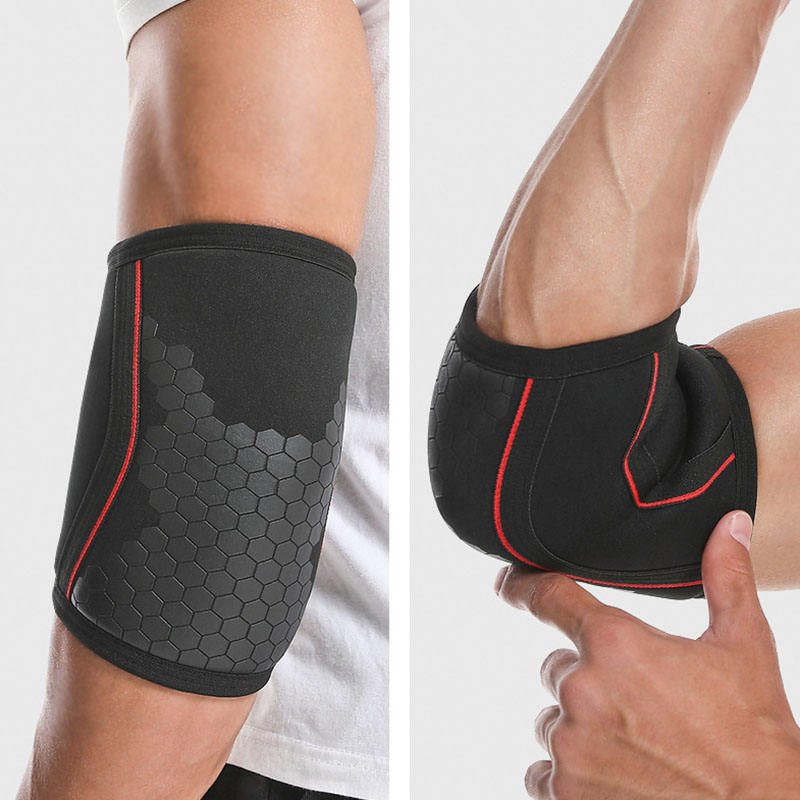
A brace can have clean stitching, strong compression, and an attractive logo, yet still fail in the market for one simple reason: it moves when the user moves. That is the problem many brands discover only after sales begin. A knee brace that slips during squats, an elbow brace that rotates during tennis, or an ankle support that shifts inside a shoe quickly turns product interest into complaints. For sports supports and medical-use soft braces, anti-slip performance is not a small add-on. It is one of the main reasons a product feels professional, effective, and worth repurchasing.
Neoprene brace manufacturing with anti slip design is the process of developing and producing braces made from neoprene-based materials that combine compression, ergonomic structure, and grip elements such as silicone printing, textured lining, or reinforced support zones to reduce movement during wear. The goal is to keep the brace stable on the body while maintaining comfort, flexibility, durability, and consistent support.
For customers developing private label or OEM brace products, this matters at every level. It affects user comfort, retail reviews, repeat sales, and the real value of the product in use. Many braces look similar in photos, but the difference becomes obvious after 20 minutes of actual movement and sweat. That is where material choice, pattern engineering, anti-slip design, and production control separate a reliable product from a forgettable one. A brace that stays in place feels better, performs better, and sells better. A brace that slides becomes a problem the customer remembers immediately. That is why this topic deserves a closer look from the start, not after the first batch reaches the market.
What Is Neoprene Brace Manufacturing with Anti Slip Design?
A neoprene brace is expected to do more than just provide compression. In real use, customers judge it by a simple standard: does it stay in place while I move? Many braces on the market look similar in photos and even feel similar when first worn, but after 10–20 minutes of activity, differences become clear. Some products slide down, twist around the joint, or bunch behind the knee or elbow. This is where anti-slip design becomes the deciding factor between a product that gets reordered and one that gets returned.
Neoprene brace manufacturing with anti slip design is the process of producing braces using neoprene-based materials combined with grip-enhancing structures, controlled compression, and body-contoured patterns to reduce movement during wear. The focus is on keeping the brace stable under real conditions such as sweat, repeated motion, and long usage time, while maintaining comfort and durability.
From a product development perspective, this is not a single feature. It is a system that connects material selection, pattern engineering, inner grip design, and production control. If one of these parts is weak, the anti-slip performance will not hold up in real use.
What Defines Neoprene Brace Manufacturing with Anti Slip Design?
In practical manufacturing, anti-slip neoprene braces are defined by how well multiple performance factors are controlled together. Customers who source braces for sports, rehabilitation, or daily support usually care about three results: the brace should feel secure, stay in position, and remain comfortable over time. To achieve that, several key elements must be managed carefully.
The first element is neoprene material structure. Neoprene used in braces is not a single-layer material. It is usually a foam core laminated with fabric on one or both sides. The performance depends on:
- Foam density (affects compression strength)
- Thickness (affects support level)
- Fabric type (affects skin feel and durability)
For example:
- A 2mm neoprene sleeve offers flexibility but limited support
- A 5mm brace provides stronger compression but requires better pattern design to avoid slipping
If the material is too soft, the brace loses support and slides easily. If it is too rigid, it may push downward during movement instead of staying in place.
The second element is compression balance. Anti-slip performance is closely linked to how the brace fits the body. In real production, compression must be controlled within a narrow range. Too loose, and the brace moves. Too tight, and users may feel discomfort, leading to shorter wear time.
In measurable terms:
- Effective stretch range is usually controlled within 5%–10% tolerance
- Size grading must match target markets (US, EU, Asia sizing differences)
- Elastic recovery must remain stable after repeated use
This is why experienced manufacturers test stretch and recovery cycles, not just initial fit.
The third element is anti-slip grip design. This is where many products differ the most. Grip can be created through:
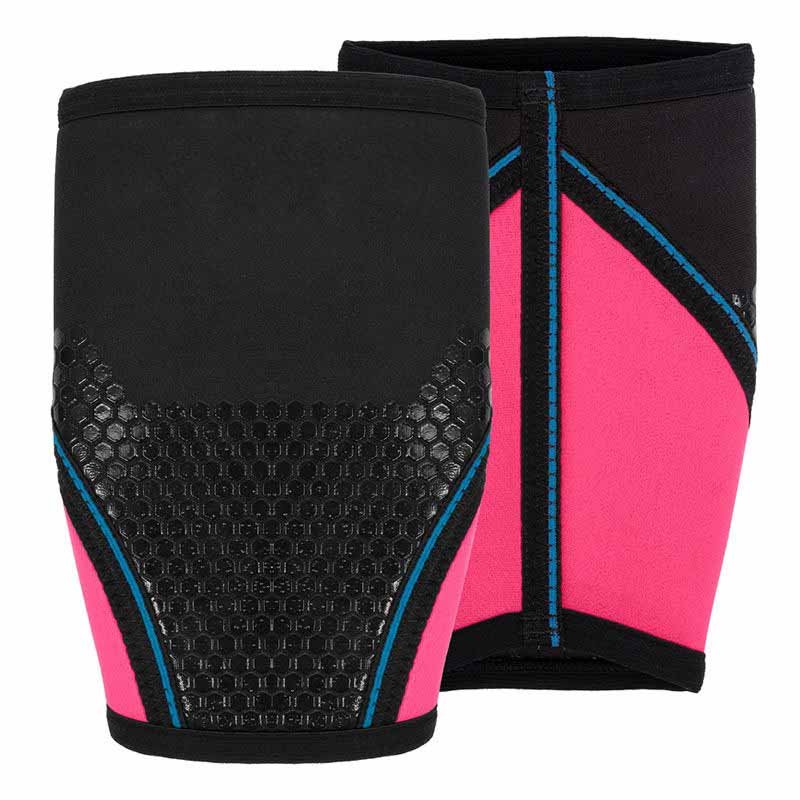
- Silicone wave or dot printing
- Silicone strips at key positions
- Textured or brushed inner fabric
- Combination of grip zones and compression zones
Placement is critical. For example:
- Knee braces often require grip at the upper thigh area to prevent sliding down
- Elbow braces need grip around the upper arm to prevent rotation
- Ankle supports rely more on structural fit than heavy silicone use
If grip is applied incorrectly, it can cause uneven pressure or discomfort without solving the slipping problem.
The fourth element is pattern and structural design. A flat piece of neoprene wrapped around a joint will not perform well. High-quality braces use:
- Pre-curved panels that follow joint movement
- Multi-piece construction for better fit
- Reinforced zones around stress areas
In production, even a 2–3mm difference in panel alignment can affect how the brace behaves during motion.
The fifth element is production consistency. A sample that fits well is only useful if the factory can reproduce the same result in bulk. This requires:
- Stable material sourcing
- Accurate cutting tolerance
- Consistent silicone application
- Controlled stitching quality
Without this, one batch may perform well while the next shows slipping issues, which creates problems for customers selling under their own brand.
The table below summarizes how these elements work together:
| Key Factor | Manufacturing Control | Impact on End User |
|---|---|---|
| Neoprene structure | Thickness, density, lamination | Support and flexibility |
| Compression control | Stretch tolerance, sizing | Fit and stability |
| Grip design | Silicone type and placement | Anti-slip performance |
| Pattern structure | Panel shaping and alignment | Movement stability |
| Production consistency | QC process and repeatability | Reliable product quality |
Why Is Neoprene Brace Manufacturing with Anti Slip Design Important?
For customers developing brace products, anti-slip design is directly connected to market performance. It affects how the product is used, how it is reviewed, and whether it generates repeat orders.
The first reason is real-use stability. A brace that shifts position loses its support function. For example:
- A knee brace that drops 3–5 cm during running changes pressure distribution
- An elbow brace that rotates reduces targeted compression
- A wrist brace that moves affects joint alignment
These issues are immediately noticeable to users and often lead to dissatisfaction.
The second reason is user comfort over time. Many braces feel acceptable when first worn but become uncomfortable after continuous use. Common complaints include:
- Rolling edges
- Bunching behind joints
- Skin irritation from constant adjustment
Anti-slip design reduces the need for repositioning, which improves long-term comfort.
The third reason is product reviews and return rates. In online sales, slipping is one of the most frequent negative feedback points for braces. Customers often describe it as:
- “Doesn’t stay in place”
- “Slides down during use”
- “Needs constant adjustment”
These issues lead to:
- Lower ratings
- Higher return rates
- Reduced conversion for future sales
The fourth reason is cost control for brands. Quality problems related to slipping create hidden costs:
- Replacement shipments
- Customer service time
- Inventory loss
- Reduced reorder confidence
Fixing anti-slip issues at the manufacturing stage is significantly more cost-effective than handling them after products reach the market.
The fifth reason is product positioning and competitiveness. In a crowded market, many braces compete on price and appearance. Anti-slip performance offers a clear functional advantage that customers can feel immediately. This makes it easier to:
- Differentiate products
- Justify higher pricing
- Build stronger brand trust
The comparison below shows how anti-slip design affects product outcomes:
| Product Performance | Without Anti Slip Design | With Anti Slip Design |
|---|---|---|
| Stability during movement | Low | High |
| User adjustment frequency | Frequent | Minimal |
| Comfort over time | Decreases | Remains stable |
| Customer feedback | More complaints | More positive reviews |
| Reorder potential | Uncertain | Stronger |
In real sourcing decisions, the most important question is not whether a brace uses neoprene, but whether the product is engineered to perform under real conditions. Anti-slip design is one of the clearest indicators of that.
Manufacturers with long-term experience in neoprene materials and product development, such as Oneier, focus on combining material selection, pattern design, and grip technology into a complete system. This approach helps ensure that the product not only looks good in samples but also performs consistently in real use, which is what customers ultimately care about.
Which Materials Support Neoprene Brace Manufacturing with Anti Slip Design?
Neoprene brace performance starts with material selection, but not in the simple way many customers expect. Choosing “neoprene” is only the beginning. The real difference in product quality comes from the type of neoprene, its structure, its lamination, and how it interacts with anti-slip materials.
Materials that support neoprene brace manufacturing with anti slip design must provide stable elasticity, skin-friendly contact, controlled compression, and strong compatibility with grip elements such as silicone or textured lining. The goal is to create a balance between support, comfort, and friction without causing irritation or instability.
Which Neoprene Is Used in Neoprene Brace Manufacturing with Anti Slip Design?
Neoprene used in braces is not a single standardized material. It is typically categorized into three main types: SBR, SCR, and CR, each with different performance levels and cost structures.
SBR (Styrene Butadiene Rubber) is the most cost-effective option. It provides decent elasticity and basic compression, making it suitable for entry-level supports or short-term use products. However, it has limitations in durability, odor resistance, and long-term elasticity retention. For products targeting lower price segments, SBR can work, but it is rarely used for premium braces.
SCR (Styrene Chloroprene Rubber) is a blended material that combines SBR and CR properties. It offers a better balance between cost and performance. SCR is widely used in mid-range sports supports because it provides improved elasticity, better resistance to deformation, and more stable lamination compared to pure SBR.
CR (Chloroprene Rubber), often referred to as high-grade neoprene, is used in higher-end products. It offers superior flexibility, better aging resistance, improved temperature stability, and lower odor. CR is especially suitable for braces designed for frequent use, high movement, or premium positioning.
In addition to material type, thickness selection is critical. Common neoprene thicknesses for braces include:
| Thickness | Typical Use | Performance Effect |
|---|---|---|
| 1.5–2mm | Light support sleeves | High flexibility, low compression |
| 3mm | General sports braces | Balanced support and comfort |
| 5mm | Heavy-duty support | Strong compression, reduced flexibility |
| 7mm+ | Specialized orthopedic use | Maximum support, limited mobility |
However, thickness alone does not determine performance. Two 3mm neoprene sheets can behave very differently depending on:
- Foam density
- Lamination quality
- Stretch direction
- Fabric outer layer
For anti-slip design, the neoprene must also work well with inner grip materials. If the surface is too smooth, silicone may not bond properly. If it is too rough, it may irritate skin. This is why experienced manufacturers test compatibility between neoprene and grip elements before production.
From a sourcing perspective, customers should always confirm:
- Material type (SBR / SCR / CR ratio)
- Thickness tolerance (commonly ±0.2mm)
- Fabric lamination type (nylon, polyester, brushed)
- Stretch direction (2-way or 4-way stretch)
Without these details, two products labeled as “neoprene braces” can have completely different performance levels.
Which Anti Slip Materials Fit Neoprene Brace Manufacturing with Anti Slip Design?
Anti-slip performance depends heavily on the materials used on the inner side of the brace. These materials increase friction between the brace and the skin or clothing, helping the product stay in position during movement.
The most widely used anti-slip materials include:
1. Silicone Printing (Most Common Solution)
Silicone is applied in patterns such as waves, dots, or lines on the inner surface. It creates a high-friction contact point that reduces sliding.
Advantages:
- Strong grip effect
- Flexible and skin-friendly
- Customizable patterns
Key control points:
- Silicone thickness (too thin = weak grip, too thick = discomfort)
- Adhesion strength (must not peel after washing or stretching)
- Placement accuracy
2. Silicone Strips or Bands
Instead of full printing, silicone can be applied as strips around key areas such as the upper edge of a knee brace.
Advantages:
- Targeted grip zones
- Lower material usage
- Clean appearance
Common issue:
- Uneven pressure distribution if placement is incorrect
3. Textured Inner Fabric (Brush or Grip Knit)
Some braces use brushed fabric or specially knitted textures to create friction without silicone.
Advantages:
- Softer skin contact
- Better breathability
- Lower risk of irritation
Limitations:
- Weaker grip compared to silicone
- Less effective in high-sweat conditions
4. Combined Solutions
High-performance braces often combine multiple approaches:
- Silicone printing + compression fit
- Grip fabric + structural shaping
This layered approach improves overall stability.
The table below compares anti-slip material options:
| Anti-Slip Type | Grip Strength | Comfort Level | Durability | Best Use |
|---|---|---|---|---|
| Silicone printing | High | Medium–High | High | Sports braces |
| Silicone strips | Medium–High | High | High | Knee/elbow braces |
| Textured fabric | Medium | Very High | Medium | Light support |
| Combined system | Very High | High | High | Premium products |
For customers, the key is not choosing the “strongest” grip, but choosing the right balance. Too much grip can feel sticky and uncomfortable. Too little grip leads to slipping. The correct solution depends on:
- Target user (athlete, daily use, medical support)
- Wearing duration
- Sweat level
- Movement intensity
Factories like Oneier typically develop anti-slip structures based on real usage scenarios, not just material availability. This includes testing different silicone patterns, adjusting placement zones, and matching grip strength with compression level.
How Does Neoprene Brace Manufacturing with Anti Slip Design Work?
Once materials are selected, the next step is turning them into a functional product. This process involves multiple stages, each of which affects the final performance of the brace.
Neoprene brace manufacturing with anti slip design works by combining lamination, cutting, shaping, stitching, and grip integration processes to produce a brace that maintains position, delivers support, and performs consistently during use.
How Is Neoprene Processed in Neoprene Brace Manufacturing with Anti Slip Design?
The manufacturing process begins with neoprene lamination, where the rubber foam is bonded with fabric layers on one or both sides. This determines the final feel, durability, and stretch behavior of the material.
After lamination, the material goes through cutting and shaping. Precision cutting is critical because even small deviations can affect fit and compression. Advanced factories use:
- CNC cutting machines
- Laser cutting systems
- Die cutting for mass production
Next comes pattern assembly and stitching. This is where the brace takes its final shape. The way panels are joined affects:
- Fit accuracy
- Pressure distribution
- Structural stability
Common stitching methods include:
- Flatlock stitching (for comfort and flexibility)
- Overlock stitching (for durability)
- Reinforced stitching at stress points
Poor stitching can lead to:
- Seam irritation
- Reduced elasticity
- Early product failure
Finally, edge finishing and trimming are done to ensure:
- Clean appearance
- Smooth edges
- Consistent sizing
Each of these steps must be controlled carefully to maintain quality.
How Is Anti Slip Added in Neoprene Brace Manufacturing with Anti Slip Design?
Anti-slip elements are typically added after or during the main assembly process, depending on the design.
Silicone printing is one of the most common methods. It involves applying liquid silicone onto the fabric surface and curing it under controlled temperature.
Key factors in this process include:
- Printing temperature
- Curing time
- Pattern precision
- Adhesion strength
If the process is not controlled properly, problems can occur:
- Silicone peeling off
- Uneven grip effect
- Reduced elasticity in printed areas
Another method is integrated structural design, where the brace shape itself helps reduce movement. This includes:
- Anatomical shaping
- Elastic panel placement
- Strap positioning
In higher-end products, both approaches are combined. For example:
- Silicone grip zones at key areas
- Compression zones for stability
- Reinforced edges to prevent rolling
The goal is to distribute pressure and friction evenly, rather than relying on a single strong grip point.
From a customer perspective, the most important thing is whether the manufacturing process can deliver consistent results. A good sample is not enough. The factory must be able to reproduce the same performance across hundreds or thousands of units.
Factories like Oneier, with long-term experience in neoprene product manufacturing, focus on:
- Stable lamination quality
- Accurate pattern cutting
- Consistent silicone application
- Skilled assembly processes
This ensures that the final product does not just look good, but performs reliably in real-world use.
What Improves Neoprene Brace Manufacturing with Anti Slip Design?
Improving a neoprene brace is not about adding more features. It is about refining how the product performs during real use—how it fits, how it moves with the body, and how well it stays in place over time.
Neoprene brace manufacturing with anti slip design is improved by optimizing compression balance, ergonomic structure, grip placement, and long-term comfort. The goal is to enhance stability without sacrificing wearability, especially during extended or high-movement use.
What Design Improves Neoprene Brace Manufacturing with Anti Slip Design?
The most effective improvements in anti-slip performance often come from design, not just materials. A well-designed brace uses its shape and structure to reduce movement naturally.
One key factor is anatomical shaping. Instead of flat patterns, modern braces are designed with curved panels that follow the natural contours of joints such as the knee, elbow, or ankle. This reduces internal shifting and keeps the brace aligned during bending and extension.
Another important factor is compression zoning. Instead of applying the same pressure across the entire brace, different areas are engineered with varying elasticity:
- Higher compression zones for support
- Lower compression zones for flexibility
- Reinforced zones for stability
This approach allows the brace to stay secure without creating pressure points.
Edge design also plays a major role. Poorly finished edges tend to roll or curl during movement, which leads to slipping. High-quality braces use:
- Elastic binding
- Reinforced hems
- Tapered edges
These details help maintain shape and reduce movement over time.
Strap systems are another key improvement area. Adjustable straps allow users to customize fit, which is especially important for products used in sports or rehabilitation. A well-positioned strap can reduce slippage significantly, but poor placement can create discomfort or uneven pressure.
The table below shows how design elements affect anti-slip performance:
| Design Element | Effect on Stability | User Benefit |
|---|---|---|
| Anatomical shaping | Reduces movement | Better fit during motion |
| Compression zoning | Controls pressure | Balanced support |
| Edge reinforcement | Prevents rolling | Improved comfort |
| Strap positioning | Adds stability | Adjustable fit |
For customers developing new products, focusing on design often delivers better results than simply increasing material thickness or adding more grip.
What Features Enhance Neoprene Brace Manufacturing with Anti Slip Design?
Beyond core structure, several additional features can enhance both anti-slip performance and overall user experience.
Breathability and moisture control are critical. Sweat reduces friction between the brace and skin, which increases the risk of slipping. To address this, many braces include:
- Perforated neoprene
- Mesh panels
- Moisture-wicking inner fabric
These features help keep the contact surface drier, improving grip performance over time.
Surface finishing and lining selection also matter. A soft but slightly textured inner lining can increase friction without relying entirely on silicone. This improves comfort for long-term wear and reduces skin irritation.
Reinforced stitching and durability design ensure that anti-slip features remain effective over time. For example:
- Silicone patterns must not crack or peel
- Stitching must maintain elasticity after repeated use
- Fabric layers must not separate
Durability is especially important for products used in sports, where repeated stress is expected.
Another important feature is weight balance. Heavier braces tend to slip more easily if not properly supported. Reducing unnecessary bulk while maintaining support helps improve overall stability.
The combination of these features determines whether a brace performs well after one use or continues performing after weeks or months.
| Feature | Function | Long-Term Impact |
|---|---|---|
| Breathable design | Reduces sweat buildup | Maintains grip |
| Textured lining | Increases friction | Improves comfort |
| Durable stitching | Prevents failure | Extends lifespan |
| Lightweight structure | Reduces downward force | Better stability |
For customers, these details often define whether a product feels like a professional-grade brace or a basic commodity.
How to Control Neoprene Brace Manufacturing with Anti Slip Design Quality?
Quality control is where design and materials are turned into consistent, repeatable results. A good sample means little if the bulk order cannot match its performance.
Controlling neoprene brace manufacturing with anti slip design requires strict material inspection, process control, performance testing, and final product verification to ensure every unit meets the same standard.
How Is Quality Managed in Neoprene Brace Manufacturing with Anti Slip Design?
Quality management begins before production starts and continues through every stage of manufacturing.
Material inspection is the first step. Factories must verify:
- Neoprene thickness and density
- Fabric lamination quality
- Silicone material consistency
If raw materials vary, final products will vary as well.
In-process control is where most problems are prevented. During production, key checks include:
- Cutting accuracy
- Stitch consistency
- Silicone placement and adhesion
This stage ensures that defects are corrected early rather than after completion.
Performance testing is essential for anti-slip products. Common tests include:
- Stretch testing to evaluate elasticity
- Friction testing to measure grip performance
- Repeated use simulation to check durability
Final inspection ensures that only acceptable products are shipped. This typically includes:
- Visual inspection
- Size measurement
- Functional testing
A structured quality system looks like this:
| Stage | Focus | Result |
|---|---|---|
| Material check | Input quality | Stable foundation |
| Production control | Process stability | Fewer defects |
| Testing | Performance validation | Reliable function |
| Final inspection | Shipment quality | Consistent delivery |
For customers, the key question is whether the factory applies these steps consistently, not just occasionally.
Why Choose Oneier for Neoprene Brace Manufacturing with Anti Slip Design?
Choosing the right manufacturing partner is one of the most important decisions in product development. For neoprene braces, experience and process control make a significant difference.
With over 18 years of experience in neoprene material development and product manufacturing, Oneier focuses on delivering stable, high-quality products for global customers.
Key advantages include:
1. Material Expertise
Oneier works with a wide range of neoprene types (SBR, SCR, CR) and can recommend the best option based on product positioning and budget.
2. Custom Design Support
From pattern development to anti-slip structure design, Oneier helps optimize products for real-world use, not just appearance.
3. Flexible Manufacturing
- Low MOQ customization
- Fast sampling
- Short production lead times
4. Quality Control System
Oneier applies structured quality control across all stages:
- Material inspection
- In-line production checks
- Final product testing
5. OEM / ODM Capability
Customers can develop:
- Private label products
- Custom logos and packaging
- Unique functional designs
For brands, distributors, and eCommerce sellers, this means:
- Faster product development
- More reliable quality
- Lower risk during scaling
Start Your Custom Neoprene Brace Project with Oneier
If you are planning to develop or upgrade a neoprene brace product line, focusing on anti-slip design from the beginning will give your product a clear advantage in the market.
A well-designed brace:
- Stays in place during movement
- Feels comfortable over long wear
- Performs consistently across batches
Whether you are launching a new product or improving an existing one, working with a factory that understands both materials and real-world performance can make a significant difference.
Send your inquiry today to get free design suggestions, material recommendations, and a customized quotation for your neoprene brace project.