
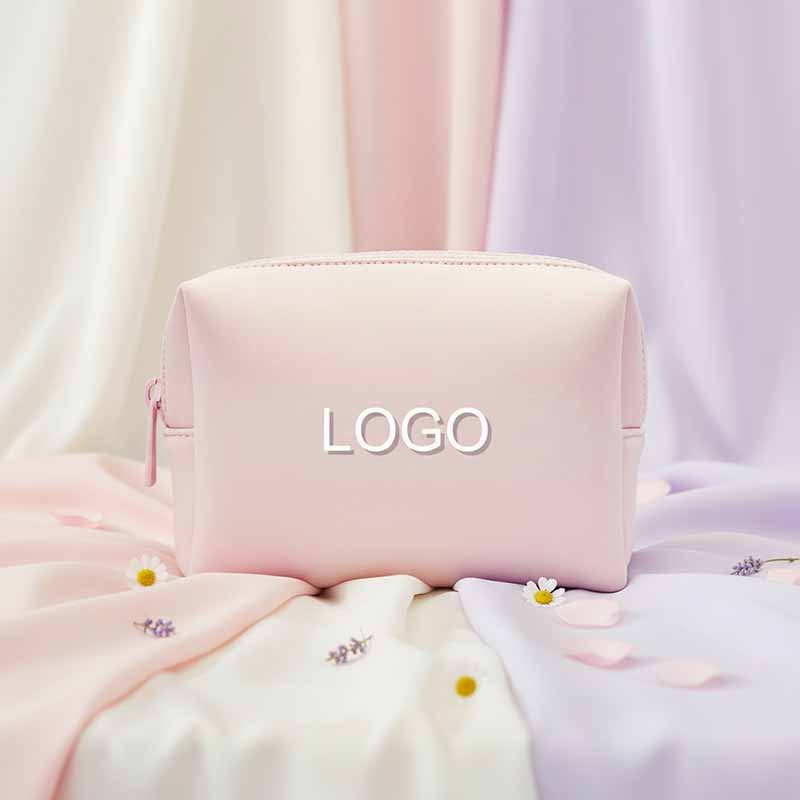
A neoprene bag can look simple on the surface, but the difference between an average product and a strong one usually starts deep inside the manufacturing process. Many brands focus first on color, shape, and logo placement, which makes sense because those are the easiest things to see. But in real use, customers notice something else first. Does the bag feel thick enough? Does it keep its shape? Does the logo still look clean after repeated use? Do the handles stretch too much? Does the edge sewing stay flat, or does it start to wave and deform? These are the details that separate a product that gets one order from a product that gets repeat orders.
Neoprene bags with logo are made by combining neoprene rubber with fabric, cutting the material into bag panels, applying the logo through methods such as sublimation, screen printing, or heat transfer, and then sewing or bonding the parts into a finished bag. The final result depends on several linked decisions, including neoprene thickness, outer fabric, printing method, stitching quality, edge finishing, and the intended use of the bag.
For brands, importers, and private label sellers, this matters more than it may seem at first. A logo on neoprene is not just decoration. It is part of the product’s value, shelf appeal, and long-term brand impression. If the printing method is wrong, the design may fade or crack. If the neoprene is too soft, the bag may sag. If the structure is not matched to the load, the bag may stretch out after only a short time. That is why manufacturing knowledge is not just a factory-side issue. It is a commercial advantage.
Imagine two similar neoprene tote bags placed next to each other. One feels dense, smooth, and well-shaped, with a sharp logo and clean seams. The other feels soft in a weak way, the print looks flat, and the opening loses shape after a few uses. Online, they may have looked almost identical. In the customer’s hand, they are not even close. That gap begins long before the product is packed into a carton. It begins with how the bag is made.
What Are Neoprene Bags?
Neoprene bags are soft, flexible bags made from neoprene rubber laminated with fabric. They are known for cushioning, water resistance, stretch, and strong visual appeal. Compared with many standard fabric bags, they usually feel thicker, look more premium, and offer better protection for the items inside.
What are neoprene bags used for?
Neoprene bags are used in a wide range of product categories because the material combines protection, flexibility, and appearance in one package. That combination is difficult to get from ordinary woven fabric alone. A canvas bag may look natural. A polyester bag may be lightweight. But neoprene offers softness, shock absorption, and structure at the same time, which is why it works so well in products that need both function and branding.
Common neoprene bag categories include:
- Tote bags
- Lunch bags
- Cooler bags
- Laptop sleeves
- Cosmetic pouches
- Bottle holders
- Wine bags
- Beach bags
- Sports accessory bags
- Promotional gift bags
Each use category places different demands on the material and structure. A laptop sleeve needs padding and a clean zipper line. A lunch bag needs insulation and easy cleaning. A tote bag needs better handle reinforcement and enough body strength to avoid sagging. A cosmetic pouch needs a balance between flexibility and shape retention.
Below is a simple comparison of product types and what customers usually care about most:
| Product Type | Main Customer Concern | Key Material Requirement | Structural Priority |
|---|---|---|---|
| Tote bag | Shape, comfort, logo look | Medium to thick neoprene | Handle strength |
| Lunch bag | Insulation, easy cleaning | Closed-cell neoprene | Stable base |
| Laptop sleeve | Protection, smooth fit | Dense neoprene | Accurate sizing |
| Cosmetic pouch | Softness, appearance | Smooth laminated surface | Clean zipper opening |
| Bottle holder | Stretch, grip, thermal hold | Flexible neoprene | Strong side seams |
In actual market demand, tote bags and lunch bags are among the most frequently developed neoprene categories because they combine branding value with everyday use. That matters for repeat exposure. A branded neoprene tote bag seen in cafés, offices, travel settings, and retail environments works like a moving advertisement. A custom lunch bag does the same, especially in commuter and family segments.
For this reason, Oneier usually starts development by asking a simple but important question: What should the bag do in real life? That answer affects thickness, lamination, logo method, handle design, stitching, and packaging. Without that clarity, even a visually attractive bag can turn into a weak product once it reaches the customer.
Why choose neoprene bags?
Brands choose neoprene bags because they solve several product problems at once. They do not just carry items. They protect them, present the logo well, and create a more premium feel than many low-cost alternatives.
The most common reasons brands and importers choose neoprene are:
- Good cushioning performance
- Water-resistant surface
- Soft but durable feel
- Strong print compatibility
- Comfortable hand feel
- Slight stretch for flexible fit
- Modern, premium look
From a user point of view, these features translate into practical benefits:
- Electronics feel safer inside
- Drinks and lunch items stay better insulated
- The bag is more comfortable to carry
- The product feels more giftable and more retail-ready
- The logo often looks brighter and more integrated than on rougher fabrics
To understand why neoprene is attractive, it helps to compare it with other materials often used in bags:
| Feature | Neoprene | Canvas | Oxford / Polyester | PU Leather |
|---|---|---|---|---|
| Soft cushioning | High | Low | Low | Low |
| Water resistance | High | Low | Medium | High |
| Stretch | Medium | Very low | Very low | Low |
| Print surface quality | High | Medium | Good | Medium |
| Insulation value | High | Low | Low | Low |
| Premium feel | High | Medium | Medium | High |
| Daily comfort | High | Medium | Medium | Medium |
Neoprene does cost more than many standard fabrics, so it is not always the cheapest route. But for many mid-range and higher-positioned products, the added material value supports better margins and better product perception. In custom projects, this becomes especially important because customers do not only compare price. They compare feel, look, and whether the product seems worth keeping.
Another reason neoprene performs well is that it works across many design languages. It can look sporty, minimal, modern, lifestyle-focused, giftable, or even fashion-oriented depending on the shape, trim, and logo approach. That flexibility gives brands more room to create a distinct product without changing the core material system.
How are neoprene bags made?
Neoprene bag manufacturing is not a one-step process. It is a chain of decisions, and each decision changes the final product. This is where many low-quality products begin to fail. They may use neoprene, but they do not use the right neoprene, the right lamination, or the right assembly process for the intended bag type.
A standard neoprene bag production process usually includes:
- Selecting neoprene thickness and density
- Laminating fabric to one or both sides
- Preparing print artwork and color layout
- Printing the fabric surface
- Cutting panels to pattern shape
- Sewing or bonding the bag body
- Adding zippers, handles, piping, or accessories
- Inspecting shape, sewing, and print quality
- Packing and final shipment preparation
The order of some steps can change depending on the logo method and product design. For example, all-over sublimation usually happens before panel assembly. Small logo placements may be added after cutting but before final sewing.
The production choices below have a direct effect on the finished bag:
| Production Choice | What It Affects |
|---|---|
| Neoprene thickness | Shape, cushioning, cost |
| Fabric lamination | Print quality, surface feel |
| Cutting precision | Final symmetry and fit |
| Stitch density | Durability and load performance |
| Edge finishing | Product appearance and deformation risk |
| Logo method | Color sharpness and long-term durability |
One common mistake is assuming that thicker neoprene always means better quality. In reality, thickness should match the product. A tote bag may work well in 3mm to 5mm depending on size and load. A laptop sleeve often needs more stable protection. A small pouch may become too bulky if the neoprene is overly thick. So the right material is not the thickest material. It is the material that fits the actual use.
Oneier’s advantage in this area comes from long-term experience with neoprene itself, not just bag sewing. That matters because neoprene behaves differently from canvas, woven polyester, or PU. It stretches, compresses, rebounds, and reacts to heat differently. Factories that understand that behavior tend to make better decisions on pattern size, seam allowance, logo positioning, and handle reinforcement.
How Is Logo Printing Done on Neoprene Bags?
Logo printing on neoprene bags is done by applying designs to the laminated fabric surface using methods such as sublimation, screen printing, or heat transfer. The right method depends on the artwork style, color count, order quantity, surface material, and how the bag will be used.
What printing works for neoprene bags?
Several printing methods can work on neoprene bags, but they do not perform the same way. Some are better for large, colorful graphics. Some are better for clean, simple logos. Some are better for lower-cost runs. Choosing the wrong method can create problems that only show up after shipping, including cracking, poor color matching, uneven edges, or print wear.
The three most common logo methods for neoprene bags are:
- Sublimation printing
- Screen printing
- Heat transfer printing
Each method has its own best-fit use case:
| Printing Method | Best For | Color Ability | Surface Result | Main Limitation |
|---|---|---|---|---|
| Sublimation | Full-color graphics, gradients, patterns | Very high | Smooth, integrated | Needs suitable polyester-facing fabric |
| Screen printing | Simple logos, bold shapes, limited colors | Low to medium | Ink sits on surface | Less ideal for photo-style graphics |
| Heat transfer | Medium-detail graphics, flexible runs | Medium | Film or transferred layer | May feel heavier on surface |
Sublimation is often preferred for neoprene bags with bright, complex, or full-coverage artwork because the color becomes part of the fabric layer instead of sitting thickly on top. This keeps the surface smoother and usually improves long-term appearance.
Screen printing is commonly used for strong brand marks, one-color logos, slogans, and simple layouts. It can be cost-effective for straightforward designs, especially when artwork is not highly detailed.
Heat transfer is useful when the design needs flexibility in smaller production settings or when certain visual effects are required. However, long-term wear performance depends heavily on film quality, pressing control, and end use.
Customers often focus on the look of the logo on day one, but factories also need to think about day thirty, day ninety, and beyond. That is where the real value of choosing the right method shows up.
Which logo printing lasts longer?
Durability is one of the most important questions in custom neoprene bag development because the logo is often the first thing customers notice when it starts to fail. A faded or cracked logo weakens the whole product, even if the bag structure itself remains usable.
In general, durability ranking often looks like this under normal use conditions:
| Printing Method | Wear Resistance | Crack Resistance | Wash / Moisture Performance | Long-Term Branding Value |
|---|---|---|---|---|
| Sublimation | High | High | High | Strong |
| Screen printing | Medium to high | Medium | Medium | Good |
| Heat transfer | Medium | Medium to low | Medium | Varies by film quality |
Sublimation usually performs best for long-term appearance because the color enters the fabric layer rather than sitting as a thick surface deposit. This reduces the chance of cracking or peeling. It is especially useful for products that will be used often, folded repeatedly, or exposed to sunlight and friction.
Screen printing can be durable as well when used correctly, but it is more dependent on ink choice, curing quality, and the complexity of the logo. Large solid prints on highly flexible areas may show wear faster than smaller logos placed in lower-stress locations.
Heat transfer results vary the most. A good heat transfer system can look sharp, but performance depends strongly on the transfer material and process control. For low-use promotional items, it may be fine. For long-term daily products, it requires more careful evaluation.
A practical way to think about it is simple:
- For premium long-term branded bags, sublimation is often the safest choice.
- For clean, simple logo work, screen printing can perform well.
- For special runs or flexible artwork needs, heat transfer may work if quality is controlled carefully.
How does design affect neoprene printing?
A logo method can only perform as well as the design allows. Many print problems are not caused by the printing machine itself. They begin in the artwork file, color plan, or placement decision.
The design factors that most affect neoprene print quality include:
- Color count
- Gradient use
- Fine line thickness
- Artwork size
- Placement area
- Background coverage
- Fabric texture visibility
For example, a small logo with one or two solid colors is often easy to screen print cleanly. A full-surface tropical pattern, photo-style design, or multicolor gradient is better suited to sublimation. A metallic-look graphic or highly specific decorative effect may lead a factory to consider transfer-based solutions.
Below is a simple design-to-print matching guide:
| Design Type | Most Suitable Method | Why |
|---|---|---|
| One-color logo | Screen printing | Clean and cost-effective |
| Two to three color bold logo | Screen printing or transfer | Depends on detail level |
| Full-color pattern | Sublimation | Best color freedom |
| Photo-style graphic | Sublimation | Better detail and blending |
| Small isolated badge-style graphic | Transfer or screen print | Good placement flexibility |
Placement matters too. A logo placed on a flat front panel usually prints more cleanly than one placed across seams, curved gussets, or highly stretched areas. Designs that ignore bag structure can look fine as flat artwork but become distorted after sewing and filling.
Good factories review artwork before sampling for exactly this reason. Oneier usually checks not only whether a logo can be printed, but whether it can still look balanced after stitching, edge turning, stretch, and real product use. That kind of adjustment may seem small, but it often makes the difference between a bag that looks factory-made and a bag that looks professionally developed.
Neoprene Bag Manufacturing and Logo Printing at a Glance
Neoprene bag manufacturing and logo printing work best when the material, artwork, and bag structure are planned together. The strongest products usually come from matching the right neoprene thickness, fabric surface, logo method, and sewing details to the intended use instead of making decisions one by one in isolation.
| Item | Neoprene Bag Requirement | Why It Matters |
|---|---|---|
| Material thickness | Matched to use scenario | Affects shape, protection, and cost |
| Outer fabric | Must fit print method | Influences color clarity and finish |
| Logo method | Chosen by artwork style | Impacts durability and appearance |
| Stitching quality | Must suit stretch material | Affects long-term seam stability |
| Edge finishing | Clean and controlled | Reduces deformation risk |
| Panel cutting | Precise and consistent | Helps bag stay symmetrical |
What customers care about most
When customers evaluate neoprene bags with logos, their questions are usually practical:
- Does the logo stay bright after use?
- Is the bag thick enough to feel premium?
- Will the handle or seam hold up under load?
- Does the bag keep its shape, or does it sag?
- Is the print clean and consistent from piece to piece?
- Does the product look good enough to support my brand pricing?
Those questions are exactly why manufacturing details matter. A neoprene bag is not just a soft bag with a logo added later. It is a material-driven product, and the way it is made determines how the customer judges the brand behind it.
For custom projects, Oneier supports development from material choice and logo recommendation to fast sampling, low MOQ production, and bulk manufacturing control. When the structure and print method are chosen correctly from the start, the final product is much easier to sell, easier to reorder, and more likely to build trust with the end customer.
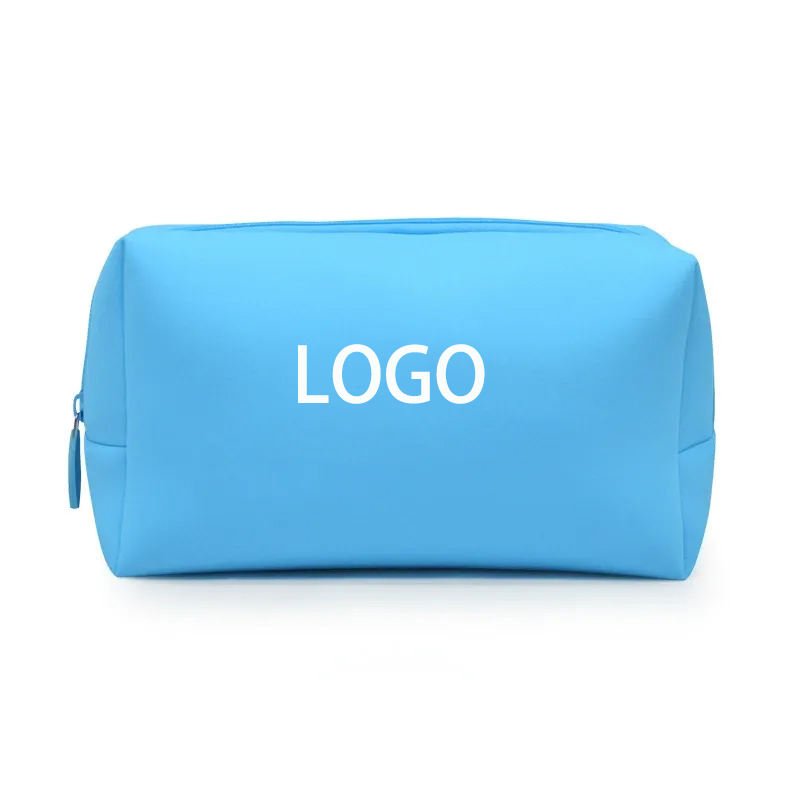
Which Printing Is Best for Neoprene Bags?
The best printing method for neoprene bags depends on how the product will be used, how complex the design is, and how long the logo needs to last. There is no single “best” option for all cases. Instead, the right choice comes from matching the logo style with the material and usage conditions.
Is screen printing good for neoprene bags?
Screen printing works well for neoprene bags when the design is simple and clean. It is commonly used for logos with one or two solid colors, bold shapes, or text-based branding.
From a production point of view, screen printing is stable and cost-effective for medium to large quantities. It also allows consistent color output when Pantone matching is required.
Advantages of screen printing on neoprene:
- Lower cost for simple designs
- Strong color coverage for bold logos
- Good consistency in bulk production
- Suitable for brand marks and text
Limitations to consider:
- Not ideal for gradients or photo-style artwork
- Ink sits on the surface, which can wear over time
- Less flexible when the material stretches repeatedly
Here is a practical comparison:
| Factor | Screen Printing Performance |
|---|---|
| Color range | Limited |
| Detail capability | Medium |
| Durability | Medium to high |
| Best use | Simple logos, bold branding |
| Cost efficiency | High for volume orders |
Screen printing is often chosen for promotional bags, corporate branding projects, and products where cost control is important but visual clarity is still required.
Are sublimation prints better for neoprene bags?
Sublimation printing is widely considered the best option for neoprene bags when the design includes multiple colors, gradients, or full-surface patterns. Instead of sitting on top of the fabric, the ink becomes part of the material surface, which creates a smooth and long-lasting result.
Advantages of sublimation:
- Unlimited color possibilities
- No cracking or peeling
- Excellent detail and gradient performance
- Smooth surface with no raised ink layer
- Ideal for full-print designs
Limitations:
- Requires polyester-based outer fabric
- Slightly higher cost than basic screen printing
- Color accuracy depends on file preparation
Performance comparison:
| Factor | Sublimation Performance |
|---|---|
| Color range | Very high |
| Detail capability | High |
| Durability | High |
| Surface feel | Smooth |
| Best use | Premium products, full-print designs |
Sublimation is especially popular for:
- Fashion-oriented neoprene bags
- Lifestyle and retail collections
- Custom printed tote bags
- Promotional products with complex artwork
For brands that want strong visual impact and long-term logo performance, sublimation is usually the safest choice.
Do heat transfer logos work on neoprene bags?
Heat transfer printing can be used on neoprene bags, but it is more sensitive to material behavior and usage conditions. It works by applying a pre-printed film onto the fabric surface using heat and pressure.
Advantages:
- Flexible for smaller runs
- Can handle medium-detail designs
- Allows certain special finishes
Limitations:
- May feel heavier or slightly stiff on the surface
- Durability depends on film quality
- Can show wear under repeated folding or stretching
Comparison overview:
| Factor | Heat Transfer Performance |
|---|---|
| Color range | Medium |
| Detail capability | Medium |
| Durability | Medium |
| Surface feel | Slight film layer |
| Best use | Small batches, flexible designs |
Heat transfer is often used for:
- Short production runs
- Test samples
- Designs that are not suitable for screen printing
However, for long-term branded products, it is usually not the first choice unless carefully tested.
How to Customize Neoprene Bags with Logo?
Customizing neoprene bags is not just about placing a logo on an existing shape. It involves choosing the right size, thickness, structure, and printing method to match real usage. A well-planned customization process reduces errors, improves product performance, and increases customer satisfaction.
How to choose neoprene bag size?
Size selection should be based on what the bag needs to carry, not just visual preference.
Different product types require different proportions:
| Product Type | Recommended Width | Recommended Depth |
|---|---|---|
| Cosmetic pouch | 18–24 cm | 6–10 cm |
| Tote bag | 30–45 cm | 12–20 cm |
| Lunch bag | 25–35 cm | 12–18 cm |
| Laptop sleeve | Device-specific | Slim fit |
Choosing the wrong size leads to:
- Poor usability
- Overstretching
- Weak structure
- Negative customer feedback
A good approach is to list all items the user will carry and design around that list.
At Oneier, size confirmation is often done using real product fitting instead of estimated dimensions. This reduces mismatch between expectation and actual use.
How to select neoprene thickness?
Neoprene thickness is one of the most important decisions in product development. It directly affects structure, weight, cost, and performance.
Common thickness options:
| Thickness | Typical Use |
|---|---|
| 2mm | Lightweight pouches |
| 3mm | Cosmetic bags, sleeves |
| 4mm | Tote bags, lunch bags |
| 5mm+ | Heavy-duty or structured bags |
Key considerations:
- Thicker neoprene → better shape and cushioning
- Thinner neoprene → lighter and more flexible
- Too thick → bulky and harder to sew
- Too thin → weak structure and lower perceived quality
The correct thickness depends on:
- Product size
- Load weight
- Desired structure
- Target price level
Many product issues come from incorrect thickness selection, not from poor sewing.
How to prepare logo files for neoprene printing?
Logo preparation has a direct impact on final print quality. Even with a good printing method, poor file setup can lead to disappointing results.
Best practices for logo files:
- Use vector formats (AI, EPS, PDF)
- Define colors clearly (Pantone or CMYK)
- Avoid overly thin lines
- Adjust colors for dark backgrounds
- Consider print area and placement
Common mistakes include:
- Low-resolution images
- Incorrect color profiles
- Designs too complex for chosen method
- Ignoring fabric stretch and seam placement
Below is a quick guide:
| Design Element | Recommendation |
|---|---|
| File format | Vector preferred |
| Color control | Pantone or CMYK |
| Line thickness | Avoid very fine lines |
| Placement | Avoid seams and curves |
| Background | Adjust for material color |
At Oneier, logo files are usually checked and adjusted before sampling. This helps avoid production delays and ensures better consistency in bulk orders.
Neoprene Bag Customization at a Glance
Custom neoprene bags perform best when size, thickness, and printing are aligned from the beginning.
| Decision Area | What to Focus On |
|---|---|
| Size | Match real usage |
| Thickness | Balance structure and weight |
| Printing | Match design complexity |
| Material | Fit product positioning |
| Structure | Ensure usability and durability |
What customers focus on before ordering
From real inquiries and product feedback, customers usually ask:
- Will the logo look exactly like my design?
- Is the bag strong enough for daily use?
- Can the size fit my product correctly?
- How long will the printing last?
- Is the sample consistent with bulk production?
Answering these questions clearly is what turns interest into actual orders.
How to Choose Neoprene Bag Manufacturer
Choosing the right manufacturer is one of the most important decisions in neoprene bag development. Even with a good design and clear logo, the final product can fail if the factory lacks experience with neoprene materials or does not control production details properly.
A strong manufacturer does more than produce bags. It helps refine your design, avoid common mistakes, and ensure consistent quality from sample to bulk production.
What to check in neoprene bag manufacturing?
When evaluating a neoprene bag manufacturer, it is important to look beyond price and focus on production capability and experience.
Key factors to check include:
- Experience with neoprene material (not just general bag production)
- Ability to control lamination quality
- Printing capability (sublimation, screen, transfer)
- Sewing quality and edge finishing
- Sample accuracy compared to bulk production
- Quality control process before shipment
Below is a practical checklist:
| Check Point | Why It Matters |
|---|---|
| Neoprene sourcing | Affects durability and consistency |
| Lamination quality | Prevents fabric peeling |
| Printing capability | Ensures logo clarity and durability |
| Stitching strength | Determines product lifespan |
| Edge finishing | Impacts product appearance |
| QC process | Reduces defect rate |
A common mistake is choosing a factory that mainly produces standard fabric bags and only occasionally works with neoprene. Neoprene behaves differently—it stretches, compresses, and reacts to heat differently. Without experience, small errors in cutting, sewing, or printing can lead to visible defects.
Factories that specialize in neoprene products are more likely to control these variables properly.
How do MOQ and sampling work?
MOQ (Minimum Order Quantity) and sampling are key parts of the decision process, especially for small and medium-sized brands.
Typical industry conditions:
| Stage | Standard Practice |
|---|---|
| Sampling time | 5–10 days |
| Sample cost | Refundable in bulk order |
| MOQ | 100–500 pcs depending on design |
| Bulk production | 20–35 days |
However, these numbers vary depending on:
- Product complexity
- Printing method
- Material availability
- Order size
For new brands or product testing, flexibility is important. Lower MOQ allows you to test the market without taking high inventory risk.
Sampling is equally important. A good sample should match the final product in:
- Material thickness
- Logo appearance
- Size accuracy
- Structure and feel
If the sample differs too much from bulk production, it often leads to disputes, delays, or quality issues.
At Oneier, sampling is treated as a critical step rather than a simple preview. Adjustments are usually made after sample review to ensure the final product meets expectations.
Why choose experienced neoprene bag factories?
Working with an experienced neoprene-focused factory reduces risk and improves product quality.
Key advantages include:
- Better understanding of neoprene behavior
- More accurate pattern development
- More stable printing results
- Better control of stretch and shape
- Faster problem-solving during production
Here is a comparison:
| Factor | General Bag Factory | Neoprene Specialist Factory |
|---|---|---|
| Material knowledge | Limited | Strong |
| Printing experience | Basic | Advanced |
| Structural design | Standard | Optimized for neoprene |
| Quality consistency | Variable | More stable |
| Problem handling | Slower | Faster |
Neoprene is not just another fabric. It requires different handling in cutting, sewing, and printing. Factories with long-term experience are better at preventing issues before they happen.
Why Work with Oneier for Neoprene Bags with Logo
Oneier has over 18 years of experience focused on neoprene material development and product manufacturing. This specialization allows better control over both material performance and finished product quality.
What Oneier offers
Oneier supports a wide range of neoprene products, including:
- Neoprene tote bags
- Lunch and cooler bags
- Cosmetic pouches
- Bottle holders and koozies
- Sports and medical support products
- Wetsuits and protective gear
How Oneier improves product success
Instead of only producing what is requested, Oneier focuses on improving the final product performance.
This includes:
- Recommending suitable neoprene thickness
- Adjusting structure for better usability
- Suggesting the best printing method for the logo
- Optimizing pattern to reduce material waste
- Ensuring consistency between samples and bulk orders
These adjustments may seem small, but they directly affect:
- Product durability
- Customer satisfaction
- Brand reputation
- Repeat order rate
Why customization increases sales
Custom neoprene bags often perform better than standard products because they are designed around real use cases.
Benefits of customization:
- Better fit for target customers
- Stronger brand identity
- Higher perceived value
- Less direct price competition
- Improved customer loyalty
For e-commerce sellers, this often leads to:
- Higher conversion rates
- Better product reviews
- Lower return rates
For wholesale buyers, it helps:
- Differentiate product lines
- Build consistent collections
- Increase order value
Start Your Neoprene Bag Project
Developing a neoprene bag with logo is not just about creating a product. It is about creating something that works well, looks right, and represents your brand clearly in the market.
If you are planning to launch or upgrade your product line, the first step is simple:
- Define your use scenario
- Prepare your logo or concept
- Choose a suitable product type
- Work with a factory that understands neoprene
Oneier supports the full process from idea to production, helping you avoid common mistakes and move faster from concept to finished product.
Neoprene bags are not just about material. They are about how material, structure, and printing work together. When these elements are aligned, the product feels natural, durable, and valuable. When they are not, even a good-looking design can fail in real use.
If you are ready to develop neoprene bags with logo:
- Send your design, idea, or reference
- Tell us your target market and quantity
- Get a professional recommendation within 24 hours
Start your custom project with Oneier today and create neoprene products that your customers will actually use—and reorder.