
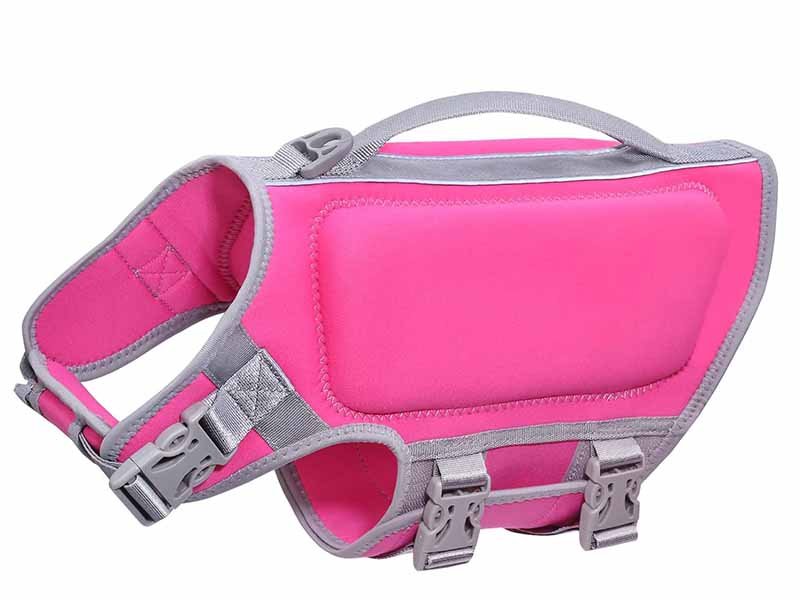
Cold weather pet products are no longer a niche category. In many markets, dog owners now expect the same things from pet outerwear that they expect from human outdoor gear: warmth, flexibility, water resistance, secure fit, and good-looking design. That shift has changed what makes a dog jacket competitive. A basic polyester shell may look fine on a shelf, but once a dog runs through wet grass, stands in cold wind, or stays outside for more than a few minutes, material performance starts to matter. That is why neoprene has become such an important option in dog jacket development. It is already proven in wetsuits and water-sport products, and its closed-cell foam structure helps reduce heat loss while staying flexible enough for active movement. Dogs most likely to benefit from coats in winter include smaller breeds, short-coated dogs, thin-framed dogs, and dogs exposed to wet, freezing conditions. AKC and VCA both note that small dogs and dogs with low cold tolerance often benefit from winter coats, and VCA advises added protection when temperatures drop below 20°F, especially if the dog is wet.
Neoprene dog jacket manufacturing for cold weather is the process of designing and producing dog jackets with neoprene-based materials that help retain warmth, resist moisture, and support active movement. In practical terms, it combines neoprene thickness selection, pattern design, lamination, cutting, stitching, edge finishing, and fit development to create jackets for winter walks, outdoor work, training, hunting, and water-related use.
The interesting part is that a dog jacket can look simple, but once you start asking why one product feels warm, durable, and easy to wear while another feels bulky, stiff, or poorly fitted, the whole manufacturing story opens up.
What Is Neoprene Dog Jacket Manufacturing for Cold Weather
Neoprene dog jacket manufacturing for cold weather means developing dog outerwear with neoprene-based construction so the final product can deliver insulation, flexibility, weather resistance, and a secure fit. It is not just sewing fabric into a dog coat. It is a technical product process built around material structure, movement, and real outdoor conditions.
What makes neoprene dog jacket manufacturing for cold weather
What makes this product category different is the material itself. Neoprene is not a normal woven textile. It is a foam rubber structure, usually closed-cell, containing gas bubbles that help reduce heat transfer. That is why neoprene is widely used in wetsuits and thermal gear. Water transfers heat far faster than air, and closed-cell neoprene helps slow that heat loss by trapping gas within the material structure. Wikipedia’s wetsuit overview notes that still water conducts heat away far more efficiently than still air, and that the enclosed gas bubbles inside foamed neoprene reduce heat transfer significantly.
For dog jackets, this matters in several ways.
First, neoprene gives real insulation rather than only surface coverage. Many dog coats block wind, but they do not hold warmth effectively when the dog is standing on cold ground or moving through damp air. Neoprene adds a thermal layer that helps keep body heat from escaping too quickly.
Second, neoprene stays flexible. A cold-weather dog jacket must bend with the dog’s shoulders, chest, back, and neck. If the jacket is too rigid, dogs resist wearing it. SurferToday notes that neoprene used in thermal garments is valued for warmth and stretch, and that higher micro-cell structures are associated with improved insulation and elongation.
Third, neoprene gives a more technical product image. For customers selling to outdoor pet brands, hunting lines, sporting dog categories, or premium pet stores, neoprene communicates function more clearly than simple fleece or woven shells.
The material decision also affects the whole commercial structure of the product:
| Product Factor | Standard Fabric Dog Coat | Neoprene Dog Jacket |
|---|---|---|
| Thermal insulation | Low to medium | Medium to high |
| Water resistance | Depends on coating | Naturally better base performance |
| Flexibility in active use | Medium | High |
| Product positioning | General pet apparel | Functional outdoor pet gear |
| Value perception | Moderate | Higher |
That is why neoprene dog jacket manufacturing is not just about choosing a different textile. It changes the performance story, price strategy, and target market of the product.
How neoprene dog jacket manufacturing for cold weather works
A good neoprene dog jacket does not begin at the sewing table. It begins with product positioning. The factory first needs to understand what kind of dog, what kind of climate, and what kind of activity the jacket is being built for. A 2 mm lightweight dog vest for cool-weather walks is a different project from a 5 mm insulated jacket for working dogs, hunting dogs, or wet cold environments.
The manufacturing flow usually follows these stages:
- define target market and use scenario
- choose neoprene thickness and outer surface finish
- develop pattern based on breed size and movement range
- laminate or select lining materials if needed
- cut panels accurately
- stitch or bond panels with reinforcement
- add closures, trims, reflective details, and branding
- test fit, comfort, and durability
Each step matters because neoprene behaves differently from regular fabric. It has bulk, stretch, compression, and edge behavior that must be managed carefully. SurferToday’s wetsuit manufacturing overview explains that neoprene’s gas-filled structure and elasticity are central to how the material works, which is why product build quality strongly affects final performance.
In cold-weather dog outerwear, three technical issues decide whether the jacket feels premium or problematic.
The first is fit balance. A dog jacket must cover enough of the torso to retain warmth, but it cannot block shoulder movement or put pressure on the front legs.
The second is seam handling. Neoprene is strong, but poor seam placement can create rubbing points or weak tension zones.
The third is closure design. Hook-and-loop, zipper, buckle, or hybrid systems all behave differently once mud, moisture, fur, and repeated use enter the picture.
This is why factories with actual neoprene product experience have an advantage. Oneier’s background in neoprene material development and neoprene product manufacturing is valuable here because the product is not only cut-and-sew. It is material-engineering plus wearable-product development.
Are neoprene dog jacket manufacturing for cold weather effective
Yes, neoprene dog jackets can be very effective in cold weather when the design is matched to the dog and the environment. But effectiveness is not only about using neoprene. It depends on thickness, fit, coverage, seam quality, closure reliability, and the activity level of the dog.
Some dogs benefit more than others. AKC says smaller breeds often benefit from coats in cold weather because they lose body heat more easily, while PetMD notes that short-coated, thin-coated, and thin-framed dogs are among the dogs that often need jackets in colder months. VCA also stresses the importance of good fit and recommends waterproof outerwear for winter protection.
That means the real question is not whether neoprene works at all. It is how well the product is specified for the dog’s actual use.
A practical thickness guide looks like this:
| Neoprene Thickness | Product Feel | Best Use Direction |
|---|---|---|
| 2 mm | Light, flexible | Cool weather walks, active smaller dogs |
| 3 mm | Balanced warmth and movement | General winter outdoor use |
| 4–5 mm | Warmer, more protective | Colder climates, wet exposure, working use |
This kind of thickness logic is consistent with wetsuit material practice, where insulation is strongly related to neoprene thickness. Wikipedia’s wetsuit article notes that insulation is proportional to thickness, and common cold-water gear often moves into the 5–6 mm range.
Still, there is an important product-development caution. More thickness is not always better. A thicker jacket may improve warmth, but it can also reduce flexibility, add weight, and make sizing more difficult for smaller or highly active dogs. That is why the most effective product is usually not the thickest one. It is the one that balances warmth, comfort, and range of motion.
Why Neoprene Dog Jacket Manufacturing for Cold Weather
Neoprene dog jacket manufacturing for cold weather matters because it solves three real problems at the same time: heat loss, wet-weather exposure, and movement discomfort. When designed well, neoprene jackets help dogs stay warmer, move more naturally, and remain protected in conditions where ordinary pet clothing often falls short.
How neoprene dog jacket manufacturing for cold weather keeps warm
The warmth benefit comes from neoprene’s closed-cell structure. The material contains many small enclosed gas bubbles, and those bubbles reduce heat transfer. This is the same basic reason neoprene is used in wetsuits. It is not just a fabric cover. It is a thermal material. Wikipedia’s wetsuit article explains that the insulation properties of foamed neoprene depend mainly on enclosed gas bubbles that greatly reduce heat transfer.
For dog jackets, this means the material helps conserve the dog’s natural body heat instead of letting cold air and surface moisture pull it away too quickly. That becomes especially useful in these cases:
- early morning winter walks
- wet grass or light snow exposure
- windy open spaces
- water-adjacent activities
- older dogs or lean dogs with lower cold tolerance
VCA specifically warns that freezing temperatures are risky and that frostbite and hypothermia can occur when pets are wet and exposed to frosty air.
From a product standpoint, warmth performance depends on more than fabric thickness alone. Coverage matters too. A jacket that protects the chest and core area often performs better than one that only covers the back. Fit also matters. If the product is too loose, warm air escapes more easily. If too tight, movement becomes restricted and customer satisfaction drops.
A useful design view is:
| Warmth Factor | Low-Performance Design | Better-Performance Design |
|---|---|---|
| Material | Thin basic shell | Neoprene thermal body |
| Core coverage | Back only | Back plus chest coverage |
| Fit | Loose or shifting | Secure but flexible fit |
| Wet-condition use | Absorbs moisture quickly | Better moisture resistance |
| Cold-wind handling | Limited | Improved barrier effect |
The commercial lesson is clear. Customers do not only want “cute pet clothes.” They want products that clearly help the dog feel better outdoors.
Why neoprene dog jacket manufacturing for cold weather protects dogs
Warmth is the first selling point, but protection is a broader issue. Cold-weather dog jackets also need to reduce exposure to wind, moisture, surface abrasion, and minor outdoor contact. Neoprene performs well here because it combines cushioning, surface density, and water resistance in one material system.
A dog moving through brush, training fields, wet docks, hunting environments, or rough winter terrain can benefit from that combination. The jacket becomes part thermal layer and part protective layer. Wikipedia’s wetsuit overview also notes that neoprene garments are used not only for thermal insulation but also for abrasion and environmental protection.
This is important for several product lines:
- sporting dog jackets
- retriever and hunting dog gear
- winter training vests
- active pet outdoor jackets
- cold-weather dog water-sport accessories
There is also a perception advantage. Customers often associate neoprene with technical gear, which makes the product feel more serious and purposeful. That is useful for private label and OEM clients who want to build a stronger product story in the market.
Still, protection should be defined honestly. A neoprene jacket is not a complete all-weather survival system. It is a practical cold-weather and moisture-management layer. Good suppliers should explain what the jacket is designed to do: improve comfort, reduce heat loss, and provide moderate outdoor protection.
That honesty improves brand trust and makes product positioning easier.
Do neoprene dog jacket manufacturing for cold weather fit all dogs
Not every dog needs the same neoprene jacket, and not every dog needs one at all. This is where smart product development becomes more valuable than broad marketing claims. AKC and PetMD both point out that smaller dogs, short-haired breeds, and thin-bodied dogs often benefit more from coats in winter than heavily insulated breeds.
That means product segmentation should be taken seriously.
A practical segmentation model looks like this:
| Dog Type | Cold-Weather Need | Product Direction |
|---|---|---|
| Small short-haired dogs | High | Soft, warm, light-to-medium neoprene |
| Active medium breeds | Medium to high | Balanced flexibility and coverage |
| Hunting or working dogs | High in harsh conditions | Stronger structure, secure closures |
| Double-coated northern breeds | Lower in mild conditions | Optional, use-case dependent |
| Senior or low-body-fat dogs | High | Better warmth and easy-on design |
Fit is equally important. VCA emphasizes that coats should cover the back, chest, and belly while still allowing free movement, and that poor fit reduces both comfort and function.
This is exactly why OEM and custom manufacturing matter. A one-shape-fits-all approach usually leads to higher return rates, poor reviews, and weak repeat sales. Different breeds have different chest depth, neck shape, back length, and movement patterns. Oneier’s ability to customize neoprene products is especially relevant here because pet apparel success often depends on getting those shape details right, not just selecting a good material.
For serious sellers, the winning strategy is simple: define the target dog profile first, then build the jacket around that use case.
Which Styles in Neoprene Dog Jacket Manufacturing for Cold Weather
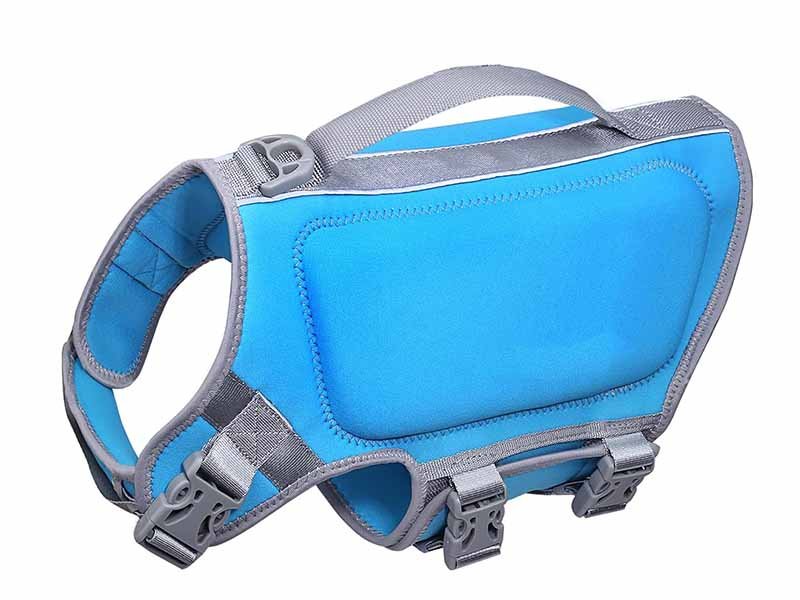
Neoprene dog jacket manufacturing for cold weather includes several core styles such as vest designs, full-body coverage jackets, and customized functional styles. Each style is developed based on different use scenarios, dog body structures, and performance expectations, so choosing the right structure directly impacts comfort, warmth, and product success.
Which vest styles in neoprene dog jacket manufacturing for cold weather
Vest-style neoprene dog jackets are the most common and commercially successful design in this category. They focus on covering the dog’s core body area—back, chest, and sometimes part of the belly—while keeping the legs free for movement.
The reason vest styles dominate the market is simple: they offer the best balance between warmth and mobility. Dogs can run, jump, swim, and turn without restriction, while still benefiting from insulation around vital areas.
From a structural perspective, vest-style designs usually include:
- A contoured back panel that follows the spine
- Extended chest coverage for thermal retention
- Adjustable closures (Velcro, buckle, or zipper)
- Arm openings designed to prevent friction
For product development, vest styles are often the starting point because they are:
- Easier to size across multiple breeds
- Faster to produce with stable cost
- More widely accepted by pet owners
Here is a performance comparison:
| Feature | Vest Style Jacket |
|---|---|
| Warmth level | Medium to high |
| Mobility | Very high |
| Ease of wear | Easy |
| Production complexity | Medium |
| Market demand | Very high |
However, vest designs also have limitations. They may not fully protect the belly in extreme cold or wet conditions, and insulation is focused mainly on the upper body. That is why vest styles are best suited for:
- Daily winter walks
- Light outdoor activities
- Moderate cold environments
For brands, vest-style neoprene jackets are a reliable entry product that combines strong usability with scalable production.
Which full styles in neoprene dog jacket manufacturing for cold weather
Full-coverage neoprene dog jackets extend protection beyond the back and chest to include the belly, neck, and sometimes partial leg coverage. These designs are built for more demanding environments where exposure to cold, water, and wind is higher.
Full styles are commonly used in:
- Hunting and working dog gear
- Water-related activities (retrievers, dock diving)
- Cold climate outdoor use
The key advantage of full styles is maximum protection. By covering more of the dog’s body, these jackets reduce heat loss more effectively and provide better resistance against environmental exposure.
Typical design features include:
- Extended belly panels with wrap-around closures
- Higher neck collars for wind protection
- Reinforced seams for durability
- Thicker neoprene (often 3mm–5mm)
Here is a comparison between vest and full styles:
| Feature | Vest Style | Full Style |
|---|---|---|
| Body coverage | Partial | Full |
| Warmth retention | Medium | High |
| Flexibility | High | Medium |
| Production cost | Lower | Higher |
| Target users | General pet owners | Professional / outdoor users |
From a manufacturing perspective, full styles are more complex. They require:
- More precise pattern development
- Better control of neoprene stretch and fit
- Stronger stitching or bonding techniques
If not designed properly, full jackets can restrict movement or cause discomfort, which leads to poor user experience. That is why experienced factories like Oneier focus heavily on ergonomic pattern development when producing full-coverage neoprene jackets.
Are custom styles in neoprene dog jacket manufacturing for cold weather
Custom styles are where brands create real differentiation in the market. Instead of following standard templates, custom neoprene dog jackets are designed based on specific user needs, brand positioning, and functional requirements.
Customization can include:
1. Functional customization
- Reflective strips for night visibility
- Harness integration points
- Waterproof zippers or reinforced closures
- Quick-release systems
2. Material customization
- Neoprene thickness (2mm / 3mm / 5mm)
- Outer fabric lamination (nylon, polyester, printed fabric)
- Inner lining for comfort
3. Design customization
- Color matching (Pantone)
- Logo printing or embossing
- Unique pattern cuts for brand identity
4. Size and fit customization
- Breed-specific sizing (e.g., Labrador vs Greyhound)
- Adjustable structures for better fit
Here is a comparison of standard vs custom products:
| Aspect | Standard Jacket | Custom Jacket (Oneier) |
|---|---|---|
| Design flexibility | Limited | High |
| Market differentiation | Low | Strong |
| Branding | Basic | Full private label |
| Fit accuracy | General | Targeted |
| Value perception | Medium | High |
Customization also plays a critical role in business strategy. In today’s market, many basic neoprene dog jackets look similar. Without differentiation, price competition becomes the main driver, which reduces profit margins.
By contrast, custom products allow brands to:
- Target specific customer groups
- Increase perceived product value
- Build long-term brand recognition
Oneier supports this process with:
- In-house neoprene material production
- Fast sampling (5–7 days)
- Low MOQ for testing new designs
- Full OEM/ODM service from concept to production
This combination allows brands to move quickly from idea to market-ready product while maintaining quality and consistency.
How Neoprene Dog Jacket Manufacturing for Cold Weather Is Made
Neoprene dog jacket manufacturing for cold weather is built on material control, precise pattern development, and specialized production processes. From raw neoprene sheets to finished jackets, every step affects warmth, flexibility, durability, and overall product quality.
How neoprene dog jacket manufacturing for cold weather uses material
Material selection is the foundation of the entire product. Neoprene itself is not a single material—it is a system made of foam rubber combined with fabric layers on one or both sides. These layers can be customized depending on the product’s target use.
A typical neoprene structure includes:
- Core layer: closed-cell neoprene foam
- Outer layer: nylon or polyester fabric (for durability and appearance)
- Inner layer: soft fabric for comfort against the dog’s body
The choice of thickness directly impacts performance:
| Neoprene Thickness | Warmth | Flexibility | Recommended Use |
|---|---|---|---|
| 2mm | Light | Very high | Mild cold, active dogs |
| 3mm | Medium | High | Daily winter use |
| 4–5mm | High | Medium | Cold climates, water exposure |
Material density also matters. Higher-density neoprene provides better durability but slightly reduces flexibility. Lower-density neoprene feels softer but may wear faster in rough environments.
At Oneier, material development is done in-house, which allows:
- Consistent neoprene quality
- Custom thickness control
- Flexible lamination options
- Better cost-performance balance
This level of control is critical for brands that want stable product quality across different production batches.
How neoprene dog jacket manufacturing for cold weather is produced
The production process of neoprene dog jackets is more technical than standard textile garments. Neoprene requires specialized handling because of its thickness, stretch, and foam structure.
The main production workflow includes:
1. Pattern development
- Based on dog anatomy and movement
- Adjusted for different breeds and sizes
- Focus on balance between fit and flexibility
2. Material cutting
- Die-cutting or CNC cutting for precision
- Ensures clean edges and accurate sizing
3. Lamination and bonding
- Neoprene layers bonded with fabric
- Adhesive or heat lamination used
4. Stitching or flatlock sewing
- Reinforced seams for strength
- Flatlock stitching reduces irritation
5. Edge finishing
- Binding or sealing edges
- Improves durability and comfort
6. Assembly and accessories
- Adding zippers, Velcro, buckles
- Installing reflective strips or branding
7. Quality inspection
- Checking fit, strength, and appearance
- Ensuring consistency across units
Here is a simplified production quality comparison:
| Process Step | Low-Level Production | High-Level Production (Oneier) |
|---|---|---|
| Pattern accuracy | Generic sizing | Ergonomic, breed-focused |
| Cutting precision | Manual variation | CNC consistency |
| Bonding quality | Basic adhesive | Controlled lamination |
| Stitching strength | Standard seams | Reinforced flatlock |
| QC process | Random check | 100% inspection |
Production quality directly impacts customer satisfaction. Weak seams, inaccurate sizing, or poor bonding can quickly lead to product failure, especially in cold and wet environments.
Are thickness important in neoprene dog jacket manufacturing for cold weather
Thickness is one of the most critical factors in neoprene dog jacket performance. It determines how much heat is retained, how flexible the jacket feels, and how suitable it is for different climates.
However, thickness must be balanced carefully.
Key considerations:
- Thicker neoprene = better insulation
- Thinner neoprene = better flexibility
- Overly thick material = reduced comfort and movement
Here is a performance balance chart:
| Factor | Thin (2mm) | Medium (3mm) | Thick (5mm) |
|---|---|---|---|
| Warmth | Low | Medium | High |
| Flexibility | Very high | High | Medium |
| Weight | Light | Medium | Heavy |
| Comfort | High | High | Medium |
| Target use | Mild cold | General winter | Extreme cold |
In real product development, the best solution is often not the thickest option. Instead, it is the right thickness for the intended use.
For example:
- A 3mm jacket is often the most commercially successful because it balances warmth and usability
- A 5mm jacket works well for niche markets such as hunting or water dogs
- A 2mm jacket fits lightweight, high-mobility products
This is where professional guidance from a manufacturer becomes important. Oneier helps clients select the right thickness based on:
- Target market climate
- Dog activity level
- Product positioning (entry-level vs premium)
How to Choose Neoprene Dog Jacket Manufacturing for Cold Weather
Choosing the right neoprene dog jacket manufacturing solution requires balancing performance, cost, design, and market positioning. The goal is to create a product that meets user needs while remaining competitive in pricing and production.
What neoprene dog jacket manufacturing for cold weather to choose
The first step is to define the product direction. This includes:
- Target customer group
- Climate conditions
- Dog types and sizes
- Expected price range
For example:
- Entry-level products → simpler design, 2–3mm neoprene
- Mid-range products → balanced features, 3mm neoprene
- Premium products → advanced design, 3–5mm neoprene
Here is a selection guide:
| Product Level | Material | Features | Target Market |
|---|---|---|---|
| Entry | 2–3mm neoprene | Basic design | Mass market |
| Mid-range | 3mm neoprene | Better fit, durability | Outdoor users |
| Premium | 3–5mm neoprene | Advanced features | High-end brands |
Which neoprene dog jacket manufacturing for cold weather fits best
The best manufacturing solution is not the cheapest one—it is the one that delivers stable quality and consistent performance.
Key evaluation factors include:
- Material control capability
- Production experience with neoprene
- Sampling speed and flexibility
- Quality control system
- MOQ and customization support
Oneier stands out because of:
- 18+ years of neoprene manufacturing experience
- In-house material development
- Integrated production (fabric + product)
- Fast sampling (5–7 days)
- Low MOQ for new product testing
This combination reduces risk for brands and allows faster product development cycles.
How custom neoprene dog jacket manufacturing for cold weather helps
Customization is the key to building competitive products in today’s market. Standard designs are easy to copy, but customized products create differentiation and higher value.
Custom manufacturing allows brands to:
- Adjust product structure and fit
- Choose specific materials and thickness
- Add unique design elements
- Build strong brand identity
At Oneier, customization includes:
- Free design support
- Pantone color matching
- Logo printing or embossing
- Packaging customization
- OEM/ODM full-service solutions
Here is the value comparison:
| Aspect | Standard Product | Custom Product (Oneier) |
|---|---|---|
| Differentiation | Low | High |
| Branding | Limited | Strong |
| Market competitiveness | Medium | High |
| Profit margin | Lower | Higher |
Start Your Neoprene Dog Jacket Project with Oneier
A well-designed neoprene dog jacket is more than a product—it is a solution that improves comfort, protects dogs in cold environments, and creates real value for your brand.
Oneier combines 18+ years of neoprene expertise, material development, and manufacturing capability to help you build high-quality, market-ready products.
If you are planning to develop or upgrade your neoprene dog jacket line:
- Get free design consultation based on your target market
- Receive samples in 5–7 days
- Start with low MOQ to reduce risk
- Ensure 100% quality inspection before shipment
- Access fast production and reliable delivery
Send us your idea, sketch, or reference product today. Oneier will help you turn it into a competitive neoprene dog jacket that stands out in the market and drives real business growth.