A good neoprene beach tote is never just “a big soft bag.” What customers really pay for is the balance between shape, stretch, weight, comfort, water resistance, handle strength, and how the bag still looks after being stuffed with towels, sunscreen, flip-flops, bottles, snacks, and wet clothing. Two neoprene totes can look very similar in photos, but after a few weeks of real use, the difference becomes obvious. One bag keeps its shape, the stitching stays clean, the handles do not dig into the hand, and the body still looks premium. The other starts sagging, curling, pilling, or cracking around the stress points. That difference usually comes from manufacturing, not from the style sketch alone.
Neoprene beach tote manufacturing is the process of turning laminated neoprene sheets into finished tote bags through material selection, lamination, cutting, sewing, reinforcement, branding, and quality control. A well-made neoprene beach tote usually uses laminated neoprene in the 3 mm to 5 mm range, reinforced handles, clean edge finishing, accurate panel cutting, and stable stitching so the bag can carry heavy beach items while staying soft, durable, and visually attractive.
For brands, this topic matters because neoprene is not the cheapest tote material on the market. Customers expect more from it. They expect a cleaner look, a more premium hand feel, better durability, and stronger function than ordinary canvas or polyester totes. At Oneier, after more than 18 years working with neoprene material development and finished product manufacturing, we have seen that the success of a neoprene beach tote often depends on details many people ignore in the first sample: foam density, lamination strength, edge treatment, strap anchoring, and the relationship between bag size and material thickness. Once you understand how neoprene beach totes are made, it becomes much easier to develop a product your customers will actually want to reorder.
What Is a Neoprene Beach Tote?
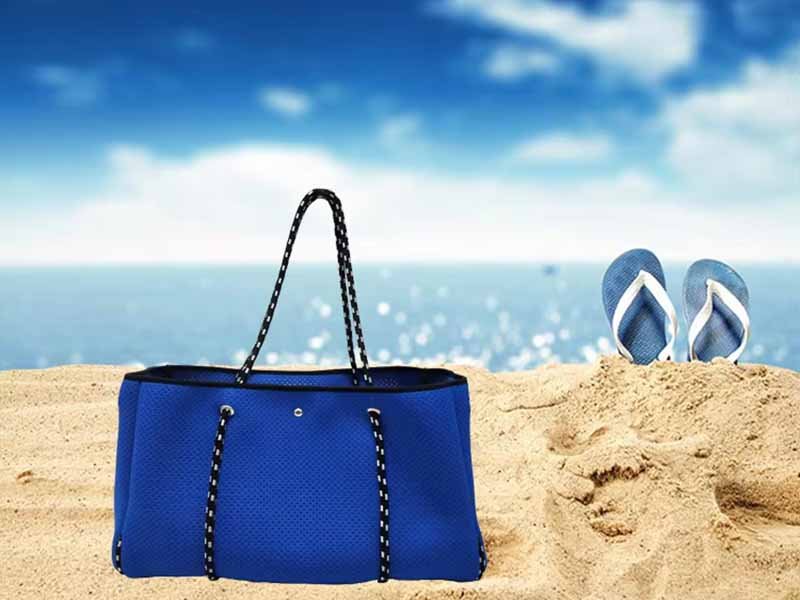
A neoprene beach tote is a tote bag made mainly from laminated neoprene material. It is designed for beach, travel, poolside, gym, and casual daily use, where customers want a bag that feels soft, carries more weight than it looks like it should, resists splashes better than ordinary fabric, and gives a more polished retail look than a basic cotton tote.
What Is Neoprene in Neoprene Beach Tote Manufacturing?
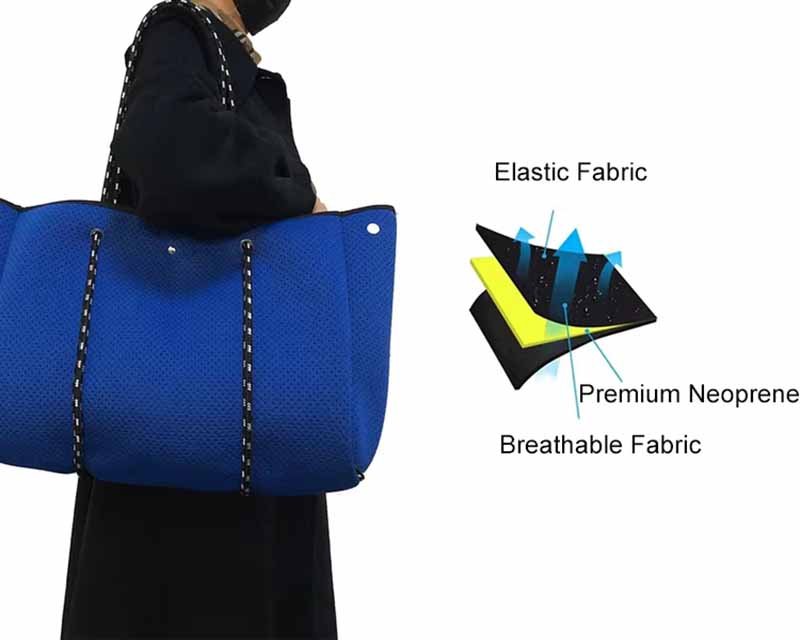
Neoprene is a synthetic rubber foam material. In bag manufacturing, it is rarely used as a raw rubber sheet alone. Instead, it is usually made into a laminated material structure, where the foam core is bonded with fabric on one or both sides. This is the version used for tote bags, sleeves, koozies, sports supports, medical supports, and many wetsuit-related products.
For neoprene beach totes, the material structure is usually built like this:
| Layer | Common Material | Main Purpose |
|---|---|---|
| Outer face | Polyester or nylon jersey fabric | Color, printing, abrasion resistance |
| Middle core | Neoprene foam | Cushioning, body, stretch, water resistance |
| Back face | Polyester or nylon fabric | Stability, inner surface support |
This structure is why neoprene tote bags feel different from woven fabric bags. The foam core gives the bag body and softness at the same time. It also helps the bag recover better after folding or light compression.
Customers often ask whether neoprene thickness matters. It matters a lot. A thinner body may reduce cost and weight, but it can also reduce structure and make the bag feel too soft when loaded. A thicker body gives more shape and protection but adds material cost and shipping weight.
Here is a practical reference for common thickness choices:
| Neoprene Thickness | Common Use | Product Feel |
|---|---|---|
| 2 mm | Lightweight lifestyle tote | Soft, light, less structured |
| 3 mm | Standard beach tote | Balanced weight and body |
| 4 mm | Premium beach tote | Stronger shape and better support |
| 5 mm | Heavy-duty large tote | Fuller body, higher cost, more weight |
For many retail neoprene beach totes, 3 mm to 4 mm is a strong range because it balances appearance, comfort, cost, and carrying strength. If the bag is very large and designed to hold beach towels, shoes, bottles, toys, and extra clothing, then 4 mm may perform better than 3 mm in long-term use.
Why Use Neoprene for a Neoprene Beach Tote?
Customers choose neoprene beach totes because neoprene solves several problems at once. It gives the bag a soft premium look, better resistance to splashes and sand than many woven materials, and a more modern lifestyle feel than ordinary promotional totes.
The material advantages are practical, not just visual:
- It has natural cushioning, so the bag feels softer and protects contents better.
- It stretches slightly, which helps the bag handle bulky items.
- It is water resistant, so splashes and damp surfaces are less of a problem.
- It recovers shape better than many ordinary fabrics.
- It creates a stronger premium feel for retail and private label brands.
For brands, this matters because neoprene beach totes are often not competing at the lowest price point. They are usually sold as value-added products. That means the material must justify the price through feel, comfort, appearance, and durability.
A simple comparison helps explain why neoprene is attractive:
| Material | Hand Feel | Splash Resistance | Shape Recovery | Premium Look | Washability |
|---|---|---|---|---|---|
| Cotton canvas | Dry, flat | Low | Low | Medium | Medium |
| Polyester fabric | Smooth, light | Medium | Low | Medium | Good |
| Mesh fabric | Flexible | High | Low | Sporty | Good |
| Neoprene | Soft, cushioned | High | Medium to high | High | Good |
Another important reason is product differentiation. A neoprene beach tote is easier to position as a private label lifestyle product. The customer sees it as more than just a carry bag. It becomes part of a beach, gym, travel, or weekend routine. That helps brands support higher retail pricing.
In many projects, customers also care about how the bag feels when fully loaded. A well-made neoprene beach tote usually feels more comfortable against the body than a stiffer woven tote. That softer interaction is one of the reasons neoprene has remained strong in tote and sleeve categories for years.
Are Neoprene Beach Totes Waterproof?
This is one of the most important customer questions, and the honest answer is: neoprene beach totes are usually water resistant, but not automatically waterproof.
The neoprene material itself resists water well. The foam does not behave like ordinary absorbent fabric. Splashing water, wet towels, sunscreen bottles, and damp swimsuits are usually not a problem for the material body. But the full bag is not judged only by the foam. The final result depends on seam construction, edge finishing, lining structure, and whether stitch holes are exposed.
Here is the difference customers need to understand:
| Feature | Water Resistant Tote | Waterproof Tote |
|---|---|---|
| Material body | Neoprene laminated sheet | Neoprene or waterproof composite |
| Seam method | Standard stitched seams | Sealed or bonded seams |
| Zipper/opening | Open top or normal zipper | Waterproof zipper or roll-top system |
| Use scenario | Beach, pool, travel, gym | Boating, kayaking, heavy wet use |
For normal beach use, water resistance is usually enough. Most customers are carrying towels, bottles, snacks, sandals, books, and personal items. They need a bag that handles wet surroundings and cleans easily. They usually do not need full submersion protection.
If a brand wants stronger moisture control, factories can improve performance by using:
- laminated inner layers
- reinforced bottom construction
- edge binding with stronger sealing support
- coated lining materials
- fewer exposed stitch stress points
But there is always a trade-off. Making a tote more waterproof often increases cost, complexity, and stiffness. For many beach tote programs, the better approach is not “maximum waterproofing.” It is “practical water resistance with better comfort and cleaner finishing.”
Are Neoprene Beach Totes Better Than Fabric Totes?
They are better for some uses, but not for every use. That is the answer customers need, especially when comparing cost and retail positioning.
If the goal is a low-cost giveaway bag, neoprene is usually not the first choice. Cotton canvas, polyester, or non-woven fabric may be cheaper and simpler. But if the goal is to build a more premium beach or lifestyle product, neoprene often performs better in ways the end user can feel immediately.
Neoprene beach totes usually offer:
- stronger premium appearance
- softer and more comfortable carry feel
- better splash resistance
- more protection for contents
- better body retention under moderate load
- easier lifestyle positioning for retail
Fabric totes still have advantages:
- lower material cost
- lighter shipping weight in some structures
- easier large-scale economy production
- wider acceptance in simple promotional programs
A practical comparison looks like this:
| Factor | Neoprene Beach Tote | Fabric Tote |
|---|---|---|
| Retail positioning | Mid to premium | Low to mid |
| Material cost | Higher | Lower |
| Structure | Soft with body | Depends on fabric weight |
| Beach use suitability | Strong | Medium |
| Custom private label value | High | Medium |
| Comfort under load | Better in many cases | Depends on handle design |
For brands targeting boutiques, resort stores, travel collections, gym accessories, beachwear brands, or fashion-led gift markets, neoprene often creates a stronger product story. It feels more intentional. It looks more engineered. It is easier to build around color, perforation, contrast panels, rope handles, magnetic closure, zip pouch sets, and coordinated accessory collections.
That is also why manufacturing quality matters so much. A poor neoprene tote can feel bulky, uneven, or weak at the handles. A well-made neoprene tote feels clean, soft, balanced, and ready for repeat use.
Why Do Brands Choose Oneier for Neoprene Beach Tote Development?
For neoprene beach tote projects, brands usually need more than a sewing supplier. They need a factory that understands how neoprene behaves in real production. Oneier has more than 18 years of experience in neoprene material development and manufacturing of neoprene bags, koozies, sports supports, medical supports, and wetsuit-related products. That background matters because neoprene is not handled the same way as ordinary woven fabric.
When developing a custom neoprene beach tote, Oneier can help with:
- material thickness recommendations based on bag size
- lamination and color selection
- low MOQ custom development
- free design support
- fast sample production
- logo and private label solutions
- production quality control for stress points and edge finishing
For many customers, the first concern is not only “Can you make this bag?” The real concern is “Can you make this bag look premium, carry weight well, and stay consistent in bulk production?” That is where experience matters.
What Should Customers Confirm Before Sampling a Neoprene Beach Tote?
Before approving the first sample, customers should not focus only on the outside shape. The key details that affect the final result should be confirmed early.
Important points to review include:
- neoprene thickness
- finished bag dimensions
- whether the bag is lined or unlined
- handle material and anchoring method
- edge finishing method
- logo process
- whether the bottom is reinforced
- target weight capacity
- expected use scenario
A simple sampling checklist can save a lot of time:
| Check Item | Why It Matters |
|---|---|
| Thickness | Affects body, weight, and cost |
| Handle width | Affects comfort and load feel |
| Stress reinforcement | Affects durability at top joins |
| Edge finish | Affects visual quality and lifespan |
| Logo method | Affects brand look and production cost |
| Closure type | Affects convenience and retail positioning |
| Inner pouch or pocket | Affects practical user value |
This is where many successful products are separated from average ones. Small structural choices made before bulk production often decide whether the tote becomes a one-time order or a long-term repeat product.
How Does Neoprene Beach Tote Manufacturing Work?
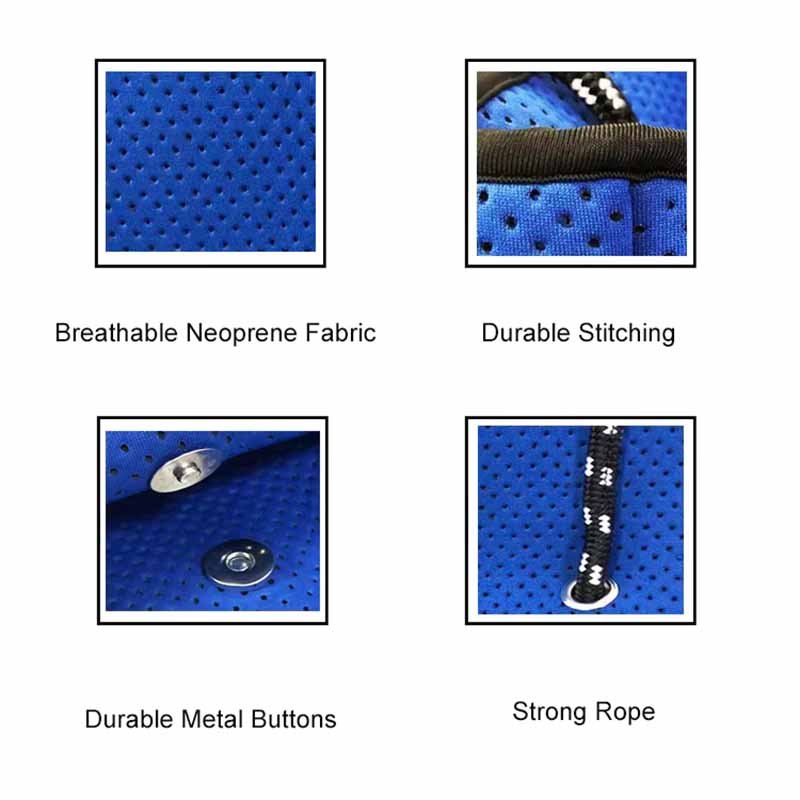
Neoprene beach tote manufacturing is a structured process that transforms laminated neoprene sheets into durable, functional tote bags designed for beach, travel, and lifestyle use. The process typically involves neoprene material preparation, lamination, panel cutting, sewing and assembly, reinforcement, branding, and final quality inspection.
Each step directly affects the durability, appearance, and comfort of the finished bag. Small variations—such as lamination strength, cutting accuracy, or handle reinforcement—can determine whether the tote holds its shape under heavy load or starts deforming after several uses.
A professional neoprene bag factory usually divides the manufacturing workflow into several controlled stages. These stages allow manufacturers to maintain consistent product quality while supporting customization for private label brands.
How Is Neoprene Prepared for Neoprene Beach Tote Manufacturing?
The manufacturing process begins with preparing neoprene material sheets. Neoprene used in bag production is typically produced as laminated fabric panels, not raw rubber foam.
The base neoprene foam is first produced in sheets through chemical foaming processes that create thousands of microscopic air cells. These air cells give neoprene its soft, cushioned structure.
After foam production, textile fabrics are laminated to the foam using heat and adhesive bonding. This lamination stage determines how stable the neoprene material will be during sewing and long-term use.
Typical lamination structure for beach tote bags:
| Layer | Material | Purpose |
|---|---|---|
| Outer surface | Polyester or nylon jersey | Color, durability, print compatibility |
| Core layer | Neoprene foam | Cushioning and flexibility |
| Inner surface | Polyester jersey | Structural support |
Lamination quality is extremely important. Poor lamination can cause delamination, where fabric separates from the foam after repeated folding or washing.
Factories usually control lamination quality through:
- heat pressure control during bonding
- adhesive formulation
- curing time monitoring
Once laminated neoprene sheets pass quality inspection, they are ready for cutting and pattern preparation.
How Are Panels Cut in Neoprene Beach Tote Manufacturing?
Panel cutting is the stage where neoprene sheets are transformed into bag components. Each tote bag consists of multiple pieces such as the front panel, back panel, side panels, bottom panel, handles, and accessory pockets.
Factories use two primary cutting methods:
| Cutting Method | Advantage | Application |
|---|---|---|
| Die cutting | Fast and consistent | Large production orders |
| CNC cutting | Flexible and precise | Sampling and small batches |
Die cutting uses metal molds to stamp out panels quickly. It ensures uniform dimensions, which is important for maintaining consistent stitching alignment during assembly.
CNC cutting machines use digital pattern files. This method is commonly used during sample development, when designs are still being adjusted.
Accuracy during cutting is critical because neoprene edges must align perfectly during sewing. Even small misalignments can cause visible distortion along seams.
During this stage, manufacturers also prepare perforation patterns if the design includes decorative holes. Perforated neoprene is common in beach totes because it improves breathability and creates a distinctive visual texture.
How Are Neoprene Beach Totes Sewn and Assembled?
Once all panels are prepared, the next stage is sewing and structural assembly. Neoprene sewing requires slightly different techniques compared with ordinary fabric because the foam layer adds thickness and elasticity.
Industrial sewing machines with stronger needle systems are used to prevent skipped stitches or material tearing.
Key assembly steps include:
- Panel alignment and temporary fixing
- Main body stitching
- Bottom reinforcement
- Handle attachment
- Edge finishing
The handle connection area is one of the most important structural points in the bag. A well-designed neoprene beach tote may carry 10–15 kilograms of weight, especially when filled with wet towels, water bottles, and beach equipment.
Factories often reinforce this area through:
- cross stitching
- hidden reinforcement panels
- double-layer handle anchors
Example reinforcement structure:
| Reinforcement Method | Benefit |
|---|---|
| Cross stitch pattern | Distributes weight across stitching area |
| Reinforcement patch | Reduces stress concentration |
| Double stitching | Improves durability |
These reinforcements prevent handle tearing, which is one of the most common failure points in poorly made tote bags.
How Is Quality Checked in Neoprene Beach Tote Manufacturing?
Quality inspection is essential to ensure neoprene beach totes meet both structural and aesthetic standards. Professional manufacturers typically conduct inspections at multiple stages of production.
Common quality control checkpoints include:
| Inspection Stage | What Is Checked |
|---|---|
| Material inspection | Foam density, lamination strength |
| Cutting inspection | Panel dimensions and shape accuracy |
| Sewing inspection | Stitch consistency and reinforcement |
| Final inspection | Appearance, logo placement, functionality |
Factories may also perform load testing to evaluate handle strength and seam durability. In a basic load test, the bag is filled with weights to simulate real use conditions.
Example load test guideline:
| Bag Size | Test Weight |
|---|---|
| Small tote | 8 kg |
| Medium tote | 10 kg |
| Large beach tote | 12–15 kg |
If stitching or handle anchors fail during testing, the design is revised before mass production begins.
Another important inspection area is edge finishing quality. Neoprene edges must be trimmed cleanly and reinforced to prevent fraying or uneven appearance.
Good finishing improves:
- product lifespan
- visual quality
- customer satisfaction
Because neoprene beach totes are often positioned as lifestyle products, appearance standards are usually higher than for basic shopping bags.
How Long Does Neoprene Beach Tote Production Take?
Production timelines depend on order quantity, customization requirements, and material availability. However, most neoprene bag factories follow a general production schedule.
Typical timeline for a custom neoprene tote project:
| Production Stage | Time Required |
|---|---|
| Design confirmation | 1–2 days |
| Material preparation | 3–5 days |
| Sample production | 5–7 days |
| Mass production | 20–30 days |
Factories with strong supply chains and stable neoprene suppliers can often reduce delays during material preparation.
For brands planning seasonal beach collections, it is recommended to begin development 2–3 months before the selling season. This allows time for sampling adjustments, quality improvements, and packaging preparation.
Understanding how neoprene beach totes are manufactured helps brands communicate more effectively with suppliers and develop products that meet both aesthetic and performance expectations.
Which Materials Are Used in Neoprene Beach Tote Manufacturing?
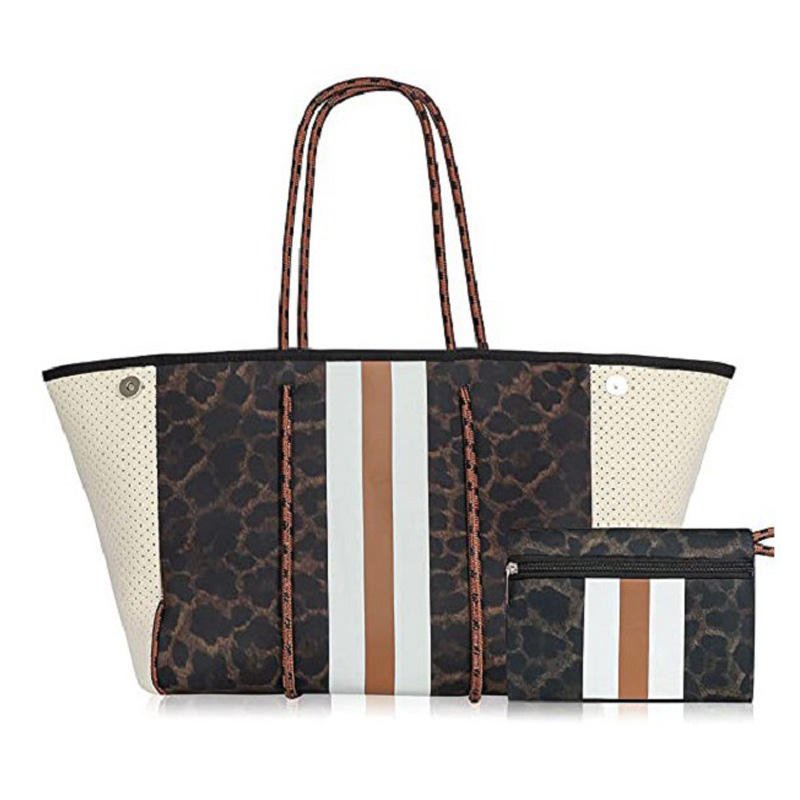
Neoprene beach tote manufacturing relies on a combination of laminated neoprene material, structural fabrics, reinforcement materials, handles, and accessories. While neoprene is the core material that gives the tote its distinctive softness and flexibility, several supporting materials are necessary to ensure the bag maintains shape, carries heavy loads, and withstands outdoor conditions.
Material selection directly affects the bag’s durability, weight, cost, and retail positioning. For example, two beach totes may look similar externally but perform very differently depending on neoprene density, lamination quality, handle reinforcement, and accessory choices.
Professional manufacturers therefore treat material selection as one of the most important stages of product development.
Which Neoprene Thickness Is Best for Neoprene Beach Tote Manufacturing?
Neoprene thickness determines how structured and supportive the finished tote bag will feel. Thicker neoprene provides stronger shape retention and improved cushioning, but it also increases material cost and shipping weight.
Most neoprene beach totes use material between 3 mm and 5 mm thickness because this range offers a good balance between structure and flexibility.
Here is a practical comparison:
| Neoprene Thickness | Product Feel | Typical Use |
|---|---|---|
| 2 mm | Lightweight, soft | Small tote bags or casual lifestyle bags |
| 3 mm | Flexible but supportive | Standard beach tote bags |
| 4 mm | Stronger structure | Premium retail tote bags |
| 5 mm | Very sturdy | Large beach totes carrying heavy items |
For example, a large beach tote carrying towels, sunscreen bottles, and water bottles may weigh 8–12 kg when fully loaded. Using thinner neoprene in such designs may cause the bag to lose shape or place excessive stress on stitching points.
Therefore, manufacturers usually recommend 4 mm neoprene for larger tote designs, especially when the bag includes wide side panels and reinforced handles.
Which Fabrics Are Laminated in Neoprene Beach Tote Manufacturing?
Neoprene foam alone cannot be used directly in bag production because it lacks surface durability and visual appeal. For this reason, neoprene sheets are laminated with textile fabrics.
Common fabric laminations include:
| Fabric Type | Characteristics | Application |
|---|---|---|
| Polyester jersey | Durable, cost-effective | Most neoprene tote bags |
| Nylon jersey | Strong and smooth surface | Premium neoprene products |
| Stretch fabric | Higher elasticity | Sports-related bags |
Polyester jersey is the most widely used lamination fabric because it offers a good balance of durability, color consistency, and printing compatibility.
Nylon lamination is sometimes used for higher-end products because nylon fibers provide stronger abrasion resistance. However, nylon materials are typically more expensive.
The lamination process also determines whether the neoprene sheet will maintain stability during sewing. Poor lamination can lead to problems such as:
- fabric separation from foam
- wrinkles after sewing
- inconsistent stretching
High-quality lamination ensures the material behaves as a single stable structure during cutting and stitching.
Which Handles and Accessories Fit Neoprene Beach Totes?
Handles and accessories significantly influence both the durability and the appearance of neoprene beach totes. Because neoprene is flexible, handle design must distribute weight properly across the bag body.
Common handle materials include:
| Handle Material | Advantage | Common Use |
|---|---|---|
| Polyester webbing | Strong and affordable | Standard tote bags |
| Cotton rope | Comfortable grip | Beach-style tote bags |
| Neoprene handles | Matching material aesthetic | Premium tote designs |
Rope handles are particularly popular in beach tote designs because they offer both strength and comfort. Thick cotton rope distributes weight across a larger area of the hand, reducing pressure during carrying.
Other accessories frequently used in neoprene beach tote production include:
- magnetic closures
- zipper pockets
- detachable pouches
- key holders
- bottom reinforcement panels
These additions improve product functionality and help differentiate the tote from simpler beach bags.
For example, many premium beach totes now include removable zip pouches, allowing users to store small valuables such as phones, keys, or cosmetics separately from wet beach items.
How Do Brands Customize Neoprene Beach Tote Manufacturing?
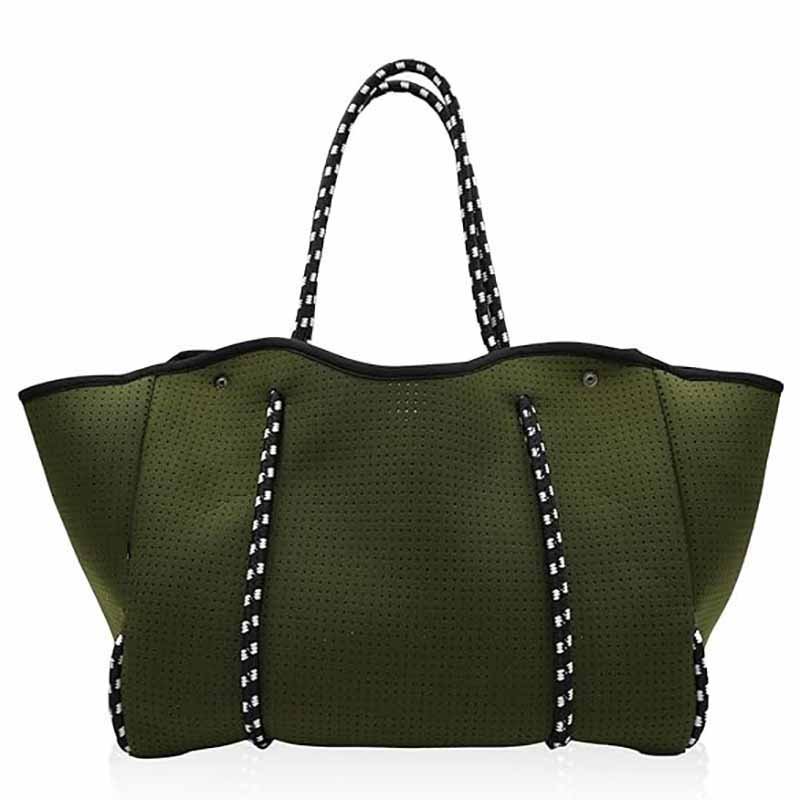
Customization is one of the most important aspects of neoprene beach tote manufacturing. Many brands entering the beach or lifestyle accessory market want their tote bags to reflect their unique visual identity.
Professional factories support customization in several areas including color selection, logo printing, structural design, and packaging.
How Are Logos Added to Neoprene Beach Totes?
Several logo methods are compatible with neoprene materials. The choice depends on brand style, order quantity, and desired visual effect.
Common branding techniques include:
| Logo Method | Visual Effect | Typical Use |
|---|---|---|
| Screen printing | Clean and bold | Lifestyle brands |
| Embroidery | Premium and textured | Boutique products |
| Heat transfer | Detailed color logos | Graphic designs |
| Debossing | Subtle branding | Minimalist brands |
Screen printing is often used for beach totes because it works well on laminated fabric surfaces and maintains strong color contrast.
Embroidery provides a more premium look but requires careful reinforcement because thick stitching can affect neoprene flexibility.
For large production runs, factories often recommend screen printing or heat transfer, which balance cost efficiency and visual impact.
How Are Colors Developed in Neoprene Beach Tote Manufacturing?
Color selection plays a major role in beach tote design. Since beach environments are visually vibrant, brands often choose bold colors or seasonal palettes.
Neoprene sheets are usually produced in Pantone color-matched fabrics, allowing brands to maintain consistent color identity across multiple products.
Color development usually follows these steps:
- Pantone color confirmation
- Fabric dyeing and lamination
- Sample production
- Color approval before bulk production
Factories typically require minimum fabric yardage to produce custom colors. This ensures consistent dye results across all production units.
Some brands also use contrast color panels or perforated patterns to create more distinctive designs.
Do Factories Offer Private Label Neoprene Beach Tote Manufacturing?
Yes. Many neoprene bag manufacturers offer private label services that allow brands to sell products under their own logos.
Private label development often includes:
- custom bag design
- logo branding
- packaging customization
- label and hangtag production
- barcode and retail packaging integration
This approach allows businesses to build a recognizable product line without needing their own manufacturing facility.
Private label neoprene beach totes are especially common among:
- beachwear brands
- fitness accessory brands
- travel accessory brands
- resort gift shops
By combining functional design with brand identity, companies can develop products that stand out in competitive retail markets.
How Do You Choose a Neoprene Beach Tote Manufacturing Factory?
Choosing the right manufacturer is a critical step in developing a successful neoprene beach tote product. The factory must have both material expertise and production capability to deliver consistent results.
What Capabilities Should a Neoprene Beach Tote Manufacturing Factory Have?
A reliable factory should demonstrate experience in neoprene material processing and bag manufacturing.
Key capabilities include:
- neoprene lamination technology
- industrial sewing capability for thick materials
- pattern development and sampling
- quality control systems
Factories specializing in neoprene products usually have equipment designed to handle elastic foam materials and laminated fabrics, which behave differently from standard woven fabrics.
How Do Factories Control Neoprene Beach Tote Quality?
Quality control involves several checkpoints during production. Factories inspect material quality, cutting accuracy, sewing strength, and final product appearance.
Common inspection standards include:
| Quality Check | Purpose |
|---|---|
| Material inspection | Verify neoprene thickness and lamination |
| Stitch strength test | Ensure seam durability |
| Load test | Confirm handle strength |
| Visual inspection | Check appearance and finishing |
These inspections help ensure that every tote bag meets the required durability standards.
How Do OEM and ODM Neoprene Beach Tote Projects Work?
OEM and ODM are two common manufacturing models.
| Manufacturing Type | Description |
|---|---|
| OEM | Factory produces products according to the brand’s design |
| ODM | Factory develops designs that brands can customize |
OEM projects allow brands to create unique designs tailored to their market. ODM projects provide faster development because factories already have proven designs.
Both models are widely used in neoprene beach tote manufacturing.
Conclusion: Start Your Custom Neoprene Beach Tote Project with Oneier
Neoprene beach tote manufacturing combines specialized materials, precision cutting, skilled sewing, and thoughtful design to create bags that are both durable and visually appealing. From neoprene thickness selection to handle reinforcement and logo customization, every manufacturing detail affects the final product’s performance and retail value.
For brands entering the beach accessories market, working with an experienced manufacturer helps ensure that products meet customer expectations for quality, durability, and style.
With over 18 years of experience in neoprene material development and product manufacturing, Oneier provides professional support for custom neoprene beach tote projects.
If you are planning to launch a new beach tote product or expand your existing product line, Oneier can help turn your concept into a high-quality neoprene bag ready for the market.
Contact Oneier today to request a quotation, discuss your design ideas, and start developing your custom neoprene beach tote collection.