
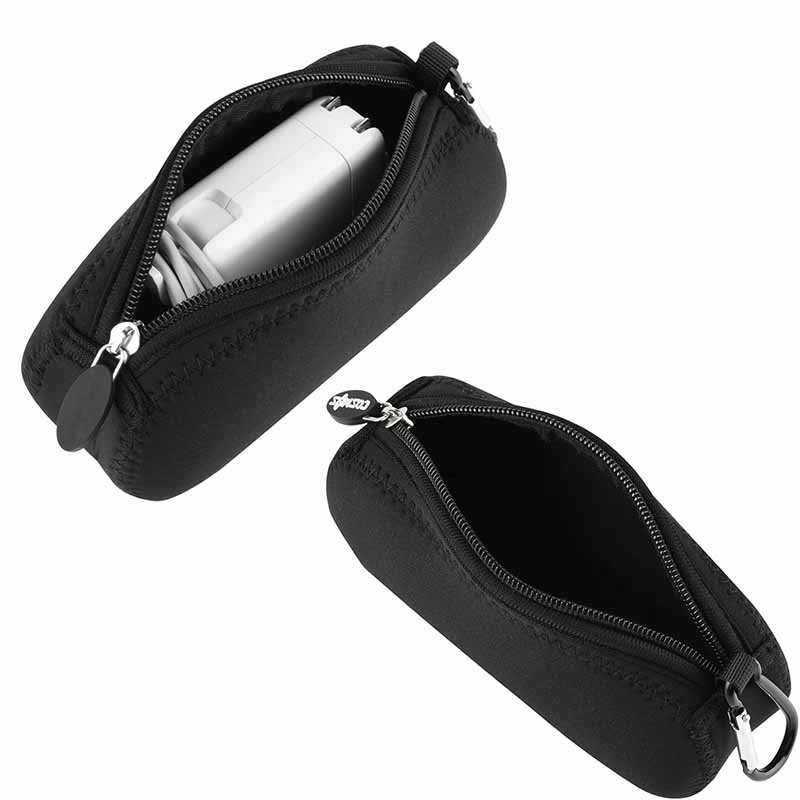
A neoprene zipper pouch looks like a simple product, but the factory work behind it is far more technical than many clients first expect. A good pouch is not only about sewing two panels together and adding a zipper. It has to feel soft but not weak, protect the items inside, hold its shape well enough for daily use, print clearly, zip smoothly, and stay consistent from sample to bulk order. If any one of those parts goes wrong, the product may still look acceptable in a photo, but it will disappoint in real use.
That is why neoprene zipper pouch production matters so much for brands, online sellers, promotional companies, and product developers. The pouch may be small, but it often represents the same things as a larger product line: material quality, logo presentation, construction control, and overall reliability. If the neoprene smells too strong, the zipper waves, the print cracks, or the edges distort after use, customers notice quickly.
A neoprene zipper pouch is a soft, padded storage pouch made from laminated neoprene sheets with a zipper closure. It is used because neoprene combines cushioning, flexibility, light water resistance, and a smooth printable surface, making the pouch suitable for cosmetics, electronics, stationery, travel items, and promotional accessories.
In real business, many product problems do not start in bulk production. They start much earlier, when the wrong thickness is chosen, the lamination quality is weak, the zipper size is not matched to the pouch structure, or the pattern does not account for neoprene stretch. A neoprene pouch may look easy to copy, but getting it right at scale is another story. That is exactly why understanding how neoprene zipper pouches are made can help a client avoid delays, reduce complaints, and build a product that customers actually want to reuse.
What Is a Neoprene Zipper Pouch?
A neoprene zipper pouch is a padded pouch made from foam-based neoprene material laminated with fabric on the surface and finished with a zipper opening. It is designed to protect, organize, and carry small items while remaining soft, flexible, lightweight, and easy to customize. Compared with ordinary fabric pouches, it offers better cushioning, a fuller body, and a more technical feel, which is why it is widely used for electronics, cosmetics, travel accessories, and branded promotional products.
What Defines a Neoprene Zipper Pouch?
The first thing that defines a neoprene zipper pouch is its material structure. Unlike a regular woven pouch, neoprene is not just a surface fabric. It is a multi-layer material system built around a foam core. That foam core changes the way the pouch feels, performs, and is manufactured.
A standard neoprene sheet used for pouches normally includes:
- an inner foam rubber layer
- one laminated outer fabric layer
- one laminated inner fabric layer
This structure gives the pouch three important qualities at the same time. The foam adds padding. The fabric surface supports printing and visual finishing. The overall sheet remains flexible enough for folding, stitching, and daily carrying.
In sourcing terms, this matters because clients often focus on the pouch shape or logo, while the real product behavior comes from the neoprene build itself. Two pouches may look similar in size, but if one uses denser neoprene with better lamination, it will feel more stable, recover shape better after compression, and protect the contents more effectively.
Neoprene zipper pouches are usually identified by several product factors:
- neoprene thickness
- foam density
- fabric lamination type
- zipper construction
- edge finish
- logo method
- pouch structure
Thickness is one of the most visible and most misunderstood points. A thicker pouch does not always mean a better pouch. Thicker neoprene offers more padding, but it can also increase sewing difficulty, create a bulkier look, and raise shipping volume. For many brands, the best choice depends on the actual use scenario.
Here is a practical comparison:
| Neoprene Thickness | Feel | Protection Level | Common Use | Main Trade-Off |
|---|---|---|---|---|
| 2 mm | Light and flexible | Basic | Cosmetic pouches, slim organizers | Less structure |
| 3 mm | Balanced | Good | Electronics pouches, travel accessories | Most versatile option |
| 4 mm | Fuller and more padded | Higher | Protective gear pouches, camera accessories | Heavier and bulkier |
| 5 mm | Thick and cushioned | Strong | Heavy-duty protective sleeves | More difficult to sew cleanly |
For many custom pouch projects, 3 mm neoprene is often the most commercially balanced choice because it gives enough body and protection without making the pouch feel oversized. But the correct thickness always depends on the intended product use, target market, and price level.
A neoprene zipper pouch is also defined by the way it behaves in the hand. It should not feel flat like ordinary fabric. It should not wrinkle too easily around the zipper. It should recover reasonably well after being pressed. Those qualities come from material quality, not decoration.
Why Is a Neoprene Zipper Pouch Popular?
Neoprene zipper pouches are popular because they solve several product needs at once without making the item complicated. They are soft, protective, lightweight, easy to customize, and suitable for many markets. For brands, that makes them one of the most flexible small accessory categories to develop.
From the customer side, the biggest reason is protection. Neoprene has natural cushioning, so the pouch feels safer for items that scratch easily or need a little shock absorption. This is one reason it is often used for:
- phones
- charging cables
- hard drives
- sunglasses
- cosmetics
- stationery
- travel accessories
The second reason is comfort and appearance. A neoprene pouch has a softer, fuller body than many polyester or canvas pouches. It looks more modern, feels smoother in the hand, and often gives a better first impression for products that need a slightly more premium or technical look.
The third reason is printability. Neoprene surfaces, especially when laminated with suitable fabric, work well with full-color sublimation printing. That means brands can create:
- all-over patterns
- vibrant logos
- photo-style graphics
- seasonal designs
- sports-themed prints
- promotional artwork
This is especially useful for private label, event merchandise, licensed designs, and e-commerce products where visual differentiation matters.
The fourth reason is versatility in price positioning. A neoprene zipper pouch can be developed as:
- a low-cost giveaway
- a mid-range branded accessory
- a premium protective pouch
- a gift-with-purchase product
- a retail standalone item
That flexibility gives clients room to match the product to different sales channels.
The table below shows why many clients choose neoprene over standard woven fabric for small pouches.
| Product Factor | Neoprene Zipper Pouch | Standard Fabric Pouch |
|---|---|---|
| Cushioning | Stronger | Weaker |
| Surface feel | Soft and padded | Flat or thin |
| Shape presence | Fuller body | Depends on lining |
| Printing effect | Strong for sublimation | Depends on fabric |
| Moisture resistance | Better | Usually lower |
| Perceived value | Often higher | More basic |
That said, popularity does not mean every neoprene pouch is good. A poorly made pouch can still fail in the most obvious areas: bad smell, weak lamination, uneven zipper installation, distorted corners, or poor print finish. This is why factory capability matters just as much as material choice.
Where Is a Neoprene Zipper Pouch Used?
One of the strongest commercial advantages of a neoprene zipper pouch is that it can fit many industries without changing the core material system. The pouch may stay small, but the use cases are broad. That makes it attractive for clients who want a product category with repeat potential across different markets.
A common use is electronics storage. Neoprene helps protect small electronic items from scratches and light bumps, which is useful for products like:
- power banks
- chargers
- USB cables
- earbuds
- portable drives
- compact tablets
Another strong category is cosmetics and personal care. Because neoprene is soft and slightly stretchable, it can hold irregular-shaped items better than very stiff fabric pouches. This makes it practical for:
- lipsticks
- compact mirrors
- makeup brushes
- skincare bottles
- small grooming tools
Travel is another natural application. Customers often use neoprene pouches to organize accessories inside larger bags or luggage. In this role, the pouch works as a secondary organizer for:
- passports
- adapters
- medicine
- keys
- chargers
- hygiene products
Promotional use is also important. Many companies choose neoprene zipper pouches for giveaways, event kits, branded campaigns, and retail add-ons because the product offers a stronger perceived value than a basic flat pouch. The soft thickness makes it feel more substantial, even when the overall size is small.
Below is a useful market view:
| Industry or Use | What the Pouch Stores | Why Neoprene Works |
|---|---|---|
| Electronics | Chargers, cables, drives | Padding and scratch protection |
| Beauty | Makeup, brushes, skincare | Soft expansion and easy handling |
| Travel | Passport, adapters, small tools | Lightweight organization |
| Sports | Keys, earbuds, sunglasses | Flexible and moisture-resistant |
| Promotional | Branded kits, giveaways | Strong printing and better hand feel |
For clients developing custom neoprene products, this wide application range is valuable because one material platform can be expanded into multiple SKUs. A supplier like Oneier, with long-term experience in neoprene material development and related product manufacturing, can usually support this more efficiently because the team understands not only the pouch itself, but also how neoprene behaves across bags, koozies, wetsuits, braces, and other sewn products.
That material understanding becomes very important when a project moves from concept to real production.
Which Materials Are Used in a Neoprene Zipper Pouch?
The material system used in a neoprene zipper pouch determines how the pouch feels, how it performs, and how long it lasts. Many clients initially think a neoprene pouch is simply made from “neoprene fabric,” but in reality the material structure is more complex. A finished neoprene sheet is a laminated composite made of foam rubber and textile surfaces.
In pouch manufacturing, material quality influences several practical outcomes:
- how well the pouch holds its shape
- how clearly graphics can be printed
- how strong the seams remain after sewing
- whether the pouch develops odor over time
- how resistant the pouch is to moisture and wear
For brands developing custom neoprene zipper pouches, understanding the full material structure helps avoid many common problems such as peeling lamination, uneven printing, or distorted seams.
Which Neoprene Thickness Is Used in a Neoprene Zipper Pouch?
Thickness is one of the most important parameters in neoprene pouch production. Neoprene sheets used for pouches usually range between 2 mm and 5 mm, and each thickness affects the pouch’s structure, flexibility, and cost.
Thinner neoprene materials produce lightweight pouches that are easier to fold and carry. These are commonly used for cosmetic pouches, promotional accessories, and lightweight travel organizers.
Medium thickness neoprene offers a balance between protection and flexibility. This thickness is widely used for electronics pouches and everyday accessories because it provides moderate cushioning without making the pouch bulky.
Thicker neoprene provides stronger padding and shape stability. These materials are used when the pouch needs to protect more delicate items such as cameras, glasses, or small tools.
Below is a comparison that many product developers use when selecting neoprene thickness.
| Thickness | Weight Feel | Protection | Common Product Use |
|---|---|---|---|
| 2 mm | Very light | Basic protection | Makeup pouches, slim organizers |
| 3 mm | Balanced | Moderate protection | Electronics pouches |
| 4 mm | Thick | Strong protection | Camera or gadget pouches |
| 5 mm | Very thick | Maximum cushioning | Heavy-duty protective sleeves |
From a manufacturing perspective, 3 mm neoprene is often the most commercially balanced option. It provides good cushioning while still allowing clean sewing lines and reasonable shipping volume.
Clients developing travel accessories or promotional pouches often choose thinner neoprene to reduce shipping weight, while brands producing protective cases may choose thicker materials.
Which Fabrics Are Laminated on a Neoprene Zipper Pouch?
Neoprene foam itself cannot be used directly for pouch production. It must be laminated with textile surfaces on one or both sides. These fabric layers provide durability, improve printing capability, and make sewing possible.
Different laminated fabrics change the visual style and performance of the pouch. For example, smooth polyester surfaces support vibrant sublimation printing, while textured fabrics create a more subtle appearance.
Common laminated fabric options include:
- polyester jersey
- nylon jersey
- stretch fabric
- recycled polyester fabric
- textured knit fabric
Polyester jersey is the most widely used surface because it supports full-color printing and provides a smooth texture. Nylon jersey fabrics are often chosen for products requiring higher abrasion resistance.
Some premium neoprene pouches also use recycled fabrics laminated to the neoprene foam core. This approach helps brands develop environmentally responsible products without sacrificing durability.
The table below compares several laminated fabric types.
| Fabric Surface | Visual Effect | Durability | Best Use |
|---|---|---|---|
| Polyester jersey | Smooth surface | Good | Printed neoprene pouches |
| Nylon jersey | Slight sheen | Very good | Technical accessory pouches |
| Stretch knit | Soft feel | Moderate | Cosmetic pouches |
| Recycled polyester | Similar to polyester | Good | Eco-focused products |
Fabric lamination quality is extremely important. If the bonding process is weak, the fabric layer may separate from the neoprene foam after repeated bending. Reliable manufacturers test lamination strength before production to ensure durability.
Which Zippers Fit a Neoprene Zipper Pouch?
The zipper system plays a critical role in neoprene pouch usability. Because neoprene is thicker and more flexible than woven fabrics, zipper installation must be carefully designed to avoid distortion.
Most neoprene zipper pouches use nylon coil zippers. These zippers are flexible and adapt well to curved pouch openings. Nylon coil zippers also operate smoothly even when the pouch is slightly stretched by the neoprene material.
Metal zippers are occasionally used for decorative purposes, especially in fashion-oriented products. However, metal zippers are heavier and less flexible, so they are not always ideal for soft neoprene structures.
Another factor is zipper size. Common zipper sizes used in neoprene pouches include:
- #3 zipper for small cosmetic pouches
- #5 zipper for medium accessory pouches
- #8 zipper for larger protective pouches
Below is a simplified zipper comparison.
| Zipper Type | Flexibility | Weight | Typical Use |
|---|---|---|---|
| Nylon coil zipper | High | Light | Most neoprene pouches |
| Plastic molded zipper | Moderate | Medium | Large protective pouches |
| Metal zipper | Low | Heavy | Decorative fashion pouches |
Zipper pullers are also often customized in branded neoprene pouch projects. Companies may add rubber logo pullers, metal tags, or woven cords to reinforce brand identity.
For custom production, zipper quality matters just as much as neoprene quality. A poorly aligned zipper can cause the pouch opening to wave or wrinkle, which reduces both functionality and visual appeal.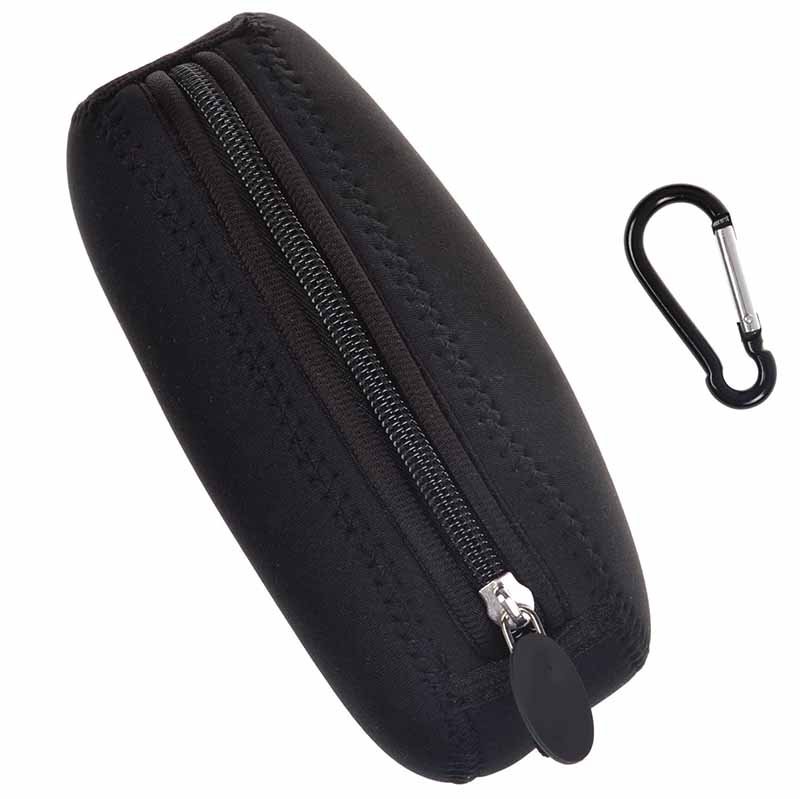
How Is a Neoprene Zipper Pouch Designed?
Designing a neoprene zipper pouch involves more than choosing a shape and adding a logo. Designers must consider how the material behaves during cutting, sewing, and long-term use.
Because neoprene is flexible and compressible, pouch dimensions must be carefully calculated to ensure the finished product looks balanced and functions properly.
A well-designed neoprene pouch should satisfy several conditions:
- the zipper opening must operate smoothly
- the pouch must hold its shape reasonably well
- the internal space must match the intended use
- the printing area must display graphics clearly
Design development usually begins with sketches or digital renderings that define the pouch dimensions and structure.
How Do Designers Plan a Neoprene Zipper Pouch?
Design planning begins by identifying the pouch’s main purpose. A cosmetic pouch requires a different structure than a protective electronics pouch.
Designers analyze several factors during the planning stage:
- pouch size and proportions
- zipper opening length
- gusset depth
- corner shape
- material thickness
One important decision is whether the pouch will include a gusset. A gusset adds depth to the pouch, allowing it to hold larger items. Flat pouches without gussets are simpler and more compact but hold fewer items.
The shape of the zipper opening also influences usability. A wide opening allows easier access to contents but requires careful pattern design to avoid distortion.
Experienced designers also consider how the pouch will look when filled. Some neoprene pouches are designed to expand slightly when used, while others maintain a more rigid structure.
How Are Sizes Set for a Neoprene Zipper Pouch?
Setting the correct pouch dimensions is a balance between functionality and portability. A pouch that is too small may limit usability, while a pouch that is too large may lose its structure.
Manufacturers usually consider the dimensions of the items that will be stored inside the pouch. For example, electronics pouches must accommodate cable loops and device dimensions.
The table below shows common neoprene pouch sizes used in different markets.
| Pouch Size | Typical Use |
|---|---|
| 12 × 9 cm | Earbuds, USB drives |
| 18 × 12 cm | Cosmetics, cables |
| 22 × 15 cm | Tablets, travel accessories |
| 28 × 20 cm | Document organizers |
Custom sizes are often developed for specific brand requirements.
How Are Logos Added to a Neoprene Zipper Pouch?
Logo application is a key part of neoprene pouch customization. Because neoprene surfaces support vibrant printing, many brands use full-surface graphics to create distinctive products.
Sublimation printing is one of the most popular methods. This process allows full-color designs to penetrate the fabric surface without cracking or peeling.
Other logo methods include:
- screen printing
- heat transfer printing
- embroidery
- rubber patches
Each method has advantages depending on the design style and production volume.
Below is a quick comparison.
| Logo Method | Visual Effect | Durability |
|---|---|---|
| Sublimation printing | Full color graphics | Very durable |
| Screen printing | Simple logos | Durable |
| Embroidery | Textured appearance | Very durable |
| Rubber patch | Raised logo | Durable |
For large production runs, sublimation printing is often the most efficient method because it allows complex designs without increasing production time significantly.
How Is a Neoprene Zipper Pouch Manufactured?
Manufacturing a neoprene zipper pouch requires a sequence of controlled production steps. Although the finished product may appear simple, the process involves careful coordination between material preparation, cutting, sewing, zipper installation, finishing, and inspection.
In factories that specialize in neoprene products, the production process usually takes place across several departments. Each department focuses on a specific stage of production to maintain consistent quality and efficiency.
A typical neoprene zipper pouch may require 15–25 individual manufacturing operations before the finished product is ready for packing.
How Is Neoprene Cut for a Neoprene Zipper Pouch?
The production process begins with material preparation and cutting. Neoprene sheets are usually supplied in large rolls or panels laminated with fabric surfaces.
Before cutting starts, the material is inspected for:
- surface defects
- color consistency
- lamination strength
- foam thickness uniformity
Once the material passes inspection, the cutting team prepares the panels according to the product pattern.
Factories typically use one of two cutting methods:
- manual die cutting
- computer-controlled CNC cutting
Die cutting uses metal molds to stamp pouch panels quickly and consistently. This method is widely used for large production runs because it ensures uniform dimensions.
CNC cutting machines are often used for more complex designs or smaller batches where flexibility is required.
During cutting, technicians also ensure that the fabric grain direction and print orientation remain consistent across all pieces.
The following table shows how cutting accuracy affects product quality.
| Cutting Factor | Possible Issue | Result |
|---|---|---|
| Uneven panel size | Misaligned seams | Distorted pouch shape |
| Incorrect orientation | Graphic misalignment | Visual defects |
| Poor die cutting | Rough edges | Weak seam strength |
Proper cutting is essential because even a small size difference between panels can cause problems during sewing.
How Is a Neoprene Zipper Pouch Sewn?
After cutting, the pouch panels move to the sewing department where the product structure is assembled.
Neoprene sewing requires specialized techniques because the material behaves differently from woven fabrics. The foam core creates thickness and elasticity that can affect stitching tension.
Factories usually use industrial flat-bed sewing machines equipped with thicker needles designed for neoprene.
The sewing process normally follows this sequence:
- zipper preparation
- zipper attachment to panel edges
- panel alignment
- side seam sewing
- corner reinforcement
Because neoprene stretches slightly during sewing, operators must maintain even tension while feeding the material through the machine. Uneven tension can create ripples along the zipper line or distort the pouch shape.
The stitch density used for neoprene pouches typically ranges from 6 to 8 stitches per inch, balancing strength with flexibility.
Below is a simplified overview of the sewing workflow.
| Sewing Stage | Description |
|---|---|
| Zipper preparation | Zipper length and puller adjusted |
| Zipper stitching | Zipper attached to pouch opening |
| Panel joining | Front and back panels sewn together |
| Edge reinforcement | Stress points strengthened |
| Shape finishing | Pouch turned and cleaned |
Experienced sewing technicians are particularly important in neoprene manufacturing because material thickness can vary slightly between batches.
How Is the Zipper Installed in a Neoprene Zipper Pouch?
Zipper installation is one of the most visible quality factors in a neoprene pouch. If the zipper is poorly installed, the pouch may appear uneven or difficult to open.
Most neoprene pouches use nylon coil zippers, which provide flexibility and smooth operation. The zipper tape is usually sewn between the neoprene panels to create a clean seam line.
Factories pay attention to several details during zipper installation:
- zipper alignment with panel edges
- correct tension during sewing
- smooth curvature along the opening
- balanced seam allowance on both sides
After installation, technicians test the zipper by opening and closing it repeatedly. This ensures the zipper runs smoothly without resistance.
For custom projects, zipper pullers may also include:
- molded rubber logos
- metal engraved tags
- woven cord pullers
These details enhance brand identity and make the product more distinctive.
How Is Neoprene Zipper Pouch Quality Controlled?
Quality control is essential in neoprene pouch manufacturing because small defects can quickly affect the product’s appearance or durability.
Professional factories usually implement inspection procedures at three main stages:
- raw material inspection
- in-process inspection
- final product inspection
This multi-stage approach helps prevent defective products from reaching customers.
How Is Neoprene Checked for a Neoprene Zipper Pouch?
Before production begins, neoprene sheets are inspected to ensure they meet the required specifications.
Key inspection points include:
- foam thickness tolerance
- lamination bonding strength
- color uniformity
- odor level
Thickness tolerance is particularly important because inconsistent neoprene thickness can affect both the pouch structure and sewing quality.
Factories may also perform simple stretch and peel tests to evaluate lamination strength. If the fabric layer separates easily from the foam core, the material may fail during long-term use.
Below is a basic material inspection checklist.
| Inspection Item | Purpose |
|---|---|
| Thickness measurement | Confirm foam consistency |
| Lamination test | Ensure fabric bonding strength |
| Surface inspection | Detect stains or defects |
| Odor check | Verify material safety |
Reliable material inspection helps prevent many production issues later in the process.
How Is a Neoprene Zipper Pouch Tested?
During production, quality inspectors monitor several factors to ensure the pouch meets design standards.
These checks often include:
- seam strength testing
- zipper smoothness testing
- dimensional measurement
- visual appearance inspection
Seam strength testing ensures the stitching can withstand normal pulling forces during daily use. Zipper tests verify that the zipper opens and closes smoothly without catching.
Some factories also perform drop or compression tests to evaluate how well the pouch protects items stored inside.
A typical production inspection may examine 5–10% of units from each batch to confirm consistency.
How Is a Neoprene Zipper Pouch Packed?
Packaging is the final stage of production. Proper packaging protects the pouches during transportation and ensures the products arrive in good condition.
Common packaging options include:
- individual polybag packaging
- recyclable paper packaging
- retail gift boxes
- custom printed packaging
For international shipments, cartons are labeled with product information, quantity, and shipping marks.
Shipping methods may include sea freight, air freight, or courier delivery depending on the order size and urgency.
A general production timeline for neoprene zipper pouches often looks like this:
| Production Stage | Typical Time |
|---|---|
| Sample development | 3–5 days |
| Material preparation | 5–7 days |
| Bulk production | 15–25 days |
| Packing and shipping | 3–7 days |
Production times may vary depending on order quantity and design complexity.
Work With Oneier for Custom Neoprene Zipper Pouches
For brands developing neoprene zipper pouches, choosing the right manufacturer makes a significant difference in product quality and project efficiency.
Oneier has more than 18 years of experience in neoprene material research, development, and manufacturing. With dedicated facilities for neoprene fabrics, laminated materials, and sewn product production, the company supports clients throughout the entire development process.
Clients working with Oneier benefit from:
- low minimum order quantities for custom projects
- free design assistance for new products
- rapid sampling services
- stable production capacity
- strict quality control procedures
Because the company specializes in neoprene products, it can also support a wide range of related items including bags, beverage koozies, sports supports, medical braces, wetsuits, and other neoprene accessories.
Whether a brand is launching a new promotional product, developing private label accessories, or expanding an existing product line, Oneier provides the manufacturing expertise needed to transform product ideas into reliable finished goods.
If you are planning a neoprene zipper pouch project, you can contact Oneier to discuss your design, request samples, and receive a quotation for custom production.