

When you’re about to dive into the cold waters of the ocean, your wetsuit plays a critical role in keeping you warm and comfortable. But have you ever wondered why neoprene is the material of choice for wetsuits? Whether you’re an avid surfer, scuba diver, or swimmer, the right wetsuit material can make or break your performance.
Neoprene is ideal for wetsuits due to its insulating properties, flexibility, and resilience. These traits make it the go-to material for athletes and water enthusiasts who demand comfort and performance in harsh conditions.
Neoprene stands out for its thermal insulation, flexibility, and durability, making it the best material for wetsuits. It keeps athletes warm in cold waters and provides the comfort needed for a wide range of water sports.
Imagine being able to stay warm and comfortable for hours in cold water, without worrying about the material restricting your movements. Neoprene provides that perfect balance of warmth and freedom, allowing you to focus on your performance in any water sport. In this article, we’ll explain why neoprene is the best material for wetsuits and how it outperforms other materials in terms of comfort, durability, and functionality.
What Is Neoprene?
Neoprene, also known as polychloroprene, is a synthetic rubber that has become one of the most versatile materials in the world, widely used in wetsuits, sportswear, and other products that require thermal insulation, water resistance, and durability. First developed in the 1930s, neoprene has since evolved to meet the needs of various industries, including fashion, automotive, and manufacturing, but it’s perhaps best known for its role in water sports gear.
The material is made by polymerizing chloroprene molecules, which results in a flexible and elastic material that performs exceptionally well in both cold and wet environments. This makes it the ideal fabric for wetsuits, providing comfort, performance, and protection from the elements.
What materials make up neoprene?
Neoprene is a composite material, created from the polymerization of chloroprene monomers (C4H5Cl) and a variety of additives that enhance its overall properties. These additives are what make neoprene so versatile and capable of being used in various applications, including insulating fabrics for wetsuits.
Here’s a breakdown of the key materials and components involved in the manufacturing of neoprene:
| Material Component | Function and Impact |
|---|---|
| Chloroprene Monomer | The base material of neoprene, providing the elasticity and insulating properties. |
| Polymer Additives | Enhances strength, flexibility, and longevity of neoprene. This ensures the material performs well under varying conditions. |
| Foaming Agents | These agents create the closed-cell foam structure, which improves thermal insulation by trapping air. |
| Rubberized Compounds | Special additives that give neoprene its flexibility, resistance to UV rays, and abrasion resistance. |
| Waterproof Coatings | Applied to enhance the water-resistant properties of neoprene, making it ideal for wetsuits and waterproof gear. |
This combination of ingredients results in a material that is strong, flexible, and provides insulation, while also being durable enough to withstand wear in harsh environments like the ocean.
What properties does neoprene have?
Neoprene has a wide range of properties that make it ideal for use in wetsuits and many other products. These properties are particularly important for water sports enthusiasts, athletes, and brands creating custom wetsuits for their customers.
Key Properties of Neoprene:
- Thermal Insulation:
- Neoprene is renowned for its excellent insulation properties. Its closed-cell foam structure traps air, creating a thermal barrier that helps retain body heat and keep the wearer warm in cold waters.
- Data Insight: Neoprene wetsuits can reduce heat loss by 50% or more in cold water, depending on thickness and type.
- Flexibility and Stretch:
- Neoprene is highly flexible and can stretch up to 400% of its original size, which makes it incredibly comfortable for a wide range of activities that require full range of motion.
- Why it matters: This stretchability allows athletes to move freely, whether they are surfing, diving, or swimming, without feeling restricted by their wetsuit.
- Water Resistance:
- Neoprene naturally repels water and is waterproof, which is essential for wetsuits and water-resistant products. The smooth skin or laminated layers of neoprene prevent water from infiltrating the suit, keeping the wearer dry.
- Data Insight: Neoprene wetsuits with smooth skin neoprene or coated fabrics can maintain a water-resistant barrier for extended periods in rough water conditions.
- Durability:
- Neoprene is highly durable and resistant to abrasion, UV rays, chemical exposure, and general wear. This makes it an ideal material for products that will be exposed to frequent handling and harsh environments.
- Why it matters: For water sports enthusiasts, a durable wetsuit ensures that the product lasts longer even when exposed to saltwater, sun, and rough surfaces.
- Comfort and Fit:
- Neoprene conforms to the body’s shape for a snug fit, providing a high level of comfort and reducing drag in the water.
- Data Insight: Wetsuits made from premium neoprene offer better compression and support, enhancing comfort and performance, especially during long sessions in the water.
| Property | Benefit | Impact on Wetsuit Performance |
|---|---|---|
| Thermal Insulation | Traps heat and keeps the body warm in cold water. | Essential for cold-water sports like surfing and diving. |
| Flexibility | Provides maximum stretch for full range of motion. | Ideal for high-movement sports like surfing and competitive swimming. |
| Water Resistance | Prevents water from entering the wetsuit. | Keeps the wearer dry and comfortable during water activities. |
| Durability | Withstands abrasion, UV exposure, and harsh conditions. | Extends the lifetime of wetsuits even under frequent use. |
| Comfort | Provides a snug, flexible fit that conforms to the body. | Enhances performance by reducing drag and improving comfort. |
What Are the Advantages of Neoprene Over Other Materials?
Neoprene offers superior performance in many areas compared to other materials like spandex, lycra, or polyester, which are often used in other types of activewear but lack the thermal insulation and water resistance required for wetsuits. Here’s how neoprene compares:
| Material | Pros | Cons | Best Use |
|---|---|---|---|
| Neoprene | Excellent insulation, flexibility, abrasion resistance. | Can be heavier and less breathable. | Ideal for wetsuits, diving gear, and cold water gear. |
| Spandex | Lightweight, highly stretchable, breathable. | Lacks thermal insulation; poor water resistance. | Best for activewear and gym clothes. |
| Lycra | Comfortable, lightweight, quick-drying. | No insulation; poor durability in water. | Ideal for swimwear or performance gear in warm water. |
| Polyester | Durable, quick-drying, water-resistant. | Not as flexible as neoprene; limited thermal insulation. | Good for outdoor clothing but not ideal for wetsuits. |
Neoprene’s combination of thermal insulation, flexibility, and water resistance make it the ideal choice for wetsuits and other water sports gear, providing superior performance over alternative fabrics.
How Does Neoprene Keep You Warm?
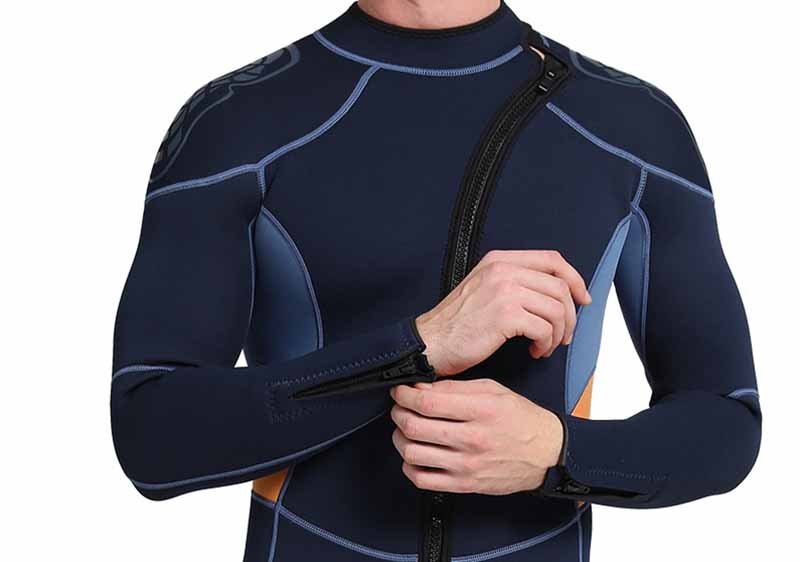
Neoprene’s ability to insulate is one of its primary advantages. The material works by trapping a thin layer of water between the wetsuit and the skin. Once the wetsuit is on, the body quickly heats up this thin layer of water, creating a thermal barrier that prevents cold water from reaching the skin.
How does neoprene insulation work?
The key to neoprene’s insulating properties lies in its closed-cell foam structure. This structure consists of tiny air bubbles that are sealed within the material. These air pockets trap heat, which keeps the body warm and prevents cold water from coming into contact with the skin.
| Feature | Benefit |
|---|---|
| Closed-cell Foam | Traps air pockets, providing a thermal barrier that keeps body heat inside. |
| Flexibility | Neoprene stretches to fit the body, creating a snug fit that enhances heat retention. |
| Water Resistance | Prevents water infiltration into the wetsuit, helping to maintain warmth longer. |
Neoprene’s ability to trap air within its structure ensures that the body stays warm for longer periods, even in colder water temperatures. This makes it a superior choice compared to other materials like lycra or spandex, which do not provide the same insulation when submerged in water.
How does neoprene compare to other fabrics?
Neoprene’s insulation and flexibility give it a clear advantage over other common fabrics like lycra, spandex, or polyester. While these fabrics are lightweight and stretchy, they lack the thermal properties and water resistance that neoprene provides. Here’s how neoprene stacks up:
| Material | Pros | Cons |
|---|---|---|
| Neoprene | Excellent thermal insulation, flexibility, durability | Can be less breathable in hot environments. |
| Lycra | Lightweight, stretchable, comfortable | Lacks insulation; not water-resistant. |
| Spandex | Flexible, allows for easy movement | No thermal protection in water. |
| Polyester | Durable, quick-drying | Poor insulation and cold water resistance. |
As compared to lycra or polyester, neoprene offers superior protection in cold water, making it the preferred material for wetsuits used in surfing, diving, and other water sports.
Which Performance Traits Matter in Wetsuits?
When choosing a wetsuit, several key performance traits are important to consider. Neoprene stands out for its ability to combine flexibility, insulation, and durability, making it ideal for athletes and water enthusiasts. Let’s dive into the top performance traits that matter most in wetsuit material selection and why neoprene is best suited for water sports.
Which neoprene types deliver better flexibility?
Flexibility is a critical factor when choosing a wetsuit, as it determines how easily the wetsuit moves with the body during physical activity. Neoprene offers different types, with varying levels of stretchability and comfort. Let’s explore which neoprene types deliver the best flexibility for different water sports.
Super Stretch Neoprene
Super Stretch Neoprene is a more flexible version of the standard neoprene material. It is designed with high-stretch properties that allow for an increased range of movement, perfect for activities requiring freedom of motion, such as surfing, scuba diving, and competitive swimming.
- Why it matters: For water sports like surfing, where fluid movement is essential, super stretch neoprene ensures that the wetsuit moves with the body, providing both comfort and optimal performance.
- Best use case: Super Stretch Neoprene is best for athletes looking for a wetsuit that provides maximum stretch, allowing for a more dynamic and flexible fit.
Neoprene Type Flexibility Ideal Use Super Stretch Neoprene Offers maximum flexibility, allows for unrestricted movement. Perfect for surfing, scuba diving, or competitive swimming. Standard Neoprene Provides a balanced amount of stretch and flexibility. Ideal for casual swimmers, kayakers, or those in mild water conditions.
Standard Neoprene
- Standard Neoprene offers a moderate level of flexibility while still providing great insulation. While it does not have the extreme stretch of super stretch neoprene, it provides an excellent balance between comfort and thermal protection.
- Why it matters: For activities that don’t require extreme flexibility but still need good insulation, such as kayaking or casual swimming, standard neoprene is a perfect fit.
- Best use case: Ideal for users looking for general flexibility without sacrificing thermal performance. Standard neoprene is commonly used in milder conditions or for those who prioritize comfort over extreme stretch.
| Neoprene Type | Flexibility | Ideal Use |
|---|---|---|
| Super Stretch Neoprene | Offers maximum flexibility, allows for unrestricted movement. | Perfect for surfing, scuba diving, or competitive swimming. |
| Standard Neoprene | Provides a balanced amount of stretch and flexibility. | Ideal for casual swimmers, kayakers, or those in mild water conditions. |
Which neoprene features improve water resistance?
In addition to flexibility, water resistance is a crucial factor when choosing neoprene for wetsuits. Wetsuits need to prevent water from entering, as this can significantly lower the suit’s thermal insulation and comfort level. Let’s explore the features of neoprene that improve its water resistance and how they contribute to the overall effectiveness of a wetsuit.
Smooth Skin Neoprene
Smooth Skin Neoprene has a smooth, slick surface that naturally repels water. This type of neoprene is commonly used in wetsuits for cold-water conditions, as it minimizes water infiltration and helps prevent wind chill.
- Why it matters: Smooth Skin Neoprene not only keeps you warm but also protects you from wind and cold water by preventing water from entering the wetsuit.
- Best use case: Smooth Skin Neoprene is perfect for cold-water wetsuits, where you need to maximize water resistance and minimize the amount of cold water that enters the wetsuit.
Neoprene with Nylon or Polyester Lamination
Neoprene with laminated nylon or polyester layers offers an added protective barrier that enhances the material’s resistance to water penetration and abrasion. This feature is particularly useful in wetsuits that are exposed to harsh environments or need to withstand extensive wear.
- Why it matters: The laminated layers add an extra degree of protection to the neoprene, improving its ability to resist water and abrasion, making the wetsuit more durable and effective.
- Best use case: Ideal for wetsuits used in extreme conditions, such as deep-sea diving or surfing in stormy waters, where both water resistance and durability are essential.
| Neoprene Feature | Benefit | Ideal Use Case |
|---|---|---|
| Smooth Skin Neoprene | Offers water resistance and wind protection. | Best for cold-water wetsuits to keep warmth in and cold water out. |
| Laminated Neoprene | Adds an extra layer of water resistance and abrasion resistance. | Perfect for extreme conditions or high-performance wetsuits. |
Why Neoprene Wetsuits Are Ideal for Water Sports
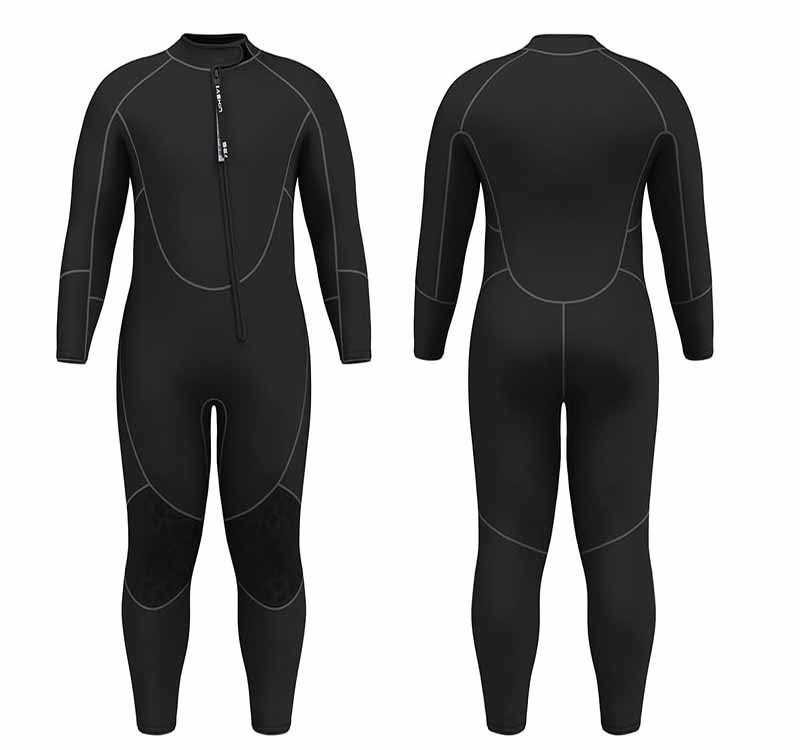
Neoprene is the ultimate material for water sports enthusiasts, providing a combination of thermal protection, flexibility, and resilience in diverse conditions. Let’s continue to explore how neoprene wetsuits stand out for various water activities and why they are the go-to choice for professional athletes and hobbyists alike.
Why Neoprene Wetsuits Are Great for Scuba Diving
Scuba diving involves both depth and cold water exposure, requiring a wetsuit that can handle these extreme conditions. Neoprene wetsuits provide exceptional thermal insulation and flexibility, which are crucial for divers who need to stay warm while moving through cold water for extended periods.
Why it matters:
- Insulation: Neoprene offers high insulation properties, maintaining body heat even at depths where temperatures can drop significantly.
- Buoyancy: The material helps divers maintain buoyancy in the water, making it easier to stay afloat while conserving energy.
- Flexibility: Neoprene wetsuits provide the flexibility divers need for extended movements while exploring underwater.
For divers, the ability to maintain body heat and maximize comfort during long dives in cold water is essential, making neoprene the ideal material for their wetsuits.
Why Neoprene Wetsuits Excel for Triathletes
Triathlons are grueling races that involve swimming, cycling, and running. Athletes need wetsuits that provide warmth, freedom of movement, and speed during the swim portion, all while being lightweight enough for the remaining segments.
Why it matters:
- Thermal Protection: Neoprene wetsuits ensure that triathletes can stay warm in colder water, reducing fatigue and helping them perform at their best.
- Hydrodynamics: The material enhances the athlete’s swim speed by providing a smooth surface that reduces drag in the water.
- Comfort: Neoprene offers a snug fit, preventing chafing and irritation, which is especially important when athletes are in the wetsuit for an extended period.
For triathletes, neoprene provides the perfect balance of warmth, flexibility, and performance enhancement, helping them excel in the swimming leg of their race.
Why Neoprene Wetsuits Are Beneficial for Surfers
Surfing requires wetsuits that offer maximum flexibility and comfort, enabling athletes to catch waves and execute tricks without feeling restricted. Neoprene wetsuits are the best option for surfers because they provide the thermal insulation needed to stay warm in cold waters, combined with flexibility that allows free movement.
Why it matters:
- Freedom of Movement: Neoprene wetsuits are designed to stretch and move with the surfer, enabling them to perform dynamic surfing maneuvers without hindrance.
- Durability: Neoprene is known for its resilience to the tough conditions of the ocean, withstanding abrasion from surfboards and repeated exposure to water.
- Temperature Control: Even in colder waters, neoprene ensures the surfer remains warm without restricting their movements.
Surfers demand wetsuits that can keep them warm, flexible, and protected from the elements, making neoprene the best material for the job.
Why Choose Neoprene for Custom Wetsuit Manufacturing?
When manufacturing wetsuits, neoprene is universally recognized for its superior qualities, such as thermal insulation, water resistance, and stretchability. It provides a customizable solution for those in need of high-performance wetsuits for various water sports.
Why Neoprene Is Preferred by Brands
Brands that specialize in water sports gear often choose neoprene for custom wetsuits because of its flexibility, durability, and customization options. Neoprene can be made in various thicknesses and types, ensuring that the wetsuit can be tailored to the specific needs of the athlete or the environmental conditions they will face.
- Customization: Neoprene wetsuits can be custom-tailored to fit specific body types, ensuring comfort and performance during water activities.
- Performance Features: Different types of neoprene provide additional features, such as stretchability for better mobility, or smooth-skin finishes for water resistance.
Why Neoprene Fits Various Water Sports
Neoprene is the go-to material for wetsuits across a wide range of water sports because it can be adapted for different water conditions and performance needs.
| Water Sport | Key Benefit | Why Neoprene is Ideal |
|---|---|---|
| Surfing | Flexibility and insulation | Neoprene wetsuits provide freedom of movement and warmth in cold surf waters. |
| Scuba Diving | Thermal protection and buoyancy | Neoprene keeps divers warm at depth and provides the buoyancy needed for floating. |
| Triathlons | Insulation and hydrodynamics | Neoprene helps triathletes stay warm and reduce drag during the swim portion. |
| Open Water Swimming | Warmth and comfort | Neoprene wetsuits keep swimmers warm in cold open water without restricting movement. |
For each of these sports, custom neoprene wetsuits can be tailored to offer specific advantages, such as enhanced insulation, stretchability, and abrasion resistance. This makes neoprene the preferred choice for wetsuit manufacturers and athletes who demand the best performance.
Get Custom Neoprene Wetsuits with Oneier
At Oneier, we specialize in creating custom neoprene wetsuits designed for ultimate performance, comfort, and durability. Whether you’re a surfer, scuba diver, or triathlete, we offer custom wetsuit solutions that meet the specific demands of your water sport. Our low MOQ, fast prototyping, and 100% quality assurance ensure that your wetsuit will deliver the highest performance in any water condition.
Contact us today to get your custom neoprene wetsuit designed and crafted to your exact specifications!