
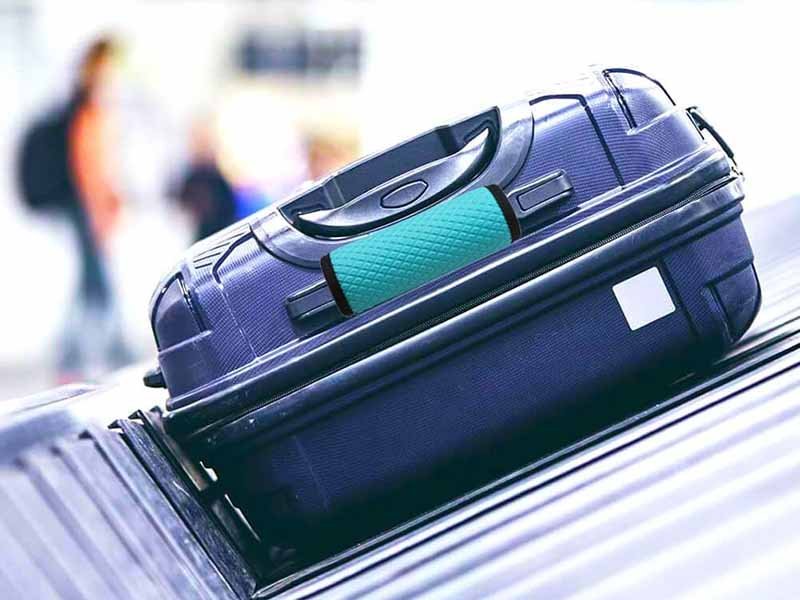
Travel looks effortless in photos, but anyone who has dragged a heavy suitcase across terminals, sidewalks, and hotel lobbies knows the truth: the weakest point of your luggage experience is often the handle. Not the wheels. Not the shell. The handle—where all the weight, pressure, sweat, and germs converge.
That’s why luggage handle wraps have quietly become one of the most discussed travel accessories in recent years. Some travelers swear by them for comfort and hygiene. Others see them as unnecessary extras. And many simply ask the practical question: Is it worth wrapping your luggage at all—or is this just another travel gimmick?
What makes this question more interesting is that “wrapping luggage” can mean very different things. Full plastic wrapping services at airports focus on theft deterrence and surface protection. Handle wraps, on the other hand, target a much more human problem: how your hand interacts with your bag, repeatedly, under stress, over long distances. Luggage handle wraps are worth it for travelers who value comfort, hygiene, and easy luggage identification. Unlike full plastic wrapping, handle wraps focus on grip comfort, reducing hand fatigue, preventing direct contact with dirty handles, and helping spot luggage quickly. They are especially useful for frequent travelers, heavy luggage users, and families, offering a low-cost, reusable upgrade to everyday travel.
Still, value depends on how you travel, how often, and what problems you’re actually trying to solve. Let’s break it down—starting with what luggage handle wraps really are, and why they exist in the first place.
What Are Luggage Handle Wraps
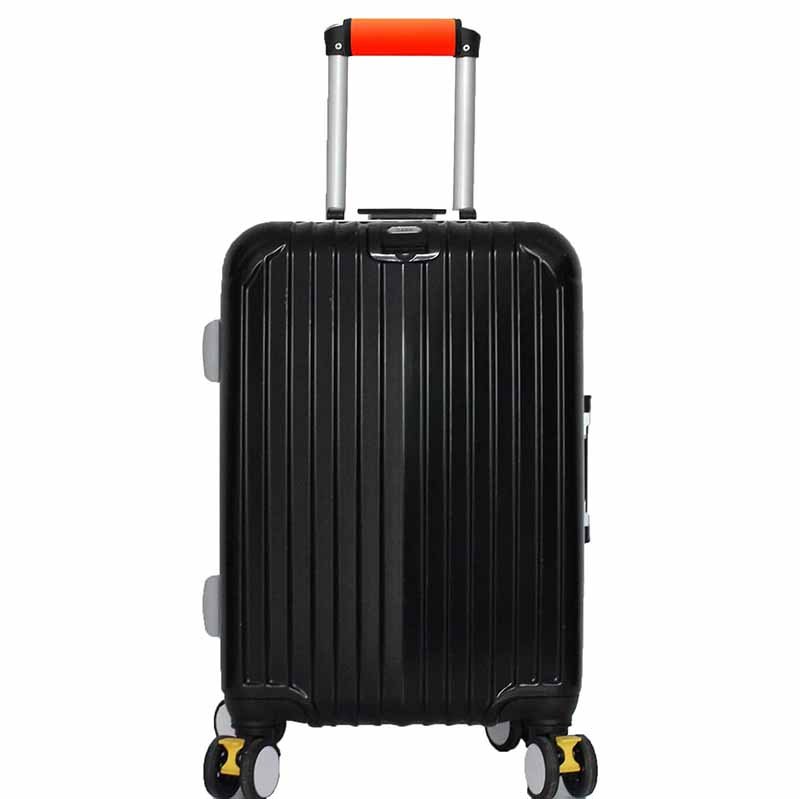
Luggage handle wraps are removable padded covers designed to wrap around suitcase handles to improve comfort, hygiene, grip, and visibility during travel. They are typically made from materials such as neoprene, fabric, or silicone and secured with Velcro or hook-and-loop closures. Handle wraps reduce hand pressure when carrying heavy luggage, protect handles from wear, and help travelers identify their bags quickly at airports.
Luggage handle wraps may look like simple accessories, but they exist to solve very specific, repeatable problems that travelers encounter every day. To understand their real value, it helps to look at what they are, how they are constructed, and why they are different from other luggage protection products.
What exactly is a luggage handle wrap?
A luggage handle wrap is a soft, removable sleeve that wraps around the carrying handle of a suitcase or travel bag. Most designs use a hook-and-loop (Velcro) closure, allowing the wrap to be installed or removed in seconds without tools.
Unlike permanent handle padding or built-in grips, handle wraps are universal—they fit most telescopic and fixed suitcase handles regardless of brand or size. This makes them a flexible upgrade for travelers who use multiple bags or frequently change luggage.
From a functional perspective, handle wraps act as an interface layer between the traveler’s hand and the luggage handle, improving how weight, pressure, and friction are managed during travel.
What materials are luggage handle wraps made from?
Material choice defines how a handle wrap performs. The most common materials include:
- Neoprene: Soft, elastic, shock-absorbing, and water-resistant. Neoprene is widely used in sports braces and medical supports because it cushions pressure while maintaining structure.
- Fabric (polyester or nylon blends): Lightweight and customizable, but typically thinner and less effective for heavy luggage.
- Silicone or rubber: High grip and waterproof, but often less comfortable for long carrying periods due to stiffness or stickiness.
Among these options, neoprene handle wraps are generally considered the most balanced solution for travel, offering comfort, durability, hygiene, and long-term usability.
What problems are luggage handle wraps designed to solve?
Luggage handle wraps are not decorative items. They are designed to address four common travel pain points:
- Hand fatigue and pressure pain Hard plastic or thin handles concentrate weight into a small area of the palm, especially with heavy luggage.
- Poor grip and control Smooth handles can slip when hands are sweaty, wet, or tired, increasing strain on wrists and fingers.
- Hygiene concerns Luggage handles are touched by airport staff, taxi drivers, and other travelers, often without cleaning.
- Luggage identification issues Similar-looking suitcases are easy to confuse at baggage claim.
A well-designed handle wrap improves all four areas without changing the luggage itself.
How are handle wraps different from full luggage wrapping?
Many travelers confuse handle wraps with full plastic luggage wrapping services offered at airports. The two serve very different purposes:
| Feature | Handle Wraps | Full Luggage Wrapping |
|---|---|---|
| Primary focus | Comfort & usability | Security & surface protection |
| Reusability | Reusable | Single-use |
| Hygiene benefit | High | Low |
| Cost over time | Low | Repeating cost |
| Environmental impact | Minimal | High plastic waste |
Handle wraps improve how luggage feels to use, not how it looks in transit. This distinction is important for setting realistic expectations.
Are luggage handle wraps universal or size-specific?
Most luggage handle wraps are designed to be one-size-fits-most. Flexible materials like neoprene allow the wrap to conform to different handle widths and shapes, including:
- Telescopic suitcase handles
- Fixed carry handles
- Duffel bag or travel tote handles
For heavy luggage or oversized handles, longer wraps with stronger closures provide better coverage and stability.
Why have luggage handle wraps become more popular recently?
Several trends have driven renewed interest in handle wraps:
- Increased focus on travel hygiene
- More travelers carrying heavier carry-ons
- Growth of custom and branded travel accessories
- Demand for small, reusable travel upgrades
As travelers prioritize comfort and cleanliness over disposable solutions, handle wraps have shifted from niche accessories to practical essentials.
Are Luggage Handle Wraps Worth It
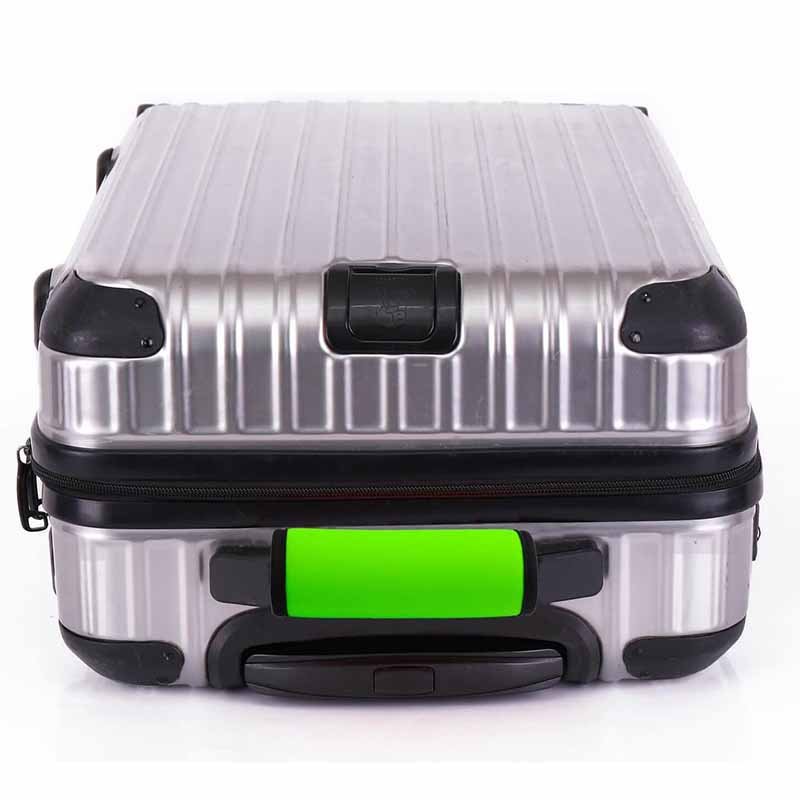
Yes, luggage handle wraps are worth it for travelers who carry heavy luggage, travel frequently, or care about comfort and hygiene. They reduce hand pressure, improve grip, minimize contact with dirty handles, and help identify luggage faster. Compared to plastic luggage wrapping, handle wraps are reusable, low-cost, and focused on real daily use rather than one-time transit protection.
The value of luggage handle wraps doesn’t come from luxury or novelty—it comes from frequency, weight, and repetition. If you only travel once a year with a light carry-on, the difference may feel small. But for many travelers, the benefits compound quickly.
To determine whether handle wraps are truly worth it, it’s important to look at practical trade-offs, not just product features.
Is it worth wrapping your luggage handles instead of the whole suitcase?
Many travelers associate “wrapping luggage” with airport plastic wrapping services, which focus on theft deterrence and surface protection. However, wrapping the handle serves a completely different purpose.
A suitcase handle is the only part of luggage that your body interacts with continuously. Every step, pull, lift, and turn transfers weight through your hand. Improving this contact point often delivers more noticeable comfort gains than protecting the suitcase shell.
From a value perspective:
- Full suitcase wrapping protects the bag during transit only
- Handle wraps improve comfort before, during, and after transit
For most travelers, enhancing usability outweighs cosmetic protection.
Are luggage handle wraps cost-effective over time?
One of the strongest arguments for handle wraps is cost efficiency. A quality handle wrap is a one-time purchase that can last for years, while plastic luggage wrapping must be paid for on every trip.
Even modest improvements in comfort become meaningful when repeated dozens of times per year. Frequent travelers often invest in better shoes, backpacks, or carry-on luggage for this reason. Handle wraps operate on the same principle: small ergonomic upgrades with long-term payoff.
When viewed over multiple trips, handle wraps offer a very high comfort-to-cost ratio.
Are handle wraps actually noticeable in daily travel use?
Yes—but not immediately in a dramatic way. Most users notice handle wraps in moments of strain rather than moments of ease:
- Long walks between terminals
- Carrying luggage up stairs or curbs
- Standing in lines while holding bags
- Navigating crowded sidewalks or trains
In these situations, reduced pressure and better grip become obvious. Travelers often report that once they get used to a padded handle, going back to a bare handle feels uncomfortable.
That kind of feedback usually indicates real functional value.
Are luggage handle wraps worth it for hygiene reasons?
Hygiene is increasingly a deciding factor. Luggage handles are touched by multiple people throughout a trip and rarely cleaned. Handle wraps create a personal, removable barrier between your hand and shared surfaces.
Materials like neoprene resist moisture and can be washed regularly, making them far more hygienic than bare plastic or rubber handles. For health-conscious travelers, parents, or anyone traveling through crowded transit hubs, this alone often justifies using a handle wrap.
Who benefits the most—and who may not need them?
Handle wraps deliver the most value for:
- Frequent travelers
- Business travelers
- Families carrying multiple bags
- Travelers with heavy or oversized luggage
- People with sensitive hands or joint strain
They may feel less essential for:
- Ultra-light travelers
- Short, infrequent trips
- Minimalist carry-on users
In other words, handle wraps are not universally necessary—but for the people who need them, they quickly become indispensable.
How Do Handle Wraps Improve the Travel Experience
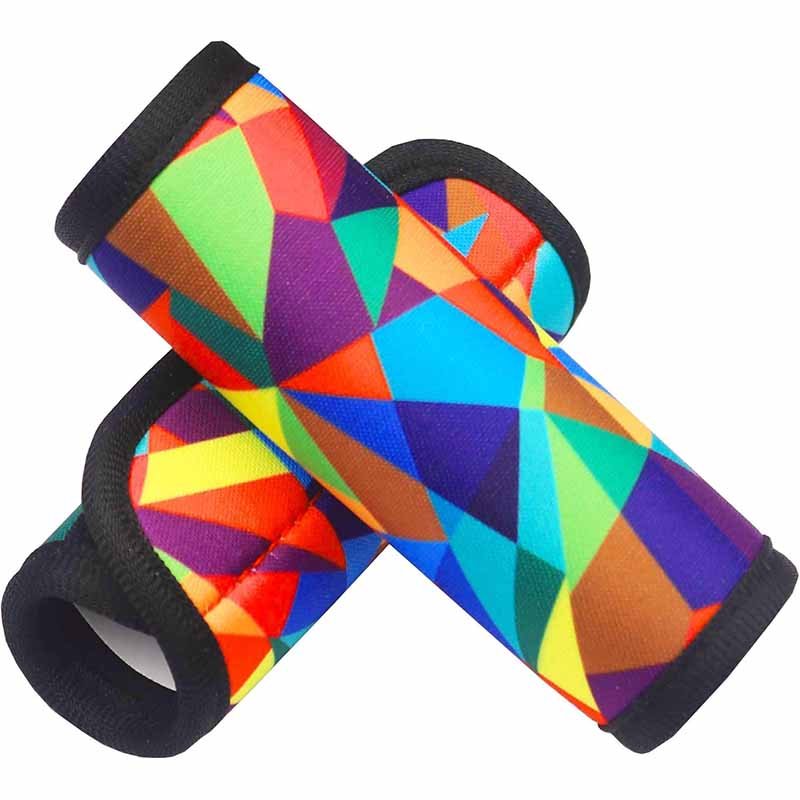
Luggage handle wraps improve the travel experience by reducing hand fatigue, improving grip control, enhancing hygiene, and speeding up luggage identification. Padded materials like neoprene absorb pressure from heavy bags, while textured surfaces prevent slipping when hands are sweaty or tired. Handle wraps also act as visible markers at baggage claim, helping travelers move faster and with less stress throughout their journey.
Travel discomfort rarely comes from one big moment. Instead, it builds through hundreds of small, repetitive interactions—lifting, pulling, waiting, walking, stopping, and lifting again. Handle wraps improve the travel experience by addressing these repeated stress points at the exact place where travelers interact with their luggage most: the handle.
How do handle wraps reduce hand fatigue and pressure over long trips?
Hand fatigue occurs when a heavy load is concentrated into a narrow contact area. Standard luggage handles are typically hard plastic or thin rubber, which focus pressure into the center of the palm and fingers.
Handle wraps—especially padded ones—increase the contact surface area between the hand and the handle. This spreads weight more evenly, reducing peak pressure on nerves and soft tissue. Over time, this means:
- Less soreness after long walks
- Reduced numbness in fingers
- Lower strain on wrists and forearms
For travelers navigating large airports, train stations, or city streets, this pressure reduction becomes noticeable within a single trip and significant across multiple trips.
How do handle wraps improve grip and luggage control?
Grip quality directly affects how much effort your body uses to control luggage. Smooth handles can rotate or slip slightly, forcing constant micro-adjustments from the hand and wrist.
Handle wraps improve grip in two key ways:
- Added friction from textured or fabric surfaces
- Improved grip geometry from added thickness
This allows travelers to hold luggage with a more relaxed, natural grip rather than clenching tightly. Better grip control reduces fatigue and lowers the risk of accidental drops—especially when lifting bags into car trunks, overhead compartments, or onto luggage carts.
How do handle wraps make luggage easier to manage in crowded spaces?
Crowded travel environments demand precision. Whether navigating airport security lines, boarding trains, or moving through hotel lobbies, travelers frequently need to stop, start, lift, and pivot their luggage.
Handle wraps improve control during these movements by making the handle easier to locate and grip instantly. The tactile difference between a wrapped handle and bare plastic allows travelers to adjust grip without looking down, which is especially useful in tight or fast-moving spaces.
This subtle improvement reduces hesitation and awkward movements, making travel feel smoother and more controlled.
How do handle wraps improve hygiene during travel?
Luggage handles are high-contact surfaces. They are touched by baggage handlers, taxi drivers, hotel staff, and other travelers—and rarely cleaned.
Handle wraps create a personal hygiene barrier between the traveler’s hand and shared surfaces. Materials like neoprene resist moisture absorption and can be removed and washed regularly, reducing exposure to dirt, sweat, and bacteria.
For health-conscious travelers, parents, or frequent flyers, this added hygiene control improves peace of mind and reduces discomfort associated with touching visibly worn or sticky handles.
How do handle wraps help travelers move faster and with less stress?
Stress in travel often comes from delays and uncertainty—especially at baggage claim. Handle wraps improve efficiency by acting as high-visibility identifiers placed at eye level.
Unlike luggage tags that can twist or hide, handle wraps are immediately visible. Travelers can spot their bag faster, retrieve it sooner, and move on without hesitation. This small time-saving adds up, particularly for travelers on tight schedules or connecting transport.
Reduced decision time equals reduced stress—and that directly improves overall travel experience.
How does material choice affect the travel experience?
Not all handle wraps deliver the same experience. Material choice determines how the wrap performs in real conditions:
| Material | Travel Comfort | Grip | Hygiene | Best For |
|---|---|---|---|---|
| Neoprene | Excellent | High | Excellent | Frequent & long-distance travel |
| Fabric | Moderate | Moderate | Fair | Light, occasional trips |
| Silicone | Moderate | High | Good | Wet environments, short use |
Neoprene stands out because it maintains softness under load, resists sweat, and stays flexible across temperature changes—making it especially suitable for frequent and long-distance travelers.
Why handle wraps improve travel experience more than expected
Most travelers underestimate handle wraps because they focus on luggage as an object, not as an interaction. Handle wraps don’t change how luggage looks—they change how it feels to use.
That’s why many users only realize their value after trying them. Once accustomed to reduced pressure, better grip, and improved hygiene, traveling without a handle wrap often feels like a downgrade.
Which Travelers Benefit Most From Handle Wraps
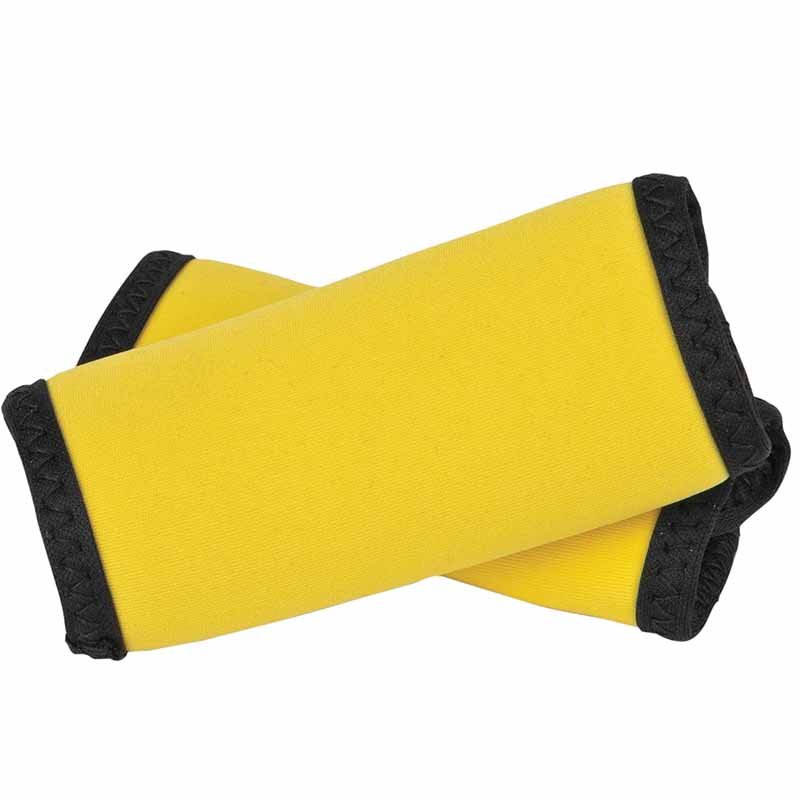
Luggage handle wraps benefit travelers who carry heavy luggage, travel frequently, or move through crowded transport environments. Frequent flyers, business travelers, families, older travelers, and people with sensitive hands gain the most value. Handle wraps reduce hand strain, improve grip control, enhance hygiene, and speed up luggage identification, making travel smoother and less physically demanding.
Not every traveler needs a luggage handle wrap—but for certain travel profiles, the benefits are immediate and noticeable. The more weight, distance, repetition, and complexity involved in a trip, the more value a handle wrap delivers.
Below are the traveler groups that benefit most, explained through real-world usage rather than assumptions.
Which frequent travelers benefit most from handle wraps?
Frequent travelers experience cumulative strain. Even moderate discomfort becomes significant when repeated week after week.
For this group, handle wraps:
- Reduce long-term hand and wrist fatigue
- Improve consistency in grip comfort across different suitcases
- Add a familiar tactile feel regardless of luggage brand
Business travelers, consultants, and frequent flyers often move quickly and carry multiple bags. A padded handle wrap reduces micro-stress during constant lifting and pulling, making it easier to stay comfortable over long travel schedules.
Which business travelers and professionals gain the most value?
Business travelers prioritize efficiency, cleanliness, and reliability. Handle wraps support all three.
They:
- Provide a cleaner surface when moving between taxis, airports, and offices
- Make luggage easier to identify during tight schedules
- Improve control when navigating crowded terminals
For professionals who travel in formal attire, avoiding sweaty palms or awkward luggage handling is more than comfort—it’s about maintaining composure and confidence throughout the journey.
Which families and group travelers benefit the most?
Families rarely carry just one bag. Parents often juggle multiple suitcases, backpacks, and children at the same time.
Handle wraps help families by:
- Making heavy bags easier to lift repeatedly
- Allowing color-coding for quick identification
- Reducing hand strain when carrying luggage for extended periods
In group travel scenarios—tours, school trips, or team travel—handle wraps also prevent confusion when multiple people carry similar luggage.
Which older travelers or travelers with hand sensitivity benefit most?
Older travelers or those with arthritis, joint pain, or reduced grip strength often feel discomfort sooner than others.
Handle wraps:
- Increase handle thickness for a more natural grip
- Reduce pressure points on sensitive joints
- Improve control without requiring extra grip strength
For this group, handle wraps are not just convenient—they act as a functional aid that makes travel more manageable and enjoyable.
Which travelers carrying heavy or oversized luggage gain the most?
Heavy luggage magnifies every flaw in handle design. Thin, hard handles quickly become painful under load.
Travelers carrying:
- Checked luggage near airline weight limits
- Equipment cases or sample bags
- Long-haul travel bags
benefit significantly from padded handle wraps. The cushioning absorbs pressure spikes caused by uneven surfaces, curbs, and stairs, reducing shock transferred to the hand and wrist.
Which hygiene-conscious travelers benefit from handle wraps?
Hygiene concerns are now part of travel decision-making. Luggage handles pass through many hands and surfaces without cleaning.
Handle wraps provide:
- A removable personal contact layer
- Easy washing between trips
- Reduced exposure to dirt and sweat
For parents, health-conscious travelers, or anyone traveling frequently through busy transit hubs, this hygiene control adds peace of mind and comfort.
Who may not need handle wraps?
Handle wraps may feel less essential for:
- Ultra-light travelers with small carry-ons
- Infrequent travelers on short trips
- Minimalist travelers prioritizing reduced accessories
However, even these travelers often find handle wraps useful once they experience improved grip and comfort in unexpected situations, such as delays or long walks.
Why handle wraps feel more valuable over time
Handle wraps tend to deliver increasing returns. The more often you travel, the more noticeable the benefits become. Many users report that after using a handle wrap for several trips, traveling without one feels uncomfortable by comparison.
That pattern is a strong indicator of genuine, functional value rather than perceived novelty.
Do Handle Wraps Really Reduce Risk or Damage
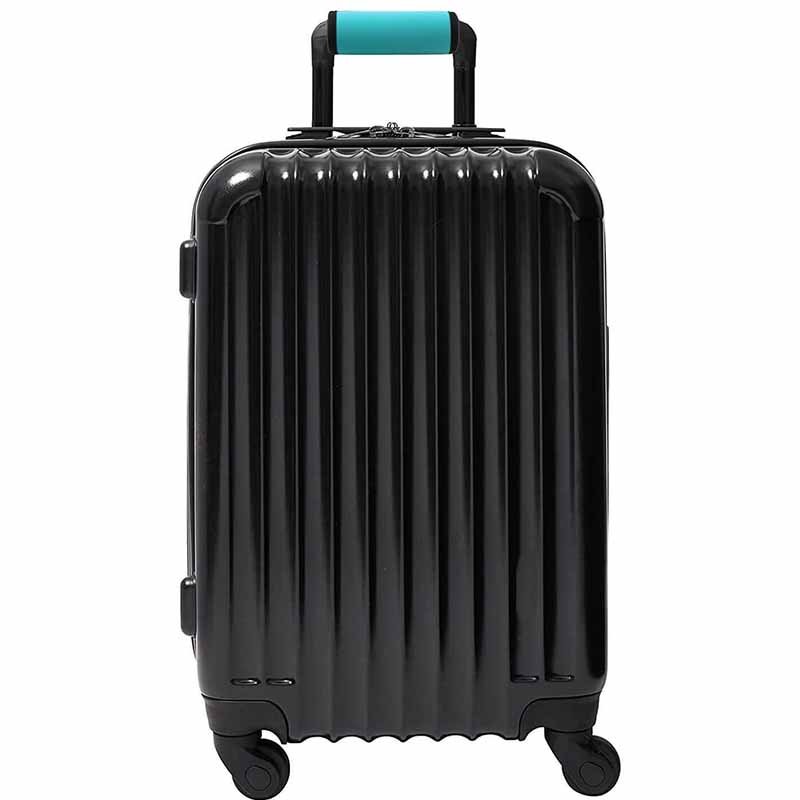
Luggage handle wraps reduce everyday wear, hygiene exposure, and handling-related damage, but they do not prevent theft or major impact damage. They protect handles from cracking, peeling, sweat corrosion, and pressure fatigue, while improving grip control and reducing drops. Handle wraps are best viewed as functional protection for high-contact areas, not as security or full luggage protection solutions.
Handle wraps are often misunderstood because travelers expect them to solve problems they were never designed for. Their real value lies in reducing small, repeated risks that occur every time luggage is handled—by you or others.
Understanding exactly what risks they reduce (and what they don’t) helps set realistic expectations and makes handle wraps easier to evaluate objectively.
Do handle wraps protect luggage handles from wear, cracking, and peeling?
Yes—this is one of their most measurable benefits.
Luggage handles are exposed to:
- Continuous friction from hands
- Sweat, oils, and dirt
- Temperature changes that harden plastics
Over time, these factors cause surface coatings to crack, peel, or become sticky. Handle wraps act as a protective buffer layer, absorbing friction and moisture before they reach the original handle.
This significantly slows visible wear and preserves handle integrity, especially on frequently used luggage. While it won’t make handles indestructible, it extends their usable life in a simple, cost-effective way.
Do handle wraps reduce the risk of dropping luggage?
Indirectly, yes.
Most accidental drops happen not because luggage is too heavy, but because grip slips at the wrong moment—during lifting, turning, or navigating stairs.
Handle wraps improve grip through:
- Increased surface friction
- Thicker grip diameter for better hand ergonomics
- Reduced hand fatigue over time
Better grip control lowers the chance of sudden slips, especially when hands are sweaty, tired, or cold. While handle wraps cannot eliminate all drop risk, they meaningfully reduce common handling errors.
Do handle wraps protect against hygiene-related risks?
Yes, particularly in high-contact travel environments.
Luggage handles are touched by:
- Baggage handlers
- Taxi and rideshare drivers
- Hotel staff
- Other travelers during loading and unloading
Handle wraps create a personal, removable contact surface. Materials like neoprene resist moisture absorption and can be washed regularly, reducing prolonged contact with dirt, sweat, and bacteria.
For health-conscious travelers or parents, this hygiene barrier reduces exposure risk and improves peace of mind, especially on long or multi-leg trips.
Do visible handle wraps reduce the risk of luggage mix-ups or loss?
They reduce mix-ups, not theft.
Bright or uniquely designed handle wraps improve visual identification at baggage claim, making it less likely that:
- You pick up the wrong bag
- Someone else mistakenly takes yours
This is especially useful when many bags look similar. However, handle wraps do not prevent intentional theft and should not be relied on as a security device.
Their role is identification clarity, not access control.
What risks do handle wraps NOT reduce?
It’s equally important to understand limitations:
Handle wraps do not:
- Prevent theft or tampering
- Protect luggage shells from impact damage
- Reinforce weak handle hardware
- Replace locks or security straps
They work at the human interface level, not structural or security levels. Expecting them to perform beyond this scope leads to disappointment.
Are handle wraps still worth it from a risk perspective?
Yes—when evaluated correctly.
Handle wraps reduce high-frequency, low-level risks:
- Wear and tear
- Slips and drops
- Hygiene exposure
- Confusion at baggage claim
These risks occur far more often than dramatic events like theft or crushing damage. Addressing them improves everyday travel reliability and comfort in a way that feels subtle but accumulates value over time.
Why handle wraps feel more protective than they look
Protection doesn’t always mean impact resistance. In travel, the most common problems arise from repeated handling, not accidents.
By improving grip, reducing fatigue, and creating a clean contact surface, handle wraps prevent small failures before they happen. That prevention is what many travelers only notice after using them consistently.
How to Choose the Best Luggage Handle Wrap
To choose the best luggage handle wrap, focus on material (neoprene is the most balanced), padding thickness (about 3–6 mm for real comfort), closure strength (wide, high-quality Velcro), and full handle coverage. Pick a wrap that improves grip without sliding, resists sweat and moisture, and can be washed easily. For frequent travel or heavy luggage, prioritize durable stitching and a non-slip inner surface.
Choosing a luggage handle wrap is easy if you know what to test. The goal is not “softest” or “prettiest.” The goal is stable comfort under load—when the suitcase is heavy, your hands are sweaty, and you’re moving fast.
Below is a step-by-step framework that mirrors how experienced travelers (and product developers) evaluate handle wraps.
How do you choose the right material for comfort, durability, and hygiene?
Material determines the feel, lifespan, and cleanliness of a handle wrap.
Use this quick guide:
| Material | Comfort under heavy load | Grip | Hygiene | Durability | Best for |
|---|---|---|---|---|---|
| Neoprene | Excellent | High | Excellent | High | Frequent travel, heavy luggage |
| Fabric (poly/nylon) | Medium | Medium | Fair | Medium | Light, occasional trips |
| Silicone/rubber | Medium | High | Good | High | Wet conditions, short carrying |
Why neoprene often wins: Neoprene provides cushioning without collapsing, handles sweat and moisture well, stays flexible in hot/cold environments, and feels comfortable for long carrying times. It’s also easy to wash and quick to dry—key for travel hygiene.
How thick should a handle wrap be to make a real difference?
Thickness is the difference between “looks padded” and “actually helps.”
- Too thin (≤2 mm): barely reduces pressure, mostly decorative
- Ideal (3–6 mm): noticeable comfort improvement without feeling bulky
- Too thick (≥8 mm): can feel awkward, reduce control, or cause slipping
Rule of thumb: If you often carry checked luggage near airline weight limits, go closer to 5–6 mm. If you’re mostly carry-on, 3–4 mm usually feels perfect.
How do you know if the closure is strong enough?
The closure system is what prevents the wrap from twisting or sliding. Many “cheap” handle wraps fail here.
Look for:
- Wide Velcro strip (wider = stronger hold)
- Tight edge alignment (no gapping when wrapped)
- Stitch reinforcement around closure zones
Simple real-life test: Wrap it around your suitcase handle and pull hard—if it rotates easily, it’s not stable enough for real travel.
For heavy luggage, poor closure strength leads to constant re-adjusting, which is exactly what you’re trying to avoid.
How do you choose the right size and coverage?
Most handle wraps are “one-size-fits-most,” but coverage length still matters.
Better wraps typically:
- Cover the full grip area (not just a short patch)
- Fit both fixed carry handles and telescopic handle grips
- Have edges that don’t rub the hand when pulling for long distances
Best practice: Choose a wrap long enough that your hand never lands on bare plastic during normal use. That’s where pressure hotspots return.
How do you pick a handle wrap that won’t slip in sweaty or rainy conditions?
Slipping is a common problem—especially in humid climates, summer travel, or when walking fast.
To reduce slipping:
- Choose wraps with a non-slip inner lining (textured or rubberized dots)
- Avoid overly smooth inner fabrics
- Choose slightly elastic materials (neoprene tends to grip better)
Why it matters: A slipping wrap doesn’t just reduce comfort—it reduces control, which increases the chance of awkward lifting or accidental drops.
How do you choose the best handle wrap for your travel style?
Match wrap specs to how you travel:
| Travel profile | Best choice |
|---|---|
| Frequent flyer / business travel | Neoprene, 4–6 mm, strong Velcro, washable |
| Family travel / multi-bag trips | Bright colors + name label area, durable stitching |
| Heavy checked luggage | 5–6 mm padding, non-slip inner, reinforced edges |
| Humid or rainy climates | Neoprene or silicone grip zones, quick-dry design |
| Minimalist carry-on travel | 3–4 mm neoprene or light fabric with strong closure |
This makes “worth it” easy to feel—because the wrap fits the actual friction points of your trip.
What features matter most if you want a custom or branded handle wrap?
If you’re a brand, retailer, or corporate buyer, handle wraps are also a branding surface that travelers use in public spaces.
Prioritize:
- Logo placement area (screen print, heat transfer, embroidery patch)
- Color consistency (Pantone matching for brand identity)
- Durable edge binding (prevents fraying after washing)
- Low MOQ options (so you can test market before scaling)
A handle wrap that looks good but falls apart after a few trips hurts the brand more than it helps. For branded use, durability is part of marketing.
Common mistakes: How do people choose the wrong handle wrap?
Avoid these traps:
- Choosing only by appearance, not by closure strength
- Buying ultra-thin wraps that don’t cushion
- Ignoring hygiene (hard to wash = won’t get used)
- Picking oversized padding that reduces grip control
- Using weak stitching that fails at the edges after washing
A good handle wrap should feel better on day one—and still feel stable after repeated trips and washes.
Conclusion
Oneier is a China-based factory with 18+ years of experience in neoprene material R&D and manufacturing, specializing in custom neoprene products including luggage handle wraps, bags, koozies, sports supports, medical braces, and wetsuits.
Whether you are developing a branded travel accessory, upgrading an existing luggage line, or sourcing high-quality neoprene handle wraps for retail or promotion, Oneier can support your project from concept to mass production.
Contact Oneier today to discuss your custom luggage handle wrap requirements and receive a tailored quotation.