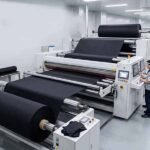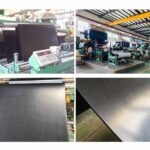
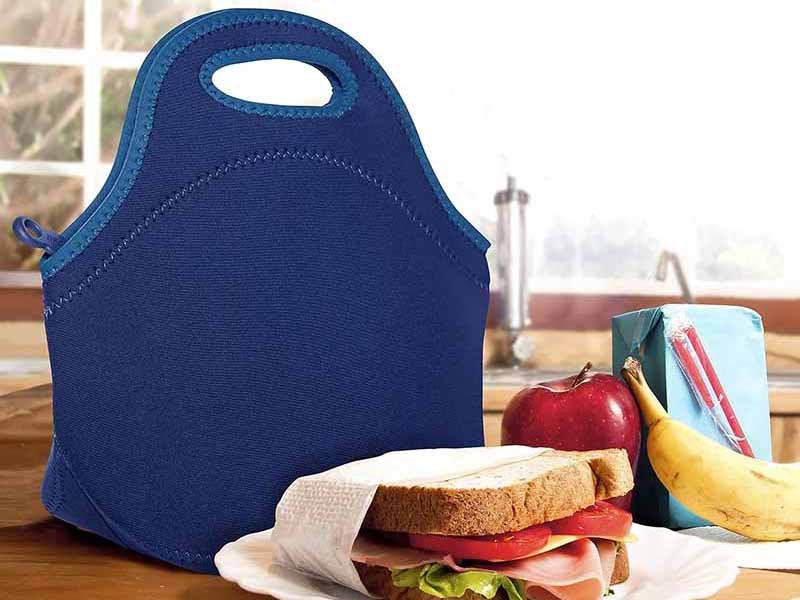
Neoprene has become one of the most widely used technical fabrics in modern product design—appearing in wetsuits, protective gear, bags, medical supports, and even lifestyle accessories. Yet one of the most common and important questions buyers, designers, and product developers still ask is deceptively simple: Is neoprene fabric stretchable? The answer is yes—but how, how much, and under what conditions matters far more than most people realize.
Unlike traditional woven textiles, neoprene behaves more like an engineered material than a fabric. Its stretch performance is not accidental; it is the result of material chemistry, foam structure, thickness, and lamination choices. A neoprene sheet designed for a wetsuit behaves very differently from one used in a laptop sleeve or medical brace. Misunderstanding these differences often leads to poor product fit, early deformation, or unnecessary cost. Neoprene fabric is stretchable due to its closed-cell synthetic rubber structure, which allows it to elongate and recover under tension. Its stretch level depends on thickness, foam density, fabric backing, and lamination method. While neoprene offers moderate to high elasticity and excellent flexibility, it is designed to balance stretch, shape retention, insulation, and durability rather than extreme elongation like spandex.
Understanding neoprene stretch is not just a material question—it’s a product performance decision. To truly use neoprene correctly, you must look beyond “stretchable or not” and examine how it stretches, how long it lasts, and what role stretch plays in your specific application. Let’s break it down step by step.
Is Neoprene Fabric Stretchable
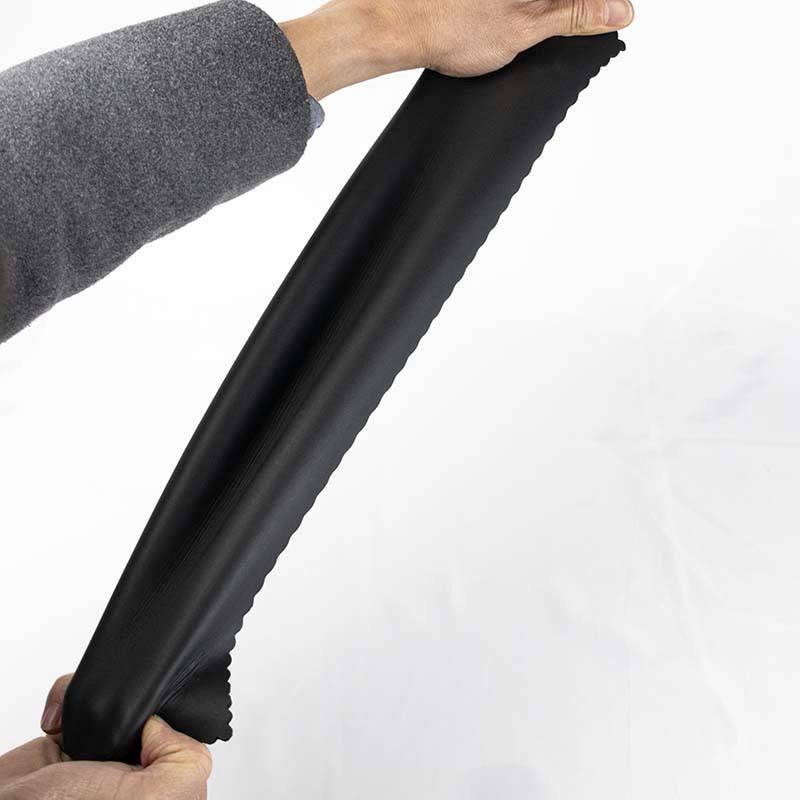
Yes, neoprene fabric is stretchable. Its elasticity comes from a closed-cell synthetic rubber foam structure that allows the material to elongate under tension and return to its original shape. However, neoprene is designed for controlled, functional stretch rather than extreme elasticity. The actual stretch level depends on thickness, foam density, fabric backing, and lamination method, making neoprene suitable for applications requiring flexibility, cushioning, and shape retention.
What makes neoprene fabric stretchable in the first place?
Neoprene is not a traditional textile—it is a synthetic rubber foam. Its stretchability comes from millions of microscopic closed cells filled with gas. When force is applied, these cells compress and elongate; when released, they rebound.
This mechanism is fundamentally different from woven or knitted fabrics, where stretch comes from yarn movement. In neoprene, the material itself stretches, not just the structure. This is why neoprene feels springy, cushioned, and resilient rather than loose or floppy.
How stretchy is neoprene fabric in real terms?
Neoprene typically stretches between 30% and 100% of its original length, depending on construction.
- Thin neoprene (1–2 mm): higher flexibility, easier elongation
- Medium thickness (3–5 mm): balanced stretch and support
- Thick neoprene (6–7 mm+): limited stretch, higher resistance
This level of stretch is intentional. Neoprene is engineered to move with the body or product without losing shape, rather than to stretch excessively like spandex.
Is neoprene stretchable in all directions?
Not always. Stretch direction depends on foam formulation and fabric lamination.
- Raw neoprene foam stretches multidirectionally
- Laminated neoprene may stretch more in one direction than another
- Double-sided lamination often restricts overall elasticity
For applications like wetsuits or medical braces, directional stretch is carefully engineered to match body movement patterns.
Is neoprene bendable as well as stretchable?
Yes. Neoprene is highly bendable, which is different from stretch. Bendability refers to how easily a material flexes without resistance.
Neoprene bends smoothly because:
- It has internal cushioning
- It does not crease like woven fabrics
- It does not crack like solid rubber
This combination of bendability and moderate stretch is why neoprene is widely used in wearable and ergonomic products.
Does neoprene stretch back after use?
High-quality neoprene has excellent elastic recovery, meaning it returns close to its original shape after stretching. However, recovery depends on:
- Foam density and quality
- Correct thickness selection
- Avoiding over-extension beyond design limits
When neoprene is overstretched or underspecified, permanent deformation can occur—often mistaken as “neoprene stretching out.”
Why isn’t neoprene designed for extreme stretch like spandex?
Extreme stretch is not always desirable. Neoprene prioritizes:
- Shape retention
- Compression support
- Thermal insulation
- Impact cushioning
If neoprene stretched like spandex, it would lose its insulating properties and structural stability. Its controlled elasticity is what makes it reliable for wetsuits, braces, and protective products.
How do manufacturers control neoprene stretchability?
Stretch is engineered through:
- Foam chemistry and density control
- Thickness selection
- Backing fabric choice (nylon, polyester, stretch jersey)
- Lamination direction and bonding method
What Affects the Stretchability of Neoprene Fabric
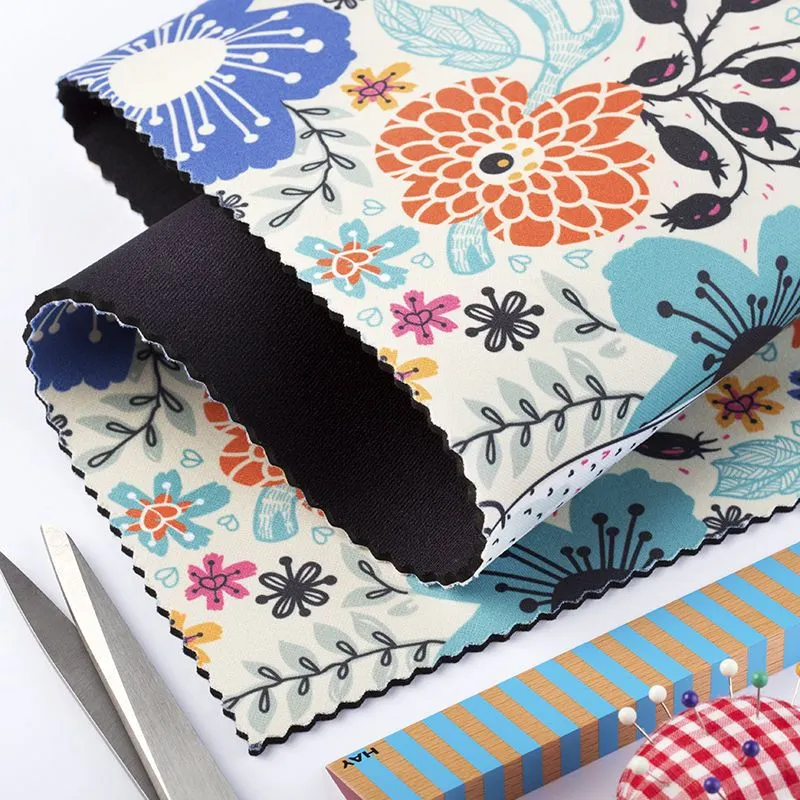
The stretchability of neoprene fabric is mainly affected by foam thickness, foam density, fabric backing, and lamination method. Thinner and lower-density neoprene stretches more easily, while thicker or tightly laminated neoprene offers controlled resistance and shape retention. Backing fabrics and bonding techniques further influence stretch direction, recovery, and long-term durability.
Does neoprene thickness affect stretchability?
Yes—thickness is the most visible and influential factor. As neoprene becomes thicker, it generally becomes:
- Less stretchable
- More resistant to deformation
- More supportive and compressive
Thin neoprene (1–2 mm) stretches easily and feels soft and flexible, making it suitable for gloves, sleeves, and lightweight supports. Thick neoprene (5–7 mm) resists stretch and provides structure, insulation, and compression, which is why it’s used in wetsuits and orthopedic products.
Choosing thickness is not about “more stretch is better,” but about matching stretch resistance to product function.
How does foam density influence neoprene elasticity?
Foam density determines how tightly packed the closed cells are inside neoprene.
- Lower-density foam:
- Softer feel
- Easier to stretch
- Lower long-term support
- Higher-density foam:
- Firmer handfeel
- More controlled stretch
- Better shape recovery
Two neoprene sheets of the same thickness can feel completely different due to density. This is why density is critical in medical and sports products where predictable compression and recovery are required.
How do fabric backings change stretch behavior?
Most commercial neoprene is laminated with fabric on one or both sides, and backing fabric plays a major role in stretch direction and limit.
Common effects:
- Stretch jersey backing: allows multi-directional stretch
- Nylon woven backing: limits stretch, improves abrasion resistance
- Polyester backing: balances durability and moderate elasticity
In bags, koozies, and protective cases, backing fabrics are often chosen specifically to reduce stretch, ensuring dimensional stability and long-term shape.
Does single-sided vs double-sided lamination matter?
Yes. Lamination configuration directly affects how freely neoprene can elongate.
- Single-sided neoprene:
- More stretchable
- Better skin comfort
- Less durable
- Double-sided neoprene:
- Reduced stretch
- Improved strength and tear resistance
- Better shape retention
This is why wearable products often favor single-sided neoprene, while structural products favor double-sided constructions.
How does lamination method affect stretch and recovery?
The bonding process between foam and fabric is often overlooked but critical. Different lamination methods affect elasticity differently:
- Heat lamination: stable but can reduce elasticity if overheated
- Glue lamination: preserves stretch but depends on adhesive quality
- Eco solvent-free bonding: balances elasticity and durability
Poor lamination can cause uneven stretch, early delamination, or permanent deformation—even if the foam itself is high quality.
Does stretch direction depend on how neoprene is engineered?
Yes. Neoprene can be engineered for:
- One-way stretch (for support and compression)
- Two-way stretch (for comfort and movement)
- Four-way stretch (for high-mobility applications)
Directional stretch is especially important in wetsuits and medical braces, where joints need flexibility but the torso or core requires stability.
How do environmental factors affect neoprene stretch over time?
Stretch performance is also influenced by usage conditions:
- Heat and UV exposure can harden foam
- Saltwater and sweat can accelerate degradation
- Overstretching beyond design limits causes permanent deformation
High-quality neoprene is engineered to withstand these factors better, but proper material selection and care are still essential.
Why do these factors matter for product design and sourcing?
Because stretch affects:
- Fit and comfort
- Support and compression
- Product lifespan
- Customer satisfaction
Misjudging stretch often leads to products that feel loose, restrictive, or wear out too quickly. That’s why experienced manufacturers test stretch behavior at the material + product level, not just from datasheets.
Which Types of Neoprene Are More Stretchable
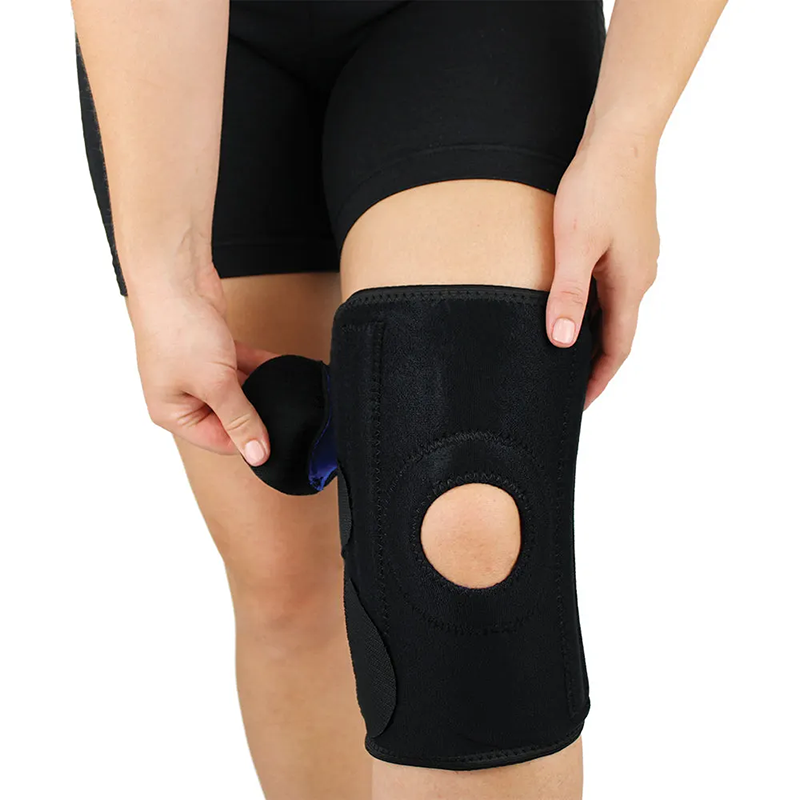
Some neoprene types are more stretchable than others. In general, thinner neoprene, single-sided laminated neoprene, low-density foam neoprene, perforated neoprene, and stretch-jersey–backed neoprene offer higher elasticity. Double-sided laminated or high-density neoprene provides more resistance and support but less stretch. The most stretchable neoprene is engineered specifically for wearable and high-mobility applications.
Is single-sided neoprene more stretchable than double-sided neoprene?
Yes. Single-sided neoprene is significantly more stretchable than double-sided neoprene because only one surface is restricted by fabric lamination.
- Single-sided neoprene
- Foam exposed on one side
- Greater freedom of elongation
- Softer handfeel and higher flexibility
- Double-sided neoprene
- Fabric laminated on both sides
- Stretch restricted by backing fabrics
- Better dimensional stability and durability
This is why single-sided neoprene is commonly used in wetsuits, medical braces, sports supports, and wearable products, while double-sided neoprene is preferred for bags, sleeves, and structured covers.
How does neoprene thickness influence stretchability by type?
Thickness directly affects how a neoprene type behaves under tension.
- Thin neoprene (1–2 mm):
- High flexibility
- Easy stretch and quick recovery
- Best for gloves, sleeves, wraps
- Medium thickness (3–4 mm):
- Balanced stretch and support
- Common in wetsuits and braces
- Thick neoprene (5–7 mm+):
- Limited stretch
- Strong resistance and compression
- Used for insulation and joint stabilization
Even within the same neoprene “type,” thickness changes stretch behavior dramatically. Thin neoprene types are always more stretchable than thick ones.
Are low-density neoprene foams more stretchable?
Yes. Foam density is a major differentiator between stretch-oriented neoprene types.
- Low-density neoprene:
- Softer, lighter
- Easier to stretch
- Lower compression strength
- High-density neoprene:
- Firmer feel
- Controlled, resistant stretch
- Better long-term support
Low-density neoprene is often selected for comfort-driven or motion-heavy applications, while high-density neoprene is chosen for support, protection, and shape retention.
Is perforated neoprene more flexible and stretchable?
Perforated neoprene is more flexible and bendable, though not always more stretchable in pure elongation terms.
Perforation:
- Reduces resistance during bending
- Improves airflow and comfort
- Allows easier conformity to body contours
This makes perforated neoprene ideal for medical supports, sports braces, and lightweight wetsuits, where comfort and mobility are critical. However, perforation slightly reduces strength and insulation, so it must be engineered carefully.
How do backing fabrics define stretch-oriented neoprene types?
The backing fabric can turn the same neoprene foam into very different “types.”
- Stretch jersey backing:
- Allows multi-directional stretch
- Used in high-stretch wetsuits and supports
- Nylon woven backing:
- Limits stretch
- Improves abrasion resistance
- Polyester backing:
- Balanced stretch and durability
Neoprene types designed for maximum stretch almost always use stretch jersey or elastic knit backings, while rigid products intentionally use non-stretch backings.
Are there neoprene types engineered specifically for high stretch?
Yes. Some neoprene grades are formulated specifically for high elongation and recovery, often marketed as:
- Super-stretch neoprene
- Ultra-flex neoprene
- High-elastic neoprene
These types use optimized foam chemistry, controlled density, and elastic backings to achieve superior stretch without permanent deformation. They are widely used in premium wetsuits and performance sports gear.
Which neoprene types are not designed to be very stretchable?
Not all neoprene is meant to stretch freely. Less stretchable types include:
- Double-sided laminated neoprene for bags and cases
- High-density neoprene for orthopedic support
- Neoprene with thick woven backings
In these cases, limited stretch is a feature, not a flaw, providing structure, protection, and long-term shape stability.
How should buyers choose the most stretchable neoprene type?
A simple rule:
- If the product must move with the body → choose thin, low-density, single-sided or stretch-backed neoprene
- If the product must hold shape or protect items → choose thicker, double-sided, or higher-density neoprene
Experienced manufacturers don’t select neoprene by name alone—they select it by stretch target, recovery requirement, and end-use stress.
How Does Neoprene Stretch Compare to Other Fabrics
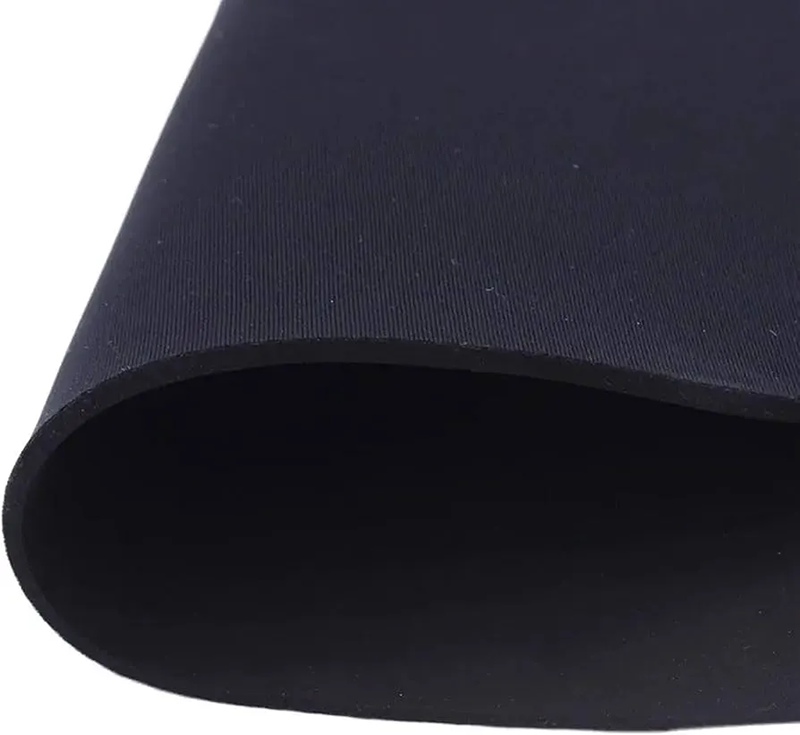
Neoprene stretches less than spandex but more than most woven fabrics and traditional rubber. Its elasticity is controlled and resilient, designed to provide flexibility with shape retention, cushioning, and insulation. Unlike spandex, neoprene resists overstretching, and unlike rubber, it bends and recovers more comfortably, making it ideal for wearable, protective, and supportive applications.
Is neoprene more stretchable than rubber?
Yes. Compared with solid rubber or natural rubber sheets, neoprene is significantly more flexible and user-friendly. Traditional rubber tends to be heavy, stiff, and slow to recover after deformation. Neoprene’s closed-cell foam structure allows it to stretch and bend with much less resistance.
In practical terms:
- Rubber resists bending and feels rigid
- Neoprene bends smoothly and rebounds quickly
This is why neoprene replaced rubber in wetsuits, braces, and protective gear—it offers comfort and mobility without sacrificing durability.
How does neoprene compare to spandex (elastane)?
Spandex is designed for maximum stretch, often exceeding 300–500% elongation. Neoprene typically stretches 30–100%, depending on construction.
Key differences:
- Spandex: extreme stretch, low structure, no insulation
- Neoprene: moderate stretch, high recovery, insulation and cushioning
Spandex excels in tight-fitting apparel. Neoprene excels where stretch must be controlled and supportive, not extreme. That’s why neoprene is rarely used alone for compression garments but dominates in wetsuits and protective supports.
Is neoprene stretchier than nylon or polyester fabrics?
Yes—when compared to woven nylon or polyester, neoprene is much more stretchable. Woven fabrics rely on yarn movement, not material elasticity, which limits stretch.
However:
- Knitted nylon with elastane can stretch more than neoprene
- Woven nylon offers durability but little elasticity
Neoprene sits between these materials, offering elasticity plus structure, which woven fabrics cannot provide on their own.
How does neoprene behave under repeated stretching compared to textiles?
Neoprene is engineered for elastic recovery under load. Unlike many fabrics that gradually lose shape, high-quality neoprene returns close to its original dimensions after repeated stretching—provided it is not overstressed.
By contrast:
- Spandex may lose elasticity over time
- Woven fabrics may deform permanently
- Rubber may harden or crack
This durability under cyclic stress is one of neoprene’s strongest advantages.
Is neoprene bendable as well as stretchable compared to other materials?
Yes. Bendability is where neoprene truly stands out. Many fabrics stretch but crease; many rubbers resist bending. Neoprene bends easily without creasing, folding, or cracking.
This makes neoprene ideal for:
- Joint supports
- Ergonomic gear
- Soft protective covers
The combination of bendability and moderate stretch is difficult to achieve with other materials.
How do comfort and wearability compare across materials?
Comfort depends on more than stretch. Neoprene offers:
- Soft cushioning against the body
- Thermal insulation
- Pressure distribution
Spandex feels light but offers no padding. Nylon feels durable but can feel stiff. Rubber feels protective but uncomfortable over long wear. Neoprene balances all these factors, which is why it’s widely used in both performance and medical products.
Which fabric is “better” depends on the application, not the stretch number
A common mistake is choosing fabric based solely on maximum stretch percentage. In reality:
- Apparel favors extreme stretch (spandex blends)
- Structural bags favor low stretch (woven fabrics)
- Wearable protection favors controlled stretch (neoprene)
Neoprene is chosen not because it stretches the most, but because it stretches enough, while offering support, protection, and longevity.
Why do product developers often choose neoprene over other stretch fabrics?
Neoprene offers a rare combination:
- Predictable elasticity
- Strong shape recovery
- Cushioning and insulation
- Engineering flexibility via thickness, density, and backing
Which Products Rely Most on Neoprene Stretchability
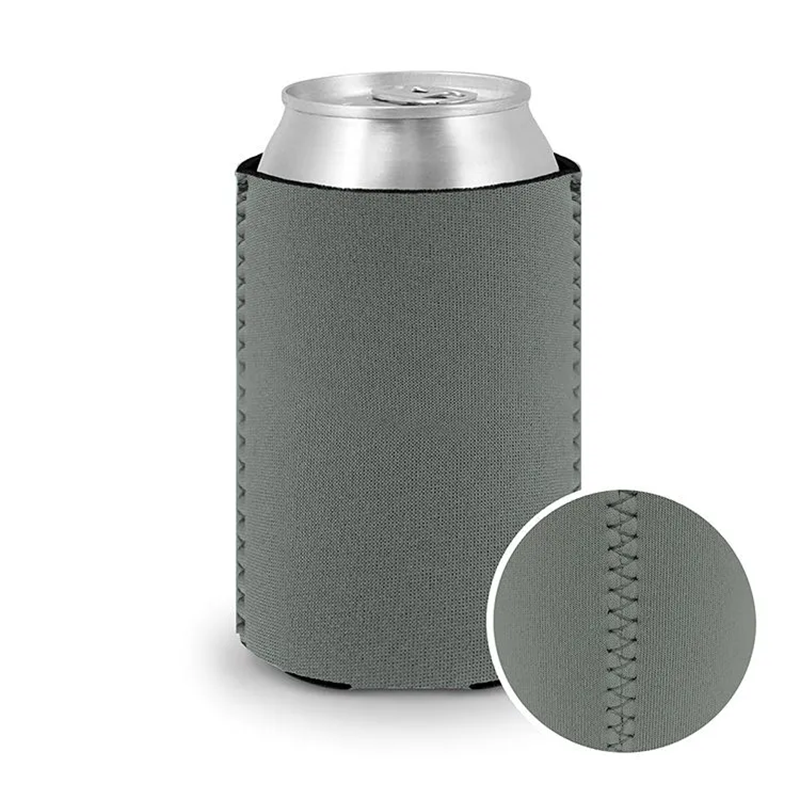
Products that require close fit, movement, and elastic recovery—such as wetsuits, sports supports, medical braces, and ergonomic neoprene wearables—rely most on neoprene stretchability. In these products, controlled stretch ensures comfort, mobility, and consistent performance. Other products like bags, koozies, and protective cases use neoprene stretch mainly for fit tolerance and shock absorption rather than body movement.
Why do wetsuits depend heavily on neoprene stretch?
Wetsuits are the most stretch-dependent neoprene products. They must conform tightly to the body while allowing unrestricted movement of shoulders, hips, and knees. Stretchable neoprene enables:
- Easy donning and removal
- Reduced resistance during swimming
- Better seal against water flushing
- Improved thermal efficiency
Modern wetsuits use zone-based stretch engineering, placing higher-stretch neoprene at joints and lower-stretch panels in the torso. Without proper stretch, wetsuits feel restrictive, cause fatigue, and lose thermal performance.
How do sports supports and braces rely on neoprene elasticity?
Sports supports (knee, elbow, ankle, wrist) rely on neoprene stretch to deliver compression with flexibility. The material must stretch enough to fit snugly, yet recover to maintain consistent pressure during movement.
Neoprene stretch allows:
- Joint stabilization without rigidity
- Muscle warmth and blood flow support
- Repeated motion without loss of shape
If neoprene stretches too little, the brace feels stiff. If it stretches too much, compression weakens. This balance is why stretch control is critical in sports gear.
Why is stretch critical in medical and orthopedic neoprene products?
Medical braces and supports require predictable, long-term elastic recovery. Neoprene stretch helps:
- Maintain therapeutic compression
- Adapt to swelling or movement
- Prevent pressure points
Unlike apparel, medical products are worn for long periods. Poor stretch recovery leads to slipping, discomfort, or loss of therapeutic effect. Medical-grade neoprene is therefore engineered for controlled elasticity and durability, not maximum stretch.
How do neoprene gloves and wearable accessories use stretch?
Neoprene gloves, wraps, and wearable accessories depend on stretch for dexterity and fit precision. Stretch allows the product to:
- Conform to hands or limbs
- Maintain grip and sensitivity
- Avoid restrictive seams
In these products, neoprene stretch improves usability far more than thickness or insulation alone. Overly stiff neoprene would significantly reduce performance.
How does stretch function in neoprene bags and sleeves?
In bags, laptop sleeves, and cases, neoprene stretch plays a secondary but important role. Here, stretch is used for:
- Fit tolerance across device sizes
- Snug holding without rigid structure
- Shock absorption during impact
However, excessive stretch is undesirable—it can cause sagging or poor shape retention. That’s why bag-grade neoprene is usually double-sided laminated to limit elasticity while preserving cushioning.
Why do neoprene koozies rely on controlled stretch?
Koozies depend on neoprene stretch to grip containers of slightly different diameters. The stretch must be:
- Enough to slide on easily
- Strong enough to hold tightly
- Recoverable to prevent loosening over time
This makes koozies a classic example of low-stretch, high-recovery neoprene use, where durability matters more than flexibility.
Which products do not rely heavily on neoprene stretch?
Some neoprene products intentionally limit stretch:
- Hard-shell or semi-rigid protective cases
- Fire-resistant or reinforced neoprene covers
- Industrial insulation wraps
In these applications, neoprene’s thermal, chemical, or cushioning properties matter more than elasticity. Stretch is minimized to maintain shape and safety.
How should brands decide how much neoprene stretch a product needs?
A simple decision logic:
- If the product moves with the body → high or medium stretch required
- If the product wraps or compresses → controlled, recoverable stretch required
- If the product holds or protects objects → limited stretch preferred
Misjudging stretch requirements often leads to customer complaints, returns, or early wear.
How to Choose the Right Stretch Level of Neoprene Fabric
To choose the right neoprene stretch level, start with your application (wearable vs structural), then match thickness, foam density, and backing fabric to the required movement and support. High-stretch neoprene suits wetsuits and braces, while low-stretch neoprene works better for bags and cases. Always confirm elastic recovery through sampling and simple stretch-and-return testing to avoid neoprene “stretching out” in real use.
What is your application—wearable fit or structural stability?
This is the #1 decision point. Neoprene stretch is not “better” when higher—it must match what the product is supposed to do.
- Wearable & movement-based products (wetsuits, sports supports, medical braces, gloves): You need higher stretch + reliable recovery so the product moves with the body without slipping.
- Structural or protection products (bags, sleeves, koozies, covers): You usually need lower stretch + better shape retention so the product doesn’t sag, deform, or feel loose.
If you choose high-stretch neoprene for a bag, it may look good at first but become “baggy” after repeated load. If you choose low-stretch neoprene for a brace, it may feel restrictive and uncomfortable.
What stretch level is needed for your product function?
Use the “movement vs support” rule:
| Product Goal | Recommended Stretch Level | Typical Examples |
|---|---|---|
| High mobility | High stretch | wetsuits, gloves, compression sleeves |
| Flexible support | Medium stretch | knee/elbow braces, wrap supports |
| Fit tolerance + cushioning | Low to medium stretch | koozies, soft sleeves |
| Dimensional stability | Low stretch | bags, cases, structured covers |
Key idea: Stretch is not just “how far it pulls.” It’s also how well it returns after pulling.
How does thickness help you control stretch resistance?
Thickness is the fastest way to tune stretch behavior.
- 1–2 mm: easy stretch, high flexibility (wearables, sleeves)
- 3–4 mm: balanced (supports, light wetsuits, wraps)
- 5–7 mm+: more resistance, less stretch (thermal insulation, heavy-duty support)
If your product needs “hugging fit,” thinner neoprene is usually better. If it needs compression, insulation, or structural hold, thicker neoprene is often required.
Which foam density should you choose for elasticity and recovery?
Two neoprene sheets can be the same thickness but feel completely different due to foam density.
- Lower density: softer, stretchier, less supportive
- Higher density: firmer, more controlled stretch, better recovery
For sports/medical supports, higher density is often preferred because recovery is critical. For comfort-driven wearables (like certain wetsuit panels), low-to-mid density may be preferred for soft movement.
How do backing fabrics decide stretch direction and “feel”?
Backing fabrics can either “unlock” stretch or “limit” stretch.
- Stretch jersey backing: enables multi-directional stretch (high-mobility wearables)
- Nylon woven backing: limits stretch; improves abrasion resistance (bags/cases)
- Polyester backing: balanced option; stable and durable
Double-sided lamination generally reduces stretch but increases durability and shape stability—common for neoprene bags, sleeves, and koozies.
Will neoprene stretch out—and how do you prevent it?
Neoprene can “stretch out” if:
- It is repeatedly loaded beyond its design limit
- Foam density is too low for the application
- Thickness is underspecified
- Lamination quality is poor
- The product design creates stress concentration (sharp corners, weak seams)
How to prevent it:
- Choose thickness and density appropriate to load and wear time
- Use the right backing to control stretch direction
- Reinforce high-stress zones with stitching design and pattern engineering
- Validate recovery through sampling tests (see below)
In other words, neoprene doesn’t “randomly stretch out”—it stretches out when it’s mis-specified or misused.
How do you choose between high stretch and long-term durability?
There is always a trade-off. Higher stretch often means:
- Softer foam
- More flexibility
- Potentially lower abrasion resistance
Durability improves with:
- Higher density
- Double-sided lamination
- Stronger backing fabrics
A smart approach is to use stretch zoning:
- Higher stretch where movement is needed
- Lower stretch where structure and wear resistance are needed
This is common in wetsuits and advanced braces—and it can also be applied to premium neoprene bags or protective gear.
Do custom neoprene products require testing before production?
Yes—because stretch specs on paper don’t always predict real-world performance. Testing should confirm:
- Elongation (how far it stretches)
- Recovery (how well it returns)
- Cyclic fatigue (how it behaves after repeated stretch)
- Seam stress (whether stitching distorts or tears)
A simple but effective buyer-side test:
- Mark a 10 cm section
- Stretch to a controlled length
- Release and measure return length
- Repeat 20–50 cycles This quickly reveals whether the material will deform in real use.
What should you tell a manufacturer when requesting the “right stretch”?
To avoid vague sourcing, provide:
- Product type and use case (wearable vs structural)
- Target thickness range
- Desired “feel” (soft stretch vs supportive resistance)
- Expected load (carried weight or body compression level)
- End market (sports, medical, outdoor, lifestyle)
- Any compliance requirements (if medical category)
The clearer your functional goal is, the more accurately a manufacturer can engineer stretch.
Conclusion
Neoprene stretch is not a yes-or-no property—it is a design variable that directly affects comfort, durability, and product success. Choosing the wrong stretch level leads to poor fit, early wear, or unnecessary cost. Choosing the right one creates products that feel professional, reliable, and purpose-built.
Oneier is a China-based manufacturer with over 18 years of experience specializing in neoprene fabric R&D and neoprene-based product manufacturing. From raw neoprene foam development to lamination, sampling, and mass production, Oneier supports custom projects including neoprene bags, koozies, sports and medical supports, wetsuits, and protective gear.
With low MOQ, free design support, fast sampling, and stable lead times, Oneier helps brands and buyers engineer neoprene products with the right stretch—no more, no less.
Contact Oneier today to discuss your neoprene application, required stretch performance, and custom OEM/ODM solution.