
Is Neoprene Good for Cold Weather: Warmth Explained
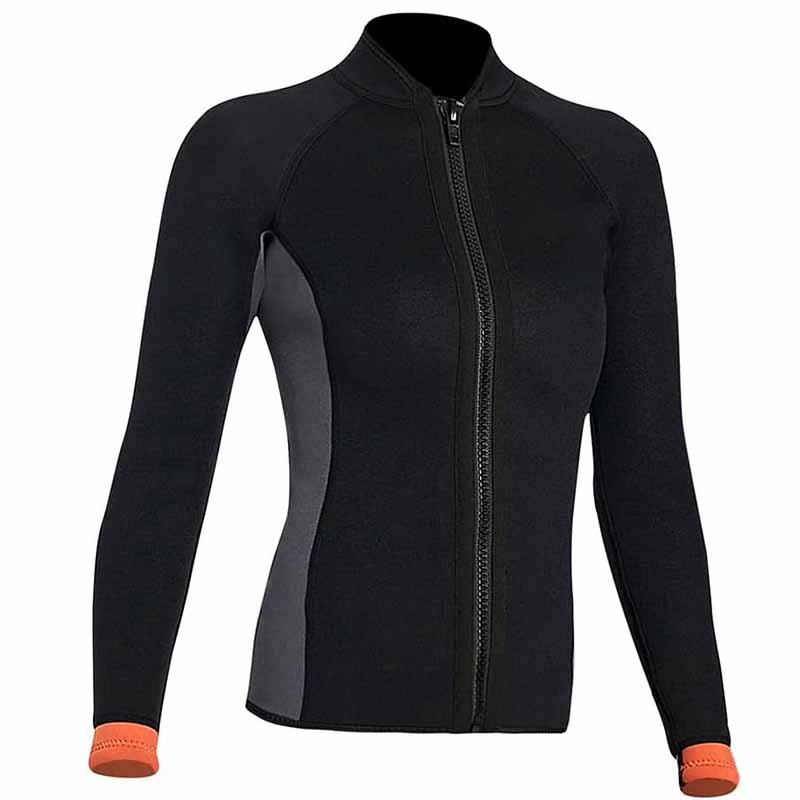
Cold weather changes how materials behave. Fabrics that feel comfortable in mild conditions may fail completely when temperatures drop, wind picks up, or moisture enters the picture. That’s why neoprene—originally developed for wetsuits—has gained attention far beyond diving and water sports. From cold-weather sports gear and medical braces to outdoor accessories and insulated bags, neoprene is increasingly used where warmth and protection matter.
But this raises an important question: is neoprene actually good for cold weather, or is its reputation misunderstood? Many people assume neoprene “creates heat,” while others believe it only works in water. The truth sits somewhere in between—and understanding it requires looking at how neoprene works at a material level. Neoprene is good for cold weather because it insulates by trapping body heat and blocking wind and moisture. It does not generate heat, but it slows heat loss, making it effective in cold, wet, and windy environments. Neoprene performs best when there is body movement or moisture present and is widely used in wetsuits, cold-weather gear, and protective accessories.
The key is context. Neoprene excels in specific cold conditions, but it is not a universal replacement for winter jackets or thermal insulation. Knowing when neoprene protects from cold—and when it doesn’t—helps brands, buyers, and users make better decisions. Let’s start with how neoprene actually works.
What Is Neoprene and How Does It Work
Neoprene is a synthetic rubber material made from polychloroprene. It works by trapping tiny air bubbles inside a closed-cell foam structure, which slows heat loss from the body. Neoprene also blocks wind and resists water, making it effective for insulation in cold, wet, or windy environments. It does not generate heat but helps retain body warmth.
To understand why neoprene performs so differently from ordinary fabrics, you need to look at its structure, not just its surface. Neoprene behaves less like clothing and more like a thermal barrier system.
What Exactly Is Neoprene Made Of?
Neoprene is the commercial name for polychloroprene, a synthetic rubber polymer developed to remain flexible, resilient, and chemically stable across a wide temperature range.
Unlike woven or knitted textiles, neoprene is produced as a foam sheet. During manufacturing, gas is injected into the rubber matrix, creating millions of microscopic closed cells. Each cell is sealed and filled with gas rather than air that can circulate freely.
This closed-cell structure gives neoprene several defining characteristics:
- Very low water absorption
- Consistent thickness under pressure
- High elasticity and recovery
- Stable thermal performance
Because the cells are sealed, heat transfer through neoprene is slow and controlled, which is the foundation of its insulating ability.
How Does Neoprene Insulate Heat?
Neoprene insulates through heat retention, not heat production.
Here’s how the process works step by step:
- Your body generates heat naturally
- That heat warms the thin layer of air or moisture trapped between your skin and the neoprene
- The closed-cell foam prevents that warmth from escaping quickly
- External cold, wind, and water are blocked from reaching the skin
In simple terms, neoprene slows down heat loss. The trapped gas inside the foam cells acts as a thermal buffer, similar to how double-pane windows reduce heat transfer in buildings.
This is why neoprene performs exceptionally well in:
- Cold water
- Windy conditions
- Wet or damp environments
Why Does Neoprene Work Especially Well in Wet Conditions?
Most fabrics lose insulation when wet. Neoprene does not.
Because neoprene’s cells are sealed:
- Water cannot easily penetrate the foam
- Thermal performance remains stable even when soaked
- Heat loss from evaporation is reduced
In water sports, a thin layer of water enters the wetsuit, warms up from body heat, and stays trapped. That warmed layer becomes part of the insulation system.
This property explains why neoprene is widely used in:
- Wetsuits and drysuits
- Fishing and boating gear
- Cold-weather neoprene gloves and boots
How Is Neoprene Different from Traditional Fabrics?
Neoprene does not behave like wool, fleece, or down.
Key structural differences:
- Traditional fabrics rely on fiber loft and airflow
- Neoprene relies on sealed foam cells
This leads to major performance differences:
| Feature | Neoprene | Wool / Fleece |
|---|---|---|
| Water resistance | Excellent | Moderate to poor |
| Wind blocking | Excellent | Moderate |
| Breathability | Low | High |
| Insulation when wet | High | Reduced |
Neoprene sacrifices breathability to gain environmental isolation, which is why it excels in harsh conditions but feels less comfortable in everyday indoor use.
Does Thickness Change How Neoprene Works?
Yes—thickness directly affects insulation.
Thicker neoprene means:
- More foam cells
- More trapped gas
- Slower heat loss
However, thickness alone is not enough. Two neoprene sheets of the same thickness can perform very differently depending on:
- Foam density
- Cell uniformity
- Lamination fabrics
- Seam construction
This is why professional neoprene products are engineered, not just sized.
Does Neoprene Create Heat or Just Retain It?
This is one of the most common misunderstandings.
Neoprene does not generate heat. It only:
- Retains body heat
- Reduces heat loss
- Shields against environmental cooling
If there is no body heat being produced (for example, standing still in extreme cold), neoprene alone cannot keep you warm indefinitely. This is why activity level matters so much when evaluating neoprene for cold weather.
Why Is Neoprene Used Beyond Wetsuits Today?
As manufacturing technology improved, neoprene evolved from a diving-only material into a multi-industry performance material.
Today, neoprene is widely used in:
- Cold-weather sports gear
- Medical and orthopedic supports
- Insulated bags and protective covers
- Industrial and safety applications
Manufacturers like Oneier customize neoprene density, thickness, lining, and construction to match specific cold-weather use cases—something off-the-shelf neoprene cannot do.
Is Neoprene Good for Cold Weather
Yes, neoprene is good for cold weather in specific conditions. It protects against cold by reducing heat loss, blocking wind, and resisting water. Neoprene performs best in wet, windy, or active environments where body heat is continuously generated. However, it is less effective in dry, static, or extremely cold conditions where breathability and long-term insulation are required.
Neoprene’s cold-weather performance is often misunderstood because people expect it to behave like traditional winter insulation. In reality, neoprene follows a different thermal logic. It doesn’t aim to keep you “toasty” in every winter scenario—it aims to stop heat from escaping when the environment is hostile.
Understanding this difference is critical for buyers, brands, and product developers.
Does Neoprene Protect From Cold?
Yes—but through isolation, not warmth generation.
Neoprene protects from cold by:
- Slowing down heat transfer from the body
- Blocking cold wind from stripping away surface heat
- Preventing cold water or moisture from reaching the skin
This makes neoprene highly effective against environmental cold stress, especially when wind and water accelerate heat loss.
However, neoprene does not actively warm the body. If body heat production is low, neoprene cannot compensate indefinitely.
Does Neoprene Keep You Warm in Winter?
Neoprene can keep you warm in winter under the right conditions.
It works best when:
- You are moving (sports, outdoor work, activity)
- The environment is damp, snowy, or windy
- The neoprene fits snugly and minimizes air gaps
It performs poorly when:
- You are standing still for long periods
- The air is extremely dry and cold
- Sweat cannot evaporate, causing discomfort
This explains why neoprene is common in winter sports accessories but uncommon in everyday winter coats.
Why Is Neoprene Better in Wet Cold Than Dry Cold?
Wet cold removes heat faster than dry cold. Most fabrics fail here—neoprene does not.
In wet environments:
- Water increases heat loss dramatically
- Wind intensifies evaporation cooling
Neoprene’s closed-cell structure:
- Resists water absorption
- Traps a thin warm layer near the body
- Maintains insulation even when soaked
That’s why neoprene is widely used in:
- Cold-water wetsuits
- Fishing and boating gear
- Snow sports accessories
How Cold Is “Too Cold” for Neoprene?
Neoprene has limits.
In mild to moderately cold environments (0–10°C / 32–50°F), neoprene performs very well when paired with activity.
In extreme dry cold (below -10°C / 14°F), neoprene alone is not sufficient. At this point:
- Breathable insulation layers become more important
- Moisture trapping becomes a disadvantage
This is why neoprene is usually part of a layering system, not a standalone winter solution.
How Do Thickness and Construction Affect Cold Performance?
Thickness directly affects insulation—but construction quality matters just as much.
Key factors:
- Thickness (mm) → insulation capacity
- Foam density → heat retention stability
- Seam sealing → prevents cold leakage
- Lining fabrics → improve comfort and warmth
A well-engineered 4–5mm neoprene product often outperforms a poorly constructed thicker one.
How Does Activity Level Change Neoprene’s Effectiveness?
Neoprene depends on body heat generation.
| Activity Level | Neoprene Performance |
|---|---|
| High (sports, work) | Excellent |
| Moderate | Good |
| Low (standing still) | Limited |
This is why neoprene is ideal for:
- Sports gear
- Outdoor labor
- Short-duration cold exposure
But not ideal for long, passive winter wear.
Is Neoprene a Replacement for Winter Clothing?
No—and it’s not meant to be.
Neoprene should be viewed as:
- A protective thermal barrier
- A wind- and water-blocking layer
Not as:
- A breathable insulation system
- A comfort-first winter garment
When used correctly, neoprene complements winter systems rather than replaces them.
Cold Weather Suitability Overview
| Condition | Neoprene Suitability |
|---|---|
| Cold + Wet | ★★★★★ |
| Cold + Windy | ★★★★☆ |
| Cold + Active | ★★★★☆ |
| Cold + Dry + Static | ★★☆☆☆ |
| Extreme Dry Cold | ★☆☆☆☆ |
Which Neoprene Products Are Best for Cold Weather
Neoprene excels in cold weather products that require wind resistance, water protection, and heat retention under movement or damp conditions. The best cold-weather neoprene products include neoprene jackets and vests, gloves, boots and socks, insulated neoprene pants, and high-performance wetsuits for cold water exposure. Product effectiveness depends on thickness, fit, seam quality, and lining materials.
When evaluating neoprene for cold weather, it helps to think in terms of function first—not simply “warm vs. cold.” Neoprene’s strength lies in heat retention, wind blocking, and resistance to cold water and moisture. Below, we break down which neoprene products perform best and why.
Neoprene Jackets and Vests – Dynamic Cold Weather Insulation
Neoprene jackets and vests are among the most versatile neoprene garments for cold weather.
Why They Work
Neoprene jackets are designed to:
- Seal in body heat close to the torso
- Block wind and moisture more effectively than typical textiles
- Provide flexible warmth during activity
Unlike bulky down jackets, neoprene jackets maintain thermal performance in wet or damp conditions and often pair well with breathable base layers.
Best Uses
- Winter cycling and running
- Boat or watercraft exposure
- Outdoor work in cold, wet environments
What to Look For
- Thickness: 3–5mm range for most cold uses
- Seam construction: Glued & blind-stitched seams limit air/water penetration
- Lining options: Thermal or fleece backing enhances comfort
Neoprene Gloves and Mittens – Hands Stay Warmer, Longer
Human hands lose heat faster than most body parts, especially when wet or windy.
Neoprene Advantage
Neoprene gloves:
- Trap a thin layer of warm water or air inside
- Block wind chill
- Maintain flexibility in cold
They outperform fleece or wool gloves in:
- Fishing and water-adjacent cold work
- Winter motorcycling
- Snow sports
Variants
- 3mm neoprene gloves: Light cold, splashes
- 5mm neoprene gloves: More insulation + barrier
- Lined neoprene gloves: Added warmth for extended cold use
Look for textured grip surfaces and reinforced palms for real-world durability.
Neoprene Boots and Socks – Footwear for Cold and Wet Conditions
Feet often suffer first in cold weather—not just from cold air, but from cold ground and moisture.
Neoprene boots and socks provide:
- Barrier insulation
- Wind resistance
- Cold water protection
They’re especially effective when combined with:
- Ribbed tread soles (for traction)
- Fleece or thermal linings
- Ankle and calf coverage
Common Uses
- Fishing or boating in cold seasons
- Hiking across wet terrain
- Snow and ice exposure
Neoprene socks can also be used under regular boots to boost warmth.
Insulated Neoprene Pants and Leggings – Lower Body Warmth
While jackets often get more attention, lower body warmth is equally important.
Neoprene pants or leggings:
- Add wind-resistant insulation
- Provide protection during active outdoor work
- Serve as base layer in extremely cold systems
They excel when:
- Combined with shell pants or overboots
- Used in wind-driven cold (cycling, hiking)
- Movement generates heat
Look for ergonomic cuts and stretch neoprene panels for comfort and mobility.
Neoprene Wetsuits – Cold Water, Warm Protection
For environments where cold water exposure is a threat, neoprene wetsuits are unmatched.
Why Wetsuits Work
Unlike dry cold, cold water drastically increases heat loss due to water’s conductivity. Neoprene wetsuits:
- Trap a thin layer of water warmed by the body
- Maintain insulation even when soaked
- Resist external water flushing
Typical Thickness
- 3–4mm: Cooler water
- 5–6mm: Cold water
- 7mm+: Very cold water and extreme conditions
Advanced seam seals and thermally lined interiors further boost warmth and performance.
Neoprene Accessories – Neck Gaiters, Balaclavas, and Sleeves
Small neoprene accessories can significantly improve comfort in cold weather by protecting vulnerable zones.
- Neoprene neck gaiters block wind and trap heat near the airway
- Balaclavas protect face and ears from cold drafts
- Arm or knee sleeves provide joint warmth during activity
These specialized items work best when paired with full layers.
How Thickness Affects Warmth (Quick Guide)
| Product Category | Typical Thickness | Primary Advantage |
|---|---|---|
| Jackets/Vests | 3–5mm | Thermal barrier + wind block |
| Gloves | 3–5mm | Hand warmth + water resistance |
| Boots/Socks | 3–7mm | Foot insulation + moisture control |
| Pants/Leggings | 2–4mm | Lower body warmth + flexibility |
| Wetsuits | 3–7mm+ | Cold water insulation |
Note: Thicker neoprene increases warmth but may reduce mobility. Lining and seam quality often matter as much as thickness.
Quick Selection Tips
- Match thickness to environment: wetter/colder climates require thicker neoprene.
- Check seam construction: glued & blind-stitched seams greatly improve barrier performance.
- Fit matters: neoprene works best when close to the body with minimal air gaps.
- Layer strategically: neoprene performs well as part of a layering system (base + neoprene + shell).
- Consider lining fabrics: fleece or thermal backing improves comfort and heat retention.
How Does Neoprene Compare to Other Cold Weather Materials
Neoprene differs from traditional cold-weather materials by focusing on heat retention through isolation rather than breathability or loft. Compared to wool, fleece, and down, neoprene performs better in wet and windy conditions but worse in dry, static cold. It is best suited for active or moisture-exposed environments, while traditional insulations excel in dry winter use.
When people ask whether neoprene is “better” than wool, fleece, or down, the real question is better for what conditions. Each cold-weather material solves a different thermal problem. Neoprene is not a replacement—it is a specialized solution.
Neoprene vs Wool — Wet Cold vs Breathable Warmth
Wool has long been valued for its natural insulation and moisture regulation. It traps air between fibers and can still feel warm when slightly damp.
Neoprene, by contrast, does not rely on fibers or airflow. It:
- Blocks wind almost completely
- Resists water penetration
- Retains heat even when soaked
Key difference:
- Wool excels in cool, dry, breathable environments
- Neoprene excels in cold, wet, or windy environments
Once wool becomes heavily saturated or exposed to strong wind, its insulating advantage drops sharply—while neoprene remains stable.
Neoprene vs Fleece — Wind Blocking vs Comfort
Fleece is lightweight, breathable, and comfortable for layering. It insulates by trapping air but allows moisture vapor to escape.
Neoprene offers the opposite trade-off:
- Excellent wind resistance
- Strong moisture barrier
- Low breathability
In practice:
- Fleece feels warmer during long, low-activity winter wear
- Neoprene feels warmer during short, high-activity exposure, especially outdoors
This is why fleece dominates everyday winter clothing, while neoprene dominates performance-driven cold protection.
Neoprene vs Down — Isolation vs Loft
Down insulation provides unmatched warmth-to-weight ratio in dry, cold conditions. It works by trapping large volumes of still air.
However, down has weaknesses:
- Loses insulation when wet
- Requires outer shells for wind and water protection
Neoprene:
- Is heavier and less breathable
- Retains thermal performance when wet
- Acts as insulation and shell at the same time
This makes neoprene unsuitable for traditional winter jackets—but ideal for water-adjacent or moisture-heavy cold environments.
Neoprene vs Synthetic Insulation (Polyfill, Thinsulate)
Synthetic insulations aim to mimic down while improving moisture resistance.
Compared to synthetics:
- Neoprene offers superior wind and water blocking
- Synthetic fills offer better breathability and comfort
Synthetic insulation works best for:
- Long-duration winter wear
- Low-activity cold exposure
Neoprene works best for:
- High-activity use
- Cold exposure with water, snow, or spray
How Activity Level Changes the Comparison
This is where neoprene clearly separates itself.
| Activity Level | Best Material Choice |
|---|---|
| High (sports, labor) | Neoprene |
| Moderate | Neoprene or synthetic |
| Low (standing still) | Wool, fleece, down |
Neoprene depends on body heat generation. Without movement, its advantages fade quickly.
How Breathability Impacts Comfort
Breathability is often mistaken for warmth.
Neoprene:
- Retains heat
- Traps moisture
- Feels warmer initially but less comfortable over time
Traditional fabrics:
- Allow heat loss but manage moisture
- Feel comfortable during extended wear
This is why neoprene is rarely used for casual winter clothing but widely used for functional cold-weather gear.
Quick Comparison Table
| Material | Best Environment | Breathability | Wet Performance | Wind Blocking |
|---|---|---|---|---|
| Neoprene | Cold + Wet/Windy | Low | Excellent | Excellent |
| Wool | Cold + Dry | High | Moderate | Moderate |
| Fleece | Cool to Cold | High | Moderate | Low |
| Down | Cold + Dry | Medium | Poor | Low |
| Synthetic Fill | Cold + Mixed | Medium | Good | Medium |
When Neoprene Is the Better Choice
Choose neoprene when:
- Cold involves water, snow, or wind
- Activity level is moderate to high
- Durability and protection matter more than softness
Avoid neoprene when:
- Cold is dry and prolonged
- Breathability and comfort are priorities
- Weight and flexibility matter more than barrier protection
Do Neoprene Clothes Breathe and Stay Comfortable
Neoprene clothes have low breathability compared to traditional fabrics. They stay comfortable by retaining body heat and blocking wind and moisture, not by allowing airflow. Neoprene is most comfortable during active use in cold, wet, or windy conditions. During long, low-activity wear, moisture buildup can reduce comfort unless linings, ventilation, or layering systems are used.
Comfort in cold weather is often misunderstood. Many people equate comfort with warmth alone, but thermal comfort is a balance of heat retention, moisture control, and movement. Neoprene prioritizes protection and heat retention—and that choice shapes how it feels on the body.
Is Neoprene Breathable Compared to Other Fabrics?
Short answer: No—by design.
Neoprene is a closed-cell foam, not a woven textile. This means:
- Airflow through the material is extremely limited
- Moisture vapor cannot easily escape
- Wind penetration is almost completely blocked
In contrast, materials like fleece, wool, or synthetic knits allow air exchange, which improves long-term comfort but increases heat loss. Neoprene trades breathability for environmental isolation—a deliberate choice for harsh conditions.
Why Does Neoprene Feel Comfortable During Activity?
Neoprene feels most comfortable when the wearer is moving.
During activity:
- Body heat production increases
- Trapped heat offsets moisture buildup
- Wind blocking prevents rapid cooling
This is why neoprene is widely used in:
- Sports gear
- Water and marine activities
- Outdoor labor and training
As long as heat generation continues, neoprene maintains a stable thermal micro-climate close to the skin.
Why Can Neoprene Feel Uncomfortable During Long Wear?
Problems arise during low activity or long static wear.
Common discomfort issues include:
- Sweat accumulation
- Clammy feeling
- Overheating followed by chilling when activity stops
Because moisture cannot evaporate easily, neoprene can feel less comfortable over time—especially indoors or in dry cold environments.
This doesn’t mean neoprene is poorly designed; it means it’s task-specific, not lifestyle-oriented.
How Do Linings Improve Neoprene Comfort?
Modern neoprene products often include inner linings to improve comfort.
Common lining options:
- Fleece lining: adds softness and absorbs moisture
- Thermal brushed fabrics: improve warmth and skin feel
- Moisture-wicking liners: help manage sweat
Lined neoprene garments feel significantly more comfortable than bare neoprene foam and are preferred for extended wear.
Does Thickness Affect Comfort as Well as Warmth?
Yes—thickness influences both.
- Thicker neoprene = warmer but less flexible
- Thinner neoprene = more mobility but less insulation
Comfort depends on matching thickness to:
- Temperature range
- Activity level
- Duration of wear
For example, 3–4mm neoprene often feels more comfortable than 6–7mm neoprene during active cold use because it balances warmth and mobility.
How Does Fit Impact Comfort?
Fit is critical.
Neoprene works best when:
- It fits snugly without restricting movement
- There are minimal air gaps
- Pressure is evenly distributed
A loose fit reduces insulation efficiency, while an overly tight fit can restrict circulation and increase discomfort. Professional patterning makes a major difference here.
Can Layering Improve Neoprene Comfort?
Yes—when done correctly.
Effective layering strategies include:
- Moisture-wicking base layer under neoprene
- Neoprene as a mid-layer or outer barrier
- Wind-resistant shell over thinner neoprene
Layering helps manage sweat and improves overall comfort, especially in variable conditions.
Is Neoprene Comfortable for Everyday Winter Wear?
Generally, no.
Neoprene is not designed for:
- All-day indoor wear
- Casual winter clothing
- Long periods of inactivity
It is designed for:
- Performance
- Protection
- Short-to-medium duration exposure
This is why neoprene dominates in functional gear rather than fashion winterwear.
Comfort Comparison Overview
| Material | Breathability | Long-Term Comfort | Wet Comfort | Wind Protection |
|---|---|---|---|---|
| Neoprene | Low | Moderate | Excellent | Excellent |
| Wool | High | High | Moderate | Moderate |
| Fleece | High | High | Moderate | Low |
| Down | Medium | High | Poor | Low |
| Synthetic Fill | Medium | High | Good | Medium |
FAQs About Neoprene and Cold Weather
Does Neoprene Really Protect You From Cold?
Yes, neoprene protects you from cold by slowing down heat loss, not by generating heat. Its closed-cell foam structure traps body warmth and blocks wind and moisture. This makes neoprene especially effective in wet, windy, or high-activity cold environments, where heat loss happens faster than in dry air.
Does Neoprene Keep You Warm in Winter?
Neoprene can keep you warm in winter if you are active and the environment is wet or windy. It performs best when body heat is constantly produced. In dry, extremely cold conditions with little movement, neoprene alone is usually not enough and should be combined with other insulation layers.
Is Neoprene Warmer Than Wool or Fleece?
Neoprene is not warmer than wool or fleece in dry cold, but it is more stable in wet conditions. Wool and fleece rely on trapped air and breathability, which fail when soaked or exposed to strong wind. Neoprene blocks water and wind, so it often feels warmer in harsh, damp environments.
Does Neoprene Stay Warm When Wet?
Yes. One of neoprene’s biggest advantages is that it retains insulation even when wet. Unlike most fabrics, neoprene’s closed-cell structure prevents water from filling the foam, allowing it to maintain thermal performance in rain, snow, or cold water.
Is Neoprene Suitable for Freezing or Sub-Zero Temperatures?
Neoprene can be used in freezing conditions when thickness, activity level, and layering are appropriate. It is commonly used in cold-water wetsuits and winter sports gear. However, in dry sub-zero environments with low movement, neoprene should be combined with breathable insulation to avoid discomfort.
Can Neoprene Replace a Winter Jacket?
No. Neoprene is not designed to replace traditional winter jackets. It works best as a protective thermal barrier, not as a breathable insulation system. Neoprene complements winter clothing but does not replace down, wool, or synthetic insulation in everyday cold weather.
Is Neoprene Comfortable for Long-Term Winter Wear?
Generally, no. Neoprene is most comfortable during short-to-medium duration use with movement. During long, static wear, moisture buildup can reduce comfort. Products with inner linings or moisture-wicking layers improve comfort significantly.
How Thick Should Neoprene Be for Cold Weather?
Thickness depends on temperature and activity:
- 2–3mm: cool weather, light protection
- 4–5mm: cold weather with movement
- 6–7mm+: very cold or cold-water exposure
Thickness alone does not guarantee warmth—fit, seam sealing, and lining are equally important.
Does Neoprene Breathe at All?
Neoprene has low breathability by design. It blocks airflow to retain heat and resist wind and moisture. This makes it effective in harsh conditions but less suitable for everyday winter comfort unless paired with proper layering or ventilation features.
Why Is Neoprene Used in Wetsuits but Not Winter Coats?
Wetsuits rely on neoprene because water removes heat extremely fast. Neoprene traps warmth even when soaked. Winter coats prioritize breathability and comfort in dry air, where neoprene’s moisture-trapping nature becomes a disadvantage.
Is Neoprene Good for Cold Weather Sports?
Yes. Neoprene is excellent for:
- Water sports
- Fishing and boating
- Winter cycling and running
- Outdoor labor in wet cold
It works best where wind, moisture, and movement are present.
Does Neoprene Cause Overheating?
It can—if used incorrectly. In mild temperatures or low activity, neoprene may trap too much heat and moisture. Choosing the right thickness and design prevents overheating.
How Long Does Neoprene Retain Heat Outdoors?
Neoprene retains heat as long as:
- Body heat is being produced
- Wind and moisture are present
- The fit remains snug
Once activity stops, heat retention decreases gradually.
Is Neoprene Good for Everyday Winter Clothing?
Usually no. Neoprene is designed for functional protection, not casual winter wear. It excels in performance scenarios rather than daily comfort use.
Can Neoprene Be Combined With Other Materials?
Yes. Many high-performance cold-weather products combine neoprene with:
- Thermal linings
- Fleece backing
- Breathable base layers
This hybrid approach improves comfort and expands usage scenarios.
Why Does Neoprene Feel Different From Normal Fabric?
Because neoprene is a foam rubber, not a textile. It behaves more like a protective barrier than clothing, which explains its unique warmth, stiffness, and moisture behavior.
Is All Neoprene the Same for Cold Weather Use?
No. Performance depends on:
- Foam density
- Thickness
- Cell structure
- Lining fabric
- Seam construction
This is why manufacturing expertise matters.
What Is the Biggest Mistake People Make With Neoprene in Cold Weather?
The biggest mistake is expecting neoprene to behave like a winter jacket. Neoprene must be matched to the right environment and activity level to work properly.
Conclusion
Neoprene is not a generic winter material—it’s a purpose-built cold protection solution when used correctly. The difference between “neoprene that works” and “neoprene that disappoints” comes down to material selection, thickness, design, and manufacturing expertise.
With 18+ years of hands-on experience in neoprene material R&D and manufacturing, Oneier helps brands turn performance requirements into reliable products—without guesswork. We don’t just cut and sew neoprene; we engineer it for the environment it will face.
Contact Oneier today to discuss your cold-weather neoprene product ideas, request samples, or receive a professional quotation.
What Can I Do For You?
Here, developing your OEM/ODM private label leather goods collection is no longer a challenge,it’s an excellent opportunity to bring your creative vision to life.