The right neoprene makes the difference between a garment that looks functional—and one that truly performs.
Neoprene clothing often sparks curiosity—and confusion. Some people associate it only with wetsuits. Others see it in gym wear, medical braces, or fashion-forward bags and wonder: Is neoprene really fabric? Is it comfortable? Is it cheap? And why do so many performance brands rely on it?
The truth is, neoprene clothing sits at a unique intersection between material science and apparel design. Unlike traditional woven or knitted fabrics, neoprene is engineered to perform under stress: water exposure, compression, repeated movement, and temperature changes. That is why it appears in environments where cotton, polyester, or nylon simply fall short.
At the same time, neoprene clothing has evolved far beyond bulky diving suits. Modern neoprene garments can be soft, lightweight, flexible, stylish, and precisely engineered for different use cases—from medical support to high-end lifestyle apparel. Whether neoprene is “good” or “cheap” depends entirely on how it is made, laminated, and applied.
Neoprene clothing refers to garments made from neoprene foam laminated with fabric, designed to provide insulation, water resistance, flexibility, and cushioning. Commonly used in wetsuits, sportswear, medical supports, and performance apparel, neoprene clothing differs from traditional fabrics by offering thermal retention, stretch, and durability. Its quality and cost vary widely depending on thickness, lamination, and intended use.
If you’ve ever worn something that kept you warm while wet, protected joints during movement, or maintained shape under pressure, chances are you’ve experienced neoprene—whether you realized it or not. Let’s break down exactly what neoprene clothing is, how it’s made, and why brands across industries continue to choose it.
What Is Neoprene Clothing
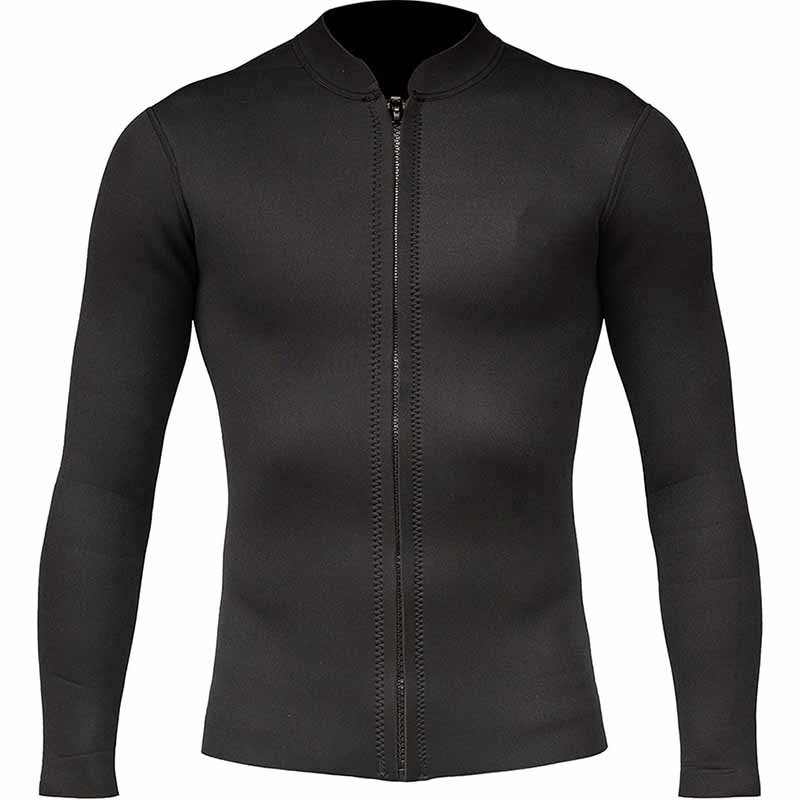
Neoprene clothing refers to garments made from neoprene foam laminated with textile fabrics. Unlike traditional woven or knitted fabrics, neoprene clothing is engineered for performance, offering insulation, water resistance, stretch, cushioning, and shape retention. It is commonly used in wetsuits, sportswear, medical supports, and functional apparel where warmth, flexibility, and durability are required.
What does “neoprene” mean in clothing?
In clothing, neoprene does not simply mean “fabric.” It refers to a synthetic rubber material (polychloroprene) that has been expanded into foam and then transformed into a wearable textile through lamination.
When brands talk about neoprene clothing, they are referring to a composite material system, not a single fiber or yarn. The neoprene foam provides performance properties, while the outer fabric layers make the material suitable for sewing, wearing, and long-term use.
This is why neoprene clothing behaves very differently from cotton, polyester, or nylon garments.
Is neoprene clothing made from rubber or fabric?
Neoprene clothing is made from both rubber and fabric, working together.
A typical neoprene clothing structure includes:
- a neoprene foam core (the functional layer)
- one or two fabric laminations (the comfort and durability layers)
The rubber foam is responsible for insulation, compression resistance, and water resistance. The fabric layers—often nylon, polyester, or spandex blends—provide softness, stretch control, abrasion resistance, and visual appearance.
Without fabric lamination, neoprene would be uncomfortable and impractical to wear.
How is neoprene clothing different from regular textiles?
Traditional textiles are made by weaving or knitting fibers together. Their performance depends on yarn type, weave structure, and finishing treatments.
Neoprene clothing is fundamentally different because:
- it is foam-based, not fiber-based
- it traps air inside closed cells for insulation
- it does not absorb water like fabrics
- it maintains thickness and shape under pressure
This makes neoprene clothing ideal for environments where water, movement, compression, or temperature control are critical—situations where conventional fabrics lose performance.
Why neoprene clothing is considered “engineered apparel”
Neoprene clothing is best understood as engineered apparel, not fashion fabric.
Every neoprene garment is defined by:
- foam thickness
- foam density
- fabric type and stretch direction
- lamination method
- seam and pattern design
Changing any one of these factors alters how the garment performs. This level of engineering is why neoprene clothing is widely used in sports, medical, and protective applications rather than casual everyday wear.
What properties define neoprene clothing?
Neoprene clothing is defined by a combination of properties rarely found together in standard fabrics:
- Thermal insulation – retains warmth even when wet
- Water resistance – repels water rather than absorbing it
- Elasticity – stretches and recovers without losing shape
- Cushioning – absorbs impact and reduces pressure points
- Structure – holds form better than soft textiles
These properties explain why neoprene appears in wetsuits, braces, protective wear, and structured garments.
Is neoprene clothing breathable?
Compared to woven fabrics, neoprene clothing is not highly breathable. Its closed-cell structure limits airflow, which is intentional—it helps retain heat.
However, modern neoprene clothing can be engineered with:
- perforations
- thinner foam layers
- breathable fabric laminations
to improve comfort in active or warm environments. Breathability is a design choice, not a fixed limitation.
Why neoprene clothing feels different when worn
People often describe neoprene clothing as:
- supportive
- slightly compressive
- warm
- structured
This is because neoprene does not drape like fabric. It wraps and supports the body, which is beneficial for performance and medical use but different from casual apparel.
High-quality neoprene clothing should feel supportive, not restrictive, when properly designed.
Common misconceptions about neoprene clothing
- “Neoprene clothing is just rubber clothing”
- “All neoprene clothing is thick and stiff”
- “Neoprene is only for wetsuits”
In reality, neoprene clothing ranges from ultra-thin, flexible lifestyle garments to thick, high-insulation performance wear. The material is far more versatile than many people assume.
How Is Neoprene Clothing Made
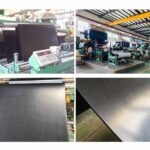
Neoprene clothing is made by producing neoprene rubber foam, laminating it with textile fabrics, and then cutting and assembling garments using specialized sewing or bonding techniques. Performance depends on foam thickness, density, fabric lamination, and construction methods, making neoprene clothing an engineered product rather than a traditional textile garment.
Step 1: How is neoprene rubber foam produced?
The foundation of neoprene clothing is neoprene foam, derived from synthetic rubber known as polychloroprene. This rubber is chemically processed and expanded through controlled foaming to create a closed-cell structure filled with microscopic gas bubbles.
This closed-cell foam is what gives neoprene:
- thermal insulation
- buoyancy
- resilience under compression
- resistance to water absorption
Foam density and cell uniformity are critical. Higher-quality neoprene has consistent cell size, which improves durability, stretch recovery, and long-term performance in clothing.
Step 2: How is neoprene foam controlled by thickness and density?
After foaming, neoprene sheets are produced in various thicknesses and densities, typically ranging from 0.5 mm to over 6 mm.
- Thinner neoprene prioritizes flexibility and comfort
- Thicker neoprene increases insulation and protection
- Higher density improves durability but reduces softness
For clothing, thickness and density are selected based on use case, not cost alone. For example, medical supports and wetsuits require very different foam characteristics, even at similar thicknesses.
Step 3: How are fabrics laminated to neoprene?
Raw neoprene foam is not wearable by itself. It must be laminated with textile fabrics to create a usable clothing material.
Common lamination fabrics include:
- nylon (smooth, durable, abrasion-resistant)
- polyester (cost-effective, stable)
- spandex blends (high stretch and comfort)
Lamination is performed using adhesive bonding or heat lamination, ensuring the fabric and foam behave as a single material. Fabric choice determines skin feel, stretch direction, breathability, and appearance.
Step 4: How does lamination affect clothing performance?
Fabric lamination directly influences:
- stretch and recovery
- resistance to tearing
- comfort against the skin
- garment lifespan
For example:
- single-sided lamination may be used in specialty garments
- double-sided lamination is common for most neoprene clothing
- stretch laminations are used in high-mobility apparel
Poor lamination leads to delamination, stiffness, or uneven stretch—common issues in low-quality neoprene garments.
Step 5: How is neoprene material cut and patterned?
Unlike woven fabrics, neoprene cannot be handled with standard garment cutting techniques alone. Because of its thickness and elasticity, cutting requires:
- specialized blades or die cutting
- pattern adjustments for foam compression
- grain and stretch direction control
Pattern design is especially important. Neoprene clothing patterns must account for body movement, compression, and seam stress, otherwise the garment may feel restrictive or lose shape over time.
Step 6: How are neoprene garments assembled?
Neoprene clothing is assembled using methods beyond standard sewing, including:
- flatlock stitching
- blind stitching
- zigzag reinforcement
- glued seams
- bonded seams
The choice depends on required flexibility, durability, and water resistance. For example, wetsuits often use glued and blind-stitched seams to reduce water penetration, while lifestyle garments may prioritize aesthetics and comfort.
Step 7: How are seams reinforced for durability?
Seams are the weakest point in neoprene clothing. Reinforcement techniques include:
- seam taping
- edge binding
- stress-point bartacking
Proper seam engineering ensures the garment withstands repeated stretching and compression without tearing or losing shape.
Step 8: How is quality controlled during production?
Professional neoprene clothing manufacturing includes multiple QC stages:
- foam thickness and density testing
- lamination adhesion checks
- stretch and recovery tests
- seam strength testing
- wear simulation
These steps ensure consistency across production batches—something especially important for branded OEM and private label products.
Step 9: How OEM and custom neoprene clothing differs from generic products
OEM neoprene clothing differs because:
- foam specifications are customized
- lamination fabrics are selected intentionally
- patterns are engineered for specific body use
- production tolerances are tightly controlled
Generic neoprene garments often compromise on one or more of these areas to reduce cost, leading to inconsistent performance.
Why neoprene clothing is considered an engineered product
Unlike traditional apparel, neoprene clothing is not just sewn—it is designed, built, and tested like functional equipment.
Every step—from foam chemistry to seam reinforcement—directly affects:
- comfort
- durability
- performance
- cost
This is why experienced manufacturers with in-house material knowledge play a crucial role in delivering high-quality neoprene clothing.
What Are the Key Properties of Neoprene Clothing
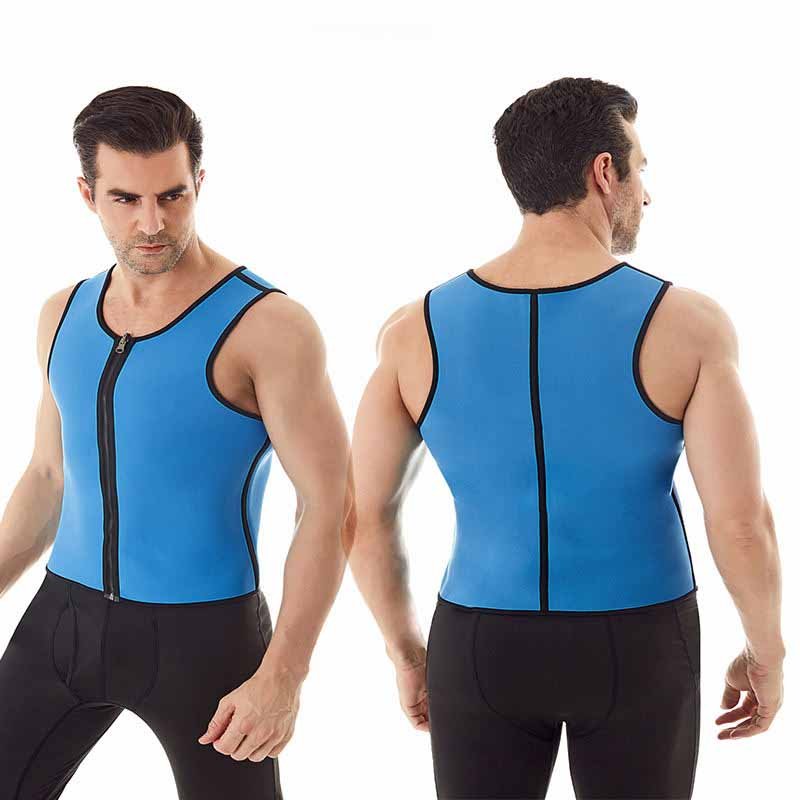
Neoprene clothing is defined by its insulation, water resistance, elasticity, cushioning, compression support, and shape retention. Unlike traditional fabrics, neoprene maintains warmth when wet, resists deformation, and provides structural support. These properties make neoprene ideal for sports, medical, and performance apparel, while also requiring careful design to balance breathability and comfort.
Is neoprene a good fabric for clothing?
Neoprene is considered a very good fabric for clothing when performance is the priority, not lightweight breathability.
It excels in garments that must:
- retain warmth in wet or cold environments
- provide compression or joint support
- absorb impact or reduce pressure
- maintain shape under repeated use
However, neoprene is not intended to replace everyday textiles like cotton or polyester. Its value lies in functional apparel—sportswear, medical supports, protective gear, and engineered lifestyle garments. When used for the right purpose, neoprene is an outstanding material choice.
Is neoprene clothing waterproof or water-resistant?
Neoprene clothing is best described as water-resistant, not fully waterproof.
The closed-cell foam structure prevents water absorption, meaning:
- the material does not become heavy when wet
- insulation is retained even in water
However, seams, stitching, and openings allow water entry. This is intentional in many applications (such as wetsuits), where controlled water entry combined with insulation keeps the body warm.
How does neoprene provide insulation and warmth?
Neoprene insulates through its closed-cell foam structure, which traps gas inside microscopic cells.
This structure:
- slows heat transfer
- retains body warmth
- works even when submerged
Unlike traditional fabrics that rely on dry air pockets, neoprene continues to insulate when wet. This property is the reason neoprene is indispensable for wetsuits and cold-environment apparel.
Is neoprene flexible and comfortable to wear?
Modern neoprene clothing can be highly flexible and comfortable, depending on foam quality and lamination.
Comfort is influenced by:
- foam density (lower density = softer feel)
- stretch fabric laminations
- ergonomic pattern design
High-quality neoprene garments feel supportive rather than stiff, allowing natural movement while maintaining structure. Poor-quality neoprene, by contrast, can feel restrictive and uncomfortable.
Does neoprene provide compression and support?
Yes. Neoprene naturally provides compression, which is why it is widely used in medical and sports supports.
Compression benefits include:
- joint stabilization
- improved circulation
- reduced muscle vibration
This property makes neoprene ideal for knee braces, elbow supports, and fitness gear where controlled compression enhances performance and recovery.
How does neoprene absorb shock and impact?
The foam structure of neoprene allows it to absorb and distribute impact forces.
This cushioning effect:
- reduces pressure on joints
- protects sensitive areas
- improves wearer comfort during repetitive motion
For this reason, neoprene is often used in protective apparel, sports gear, and equipment that requires both flexibility and impact resistance.
Does neoprene clothing hold its shape over time?
One of neoprene’s defining properties is shape retention.
Neoprene resists:
- stretching out
- wrinkling
- permanent deformation
This makes neoprene clothing particularly valuable in garments that require clean lines, structural form, or consistent fit after repeated wear.
Is neoprene breathable?
Compared to woven fabrics, neoprene is less breathable.
Its closed-cell structure limits airflow, which helps retain heat but can reduce comfort in warm conditions. To address this, modern neoprene clothing may incorporate:
- perforated neoprene
- thinner foam layers
- breathable fabric laminations
Breathability is therefore a design choice, not an inherent flaw.
Is neoprene durable for long-term wear?
Yes. Neoprene is known for excellent durability when properly manufactured.
It resists:
- tearing
- compression fatigue
- environmental degradation
High-quality neoprene clothing maintains performance over time, even under frequent stretching and exposure to moisture.
Key advantages vs limitations of neoprene clothing
To make informed decisions, it’s important to see both sides.
Advantages:
- insulation when wet
- flexibility with support
- durability and shape retention
- cushioning and compression
Limitations:
- limited breathability
- heavier than standard fabrics
- higher material and production cost
Understanding these trade-offs ensures neoprene is used where it truly adds value.
Which Types of Neoprene Clothing Are Common
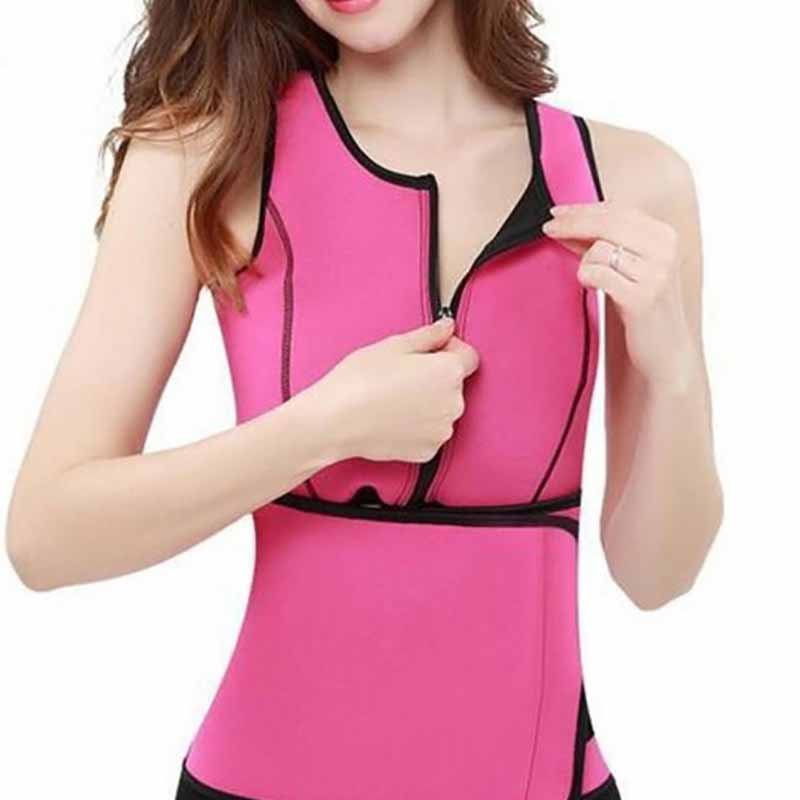
Common types of neoprene clothing include wetsuits, sports and fitness apparel, medical and orthopedic supports, protective gear, and lifestyle or fashion garments. Each type uses different neoprene thicknesses, densities, and fabric laminations to balance insulation, flexibility, compression, and comfort for specific applications.
Wetsuits and water sports neoprene clothing
This is the most recognized and traditional category of neoprene clothing.
Typical products include:
- full wetsuits
- shorty wetsuits
- neoprene tops and vests
In water sports, neoprene is chosen because it:
- insulates the body even when submerged
- reduces heat loss in cold water
- remains flexible during swimming or paddling
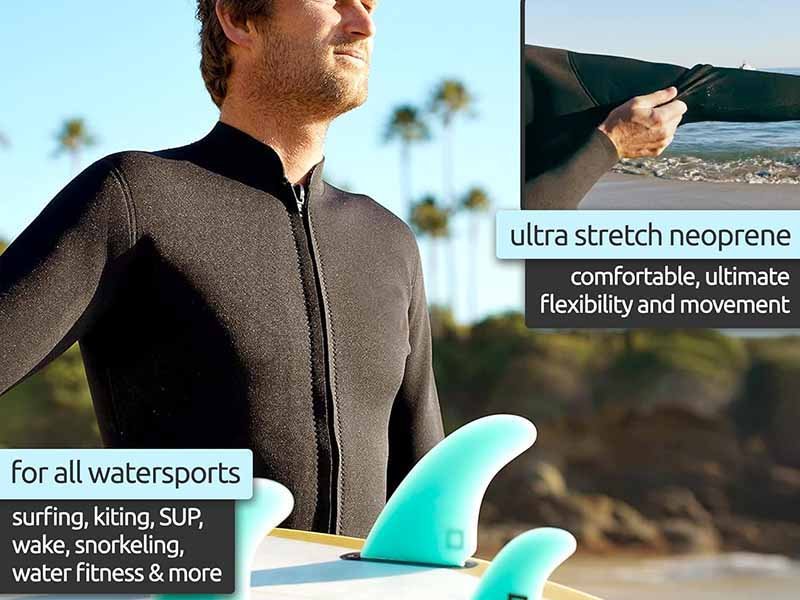
These garments usually use 3–6 mm neoprene, with stretch nylon or spandex laminations. Seam construction (glued, blind-stitched, taped) is critical, making this category highly technical and performance-driven.
Sports and fitness neoprene apparel
Neoprene is widely used in sports and fitness clothing, where water exposure is not the main concern.
Common items include:
- neoprene shorts and leggings
- training tops and vests
- weightlifting belts
Here, neoprene provides:
- muscle support and compression
- heat retention to improve circulation
- durability under repeated motion
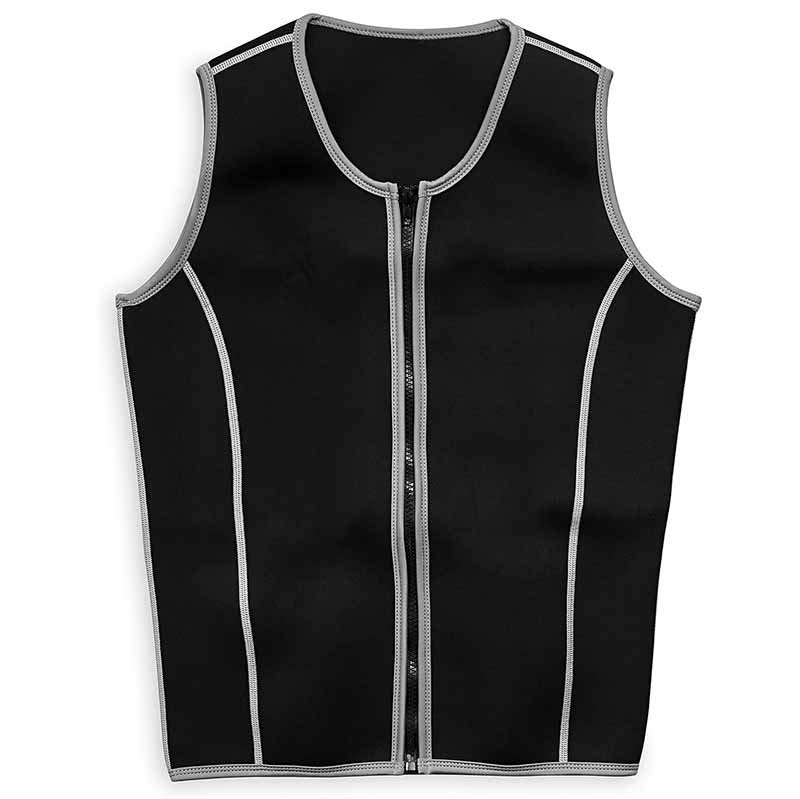
These garments typically use 1–3 mm neoprene, prioritizing flexibility and comfort rather than insulation.
Medical and orthopedic neoprene clothing
Neoprene is a core material in medical and orthopedic garments due to its compression and support properties.
Common medical uses include:
- knee, elbow, and ankle braces
- back and waist supports
- rehabilitation garments
Medical neoprene clothing focuses on:
- controlled compression
- joint stabilization
- heat therapy benefits
These garments often use 2–4 mm neoprene with skin-friendly laminations to ensure long-term comfort and hygiene.
Protective and functional neoprene gear
Neoprene is also used in protective clothing and functional gear, especially where impact resistance and cushioning are required.
Examples include:
- padded protective shorts
- work or industrial protective wear
- sports protection garments
In these applications, neoprene absorbs shock while remaining flexible. Thickness and density are carefully selected to balance protection with wearability.
Lifestyle and fashion neoprene clothing
In recent years, neoprene has been adopted in fashion-forward and lifestyle apparel.
Typical products include:
- structured jackets and coats
- skirts and dresses
- casual outerwear
Designers use thin neoprene (0.5–1.5 mm) for:
- shape retention
- clean silhouettes
- modern aesthetics
In this category, neoprene is valued less for insulation and more for its structural and visual qualities.
Neoprene clothing for outdoor and performance layering
Some neoprene garments are designed as mid-layers or outer layers for outdoor use.
Examples include:
- thermal tops
- wind-resistant vests
- hybrid performance jackets
These garments balance warmth, flexibility, and weather resistance, often combining neoprene panels with breathable fabrics.
How neoprene clothing types differ by thickness and structure
Different clothing types rely on different neoprene specifications:
| Clothing Type | Typical Thickness | Key Purpose |
|---|---|---|
| Wetsuits | 3–6 mm | Insulation in water |
| Fitness apparel | 1–3 mm | Support & flexibility |
| Medical supports | 2–4 mm | Compression & stability |
| Protective gear | 2–5 mm | Cushioning & impact |
| Lifestyle wear | 0.5–1.5 mm | Shape & aesthetics |
This explains why neoprene pricing and performance vary so widely across products.
Why “one neoprene fits all” does not work
A common misconception is that neoprene clothing is interchangeable across categories. In reality:
- wrong thickness reduces comfort or performance
- incorrect lamination affects stretch and durability
- poor pattern design limits mobility
Professional manufacturers treat each neoprene clothing type as a separate engineering solution, not a simple design variation.
What Are Neoprene Clothing Used For
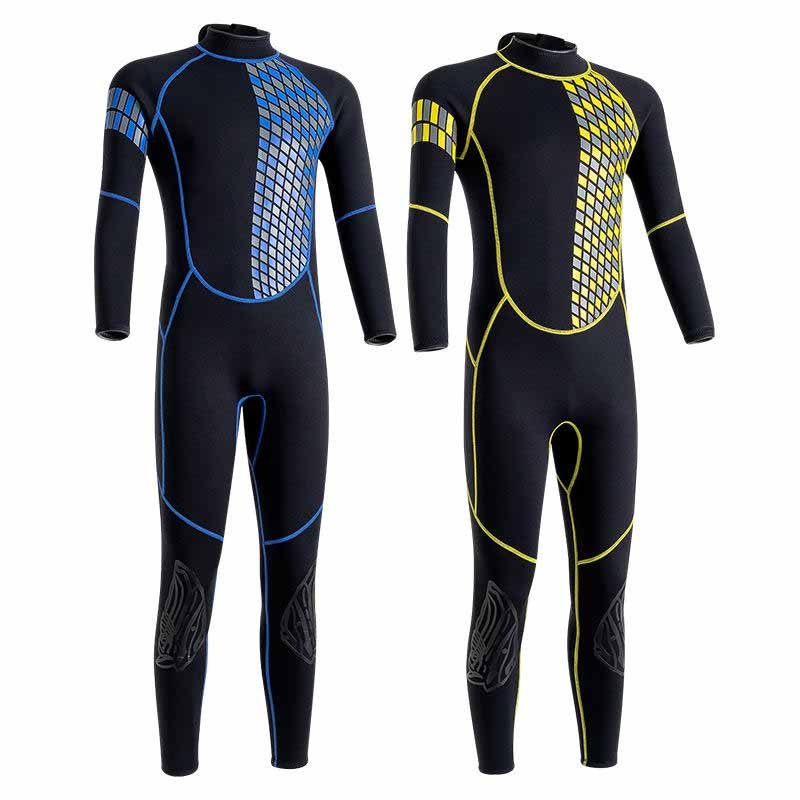
Neoprene clothing is used in applications that require insulation, flexibility, compression, cushioning, or performance stability, especially in wet, cold, or high-movement environments. Common uses include wetsuits and water sports apparel, fitness and sports supports, medical and orthopedic garments, protective gear, and structured lifestyle clothing where traditional fabrics cannot deliver the same functional benefits.
Are neoprene clothes used mainly for wetsuits and water sports?
Yes—this is the most established and technically demanding use of neoprene clothing.
Neoprene is the core material for:
- surfing and diving wetsuits
- swimming and triathlon suits
- paddle sports and sailing apparel
In these environments, neoprene is used because it:
- insulates the body even when fully wet
- reduces heat loss in cold water
- remains flexible under continuous movement
Traditional fabrics lose insulation when wet. Neoprene does not. That single difference explains why neoprene dominates water sports apparel worldwide.
How is neoprene clothing used in fitness and sports training?
Neoprene clothing is widely used in fitness, training, and sports support garments, even without water exposure.
Common products include:
- training shorts and leggings
- weightlifting belts
- compression vests and tops
In these uses, neoprene provides:
- muscle compression and stabilization
- heat retention to improve blood circulation
- durability under repetitive motion
Athletes use neoprene clothing to support joints, reduce strain, and maintain warmth during workouts—functions standard fabrics cannot reliably provide.
Why is neoprene clothing common in medical and orthopedic products?
Neoprene is one of the most trusted materials in medical and orthopedic clothing.
It is used for:
- knee, ankle, and elbow braces
- back and waist supports
- rehabilitation garments
Medical neoprene clothing offers:
- controlled compression
- joint stabilization
- therapeutic heat retention
These properties support injury recovery and long-term joint care. Comfort, consistency, and durability are why neoprene is preferred over elastic fabrics in many medical applications.
How is neoprene used in protective and impact-absorbing clothing?
Neoprene clothing is also used where impact protection and cushioning are required.
Typical uses include:
- padded sports protection garments
- protective shorts or vests
- industrial or work protection apparel
The foam structure absorbs shock while remaining flexible, making neoprene ideal for garments that must protect without restricting movement.
Are neoprene clothes used in everyday or lifestyle apparel?
Yes, but for different reasons.
In lifestyle and fashion garments, neoprene is used for:
- structured jackets and coats
- skirts and dresses
- modern outerwear
Here, neoprene is chosen not for insulation, but for:
- shape retention
- clean silhouettes
- wrinkle resistance
Designers favor thin neoprene to create garments that hold form better than traditional fabrics while remaining comfortable to wear.
How is neoprene clothing used in outdoor and performance layering?
Neoprene garments are sometimes used as:
- thermal mid-layers
- wind-resistant vests
- hybrid outdoor apparel
In these cases, neoprene helps block wind, retain warmth, and provide structure, often combined with breathable fabrics to balance comfort.
Why brands choose neoprene over traditional fabrics
Brands select neoprene clothing when they need:
- predictable performance
- durability under stress
- controlled compression
- thermal stability
Neoprene is not chosen for cost savings—it is chosen because other fabrics cannot deliver the same functional results in demanding conditions.
When neoprene clothing is NOT the right choice
It’s equally important to understand limitations. Neoprene clothing is not ideal when:
- high breathability is required
- lightweight comfort is the main goal
- long wear in hot, dry environments is expected
In these cases, woven or knitted fabrics perform better.
How Do You Choose the Right Neoprene Clothing
To choose the right neoprene clothing, you must match the garment to its intended use, neoprene thickness, flexibility, comfort requirements, and budget. Neoprene is not a one-size-fits-all material—performance depends on foam quality, lamination, garment structure, and wear environment. The right choice balances function, comfort, durability, and cost.
Step 1: What is the primary use of the neoprene clothing?
The first and most important step is defining how the garment will be used. Neoprene performs best when it is selected for a specific functional purpose.
Ask:
- Is the garment for water sports or dry use?
- Does it need insulation, compression, or protection?
- Will it be worn during high movement or long periods?
For example:
- wetsuits prioritize insulation and stretch
- medical supports prioritize compression and stability
- fitness apparel prioritizes flexibility and comfort
Without a clear use case, neoprene selection is almost always wrong.
Step 2: How do you choose the right neoprene thickness?
Thickness determines warmth, support, and flexibility.
| Use Scenario | Recommended Thickness |
|---|---|
| Lifestyle & fashion | 0.5–1.5 mm |
| Fitness & training | 1–3 mm |
| Medical supports | 2–4 mm |
| Wetsuits & cold water | 3–6 mm |
Thicker neoprene increases insulation and support but reduces breathability and mobility. Choosing the thickest option “just in case” often results in poor comfort and user dissatisfaction.
Step 3: How important is flexibility and stretch?
Flexibility is not just about thickness—it also depends on:
- foam density
- lamination fabric
- stretch direction
High-quality neoprene stretches smoothly and recovers without deformation. For garments requiring dynamic movement (sportswear, wetsuits), stretch performance is as critical as insulation.
Poor stretch leads to:
- restricted movement
- seam stress
- faster wear and tear
Step 4: How do you evaluate comfort and skin feel?
Comfort is influenced by what touches the skin.
Key factors include:
- inner fabric lamination (nylon vs spandex blends)
- seam placement and construction
- compression level
Medical and long-wear garments require skin-friendly laminations and smooth seams. Performance garments can tolerate firmer feel if function is prioritized.
Comfort should always be evaluated through wear testing, not just specifications.
Step 5: Is neoprene a cheap material or a premium one?
Neoprene can be either, depending on grade and construction.
Low-cost neoprene:
- lower foam consistency
- limited stretch recovery
- shorter lifespan
High-grade neoprene:
- uniform cell structure
- superior elasticity
- long-term durability
Price differences reflect material engineering, not branding. Comparing neoprene garments by price alone without specifications is misleading.
Step 6: How do durability and lifespan affect selection?
Neoprene clothing is often used under stress—stretching, compression, moisture, and movement.
To ensure durability:
- choose appropriate foam density
- reinforce high-stress seams
- avoid over-thin constructions in demanding use
A slightly higher material cost often results in significantly longer garment life, reducing returns and customer complaints.
Step 7: How do breathability and heat retention factor in?
Neoprene is not highly breathable by nature. This is a feature, not a defect, in cold or wet environments.
However, for warm or active use:
- thinner neoprene
- perforated designs
- hybrid panels with breathable fabrics
can improve comfort. The key is matching thermal behavior to the environment.
Step 8: Should you choose standard products or custom neoprene clothing?
For individual users, standard products may be sufficient. For brands and serious buyers, custom neoprene clothing offers major advantages:
- tailored thickness and density
- optimized stretch and fit
- brand-specific design
- better cost-performance at scale
Custom OEM/ODM development ensures the neoprene clothing performs as intended rather than forcing generic materials into specialized applications.
Common mistakes when choosing neoprene clothing
- Choosing thickness based on price, not use
- Ignoring flexibility and stretch recovery
- Assuming all neoprene feels the same
- Overlooking seam construction
- Using neoprene where breathability is essential
Avoiding these mistakes dramatically improves product success.
Conclusion
Neoprene clothing is not about trends—it is about engineering performance into apparel.
With over 18 years of experience in neoprene material R&D and manufacturing, Oneier supports global brands and buyers with:
- in-house neoprene development
- custom thickness and lamination
- OEM / ODM and private label production
- low MOQ and fast sampling
- stable quality and short lead times
Whether you are developing wetsuits, sportswear, medical supports, or neoprene-based apparel, Oneier helps turn functional requirements into reliable products.
If you are planning to develop or upgrade neoprene clothing for your brand, contact Oneier today to discuss materials, structures, and custom solutions.