Choosing the wrong wetsuit for the water temperature is one of the most common—and most uncomfortable—mistakes water sports enthusiasts make. Too thin, and your body loses heat faster than you can move. Too thick, and you overheat, fatigue quickly, and lose flexibility. The challenge is that water temperature feels very different from air temperature, and what feels “okay” at the shoreline can become dangerously cold after just 15–30 minutes in the water.
This is why a wetsuit temperature guide matters. It’s not just about thickness numbers like 3mm or 5mm—it’s about understanding how neoprene works, how different activities affect heat loss, and how factors like wind, depth, and fit change real-world warmth. Many surfers, divers, and swimmers ask the same questions: Which wetsuit should I wear for this temperature? How warm is a 3mm wetsuit really? And when is it simply too cold for a wetsuit at all?
A wetsuit temperature guide helps you choose the correct wetsuit thickness based on water temperature, activity level, and exposure time. Thinner wetsuits (2–3mm) suit warm water, mid-thickness suits (3/2mm–4/3mm) fit mild to cool conditions, while thick wetsuits (5/4mm+) are needed for cold water. Below certain temperatures, dry suits are safer than wetsuits.
Stay with us—because understanding these details can be the difference between an enjoyable session and a dangerous one.
What Is a Wetsuit Temperature Guide
A wetsuit temperature guide is a practical decision framework that helps surfers, divers, swimmers, and water-sports enthusiasts choose the correct wetsuit based on water temperature, activity type, and exposure duration. Rather than relying on guesswork or air temperature, the guide translates real environmental conditions into recommended wetsuit thicknesses, constructions, and accessories, ensuring both comfort and safety in the water.
At its core, a wetsuit temperature guide exists because water removes body heat far faster than air. Even water that feels “cool” can quickly drain body heat, leading to fatigue, loss of coordination, or hypothermia. A temperature guide bridges the gap between how cold the water actually is and how much insulation the human body needs to stay functional.
A wetsuit temperature guide matches water temperature ranges with appropriate wetsuit thickness, materials, and design features. It helps users select wetsuits that provide enough insulation without overheating, taking into account activity level, exposure time, and environmental conditions. Unlike air temperature, water temperature is the primary factor determining wetsuit performance and safety.
Why a Wetsuit Temperature Guide Is Necessary
Many beginners—and even experienced water users—make the mistake of choosing wetsuits based on air temperature or season alone. This approach often leads to being underdressed in cold water or overdressed in mild conditions.
A wetsuit temperature guide corrects this by focusing on:
- Actual water temperature
- Rate of heat loss
- Human thermal tolerance
- Sport-specific movement patterns
For example, 16°C (61°F) water can feel manageable for a short swim but becomes dangerously cold during a long dive or a windy surf session. The guide helps users anticipate these effects before entering the water.
How a Wetsuit Temperature Guide Works
A temperature guide combines several variables into clear recommendations:
- Water Temperature Range The primary input. Guides typically group temperatures into warm, mild, cool, cold, and extreme cold categories.
- Wetsuit Thickness (mm) Thicker neoprene traps more heat but reduces flexibility. Common ranges include 2mm, 3mm, 3/2mm, 4/3mm, 5/4mm, and 6/5/4mm.
- Activity Level High-movement sports (surfing, swimming) generate body heat, while low-movement activities (scuba diving, fishing) require more insulation.
- Exposure Time Short sessions may allow thinner suits, while long sessions require greater thermal protection.
- Environmental Factors Wind, depth, current, and post-immersion exposure all influence perceived cold.
A proper wetsuit temperature guide integrates all these factors rather than relying on thickness alone.
What a Wetsuit Temperature Guide Is Not
It’s important to clarify what a wetsuit temperature guide does not represent:
- It is not a guarantee of comfort for every individual
- It is not based on air temperature
- It does not replace common sense or safety judgment
Individual tolerance varies based on body composition, metabolism, experience, and health. The guide provides a safe, conservative baseline, not an extreme limit.
Who Uses a Wetsuit Temperature Guide?
Wetsuit temperature guides are used by:
- Surfers choosing seasonal suits
- Scuba and freedivers planning depth and duration
- Triathletes and open-water swimmers
- Paddleboarders, kayakers, and sailors
- Brands and manufacturers designing product lines
- Retailers advising customers
For manufacturers like Oneier, temperature guides are also essential for product development, ensuring each wetsuit model is engineered for a specific thermal range rather than being a generic solution.
Why Temperature Guides Matter for Safety
Beyond comfort, wetsuit temperature guides are a safety tool.
Incorrect insulation can lead to:
- Cold shock
- Muscle stiffness
- Loss of coordination
- Accelerated fatigue
- Hypothermia in extreme cases
Understanding temperature limits helps users recognize when a wetsuit is no longer sufficient and when a dry suit or additional thermal accessories are required.
Which Wetsuit Thickness for Water Temp
Choosing the correct wetsuit thickness for water temperature is the single most important decision in staying warm, safe, and comfortable during water sports. Wetsuit thickness determines how much heat your body can retain in cold water, but thickness alone is not enough—activity level, exposure time, wind, and fit all influence how warm a wetsuit actually feels.
A proper wetsuit thickness guide matches millimeters of neoprene to specific water temperature ranges, providing a reliable starting point for most users. While personal tolerance varies, the ranges below reflect industry standards used by professional wetsuit manufacturers, surf schools, dive centers, and water safety organizations.
Wetsuit thickness should be selected based on water temperature, not air temperature. Warm water typically requires 2–3mm wetsuits, mild to cool water uses 3/2mm or 4/3mm thickness, and cold water conditions demand 5/4mm or thicker wetsuits. Below approximately 5°C (41°F), wetsuits become insufficient and dry suits are recommended for safety.
Wetsuit Thickness vs Water Temperature Chart
| Water Temperature | Recommended Wetsuit Thickness | Typical Use Cases |
|---|---|---|
| 22°C+ / 72°F+ | 2mm or shorty | Tropical surfing, swimming |
| 18–22°C / 64–72°F | 3mm | Warm coastal water, summer surf |
| 14–18°C / 57–64°F | 3/2mm or 4/3mm | Spring/fall surfing |
| 10–14°C / 50–57°F | 5/4mm | Cold-water surfing, diving |
| 5–10°C / 41–50°F | 6/5/4mm + boots/gloves/hood | Very cold water |
| Below 5°C / 41°F | Dry suit | Extreme cold, ice water |
Important: These ranges assume average activity and 30–90 minutes of exposure. Longer sessions or low-movement activities require thicker insulation.
How Wetsuit Thickness Actually Works
Wetsuit thickness refers to the millimeter (mm) measurement of neoprene, usually listed as:
- Single number (e.g., 3mm) → uniform thickness
- Dual numbers (e.g., 3/2mm) → thicker core, thinner limbs
- Triple numbers (e.g., 6/5/4mm) → maximum cold-water protection
Thicker neoprene:
- Traps more warm water
- Slows heat loss
- Increases buoyancy But it also:
- Reduces flexibility
- Adds weight
- Can cause overheating in mild conditions
The goal is thermal balance, not maximum thickness.
Which Wetsuit for Which Temperature? (Practical Breakdown)
2–3mm Wetsuits: Warm Water
Best for water above 18°C (64°F).
- Ideal for surfing, swimming, paddleboarding
- Lightweight and highly flexible
- Often used in tropical or summer conditions
A 3mm wetsuit is often the most comfortable choice for warm water when wind or long exposure is expected.
3/2mm & 4/3mm: Mild to Cool Water
This is the most popular thickness range worldwide.
- Suitable for 14–18°C (57–64°F)
- Good balance of warmth and flexibility
- Common for spring and fall seasons
A 4/3mm wetsuit is often chosen when:
- Sessions exceed 1 hour
- Wind chill is present
- User has lower cold tolerance
5/4mm: Cold Water
Designed for 10–14°C (50–57°F) water.
- Used for winter surfing and cold-water diving
- Requires sealed seams and thermal lining
- Often paired with boots and gloves
At this thickness, neoprene quality and seam construction become as important as thickness itself.
6/5/4mm: Very Cold Water
Built for 5–10°C (41–50°F).
- Heavy insulation
- Reduced flexibility
- Full cold-water system (hood, gloves, boots)
These wetsuits are highly specialized and must fit perfectly to prevent flushing.
How Warm Is 3mm Neoprene in Real Use?
A 3mm wetsuit typically keeps users comfortable in:
- 18–22°C (64–72°F) water for active sports
- Shorter sessions in slightly cooler water with strong movement
However, a 3mm wetsuit will feel cold when:
- The user remains still (diving, floating)
- Wind exposure is high
- The suit fits loosely
This explains why some users feel cold in 3mm while others feel fine—the activity level and fit are decisive.
What Is Too Cold for a Wetsuit?
Most experts agree that below 5°C (41°F):
- Heat loss exceeds wetsuit insulation capacity
- Dexterity and coordination decline rapidly
- Hypothermia risk increases sharply
At this point, dry suits—which keep the body completely dry—are the safer and more effective solution.
Why Thickness Alone Is Not Enough
Two wetsuits with the same thickness can feel very different due to:
- Neoprene type (standard vs high-stretch)
- Thermal lining
- Seam sealing
- Fit accuracy
This is why professional manufacturers like Oneier design wetsuits as complete thermal systems, not just thickness-based products.
How to Measure Water Temperature
Accurately measuring water temperature is one of the smartest things you can do before choosing a wetsuit. Many people rely on air temperature or “feels like” weather, but that approach often leads to choosing the wrong thickness and getting cold (or overheating). A reliable water temperature reading helps you match the correct wetsuit thickness, decide whether you need boots/gloves/hood, and plan a safe session length.
To measure water temperature, use local marine reports, buoy data, surf forecasts, or a direct thermometer reading. Water temperature is more important than air temperature for wetsuit selection because water removes body heat much faster. The most accurate approach is combining real-time buoy readings with local spot reports, then adjusting for wind, depth, and session length.
1 Check Trusted Local Marine or Government Sources
If you’re near the ocean or a large lake, the easiest option is usually an official marine source. These sources often provide:
- Current water temperature
- Tide and swell conditions
- Wind speed and direction
- Safety advisories
Why it’s useful: These readings are typically consistent and updated regularly. Limitations: They may represent a broader region, not your exact beach or cove.
Best for: surfers, swimmers, casual coastal users.
2 Use Buoy Data for Real-Time Offshore Temperature
For better accuracy—especially when conditions change quickly—check offshore buoys. Buoys provide near real-time readings, often including:
- Sea surface temperature (SST)
- Wind and wave height
- Swell direction
- Period and sometimes currents
Why it matters: Offshore water temperature may differ from shoreline temperature due to:
- Upwelling (cold water rising near shore)
- Seasonal currents
- Storm changes
Best for: divers, offshore paddlers, long-session surfers.
Pro tip: If buoy water is 2–4°C colder than you expected, that’s usually a sign you should go one thickness step up (e.g., from 3mm to 4/3mm).
3 Compare Surf Forecast Platforms (But Don’t Blindly Trust Them)
Surf forecast tools are popular because they are convenient and spot-based. They often show:
- Water temperature range (daily high/low)
- Wind and swell
- Hourly predictions
Why it’s helpful: Quick reference for planning. Why you shouldn’t rely on it alone: Some forecasts use modeled temperature estimates, not direct measurement.
Best use: Treat forecasts as your first check, then confirm with buoy/local reports when possible.
4 Measure Directly with a Thermometer (Most Accurate for Lakes & Remote Spots)
If you’re diving in lakes, quarries, rivers, or remote coastal areas, direct measurement can be the best method.
You can use:
- Waterproof digital thermometer
- Dive computer temperature readout
- Multi-function outdoor thermometer
How to measure correctly:
- Take the measurement in the same zone you’ll be swimming/diving
- Avoid measuring shallow water warmed by sun (it may read warmer than deeper water)
- For diving, check temperature at the depth you plan to stay, not just the surface
Best for: scuba divers, freedivers, lake swimmers.
5 Understand Surface vs Depth Temperature (Especially for Diving)
This is a big reason people misjudge wetsuit thickness.
- Surface water can be warmer due to sunlight
- Deeper water is often colder due to thermoclines
A diver can enter “comfortable” 20°C water at the surface and hit 14°C at depth—making a 3mm wetsuit suddenly feel insufficient.
Rule of thumb: If you expect a thermocline, choose wetsuit thickness based on the coldest layer you’ll spend time in, not the warmest.
6 Adjust for Wind Chill and Post-Exit Cooling
Water temperature measurement is step one, but wind changes how cold you feel dramatically—especially for:
- surfing (sitting exposed between waves)
- paddleboarding/kayaking (long wind exposure)
- cold beach exits and gear changes
Even if water temperature is moderate, strong wind can make you feel colder and shorten safe exposure time.
Practical adjustment: If wind is strong and air is cold, consider:
- a thicker wetsuit (one step up)
- a suit with better sealing (GBS seams, cuffs)
- adding a windbreaker top after exiting
7 What If Water Temperature Changes During the Day?
Some regions fluctuate daily due to tides, currents, and weather. If you see a wide temperature range (for example, 16–20°C), your choice depends on session length and activity.
Quick decision rule:
- Short session + high activity → choose for the warmer end
- Long session or low activity → choose for the colder end
- Mixed conditions → choose a mid option + accessories (hood/boots)
Quick Checklist Before You Pick Your Wetsuit
Use this simple checklist:
- What is the actual water temperature today?
- Is that temperature measured at shore or offshore?
- Will you be in deep water with a thermocline?
- How long is your session (30 min vs 2 hours)?
- Is wind strong enough to increase chill?
- Are you surfing, diving, or swimming (activity level)?
Are Wetsuit Materials Important
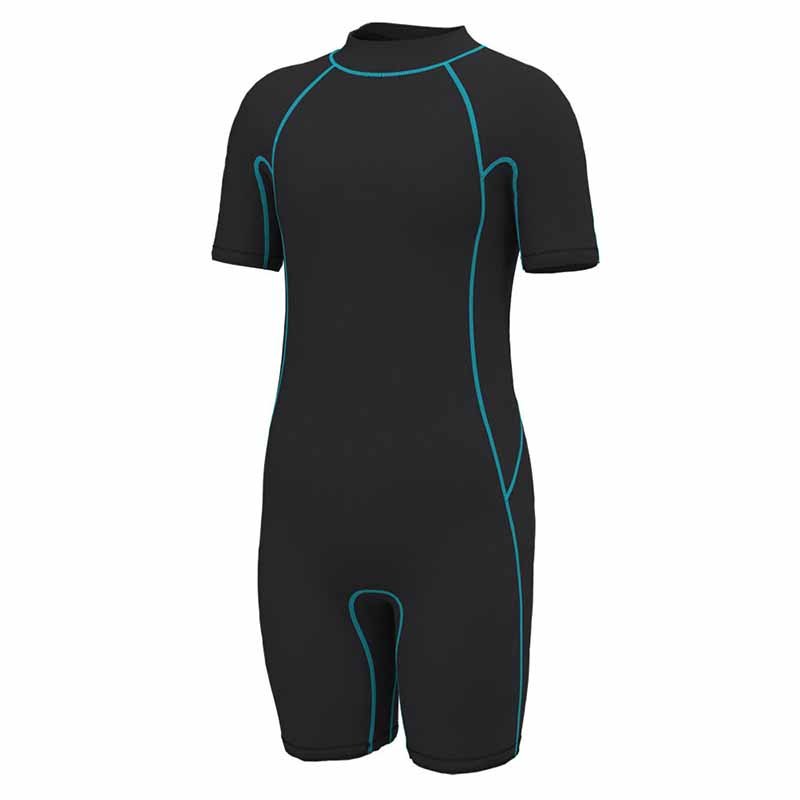
Yes—wetsuit materials are just as important as thickness, and in many real-world situations, they matter even more. Two wetsuits with the same thickness (for example, both 4/3mm) can feel dramatically different in warmth, comfort, flexibility, and durability depending on the type of neoprene, inner lining, seam construction, and surface treatment used.
Many users focus only on millimeters, but experienced surfers, divers, and manufacturers know that materials determine how effectively a wetsuit performs in actual water conditions, not just on paper.
Yes, wetsuit materials are critical to warmth, flexibility, and durability. Neoprene type, thermal linings, seam construction, and surface coatings can significantly affect how warm a wetsuit feels, even at the same thickness. High-quality materials reduce water flushing, improve insulation, and increase comfort, making material choice as important as wetsuit thickness for real-world performance.
Why Material Choice Can Matter More Than Thickness
Wetsuits do not keep you warm by blocking water entirely. Instead, they:
- Trap a thin layer of water
- Allow your body to warm that water
- Slow heat loss back into the environment
Materials control how efficiently this process works.
A poorly made 5mm wetsuit with cheap neoprene and loose seams can feel colder than a well-designed 4/3mm wetsuit using premium materials. This is why experienced users often say: “Fit and materials matter more than thickness alone.”
Neoprene Type: The Core of Wetsuit Performance
Standard Petroleum-Based Neoprene
- Heavier and less flexible
- Lower stretch recovery over time
- Often used in entry-level wetsuits
While functional, standard neoprene tends to compress more quickly, reducing insulation after repeated use.
Limestone / High-Stretch Neoprene
- Lighter and softer
- Better stretch and rebound
- Retains thickness longer under pressure
High-quality limestone neoprene allows a snugger fit, which reduces water flushing and improves warmth. This is why many premium wetsuits feel warmer at the same thickness.
Thermal Liners: Hidden Warmth Without Extra Bulk
Inner linings play a major role in heat retention.
Common thermal linings include:
- Brushed fleece
- Hollow-fiber fabrics
- Heat-reflective layers
These linings:
- Trap warm air
- Speed up water warming
- Reduce evaporative heat loss
A wetsuit with a thermal liner can often extend comfortable use by 1–2°C lower water temperature without increasing thickness.
Seam Construction: Where Heat Is Won or Lost
Seams are the biggest source of heat loss in a wetsuit.
- Flatlock seams: Flexible but allow water flow (warm water only)
- Glued & blind-stitched (GBS): Reduced water entry, common in mid-range suits
- Fully taped or sealed seams: Maximum warmth for cold water
For cold-water wetsuits, seam quality can make the difference between comfort and rapid chilling—even with thick neoprene.
Outer Surface Materials: Wind and Water Resistance
The outer layer affects how the wetsuit performs above the waterline.
- Smooth-skin neoprene reduces wind chill and dries faster
- Textured or fabric-laminated surfaces improve durability but may hold more water
Surfers and paddleboarders often feel colder due to wind exposure, making outer surface material especially important.
Flexibility vs Warmth: A Material Trade-Off
Materials also define the balance between:
- Flexibility (range of motion, fatigue reduction)
- Warmth (heat retention, reduced flushing)
High-stretch neoprene allows thinner panels in high-movement zones (shoulders, arms) while keeping thicker insulation in the core. This zoned-material approach is common in advanced wetsuit design.
Durability and Long-Term Performance
Material quality affects how long a wetsuit stays warm.
Low-grade neoprene:
- Compresses faster
- Loses insulation over time
- Cracks or stiffens sooner
High-quality neoprene:
- Maintains thickness longer
- Resists UV and salt damage better
- Delivers more consistent warmth season after season
For frequent users, durability directly impacts safety and cost over time.
Material Choice and Activity Type
Different sports demand different material priorities:
- Surfing → stretch, wind resistance, chest insulation
- Scuba diving → compression resistance, thermal stability at depth
- Open-water swimming → hydrodynamics, flexibility, tight fit
- Paddle sports → wind protection, abrasion resistance
This is why a “one-material-fits-all” wetsuit rarely performs well across all activities.
wetsuit materials are essential. Thickness tells you how much insulation is possible, but materials determine how efficiently that insulation actually works. Neoprene quality, thermal linings, seams, and surface treatments collectively define warmth, comfort, flexibility, and durability.
The best wetsuit is not the thickest one—it is the one built with the right materials for the intended water temperature, activity, and user.
What Activities Affect Wetsuit Choice
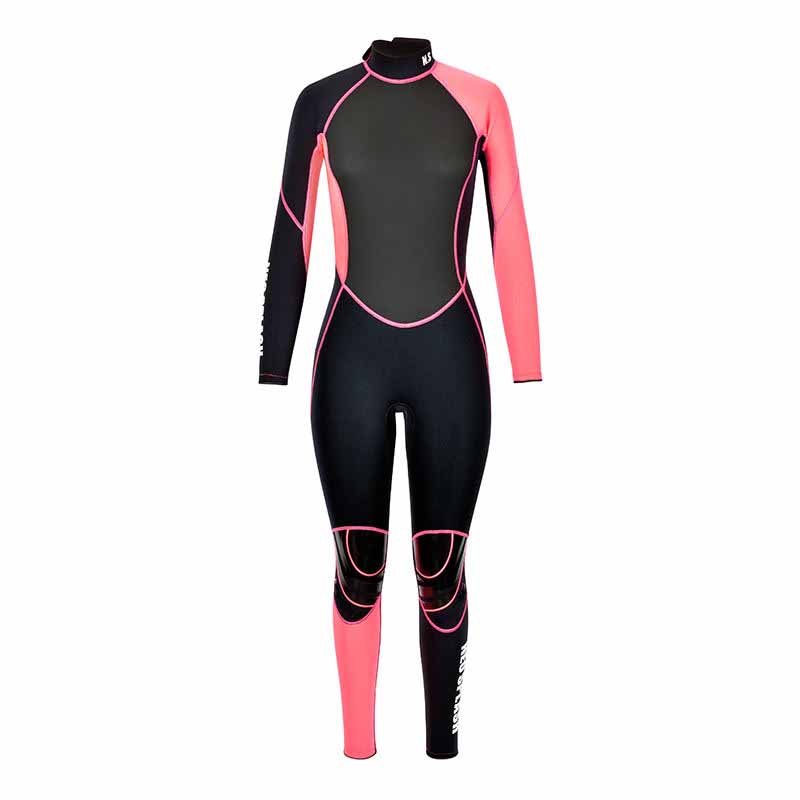
Wetsuit choice is not determined by water temperature alone—the type of activity you do in the water plays an equally critical role. Different water sports involve different movement patterns, exposure times, depths, and wind conditions, all of which affect how quickly your body loses heat. This is why two people in the same water temperature may need very different wetsuits depending on what they are doing.
In simple terms:
- High-movement activities generate body heat and can use thinner wetsuits
- Low-movement or deep-water activities lose heat faster and require thicker or more advanced insulation
Understanding how activities affect wetsuit performance helps users avoid being underprotected or unnecessarily restricted.
Wetsuit choice is affected by activity level, movement intensity, water depth, and exposure time. High-activity sports like surfing and swimming generate body heat and allow thinner wetsuits, while low-movement activities such as scuba diving require thicker insulation. Wind exposure, time spent resting in water, and depth also influence how warm a wetsuit needs to be.
Why Activity Level Changes Thermal Needs
The human body produces heat through movement. Activities that involve continuous paddling, swimming, or kicking naturally generate warmth, while activities that involve floating, waiting, or slow movement do not. A wetsuit must compensate for how much heat your body creates vs. how much heat the water removes.
This is why wetsuit temperature guides always assume a specific activity type, not just water temperature.
Surfing & Wave Riding
Surfing is a mix of high-intensity paddling and long periods of sitting still, often exposed to wind.
Key factors:
- Wind chill while waiting for waves
- Repeated immersion and exit
- Core heat retention is critical
As a result, surfers often choose slightly thicker wetsuits than swimmers in the same water temperature. Chest panels, smooth-skin neoprene, and good neck seals are especially important for reducing wind-related heat loss.
Typical choice:
- 3mm in warmer water
- 4/3mm or thicker in cool, windy conditions
Scuba Diving & Freediving
Diving is one of the most demanding activities for thermal protection.
Why divers need thicker wetsuits:
- Minimal movement underwater
- Longer exposure times
- Neoprene compression at depth reduces insulation
- Often colder temperatures below the surface (thermoclines)
A diver may feel cold in a 3mm wetsuit within minutes, even if a surfer feels comfortable in the same water.
Typical choice:
- One thickness level thicker than surfers
- Thermal linings and sealed seams are essential
In very cold conditions, divers transition from wetsuits to dry suits for safety.
Open Water Swimming & Triathlon
Open water swimmers prioritize efficiency and mobility.
Key considerations:
- Continuous movement generates heat
- Shoulder and arm flexibility are critical
- Tight fit reduces drag and water flushing
Triathlon wetsuits often feel warmer than expected for their thickness because they use high-stretch neoprene and extremely snug fits. Overheating is actually a common issue in mild conditions.
Typical choice:
- Thinner wetsuits than surfers
- Smooth-skin outer layers for hydrodynamics
Paddleboarding, Kayaking & Canoeing
These activities involve low water immersion but high wind exposure.
Key factors:
- Wind chill above the water
- Intermittent splashing
- Long sessions with limited movement
Many paddlers underestimate how cold they can feel, especially in cooler air temperatures. Wetsuits used here often need wind-resistant outer surfaces and slightly more insulation than swimming would suggest.
Typical choice:
- Moderate thickness
- Wind-resistant panels
- Easy entry/exit designs
Snorkeling & Recreational Swimming
Snorkelers and casual swimmers often float or move slowly, especially when observing marine life.
Key factors:
- Low activity level
- Long surface exposure
- Sun exposure may be misleading
Because movement is limited, snorkelers may feel cold sooner than expected, even in relatively warm water.
Typical choice:
- 2–3mm in warm water
- Full suits preferred over shorties for longer sessions
Fishing, Sailing & Water-Based Work
These activities involve long periods of inactivity, often combined with wind and spray.
Key risks:
- Rapid heat loss
- Reduced dexterity
- Cold stress over time
For these users, wetsuits are often chosen for thermal endurance rather than flexibility, and layering or dry suits may be more appropriate in cold conditions.
How Activity Should Change Your Wetsuit Decision
A simple adjustment rule used by professionals:
- High activity (surfing, swimming) → choose the lower end of the thickness range
- Low activity (diving, fishing) → choose the higher end of the thickness range
- Mixed activity + wind exposure → choose thicker suit or better materials
Ignoring activity type is one of the main reasons people feel cold in “the right” wetsuit.
Do Fit & Size Impact Temperature Performance
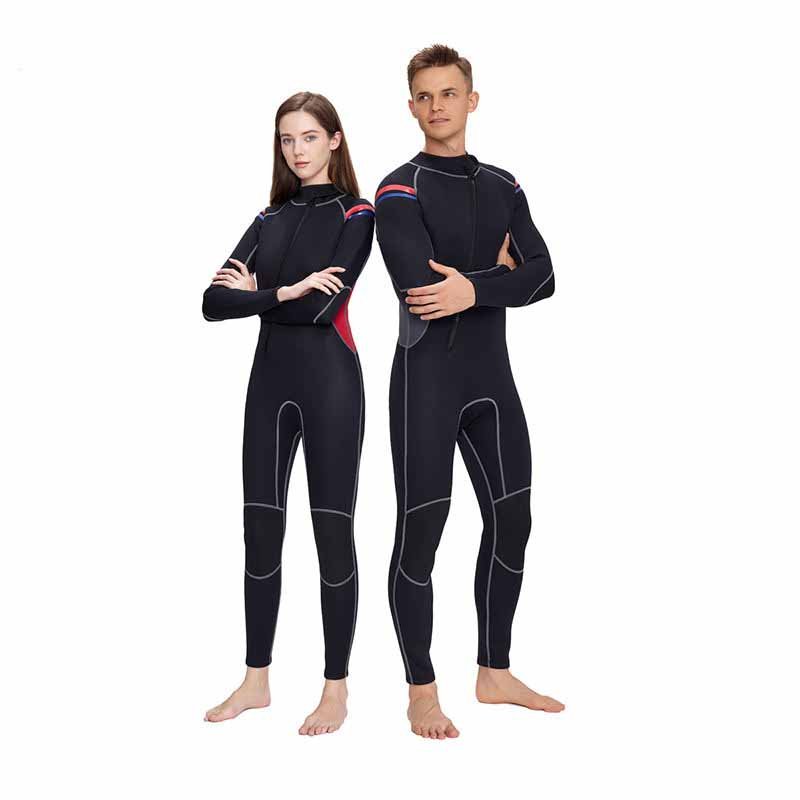
Yes—fit and size have a major impact on how warm a wetsuit feels, often more than thickness alone. A properly fitted wetsuit minimizes water flushing, improves heat retention, and allows your body to maintain a stable temperature. In contrast, a poorly fitting wetsuit—whether too loose or too tight—can make even a thick wetsuit feel cold, uncomfortable, and inefficient.
Many users assume that choosing the right thickness guarantees warmth, but in real-world use, fit is the factor that determines whether that insulation actually works.
Yes, wetsuit fit and size significantly affect temperature performance. A snug-fitting wetsuit reduces water flushing and traps warm water close to the body, improving insulation. Loose wetsuits allow cold water to circulate, causing heat loss, while overly tight suits restrict movement and reduce comfort. Proper fit is often as important as wetsuit thickness for staying warm.
Why Fit Matters More Than Most People Realize
Wetsuits keep you warm by trapping a thin layer of water between your body and the neoprene. Your body warms this water, and the neoprene slows heat loss. This system only works when water movement inside the suit is minimized.
When a wetsuit fits poorly:
- Cold water constantly enters and exits (“flushing”)
- Warm water cannot stay trapped
- Your body must reheat cold water repeatedly
- Heat loss accelerates and fatigue increases
This is why people often say, “My wetsuit is thick enough, but I’m still cold.” In most cases, the real issue is fit, not thickness.
How a Proper Fit Improves Warmth
A well-fitted wetsuit should:
- Sit close to the skin without air gaps
- Seal well at the neck, wrists, and ankles
- Stretch comfortably with movement
- Stay in place during activity
When these conditions are met, the wetsuit:
- Traps warm water effectively
- Reduces heat loss from circulation
- Maintains consistent insulation across the body
- Feels warmer with less neoprene thickness
This is why many experienced users feel warmer in a well-fitted 4/3mm wetsuit than in a loose 5/4mm wetsuit.
What Happens When a Wetsuit Is Too Loose
Loose wetsuits are one of the most common causes of poor temperature performance.
Problems caused by loose fit include:
- Continuous cold water flushing
- Cold spots around the lower back, chest, and shoulders
- Rapid cooling during rest periods
- Increased drag and fatigue
Loose suits are especially problematic for:
- Surfing (sitting exposed to wind)
- Diving (low movement)
- Long sessions
Even small gaps around the lower back or neck can significantly reduce warmth.
What Happens When a Wetsuit Is Too Tight
A wetsuit that is too tight can also reduce performance.
Common issues include:
- Restricted breathing or movement
- Increased fatigue
- Reduced blood circulation
- Shoulder and neck strain
Poor circulation limits your body’s ability to produce and distribute heat, which can actually make you feel colder over time. Comfort is critical—a wetsuit should feel snug, not compressive.
Fit Zones That Matter Most for Warmth
Certain areas of the wetsuit have a larger impact on temperature performance:
- Chest & Core → Primary heat retention zone
- Lower Back → Common flushing area
- Neck Seal → Major entry point for cold water
- Wrists & Ankles → Small gaps cause large heat loss
- Armpits & Shoulders → Must balance seal and mobility
High-quality wetsuits use anatomical paneling to improve fit in these zones.
Why Body Shape and Proportions Matter
Standard wetsuit sizes are based on average body proportions. However, many users fall outside these averages:
- Tall but slim
- Short with broad shoulders
- Athletic builds
- Larger chest-to-waist ratios
For these users, standard sizes often fit some areas well and others poorly, leading to flushing and cold spots.
This is where custom-fit wetsuits offer a clear advantage.
Custom Fit vs Standard Sizing: Temperature Impact
Custom wetsuits improve temperature performance by:
- Eliminating excess space
- Improving seal efficiency
- Matching panel thickness to body zones
- Reducing material stress points
For brands and frequent users, custom sizing results in:
- Warmer feel at the same thickness
- Longer comfortable sessions
- Higher customer satisfaction
- Lower return and complaint rates
How Fit Requirements Change by Activity
Fit priorities vary by sport:
- Surfing → Snug core + flexible shoulders
- Diving → Even compression + minimal flushing
- Swimming/Triathlon → Extremely tight fit for hydrodynamics
- Paddling → Comfortable fit with wind resistance
A wetsuit designed for one activity may fit poorly for another, even if thickness is correct.
How to Check If Your Wetsuit Fits Correctly
A simple user-friendly checklist:
- No large air pockets when standing
- No sagging in the lower back
- Neck seal is snug but not choking
- No excessive pulling when raising arms
- Suit does not shift significantly in water
If these conditions are not met, warmth will be compromised.
FAQ — Common Wetsuit Temperature Questions
This FAQ addresses the most common, real-world questions people ask when choosing wetsuits for different water temperatures. Each answer is written to be clear, practical, and decision-oriented, helping users avoid common mistakes and choose safer, more comfortable wetsuit setups.
Which wetsuit should I wear for my water temperature?
You should choose a wetsuit primarily based on water temperature, then adjust for activity level and exposure time.
As a general rule:
- 22°C+ / 72°F+ → 2mm or shorty
- 18–22°C / 64–72°F → 3mm
- 14–18°C / 57–64°F → 3/2mm or 4/3mm
- 10–14°C / 50–57°F → 5/4mm
- Below 10°C / 50°F → 6/5/4mm + accessories
If you will be inactive, diving deep, or exposed to wind, choose one thickness level warmer.
Is air temperature or water temperature more important?
Water temperature is far more important than air temperature.
Water removes body heat up to 25 times faster than air, so even warm, sunny weather does not make cold water safe. Many people feel fine before entering the water and become cold quickly once submerged because they underestimated water temperature.
Always choose your wetsuit based on water temperature first, then adjust for wind and air conditions.
How warm is a 3mm wetsuit in real conditions?
A 3mm wetsuit is generally comfortable in 18–22°C (64–72°F) water for active sports such as surfing, swimming, and paddleboarding.
However, a 3mm wetsuit may feel cold when:
- The user is inactive or floating
- Sessions last longer than 60–90 minutes
- Wind exposure is strong
- The suit fits loosely
In cooler water or lower-activity sports, users often move up to a 4/3mm wetsuit.
Is thicker neoprene always warmer?
No. Thicker neoprene does not automatically mean more warmth.
Warmth depends on:
- Fit (water flushing control)
- Neoprene quality
- Thermal lining
- Seam construction
A well-fitted, high-quality 4/3mm wetsuit can feel warmer than a poorly made 5/4mm wetsuit. Thickness provides potential insulation, but materials and fit determine how effective that insulation is.
What is too cold for a wetsuit?
Most experts agree that below 5°C (41°F), wetsuits are no longer sufficient for safe, extended exposure.
In these temperatures:
- Heat loss exceeds wetsuit insulation capacity
- Dexterity and coordination decline rapidly
- Hypothermia risk increases significantly
For extreme cold conditions, dry suits—which keep the body completely dry—are the safer option.
Can I overheat in a wetsuit?
Yes. Overheating is common when wearing a wetsuit that is too thick for the water temperature or activity level.
Signs of overheating include:
- Excessive sweating inside the suit
- Rapid fatigue
- Dizziness or discomfort
This is especially common in:
- Triathlon wetsuits during warm races
- Summer surfing in thick suits
If you frequently overheat, choose a thinner suit or a wetsuit with better ventilation and stretch.
How long can I safely stay in cold water with a wetsuit?
There is no single safe time limit—it depends on:
- Water temperature
- Wetsuit thickness and materials
- Activity level
- Body size and metabolism
In cold water, even with a thick wetsuit, users should:
- Monitor shivering and coordination
- Exit the water immediately if numbness occurs
- Avoid pushing limits
Wetsuits slow heat loss but do not stop it entirely.
Do boots, gloves, and hoods really make a difference?
Yes—thermal accessories can significantly extend comfort and safety.
In cold water:
- Heat loss occurs rapidly through the head, hands, and feet
- Adding boots, gloves, and a hood can extend safe exposure time more than increasing suit thickness alone
Many cold-water users stay warmer by pairing a slightly thinner wetsuit with full accessories rather than wearing an extremely thick suit alone.
Why do I feel cold even though my wetsuit thickness is correct?
This usually happens because of:
- Poor fit (water flushing)
- Low-quality neoprene
- Worn-out or compressed neoprene
- Inadequate seam sealing
Thickness alone cannot compensate for poor fit or aging materials. If you feel cold despite correct thickness, fit and materials are the first things to evaluate.
Are wetsuit temperature guides exact or flexible?
Wetsuit temperature guides are recommended ranges, not absolute rules.
Individual tolerance varies due to:
- Body fat percentage
- Metabolism
- Experience level
- Activity intensity
Guides provide a safe starting point, and users should adjust based on personal comfort and conditions.
Should beginners choose warmer wetsuits than experienced users?
Yes. Beginners generally benefit from slightly warmer wetsuits because:
- They move less efficiently
- They spend more time resting or floating
- They are more sensitive to cold
Choosing a warmer wetsuit improves comfort, confidence, and safety for new users.
When should I consider a custom wetsuit for temperature performance?
You should consider a custom wetsuit if:
- Standard sizes fit poorly
- You experience cold spots or flushing
- You spend long hours in the water
- You operate in colder environments
Custom-fit wetsuits reduce water circulation and improve warmth without increasing thickness, which is why many professionals and brands prefer them.
Conclusion
Choosing the right wetsuit temperature is not just about numbers—it’s about real performance, safety, and comfort. Whether you are a brand owner, distributor, or growing water-sports business, the right wetsuit design makes a measurable difference for your customers.
Oneier is a China-based manufacturer with 18+ years of experience in neoprene R&D and production.
If you’re planning to develop your own wetsuit line or neoprene products, now is the time to work directly with a factory that understands materials, temperature performance, and real-world use cases.
Contact Oneier today to request samples, discuss custom designs, or get a professional quotation tailored to your market.