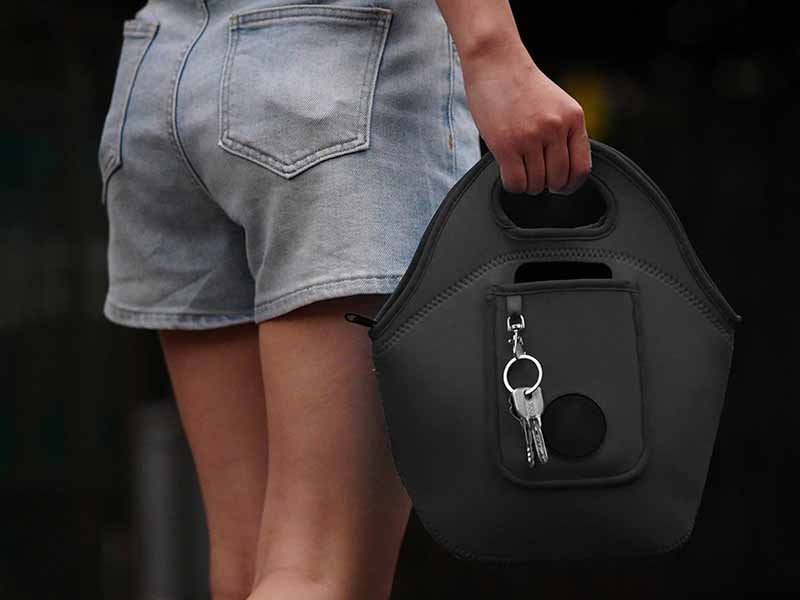
Choosing the right thickness of neoprene can be the difference between a product that performs well and one that fails to meet expectations. Whether you’re designing a wetsuit, sports gear, fashion accessory, or even a custom promotional item, understanding neoprene thickness is key to achieving optimal functionality, comfort, and durability. The thickness of neoprene directly impacts insulation, flexibility, and compression resistance. But how do you know which thickness is best for your specific application?
Neoprene thickness refers to the material’s density, compressibility, and insulation properties, measured in millimeters (mm). For example, thicker neoprene is ideal for heavy-duty applications like wetsuits, while thinner neoprene works better for fashion accessories and lightweight promotional items. The decision of which thickness to use depends on what your product needs in terms of insulation, comfort, and durability.
Choosing the right thickness isn’t just about picking a number. It’s about ensuring the best performance and achieving a balance between cost and functionality. Let’s dive deeper into how neoprene thickness affects different products, and how you can make an informed decision.
Neoprene thickness plays a crucial role in determining a product’s insulation, comfort, and durability. Thicker neoprene is perfect for thermal protection and compression resistance, making it ideal for wetsuits and sports gear. Thinner neoprene provides greater flexibility and is often used in fashion accessories and promotional items. Understanding these differences helps you choose the right neoprene thickness for your product’s needs.
What Is Neoprene Thickness
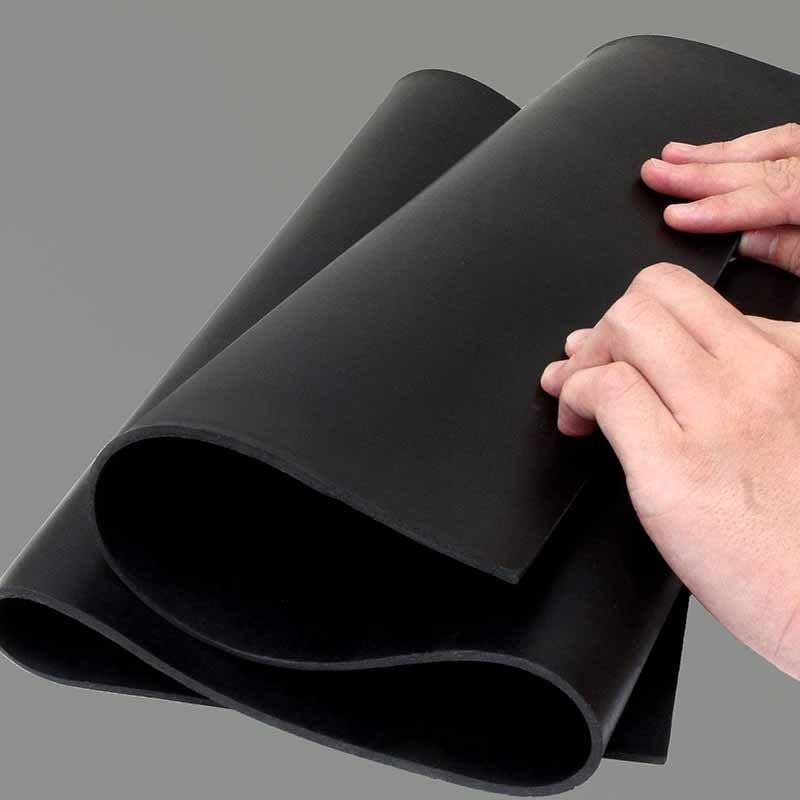
Neoprene thickness refers to the density and compression resistance of the material, measured in millimeters (mm). It determines the neoprene’s ability to insulate, stretch, and maintain its shape under stress. Thicker neoprene provides better insulation and compression resistance, making it ideal for products like wetsuits and sports gear, while thinner neoprene is more suitable for fashion accessories and custom promotional items that prioritize comfort and flexibility.
What is neoprene thickness?
Neoprene thickness is a critical factor in determining how the material performs across a range of applications. It’s typically measured in millimeters (mm) and can range from as thin as 1.5 mm for flexible products to 7 mm for heavy-duty gear like wetsuits and sports protective wear. The thickness impacts several aspects of the material’s properties, including:
- Insulation: Thicker neoprene is better at retaining air in its closed-cell structure, which makes it excellent for thermal insulation.
- Compression resistance: Thicker neoprene is more resistant to compression, meaning it retains its shape better when exposed to pressure or frequent use.
- Elasticity and flexibility: Thinner neoprene is more flexible, ideal for products like fashion bags, custom koozies, and tablet sleeves.
The thickness also affects the comfort of the material—thicker neoprene is more rigid and provides support, while thinner neoprene feels softer and more pliable.
Why is neoprene thickness important?
Neoprene thickness impacts several critical factors:
- Performance: Thicker neoprene performs better in high-stress environments, such as extreme temperatures or water activities (e.g., wetsuits).
- Durability: The thicker the neoprene, the more durable it is. Products made with thicker neoprene are less likely to wear out under pressure or rough use.
- Cost and Flexibility: Thicker neoprene is more expensive and less flexible, which may not be ideal for fashion items or promotional products where design and flexibility are priorities.
Choosing the correct thickness ensures that the neoprene suits the product’s requirements, whether those are comfort or performance driven.
What are the standard neoprene thicknesses?
Neoprene is available in various thickness options, each designed for specific applications. Here’s a breakdown of the most common thicknesses and their uses:
| Thickness (mm) | Common Uses | Key Characteristics |
|---|---|---|
| 1.5 mm – 3 mm | Fashion accessories, tablet sleeves, bags | Flexible, lightweight, easy to customize |
| 3 mm – 5 mm | Fitness accessories, light sports gear | Moderate insulation, balance of flexibility |
| 5 mm – 7 mm | Wetsuits, medical supports, sports gear | High insulation, compression resistance |
For example:
- 2 mm neoprene is often used in fashion bags for its softness and easy customization through printing and embossing.
- 5 mm neoprene is used for wetsuits, providing insulation and shape retention during water activities.
How do you measure neoprene thickness?
Neoprene thickness is typically measured in millimeters (mm). When buying neoprene, the thickness indicates how much the material will stretch or compress. The thickness is often defined by the foam core used in the material.
- Thin neoprene (1.5 mm–3 mm) offers greater flexibility and is easier to sew and print.
- Thicker neoprene (5 mm–7 mm) is more rigid and designed to retain shape and offer better thermal protection in cold environments.
The thickness is directly proportional to the material’s density, which means thicker neoprene is denser, while thinner neoprene has a lighter feel.
Which Thickness Options Are Common
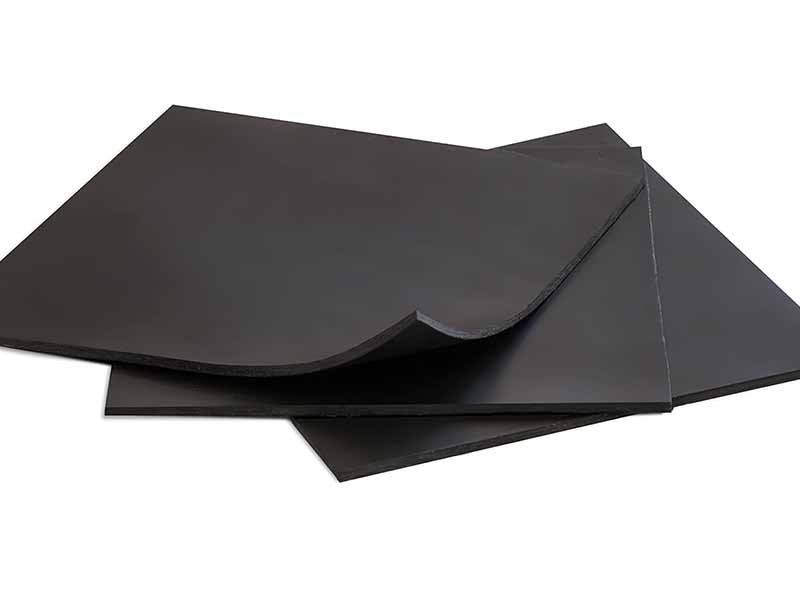
Neoprene is available in various thickness options, typically ranging from 1.5 mm to 7 mm. Common thicknesses include 1.5 mm to 3 mm for fashion accessories, 3 mm to 5 mm for fitness gear and light sports equipment, and 5 mm to 7 mm for wetsuits, medical supports, and heavy-duty products. The thickness chosen depends on the product’s insulation needs, compression resistance, and flexibility.
Understanding Common Neoprene Thicknesses
Neoprene thickness plays a crucial role in determining the performance and durability of the material. Each thickness range has specific applications, which affect both product functionality and aesthetics. Below, we break down the most common thickness options and their best uses in various industries.
1.5 mm to 3 mm Neoprene
This is the most common range for fashion accessories, custom bags, and promotional items. It provides a soft, flexible feel and is highly customizable, making it ideal for products that need to be lightweight, comfortable, and easy to print or emboss.
- Common Uses:
- Fashion bags, pouches, tablet sleeves
- Custom koozies, laptop cases
- Cosmetic pouches, personalized gifts
- Benefits:
- Lightweight and easy to carry
- Comfortable to wear for long periods
- Ideal for easy customization via screen printing or embossing
- Offers basic cushioning, but not designed for thermal insulation
For example, a 2 mm neoprene bag offers enough protection for gadgets like tablets or laptops but is not thick enough to provide the thermal protection needed in wetsuits.
3 mm to 5 mm Neoprene
This thickness range strikes a balance between flexibility and insulation, making it suitable for a variety of sports and fitness accessories and medical supports. Products like knee pads, wrist supports, and fitness bands require this thickness to provide sufficient comfort and compression resistance while maintaining lightweight properties.
- Common Uses:
- Fitness gear, knee pads, elbow supports
- Medical supports, braces, orthopedic devices
- Light sports equipment, backpacks
- Benefits:
- Moderate insulation for basic thermal needs (e.g., cooler bags)
- More rigid than thinner neoprene, providing greater support
- Sufficient compression resistance for medical products
- Works well for products that need some cushioning without the bulk
A 4 mm neoprene support brace offers better compression for joint stability without being too thick or heavy, ensuring comfort during physical activity.
5 mm to 7 mm Neoprene
This thickness is typically used in products where thermal insulation, compression resistance, and durability are paramount. Wetsuits, sports gear, and high-performance medical supports often require thicker neoprene to provide maximum protection and support.
- Common Uses:
- Wetsuits, diving gear
- Heavy-duty medical braces, orthotic supports
- Sports protective gear (e.g., elbow pads, knee braces)
- Benefits:
- Excellent thermal insulation for cold-water activities
- High compression resistance for durable products
- Suitable for heavy-duty applications needing long-term use
- Great for products requiring extra cushioning and impact protection
A 5 mm wetsuit offers significant thermal insulation to keep the wearer warm in cold water, while still allowing for flexibility in movement.
What Thickness Works Best for Your Product?
The right thickness depends on your product’s specific function and design requirements. Here’s a breakdown of what to consider:
- Thin Neoprene (1.5 mm to 3 mm): Ideal for products where comfort, lightweight design, and easy customization are the priority, such as fashion bags, custom koozies, and tablet sleeves.
- Medium Thickness (3 mm to 5 mm): Suitable for products requiring a balance between comfort and performance, such as sports gear, medical supports, and small bags. It provides moderate insulation and flexibility, making it versatile for fitness accessories and light protective gear.
- Thick Neoprene (5 mm to 7 mm): Essential for products requiring high insulation, compression resistance, and durability, such as wetsuits, sports gear, and medical supports. It’s used in extreme conditions where performance and long-term durability are critical.
How Thickness Affects Neoprene Performance
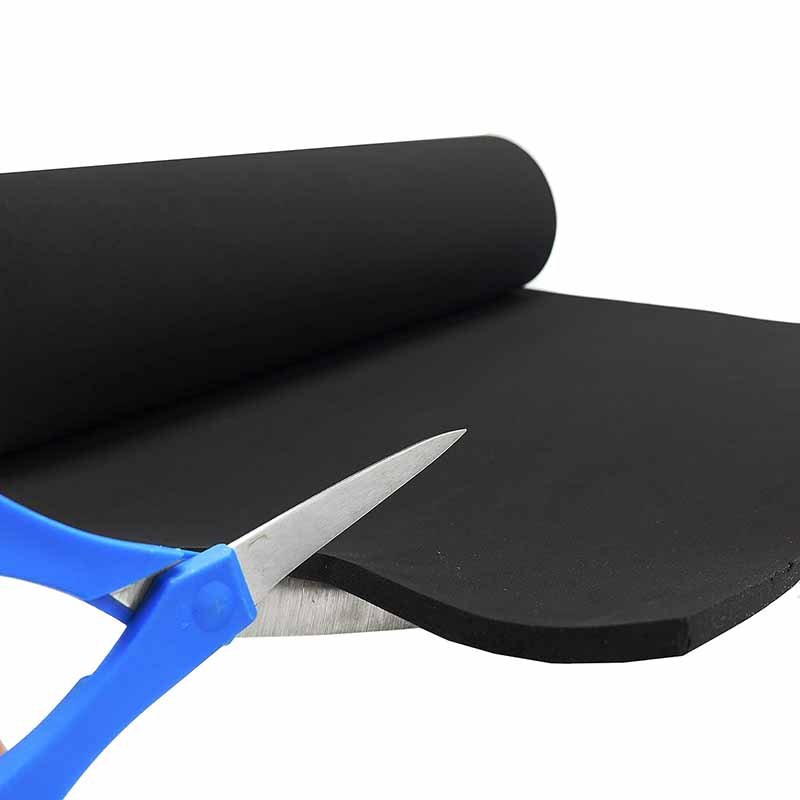
Neoprene thickness directly influences insulation, flexibility, compression resistance, and comfort. Thicker neoprene provides better insulation and compression resistance, making it ideal for products like wetsuits, sports gear, and medical supports. Thinner neoprene offers more flexibility and comfort, making it better suited for fashion accessories, bags, and custom promotional items where design and comfort are prioritized over insulation.
Understanding the Impact of Neoprene Thickness on Performance
Neoprene’s thickness plays a crucial role in determining how it behaves in various products, affecting its insulation properties, flexibility, compression resistance, and comfort. Let’s explore how thicker versus thinner neoprene affects product performance.
How does thickness influence insulation?
One of the most noticeable effects of neoprene thickness is its ability to insulate. Neoprene is known for its closed-cell foam structure, which traps air and provides thermal insulation. The thicker the neoprene, the better it can retain air and prevent heat loss. This makes thicker neoprene ideal for products that require thermal protection in cold or extreme conditions.
- Thicker neoprene (5-7 mm) is perfect for products like wetsuits, diving suits, and cold-weather sports gear, as it offers superior insulation and keeps you warm in cold water or low temperatures.
- Thinner neoprene (1.5-3 mm), while providing some insulation, is typically used in fashion accessories and promotional items. While it does not provide the extreme insulation of thicker neoprene, it offers enough thermal protection for light wear in moderate climates or casual use.
For example, a 5 mm wetsuit ensures that water sports enthusiasts stay warm for extended periods in cold waters, while a 2 mm neoprene bag provides comfort and light insulation but isn’t suitable for thermal protection.
How does thickness change flexibility and comfort?
Thickness has a direct impact on the flexibility and comfort of neoprene. Thicker neoprene tends to be stiffer and more rigid, which is essential for compression resistance and support in products like sports gear and medical supports. However, this rigidity can make the material less comfortable for items that are worn or carried for long periods.
- Thinner neoprene is more flexible and softer, making it ideal for wearables such as fashion bags, tablet cases, and custom pouches. It provides the softness and comfort needed for everyday use and is easier to manipulate for custom designs and branding.
For instance, 2 mm neoprene used in a fashion tote bag provides the perfect balance of flexibility and comfort, while a 5 mm neoprene used in a sports brace provides the necessary compression but may feel more rigid.
How does thickness impact compression resistance?
Compression resistance is critical in products like medical supports, wetsuits, and sports gear, which undergo frequent stress and pressure. Thicker neoprene provides better resistance to compression, ensuring that the material retains its shape and structural integrity over time.
- Thicker neoprene (5-7 mm) is able to withstand higher levels of compression, which is essential for products like medical braces or knee supports. It ensures that the material doesn’t lose its compression properties, even after repeated use and exposure to stress.
- Thinner neoprene compresses more easily, which can lead to a loss of shape and structural degradation over time. While light compression resistance is fine for products like fashion accessories, it’s not suitable for high-performance gear.
For example, a 5 mm neoprene sports brace can provide the required compression to stabilize the joint, while a 2 mm neoprene sleeve may lose its compression resistance after multiple uses, making it unsuitable for medical or heavy-duty applications.
How does thickness affect durability?
Durability is closely linked to compression resistance and material strength. Thicker neoprene tends to be more durable because it has more material to withstand abrasion, wear, and stress over time. Thicker neoprene is ideal for products exposed to harsh conditions, such as wetsuits, sports gear, and medical braces.
- Thicker neoprene offers greater durability and is more likely to resist wear and tear from frequent use. This makes it ideal for high-performance products that are used in extreme conditions, like water sports or outdoor activities.
- Thinner neoprene is generally less durable and more prone to abrasion or deformation. It works best for fashion accessories or promotional items that don’t face heavy wear but are designed for light use.
A thicker 7 mm neoprene wetsuit can endure hours of surfing and exposure to saltwater without losing shape, while a 2 mm neoprene laptop sleeve might not withstand prolonged abrasion or heavy handling.
The thickness of neoprene directly influences its insulation, flexibility, compression resistance, and overall durability. Thicker neoprene is perfect for high-performance applications like wetsuits, sports gear, and medical supports, where thermal insulation, compression resistance, and durability are crucial. Thinner neoprene, on the other hand, is ideal for fashion accessories, custom bags, and promotional items, where comfort, flexibility, and easy customization are the priorities.
When choosing the right neoprene thickness, consider your product’s performance requirements, aesthetic goals, and cost to select the ideal thickness for your specific needs.
How to Choose the Right Neoprene Thickness for Your Product
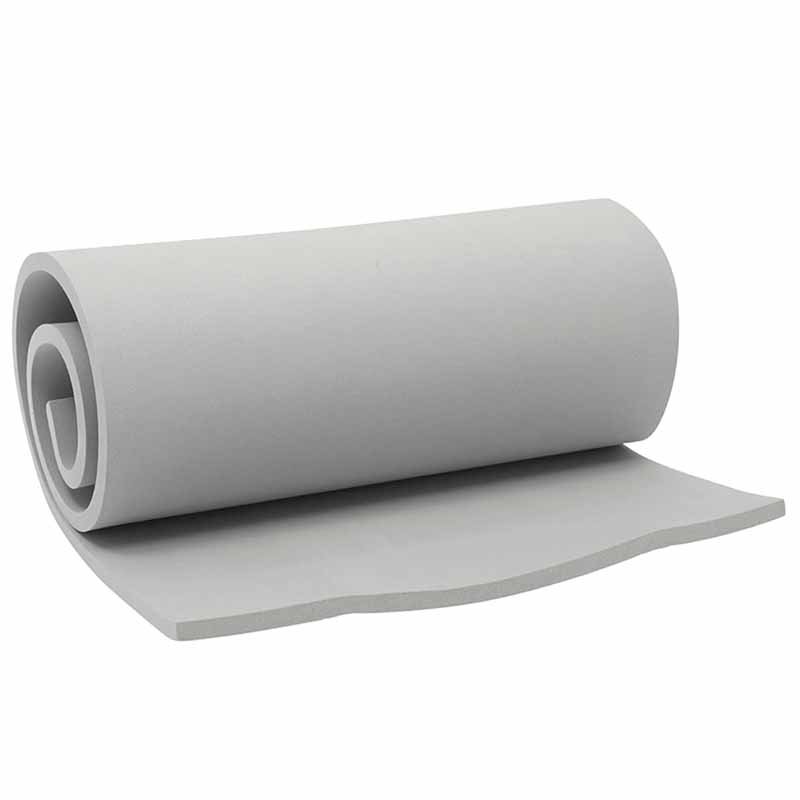
Choosing the right neoprene thickness depends on your product’s function, performance requirements, and comfort goals. For insulation and compression resistance, thicker neoprene (5–7 mm) is ideal. For products that require flexibility, lightweight design, and easy customization, thinner neoprene (1.5–3 mm) is more suitable. Consider the environment, durability needs, and aesthetic goals when making your decision to ensure the perfect fit for your product.
Making the Right Thickness Choice
Selecting the ideal neoprene thickness involves balancing various factors, including your product’s function, intended use, and budget. Neoprene thickness affects insulation, comfort, flexibility, and durability. Here’s how to determine the correct thickness based on the specific requirements of your product.
1. What factors should buyers consider when selecting thickness?
When choosing neoprene thickness, it’s essential to consider the following factors:
- Product Function: Does the product require thermal insulation or compression resistance? For items like wetsuits or sports gear, choose thicker neoprene (5–7 mm) for maximum insulation and compression resistance.
- Comfort and Flexibility: If your product is designed for comfort and wearability, such as fashion accessories or custom bags, thinner neoprene (1.5–3 mm) is ideal because it offers greater flexibility and softness.
- Durability Requirements: Thicker neoprene is more durable and resistant to wear and tear. For products like knee braces or medical supports that experience constant compression, thicker neoprene (5–7 mm) is recommended.
- Customization Needs: For products that need custom branding (like logos and prints), thinner neoprene is easier to work with and more printable than thicker versions, which may require special techniques.
2. How does the environment of use affect thickness choice?
The environment where the product will be used plays a significant role in determining the right thickness. Consider these questions:
- Will the product be exposed to cold or extreme temperatures? If so, thicker neoprene (5–7 mm) provides better thermal insulation and is ideal for water sports and cold-weather gear like wetsuits and diving gear.
- Will the product be exposed to heavy wear and tear? Thicker neoprene is more durable and resistant to abrasion, making it a great choice for products like sports equipment and protective gear.
- What level of flexibility is needed? If your product needs to be flexible and lightweight (such as a fashion bag or tablet sleeve), thinner neoprene (1.5–3 mm) is the better choice, offering both comfort and customization options.
3. How does product size and design impact the thickness choice?
The size and design of the product influence how thick the neoprene should be. Larger products that need more compression resistance or insulation will require thicker neoprene, while smaller, lighter items can use thinner neoprene for more flexibility and ease of design.
- Small Accessories: For fashion accessories, small bags, or custom koozies, 1.5–3 mm neoprene is ideal. It offers the right balance of comfort and durability while being easy to work with in terms of printing and embossing.
- Larger Gear: For wetsuits, sports braces, and medical supports, thicker neoprene (5–7 mm) is necessary to provide better insulation and compression resistance, ensuring optimal performance and protection.
4. Should the product’s lifespan and frequency of use affect thickness?
Yes, the expected lifespan and frequency of use should guide your thickness choice:
- For products that will be used regularly or are exposed to harsh conditions, thicker neoprene offers better longevity. It will resist wear and tear more effectively, ensuring that your product lasts longer under daily use.
- If the product is designed for short-term use or as a promotional item, you can opt for thinner neoprene to reduce costs while still offering a comfortable and stylish product.
For example, a 5 mm neoprene wetsuit will hold up better over years of use than a 2 mm neoprene fashion bag, which, though flexible, would not be durable enough for high-stress environments.
5. How does cost impact thickness choice?
Cost is always a consideration in product development. Thicker neoprene typically costs more due to its raw material cost and manufacturing process. However, for products like wetsuits, sports gear, or medical supports, the higher price of thicker neoprene is justified by its longer lifespan and better performance.
If you’re on a budget or need cost-effective solutions, thinner neoprene (1.5–3 mm) might be a better choice for fashion accessories, promotional items, and lightweight products where performance isn’t as critical.
6. How does thickness relate to insulation and comfort trade-offs?
Thicker neoprene generally provides better insulation but at the cost of comfort and flexibility. If thermal protection is required, such as in wetsuits, you’ll want to go with thicker neoprene for the best performance in cold water.
On the other hand, for fashion accessories or promotional items, comfort and flexibility are more important, so thinner neoprene is a better option. Thinner neoprene allows for easier movement, is lighter, and offers a more comfortable fit for products that will be worn or carried frequently.
Choosing the right neoprene thickness for your product depends on a combination of factors, including product function, comfort, durability, and environment of use. For high-performance items like wetsuits or sports gear, thicker neoprene (5–7 mm) provides better insulation and compression resistance. For fashion accessories and promotional items, thinner neoprene (1.5–3 mm) is ideal for comfort, flexibility, and easy customization.
Do Thicker Neoprene Materials Cost More
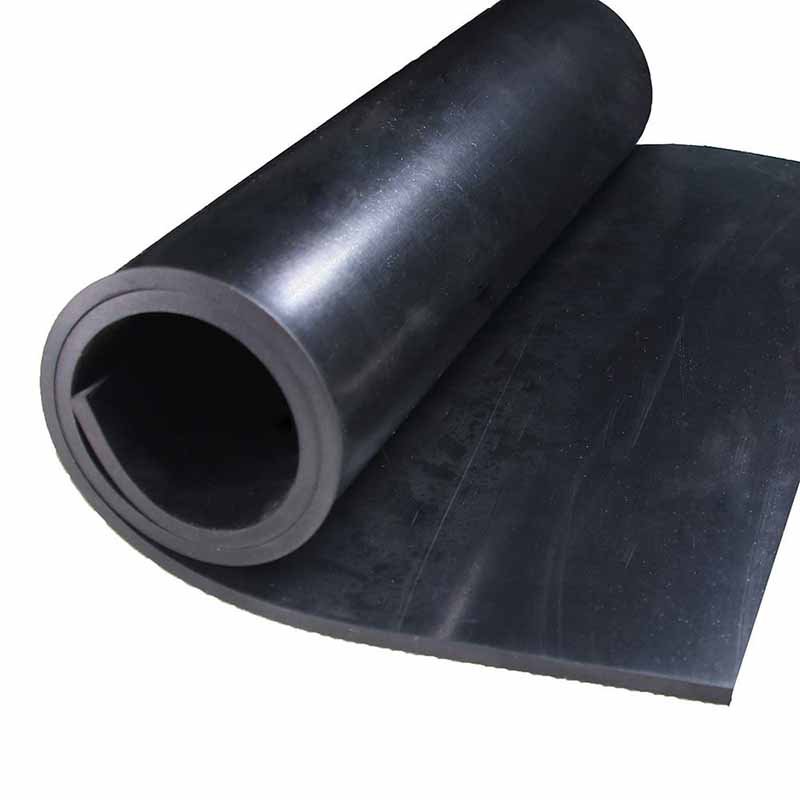
Yes, thicker neoprene materials generally cost more due to higher raw material expenses, increased production complexity, and greater material consumption. The thicker the neoprene, the more density and manufacturing time are involved. However, thicker neoprene provides enhanced insulation, compression resistance, and durability, making it ideal for high-performance products like wetsuits and sports gear. The higher cost is often justified by long-term performance and durability.
Understanding the Cost Implications of Neoprene Thickness
Why does thicker neoprene cost more?
Thicker neoprene typically costs more due to several factors:
- Raw Material Costs: Thicker neoprene requires more material, which leads to higher raw material costs. Neoprene’s basic ingredient, chloroprene, is processed to form the closed-cell foam structure that provides insulation. As the thickness increases, more chloroprene is needed, resulting in a higher cost per meter or unit.
- Manufacturing Complexity: Thicker neoprene is not only made from more material but also requires more complex manufacturing techniques. The production process for thicker neoprene involves more precise molding, cutting, and stitching. This results in increased labor costs and time required to manufacture thicker materials, raising the overall price.
- Time and Labor: The production of thicker neoprene requires longer curing times and additional specialized equipment, which makes the manufacturing process slower and more labor-intensive. For example, thicker neoprene used for wetsuits requires more rigorous processing to maintain its structural integrity and performance.
What factors contribute to the price difference between thinner and thicker neoprene?
There are several key factors that contribute to the price disparity between thicker and thinner neoprene:
- Material Volume: Thicker neoprene uses more raw material in its production. The density and compression resistance of thicker neoprene increase the cost of production because more foam is required for each unit of material.
- Production Techniques: The production of thicker neoprene often involves specialized equipment that’s designed to handle larger material sheets. This includes cutting machines, heat presses, and molding equipment. These advanced machines add higher setup and operational costs compared to those used for thinner neoprene.
- Manufacturing Time: As thickness increases, so does the curing time and heat processing, leading to longer production runs. The increased time required to manufacture thicker neoprene products, such as wetsuits, means higher operational costs per unit.
- Customizability and Additional Features: Thicker neoprene may require more complex molding and shaping to ensure it performs well in high-stress applications (e.g., medical braces, sports gear, or wetsuits). The customizability of thick neoprene products also adds to the cost.
Does thicker neoprene provide more value?
While thicker neoprene does cost more, it often provides higher value for specific applications, especially where performance is crucial. Here’s why:
- Superior Performance: Thicker neoprene performs better in applications requiring thermal insulation, compression resistance, and structural support. For instance, a 5 mm wetsuit provides optimal insulation for cold-water activities, making it essential for divers and water sports enthusiasts. In these cases, the cost of thicker neoprene is justified by its long-lasting performance.
- Durability and Longevity: Thicker neoprene is generally more durable, especially when exposed to harsh environments like saltwater, abrasion, or intense physical stress. Wetsuits made from 5 mm neoprene can withstand hours of use in cold water, providing long-term value. Similarly, medical supports made from thicker neoprene can withstand daily wear and repeated use without losing their compression properties.
- Compression Resistance: Products like sports gear and medical braces benefit from thicker neoprene, which maintains its compression over time. The material doesn’t lose its shape or support easily, making it a superior choice for items that need to provide constant pressure or stability.
When is thinner neoprene a better choice?
Thinner neoprene is more affordable and provides greater flexibility and comfort. This makes it suitable for products that don’t need extreme insulation or heavy-duty performance. For example:
- Fashion accessories like bags, wallets, and clutches benefit from 1.5 mm to 3 mm neoprene because it is lightweight, easy to sew, and comfortable to wear.
- Custom promotional items like koozies and laptop sleeves also use thinner neoprene because the material doesn’t need to perform in extreme conditions. These items benefit from cost-effectiveness and ease of customization.
Although thinner neoprene costs less, it may not be suitable for applications requiring high insulation or performance over time.
Thicker neoprene materials cost more due to increased raw material usage, manufacturing complexity, and longer production times. However, the higher cost is justified for high-performance products like wetsuits, sports gear, and medical supports, where thermal insulation, compression resistance, and durability are essential. On the other hand, thinner neoprene is more cost-effective for fashion items and promotional products that prioritize comfort, flexibility, and easy customization.
When choosing neoprene thickness for your product, consider whether performance and long-term durability are key priorities, or if flexibility and cost-effectiveness are more important. By understanding the relationship between cost and thickness, you can make an informed decision that meets both your budget and product needs.
How to Choose the Right Neoprene Thickness for Your Product
To choose the right neoprene thickness for your product, consider the product’s function, performance requirements, and comfort needs. For insulation and compression resistance, thicker neoprene (5–7 mm) is ideal, especially for wetsuits, sports gear, and medical supports. For products requiring flexibility, lightweight design, and customization, thinner neoprene (1.5–3 mm) is better suited. Always consider durability, cost, and aesthetic goals to make the best choice.
Making the Right Thickness Choice
Choosing the right neoprene thickness is crucial to ensuring your product performs well while meeting your design, cost, and durability expectations. The thickness of neoprene will affect its insulation, compression resistance, comfort, and flexibility. Here’s how to choose the right thickness based on your product’s specific needs.
1. What factors should buyers consider when selecting thickness?
Selecting the appropriate thickness requires understanding several factors that affect your product’s functionality, comfort, and overall performance.
- Product Function: The first step in selecting the thickness is determining the primary function of your product. Does it need thermal insulation? Is compression resistance critical? If so, thicker neoprene (5–7 mm) is necessary for high-performance products like wetsuits or sports braces.
- Comfort and Flexibility: If your product is wearable or carried for long periods, such as a fashion bag or tablet sleeve, you’ll want a neoprene thickness that provides comfort and flexibility. Thinner neoprene (1.5–3 mm) is better for these applications, offering a softer feel and greater pliability.
- Durability Requirements: Products exposed to abrasion, stress, or repeated use need thicker neoprene for long-term durability. Consider how often your product will be used and in what conditions—thicker neoprene resists wear and maintains its shape longer.
- Customization Needs: For products that require printing, branding, or embossing, thinner neoprene is often more compatible with customization methods. Thicker neoprene can be more challenging to print on or shape without specialized equipment.
2. How does the environment of use affect thickness choice?
The environment where your product will be used plays a crucial role in determining the right thickness. Consider these questions when deciding on the appropriate neoprene thickness:
- Will the product be used in extreme conditions? For example, wetsuits need thicker neoprene to provide better thermal protection in cold water. Products that will be exposed to moisture, UV rays, or abrasion will also benefit from thicker neoprene, as it provides greater durability.
- Is flexibility a key factor? For products like fashion accessories or custom bags, thinner neoprene (1.5–3 mm) is often the best choice, as it offers the flexibility needed for design and ease of movement.
- What temperature and weather conditions will the product face? Products that need to function in cold weather or wet environments, such as wetsuits or outdoor gear, will require thicker neoprene to maintain insulation. In contrast, products exposed to indoor conditions or milder climates can use thinner neoprene for more comfort and lightweight flexibility.
3. How does product size and design impact the thickness choice?
The size and design of the product will help determine how thick the neoprene should be. Larger products that require more compression resistance or insulation should be made from thicker neoprene, while smaller, more flexible products can use thinner neoprene.
- Small Accessories: Items like fashion bags, koozies, and tablet cases are often made with 1.5–3 mm neoprene. This thickness offers just enough protection for delicate items while maintaining lightweight design and easy customization.
- Larger Products: For products like wetsuits, sports gear, or medical supports, 5–7 mm neoprene is needed for maximum insulation and compression resistance. These products must endure extreme conditions, so thicker neoprene ensures they perform at their best over time.
4. Should the product’s lifespan and frequency of use affect thickness?
Yes, the expected lifespan and frequency of use should play a role in deciding how thick the neoprene should be.
- Long-Term Products: Products that are used regularly or exposed to harsh environments—like sports gear and wetsuits—will benefit from thicker neoprene. This material choice ensures that the product retains its shape, insulation, and compression resistance even after repeated use.
- Short-Term or Promotional Items: For promotional products, fashion accessories, or custom items that are intended for short-term use, thinner neoprene is often suitable. This allows for cost-effective production, while still providing sufficient protection and flexibility for lighter-duty applications.
5. How does cost impact thickness choice?
Cost is a significant factor when selecting neoprene thickness. Thicker neoprene typically costs more due to greater raw material use and longer manufacturing times. However, the increased performance of thicker neoprene often justifies the higher cost, particularly for high-performance products like wetsuits or sports gear.
On the other hand, thinner neoprene offers cost savings, especially for products that don’t need high thermal protection or compression resistance. If budget constraints are a concern, thinner neoprene (1.5–3 mm) might be the most cost-effective option for fashion items or promotional products.
6. How does thickness relate to insulation and comfort trade-offs?
The thickness of neoprene is often a trade-off between thermal insulation and comfort:
- Thicker neoprene offers better insulation, which is essential for products like wetsuits or sports gear. However, it can also reduce comfort and flexibility, which might not be ideal for fashion accessories or promotional items.
- Thinner neoprene is more comfortable and flexible, making it perfect for wearable accessories, but it does not provide the same insulation and compression resistance as thicker neoprene.
Ultimately, you’ll need to balance the performance needs of your product with the desired comfort level and budget.
Choosing the right neoprene thickness depends on several factors, including your product’s function, performance requirements, and comfort needs. For products requiring thermal insulation and compression resistance, thicker neoprene (5–7 mm) is ideal. For products that prioritize flexibility, comfort, and customization, thinner neoprene (1.5–3 mm) works best. Always consider the expected lifespan, environment of use, and budget to make an informed decision.
Conclusion
If you’re ready to develop high-quality neoprene products for your brand, Oneier is here to guide you every step of the way. With over 18 years of expertise in neoprene R&D and manufacturing, we have the skills and experience to help you choose the right neoprene thickness for your product, ensuring optimal performance and cost-effectiveness. Whether you’re designing wetsuits, sports gear, fashion accessories, or promotional products, our team at Oneier will provide you with customized solutions that meet your specific needs. Our team is here to help you make the right decisions for your brand, offering competitive pricing, quick turnaround times, and high-quality manufacturing. Let Oneier be your trusted partner for all your neoprene product needs.