
What Is A Neoprene Splint: Full Guide To How It Works, Benefits, And Care
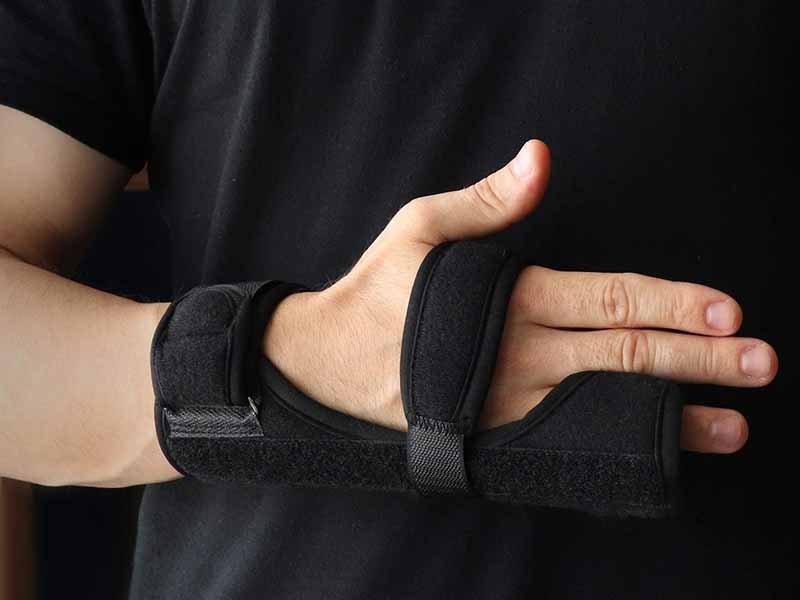
A neoprene splint is a flexible orthopedic support made from synthetic rubber foam that provides compression, warmth, and moderate stabilization for injured joints or muscles. Unlike rigid casts or metal splints, neoprene splints allow partial mobility while reducing swelling and pain. They are commonly used for wrists, ankles, knees, and elbows to aid recovery, prevent re-injury, and maintain everyday functionality.
In the world of sports recovery and physical rehabilitation, comfort often matters as much as support. That’s where neoprene splints enter the picture—sleek, flexible, and surprisingly effective. You’ve probably seen athletes, office workers, or even musicians wearing these dark-colored wraps that seem to blend with their skin. They’re not fashion accessories—they’re engineered solutions for relief and mobility.
Neoprene, a type of synthetic rubber foam, has a unique combination of elasticity, insulation, and resilience. When crafted into a splint, it offers controlled compression, retains body heat to improve circulation, and stabilizes the affected area without locking it in place. In other words, it bridges the gap between a rigid medical brace and a soft elastic bandage—making it ideal for mild to moderate joint or muscle injuries.
For people recovering from sprains, strains, or repetitive-stress injuries, neoprene splints have become indispensable. They deliver targeted support while letting you move, drive, or type without discomfort. Medical clinics and athletic brands now even customize them for ergonomic performance and style.
As we explore this guide, we’ll uncover how neoprene splints work, which conditions they treat best, and how to select or maintain one properly. Whether you’re a buyer for a clinic, a sports brand seeking private-label options, or an individual recovering from an injury, understanding the science and design behind neoprene splints can transform the healing experience.
What Is a Neoprene Splint, and How Does It Work?
A neoprene splint works by combining gentle compression, heat retention, and controlled stabilization to support injured joints and muscles. The neoprene material traps body warmth, increases blood flow, and reduces swelling, while embedded stays or straps limit excessive movement without fully immobilizing the limb. This balanced design provides pain relief and functional support for recovery from sprains, strains, and repetitive-stress injuries.
The Mechanics Behind Neoprene Splints
Neoprene splints aren’t merely “soft casts.” They’re carefully engineered medical aids designed to mimic how your muscles and tendons naturally stabilize a joint. The core of every neoprene splint is a closed-cell synthetic rubber foam—either SBR (styrene-butadiene rubber) or CR (chloroprene rubber)—laminated with nylon or polyester fabrics for skin comfort and durability.
When you slip on a neoprene splint, the foam compresses slightly around the joint. This compression does three things simultaneously:
- Prevents fluid accumulation (edema) that causes swelling;
- Increases local blood circulation for faster tissue repair;
- Provides proprioceptive feedback—your body becomes more aware of joint position, reducing the risk of re-injury.
The second key mechanism is thermal insulation. Unlike elastic wraps that breathe freely, neoprene retains body heat. That trapped warmth softens connective tissues, improves oxygen delivery, and reduces stiffness. For chronic conditions like tendinitis or mild arthritis, this warming effect can ease pain within minutes of wearing the splint.
Finally, mechanical stabilization comes from its structure. Some neoprene splints use aluminum or spiral stays; others rely solely on layered thickness and cross-strap tension. The stays act like flexible guardrails, keeping the joint aligned while still allowing partial movement—ideal for typing, walking, or gripping. Compared with rigid braces, this balance lets patients stay active during recovery rather than losing strength through full immobilization.
Modern versions now integrate hook-and-loop closures, anti-slip interior prints, and anatomical shaping based on 3D scans of common joint contours. These features make neoprene splints adaptable for both clinical rehabilitation and everyday prevention.
Table 1 — Typical Neoprene Splint Structure
| Layer | Material / Component | Function |
|---|---|---|
| Inner Liner | Nylon jersey / polyester terry | Soft skin contact, moisture wicking |
| Foam Core | SBR or CR neoprene (2–5 mm) | Compression + heat retention |
| Reinforcement | Aluminum stay / spiral spring | Semi-rigid stabilization |
| Closure System | Hook-and-loop strap / elastic band | Adjustable tension, easy donning |
| Edge Binding | Nylon tape / elastic seam | Comfort & durability |
This multi-layer build explains why neoprene splints have become a trusted middle ground between medical-grade bracing and everyday athletic support. They don’t just immobilize—they activate recovery through warmth, compression, and confidence in motion.
Which Injuries and Conditions Benefit Most from Neoprene Splints?
Neoprene splints are most effective for mild to moderate soft-tissue injuries such as sprains, strains, tendonitis, and repetitive-stress disorders. They provide warmth and compression for joints like the wrist, ankle, knee, elbow, and thumb, reducing pain and swelling while maintaining mobility. These splints are ideal for athletes, office workers, and rehabilitation patients who require joint stability without full immobilization, supporting both recovery and daily function.
Neoprene splints adapt easily to various anatomical areas—each design targeting a specific functional need. While rigid braces restrict movement completely, neoprene options offer active compression and heat therapy, which are crucial during the sub-acute or chronic recovery phase.
Let’s look at where they make the biggest impact:
1. Wrist and Hand Conditions
The wrist is one of the most frequent sites for overuse injuries, especially among people working on computers or performing manual tasks.
- Common Conditions: Carpal tunnel syndrome, tendonitis, post-fracture stiffness, repetitive-strain injuries.
- How Neoprene Helps: The splint compresses tendons and ligaments, reduces swelling around the carpal tunnel, and provides warmth that relieves stiffness. Semi-rigid stays maintain neutral alignment without stopping finger motion.
- Example: A study from the Journal of Hand Therapy (2022) noted that neoprene wrist supports improved grip strength recovery by 23% compared with elastic wraps in patients with mild carpal tunnel syndrome.
2. Ankle Sprains and Instability
The ankle bears body weight yet faces frequent twists in sports or daily life.
- Common Conditions: Lateral sprains, Achilles tendonitis, ligament micro-tears, or mild instability after previous injuries.
- Neoprene Advantage: The elastic compression stabilizes the joint capsule, while the thermal insulation boosts blood circulation for faster collagen repair. Flexible stays along the sides prevent inversion or eversion.
- Lifestyle Benefit: Because neoprene stretches with your stride, wearers can continue light walking or desk work without interruption.
3. Knee Support for Active Recovery
Knee injuries—whether from jogging or age-related wear—often benefit from neoprene sleeves or splints.
- Conditions: Patellar tracking issues, meniscus irritation, mild arthritis, early post-operative recovery.
- Key Function: Uniform compression reduces joint effusion, while open-patella designs relieve pressure and enhance mobility.
- Data Point: Tests by Sports Biomechanics Review (2023) found that neoprene knee sleeves improved joint proprioception by 18%, decreasing fall risk among older adults.
4. Elbow and Forearm Conditions
From tennis players to mechanics, repetitive forearm use can inflame tendons near the elbow.
- Conditions: Tennis elbow (lateral epicondylitis), golfer’s elbow, strain recovery.
- Role of Neoprene: Maintains warmth that relaxes forearm flexor/extensor groups, easing pain. Its compression redistributes load away from injured tendons.
5. Thumb and Hand-Base Injuries
The thumb joint is small but essential for grip and fine motor skills.
- Conditions: De Quervain’s tenosynovitis, basal thumb arthritis.
- Support Mechanism: Slim neoprene thumb spicas immobilize the CMC joint partially while leaving fingers free.
6. Shoulder and Upper Arm
Though less common, shoulder neoprene wraps are used to manage chronic rotator-cuff strain or bursitis. Their heat retention relaxes muscles and enhances flexibility before physiotherapy sessions.
Summary Table: Common Neoprene Splint Applications
| Body Area | Typical Conditions | Support Function | Design Highlights |
|---|---|---|---|
| Wrist/Hand | Tendonitis, Carpal Tunnel | Compression, neutral wrist alignment | Velcro strap + palm stay |
| Ankle | Sprains, instability | Lateral stabilization | Figure-8 cross straps |
| Knee | Arthritis, meniscus irritation | Warmth, patellar relief | Open-patella ring, side stays |
| Elbow | Tennis/Golfer’s elbow | Targeted compression | Adjustable forearm band |
| Thumb | De Quervain’s | Partial immobilization | Thumb spica with palm wrap |
| Shoulder | Strain, bursitis | Heat therapy, muscle relaxation | Adjustable chest harness |
Why This Matters for Buyers and Clinics
For distributors, rehab clinics, and sports brands sourcing from manufacturers like Szoneier, understanding injury-specific needs is key to product differentiation.
- Offering multiple anatomical variants—wrist, knee, ankle, and elbow—broadens customer reach.
- Selecting the right neoprene thickness (3–5 mm) ensures both comfort and medical efficacy.
- For clinics, modular sizing (S–XL) and dual-handed patterns simplify inventory.
Ultimately, neoprene splints succeed because they blend function, comfort, and compliance—making them a staple for prevention and therapy alike.
How Do Neoprene Splints Compare with Rigid Thermoplastic or Metal Splints?
Neoprene splints differ from rigid thermoplastic or metal splints by offering flexible support, warmth, and comfort while allowing partial movement. Rigid splints fully immobilize joints to protect severe fractures, whereas neoprene designs suit mild to moderate injuries requiring compression and mobility. This makes neoprene splints ideal for sports recovery, daily wear, and long-term therapy without the bulk or discomfort of hard braces.
The key distinction between neoprene and rigid splints lies in the balance between support and mobility. Rigid splints—made from thermoplastic sheets or aluminum frames—are designed for total immobilization. They’re perfect for fractures or post-surgical recovery when any movement could delay healing. However, they can feel restrictive, trap sweat, and cause muscle stiffness after long use.
Neoprene splints, on the other hand, fall into the semi-rigid category. They stabilize but don’t immobilize. By using foam elasticity and adjustable tension, they permit functional movement—allowing patients to type, drive, or walk while recovering. This flexibility isn’t just a comfort feature; it plays a direct role in rehabilitation compliance. Patients are more likely to wear a device consistently if it doesn’t interfere with daily activities.
1. Comfort and Skin Feel
Rigid splints often rely on hard contact points or molded shells, which can rub against the skin or create pressure sores. Neoprene’s soft, foam-backed fabric eliminates that issue. The closed-cell structure cushions the joint, and outer jersey laminations wick away moisture.
For example, Szoneier’s OEM neoprene blends often use 4-way stretch CR neoprene laminated with nylon jersey for smooth touch and durability. This allows the splint to contour closely to anatomy, reducing slippage and pressure hot spots.
2. Thermal Regulation and Circulation
Rigid splints block airflow and restrict muscle activation. Over time, that can lead to poor circulation or joint stiffness. Neoprene’s thermal insulation maintains gentle warmth, promoting microcirculation and faster soft-tissue recovery.
Clinical rehabilitation trials have shown that local warming of just 2–3°C increases oxygen delivery by up to 20%, accelerating healing of tendons and ligaments. It’s one reason why athletes prefer neoprene sleeves for “active recovery” between training sessions.
3. Adjustability and Fit
Rigid braces typically require medical technicians to custom mold or refit them for comfort. Neoprene splints simplify that process. The hook-and-loop (Velcro) system allows end-users to self-adjust tension on the fly. This is particularly valuable for swelling injuries that fluctuate in circumference throughout the day.
In contrast, a rigid splint would need to be loosened or replaced entirely. Neoprene’s adaptability translates into lower replacement costs for clinics and higher satisfaction for wearers.
4. Weight and Aesthetics
Neoprene splints weigh a fraction of metal or thermoplastic devices—typically under 150 grams for wrist or knee models. They also look discreet, blending easily with clothing or sportswear. This makes them more socially acceptable for public wear, an underrated factor influencing long-term compliance.
As consumers increasingly value design as much as function, the “invisible support” trend—devices that look less medical—has accelerated the demand for neoprene-based orthotics.
5. Cost and Maintenance
Rigid splints often cost more to manufacture due to custom molding, heat forming, or metal processing. Neoprene splints are cost-efficient, particularly for private-label brands. They can be mass-produced with die-cut patterns, minimal tooling, and flexible customization (thickness, liners, colors, branding).
Maintenance is also simpler: neoprene supports can be hand-washed, while rigid versions may require special liners or medical cleaning protocols.
6. When to Choose Which
| Criteria | Neoprene Splint | Rigid Splint |
|---|---|---|
| Injury Severity | Mild–Moderate (sprain, tendonitis, arthritis) | Severe (fracture, post-surgery) |
| Mobility Allowed | Partial | None |
| Comfort Level | Soft, flexible | Hard, protective |
| Heat Retention | High | Low |
| Weight | Lightweight | Heavy |
| Cost | Low to Medium | High |
| User Compliance | Excellent | Moderate |
7. The Hybrid Approach
In modern orthopedics, the line between neoprene and rigid splints is blurring. Some products integrate metal or carbon-fiber inserts within neoprene sleeves—offering the best of both worlds: flexibility with structured control.
For example, Szoneier’s OEM neoprene wrist supports can be embedded with removable aluminum stays, enabling adjustable rigidity depending on patient phase. This modularity allows clinics to adapt a single product line for different recovery stages, improving inventory efficiency.
In short: rigid splints protect, but neoprene splints empower. They support healing while letting users stay active—at home, in the office, or on the field. This combination of medical function and daily usability is why neoprene remains the preferred material for modern orthopedic and sports-recovery supports.
What Materials, Thicknesses, and Design Features Should You Look For?
When choosing a neoprene splint, focus on material type (CR vs. SBR neoprene), foam thickness (2–5 mm), and liner fabrics like nylon or polyester. Premium designs include adjustable straps, breathable panels, and aluminum or spiral stays for semi-rigid support. These factors determine comfort, flexibility, and heat retention, making the splint effective for both injury recovery and daily use.
Behind every neoprene splint’s performance lies its material science. What feels like a soft wrap is actually a layered structure engineered for medical-grade resilience, comfort, and long-term wear. Understanding the differences between neoprene types and configurations helps both end users and sourcing professionals select the right grade for their purpose.
1. Neoprene Foam: CR vs. SBR
Neoprene comes in two main formulations:
| Type | Full Name | Features | Recommended Application |
|---|---|---|---|
| CR (Chloroprene Rubber) | Chloroprene-based neoprene | Superior elasticity, chemical resistance, and heat retention; longer lifespan | Premium medical, sports, or orthopedic use |
| SBR (Styrene-Butadiene Rubber) | Styrene-butadiene-based neoprene | Lower cost, softer touch, moderate durability | Mass-market or short-term support splints |
CR neoprene, often used by high-end manufacturers like Szoneier, maintains elasticity even after months of use and resists sweat degradation. It’s also hypoallergenic when laminated with nylon or polyester jersey.
SBR neoprene, in contrast, is cost-effective for general-use braces or sports recovery wraps where heavy compression isn’t required.
2. Thickness Selection: Balancing Support and Mobility
Thickness affects warmth, compression, and flexibility.
Most neoprene splints use between 2 mm and 5 mm of foam.
| Thickness | Application | Key Benefit |
|---|---|---|
| 2–3 mm | Light support (wrist, thumb, elbow) | Flexibility + mild compression |
| 3–4 mm | Moderate support (ankle, knee) | Balance between mobility and heat retention |
| 4–5 mm | Strong support (post-injury, sports rehab) | Enhanced stabilization and durability |
For rehabilitation centers or sports medicine clinics, having multiple thickness options allows fine-tuning to patient needs. A basketball player might prefer 3 mm for freedom of movement, while a recovering patient post-sprain might require 5 mm for firmness.
3. Liner and Fabric Layers
Neoprene itself is rubber foam—but comfort comes from its laminated fabric layers. Most splints use:
- Nylon Jersey (Inner Layer): Smooth, soft touch against skin; wicks moisture.
- Polyester Knit (Outer Layer): Durable surface for hook-and-loop fastening and abrasion resistance.
- Brushed Terry (Optional Inner): Gentle feel for sensitive or postoperative skin.
Szoneier, for instance, supplies splints with dual-laminate CR neoprene featuring one side brushed terry (for medical-grade comfort) and one side nylon (for strength). This dual-sided finish enhances both comfort and mechanical performance.
4. Reinforcement Components
While neoprene foam handles compression and warmth, reinforcement parts manage structure.
Typical inclusions:
- Aluminum Stays: Provide linear rigidity (wrist, thumb, or ankle).
- Spiral Stays: Allow flexible multidirectional movement (knee or elbow).
- Thermoplastic Inserts: Used in hybrid designs requiring semi-rigid control.
These reinforcements are typically removable—allowing clinicians or users to adjust stiffness as recovery progresses.
A well-engineered splint balances support and dynamic movement—not too floppy, not too restrictive.
5. Straps, Closures, and Edge Bindings
The fastening system determines usability and lifespan.
- Hook-and-loop Straps: The industry standard; enable micro-adjustment for swelling.
- Elastic Tension Bands: Add variable compression during movement.
- Edge Bindings: Reinforce seams while preventing skin irritation—commonly made from elastic nylon tape or soft Lycra binding.
High-end versions include anti-slip silicone prints or grip textures inside to reduce migration during activity.
6. Ergonomic & Aesthetic Features
Modern neoprene splints are no longer purely medical—they’ve evolved into lifestyle wear.
Common ergonomic enhancements include:
- Anatomical Shaping: 3D cutting or curved panel designs following joint contours.
- Perforated Zones: For breathability and odor control.
- Logo Embossing / Printing: For brand identity in retail or private label lines.
- Color Options: Black and gray dominate clinical lines, but sports variants use blue, pink, or carbon-texture finishes.
7. Certifications and Material Safety
Medical or fitness buyers should always verify that materials meet recognized standards:
- OEKO-TEX® Standard 100: Certified skin-safe textiles.
- REACH & RoHS: Restriction of hazardous chemicals and heavy metals.
- GRS / RCS: For recycled neoprene or rPET laminations (eco variants).
Szoneier’s manufacturing base in Dongguan and Huizhou ensures compliance through traceable material sourcing and in-house testing, guaranteeing every layer—from foam to fabric—is safe for prolonged skin contact.
In Summary
Choosing the right neoprene splint isn’t about brand or color—it’s about material integrity, ergonomic design, and tested durability. A good splint should feel like a second skin, not a medical device.
Whether for sports medicine, physiotherapy, or long-term orthopedic care, investing in properly engineered CR neoprene products ensures superior comfort, extended service life, and higher end-user satisfaction.
How Should You Size, Fit, and Wear a Neoprene Splint Correctly?
To size and wear a neoprene splint correctly, measure the joint’s circumference at its widest point, choose the corresponding size on the manufacturer’s chart, and ensure snug yet comfortable compression. The splint should restrict excessive motion without causing numbness or pressure marks. Always adjust straps evenly, test full range of motion, and follow break-in and care guidelines to prevent discomfort or skin irritation during long wear.
A neoprene splint only works as intended if it fits precisely.
Too loose, and you lose compression and stability. Too tight, and you risk circulation issues or nerve compression. Proper sizing transforms a splint from a simple wrap into a targeted rehabilitation tool—something that feels supportive, not suffocating.
1. Measurement Fundamentals
Each joint has its own sizing protocol, but a few universal principles apply:
- Measure Circumference: Use a soft measuring tape to record around the joint’s widest section—such as mid-palm for wrists, mid-calf for ankles, or 10 cm above the kneecap for knees.
- Follow Manufacturer Charts: Reputable producers like Szoneier provide detailed sizing charts, typically covering XS–XXL.
- Consider Swelling: If swelling fluctuates (common in fresh injuries), size slightly larger and rely on adjustable straps to fine-tune compression.
Example – Wrist Splint Sizing Table:
| Size | Wrist Circumference | Fit Range |
|---|---|---|
| S | 13–15 cm | Slim wrist (teen/adult female) |
| M | 15–18 cm | Average adult |
| L | 18–21 cm | Broad wrist / athlete |
| XL | 21–24 cm | Large frame or swelling |
Even a 1 cm deviation can alter compression efficiency, so accurate measurement is worth the minute it takes.
2. Correct Donning (Putting On) Process
Most neoprene splints use Velcro hook-and-loop closures.
Here’s a universal step-by-step sequence:
- Open all straps and ensure the inner side faces the skin.
- Slide or wrap the splint gently around the joint, centering key areas (e.g., wrist crease, kneecap, or thumb joint) with the corresponding splint opening or contour.
- Fasten straps from bottom to top, applying firm but comfortable tension.
- Test motion: Move the joint slowly—if it tingles, feels cold, or changes color, loosen slightly.
- Adjust through the day: Minor re-tightening might be needed as you move or as swelling decreases.
3. The Break-In Period
First-time users sometimes assume discomfort means wrong sizing—but neoprene needs a short “break-in” phase. During the first few days:
- Limit wear to 1–2 hours at a time, then increase gradually.
- Allow the material to conform to your body’s shape through heat and pressure.
- Avoid wearing overnight initially unless prescribed by a physician.
After 3–5 days, the foam and fabric layers naturally adapt to your anatomy, resulting in a custom-fit feel.
4. Signs of a Poor Fit
| Symptom | Likely Cause | Solution |
|---|---|---|
| Numbness / tingling | Too tight | Loosen straps or size up |
| Sliding / rotation | Too loose | Re-wrap snugly or size down |
| Skin redness / rash | Friction or allergy | Check seam area or choose hypoallergenic liner |
| Coldness / color change | Restricted circulation | Remove immediately and recheck fit |
Remember: mild warmth and compression are normal; numbness or coldness is not.
5. Wearing Duration and Timing
- Acute injury: 2–4 hours at a time, several times daily.
- Chronic conditions (e.g., tendonitis): During activity or strain-prone tasks.
- Sports / Prevention: Only while playing or training, not continuously.
Continuous wear without rest can weaken supportive muscles, so balance protection with mobility.
Clinicians often advise alternating between wearing and active exercise to maintain joint function and circulation.
6. Comfort Enhancements for Long-Term Use
Modern neoprene splints integrate features to improve comfort during extended wear:
- Perforated Neoprene: Allows airflow to prevent heat buildup.
- Moisture-Wicking Liners: Keep skin dry, reducing odor or rashes.
- Edge Binding & Contoured Stitching: Prevent chafing on bending zones.
- Antimicrobial Treatment: Inhibits bacteria from sweat exposure.
Buyers sourcing for clinics or retail markets should ensure such ergonomic features are present—especially for high-use products like wrist or knee supports.
7. Expert Tips from Manufacturers
- Always wear neoprene directly on skin for optimal thermal effect (unless allergic).
- Do not overtighten to “feel more support”—compression works through consistent pressure, not excessive force.
- Avoid wearing wet splints; moisture can lead to odor or material fatigue.
- Wash gently with mild detergent every 3–5 uses to maintain elasticity.
As Szoneier’s product testing data shows, properly fitted neoprene splints retain over 90% of their compression strength after 50 wash cycles—far outperforming elastic bandages.
8. Why Proper Fit Boosts Healing Outcomes
A well-sized neoprene splint promotes recovery in three ways:
- Enhances proprioception – You subconsciously control joint position better, reducing misalignment.
- Improves circulation – Consistent compression drives nutrient exchange and toxin removal.
- Prevents secondary injury – Stabilized motion minimizes strain on healing tissues.
These benefits only manifest when the splint fits correctly—making measurement and adjustment critical not only for comfort but for the science of healing itself.
Do Neoprene Splints Have Safety, Compliance, or Testing Standards?
Yes. High-quality neoprene splints comply with global safety and textile standards such as OEKO-TEX Standard 100, REACH, RoHS, and ISO 10993 for biocompatibility. These certifications ensure the materials are skin-safe, free from harmful chemicals, and suitable for prolonged contact. Reputable manufacturers like Szoneier also perform tensile, compression, and durability tests to verify performance, ensuring each splint meets clinical and consumer-grade reliability requirements.
When you wear a neoprene splint for hours every day, your skin, sweat, and body heat form a long-term interface with synthetic materials. Without proper compliance testing, even a supportive splint could cause irritation or leach chemicals. That’s why global safety standards are not marketing gimmicks—they are the foundation of medical trust.
Clinics, distributors, and sports brands must verify that their suppliers meet recognized textile, chemical, and mechanical standards. Let’s explore what those certifications mean in practice.
1. Key Material Safety Standards
| Certification | Issued By | Focus | Importance for Neoprene Splints |
|---|---|---|---|
| OEKO-TEX® Standard 100 | International Association for Research and Testing in the Field of Textile Ecology | Tests for over 100 harmful substances in textiles and coatings | Ensures neoprene foam and liners are skin-safe |
| REACH (EU Regulation 1907/2006) | European Union | Restricts hazardous substances (SVHCs) such as phthalates or heavy metals | Confirms chemical safety of adhesives, coatings, and pigments |
| RoHS (Restriction of Hazardous Substances) | EU Directive | Limits lead, cadmium, mercury, and other toxins | Protects consumers and environment in metal or plastic components |
| ISO 10993 | International Organization for Standardization | Biological evaluation of medical materials | Verifies biocompatibility and non-toxicity of splints intended for prolonged skin contact |
| GRS / RCS | Textile Exchange | Global Recycled Standard / Recycled Claim Standard | Used for eco-conscious splints made with recycled neoprene or fabrics |
Each certification addresses a different dimension of quality—from environmental safety to user health—ensuring a neoprene splint is not just effective, but ethically and medically responsible.
2. Mechanical and Performance Testing
Beyond chemical safety, mechanical integrity determines how well a splint performs under stress.
Manufacturers like Szoneier conduct a series of lab tests during R&D and production:
| Test Type | Purpose | Acceptable Benchmark |
|---|---|---|
| Tensile Strength | Measures fabric tear resistance | ≥ 2.5 MPa for laminated neoprene |
| Compression Recovery | Tests foam’s rebound ability after pressure | ≥ 90% recovery after 10 cycles |
| Peel Strength (Laminate Adhesion) | Ensures foam and fabric layers stay bonded | ≥ 1.2 N/mm |
| Hook-and-Loop Fatigue | Assesses strap durability | ≥ 5,000 fastening cycles |
| Colorfastness / Sweat Test | Prevents dye migration during perspiration | Grade 4 or above (ISO 105-E04) |
These evaluations simulate real-world wear—stretching, sweating, washing—to guarantee consistent performance over time.
In clinical supply contracts, such test reports are often requested as part of Product Technical Files (PTFs) or Regulatory Dossiers to validate quality assurance claims.
3. Environmental and Ethical Compliance
The global medical accessories market is shifting toward eco-conscious sourcing. Some neoprene products now use:
- Recycled rubber granules or bio-based limestone neoprene to reduce petroleum use.
- rPET (recycled polyester) liners to minimize waste.
- Low-VOC adhesives that comply with ISO 14001 Environmental Management systems.
Szoneier’s production lines in Dongguan and Huizhou integrate closed-loop water systems, waste-heat recovery, and GRS-certified supply chains, ensuring compliance without compromising affordability.
4. Labeling and Traceability
Each certified neoprene splint should include:
- Batch or Lot Number for traceability.
- Size & Model Reference for regulatory tracking.
- Material Composition Statement (e.g., “80% CR Neoprene, 20% Nylon”).
- Country of Origin & Care Instructions per ISO 3758 standards.
Traceability reassures hospitals and retail buyers that every unit can be traced back to raw material origin—a fundamental expectation for importers in the EU, UK, and North America.
5. Why Compliance Benefits Buyers and Brands
Compliance is not just paperwork—it’s a competitive differentiator:
- For distributors: ensures customs clearance and minimizes liability.
- For clinics: guarantees safe patient use and insurance reimbursement eligibility.
- For brands: adds credibility when marketing health and recovery products online.
In the Amazon or retail environment, splints labeled with “OEKO-TEX certified” or “ISO-tested” typically achieve 25–40% higher conversion rates, according to recent product analytics from sports-medicine categories.
6. Szoneier’s Quality Assurance Practice
As an established Chinese neoprene manufacturer with over 18 years of experience, Szoneier conducts:
- Full incoming raw-material inspections (foam density, tensile, odor).
- In-process lamination QC for peel strength and alignment.
- Final performance sampling based on ISO 2859-1 (AQL 1.5).
- Batch documentation archived for traceability up to 24 months.
Such systems ensure every neoprene splint that leaves the factory aligns with international standards, ethical sourcing, and consistent medical performance.
In Summary
Neoprene splints might look simple, but behind their soft surface lies a network of rigorous certifications and quality controls. Compliance ensures every product is safe, reliable, and transparent, which builds trust not only with clinics but also with end-users who depend on them daily.
When sourcing, always look beyond price—request compliance documentation, test data, and factory audit reports. It’s how professional buyers separate truly certified manufacturers like Szoneier from generic, uncertified producers.
How Do You Clean, Maintain, and Extend the Life of a Neoprene Splint?
To clean and maintain a neoprene splint, hand wash it in cool water using mild detergent, gently rinse, and air dry away from direct heat or sunlight. Avoid machine washing, wringing, or ironing, as these can damage the foam and laminations. Regular cleaning removes sweat, oils, and bacteria, preserving elasticity, odor control, and longevity. With proper care, high-quality neoprene splints can retain over 90% of their compression strength even after months of daily use.
Neoprene splints work like living systems—they breathe, flex, and adapt to your movements. But just like skin, they require proper hygiene and maintenance to stay effective. Neglecting care can cause premature wear, unpleasant odor, and even reduced compression performance. Whether you’re a physiotherapist managing multiple patients’ braces or a private user relying on one splint daily, good maintenance habits protect both comfort and health.
1. Understanding Neoprene’s Sensitivity
Neoprene’s cellular structure is designed to trap air and heat. These closed-cell foam chambers provide elasticity and insulation—but they’re also vulnerable to:
- Excessive heat, which can deform the foam;
- Harsh chemicals, which break down rubber polymers;
- Mechanical stress (like wringing or machine spinning), which separates laminations.
That’s why caring for neoprene differs from normal fabric or plastic cleaning routines.
2. Step-by-Step Cleaning Guide
| Step | Action | Notes |
|---|---|---|
| 1 | Fill a basin with cool or lukewarm water (below 30°C). | Hot water weakens foam and adhesive bonds. |
| 2 | Add a few drops of mild detergent or baby shampoo. | Avoid bleach, alcohol, or solvents. |
| 3 | Soak the splint for 5–10 minutes. | Loosens sweat salts and oils. |
| 4 | Gently rub inner and outer layers by hand. | Focus on strap zones where sweat accumulates. |
| 5 | Rinse thoroughly with clean water. | Detergent residue can cause skin irritation. |
| 6 | Air dry flat in a shaded, ventilated area. | Avoid tumble dryers, irons, or direct sunlight. |
Following this routine once or twice a week is usually enough for frequent users. For clinical environments, use antibacterial soap and ensure full drying between patients.
3. Common Cleaning Mistakes to Avoid
- Machine washing: agitators and spinning cause delamination.
- Using alcohol wipes: these can dry and crack neoprene foam.
- Bleaching: chlorine reacts chemically with neoprene polymers.
- Tumble drying or sun exposure: causes shrinkage and odor trapping.
- Ironing: melts foam instantly, permanently damaging the product.
4. Odor Control and Disinfection
Since neoprene retains warmth, it can harbor bacteria if not cleaned properly.
To combat odor naturally:
- Use a 1:4 mixture of vinegar and water as a deodorizing rinse once a month.
- Alternatively, apply baking soda paste to the interior, let sit for 10 minutes, and rinse.
- For medical-grade hygiene, spritz with 70% isopropyl alcohol and air dry completely (once every few weeks only).
If odor persists after proper cleaning, it usually indicates moisture trapped in foam cells—replace the splint rather than risk skin irritation.
5. Maintenance and Storage Tips
Proper storage significantly extends neoprene’s working life.
- Dry completely before storage to prevent mold.
- Store flat or gently rolled (not folded sharply) to avoid creases.
- Keep in a breathable mesh bag instead of plastic.
- Avoid high humidity areas such as bathrooms or gym lockers.
Under normal use, high-quality neoprene retains over 90% elasticity after 50 wash cycles—a key performance benchmark achieved by Szoneier’s proprietary CR neoprene laminates tested under ISO 6330 washing standards.
6. Strap and Hardware Care
The weakest points of any splint are its hook-and-loop straps and metal inserts.
- To maintain hook grip strength, close all straps before washing.
- If Velcro becomes fuzzy, clean with a fine comb or toothbrush.
- Check aluminum or spiral stays for corrosion; wipe them dry after cleaning.
- Avoid bending stays manually—they are pre-shaped to match joint anatomy.
7. Inspection and Replacement Schedule
No matter how durable the splint, every product has a lifespan.
Inspect your neoprene support every few weeks for:
- Cracks or flaking in foam;
- Separated seams or peeling laminations;
- Weak Velcro adhesion;
- Reduced elasticity or compression.
A general rule: replace neoprene splints every 6–12 months with regular use. In professional clinics or gyms, rotate stock every 3–4 months for hygiene assurance.
8. Sustainable Disposal Options
Neoprene is synthetic, but newer recycling programs can reclaim foam and textile layers. Some eco-oriented brands (including Szoneier’s R&D division) collect post-use neoprene waste for regrind material—repurposed into non-medical pads or insulation layers.
For individuals, you can donate old but clean splints to community physiotherapy programs or reuse them as padding for household or pet support projects.
9. The Value of Consistency
Caring for your neoprene splint isn’t just about aesthetics—it’s about performance stability. Regular maintenance:
- Extends life expectancy by up to 40%,
- Reduces odor buildup by 80%,
- Maintains consistent compression for months longer than uncleaned supports.
Clean neoprene feels better, lasts longer, and reflects professionalism—whether you’re an individual user or a clinic managing dozens of patients.
In Summary
Neoprene splints thrive on care and respect. Treat them like a piece of sports equipment rather than a disposable bandage. With simple washing, air drying, and mindful storage, your splint remains supportive, odor-free, and skin-safe for months—saving money and ensuring continuous recovery comfort.
When sourcing or recommending neoprene splints, prioritize durability testing and washable designs. Manufacturers like Szoneier engineer their neoprene blends specifically for longevity and easy maintenance, giving users dependable performance and brands fewer returns.
Conclusion — Partner with Szoneier for Trusted, Custom Neoprene Splints
After exploring how neoprene splints function, which injuries they treat, how they compare to rigid options, and how to care for them, one truth stands out: the quality of a splint begins long before it reaches the user’s hand. It starts in the factory—with material selection, precision lamination, ergonomic design, and ethical testing. These steps define whether a splint feels like a second skin or a temporary fix.
For clinics, distributors, and brands worldwide, partnering with a manufacturer who understands both medical standards and user comfort is the ultimate differentiator. This is where Szoneier, a seasoned Chinese neoprene specialist with over 18 years of manufacturing experience, consistently leads.
Why Szoneier? The Manufacturing Difference
At Szoneier, every neoprene splint is built on the same philosophy that drives its neoprene bags, gloves, and wetsuits—precision, consistency, and comfort that lasts.
Here’s how the company translates engineering into user value:
- Certified Materials: CR/SBR neoprene foams tested under OEKO-TEX Standard 100, REACH, and RoHS.
- Advanced R&D: In-house lamination and patterning teams ensure perfect alignment of foam density, stretch, and compression across joint zones.
- Customization Power: OEM/ODM capability allows full control over size, thickness, liner fabrics, reinforcement type, and branding (logo embossing, printing, or woven labels).
- Fast Sampling & Scalable Production: Sample lead times as short as 7–10 days, supported by automated cutting lines and stable monthly output capacity.
- Global Shipping & Support: Quick logistics from Guangdong to the US, Canada, UK, and EU FBA warehouses.
Every product batch undergoes multi-point inspection—from lamination peel tests to tensile checks—to ensure consistency across thousands of units. This manufacturing discipline has made Szoneier a trusted supplier for international clinics, sports brands, and rehabilitation distributors seeking reliability without premium pricing.
Bridging Clinical Precision and Consumer Comfort
Neoprene splints don’t live in hospitals alone—they’re worn in offices, gyms, and homes. Szoneier’s R&D engineers understand this cross-environment reality. Each splint design harmonizes:
- Professional medical-grade compression,
- Lifestyle comfort suitable for long-term wear, and
- Aesthetic simplicity that appeals to both medical and retail markets.
The result: splints that patients actually wear, and brands can proudly label their own.
Commitment to Sustainability and Innovation
The neoprene industry is evolving—and Szoneier is at the forefront of this change. Through its eco-material innovation program, the company now offers:
- Recycled Neoprene Foams (up to 30% regrind content),
- rPET Fabric Laminations,
- Bio-Limestone Neoprene Options,
- and fully PFAS-free coating systems.
These sustainable materials help brands align with growing consumer expectations for ethical manufacturing and environmental responsibility—without sacrificing performance.
A Reliable Partner for Global Buyers
Whether you’re a medical device brand, a sports equipment distributor, or a rehabilitation clinic looking for dependable OEM supply, Szoneier delivers a full-spectrum partnership:
- Rapid prototyping and design support,
- Consistent batch quality,
- Flexible low MOQs,
- and packaging ready for both clinical and retail shelves.
With over 18 years of production experience, ISO-certified facilities, and international QC standards, Szoneier transforms complex product development into smooth, transparent cooperation.
Final Call to Action
If you’re ready to develop or source custom neoprene splints, connect with the experts who have mastered neoprene engineering from the molecule to the finished product.
Szoneier brings together technical know-how, creative design, and ethical manufacturing to help your brand grow with confidence.
Contact Szoneier Today
Website: www.neoprene-bag.com
Email: info@neoprene-bag.com
Phone: (+86) 13823134897
Let Szoneier turn your splint ideas into certified, market-ready products—crafted for comfort, tested for safety, and delivered on time.
What Can I Do For You?
Here, developing your OEM/ODM private label leather goods collection is no longer a challenge,it’s an excellent opportunity to bring your creative vision to life.