
Is a 4/3 Wetsuit Good for Winter? Cold Water Surfing Guide
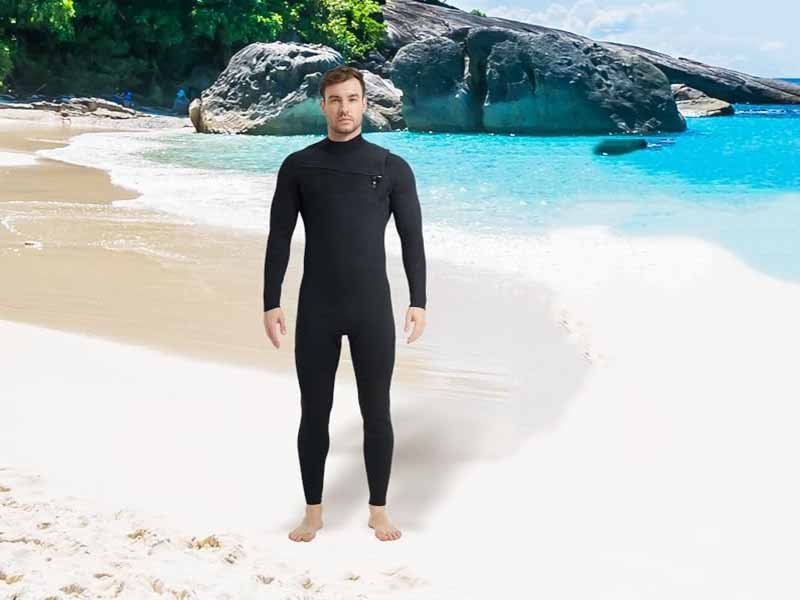
When winter rolls in, many surfers, swimmers, and water sports enthusiasts face a dilemma: how do you stay warm and comfortable in the cold waters? The answer for many has been the 4/3 wetsuit, a popular choice that promises insulation, flexibility, and performance even when the temperature drops. But does it live up to the hype when it comes to winter water activities?
Yes, a 4/3 wetsuit can be good for winter conditions, but its effectiveness depends on the specific water temperature and activity. The 4/3 wetsuit is designed for water temperatures ranging from 50°F to 60°F (10°C to 16°C). While it provides ample insulation, it may not be enough for extremely cold conditions, where thicker wetsuits or additional gear would be necessary.
When you think about winter surfing or swimming, a mental image of surfers in bulky, uncomfortable gear might come to mind. However, modern wetsuits like the 4/3 offer a balance of warmth and flexibility that keeps athletes in the water longer without compromising performance. But, as with any gear, it’s important to match the wetsuit with local water conditions and activity requirements. The goal is to enjoy the water without battling the cold. So, let’s dive into the details: How do 4/3 wetsuits perform in winter waters, and when should you consider upgrading your gear?
What Is a 4/3 Wetsuit and How Does It Work?
A 4/3 wetsuit is a specific type of wetsuit made from neoprene, designed for use in cool waters, offering a balance of flexibility, insulation, and buoyancy. The numbers 4/3 refer to the thickness of the neoprene used in the wetsuit: 4mm for the torso and 3mm for the arms and legs. This unique thickness design enables the wetsuit to offer adequate warmth for a wide range of water sports and temperatures between 50°F to 60°F (10°C to 16°C), but it may fall short when facing extreme winter conditions.
Understanding Neoprene and Its Benefits
Neoprene, the core material used in wetsuit construction, is a synthetic rubber that possesses inherent thermal properties. It’s not just flexible, but it also has the ability to trap heat, making it perfect for insulating the body in cold water. The material is composed of closed cells, which trap small pockets of air. This structure is what allows neoprene to work as an effective thermal insulator. The trapped air helps to maintain body temperature, keeping surfers, swimmers, and divers warm even in chilly waters.
How a 4/3 Wetsuit Works
When a person wears a 4/3 wetsuit, a small amount of water enters the suit, creating a thin layer of water between the skin and the neoprene. As the person moves and generates body heat, the water warms up, forming an insulating barrier that keeps the body from getting cold. The suit effectively minimizes heat loss by restricting water flow, maintaining warmth for longer periods.
The 4mm neoprene on the torso provides extra insulation, keeping the body’s core warm, which is essential for staying comfortable in cooler temperatures. On the arms and legs, the thickness is reduced to 3mm for increased flexibility, allowing greater movement and comfort. This balance ensures that the wetsuit is not overly bulky but still provides sufficient thermal protection.
Ideal Water Temperature Range
A 4/3 wetsuit is designed for waters with temperatures ranging from 50°F to 60°F (10°C to 16°C), which is typical for many winter surf spots and cold-water diving locations. However, it is important to note that the wetsuit’s effectiveness depends significantly on water temperature, time spent in the water, and activity level. For waters colder than 50°F (10°C), a thicker wetsuit (such as a 5/4 or 6/5 wetsuit) or additional layers like hoods and gloves may be required.
| Water Temperature (°F) | Ideal Wetsuit Thickness |
|---|---|
| 50°F to 60°F (10°C to 16°C) | 4/3 Wetsuit |
| 40°F to 50°F (4°C to 10°C) | 5/4 Wetsuit |
| Below 40°F (4°C) | 6/5 Wetsuit or Drysuit |
How Does the 4/3 Wetsuit Compare to Other Wetsuit Thicknesses?
While a 4/3 wetsuit is versatile, it’s important to recognize that wetsuits come in varying thicknesses. The thicker the wetsuit, the more warmth it provides. For example:
- A 3/2 wetsuit is designed for warmer waters, generally between 60°F and 70°F (16°C to 21°C), providing more flexibility and less insulation.
- A 5/4 wetsuit is suitable for colder waters of 40°F to 50°F (4°C to 10°C), offering enhanced insulation but sacrificing some flexibility in the limbs.
A 4/3 wetsuit strikes a balance between insulation and flexibility, making it ideal for moderate cold, but more extreme cold temperatures would require a thicker wetsuit (like a 5/4 or 6/5).
The Importance of Fit for Performance
The performance of any wetsuit, including the 4/3, is highly dependent on fit. A wetsuit should fit snugly against the body to minimize water flow and retain heat. If the wetsuit is too loose, cold water will seep in and out of the suit, causing you to lose heat more quickly. The ideal fit for a 4/3 wetsuit will be snug around the neck, wrists, and ankles, with enough stretch in the limbs for freedom of movement without being restrictive.
The wetsuit should not cause excessive tightness, as this can restrict circulation and cause discomfort. Ideally, a properly fitted wetsuit should feel like a second skin, offering warmth without inhibiting movement. For activities like surfing, flexibility is key, which is why wetsuits have different thicknesses in the arms and legs.
The Role of Neoprene’s Closed-Cell Structure
One of the unique properties of neoprene is its closed-cell structure. This design means that the neoprene does not absorb water but instead traps it between the layers of the suit. The small air pockets inside the material create an insulating layer that provides warmth by retaining heat. This air-tight feature is what keeps the body warm in cold waters.
When you wear a 4/3 wetsuit, it works by trapping a thin layer of water between your skin and the suit, which your body then warms. The trapped warm water acts as insulation, while the neoprene helps minimize heat loss to keep you comfortable. The insulation provided by the wetsuit makes it an excellent choice for water sports in temperate winter waters, where staying warm for extended periods is necessary.
Limitations of a 4/3 Wetsuit in Extreme Cold
While a 4/3 wetsuit is ideal for moderate cold, it has its limitations. In extreme cold conditions, particularly waters colder than 50°F (10°C), a 4/3 wetsuit may not provide enough protection. The material can only retain so much heat, and without thicker layers or additional accessories, you might experience hypothermia symptoms after extended exposure.
For those in colder regions, a 5/4 wetsuit or 6/5 wetsuit might be a better option. These wetsuits provide additional insulation, ensuring that surfers and divers can handle colder temperatures without sacrificing comfort or safety. The addition of thermal linings in certain wetsuits also improves insulation in extremely cold conditions.
| Wetsuit Thickness | Recommended Water Temperature | Ideal for |
|---|---|---|
| 4/3 Wetsuit | 50°F to 60°F (10°C to 16°C) | Surfing, swimming, kayaking |
| 5/4 Wetsuit | 40°F to 50°F (4°C to 10°C) | Cold-water diving, surfing |
| 6/5 Wetsuit | Below 40°F (4°C) | Extreme cold-water conditions |
The 4/3 wetsuit is a great choice for moderate winter water conditions and provides a perfect balance of warmth, flexibility, and insulation for a variety of water sports. However, for those who plan to be exposed to extremely cold water temperatures for long periods, a thicker wetsuit or additional accessories such as gloves, booties, and a hood are essential to ensure warmth and safety.
Is a 4/3 Wetsuit Suitable for Winter Water Conditions?
A 4/3 wetsuit is widely used in mild winter waters where the temperatures range from 50°F to 60°F (10°C to 16°C). Its unique construction—4mm thickness for the torso and 3mm for the arms and legs—offers a balance of warmth, flexibility, and buoyancy, making it an excellent option for surfing, swimming, and other water sports in these conditions. However, while a 4/3 wetsuit is great for moderate cold, it may not be suitable for extreme winter conditions (water temperatures below 50°F or 10°C). In such cases, thicker wetsuits or additional accessories such as hats, gloves, and booties are often required.
Understanding the 4/3 Wetsuit: Ideal Conditions and Limitations
A 4/3 wetsuit is primarily designed for cold-water activities, making it a go-to choice for surfers and swimmers in mild winter regions. The 4mm neoprene on the torso keeps the body’s core insulated, while the 3mm neoprene on the limbs ensures maximum flexibility, allowing athletes to move comfortably. The closed-cell neoprene design traps air and water, creating an insulating barrier that keeps you warm. However, the overall effectiveness of a 4/3 wetsuit in cold water largely depends on water temperature and duration of exposure.
What Happens in Cold Water?
The body’s core temperature can drop quickly in cold water, leading to hypothermic symptoms. As a result, the level of insulation in a wetsuit is crucial in maintaining comfort and safety. While a 4/3 wetsuit is designed to trap heat, cold water—especially below 50°F (10°C)—can significantly reduce the suit’s ability to keep the body warm, especially during extended exposure.
This becomes especially important for athletes who spend longer periods in the water. The longer the exposure, the more critical it becomes to use a wetsuit with higher insulation. For colder conditions, especially those approaching 40°F (4°C) or lower, a thicker wetsuit, such as a 5/4 or 6/5 wetsuit, will provide the necessary protection to prevent heat loss and discomfort.
| Water Temperature (°F) | Ideal Wetsuit Thickness |
|---|---|
| 50°F to 60°F (10°C to 16°C) | 4/3 Wetsuit |
| 40°F to 50°F (4°C to 10°C) | 5/4 Wetsuit |
| Below 40°F (4°C) | 6/5 Wetsuit or Drysuit |
Why a 4/3 Wetsuit May Fall Short in Extreme Cold
When water temperatures drop below 50°F (10°C), a 4/3 wetsuit may not provide adequate insulation. The trapped water layer that serves as the primary source of warmth may not be able to retain enough heat in very cold conditions. Additionally, extended exposure to cold water can overwhelm the wetsuit’s insulating capabilities, causing your body temperature to drop despite the suit. In such cases, even a well-fitted 4/3 wetsuit can become insufficient.
For surfers and divers working in colder regions or engaging in extended sessions in winter waters, the 5/4 or 6/5 wetsuit becomes a more suitable choice. These wetsuits offer thicker neoprene that improves thermal retention, ensuring a greater level of insulation and reducing the chances of hypothermia.
The Importance of Fit for Performance
Even the best wetsuit will perform poorly if it doesn’t fit correctly. A well-fitted 4/3 wetsuit ensures that cold water does not enter the suit and that the warm layer of trapped water remains insulated against the body. However, if the wetsuit is too loose, cold water will circulate inside the suit, leading to a significant loss of heat.
For the best performance in cold conditions, make sure to choose the right fit. Your wetsuit should feel snug around the neck, wrists, and ankles, with enough room in the arms and legs for flexibility. This fit helps keep the warmth inside while preventing the entry of cold water.
When Should You Consider a Thicker Wetsuit?
A 4/3 wetsuit works well for moderate cold conditions, but when the water temperature falls below 50°F (10°C), a 5/4 or 6/5 wetsuit should be considered for better insulation. The additional thickness helps retain heat and provides greater protection for those spending longer periods in cold waters.
Additional Gear to Enhance Winter Performance
For anyone using a 4/3 wetsuit in winter conditions, adding extra accessories such as booties, gloves, and hoods can enhance warmth and comfort. These accessories are designed to retain heat and prevent cold extremities, which are common problems in cold-water sports. Here’s a quick look at how each accessory helps:
| Gear | Function | Recommended Use |
|---|---|---|
| Booties | Insulates feet, prevents cold | For cold-water swimming and surfing |
| Gloves | Keeps hands warm, reduces numbness | For surfing and diving in cold waters |
| Hood | Insulates head, reduces heat loss | Essential for cold-water surfing/diving |
With these additions, even a 4/3 wetsuit can hold up well in cold temperatures for extended periods.
Is a 4/3 Wetsuit Suitable for Winter Water Conditions?
In conclusion, a 4/3 wetsuit is indeed suitable for moderate winter conditions but may fall short in extreme cold. If you’re surfing or swimming in waters ranging from 50°F to 60°F (10°C to 16°C), a 4/3 wetsuit provides excellent insulation, flexibility, and comfort. However, if you plan to engage in water activities in colder waters (below 50°F) or for longer durations, it’s highly recommended to opt for thicker wetsuits, such as the 5/4 or 6/5 wetsuit, or supplement with thermal layers for added protection.
What Water Temperatures Are Ideal for a 4/3 Wetsuit?
A 4/3 wetsuit is designed for moderate cold water, typically used in water temperatures between 50°F and 60°F (10°C to 16°C). It offers optimal insulation, comfort, and flexibility for water activities in these conditions. While the 4/3 wetsuit provides adequate warmth for short to moderate durations, it may not be sufficient for extreme winter temperatures (below 50°F or 10°C), where additional insulation or a thicker wetsuit would be necessary to ensure safety and comfort.
Understanding the Importance of Water Temperature in Wetsuit Selection
When choosing a wetsuit, the water temperature is the most important factor to consider. The right wetsuit ensures you stay warm and protected without sacrificing mobility. In general, the thicker the wetsuit, the more insulation it provides. For colder waters, you need more thermal protection, whereas for warmer waters, flexibility and comfort are the priority.
The 4/3 wetsuit, with its 4mm thickness on the torso and 3mm on the limbs, is a perfect balance for moderate cold. It’s designed for moderate winter conditions, where temperatures hover around 50°F to 60°F (10°C to 16°C). The unique combination of flexibility in the arms and insulation in the core makes it a highly versatile wetsuit for surfers, swimmers, and divers working in this temperature range.
While the 4/3 wetsuit excels in these conditions, cold water can cause discomfort and even hypothermia if proper precautions aren’t taken. For those engaging in longer sessions or in colder waters, it’s vital to use the appropriate wetsuit thickness to avoid being exposed to the risks of prolonged cold-water immersion. Let’s dive into the ideal water temperatures for a 4/3 wetsuit and when to consider switching to a thicker wetsuit.
Ideal Water Temperatures for a 4/3 Wetsuit
The 4/3 wetsuit is generally effective for water temperatures between 50°F and 60°F (10°C to 16°C). This temperature range is common in moderate winter waters, and the 4/3 wetsuit provides ample insulation to keep surfers and swimmers warm for extended periods. The thickness of the wetsuit ensures that the core body temperature is maintained while providing enough flexibility for movement.
How Does a 4/3 Wetsuit Perform in Different Water Conditions?
- In mild winter conditions (50°F to 60°F): The 4/3 wetsuit works well in waters typically found during early winter or in mild coastal regions. These temperatures are common along the coastlines of California, the Mediterranean, and parts of New Zealand. In these environments, the 4/3 wetsuit provides a balance of warmth and comfort for surfing, swimming, and diving without compromising on flexibility.
- In waters slightly colder (below 50°F): As the water temperature drops below 50°F (10°C), the warmth provided by the 4/3 wetsuit begins to decrease. You’ll still be able to use the wetsuit for shorter periods, but after longer exposure, you may start feeling the cold. Extended sessions in this temperature range can lead to discomfort and cold water effects, even with a snug wetsuit fit.
| Water Temperature (°F) | Ideal Wetsuit Thickness |
|---|---|
| 50°F to 60°F (10°C to 16°C) | 4/3 Wetsuit |
| 40°F to 50°F (4°C to 10°C) | 5/4 Wetsuit |
| Below 40°F (4°C) | 6/5 Wetsuit or Drysuit |
When to Consider a Thicker Wetsuit
Although the 4/3 wetsuit provides good thermal protection for water temperatures between 50°F and 60°F, there are conditions when you may need to step up to a thicker wetsuit. In colder conditions (below 50°F or 10°C), a 5/4 wetsuit or even a 6/5 wetsuit is recommended to ensure maximum warmth and comfort.
Why Is a Thicker Wetsuit Better for Colder Waters?
- 5/4 Wetsuit: This wetsuit is ideal for 40°F to 50°F (4°C to 10°C) waters. The 5mm neoprene on the torso offers enhanced insulation for longer periods in the cold, while the 4mm neoprene on the limbs maintains flexibility. The thicker neoprene keeps body heat trapped more effectively, making it suitable for winter surfing, diving, or other cold-water activities.
- 6/5 Wetsuit: For water temperatures below 40°F (4°C), a 6/5 wetsuit or a dry suit is recommended. These wetsuits provide maximum insulation, ensuring that you stay warm in the coldest waters. The 6mm neoprene on the torso keeps you insulated even in extreme conditions, while 5mm neoprene in the arms and legs provides comfort and flexibility. These wetsuits are more rigid and bulkier but are essential for extreme winter conditions where the 4/3 wetsuit simply won’t cut it.
| Wetsuit Type | Water Temperature Range | Recommended Use |
|---|---|---|
| 4/3 Wetsuit | 50°F to 60°F (10°C to 16°C) | Surfing, swimming, and kayaking in mild winter conditions |
| 5/4 Wetsuit | 40°F to 50°F (4°C to 10°C) | Diving, surfing in colder waters |
| 6/5 Wetsuit | Below 40°F (4°C) | Extreme winter surfing, diving, and colder conditions |
Can You Layer a 4/3 Wetsuit for Colder Waters?
Another option for cold-water activities is layering. You can add thermal tops, vests, or base layers under a 4/3 wetsuit for extra warmth. These layering options can improve insulation and help retain body heat during extended periods in the water. Layering provides an affordable and flexible solution for those who need to venture into colder water but don’t want to invest in a thicker wetsuit.
How Does a 4/3 Wetsuit Provide Warmth in Winter?
A 4/3 wetsuit is an essential piece of equipment for many water sports enthusiasts, especially in cooler temperatures. It is specifically designed to provide optimal warmth, flexibility, and comfort during activities such as surfing, swimming, or kayaking in colder water. The wetsuit works by trapping a thin layer of water between the body and the suit, which is then warmed by body heat, creating a thermal barrier. However, its true effectiveness in cold water lies in the properties of neoprene, the material from which the wetsuit is made.
Neoprene: The Core Material Behind the Warmth
The key to warmth in a wetsuit lies in the thermal insulation properties of neoprene. Neoprene, a type of synthetic rubber, has a closed-cell structure, which means it contains small air pockets within the material. These air pockets trap heat, acting as natural insulation. As water temperatures drop, this trapped air in the neoprene helps minimize heat loss and prevent the body from getting too cold.
In a 4/3 wetsuit, the material thickness varies: 4mm of neoprene on the torso and 3mm on the arms and legs. This thickness balance is ideal for a wide range of water sports in cold conditions, as it provides adequate warmth in cooler waters while maintaining sufficient flexibility for movement.
The Insulation Process: How It Works in Action
One of the most important functions of a wetsuit is to maintain warmth by trapping a thin layer of water between the suit and the skin. When you first put on the wetsuit, a small amount of water enters the suit. This water is initially cold but quickly warms up as your body generates heat. This process creates an effective thermal barrier around your body, which prevents additional cold water from coming in.
The wetsuit is designed to prevent the warm water from escaping while minimizing the flow of cold water entering the suit. The thicker the wetsuit, the better it is at insulating the body from cold water, as the extra thickness provides more thermal insulation. For a 4/3 wetsuit, this thickness is perfectly suited for moderate cold (water temperatures around 50°F to 60°F (10°C to 16°C)).
Buoyancy: Added Comfort in Cold Water
Another major benefit of neoprene in a wetsuit is its ability to provide buoyancy. The closed-cell neoprene structure traps air, which helps to keep the body afloat, especially in colder water. This buoyancy means that you expend less energy staying afloat, allowing you to focus on your activity rather than tiring yourself out. In cold water, buoyancy becomes even more critical because cold temperatures increase the risk of exhaustion and fatigue. The buoyant properties of neoprene help extend the time you can comfortably spend in the water.
The buoyancy provided by neoprene also aids in maintaining warmth. When you use less energy to stay afloat, the body preserves heat, keeping you warmer for longer. For activities like surfing and swimming, this feature is invaluable. Not only does it increase your comfort in the water, but it also provides you with the stamina to extend your session without becoming too cold.
How Fit Affects Warmth and Comfort
While the insulating properties of neoprene are essential to maintaining warmth, the fit of the wetsuit is arguably just as important. The wetsuit needs to fit snugly to maximize thermal efficiency. If the wetsuit is too loose, water will flow in and out of the suit, carrying away the warm water layer and allowing cold water to enter. This reduces the wetsuit’s ability to keep the body warm. A proper fit ensures that minimal water enters, which allows the wetsuit to retain heat better.
To ensure the best performance, the wetsuit should hug your body in all the right places. A snug fit around the neck, wrists, and ankles ensures less water flow, while comfortable mobility in the limbs allows for flexibility and movement. If the wetsuit is too tight, it can restrict circulation, leading to discomfort and a feeling of tightness that limits movement.
A wetsuit that fits properly will also prevent chafing, which is essential for both comfort and warmth. Chafing can occur when the wetsuit rubs against the skin, especially during long sessions in the water. The irritation from chafing can make you more susceptible to cold and discomfort, reducing your time spent enjoying the water.
Key Features of a 4/3 Wetsuit
- Neoprene Construction: The primary feature of a 4/3 wetsuit is the high-quality neoprene used in its construction. The material’s ability to trap air and maintain body heat makes it ideal for cold water activities.
- Thickness (4mm and 3mm): The 4mm neoprene on the torso provides enough warmth to insulate the body’s core, while the 3mm neoprene on the limbs allows for the flexibility needed for movement without compromising on heat retention.
- Closed-Cell Structure: Neoprene’s closed-cell design traps heat and minimizes heat loss. The air pockets inside the material prevent the escape of warm water and make it buoyant.
- Fit: A snug fit is essential for a wetsuit to function optimally. A properly fitted wetsuit ensures maximum warmth and flexibility, and prevents water from entering the suit.
The Role of Additional Gear in Cold Water
While the 4/3 wetsuit is a great option for moderate cold waters, sometimes additional gear is necessary for extreme conditions. For example, in water temperatures below 50°F (10°C), or for extended sessions, you may need to layer up with extra thermal gear.
Accessories like gloves, booties, and hats help insulate the extremities, which are particularly vulnerable to heat loss in cold water. Adding these accessories can significantly improve comfort and warmth, especially during long surf sessions or while diving in colder waters. They work by preserving body heat, ensuring that the body can maintain warmth even when the wetsuit starts to feel less effective in colder conditions.
| Gear | Function | Recommended Use |
|---|---|---|
| Booties | Insulates feet, prevents cold | For cold-water swimming and surfing |
| Gloves | Keeps hands warm, reduces numbness | For surfing and diving in cold waters |
| Hood | Insulates head, reduces heat loss | Essential for cold-water surfing/diving |
Are There Limitations to Using a 4/3 Wetsuit in Extreme Cold?
While a 4/3 wetsuit is highly effective for moderate winter conditions with water temperatures ranging from 50°F to 60°F (10°C to 16°C), it may fall short in extreme cold conditions. If you plan to engage in water activities where temperatures drop below 50°F (10°C), a thicker wetsuit like a 5/4 or 6/5 wetsuit, or even a drysuit, would be the better option. A 4/3 wetsuit is ideal for moderate cold but may not offer enough warmth when worn for extended periods in freezing water.
Why Is a 4/3 Wetsuit Limited in Extreme Cold?
The effectiveness of a wetsuit depends heavily on its ability to trap warmth and insulate the body. While a 4/3 wetsuit does a great job of keeping you warm in moderate cold, its thermal efficiency decreases as the water temperature drops below 50°F (10°C). The 4mm thickness on the torso and 3mm on the arms and legs provides adequate insulation for warmer cold-water conditions but lacks the necessary thickness to maintain warmth in extreme cold.
When water temperatures fall below 50°F (10°C), your body begins to lose heat at a faster rate, and the 4/3 wetsuit may not be enough to keep you warm for long periods. This is especially true if you’re in the water for longer durations or performing physical activities that demand a lot of energy.
Key Limitations of a 4/3 Wetsuit in Extreme Cold:
- Extended Exposure: If you plan to stay in the water for hours, even a well-fitted 4/3 wetsuit can leave you feeling cold after some time, especially in extremely cold waters. The body loses heat faster as you remain submerged, and a wetsuit that’s too thin can’t provide enough insulation to maintain core temperature.
- Prolonged Immersion: Prolonged immersion in water temperatures below 50°F (10°C) can lead to hypothermic effects, which include symptoms like shivering, confusion, and muscle weakness. The 4/3 wetsuit may delay the onset of these symptoms but cannot fully protect you from the cold over time.
- Heat Loss in Cold Waters: As the water temperature drops below 50°F (10°C), the 4/3 wetsuit’s ability to trap heat becomes less effective. Even though neoprene provides thermal insulation, the thickness of a 4/3 wetsuit isn’t enough to retain heat in extremely cold conditions. This makes it suitable for brief sessions but not for prolonged exposure in frigid water.
| Water Temperature (°F) | Ideal Wetsuit Thickness |
|---|---|
| 50°F to 60°F (10°C to 16°C) | 4/3 Wetsuit |
| 40°F to 50°F (4°C to 10°C) | 5/4 Wetsuit |
| Below 40°F (4°C) | 6/5 Wetsuit or Drysuit |
What Are the Best Alternatives for Colder Waters?
For those venturing into waters colder than 50°F (10°C), a 5/4 wetsuit or 6/5 wetsuit is the better option. These wetsuits have greater insulation in the torso (5mm or 6mm), which provides better heat retention in freezing conditions. The added thickness ensures that your body stays warm even during prolonged sessions in the water.
5/4 Wetsuit vs. 6/5 Wetsuit
- 5/4 Wetsuit: The 5mm thickness in the torso and 4mm in the limbs is ideal for cold-water conditions (around 40°F to 50°F (4°C to 10°C)). It provides more thermal insulation while still offering reasonable flexibility for movement. This is the ideal wetsuit for surfing, diving, or swimming in areas with cold winter waters.
- 6/5 Wetsuit: If you’re heading into extreme cold waters below 40°F (4°C), a 6/5 wetsuit is necessary. The 6mm neoprene in the torso ensures maximum warmth for those who need to stay in the water for long periods. These suits often feature additional insulation technologies, such as thermal linings, to help retain heat in the coldest environments.
| Wetsuit Type | Water Temperature Range | Features |
|---|---|---|
| 4/3 Wetsuit | 50°F to 60°F (10°C to 16°C) | Great for moderate cold, flexibility |
| 5/4 Wetsuit | 40°F to 50°F (4°C to 10°C) | More insulation for cold conditions |
| 6/5 Wetsuit | Below 40°F (4°C) | Extreme cold conditions, maximum warmth |
In addition to thicker wetsuits, many water sports enthusiasts use drysuits for extreme conditions. Unlike wetsuits, drysuits are designed to keep water completely away from the body, relying on thermal layers underneath the suit to provide warmth. This is particularly useful in extremely cold waters where wetsuits cannot provide sufficient insulation.
How to Maximize Warmth in Cold Water
While thicker wetsuits and drysuits are recommended for colder waters, there are other strategies to maximize warmth during your water activities:
- Layering: Add thermal layers underneath your wetsuit. Wearing a thermal vest, neoprene shorts, or base layers can increase insulation and help retain heat in colder waters. These layers act as an additional barrier between your body and the cold water.
- Accessories: Essential accessories like hats, gloves, and booties prevent heat loss from your extremities, which are particularly vulnerable to cold temperatures. They help retain body heat, especially during long surf sessions or dives in cold water.
- Proper Fit: Ensure your wetsuit fits snugly to avoid cold water entering the suit. A tight fit around the wrists, ankles, and neck ensures that water does not flow in, helping you retain warmth.
Conclusion
A 4/3 wetsuit offers the perfect balance of flexibility and warmth for moderate winter conditions, but it’s not a one-size-fits-all solution. When considering a wetsuit for winter, always check the local water temperatures, and match your wetsuit choice accordingly.
If you’re looking for high-quality, custom neoprene wetsuits, Szoneier has the experience and expertise to help you source the best gear for your needs. Whether you’re a brand looking for private-label products or an individual buyer, we offer low MOQs, fast sampling, and 100% quality assurance.
Contact Szoneier today at info@neoprene-bag.com or call (+86) 13823134897 for custom wetsuit orders.
What Can I Do For You?
Here, developing your OEM/ODM private label leather goods collection is no longer a challenge,it’s an excellent opportunity to bring your creative vision to life.