
Is Neoprene a Natural Rubber? Composition, Properties & Uses
When you slip into a wetsuit, grab a lunch bag, or slide a koozie around a cold drink, chances are you’re holding neoprene. At first touch, this versatile material feels a lot like rubber—stretchy, durable, and water-resistant. That leads many people to wonder: is neoprene a natural rubber, or something else entirely?
Neoprene is not a natural rubber. It is a synthetic rubber called polychloroprene, created through the polymerization of chloroprene in a controlled chemical process. Unlike natural rubber, which is harvested from rubber trees, neoprene is man-made and offers superior resistance to chemicals, weather, and temperature changes. This makes it highly valuable for products like wetsuits, gloves, medical braces, and industrial covers.
Understanding this distinction matters not only for consumers but also for businesses sourcing neoprene products. Mislabeling or misconceptions about material composition can lead to compliance issues, allergy concerns, or performance failures in critical industries. Imagine a hospital buying “rubber” supports only to discover they contain synthetic neoprene—or vice versa.
In this article, we’ll break down what neoprene really is, why it’s often confused with natural rubber, how the two differ in properties, and what industries prefer one material over the other. We’ll also address latex content, allergy risks, and practical buying insights—so whether you’re a casual user or a procurement professional, you’ll walk away with clarity. And stick around: we’ll share real-world comparisons that may surprise you about this “modern rubber.”
What Is Neoprene and How Is It Made?
Neoprene is a synthetic rubber called polychloroprene, created through the chemical polymerization of chloroprene. Unlike natural rubber, which is tapped from trees, neoprene is man-made in factories. The process gives it unique properties like water resistance, insulation, and durability, making it ideal for wetsuits, gloves, industrial seals, and medical supports.
Neoprene’s story begins in the early 1930s when DuPont chemists sought an alternative to natural rubber, which at the time was subject to unstable supply chains and rising demand. By experimenting with different hydrocarbons, they discovered that chloroprene could be polymerized into a flexible, rubber-like substance—what we now know as polychloroprene, or neoprene.
The Manufacturing Process
Chloroprene Monomer Production
- Derived from petrochemical sources such as butadiene.
- Serves as the building block for neoprene.
Polymerization
- Chloroprene molecules are chemically bonded in large chains using catalysts.
- This creates long molecular structures that give neoprene its elasticity and toughness.
Forming Sheets or Blocks
- The polymer is processed into sheets or foamed to create closed-cell neoprene, where tiny nitrogen bubbles are trapped inside.
- This foaming process is what gives wetsuit neoprene its insulating properties.
Lamination & Finishing
- For commercial products, neoprene is often laminated with fabrics like nylon, polyester, or spandex.
- These layers improve comfort, durability, and printability for branding.
Key Differences vs. Natural Rubber
Unlike natural rubber, which comes directly from the Hevea brasiliensis tree, neoprene does not contain natural proteins or sap. This means it doesn’t share the same allergenic risks (though adhesives may still contain latex—something we’ll address later). Neoprene’s artificial origin also allows manufacturers to control its performance characteristics.
Here’s a simple comparison:
| Aspect | Neoprene (Synthetic) | Natural Rubber |
|---|---|---|
| Source | Petrochemical (chloroprene) | Rubber tree sap (latex) |
| Discovery | 1930, DuPont | Ancient (used since 1600 BCE) |
| Customization | High (controlled properties) | Limited (depends on nature) |
| Allergen Proteins | None | Present (latex proteins) |
By design, neoprene was meant to overcome the weaknesses of natural rubber—chiefly its susceptibility to weathering, ozone, and oil. The result is a synthetic rubber that not only mimics but in many cases outperforms its natural counterpart, especially in challenging industrial or outdoor environments.
Is Neoprene Considered a Natural Rubber or a Synthetic Material?
Neoprene is not a natural rubber; it is a synthetic material made from chloroprene through a chemical process. While it shares rubber-like qualities such as stretch and durability, neoprene differs in origin, composition, and performance. Natural rubber comes from tree sap (latex), whereas neoprene is entirely man-made, giving it superior resistance to weather, oil, and chemicals.
The short and clear answer: neoprene is a synthetic rubber, not a natural one. But to fully understand this distinction, it’s worth unpacking both the science and the common misconceptions.
Origins and Production
- Natural Rubber: Extracted from the latex sap of Hevea brasiliensis (rubber tree). This sap contains natural proteins that give rubber its elasticity but also trigger latex allergies in some people.
- Neoprene: Engineered in laboratories by polymerizing chloroprene, a petrochemical derivative. The resulting material is free of natural proteins and has a uniform, predictable performance profile.
Why the Confusion?
Because neoprene feels and behaves much like natural rubber, many consumers lump the two together. Both are elastic, waterproof, and flexible, so people often assume neoprene is simply another form of rubber tapped from nature. Marketing descriptions that use vague terms like “rubber wetsuit” or “rubber drink holder” also fuel this misconception.
Performance Differences
One of the advantages of being synthetic is control over properties. Manufacturers can fine-tune neoprene’s density, thickness, and flexibility for specific applications. Natural rubber, being organic, varies with climate, soil, and harvesting conditions.
| Attribute | Natural Rubber | Neoprene (Synthetic) |
|---|---|---|
| Source | Latex sap from rubber trees | Polymerized chloroprene |
| Allergenic Proteins | Present (latex allergies) | Absent (unless adhesives contain latex) |
| Weather Resistance | Low (degrades in sunlight) | High (resists UV, ozone, weather) |
| Chemical Resistance | Poor against oils/solvents | Excellent chemical resistance |
| Consistency | Variable, natural product | Controlled, customizable |
Why Do People Confuse Neoprene with Natural Rubber?
People confuse neoprene with natural rubber because both are flexible, water-resistant, and commonly used in products like gloves, wetsuits, and seals. Their similar appearance and texture, combined with vague product labeling, make many assume neoprene is simply another type of natural rubber, even though it is synthetic.
The confusion between neoprene and natural rubber is widespread—and understandable. Both materials share a rubber-like look, stretchy feel, and water resistance. Yet beneath these surface similarities lie very different origins and compositions.
1. Similar Physical Properties
- Elasticity and Flexibility: Neoprene mimics the “stretch” of natural rubber. Whether it’s a wetsuit hugging the body or a gasket sealing a joint, both materials feel and behave similarly.
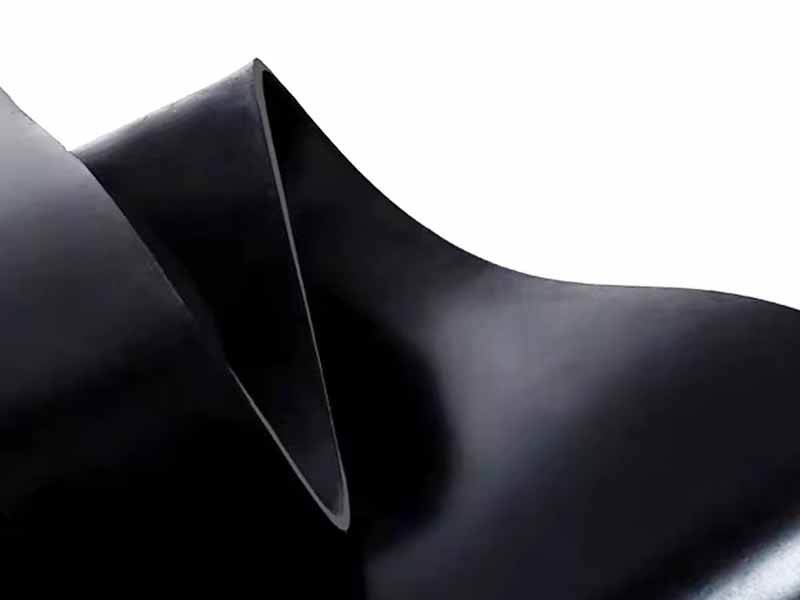
- Texture and Appearance: A black neoprene sheet looks and feels almost identical to a sheet of natural rubber, especially to the untrained eye.
2. Overlapping Applications
Both neoprene and natural rubber are used in consumer and industrial goods:
Neoprene: Wetsuits, laptop sleeves, braces, beverage koozies, seals, hoses.
Natural Rubber: Tires, footwear soles, latex gloves, adhesives.
When consumers see “rubber gloves” or “rubber wetsuit,” they often don’t distinguish between natural and synthetic rubber.
3. Vague Marketing and Labeling
Manufacturers sometimes use “rubber” as a catch-all term to simplify descriptions. A neoprene wetsuit may be advertised as a “rubber wetsuit” for broad appeal. This shorthand, while convenient, blurs the line between natural and synthetic materials.
4. Lack of Consumer Awareness
Most people don’t know that “rubber” can mean many different things—natural rubber, neoprene, EPDM, nitrile, silicone, or TPE. Without chemical or industry knowledge, consumers assume all rubbery materials come from trees.
5. Legacy of Natural Rubber
Because natural rubber has been used for centuries, it still dominates the public imagination as the default “rubber.” Neoprene, invented less than 100 years ago, hasn’t fully displaced that perception.
Here’s a quick overview:
| Reason for Confusion | Explanation |
|---|---|
| Similar look & feel | Both are stretchy, durable, black rubber-like sheets |
| Overlapping products | Gloves, wetsuits, covers use both materials |
| Vague labeling | Terms like “rubber gear” mislead consumers |
| Lack of awareness | Few know neoprene is synthetic |
| Historical dominance | Natural rubber was first, neoprene came later |
Which Properties Make Neoprene Different from Natural Rubber?
Neoprene differs from natural rubber in its chemical resistance, UV and weather durability, and consistent performance. While natural rubber is more elastic, neoprene is more resistant to oils, ozone, and temperature extremes, making it better suited for industrial, outdoor, and marine applications.
Although neoprene and natural rubber may look and feel alike, their performance characteristics set them apart in critical ways. These differences come from their origins—one grown from trees, the other engineered in laboratories.
1. Resistance to Environmental Stress
- Natural Rubber: Degrades quickly when exposed to UV light, ozone, and extreme weather. This makes it less ideal for outdoor or marine use.
- Neoprene: Maintains integrity under sun, saltwater, and ozone. That’s why wetsuits, boat covers, and outdoor gear rely heavily on neoprene.
2. Chemical Resistance
- Natural Rubber: Vulnerable to oils, fuels, and many solvents. A natural rubber hose or seal exposed to oil will swell and crack over time.
- Neoprene: Highly resistant to oils, greases, and chemicals. It’s widely used in automotive gaskets, industrial seals, and protective gloves.
3. Elasticity & Flexibility
- Natural Rubber: Offers superior elasticity and “snapback.” This makes it excellent for tires and shock-absorbing applications.
- Neoprene: Slightly less elastic, but still flexible enough for apparel, accessories, and industrial uses where stretch matters.
4. Temperature Range
- Natural Rubber: Performs best in moderate temperatures (–50°C to 70°C). Beyond that, it hardens or degrades.
- Neoprene: Withstands wider ranges (–40°C to 120°C), making it suitable for both hot engine compartments and cold diving suits.
5. Consistency & Customization
- Natural Rubber: Performance varies with growing conditions and harvest cycles.
- Neoprene: Factory-made, allowing manufacturers to tailor density, hardness, and cell structure for specific products.
Here’s a comparison table for clarity:
| Property | Natural Rubber | Neoprene (Synthetic) |
|---|---|---|
| UV & Ozone Resistance | Poor (cracks outdoors) | Excellent (ideal for outdoor use) |
| Oil & Chemical Resistance | Weak (swells, degrades) | Strong (resists oils, solvents) |
| Elasticity | Very high | High, but slightly less |
| Temperature Range | –50°C to 70°C | –40°C to 120°C |
| Customization | Limited (nature-dependent) | High (controlled by manufacturing) |
Do Neoprene Products Contain Any Natural Rubber Latex?
Pure neoprene does not contain natural rubber latex. However, some neoprene products may include latex-based adhesives or blended rubbers during manufacturing. This means latex-sensitive users should confirm with suppliers that products are certified latex-free to avoid allergy risks.
This question is particularly important for healthcare providers, schools, and consumer brands, because latex allergies affect millions worldwide. While neoprene itself is synthetic and does not naturally contain latex proteins, the situation gets complicated during production.
1. Base Material
- Neoprene Sheets: Manufactured from polychloroprene, contain zero natural latex proteins.
- Natural Rubber: Harvested from tree sap and does contain allergenic proteins.
2. Adhesives & Bonding
During lamination, when neoprene sheets are bonded to fabrics (like nylon or polyester), some factories use latex-based adhesives. While these glues are cost-effective, they introduce the possibility of latex traces. Premium manufacturers opt for latex-free bonding agents, ensuring safety for sensitive users.
3. Blended Products
Lower-cost products may mix neoprene with natural rubber to reduce expenses. For example, cheap gloves or generic drink sleeves sometimes use blends marketed loosely as “rubber.” This makes it harder for buyers to know what they’re actually getting.
4. Allergy Considerations
Latex allergies can range from mild skin irritation to severe anaphylaxis. Even small traces of latex in adhesives can trigger reactions. That’s why labeling terms like “latex-free neoprene” have become critical in sectors like healthcare, education, and sports gear.
5. Buyer Due Diligence
For brands and procurement managers, the safest approach is to:
- Ask explicitly if adhesives are latex-free.
- Request certifications such as OEKO-TEX® Standard 100, REACH, or ISO compliance.
- Conduct third-party lab testing for large-volume orders.
How Is Neoprene Used Across Different Industries Compared to Natural Rubber?
Neoprene is widely used in wetsuits, protective gear, industrial seals, and automotive parts due to its weather and chemical resistance. Natural rubber, by contrast, dominates in tires, footwear, adhesives, and elastic products thanks to its superior elasticity and cost-effectiveness. Each material serves distinct industries based on performance needs.
Both neoprene and natural rubber play critical roles in global industries, but their applications diverge sharply depending on performance requirements. Understanding these distinctions helps buyers choose the right material for their market.
1. Sports & Recreation
- Neoprene: Essential for wetsuits, diving gloves, surfing gear, yoga mats, and koozies. Its insulating, buoyant, and water-resistant qualities make it the go-to choice for aquatic and fitness products.
- Natural Rubber: Found in resistance bands, exercise mats, and sports footwear, where elasticity and grip are more important than weather resistance.
2. Automotive & Industrial Applications
- Neoprene: Used in hoses, belts, seals, and gaskets because it withstands oil, chemicals, and extreme temperatures. It’s also valued in industrial safety gear and protective covers.
- Natural Rubber: Critical for tires, vibration dampers, and conveyor belts. Its superior elasticity provides shock absorption, but poor weather resistance limits outdoor durability.
3. Healthcare & Medical
- Neoprene: Popular in orthopedic braces, supports, and medical wraps due to its flexibility and latex-free composition. Certified latex-free neoprene reduces allergy risks.
- Natural Rubber: Common in surgical gloves, catheters, and medical tubing—though latex allergies have driven demand for synthetic alternatives.
4. Consumer Goods
- Neoprene: Laptop sleeves, bottle holders, lunch bags, and promotional koozies. Its printability and durability make it a favorite for custom branding.
- Natural Rubber: Household gloves, elastic bands, adhesives, balloons. These are low-cost, everyday applications where performance demands are moderate.
Here’s a side-by-side comparison:
| Industry | Neoprene Applications | Natural Rubber Applications |
|---|---|---|
| Sports/Recreation | Wetsuits, yoga mats, koozies | Footwear, resistance bands |
| Automotive/Industrial | Hoses, gaskets, protective covers | Tires, vibration dampers |
| Healthcare | Braces, orthopedic supports, latex-free gear | Gloves, tubing, catheters |
| Consumer Goods | Laptop sleeves, bags, drink coolers | Balloons, elastic bands, adhesives |
Conclusion
Neoprene is often mistaken for natural rubber because it looks and feels similar, but the truth is clear: neoprene is a synthetic rubber (polychloroprene), engineered in laboratories to overcome many of natural rubber’s weaknesses. While natural rubber excels in elasticity and affordability, neoprene stands out in areas that demand durability, chemical resistance, and weatherproof performance.
Throughout this article, we’ve explored:
- What neoprene is and how it’s made.
- Why it’s classified as synthetic, not natural rubber.
- The reasons people confuse the two materials.
- Key performance differences between neoprene and natural rubber.
- Whether neoprene products may contain natural rubber latex.
- Industry applications that highlight the strengths of each material.
The takeaway? Choosing between neoprene and natural rubber isn’t about declaring one “better” than the other. It’s about aligning material properties with your specific product needs, end-user expectations, and compliance requirements.
At Szoneier, we make that decision easier. With over 18 years of expertise in neoprene R&D and manufacturing, we help global buyers—from small businesses to premium brands—source the right neoprene solutions with confidence.
Why partner with Szoneier?
- 100% quality assurance with ISO, REACH, and OEKO-TEX certifications.
- Free design service & fast sampling to bring your ideas to life quickly.
- Low MOQ flexibility, perfect for testing markets or scaling production.
- Wide range of products: neoprene bags, koozies, gloves, covers, wetsuits, and more.
- Latex-free options, ensuring safety for sensitive applications like healthcare and education.
- Global experience, serving clients across North America, Europe, and beyond.
Ready to create custom neoprene products that combine durability, safety, and branding power?
Contact us today at info@neoprene-bag.com or call (+86) 13823134897 to request a free consultation and sample.
Let Szoneier be your trusted factory partner for neoprene solutions that deliver performance, style, and peace of mind—from first prototype to full-scale production.
What Can I Do For You?
Here, developing your OEM/ODM private label leather goods collection is no longer a challenge,it’s an excellent opportunity to bring your creative vision to life.