
Is the Neoprene Glasses Strap Good: A Complete Guide
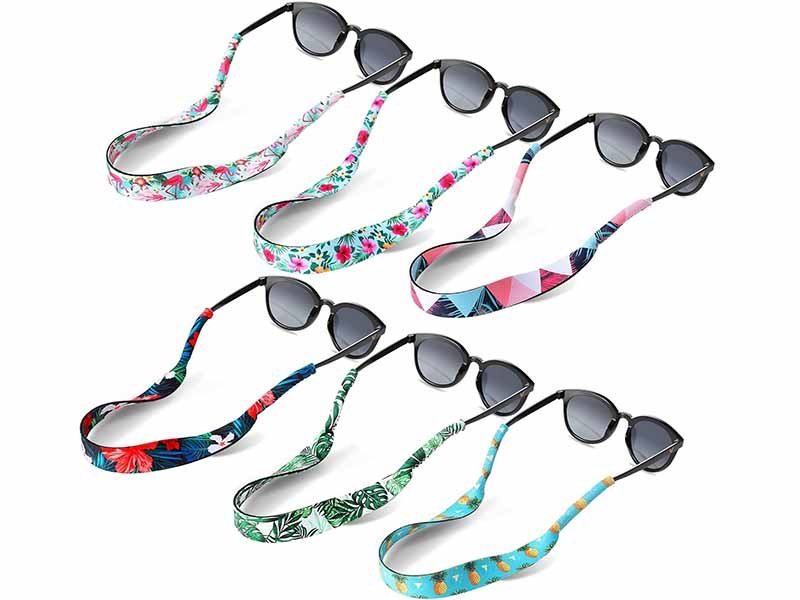
Neoprene glasses straps are becoming more popular than ever. Maybe you’re a paddleboarder, a runner who hates chasing lost sunglasses, a parent worrying about kids dropping their specs, or someone who lives near salt water and wants something durable. The question is: are neoprene straps actually good—do they deliver on promises like secure fit, comfort, durability, and protection—or are they just another accessory that looks nice but fails when you need it most?
Yes — neoprene glasses straps are generally good: they offer strong grip, soft stretch, better water resistance than many fabric straps, and added comfort around the ears and neck. They help keep glasses from slipping or falling off, especially during active outdoor use. However, their effectiveness depends heavily on design: good neoprene thickness, quality ends or sleeves, proper adjustability, and maintenance.
Picture this: you’re kayaking at dawn. Water splashes, wind picks up, sun is just rising — your sunglasses slip, and suddenly they’re gone. You kick back, strap still securely hugging your temples. That moment of relief is exactly why people spend time finding the “right” strap. If you want to know when neoprene works, when it doesn’t, and how to pick or even custom-make one that works every time, keep reading — we’ve got all the details.
What Is a Neoprene Glasses Strap and What Does It Do?
A neoprene glasses strap is a flexible band made from neoprene material that attaches to each temple arm of eyewear. It keeps glasses secure during movement, prevents slipping or loss, offers padding around ears, and often resists water, UV, and abrasion better than simple fabric cords. Good straps stabilize frames and protect both glasses and user.
Material & basic design
Neoprene is a synthetic, closed-cell foam rubber. Its structure traps tiny air pockets, granting stretch, insulation, and cushioning. Straps typically are cut from neoprene sheets, sometimes laminated with stretch fabric or coated to resist water and UV. Common features include sleeves or adjustable sliders on ends to grip the temple arms of glasses.
Primary functions and use-cases
- Retention & security: Keeping glasses from falling off during activity (running, water sport, biking).
- Comfort: Reducing pressure points behind ears, cushioning contact, helping minimize chafing.
- Protection: Preventing loss (especially in water), avoiding scratches from frames bouncing around.
- Stability: Helps with fit of glasses during sweat or motion.
Comparison to alternative materials
- Many straps are made of cotton, nylon, silicone, elastic cords. Neoprene offers better cushioning and often tolerates moisture/wear better. But neoprene tends to be thicker, maybe bulkier; for someone wanting ultra-light or minimal look, may prefer thin cords or silicone.
Design trade-offs
- Thickness vs flexibility: Thicker neoprene gives more cushion & durability, but could be bulkier and warm.
- Grips / ends: Slit sleeves, bead-ends, or loops influence how securely strap stays on glasses. Poor grip = strap slipping off.
- Adjustability: Loops, sliders, Velcro may help custom fit; fixed ends may be simpler but less universal.
Common issues in cheap designs
- Slip: weak ends/slits let arms slide out.
- Degradation: UV, salt water, sweat can degrade neoprene and adhesives.
- Smell/hygiene: without proper lining / cleaning, sweat + neoprene = odor.
What good design looks like
- Smooth edges, well finished ends/slits with durable reinforcement.
- Neoprene foam with appropriate density (not too soft or too stiff).
- Optionally floatable or buoyant parts if for water use.
- Adjustable length or stretch so strap doesn’t bounce or feel heavy.
Which Uses or Situations Benefit the Most from Neoprene Straps?
Neoprene straps shine in active, wet, or motion-heavy situations: for water sports (sports sunglasses, swimming, kayaking), outdoor running or hiking, when prescription glasses are frequently removed, or for children/elderly who may drop glasses. For everyday indoor use or fashion only, lighter/fabric straps may suffice.
Water sports & aquatic use
- When you’re in or around water—surfing, kayaking, snorkeling—glasses risk slipping off or even being lost to waves. Neoprene straps often resist water, dry relatively quickly, and stay snug. Some designs include flotation or bright colors to help locate dropped eyewear. From forums and paddleboarding communities, many recommend neoprene retainers that float and grip tightly enough at the temple ends.
Outdoor activities: hiking, running, biking
- Sweat, movement, wind all work against glasses. Neoprene’s cushioning helps avoid irritation behind ears; its flexibility helps with motion, and durability helps resist abrasion. It tends to stay in place better than thin elastic cords that may slack or snap.
Children, kids, and frequent removal
- Kids often take off or lose glasses; having a strap means glasses stay around neck when not worn. Neoprene gives more comfort (less chafing) and resilience to rough handling.
Prescription vs sunglasses
- Sunglasses are often bulky frames; neoprene may handle thicker ends. Prescription glasses tend to have thinner temple arms, so ends/slits must be precise; poor design may let glasses slip or damage frame finish.
Work / profession use
- For jobs with movement (construction, landscaping, marine work), or creative/agricultural settings, glasses often need to stay secure. A robust neoprene strap helps prevent loss/damage, and the more durable quality tends to survive exposure (dirt, sweat, rough work).
Situations where neoprene may be over-kill or less ideal
- If you barely move, mostly indoors, don’t sweat, don’t get wet—lighter or more aesthetic straps may suffice. Also in very hot climates, neoprene might trap heat; also could be bulkier under helmets or headgear.
How Good Are Neoprene Straps in Terms of Comfort, Durability, and Security?
Neoprene straps are quite good: they generally excel in comfort (padded, soft against skin), provide better durability vs simple fabric or elastic ones, and offer strong security when well designed (good sleeve/slit ends, snug fit). That said, cheaper neoprene or poorly finished ends reduce security, thick bulk can reduce comfort, and durability depends on material quality and maintenance.
Comfort aspects
- Padding & feel: Neoprene’s foam offers a soft touch behind ears and around neck. If the strap is wide enough, pressure is spread out. Thin or rigid ends can dig in.
- Flexibility and stretch: Good neoprene straps allow a bit of stretch, which helps with movement. Rigid designs reduce bounce.
- Weight / bulk: Heavier or overly thick neoprene adds perceptible weight, especially for lighter frames. For everyday wear, balance is key.
Durability: what affects lifespan
- Material quality: High-quality neoprene (good density foam, good skin or lining) resists tears, UV, salt, chlorine. Low-cost neoprene may flake or degrade.
- Construction: Strong seams, reinforced ends/slits, well bonded or molded parts (e.g., trimmed ends). Poor glue or weak stitching fails early.
- Environmental exposure: Salt water, sand, sweat, sunscreen, chlorine can all degrade neoprene and adhesives. Choosing coated surfaces or washable materials helps.
Security: grip and retention
- End design: Slit sleeves, bead attachments, molded ends — how well the strap attaches to the temple arms matters a lot. Poor grip = strap slides off, making strap useless.
- Adjustability: Straps that can tighten or adjust length reduce bounce/easier fit. Fixed size straps may be less secure across different frame shapes.
- Anti-slip features: Some straps have textured inner surfaces, silicone line grips or other features to aid grip.
Real-world feedback & testimonials
- From forums and reviews, many users say neoprene retainers outperform simple cords during water activities; they hold up through sweat and occasional wetting. Conversely, some report cheaper neoprene straps lost elasticity quickly, or the strap ends wore and allowed frame stand to slip.
Trade-offs and design compromises
- Thick straps are comfier but hotter and more visible.
- Light straps are more discreet but may give up cushion.
- Custom finishes (printing, colors, pattern) may compromise flexibility or stretch if inks or coatings are stiff.
Summary table: comparing strap types
| Feature | Neoprene Strap | Simple Elastic/Fabric Strap | Silicone / Rubber Cord |
|---|---|---|---|
| Comfort (cushion) | High (foam padding) | Moderate (thin fabric) | Low/moderate |
| Water / Sweat Resistance | Good | Varies, often less | Excellent often |
| Durability under abuse | Good | Variable | Very good for certain uses |
| Bulk & visibility | Higher | Low | Very low |
| Price | Moderate-premium | Budget | Moderate |
| Best use | Outdoors, water, active | Casual, style, light use | Sports, minimal looks |
Do Neoprene Glasses Straps Protect or Harm the Glasses or User?
Neoprene straps generally protect glasses (by preventing falls, scratches, loss) and provide comfort to the user. BUT they can cause issues: poor end design may scratch frames, tight or rough edges irritate skin; moisture retention can trap bacteria and odor; overuse or improper fit may lead to discomfort or dependency. Good design and maintenance are vital to avoid harms.
Protection benefits
- Keeps glasses from falling, reducing risk of breakage or loss. Especially valuable in water, sports, or when bending/leaning.
- Prevents lens scratch from frames hitting rough surfaces repeatedly.
- Keeps glasses hanging instead of left on surfaces exposed to dirt or damage.
Potential harms & risks
- Frame damage: If strap ends/slit sleeves are rough, abrasive, or sharp, they may scratch or wear down frame paint or material. Thin or poorly finished sleeves increase risk.
- Skin irritation: Neoprene can hold moisture; sweat + friction + prolonged wear → chafing, rash. Straps that are not lined or have rough seams worse.
- Odor / hygiene issues: Because neoprene holds sweat and moisture, without proper cleaning odor and bacteria buildup can occur.
Allergies & sensitive skin
- Some users sensitive to neoprene, adhesives, glues, or to chemicals used in dyes/coatings. If skin breaks out, might need hypoallergenic linings or coatings.
Overreliance / false security
- Some people may neglect proper frame fit or maintenance, assuming the strap will compensate. If strap is slippy or fails, glasses may still be lost.
- If strap is too loose, or worn out, may give false sense of protection.
Safety in specific contexts
- In water: floating straps help, but consider visibility (bright colors) in case strap gets separated.
- During sport: ensure strap doesn’t snag or catch on headgear or equipment.
Best practices to mitigate risk
- Choose high-quality sleeves/ends, smooth edges.
- Wash strap regularly (gentle soap, water), dry thoroughly.
- Inspect strap for wear: cracks, fraying, loss of elasticity.
- Use strap only when needed, remove during rest or when strap may rub.
What Features Should You Look for in a High-Quality Neoprene Glasses Strap?
Look for neoprene straps with: durable, reinforced ends/slits for secure grip; appropriate width/thickness for comfort and flexibility; adjustability or stretch; moisture-resistant or quick-dry linings; good closures or end attachments; floating or high-visibility options if used in water; attractive design or custom branding if you want style or OEM/wholesale.
Ends / temple attachments
- Slit sleeve ends: simple, good when well reinforced.
- Bead closures: allow tightening around temples.
- Molded molded ends or rubberized grip surfaces help prevent slipping.
Width / thickness / padding
- Wider straps spread pressure and are more comfortable for long wear.
- Thicker neoprene = more cushion but more bulk; thinner may be cooler but less durable.
Adjustability / fit
- Adjustable length or straps helps tailor fit to different heads or glasses.
- Stretchy neoprene or added elastic helps dynamic fit (when bending, sweating).
Material properties
- Neoprene density: higher density foams are more durable, resist compression.
- Skin or fabric lining: to reduce irritation and improve comfort.
- Coatings: UV protection, water resistance, color durability.
Additional features
- Floatability: especially for aquatic use, to keep glasses afloat if strap fails.
- Visibility / color: bright colors help locate strap/hanging glasses; good for children or outdoor use.
- Custom branding: printing, patches, logos; OEM clients appreciate custom designs for identity.
Construction & finishing details
- Seams: well stitched, glue or bonding should be clean and weather-resistant.
- Edges: smooth/diffused edges avoid cutting into skin.
- Reinforcements on stress points (like ends, stitching zones).
How Should You Care for a Neoprene Glasses Strap to Ensure Longevity?
Caring for a neoprene glasses strap means rinsing it after exposure to sweat, salt, or chlorine, drying it flat out of sunlight, washing gently, avoiding harsh chemicals, and storing it where it won’t be compressed. Replace when elasticity is lost, smell persists, or ends degrade. Good care can double life.
Cleaning routines
- Rinse with fresh water after exposure to salt water, pool chlorine, sweat.
- Use mild detergent occasionally; avoid bleach or strong solvents that degrade neoprene.
- Let it soak in lukewarm water if very dirty, then rinse well.
Drying & storage
- Dry inside-out in shade; avoid direct sunlight or heat sources which degrade neoprene foam and adhesives.
- Store flat or loosely coiled; avoid sharp folding or compressing which creases foam and reduces resilience.
Avoiding damage
- Keep away from sharp or abrasive objects.
- Avoid contact with oils, sunscreens, chemicals that can degrade neoprene or stiffen coatings.
- Inspect ends/slits/molded parts for wear—if fraying or tearing, it’s time to repair or replace.
When to replace
- When grip on temple arms loosens (frequent slipping).
- When foam or lining begins to degrade (flaking, losing stretch).
- Persistent odor that can’t be removed, or visible structural damage.
Maintenance tips for active / outdoor users
- Carry rinse bottle for water after activity.
- For marine use, rinse daily.
- Consider double-strap or locking ends if strap frequently fails.
Are Neoprene Straps Worth It Compared to Alternatives?
Yes—neoprene straps tend to offer more cushion, water/sweat resistance, and retention during active use compared to simple fabric/or elastic or silicone straps. Alternatives may look nicer or lighter, but often trade off durability and secure grip. The best choice depends on your use: active/wet vs casual/fashion.
Alternatives: elastic cords, silicone, leather and cloth
- Elastic/fabric cords: often cheaper, lightweight, more discreet, but wear faster, less grip, less water resistance.
- Silicone cords: can grip well, resistant to water, but may be slippery on certain frame finishes or uncomfortable behind ears.
- Leather or cloth: stylish for fashion, but poor in moisture, may stiffen or shrink; leather needs care.
Cost vs performance trade-offs
- Non-neoprene alternatives are often cheaper initially. But if used under stress (water, sweat, movement), cost per lifespan may be higher because they degrade sooner.
- Neoprene is mid-price segment; premium straps (better neoprene, custom branding) cost more, but durability and performance often justify cost.
User types & matching alternatives
- If you’re light user (office, occasional wear indoors) → fabric or silicone may suffice.
- If active (sport, outdoors, water) → neoprene shines.
- If fashion/fashion accessories are main requirement → cloth, leather, decorative options may win.
Hybrid designs
- Many straps combine materials: neoprene body + silicone or rubberized ends + fabric outer skins or decorative layers. These hybrids aim to get best of all worlds—comfort, grip, aesthetics.
Environmental / sustainability issues
- Neoprene is synthetic rubber; some types are more eco-friendly than others (dope dyed, lower VOC adhesives, etc.). Alternatives like silicone or natural fibers may be more sustainable in some cases. If environmental concerns are high for your brand or customers, investigate material sourcing and eco options.
Customer satisfaction & anecdotal evidence
- Reviews often favor neoprene retainers in outdoor gear stores: less slipping, more comfort during wet use.
- Dissatisfaction often comes when strap doesn’t match frame type or ends are not well made. Frequency of replacement tends lower for neoprene when used in its optimal environment.
Conclusion & How Szoneier Can Provide Custom Neoprene Glasses Straps for Your Needs
In short: yes, neoprene glasses straps are good, especially for active use, wet environments, sports, children, or situations where losing or damaging glasses is a real risk. They give comfort, security, durability, and can be tailored to your style or brand. The trade-offs are bulk, cost, and potential for odor or wear if poorly made or poorly maintained.
If you want glasses straps that really work—comfy, secure, rugged, and branded—here’s how Szoneier can help you:
- Free design proposals / logo placement
- Low MOQ so you can test styles (colors, thickness, ends)
- Quick sample turnaround so you can check fit, grip, materials
- Offer different neoprene thickness, lining/skin types, end types (slit, bead, molded), adjustable parts, floatable options
- Quality guaranteed: durable stitching, good finishes, strong Velcro or closures
If you tell me your target activity (water sport / outdoor / fashion / kids), budget per unit, preferred design (thickness, width, style), and branding requirements, I can mock up some options from Szoneier for you today.
What Can I Do For You?
Here, developing your OEM/ODM private label leather goods collection is no longer a challenge,it’s an excellent opportunity to bring your creative vision to life.