
What Is the Difference Between Polyisoprene and Neoprene Gloves?
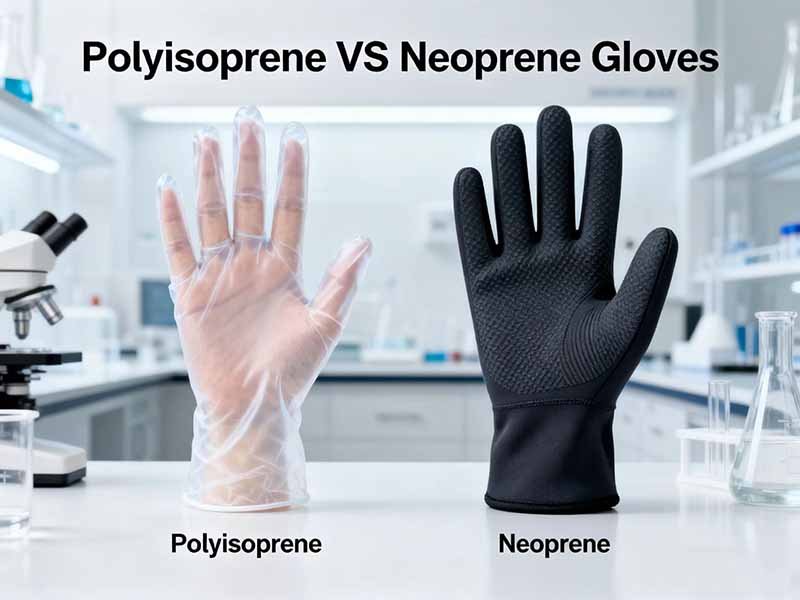
In healthcare, industrial safety, and consumer products, glove material selection impacts comfort, durability, chemical resistance, and even regulatory compliance. Two popular options—polyisoprene and neoprene gloves—may look similar but perform differently under various conditions. For procurement teams, medical suppliers, or brand owners, understanding these differences ensures the right balance between cost-efficiency, safety, and user experience.
Polyisoprene gloves mimic natural rubber latex for comfort, flexibility, and tactile sensitivity without causing latex allergies. Neoprene gloves, made from chloroprene rubber, provide chemical resistance, durability, and temperature protection, making them ideal for industrial and laboratory settings. While polyisoprene suits surgical and examination use, neoprene excels in chemical handling, outdoor work, and multipurpose protection, each serving different industries based on performance needs.
But which glove should you choose for your business? Let’s break it down step by step.
What Are Polyisoprene and Neoprene Gloves Made Of?
Polyisoprene gloves are made from synthetic polyisoprene, chemically similar to natural latex but allergy-safe. Neoprene gloves come from chloroprene rubber, offering oil, heat, and chemical resistance. Both materials undergo polymerization but differ in molecular structure, affecting comfort, flexibility, and protective properties.
Material Science & Manufacturing
Polyisoprene is essentially synthetic latex, created by polymerizing isoprene monomers. It replicates the elasticity and softness of natural rubber, delivering exceptional tactile sensitivity, making it popular in surgical and medical examination gloves.
Key Properties:
- High elongation at break (700–800%)
- Excellent comfort and dexterity
- Latex-like feel without allergy risks
Neoprene (chloroprene rubber), invented in the 1930s by DuPont, revolutionized industrial protective gear. Unlike polyisoprene, it resists oils, acids, and temperature fluctuations, making it versatile for chemical labs, manufacturing, and outdoor environments.
| Property | Polyisoprene Gloves | Neoprene Gloves |
|---|---|---|
| Chemical Resistance | Low–Medium | High (Oils, Acids, Solvents) |
| Comfort & Dexterity | Very High | Moderate–High |
| Temperature Tolerance | Limited | -20°C to +100°C |
| Allergy Risk | Latex-Free | Latex-Free |
| Durability | Medium | High |
Manufacturing Differences:
- Polyisoprene: Dip-molding for thin, sensitive surgical gloves.
- Neoprene: Thicker formulations for industrial, multipurpose use.
This composition difference explains why polyisoprene dominates medical fields while neoprene thrives in heavy-duty industries.
Which Applications Use Polyisoprene vs Neoprene Gloves Most Often?
Polyisoprene gloves are widely used in medical, dental, and laboratory settings requiring sterility and precision. Neoprene gloves dominate chemical processing, automotive, food handling, and outdoor industries due to their durability and resistance to oils, solvents, and temperature extremes.
Medical & Surgical Fields (Polyisoprene):
- Offers latex-like comfort without allergy risks.
- Preferred in operating rooms, dental clinics, and lab testing for its tactile sensitivity.
Industrial & Chemical Handling (Neoprene):
- Resistant to caustic chemicals, oils, and solvents.
- Used in factories, automotive workshops, and paint industries.
Food & Beverage Industry:
- Neoprene gloves meet FDA food-contact compliance, ideal for food processing plants handling oils or cleaning chemicals.
Outdoor & Sports Applications:
- Neoprene’s thermal insulation suits diving gloves, winter sports, and fishing gear.
| Sector | Preferred Material | Reason |
|---|---|---|
| Surgical/Medical | Polyisoprene | Comfort + Sensitivity |
| Chemical Industry | Neoprene | Chemical Resistance + Durability |
| Food Handling | Neoprene | FDA Compliance + Oil Resistance |
| Outdoor/Marine | Neoprene | Thermal Protection + Grip |
The application overlap shows neoprene’s versatility but polyisoprene’s medical dominance due to its comfort profile.
How Do Comfort, Fit, and Allergies Differ Between the Two Materials?
Polyisoprene gloves deliver superior comfort, elasticity, and latex-like fit without allergy risks. Neoprene gloves offer firmer grip, higher durability, and thicker protection, sometimes sacrificing tactile sensitivity for chemical resistance.
Polyisoprene:
- Mimics natural latex softness.
- Eliminates Type I latex allergy risks.
- Best choice for long surgical procedures.
Neoprene:
- Thicker, more rugged texture.
- Slightly reduced fingertip sensitivity but better protection against hazards.
- Hypoallergenic for sensitive users.
| Feature | Polyisoprene Gloves | Neoprene Gloves |
|---|---|---|
| Comfort Level | ★★★★★ | ★★★★ |
| Allergy Safety | 100% Latex-Free | 100% Latex-Free |
| Grip Texture | Smooth | Textured |
| Extended Wear Comfort | High | Moderate–High |
Buyers in medical procurement prioritize comfort, while industrial buyers often sacrifice it for durability and protection.
Do Polyisoprene and Neoprene Gloves Perform Differently in Harsh Conditions?
Yes. Neoprene gloves outperform polyisoprene in chemical, oil, and temperature resistance, while polyisoprene excels in precision tasks where dexterity and comfort matter more than environmental hazards.
- Neoprene: Withstands 20°C cold storage and up to 100°C cleaning operations, plus acids, oils, and solvents.
- Polyisoprene: Performs well in controlled environments but degrades under strong chemicals or extreme temperatures.
Performance Table:
| Condition | Polyisoprene | Neoprene |
|---|---|---|
| Acid Resistance | Low–Medium | High |
| Oil & Solvent Resistance | Low | Very High |
| Temperature Range | 0°C–40°C | -20°C–100°C |
| UV & Weather Resistance | Limited | Excellent |
Industrial buyers prefer neoprene for chemical safety, while hospitals stick with polyisoprene for patient care precision.
Are There Cost and Sustainability Differences?
Polyisoprene gloves cost slightly more than latex but less than high-end nitrile, while neoprene gloves are premium-priced due to chemical resistance and durability. Sustainability depends on manufacturing practices, with recycled neoprene blends emerging as eco-friendly alternatives.
| Material | Avg. Cost/100 pcs | Lifespan | Recyclability Options |
|---|---|---|---|
| Polyisoprene | $18–$22 | Single-Use | Limited |
| Neoprene | $25–$35 | Reusable | Industrial Recycling Possible |
Neoprene’s reusability offsets higher initial cost, especially for industrial buyers focused on long-term savings.
How to Choose the Right Glove Material for Your Industry Needs?
Choose polyisoprene for medical precision, allergy safety, and comfort; choose neoprene for chemical resistance, durability, and extreme environments. Factor in cost, certifications, and user comfort before finalizing bulk orders.
| Requirement | Recommended Material |
|---|---|
| Surgical Precision | Polyisoprene |
| Chemical Handling | Neoprene |
| Food Contact Safety | Neoprene (FDA Approved) |
| Outdoor/Marine Use | Neoprene |
| Cost-Sensitive Medical Supply | Polyisoprene |
This matrix helps procurement teams align material choice with operational priorities.
Which Certifications and Standards Apply to Each Type?
Polyisoprene and neoprene gloves require FDA 510(k) clearance for medical use, CE marking for EU markets, and ASTM standards for chemical resistance. Environmental compliance like REACH and OEKO-TEX® ensures user and ecological safety.
| Certification | Polyisoprene Gloves | Neoprene Gloves |
|---|---|---|
| FDA 510(k) Medical Use | Required | Required |
| CE Mark (EU) | Required | Required |
| ASTM D6978 (Chemo) | Optional | Recommended |
| OEKO-TEX®/REACH | Strongly Recommended | Strongly Recommended |
Compliance ensures global market access and reduces liability risks for brands.
Conclusion: Partner with Szoneier for Custom Neoprene Gloves
Whether you need medical-grade precision or industrial chemical resistance, Szoneier provides:
- 18+ years of R&D and manufacturing expertise
- Low MOQs, fast prototyping, and global shipping
- OEKO-TEX®, REACH, FDA, and CE-compliant materials
Contact Szoneier today at www.neoprene-bag.com or email manager@neoprene-bag.com to start your custom glove project with free samples and expert guidance.
What Can I Do For You?
Here, developing your OEM/ODM private label leather goods collection is no longer a challenge,it’s an excellent opportunity to bring your creative vision to life.