
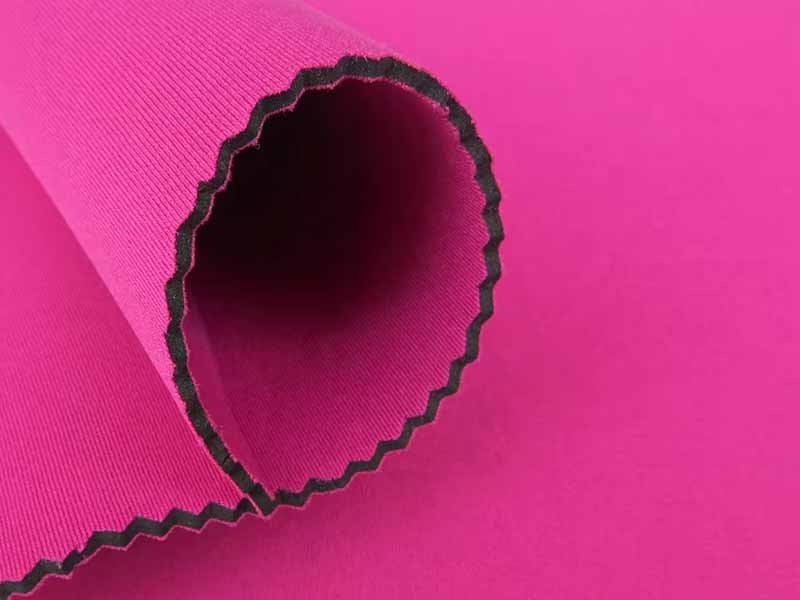
The global demand for neoprene fabric is booming. Once mostly used in wetsuits and industrial insulation, neoprene is now a favorite in bags, laptop sleeves, sports gear, medical supports, camera covers, and even luxury fashion. It combines style with function: water resistance, cushioning, and sleek looks. But if you’re a brand owner, importer, or designer, the question isn’t “why neoprene?”—it’s where to buy it. Should you pick a local shop, order online, or go straight to a manufacturer?
You can buy neoprene fabric from local fabric markets, online shops, wholesale distributors, and OEM/ODM manufacturers. Small buyers often prefer online or retail channels, while brands source from factories like Szoneier for bulk custom neoprene in specific colors, thicknesses, and laminations. The best source depends on your volume, budget, and whether you need standard rolls or private-label OEM solutions.
Imagine this: A small U.S. bag startup spends $18 per yard on neoprene from an online store, limiting margins. Meanwhile, a mid-sized European fitness brand orders direct from a Chinese OEM at $5 per yard, custom laminated with their logo, cutting costs by 70%. Same material category, wildly different sourcing strategies. Let’s unpack how you can make the smart choice.
What Is Neoprene Fabric and Why Is It Popular?
Neoprene is a synthetic rubber fabric known for insulation, flexibility, and water resistance. It’s popular in bags, sportswear, accessories, and industrial goods because it protects items, feels modern, and adapts to countless designs.
Neoprene—or polychloroprene—was developed in the 1930s. Its strength lies in its closed-cell foam structure, filled with nitrogen bubbles. This gives it unique characteristics that other fabrics (canvas, nylon, leather) don’t match:
| Property | Why It Matters | Applications |
|---|---|---|
| Water Resistance | Keeps gear dry, resists splashes | Bags, laptop sleeves, sports gear |
| Flexibility | Stretches without wrinkling or tearing | Fashion totes, protective covers |
| Shock Absorption | Protects electronics and valuables | Laptop cases, camera bags |
| Insulation | Keeps items warm/cool | Lunch totes, beverage holders |
| Lightweight | Easier to carry than leather | Backpacks, travel bags |
Why brands love neoprene:
- Consumers see value → neoprene bags look sleek, durable, and premium.
- Design flexibility → can be printed, laminated, embossed.
- Performance + fashion → appeals to both outdoor gear buyers and style-conscious shoppers.
Market Data:
- The global neoprene market is projected to grow at 3.5% CAGR from 2023–2030 (source: Grand View Research).
- Bags and accessories are among the fastest-growing applications outside wetsuits.
- Eco-friendly neoprene variants are driving demand in Europe and North America.
Bottom line: Neoprene has gone from “functional wetsuit material” to a fashion-tech hybrid fabric, making it attractive across industries.
Which Types of Neoprene Fabric Can You Buy?
Neoprene comes in CR (chloroprene), SBR blends, laminated (nylon, polyester, lycra), eco-friendly recycled, and open-cell vs closed-cell options. Each type suits different industries—from premium wetsuits (CR) to affordable bags (SBR blends) and sustainable fashion (recycled).
When sourcing neoprene, you’ll encounter multiple types. Knowing the differences saves you from ordering the wrong kind—or overpaying for specs you don’t need.
| Type | Key Traits | Best Uses | Price Level |
|---|---|---|---|
| CR (Chloroprene) | Premium elasticity, UV & chemical resistance | High-end wetsuits, luxury fashion bags | $$$ High |
| SBR Blends | Cost-effective, decent elasticity | Tote bags, sleeves, covers | $$ Medium |
| Nylon-Laminated | Added strength, printability, smooth surface | Laptop sleeves, branded bags | $$ Medium |
| Polyester-Laminated | Cheaper than nylon, colorful options | Kids’ products, budget-friendly gear | $ Low–Medium |
| Lycra-Laminated | Stretchy, stylish finish | Sportswear, fitness accessories | $$ Medium |
| Recycled/Eco Neoprene | Sustainable, eco-certified | European/North American brands | $$$ Premium |
| Open-Cell | Softer, more cushioning, less durable | Padding, orthopedics | $ Low |
| Closed-Cell | Strong, water-resistant | Bags, footwear, industrial | $$ Medium |
Examples:
- A surf brand may need CR neoprene 3mm laminated with nylon → performance-driven.
- A fashion startup might only need SBR neoprene laminated with polyester → affordable, trendy.
- A European eco-bag brand will demand recycled neoprene certified OEKO-TEX/REACH.
Critical View:
Not all “neoprene” is equal. Some suppliers mislabel SBR blends as CR neoprene. That’s why testing samples, checking certifications, and working with reliable OEMs like Szoneier is key to avoiding
Where Can You Buy Neoprene Fabric Locally vs Online?
You can buy neoprene fabric from local fabric markets, online retailers, wholesale distributors, or direct OEM/ODM manufacturers. Local shops are best for small-volume needs, online retailers for convenience, wholesalers for mid-sized orders, and OEM factories for bulk, customized supply. Each option has pros and cons depending on budget, MOQ, and customization requirements.
Dive Deeper: Comparing Sourcing Channels
When it comes to buying neoprene fabric, you’ve got four major channels:
A. Local Fabric Markets
Examples:
- Guangzhou Zhongda Fabric Market (China) → world’s largest textile hub.
- Los Angeles Fashion District (USA) → for small designers and startups.
- New York Garment District (USA) → sample rolls, quick pickups.
Pros:
- Immediate access—touch and feel quality.
- Buy in small yardage without MOQ.
- Great for prototyping or testing.
Cons:
- Higher price per yard ($10–$25).
- Limited customization—what you see is what you get.
- Stock inconsistency—today’s roll may not match next month’s.
B. Online Retailers
Platforms: Amazon, Etsy, Mood Fabrics, Fabric.com.
Pros:
- Convenient global shipping.
- Transparent reviews and ratings.
- No travel needed.
Cons:
- Prices marked up (often 200–300% higher than factory cost).
- Limited thickness/lamination options.
- Not scalable beyond 100–200 yards.
Example:
- Amazon neoprene: $15/yard (2mm black neoprene).
- Equivalent OEM factory cost: $5/yard (bulk, custom color available).
When to use: Small e-commerce sellers, DIY projects, early prototyping.
C. Wholesale Distributors
Supply to regional buyers in rolls of 50–500 meters.
Pros:
- Mid-range pricing ($6–$10 per yard).
- Bulk consistency.
Cons:
- Require larger upfront spend ($500–$2000+ orders).
- Less customization—standard black, grey, navy.
Typical scenario: Mid-sized sports brand orders 200m of standard neoprene for laptop sleeves. Good balance of cost and availability.
D. OEM/ODM Manufacturers (Factories like Szoneier)
What they offer:
- Full customization (thickness, lamination, color, embossing).
- Low MOQ for startups (100–200m).
- Bulk pricing ($3–$7 per yard).
Pros:
- Best value for scaling brands.
- Certifications (ISO, OEKO-TEX, REACH).
- Private-label solutions.
Cons:
- Lead time (10–25 days for production).
- Requires clear communication.
When to use: Brands serious about building product lines (bags, covers, wetsuits, accessories).
Supplier Channel Comparison Table
| Channel | MOQ | Price/yd | Customization | Best For |
|---|---|---|---|---|
| Local markets | 1–10 yds | $10–$25 | None | Hobbyists, sample makers |
| Online stores | 1–20 yds | $12–$30 | Minimal | Small e-com sellers, DIY |
| Wholesale distributors | 50–500 yds | $6–$10 | Limited | Mid-sized brands |
| OEM/ODM factories | 100–10,000+ yds | $3–$7 | Full | Brands scaling product lines |
Critical Perspective:
While local and online channels are fine for testing, serious buyers lose money if they don’t transition to OEM sourcing. A U.S. startup that stuck with Amazon neoprene paid 3× factory cost for 500 yards—burning $5000 unnecessarily. Smart brands shift early to OEM to protect margins.
How Do You Choose the Right Supplier for Neoprene Fabric?
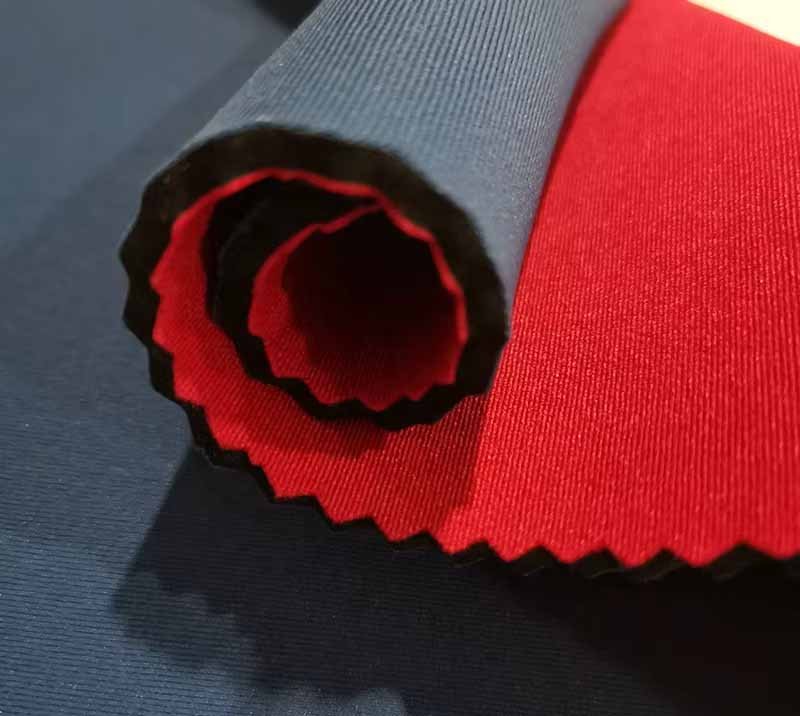
The right supplier offers fair MOQs, proven certifications, customization options, fast sampling, and consistent communication. Good suppliers should provide free or low-cost samples, transparent lead times, and compliance with ISO, OEKO-TEX, or REACH standards. Avoid suppliers unwilling to share documentation or with inconsistent specs.
Choosing a neoprene supplier is like dating—you need to test compatibility before committing. Here’s how to evaluate them:
A. MOQ (Minimum Order Quantity)
- Retailers: often sell 1–10 yards (expensive).
- Distributors: 50–500 yards.
- Factories like Szoneier: as low as 100m MOQ for startups.
B. Certifications & Compliance
- ISO 9001 → quality management.
- OEKO-TEX Standard 100 → safe for consumer products.
- REACH/RoHS → critical for EU imports.
Tip: Ask for certificates + recent test reports. Fake promises are common in textile trade.
C. Customization Ability
- Can they laminate neoprene with nylon, polyester, lycra?
- Do they offer Pantone color matching?
- Can they emboss or print logos?
- Do they provide eco-friendly neoprene options?
Red flag: Suppliers who say “we only have black 3mm.” That’s not a partner—it’s a trader.
D. Lead Time & Communication
- Standard: 7–10 days for samples, 20–30 days for bulk.
- Good suppliers send weekly updates + photos.
- Poor suppliers disappear until shipping date.
Case Example:
- Brand A: Waited 60 days because supplier kept delaying.
- Brand B (with Szoneier): Got 7-day sample, 18-day bulk production → launched product before competitor.
E. Payment & Risk Protection
- Safe methods: PayPal for samples, T/T or LC for bulk.
- Always start with 30% deposit, 70% balance after inspection.
- Consider third-party inspection for first-time orders.
Supplier Evaluation Matrix
| Criteria | Good Supplier | Bad Supplier |
|---|---|---|
| MOQ | Flexible (100–300m) | Rigid (1000m+) |
| Samples | Free/cheap, fast | Refuses or slow |
| Certifications | Provides ISO, OEKO-TEX, REACH | “We don’t have” |
| Customization | Offers laminations, colors, logos | Only sells black rolls |
| Communication | Replies in <24h | Delayed / unclear |
Critical Insight:
The cheapest price per yard is meaningless if the supplier delivers inconsistent rolls. One bad shipment can cost a brand thousands in refunds. That’s why serious buyers prioritize quality + reliability over just price.
Factories like Szoneier specialize in long-term partnerships: low MOQ for new brands, but scalable to thousands of meters when you grow.
Do Prices for Neoprene Fabric Vary by Source and Type?
Yes, neoprene prices vary widely by type, thickness, lamination, and sourcing channel. Retail buyers often pay $10–$30 per yard, online buyers $8–$20, wholesale distributors $4–$8, and OEM factories $3–$7 per yard. Premium CR neoprene costs more than SBR blends, and eco-certified neoprene carries an additional 10–20% premium.
Neoprene pricing can be confusing because suppliers list in yards, meters, sheets, or kilograms. To simplify, here’s how costs typically compare:
A. Price by Source
| Source | Price Range (per yard) | MOQ | Notes |
|---|---|---|---|
| Local fabric market | $10–$25 | 1–10 yards | Great for testing, poor scalability |
| Online retailers | $12–$30 | 1–20 yards | Convenient but high markups |
| Wholesale distributors | $4–$8 | 50–500 yards | Balanced price, fewer options |
| OEM factories | $3–$7 | 100–10,000 yards | Full customization, bulk value |
Real-world example: A U.S. Etsy neoprene seller lists 3mm black neoprene at $18/yard. The same material from an OEM like Szoneier costs $5/yard in 200-yard bulk—saving over 70%.
B. Price by Type of Neoprene
| Type | Average Price Range (per yard) | Use Case |
|---|---|---|
| CR (Chloroprene) | $12–$20 | High-end wetsuits, premium bags |
| SBR blends | $4–$7 | Affordable bags, covers |
| Nylon-laminated neoprene | $6–$10 | Laptop sleeves, sports gear |
| Polyester-laminated | $5–$8 | Budget-friendly accessories |
| Lycra-laminated neoprene | $7–$12 | Sportswear, yoga products |
| Eco/recycled neoprene | $15–$25 | Sustainable brands, EU markets |
Notice how eco-friendly neoprene can cost 2–3× standard SBR blends. This premium is often worth it for brands selling in Europe or North America where sustainability is a strong selling point.
C. Price Impact by Thickness
- 1mm–2mm → $3–$6 per yard
- 3mm–5mm → $5–$10 per yard
- 6mm–7mm → $8–$15 per yard
The thicker the neoprene, the more raw material used, and the harder it is to laminate evenly—hence the price increase.
D. Case Example: A Startup vs Established Brand
- Startup A (handmade neoprene tote bags, buying on Etsy)
- 50 yards × $18/yard = $900 raw cost.
- Brand B (fitness bag brand sourcing from Szoneier OEM)
- 200 yards × $5/yard = $1000 raw cost.
- Result: Brand B produces 4× more bags for nearly the same spend.
Critical Insight:
Paying retail prices is fine for prototyping. But scaling without OEM sourcing kills margins—you can’t compete on price or profit if you’re overpaying 2–3× per yard.
Is It Better to Buy Neoprene Fabric in Bulk or in Small Quantities?
Small quantities are best for testing and prototyping, but bulk buying is more cost-effective and ensures consistent quality. Bulk sourcing also enables OEM customization (color, lamination, logos), while small orders limit flexibility and carry higher unit costs. For serious brands, bulk OEM supply is the smarter long-term strategy.
Dive Deeper: Bulk vs Small Orders
A. Buying in Small Quantities
Pros:
- Lower upfront investment (spend $200–$500 instead of $2000+).
- Great for hobbyists, Etsy sellers, or prototype samples.
- No risk of leftover stock if product doesn’t sell.
Cons:
- Cost per yard is 2–3× higher.
- Limited colors/thicknesses.
- Quality may be inconsistent (different batches).
- Impossible to negotiate branding/custom lamination.
Example: A yoga brand buys 30 yards at $15/yard = $450 raw cost. At retail pricing, the mats cost too much to sell competitively.
B. Buying in Bulk
Pros:
- Unit cost drops 50–70%.
- Consistent batches → stable product quality.
- Access to OEM/ODM customization (logos, Pantone colors, laminations).
- Easier to negotiate with suppliers.
Cons:
- Higher upfront spend ($1000–$5000+).
- Requires storage space.
- Risk if you misjudge market demand.
Example: Same yoga brand orders 300 yards from Szoneier OEM at $5/yard = $1500 raw cost. That’s 10× the material for only 3× the spend compared to retail.
C. ROI Comparison Table
| Order Type | Quantity | Price/yd | Total Cost | Bags Produced (at 1 yd each) | Unit Raw Material Cost |
|---|---|---|---|---|---|
| Retail (online) | 50 yds | $15 | $750 | 50 | $15/bag |
| Wholesale | 200 yds | $7 | $1400 | 200 | $7/bag |
| OEM Factory | 500 yds | $5 | $2500 | 500 | $5/bag |
Clearly, OEM bulk wins on cost-efficiency, scalability, and brand credibility.
D. Critical Insight
For startups, it’s smart to begin with 20–50 yards from local or online suppliers for prototyping. But as soon as sales prove stable, moving to OEM/ODM sourcing is essential. Otherwise, your COGS (cost of goods sold) stays too high, and you’re priced out of the market.
Factories like Szoneier solve this pain point by offering low MOQ bulk orders (100m)—bridging the gap between small startups and larger brands. This way, you scale without the financial risk of sitting on unused inventory.
Are There OEM/ODM Options for Custom Neoprene Fabric?
Yes. OEM/ODM manufacturers like Szoneier provide custom neoprene fabric solutions, including tailored thickness, lamination types, Pantone-matched colors, eco-friendly options, and logo embossing or printing. OEM sourcing lets brands differentiate products, control costs, and ensure consistent supply—advantages not possible with retail or wholesale suppliers.
Why OEM/ODM Matters
If you’re building a long-term brand, buying stock neoprene fabric from retail shelves won’t cut it. What happens when:
- You need a custom Pantone pink tote bag line?
- You want your logo embossed on laptop sleeves?
- Your customers ask for eco-certified neoprene?
That’s where OEM (Original Equipment Manufacturer) and ODM (Original Design Manufacturer) sourcing comes in.
A. What OEM/ODM Customization Includes
| Customization Area | Options Available | Why It Matters |
|---|---|---|
| Thickness | 1mm–7mm | Different industries need different insulation/protection |
| Laminations | Nylon, polyester, lycra, fleece | Adds durability, fashion, branding |
| Colors | Pantone-matched, multi-tone | Branding & differentiation |
| Logo | Printing, embossing, embroidery | Brand recognition |
| Eco Options | Recycled neoprene, OEKO-TEX certified | Sustainability for EU/US markets |
B. OEM vs Non-OEM Sourcing
| Factor | Non-OEM (Retail/Wholesale) | OEM (Factory) |
|---|---|---|
| Colors | Limited (black, navy, grey) | Full Pantone range |
| MOQ | 1–500 yards | 100m–10,000m |
| Branding | None | Private-label logo integration |
| Cost | $8–$20/yard | $3–$7/yard |
| Lead Time | Immediate but inconsistent | 10–25 days, stable |
C. Case Study: Small Brand vs OEM Transition
- Startup Brand (non-OEM): Bought 50 yards on Amazon @ $15/yard = $750. Produced 50 neoprene sleeves but couldn’t expand colors or add logos.
- OEM Transition (Szoneier): Ordered 300 yards custom-laminated neoprene @ $5/yard = $1500. Produced 300 sleeves in unique brand colors with embossed logo. Result: higher margins, faster brand recognition, scalable supply chain.
Critical Insight:
OEM/ODM is the tipping point between being a “reseller” and building a real brand. By offering custom fabric solutions, Szoneier empowers brands to stand out and grow sustainably.
How Can Brands Ensure Quality When Buying Neoprene Fabric?
Brands can ensure neoprene quality by testing samples for elasticity, water resistance, thickness, and lamination adhesion. Certifications like ISO, OEKO-TEX, and REACH are essential for global compliance. Reliable suppliers like Szoneier integrate QC at every stage, reducing risks of returns and product failures.
Quality Control Checklist
When buying neoprene, don’t rely only on supplier promises. Here’s a QC framework:
A. Physical Tests
- Stretch & Recovery Test → Stretch fabric 20% and check if it returns.
- Water Resistance Test → Submerge in water for 1 hour, check absorption.
- Abrasion Test → Rub laminated surface with 500 cycles.
- Seam Adhesion Test → Pull laminated layer—shouldn’t peel easily.
B. Certification & Compliance
| Certification | Why It Matters |
|---|---|
| ISO 9001 | Ensures consistent production quality |
| OEKO-TEX Standard 100 | Confirms fabric safe for skin contact |
| REACH (EU) | Compliance with chemical safety laws |
| RoHS | Restricts hazardous substances |
Without these, you risk customs delays, fines, or rejected shipments.
C. Inspection & Sampling
- Always order samples before bulk.
- For first orders, use a third-party QC company in supplier’s country.
- Establish an AQL (Acceptable Quality Level) to measure defects.
Example: A U.S. buyer skipped inspection on a 1000-yard neoprene order. 20% of the rolls had bubbles and poor lamination. Loss = $5000. A $200 pre-shipment inspection could have prevented it.
D. Why QC with OEM/ODM Is Easier
Factories like Szoneier integrate QC in-house:
- 3-stage checks: raw material → lamination → finished rolls.
- Free pre-shipment samples sent for approval.
- Certification support (ISO, OEKO-TEX, REACH).
This means less stress for buyers, faster compliance clearance, and fewer product returns.
Conclusion: Why Source Neoprene Fabric with Szoneier
Buying neoprene fabric isn’t just about “finding the cheapest yard online.” The real question is: who can provide consistent quality, certification compliance, and customization that helps your brand stand out?
- Retail & online → great for testing, but too expensive to scale.
- Wholesalers → better pricing, but limited customization.
- OEM/ODM factories like Szoneier → the winning choice for serious brands.
With 18+ years of neoprene expertise, Szoneier delivers:
- Custom OEM/ODM neoprene fabrics (1–7mm).
- Pantone colors, laminations, eco-friendly options.
- Fast sampling (7–10 days).
- Low MOQ (100m), perfect for startups.
- 100% quality guarantee with certifications.
Ready to source premium neoprene fabric for your products?
Contact Szoneier today!