
What Are Neoprene Eyeglass Straps? A Comprehensive Guide
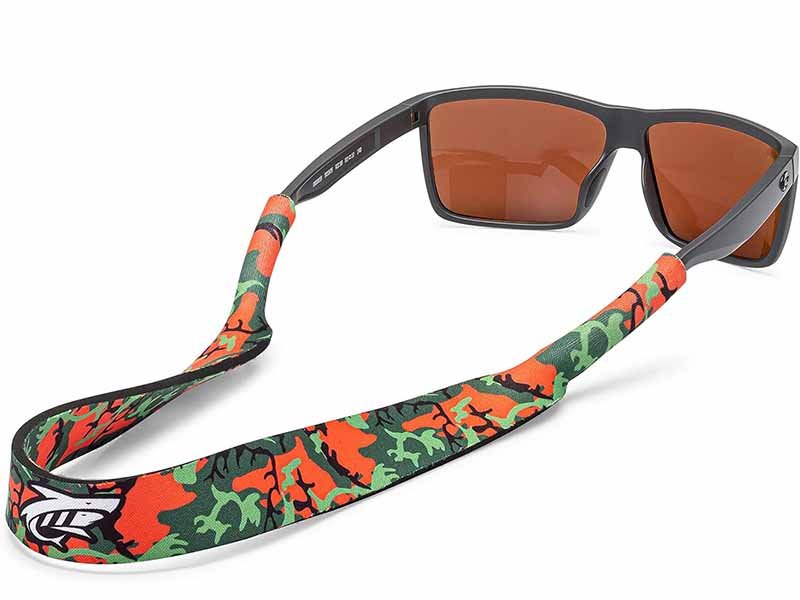
Neoprene eyeglass straps look simple—just a soft sleeve on each temple—yet the best ones can mean the difference between a great day on the water and losing a favorite pair of sunglasses. For buyers and brand owners, the challenge is picking materials and constructions that actually hold in motion, dry fast after sweat or surf, feel comfortable on skin, fit different temple shapes, and carry logos crisply at retail. Make the wrong call and you’ll get slippage complaints, odor issues, fraying ends, and returns that erode margins.
Neoprene eyeglass straps are closed-cell foam sleeves that grip temple tips to keep glasses secure during sports and daily use. Compared with cotton/nylon cords, neoprene adds cushion, water resistance, and print-friendly branding. Choose 2–5 mm thickness, tuned density and recovery, and the right end design (tube, tapered sleeve, loop-with-slider, or slot/plug) to match temple styles. For watersports, floating models or added float cores prevent loss. Szoneier offers OEM/ODM with low MOQ, fast samples, and compliance-ready materials.
To show how spec choices matter, a coastal retailer once struggled with slipping cords and returns. We rebuilt their strap with a 3 mm SCR neoprene sleeve, dialed in the inner diameter to match their thicker acetate temples, and switched to sublimation-ready nylon lining for crisp patterns. Complaints vanished, conversion rose, and the line expanded into kids’ sizes and floating variants. Below, you’ll find the practical, test-backed decisions that lead to similar outcomes.
What Are Neoprene Eyeglass Straps, And How Do They Keep Glasses Secure?
Neoprene straps are closed-cell polychloroprene foam sleeves laminated with fabric, designed to slide over temple tips and hold via friction and surface contact. The foam’s slight compression and the fabric face’s coefficient of friction stabilize the grip as you move. Compared with cords, neoprene offers cushion, quick-dry comfort, and a larger, printable area for branding. Correct inner diameter, end geometry, and foam recovery are the keys to real-world retention.
At core, a neoprene strap is a friction device. The closed-cell foam compresses gently around temple tips and maintains “spring back,” while the fabric lamination (often nylon or polyester knit) increases surface traction. The mechanism works best when three elements align:
- Geometry & Coverage
- A tube or tapered sleeve creates more contact area than a thin cord, distributing grip along 20–40 mm of the temple instead of a single point.
- Tapering and inner shaping (oval rather than perfect round) can help hug flat or thick acetate temples.
- Coefficient of Friction (μ)
- Nylon or polyester knit faces have enough texture to resist sliding on most temple plastics/coatings.
- Glossy hydrophobic finishes can reduce μ—this is where inner diameter tuning and end design (slot/plug or loop with slider) compensate.
- Elastic Recovery
- Good foam rebounds repeatedly without packing down, maintaining grip after cycles of sweat, heat, and stretch.
- CR-rich blends (or balanced SCR for value) provide reliable compression recovery.
Because the neoprene core is closed cell, it won’t drink water like open foams. After a swim or rain, moisture resides mostly on the fabric face, which dries quickly with airflow. This property makes neoprene a standout for watersports and sweaty training where cotton cords go heavy and slick.
Which Neoprene Specifications Deliver The Best Comfort And Durability?
For most retail lines, 2–3 mm neoprene balances comfort, weight, and dry time; 4–5 mm suits rugged or floating builds. Specify foam density for rebound, select nylon or polyester lamination for clean skin contact and printability, and use CR or SCR blends per budget. The right combo minimizes slippage, hot spots, and early wear while keeping logos sharp.
Getting the “feel” right is a spec exercise. Use the guide below to balance comfort, grip, and life cycle.
A. Thickness Trade-Offs
| Thickness | Comfort & Grip | Weight/Dry Time | Typical Use |
|---|---|---|---|
| 2.0 mm | Light padding; adequate grip on smaller temples | Lightest; fastest dry | Kids’ straps, running, casual |
| 3.0 mm | Sweet spot for most adults; strong grip | Moderate; quick dry | All-purpose sport, daily |
| 4.0 mm | Cushiony; enhanced grip on thick acetate | Heavier; slower dry | Watersports, worksite, rugged |
| 5.0 mm | Maximum cushion; good buoyancy base | Heaviest; slowest dry | Floating variants, heavy frames |
B. Foam Density & Recovery
- Medium density (recommended) offers comfort and solid rebound. Too soft packs down (slippage later); too hard feels stiff and can irritate skin.
- CR (polychloroprene) foams have excellent compression set and aging; SCR blends can reduce cost while maintaining acceptable recovery for most retail lines.
C. Lamination & Skin Feel
- Nylon knit: durable, smooth, great for sublimation prints, easy to clean.
- Polyester knit: slightly crisper print edges; good UV stability.
- Brushed inner: softer hand for sensitive skin (watch for slower dry).
- Embossed/texture on the outer face hides scuffs and elevates perceived quality.
D. Edge & Seam Finishing
- Clean-cut + seam tape or stitched binding prevents peel and skin irritation.
- Reinforced stitch patterns at ends increase long-term grip stability.
E. Reality Check
Don’t chase maximum thickness by default. In hot climates or high-sweat sports, 2–3 mm with high-quality lamination and tight inner-diameter control outperforms 4–5 mm that overheats and feels bulky.
How Do Strap-End Designs Differ, And Which Frames Does Each Type Fit?
Choose end designs to match temple geometry: tube and tapered sleeves fit most casual and sport frames; loop-with-slider wraps around bulky or irregular temples; slot/plug ends interface with specific sport eyewear systems. Add quick-release or breakaway features for safety in workplaces and kids’ lines. The right end ensures secure grip without damaging coatings.
Temple styles vary: straight and slim (wire), hooked, thick acetate, and rubberized sport finishes. End design decides whether your strap feels tailored or makes customers wrestle.
A. Common End Types
| End Type | How It Works | Best For | Notes |
|---|---|---|---|
| Tube Sleeve | Full-length neoprene tube slides over temple tip | Most standard temples | Simple, comfortable, printable |
| Tapered Sleeve | Narrowed internal profile hugs as it slides on | Thick acetate, coated sport temples | Better grip with less bulk |
| Loop + Slider | Webbing/elastic loop cinches around temple with adjuster | Irregular or oversized temples | Universal fit; great for rental/fleet |
| Slot/Plug | Molded slot accepts a temple plug/tab | Frames with proprietary ends | Secure, but brand-specific |
| Breakaway | Magnetic or snap point releases under load | Kids, PPE compliance | Safety feature; specify pull force |
B. Safety & Ergonomics
- Breakaway designs reduce strangulation risk and are favored in schools and worksites.
- Quick-release at the strap center can be helpful under helmets or headsets.
C. Surface Interaction
- Rubberized or hydrophobic temple coatings are slippery; tapered sleeves with slightly smaller inner diameter help.
- For delicate mirrored coatings near the temple, prefer smoothed inner seams and rounded edge bindings to avoid scratches.
What Sizes Fit Different Temple Widths, And How Do You Measure Correctly?
Measure temple width at the tip with a caliper, then match to the strap’s inner diameter. Typical temple ranges are 3–12 mm; most adult frames sit in 4–8 mm. Choose strap lengths by user group (kids vs. adults) and activity (short sport vs. long casual). Publish a simple chart, accept tolerances, and run samples on your top SKUs before committing.
Sizing is the quiet driver of customer satisfaction. Two non-negotiables: measure accurately and validate on real frames.
A. Temple Width → Inner Diameter
| Temple Width (mm) | Suggested Strap Inner Diameter* | Notes |
|---|---|---|
| 3–4 | 3.0–3.5 mm | Wire frames; aim snug, use tapered |
| 5–6 | 3.5–4.0 mm | Common sport/optical |
| 7–8 | 4.0–4.5 mm | Thick acetate; consider tapered |
| 9–10 | 4.5–5.0 mm | Oversized acetate; loop + slider works |
| 11–12 | Loop + slider | Universal wrap for irregular ends |
- Inner diameter refers to the effective opening after lamination and seam finishing.
B. Length Standards
| User / Use Case | Typical Length (End-to-End) | Notes |
|---|---|---|
| Kids | 350–400 mm | Shorter to avoid loose loops |
| Adult Sport | 400–450 mm | Minimal slack, stable on movement |
| Adult Casual | 450–520 mm | More drape for daily wear |
| Helmet Users | 420–480 mm | Adjust around strap channels |
C. Tolerance & Sampling
- Expect ±2–3 mm variation in cutting/lamination; engineer ends to absorb tolerance without changing grip feel.
- Test on your top-selling frames—thickest acetate, slimmest wire, and your best-selling sports model—to validate fit range.
Are Neoprene Straps Water-Safe, And Do They Float For Watersports?
Yes—neoprene’s closed cells resist water uptake and provide natural buoyancy. Many sunglasses will float with 4–5 mm straps; heavier frames may need added float cores. Specify salt-/UV-resistant laminations, quick-dry finishes, and stainless hardware for marine use. For surfing, kayaking, boating, and fishing, floating or high-visibility straps reduce loss.
A. Buoyancy Basics
- Closed-cell foam traps air; thicker sections displace more water. A 4–5 mm strap can keep many polycarbonate-lens sunglasses afloat in calm water.
- For heavy glass lenses or metal frames, integrate discreet float inserts near the rear center to balance flotation without bulk near the ears.
B. Marine Durability
- UV: Choose UV-stable knits to reduce fading.
- Salt: Rinse after use; specify stainless wire guides, rings, or quick-release components if any hardware is present.
- Quick-Dry: Smooth nylon faces shed water faster than brushed knits.
C. Antimicrobial & Odor Control
- Consider antimicrobial finishes on the fabric face for rental fleets or high-sweat use; pair with cleaning guidance (see last section).
- Smooth faces reduce soil adhesion and ease rinse-off, keeping odors down.
D. Watersport Use Cases
- Surfing/Kayaking: Shorter lengths, tapered ends for high motion.
- Boating/Fishing: Floating variants, high-visibility colors, reflective piping.
- Triathlon: Streamlined lengths that sit flat under caps/helmets.
Which Use Scenarios Benefit Most—Sports, PPE Worksites, Kids, Or Seniors?
Neoprene straps shine in high-motion sports, wet environments, and all-day comfort needs. In PPE worksites, pair with breakaway or quick-release features for safety. Kids benefit from short lengths and bright colors; seniors appreciate soft touch and easy on/off ends. Tailor length, end type, and safety features to each segment.
A. Sports & Outdoors
- Running/Cycling: Opt for 2–3 mm pads, tapered ends, and a short sport length to reduce bounce.
- Hiking/Climbing: Choose textured outer faces that hide scuffs; keep lengths moderate to prevent snagging.
- Snow Sports: Neoprene insulates; ensure end shapes fit with goggle straps or helmet channels.
B. Marine & Watersports
- Floating builds with 4–5 mm foam or inserts; bright, high-viz colors help recovery if glasses fall overboard.
C. PPE & Industrial
- Safety eyewear retention in ANSI/EN contexts benefits from breakaway or quick-release to avoid entanglement hazards.
- Loop-with-slider ends accommodate bulkier goggles or side shields.
D. Kids & Schools
- Shorter lengths prevent loops catching; breakaway at a defined pull force adds safety.
- Fun sublimation graphics and name-label areas reduce mix-ups.
E. Seniors & Care Settings
- Softer inner linings and easy-on tapered ends support dexterity limits.
- Neutral, low-gloss outer faces look clean and premium.
How Do You Customize Neoprene Eyeglass Straps For Branding And Retail Impact?
Use Pantone-matched knits, sublimation or heat-transfer logos for vivid branding, and silk-screen for solids. Pick lengths, end types, and safety features per segment. Package with header cards or branded polybags and barcodes. Szoneier supports low MOQs, free design, fast samples, and private label programs to accelerate sell-through.
A. Branding Options
| Method | Best For | Notes |
|---|---|---|
| Sublimation | Full-bleed patterns, gradients | Requires white/light nylon; photo-quality prints |
| Heat Transfer | Multi-color logos, small runs | Crisp logos; good on darker fabrics |
| Silk Screen | High-opacity solids | Economical at volume; strong brand marks |
| Woven Labels/Patches | Premium touch | Add depth; pair with matte faces |
B. Color & Material Library
- Pantone matching available for outer/inner knits, bindings, sliders, and packaging accents.
- Embossed textures upgrade tactility and hide scuffs in rental/fleet contexts.
C. Packaging & Retail
- Header cards with die-cut hang holes showcase patterns and brand story.
- Branded polybags with barcodes optimize e-commerce fulfillment.
- Gift packs (2–3 per set) increase AOV for lifestyle lines.
D. Low-MOQ, Fast Iteration
Szoneier’s free design and low MOQs let you test colorways and end types before scaling. A typical pilot includes two thicknesses (e.g., 2.5 mm and 3.0 mm), two end designs, and three print treatments to identify winners quickly.
How Do You Clean, Test, And Certify Neoprene Straps For Long Service Life?
Hand-wash with mild soap, rinse, and air-dry away from heat. Avoid solvents and bleach. Validate quality with pull-off force, abrasion cycles, UV exposure, sweat, and salt-spray tests. Szoneier provides spec sheets, COAs, and third-party reports (e.g., SGS) aligned with REACH/RoHS on request.
A. Care & Maintenance (End-User Card Copy)
- Rinse after sweat/saltwater.
- Hand-wash in mild soap; do not bleach or tumble dry.
- Air-dry flat, out of direct heat/sun.
- Inspect ends and bindings monthly; replace if loose or frayed.
B. Suggested Validation Tests & Targets (set targets with your category manager and compliance team)
| Test | Why It Matters | Typical Target / Method (Guideline) |
|---|---|---|
| Pull-Off Force | Ensures ends don’t slip off temples | Define a min pull-off force per temple width; verify across your top 5 frames |
| Abrasion (Martindale) | Resists pilling/fray at contact points | Outer/inner face to ≥10,000 cycles without breakthrough |
| Peel Strength (Laminate) | Keeps fabric bonded to foam | Maintain above internal spec (e.g., ≥1.0 N/mm) after aging |
| Compression Set | Maintains grip after cycles | Recover to ≥85–90% thickness after defined compression |
| UV Exposure | Colorfastness outdoors | ΔE within acceptable range after accelerated UV hours |
| Artificial Sweat | Prevent dye bleed/odor | No significant bleed/odor after exposure and dry cycles |
| Salt-Spray | Marine durability (if hardware used) | Stainless hardware shows no red rust in defined hours |
C. Documentation & Compliance
Szoneier can supply spec sheets, batch COAs, and third-party tests (e.g., SGS). On request, we align materials with REACH/RoHS expectations and can provide low-odor adhesive systems.
D. Rental & Fleet Programs
For resorts, schools, and worksites, add wash-durable prints, asset labels/barcodes, and breakaway safety features. We can design bulk cleaning workflows (mesh laundry bags, quick-dry racks) to extend life and reduce losses.
Quick Build Matrix: Matching Specs To Markets
| Segment | Thickness | End Type | Length | Face Fabric | Branding | Safety |
|---|---|---|---|---|---|---|
| Running/Cycling | 2–3 mm | Tapered sleeve | 400–450 mm | Nylon smooth | Heat-transfer logo | — |
| Hiking/Climbing | 3 mm | Tapered sleeve | 420–460 mm | Embossed nylon | Screen print | — |
| Surf/Kayak/Boating | 4–5 mm | Tapered or loop + float insert | 400–450 mm | Nylon quick-dry | Sublimation + hi-viz | — |
| Worksite/PPE | 3–4 mm | Loop + slider | 420–480 mm | Textured nylon | Screen + ID label | Breakaway |
| Kids/Schools | 2–3 mm | Tube/tapered | 350–400 mm | Nylon smooth | Sublimation patterns | Breakaway |
| Seniors/Care | 2–3 mm | Tapered sleeve | 420–480 mm | Brushed inner | Heat-transfer logo | Optional quick-release |
Why Szoneier?
- 18+ years of neoprene R&D and manufacturing (bags, covers, wearables) adapted to sports eyewear.
- OEM/ODM with free design, low MOQs, and fast sampling.
- Full spec support: thickness/density, end geometry, inner diameters, lengths, and finishes.
- Brand-ready printing: sublimation, heat-transfer, silk screen with Pantone control.
- Documentation & QC: spec sheets, COAs, SGS reports; carton-level QC and color stability.
- Flexible private label programs, packaging, and barcode-ready solutions.
If you want eyeglass straps that actually hold, dry fast, and make your brand look sharp at retail, we’ll turn your idea into a production-ready spec. Share your frames, temple widths, and target audience; we’ll recommend thickness, inner diameter, end type, length, and branding—then ship free samples to validate grip and comfort.
What Can I Do For You?
Here, developing your OEM/ODM private label leather goods collection is no longer a challenge,it’s an excellent opportunity to bring your creative vision to life.