
What Is a Water Bottle Bag? Types, Benefits & Customization Guide
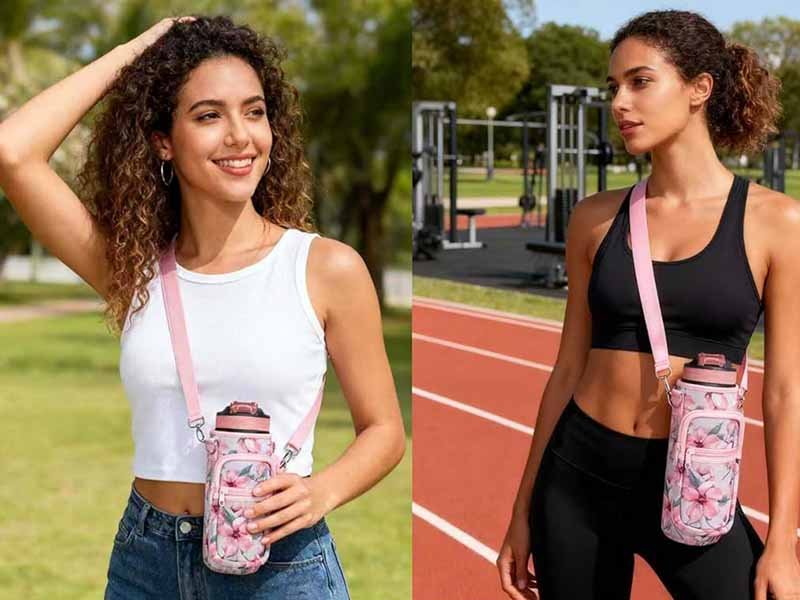
A water bottle bag is a portable holder designed to carry and protect your bottle while keeping drinks at the right temperature. Made from materials like neoprene, nylon, or canvas, it provides insulation, comfort, and hands-free convenience for outdoor activities or daily commutes. Water bottle bags come in various sizes and styles, offering durability and eco-friendly reusability for both personal and branded use.
Think about how often you carry a water bottle—gym, office, hiking, travel—and how inconvenient it feels when it sweats, leaks, or simply doesn’t fit anywhere. That small frustration led to one of the simplest yet smartest lifestyle inventions in recent years: the water bottle bag.
Unlike a random tote or backpack pocket, a water bottle bag is purpose-built. It wraps snugly around your drink bottle, shielding it from scratches and keeping it upright. The best ones even maintain temperature—cool water on a long hike, warm tea during a chilly commute. Over the past decade, what started as a niche sports accessory has evolved into an everyday essential for commuters, athletes, and eco-conscious consumers alike.
A water bottle bag is a dedicated carry pouch that holds your bottle securely, provides thermal insulation, and offers hands-free convenience for travel or daily use. It protects bottles from damage and makes hydration easy on the go.
The growing interest in health and sustainability—along with the rise of reusable bottles—has made these bags more relevant than ever. Instead of juggling your keys, phone, and drink, you sling it over your shoulder, stay hydrated, and move freely.
Today, manufacturers like Szoneier, with over 18 years of experience in neoprene product development, are redefining what a water bottle bag can be. Beyond practicality, they combine style, customization, and eco-friendly materials to match modern lifestyles and brand values.
In the following sections, we’ll unpack how a water bottle bag works, which materials matter, what designs fit your routine, and how to keep it in perfect shape for years of use.
What Exactly Is a Water Bottle Bag, and Why Is It Used?
A water bottle bag is a lightweight, portable holder designed to carry, insulate, and protect drink bottles during travel, work, or outdoor activities. It typically features a strap or handle for easy carrying and insulation materials such as neoprene or nylon to maintain temperature. The main purpose of a water bottle bag is to make hydration more convenient, protect bottles from impact, and prevent leaks or condensation from wetting other belongings.
The water bottle bag might seem like a small accessory—but for millions of people, it’s become part of daily life. It solves the simple but universal problem of how to carry a reusable bottle comfortably and cleanly. In an age where sustainability and wellness dominate lifestyle trends, the water bottle bag is not just practical; it’s symbolic of conscious living.
1. Function and Definition: More Than a Simple Carrier
At its core, a water bottle bag is a protective sleeve or pouch tailored to hold bottles of various shapes and sizes—ranging from 350ml compact bottles to 1L or even 2L outdoor flasks. The design focuses on three fundamental goals:
- Convenience: freeing your hands while keeping hydration accessible.
- Protection: shielding your bottle from scratches, dents, and heat exposure.
- Insulation: maintaining beverage temperature for extended periods.
What makes these bags distinct from simple holders or straps is their balance between form and function—they look stylish enough for urban use yet durable enough for hiking trails.
2. Why People Use Water Bottle Bags
There’s a growing shift from disposable plastic bottles to reusable stainless steel and glass designs. But those eco-friendly bottles often come with a trade-off—they’re heavy, slippery, and temperature-sensitive. That’s where the water bottle bag steps in.
| Problem | What Happens Without a Bag | How the Bag Helps |
|---|---|---|
| Condensation on cold drinks | Sweaty bottle wets bag contents | Absorbs moisture with neoprene or cloth lining |
| Hot bottles | Uncomfortable to hold | Heat insulation keeps outer layer cool |
| Weight of full bottle | Difficult to carry long distances | Shoulder strap distributes weight evenly |
| Scratches or dents | Visible damage over time | Soft padding absorbs impact |
| Hygiene | Bottle rolls on public surfaces | Protective cover keeps it clean |
These advantages make water bottle bags indispensable for students, athletes, office workers, and outdoor enthusiasts.
3. From Gym to Travel — Everyday Versatility
Think of how many scenarios involve carrying a drink: commuting on a train, walking your dog, hiking, attending outdoor festivals, or even sightseeing in a new city.
A well-designed bottle bag blends effortlessly into all of them.
- For commuters, it fits perfectly over a shoulder without adding bulk.
- For athletes or gym-goers, it keeps a protein shaker secure and upright.
- For travelers, it attaches easily to luggage handles or backpacks.
- For parents, it doubles as a hands-free baby bottle carrier.
That’s why leading lifestyle brands now offer multi-purpose water bottle bags—not just for function but as a fashion statement.
4. Key Features That Define Modern Bottle Bags
Every high-quality water bottle bag, including those made by Szoneier, incorporates a few design essentials:
- Adjustable Shoulder Strap: usually detachable, offering crossbody or hand-carry flexibility.
- Reinforced Stitching: ensures strength even under heavy loads.
- Drawstring or Zipper Closure: secures the bottle in place.
- Insulated Layer: often neoprene, to maintain cold or warm temperature.
- Leak Protection: inner coating prevents spills from reaching clothes or bags.
- Custom Fit: designed around bottle shape—round, square, or thermos-style.
Neoprene in particular stands out because it’s soft, elastic, and thermally stable—the same material used in wetsuits. It keeps your drink cold under the sun or warm in winter, without making the bag heavy.
5. The Rise of Neoprene Water Bottle Bags
Among all materials, neoprene has revolutionized how water bottle bags perform. Originally developed for wetsuits, it offers three distinct advantages:
- Temperature Control: its closed-cell foam traps air, acting as a natural insulator.
- Flexibility: stretches slightly to fit different bottle sizes.
- Shock Absorption: protects glass or metal bottles from impacts.
According to market data from outdoor accessories retailers, over 65% of reusable bottle users now prefer neoprene-based carriers for daily use, citing comfort and insulation as primary reasons.
“Once I started using a neoprene sleeve, I never went back,” says Clara, a travel blogger from the UK. “It’s like giving your bottle its own backpack—it looks good and actually works.”
6. A Shift Toward Health and Sustainability
The water bottle bag also fits within a larger cultural change. Consumers today seek products that align with eco-friendly values. Reusable bottles—and by extension, reusable bottle bags—represent this shift toward sustainable, long-term use instead of disposables.
By keeping bottles secure and easier to carry, users are more likely to bring their own drinks instead of buying single-use plastic water. In other words, this small accessory amplifies sustainable habits.
Manufacturers like Szoneier have leaned into this movement, offering recycled neoprene, rPET laminations, and eco-certified production processes that align with the green goals of modern brands and retailers.
7. Everyday Simplicity Meets Global Demand
Whether it’s the office worker with an iced latte or the athlete on a marathon trail, everyone benefits from convenience. The water bottle bag transforms hydration from a hassle into a habit—combining comfort, cleanliness, and conscious design.
What started as a practical sports accessory is now a global lifestyle staple—and one that manufacturers like Szoneier continue to refine with design innovation, certified materials, and OEM flexibility.
Which Materials and Features Should You Look for in a High-Quality Water Bottle Bag?
A high-quality water bottle bag uses durable, insulated materials like neoprene, nylon, or polyester to protect and stabilize your bottle. Key features include strong stitching, adjustable straps, and secure closures such as drawstrings or zippers. Good insulation helps maintain drink temperature, while a well-designed shape and non-slip texture ensure comfort. Premium bags balance performance, style, and eco-friendliness—ideal for daily use, sports, or travel.
When you shop for a water bottle bag—whether for personal use or to create your brand’s next promotional line—the difference between average and exceptional often comes down to materials and construction. The right combination of insulation, strength, and ergonomic design determines how long your bag lasts and how enjoyable it is to use.
Manufacturers like Szoneier, who specialize in advanced neoprene production, pay close attention to these details at every stage—from material sourcing to stitching and final finishing.
Let’s explore what really matters.
1. The Foundation: Choosing the Right Material
Each material contributes different qualities to the performance of a bottle bag. Understanding these differences helps you match material choice with your target audience and product purpose.
| Material | Strengths | Weaknesses | Ideal Use |
|---|---|---|---|
| Neoprene | Excellent insulation, waterproof, flexible, impact-resistant | Slightly thicker, higher cost | Outdoor sports, premium lifestyle |
| Nylon (Oxford / Ripstop) | Lightweight, tear-resistant, durable | Less thermal insulation | Travel, sports, daily commute |
| Polyester | Smooth surface for printing, colorfast | Moderate durability | Promotional gifts, branding |
| Canvas / Cotton | Eco-friendly, breathable, natural feel | Not waterproof | Casual or fashion use |
| rPET (Recycled Polyester) | Sustainable, strong, smooth print surface | Slightly stiffer texture | Eco-conscious brands |
Among these, neoprene leads the market due to its unmatched mix of thermal protection, comfort, and structure stability. Its closed-cell foam composition prevents heat transfer and resists compression, ensuring bottles stay protected even during long hikes or road trips.
2. Fabric Structure: Laminations and Inner Layers
A well-constructed bag is never made of a single layer. Instead, it uses laminated layers for insulation, aesthetics, and strength:
- Outer Fabric Layer: printed or colored nylon/polyester for durability and branding.
- Middle Foam Layer: typically neoprene, which provides cushioning and thermal stability.
- Inner Lining: smooth polyester or water-resistant coating for easy cleaning.
This tri-layer composition offers both functional insulation and a premium tactile feel—making the bag look stylish while performing under stress.
Szoneier employs hot-press lamination technology to bond these layers without toxic adhesives, ensuring waterproof seams and longer lifespan.
3. Insulation Performance: Keeping Drinks at the Right Temperature
The effectiveness of a water bottle bag’s insulation depends on the foam’s density and thickness.
Neoprene bags typically range from 3mm to 5mm thick; thicker versions retain temperature longer but weigh slightly more.
| Thickness | Thermal Retention | Weight | Use Scenario |
|---|---|---|---|
| 3mm | 1–2 hours | Light | Gym, indoor use |
| 4mm | 2–3 hours | Moderate | Travel, hiking |
| 5mm | 3–4 hours | Slightly heavier | Outdoor, long-distance trips |
For reference, Szoneier’s standard neoprene blend (CR/SBR) maintains beverage temperature within ±3°C for up to 3 hours—ideal for fitness enthusiasts and commuters alike.
4. Stitching and Edge Finishing: The Hidden Durability Factor
Edges are where cheaper bottle bags usually fail. Look for:
- Overlock or zigzag stitching for flexibility.
- Binding tape edges to prevent fraying.
- Reinforced stress points near the strap joints.
- Heat-sealed seams (in neoprene designs) to maintain waterproofing.
High-tensile nylon thread ensures the seams resist pulling even when the bag carries heavier metal bottles.
In Szoneier’s production line, every joint undergoes a tensile strength test (15–25N) to verify long-term reliability.
5. Strap and Handle Design
Comfort matters as much as construction. Quality bottle bags come with adjustable straps—often made of woven nylon webbing or thick cotton cords.
Common strap configurations include:
- Single Shoulder Strap: for crossbody or side-carry.
- Short Handle Loop: for hand-carry or gym use.
- Dual Strap Backpack Style: for outdoor activities or kids.
To prevent fraying, look for bar-tack reinforcement at each strap joint—an industrial stitching technique that increases joint strength by 200–300%.
6. Closures and Security Features
A good water bottle bag isn’t just a sleeve—it’s a secure, protective enclosure.
The most popular closure types include:
- Drawstring Top: lightweight and flexible for quick access.
- Zipper Closure: more secure for travel or large bottles.
- Velcro / Hook-and-Loop: for sports or kids’ bottles.
Many neoprene bags combine drawstring tops with elastic collars, ensuring the bottle stays upright even when the bag moves.
7. Shape and Fit: Function Meets Form
Bottle bags come in several shapes: cylindrical, tapered, or boxy.
- Cylindrical bags fit most bottles and thermoses.
- Tapered designs hug the bottle snugly, minimizing shake.
- Boxy multi-bottle bags serve families or outdoor groups.
Fit is critical: too tight, and the bag tears; too loose, and the bottle slides. Premium manufacturers measure bottle circumference precisely before production to ensure a tailored fit for common capacities (350ml, 500ml, 750ml, 1000ml).
8. Aesthetic and Branding Considerations
A high-quality material should not only perform well but also present beautifully.
Szoneier’s fabric laminations allow for:
- Silk-screen printing for simple one-color logos.
- Heat-transfer printing for vibrant, full-color artwork.
- Embossed or debossed branding for premium texture.
These techniques work best on neoprene and polyester surfaces. When combined with bright or gradient colorways, they turn practical bottle bags into stylish lifestyle accessories.
9. Environmental and Safety Certifications
Modern buyers want products that perform responsibly.
Szoneier’s materials meet strict international standards:
- OEKO-TEX® Standard 100 – safe for skin contact.
- REACH / RoHS Compliance – free of harmful chemicals.
- GRS Certified Recycled Inputs – for eco neoprene or rPET fabric.
These certifications ensure not only product quality but also corporate accountability—a crucial factor for brands targeting global markets.
10. The Summary Checklist
When evaluating or sourcing a high-quality water bottle bag, ensure it checks these boxes:
| Feature | Why It Matters |
|---|---|
| Durable, insulated fabric | Protects and stabilizes bottles |
| Strong stitching & seam sealing | Prevents leaks and tears |
| Adjustable strap | Comfort across all users |
| Non-slip, ergonomic shape | Prevents accidental drops |
| Smooth interior lining | Easy cleaning, hygienic |
| Certified eco-materials | Meets sustainability goals |
How Does Using a Water Bottle Bag Improve Daily Convenience and User Comfort?
A water bottle bag enhances daily convenience by allowing hands-free carrying, keeping drinks at the desired temperature, and protecting bottles from impact or leaks. Its ergonomic strap design distributes weight evenly, while insulation prevents condensation and discomfort. Whether commuting, hiking, or traveling, a water bottle bag adds comfort, organization, and style—making hydration effortless throughout the day.
It’s easy to underestimate how often we carry a drink. From morning coffee runs to afternoon workouts or weekend hikes, hydration follows us everywhere. Yet, without a proper bag, bottles roll, leak, or simply occupy a hand we’d rather keep free. That’s where the water bottle bag changes the game—transforming hydration into a seamless part of daily life.
1. Hands-Free Convenience: The Modern Essential
The biggest comfort advantage lies in mobility. With adjustable shoulder straps or cross-body designs, you no longer have to hold your bottle constantly or squeeze it into an overfilled tote.
- For commuters, it frees one hand for a phone or coffee.
- For parents, it means pushing a stroller without juggling drinks.
- For hikers and cyclists, it provides stability even on uneven terrain.
The ergonomic strap distributes weight across the shoulder or torso, minimizing strain. A 500ml stainless-steel bottle can weigh nearly a kilogram when full—an unnoticeable burden when worn properly, but tiring when carried by hand.
One customer review summed it up perfectly: “It’s not just about carrying a bottle—it’s about carrying freedom.”
2. Temperature Control and Comfort
Another major convenience factor is temperature stability. No one enjoys sipping lukewarm water after a long walk.
Thanks to materials like neoprene, which acts as natural thermal insulation, your drink maintains its temperature longer—whether it’s icy water or hot tea.
| Material | Keeps Drinks Cold | Keeps Drinks Hot | Notes |
|---|---|---|---|
| Neoprene (4–5 mm) | 3–4 hours | 2–3 hours | Ideal for daily use |
| Polyester (lined) | 1–2 hours | 1 hour | Light insulation |
| Canvas (unlined) | Minimal | Minimal | Style-first use |
Additionally, insulation prevents condensation—so you can drop a cold bottle inside without worrying about your clothes or laptop getting wet.
3. Lightweight Organization for Busy Days
Modern life demands multitasking. A high-quality bottle bag often includes extra pockets or clips for keys, cards, or small accessories, reducing clutter in larger bags.
For travelers, it attaches easily to luggage handles. For gym users, it separates sweaty towels from clean hydration gear.
Some designs even combine two-in-one compartments, letting you store a bottle on one side and a snack or phone on the other—small details that make a big impact in everyday routines.
4. Ergonomic Design Reduces Physical Strain
Carrying a heavy bottle by hand for long periods subtly stresses your wrist and forearm muscles.
A well-designed bottle bag eliminates that discomfort through load distribution and soft-grip materials.
- Adjustable straps let users customize length and pressure.
- Padded neoprene walls prevent edges from digging into your body.
- Smooth, breathable linings prevent sweat buildup against the skin.
This ergonomic advantage becomes especially important for:
- Students walking across campus.
- Delivery riders or cyclists who need constant hydration.
- Elderly users who may have joint sensitivity.
Szoneier engineers its neoprene straps to maintain elasticity and pressure balance—tested under 15,000+ cycles of simulated wear to ensure comfort that lasts.
5. Safety and Protection: Your Bottle’s Armor
Daily convenience also means peace of mind. Bottles are often made of glass, stainless steel, or aluminum—all materials that benefit from impact protection.
A soft neoprene or padded nylon bag acts as a shock absorber, reducing the chance of dents or cracks if dropped.
In addition, many designs include anti-slip textures or reinforced bases that stabilize bottles on rough surfaces like gym floors or rocks during outdoor use.
For example:
- A 3 mm neoprene sleeve can reduce impact force by up to 40% in drop tests.
- Multi-layer constructions with padded bases offer even higher protection, ideal for glass or insulated bottles.
6. Cleanliness and Hygiene: The Hidden Benefit
Carrying a bottle in an open backpack often exposes the mouthpiece to dust, bag crumbs, or contact with other surfaces. A dedicated bag keeps the bottle sealed and upright, maintaining hygiene.
The inner lining—especially if made of waterproof polyester—can be easily wiped clean. Some models even feature antibacterial coatings or removable liners, preventing odor buildup over time.
For public transportation or gym environments, this small detail becomes an everyday comfort you won’t want to give up.
7. Style Meets Utility
Convenience isn’t just about function; it’s about confidence. Today’s bottle bags blend practicality with fashion, available in colors and textures that complement personal style.
- Minimalist matte black for professionals.
- Vibrant prints for fitness or outdoor enthusiasts.
- Soft pastel tones for daily urban wear.
For retailers or brands, this aesthetic flexibility turns a simple utility item into a lifestyle accessory—something customers proudly wear, not just use.
Szoneier’s OEM service includes over 60+ color options, gradient lamination, and even custom embossed patterns, helping brands create bottle bags that match their audience’s personality.
8. Encouraging Sustainable Habits
Convenience often leads to consistency. When carrying your bottle becomes effortless, you’re far more likely to bring it everywhere—reducing plastic waste from disposable drinks.
The water bottle bag thus becomes a behavioral enabler: it keeps your sustainable habit alive by removing the friction of carrying a heavy, wet, or awkward bottle.
In this sense, every water bottle bag helps reduce the 1.3 million plastic bottles discarded globally every minute.
That’s not just convenience; it’s contribution.
9. The Szoneier Difference
Szoneier’s water bottle bags are engineered for both function and feel.
Each piece goes through a human-centered design process: testing strap angles, foam density, and closure ease to ensure comfort for all body types.
| Design Focus | Benefit |
|---|---|
| Ergonomic strap curve | Prevents shoulder fatigue |
| Neoprene foam padding | Soft, flexible comfort |
| Lightweight construction | Easy daily use |
| Certified materials | Safe and eco-friendly |
Every decision—from fabric texture to seam position—is made with the user’s comfort in mind.
What Types and Styles of Water Bottle Bags Are Available, and Which Fit Different Use Cases?
Water bottle bags come in various types, including sleeve-style, crossbody, multi-bottle, and insulated tote designs. Each style suits different needs—from outdoor hiking and gym workouts to office commutes and family travel. Materials like neoprene, canvas, and nylon define comfort, insulation, and durability. Choosing the right style depends on your activity, bottle size, and desired level of protection or fashion appeal.
The beauty of the water bottle bag is its versatility. What began as a basic cylindrical sleeve for sports bottles has evolved into a category with dozens of specialized designs—each crafted to fit modern lifestyles. Whether you’re walking your dog, cycling uphill, or attending yoga, there’s a style designed precisely for you.
Below, we’ll explore the most common water bottle bag styles and help you determine which fits your specific needs.
1. Sleeve-Style Bottle Bags — Lightweight and Minimalist
The sleeve-style design remains the most classic and widely used. It’s essentially a snug, cylindrical cover with a strap or handle, typically made from 3–5 mm neoprene or polyester.
Best for:
- Gym sessions, short walks, or daily office use
- Users who prefer lightweight protection without bulk
Key features:
- Slim form factor
- Adjustable or detachable shoulder strap
- Drawstring or elastic top closure
| Specification | Typical Range |
|---|---|
| Weight | 70–120 g |
| Bottle capacity | 350–1000 ml |
| Insulation time (neoprene) | 2–4 hours |
The neoprene variant is particularly popular among active users because it’s soft, flexible, and retains shape over time. It’s also the most cost-effective style for promotional branding.
Practical note: If your customers are runners, hikers, or cyclists, a neoprene sleeve bag with reflective piping offers both comfort and visibility in low-light conditions.
2. Crossbody Bottle Bags — Style Meets Function
The crossbody water bottle bag is the modern multitasker’s favorite. Featuring a long, adjustable strap, it allows the user to wear it diagonally across the body—keeping hydration accessible at all times.
Best for:
- City commuters, travelers, and students
- Those who prefer hands-free mobility with easy reach
Key features:
- Longer shoulder strap with adjustable buckle
- Zip or drawstring top closure
- Often includes side or front pockets for keys, cards, or phones
Design tip: This format often uses nylon or ripstop polyester for a sleeker look, though many lifestyle brands now adopt neoprene or canvas for a softer, fashion-oriented appeal.
Crossbody bags also offer excellent branding real estate—ideal for corporate gifting or merchandise because the logo naturally faces outward during wear.
3. Insulated Multi-Bottle Bags — Built for Groups and Families
For parents, travelers, or teams, carrying one bottle isn’t enough. Multi-bottle bags are designed to hold two to six bottles, with individual compartments to prevent clashing and maintain temperature control.
Best for:
- Family outings, road trips, group sports
- Outdoor guides or catering businesses
Key features:
- Reinforced base and padded separators
- 4–6 mm neoprene or PE foam insulation
- Zipper closure or magnetic flap lid
| Model Type | Capacity | Example Use |
|---|---|---|
| Dual bottle bag | 2 x 500ml | Couples or training partners |
| Family cooler bag | 4–6 bottles | Outdoor picnics |
| Professional sports bag | Custom fit | Team bottles & branding |
Szoneier frequently custom-produces this category for outdoor and baby-care brands, integrating detachable dividers and waterproof linings to meet both lifestyle and professional demands.
4. Convertible Tote and Bottle Bags — Hybrid Designs
Modern consumers want flexibility—a bag that adapts to multiple uses. Convertible tote bottle bags often combine a bottle compartment within a regular tote or shoulder bag, ideal for urban professionals and gym-goers.
Best for:
- Office-to-gym transitions
- Urban commuters who prefer a minimalist all-in-one design
Key features:
- Removable bottle holder or elastic inner loop
- Compartments for laptops, documents, or lunch boxes
- Stylish fabric options: canvas, PU leather, or neoprene blends
This type is gaining popularity in the corporate gifting and wellness merchandise sector because it blends professionalism with everyday health awareness—making hydration part of the aesthetic.
5. Drawstring and Backpack-Style Bottle Bags
For outdoor adventures or school use, drawstring bottle backpacks provide extra storage without sacrificing portability. They merge the lightness of a bottle bag with the utility of a small daypack.
Best for:
- Outdoor sports, hiking, biking, or youth markets
Key features:
- Lightweight polyester or nylon fabric
- Water-resistant coating
- Mesh panels for breathability
- Option for dual bottle compartments
These designs often include a reflective stripe or D-ring hook for outdoor gear attachment, appealing to brands that serve the adventure and fitness community.
6. Fashion & Promotional Styles — From Boutique to Branding
Water bottle bags have also entered the fashion and promotional gifting segment.
Designers use bright prints, custom stitching, and creative shapes to turn practical accessories into statement pieces.
Common features:
- Embossed logos or heat-transfer prints
- Bold color gradients and patterns
- Decorative trims or brand tags
For example, a resort chain might offer tropical-printed neoprene bottle holders as guest souvenirs, while eco-conscious brands opt for natural canvas versions printed with minimalist logos.
Szoneier’s OEM and private-label program enables these variations easily—combining functionality, branding, and lifestyle appeal into one cohesive product.
7. Comparing Styles by User Scenario
| User Type | Recommended Style | Material | Key Benefits |
|---|---|---|---|
| Athlete / Gym User | Sleeve or crossbody | Neoprene | Light, sweat-resistant, flexible |
| Traveler | Crossbody or convertible tote | Nylon / Neoprene | Secure, hands-free, insulated |
| Parent / Family | Multi-bottle or backpack | Neoprene / PE foam | Temperature control, multiple holders |
| Student | Backpack or drawstring | Polyester | Lightweight, easy storage |
| Office User | Convertible tote | Canvas / Neoprene | Stylish, multipurpose |
| Promotional Buyer | Sleeve or crossbody | Neoprene / Polyester | Cost-effective, printable surface |
This table shows how selecting the right style adds not just functionality but also brand relevance—a vital consideration for companies sourcing customized products.
8. Why Style Selection Matters for Brands
For companies designing private-label or promotional collections, choosing the right type determines user satisfaction, brand recall, and repeat orders.
Szoneier’s design team frequently assists clients in balancing cost efficiency, user comfort, and market positioning.
For instance:
- A tourism brand may prefer bright neoprene sleeves with resort logos.
- A corporate wellness brand might order minimalist crossbody carriers for employee gift packs.
- A baby product retailer could request insulated multi-bottle versions for parental convenience.
By aligning design with purpose, brands build stronger emotional connections with customers—because the product genuinely fits their lifestyle.
9. Szoneier’s Design and Customization Expertise
At Szoneier, every style is more than a template—it’s a collaboration.
With in-house pattern development, die-cutting, and lamination facilities, Szoneier can tailor size, insulation thickness, colorway, and branding based on client requirements.
| Customization Option | Available Choices |
|---|---|
| Material | Neoprene, Nylon, rPET, Canvas |
| Thickness | 3mm, 4mm, 5mm |
| Printing | Silk screen, heat transfer, sublimation |
| Logo Finish | Embossed, debossed, woven label |
| Strap Type | Adjustable, detachable, shoulder or hand-carry |
| MOQ | As low as 200 pcs per design |
This level of flexibility makes Szoneier a preferred supplier for brands, gyms, outdoor stores, and promotional agencies worldwide.
How Do You Care for and Maintain a Water Bottle Bag to Extend Its Lifespan?
To maintain a water bottle bag, clean it regularly using mild soap and cold water, avoid machine washing or direct sunlight, and let it air-dry completely before reuse. For neoprene or insulated types, keep them away from heat sources and harsh detergents to preserve elasticity and waterproofing. Proper care prevents odor, mold, and fabric cracking—ensuring your bag stays durable and hygienic for years of daily use.
A good water bottle bag can last several years—but only if you take care of it. Whether you’re using a neoprene sleeve, a nylon carrier, or a canvas tote, regular maintenance doesn’t just keep it clean; it protects your investment.
At Szoneier, longevity is part of design. Every product is built to withstand daily wear, moisture exposure, and temperature shifts. Still, like all textile accessories, even the toughest materials can degrade if neglected.
Let’s explore how to keep your bottle bag looking and performing like new.
1. Cleaning Neoprene Water Bottle Bags
Neoprene—the same material used for wetsuits—requires gentle yet consistent cleaning. Because it’s a closed-cell foam, it resists water absorption but can still trap sweat, dirt, and salt residue from outdoor use.
Step-by-step cleaning process:
- Fill a basin with cold or lukewarm water (under 30°C).
- Add a few drops of mild detergent or baby shampoo—avoid bleach or alcohol-based cleaners.
- Submerge the bag and gently squeeze or swirl it; never scrub with a brush.
- Rinse thoroughly in clean water until no soap remains.
- Lay flat or hang in a shaded, ventilated area to air-dry completely.
Avoid:
- Hot water (it weakens the neoprene’s elasticity).
- Machine drying or direct sunlight (causes cracking and color fading).
- Storing while damp (can lead to mildew).
Pro Tip: After frequent saltwater or chlorine exposure, rinse neoprene bags immediately to remove chemical residues that can degrade foam cells over time.
2. Maintaining Nylon, Polyester, and rPET Bags
For synthetic fabrics like nylon or recycled polyester, maintenance is easier—but there’s still a right and wrong way to do it.
Do:
- Wipe daily with a damp cloth to remove surface dust.
- For deeper cleaning, hand-wash in cool water with mild soap.
- Use a soft sponge or microfiber towel to gently clean corners.
- Let the bag air-dry upside down to drain any trapped water.
Don’t:
- Put it in a washing machine (stitch tension and coatings can weaken).
- Use fabric softeners (they damage waterproof coatings).
- Iron or dry with heat.
Nylon bags with inner waterproof linings or PU coatings may peel if overheated. Always air-dry away from radiators or dryers.
3. Caring for Canvas and Cotton Bags
Canvas water bottle bags are trendy, but because they’re natural fibers, they’re more prone to staining and odor absorption.
Here’s how to handle them:
- Spot-clean using a damp cloth and a small amount of gentle detergent.
- For tougher stains, mix baking soda and water into a mild paste and apply with a soft brush.
- Avoid soaking; cotton fibers expand and may distort.
- Air-dry in indirect sunlight to maintain color.
Canvas can benefit from occasional reproofing—applying a fabric protectant spray to restore water resistance.
4. Odor and Mold Prevention
One of the most overlooked aspects of maintenance is odor control. When moisture, heat, and residue mix, bacteria can grow quickly inside closed compartments.
To prevent this:
- Always empty and dry the bag after each use.
- Insert a small silica gel pack or activated charcoal pouch to absorb moisture.
- For a natural deodorizer, wipe the inside with diluted white vinegar (1 part vinegar to 4 parts water).
- Never store near damp towels or gym gear.
If mold appears, mix a teaspoon of white vinegar with water, gently wipe the affected area, and air-dry completely. Avoid aggressive scrubbing—it can delaminate fabric layers.
5. Storing the Bag Correctly
Improper storage shortens a bag’s lifespan faster than dirt or water.
Follow these rules for long-term care:
- Store flat or hanging in a cool, dry environment.
- Keep away from direct sunlight and heat vents.
- Avoid folding neoprene bags tightly—creases can form permanent marks.
- For multi-bottle or insulated bags, insert soft tissue or foam to maintain shape.
Szoneier’s lab testing shows that proper storage can extend neoprene’s usable lifespan by 30–40%, keeping it elastic and odor-free for up to five years of consistent use.
6. Inspecting for Wear and Tear
Even high-quality water bottle bags eventually experience minor wear. Regular inspection can prevent small issues from becoming replacements.
| Area | What to Check | Preventive Action |
|---|---|---|
| Stitching | Loose threads, fraying seams | Trim and reseal with fabric glue |
| Straps | Stretching or tearing near joints | Reinforce with bar-tack stitching |
| Closures | Worn zippers or velcro | Clean and lubricate zippers occasionally |
| Inner Lining | Cracks or peeling | Avoid storing liquids directly inside |
| Elastic Top | Loss of tension | Replace drawstring if worn out |
A quick monthly check helps maintain appearance and structure—especially for bags used outdoors or exposed to moisture frequently.
7. Extending Lifespan Through Design Awareness
Maintenance doesn’t end with cleaning—it begins with understanding the design logic of your bag.
For instance, neoprene bags with bonded seams are more waterproof and easier to maintain than stitched-only versions. Bags with removable liners are simpler to wash and dry.
If you’re sourcing for retail or promotional use, selecting such user-friendly designs from the start reduces after-sales issues and increases brand satisfaction.
Szoneier’s OEM models often integrate:
- Removable inner liners for hygienic cleaning.
- Anti-odor coatings.
- Reinforced binding edges for durability.
- Quick-dry mesh panels for ventilation.
These small engineering decisions make long-term maintenance effortless.
8. When to Replace or Upgrade
Even with perfect care, all fabrics have a service life.
Replace your bottle bag if you notice:
- Loss of insulation efficiency.
- Permanent odor despite cleaning.
- Cracked foam or peeled lining.
- Frayed straps or broken closures.
Average lifespan by material:
| Material | Typical Lifespan | Notes |
|---|---|---|
| Neoprene | 3–5 years | With proper cleaning and shade-drying |
| Nylon / Polyester | 2–4 years | Depends on coating quality |
| Canvas | 1.5–3 years | Natural fibers wear faster |
9. The Link Between Care and Sustainability
Maintenance isn’t just practical—it’s environmental stewardship.
The longer you use your water bottle bag, the fewer replacements end up in landfills.
In fact, extending product lifespan by even one year can reduce its carbon footprint by nearly 25%, according to textile lifecycle studies.
By combining long-lasting materials like neoprene with responsible cleaning habits, consumers and brands together contribute to waste reduction—a principle that Szoneier actively supports through GRS-certified recycled materials and durable product design.
Conclusion — Stay Hydrated, Stay Hands-Free, Partner with Szoneier
For something as simple as a water bottle bag, its impact on comfort, sustainability, and brand value runs surprisingly deep. From neoprene’s thermal insulation to smart ergonomic design, the modern water bottle bag has evolved far beyond a basic holder—it’s now a functional accessory that supports an active, conscious lifestyle.
Over the course of this guide, we’ve explored:
- What defines a water bottle bag and how it improves daily hydration habits.
- The most effective materials and essential features that separate durable designs from disposable ones.
- How the right structure, strap configuration, and insulation thickness enhance both comfort and usability.
- The variety of styles and use cases—from sleeve sleeves and crossbody carriers to multi-bottle totes and urban hybrids.
- How proper maintenance and care can double the lifespan of your bag while reducing environmental impact.
Each section reinforces one idea: when thoughtfully designed, a water bottle bag becomes a perfect companion for anyone who values hydration, freedom, and sustainability.
Why Choose Szoneier
With over 18 years of manufacturing experience, Szoneier has grown from a neoprene material innovator into a global supplier of high-quality lifestyle accessories—serving brands, wholesalers, and small to mid-sized buyers across more than 40 countries.
Our expertise covers R&D, custom design, lamination, die-cutting, printing, and full production, ensuring every water bottle bag meets professional-grade standards for performance, comfort, and aesthetics.
| Szoneier Advantage | What It Means for You |
|---|---|
| 18+ Years of Experience | Proven neoprene R&D and global supply stability |
| Free Design & Sampling | Concept to prototype within 7–14 days |
| Low MOQ Customization | Flexible orders starting from 200 pcs |
| Certified Materials | OEKO-TEX, REACH, GRS, RoHS compliance |
| Fast Lead Time | Streamlined production and export logistics |
| Global Support | Overseas warehouses in the US, UK, Canada & Germany |
A Perfect Match for Modern Brands
Whether you’re developing your next outdoor accessory line, launching a corporate wellness program, or creating eco-friendly promotional merchandise, Szoneier’s custom neoprene bottle bags help your brand stand out—literally and figuratively.
Our design team can adjust:
- Bottle capacity fits (350ml–2L).
- Material combinations (neoprene, rPET, nylon).
- Color and pattern customization (solid, printed, or embossed).
- Logo integration (silk-screen, heat-transfer, debossed).
- Functional details (adjustable straps, pockets, zippers).
You imagine it—we build it, precisely.
A Sustainable Partnership
Szoneier operates with sustainability in mind. Our production lines integrate recycled fabrics, bio-based laminations, and low-emission processes that align with global ESG goals.
When you source through Szoneier, you’re not only investing in durable, high-quality products—you’re supporting responsible manufacturing that values both people and the planet.
What Can I Do For You?
Here, developing your OEM/ODM private label leather goods collection is no longer a challenge,it’s an excellent opportunity to bring your creative vision to life.