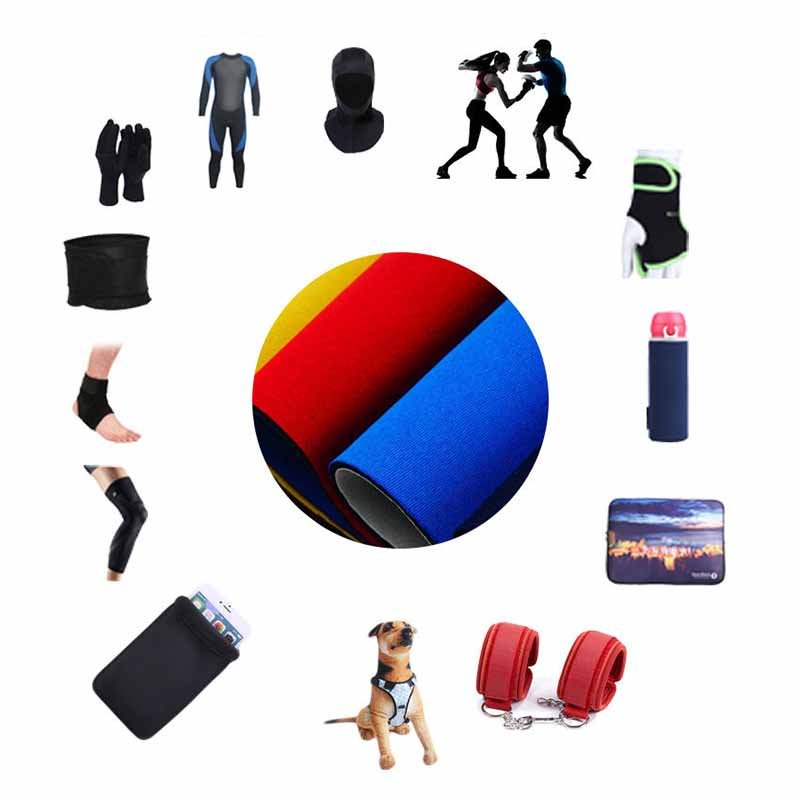
Custom Neoprene Products Manufacturer for Fitness Brands
From Concept to Scalable Production — Built on 18+ Years of Manufacturing Expertise
Oneier is a Shenzhen-based manufacturer established in 2007, specializing in the development and production of neoprene-based products for global fitness brands. With an integrated supply chain covering neoprene material production and multi-fabric manufacturing (polyester, nylon, canvas, cotton, and functional fabrics), Oneier delivers stable, scalable, and quality-controlled solutions for both emerging and established brands.
- 18+ years in neoprene product manufacturing
- Own neoprene factory + textile production capability
- MOQ starting from 100 pcs
- Fast sampling within 5–15 days
- 100% quality inspection before shipment
- Global delivery (EXW / FOB / DAP / DDP)
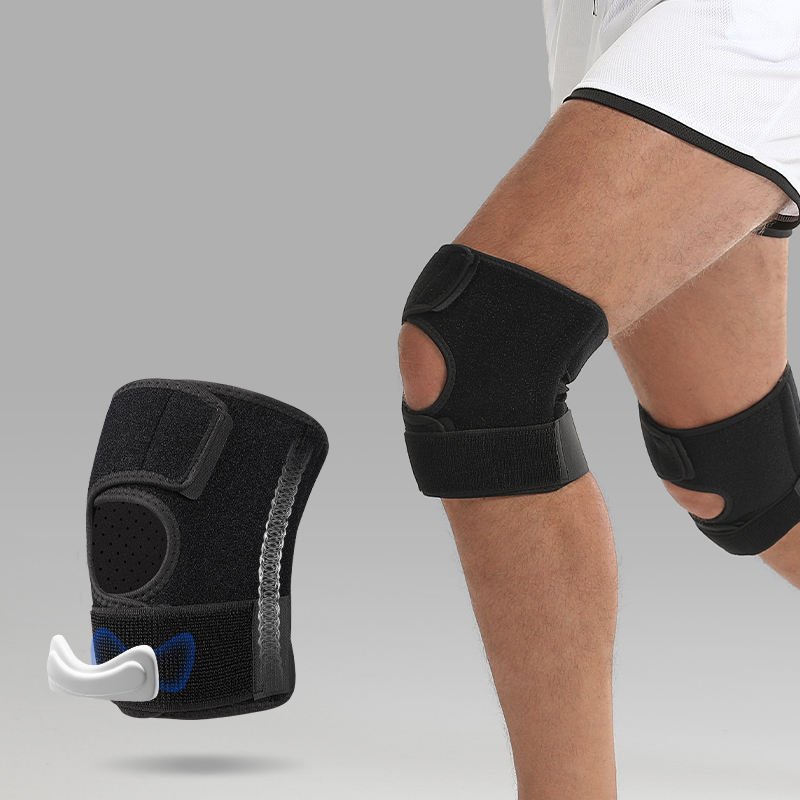
A Reliable Manufacturing Partner for Fitness Product Brands Since 2007
Built on Manufacturing, Not Trading
Oneier has been focused on turning product ideas into commercially viable neoprene products. The company operates with its own R&D team, sample development workshop, and multiple production facilities, allowing full control over design, prototyping, and bulk production.
Unlike trading companies, Oneier integrates raw material production and finished product manufacturing, ensuring consistency in quality, lead time, and cost structure.
Factory Structure & Core Capabilities
Oneier’s internal structure is designed to support both product development and scalable manufacturing.
- In-house R&D team for product structure and functionality development
- Dedicated sample workshop for fast prototyping (5–15 days)
- Multiple production lines for bags, sleeves, and protective gear
- Integrated material supply (neoprene, polyester, nylon, canvas, cotton, functional fabrics)
Production Experience Across Fitness Product Categories
Oneier has developed and manufactured a wide range of neoprene products, including:
- Gym bags and duffel bags
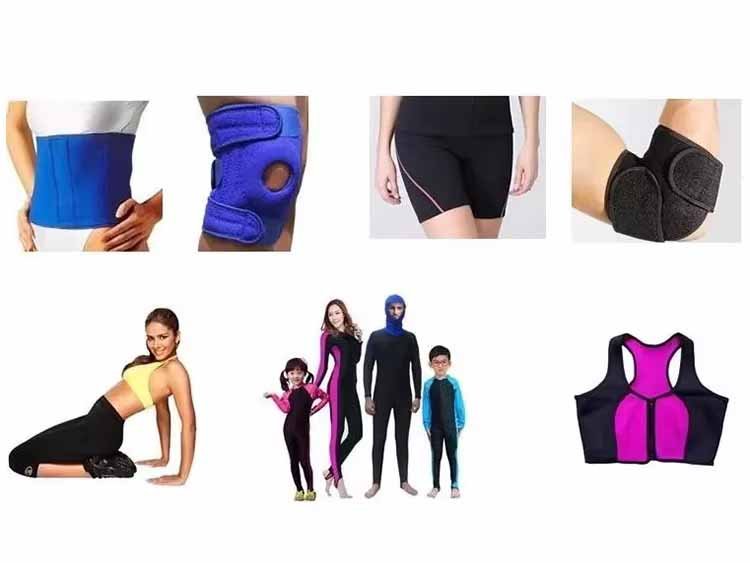
- Neoprene sleeves and supports (knee, elbow, waist)
- Fitness accessories (bottle holders, pouches, resistance products)
- Custom multi-product fitness kits
Global Client Base & Cooperation Model
Oneier works with clients across different markets, including:
- North America (fitness brands and e-commerce sellers)
- Europe (sports and lifestyle brands)
- Australia and emerging markets
Typical cooperation follows a clear path:
- Initial sampling and small batch order
- Product adjustment based on feedback
- Stable repeat production with optimized cost and structure
What Makes Oneier Different in Daily Operations
- Direct factory communication without intermediaries
- Stable material supply from in-house production
- Clear timelines before every order starts
- Fast response and problem-solving during production
- Consistent product quality across multiple batches
What Clients Value After Working with Oneier
- Reliable delivery schedules for ongoing orders
- Reduced need for repeated sampling once product is confirmed
- Ability to expand product lines within the same supply system
- Smooth communication without delays or misunderstandings
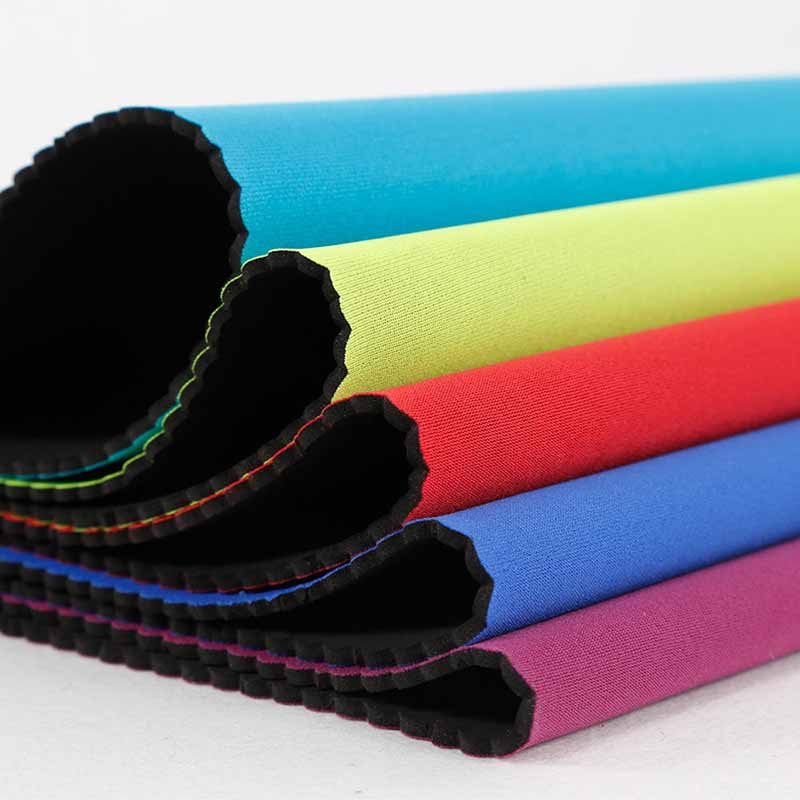
Neoprene Materials — From SBR to CR, Built for Fitness Product Performance
Neoprene Is the Foundation of High-Performance Fitness Products
Understanding Neoprene Types — SBR, SCR, and CR
SBR — Cost-Efficient and Functional
Key characteristics
- Good basic elasticity and flexibility
- Stable structure for general product use
- Lower cost compared to other neoprene types
- Moderate resistance to wear and aging
- Suitable for standard fitness products
- Works well in controlled environments
- Not ideal for high-end or heavy-duty applications
- Entry-level gym bags
- Bottle holders
- Promotional neoprene products
- Basic sleeves and accessories
- Projects with strong cost control requirements
- High-volume products
- Short-to-medium lifecycle products
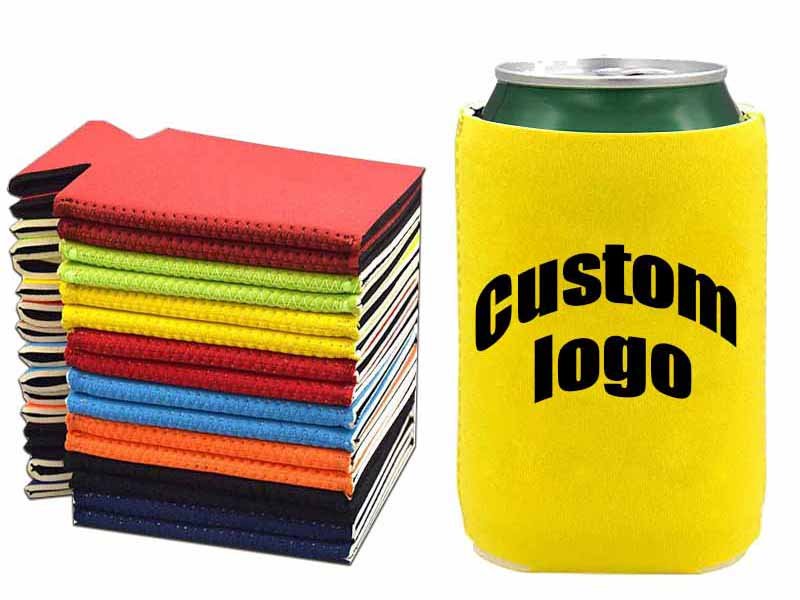
SCR — Balanced Performance and Cost
Key characteristics
- Combination of SBR and CR properties
- Improved elasticity and durability compared to SBR
- Better aging resistance and structural stability
- Mid-range cost with stable performance
Performance profile
- Balanced material widely used in commercial products
- Suitable for most fitness applications
- Good compromise between cost and performance
Typical applications
- Neoprene gym bags
- Knee sleeves and supports
- Yoga accessories
- General-purpose fitness products
When SCR is recommended
- Most standard fitness product lines
- Brands seeking reliable quality at controlled cost
- Products requiring both flexibility and durability
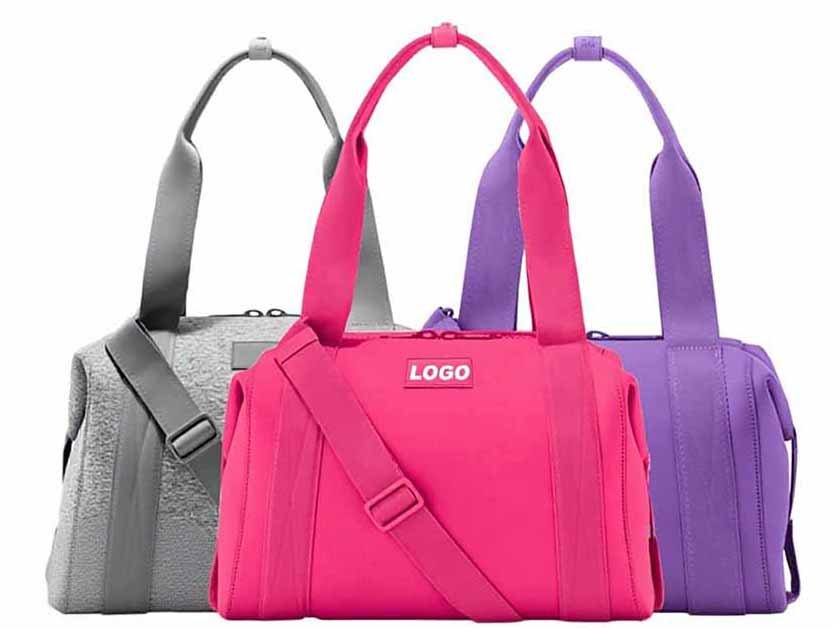
CR — Premium Performance Material
Key characteristics
- High elasticity and excellent recovery
- Strong resistance to aging, UV, and environmental stress
- Superior durability and long lifespan
- Better chemical and weather resistance
Performance profile
- High-end material used in premium products
- Maintains performance under heavy use
- Suitable for demanding environments
Typical applications
- Professional-grade knee sleeves
- High-performance support gear
- Wetsuits and water-related products
- Premium fitness accessories
When CR is used
- Premium product positioning
- Long-term use products
- Performance-focused fitness gear
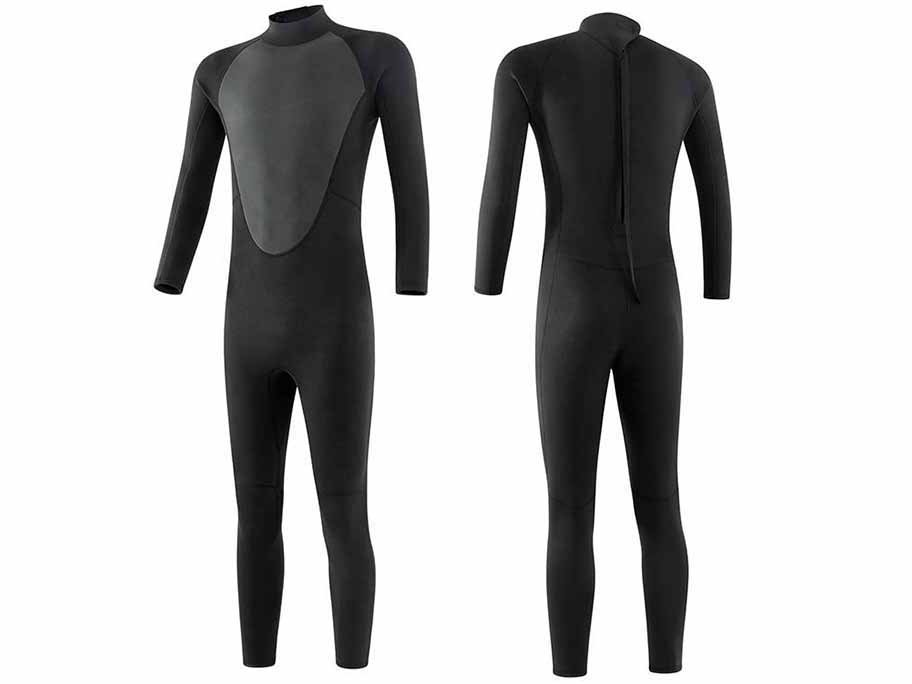
Comparison of Neoprene Types
| Property | SBR | SCR | CR |
|---|---|---|---|
| Cost | Low | Medium | High |
| Elasticity | Moderate | Good | Excellent |
| Durability | Moderate | Good | High |
| Aging Resistance | Low–Medium | Medium | High |
| UV Resistance | Low | Medium | High |
| Recommended Use | Entry-level products | Standard products | Premium products |
Key Performance Characteristics of Neoprene in Fitness Products
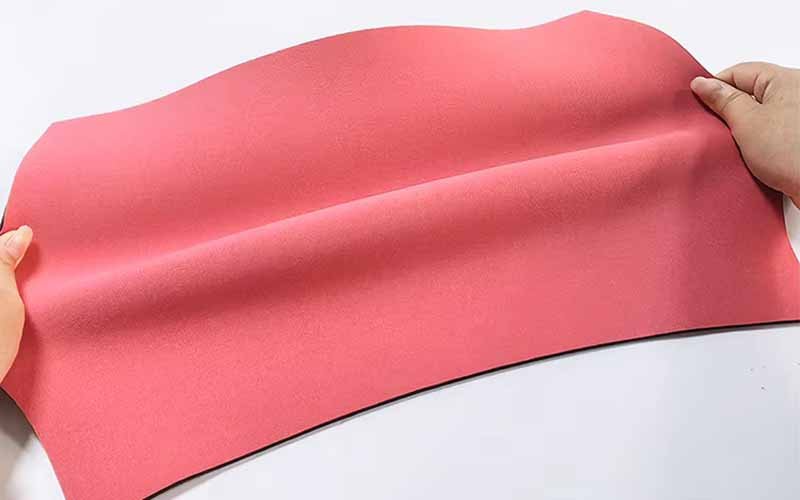
Elasticity and Recovery
- Allows products to stretch and return to original shape
- Essential for sleeves, supports, and wearable items
Shock Absorption
- Protects joints and equipment
- Reduces impact during training or transport
Water Resistance
- Performs well in sweat-heavy environments
- Suitable for gym, outdoor, and water-related products
Thermal Retention
- Maintains heat for compression and support gear
- Enhances performance in waist trimmers and sleeves
Structural Stability
- Maintains shape in bags and carriers
- Prevents deformation during use
Neoprene Thickness and Functional Impact
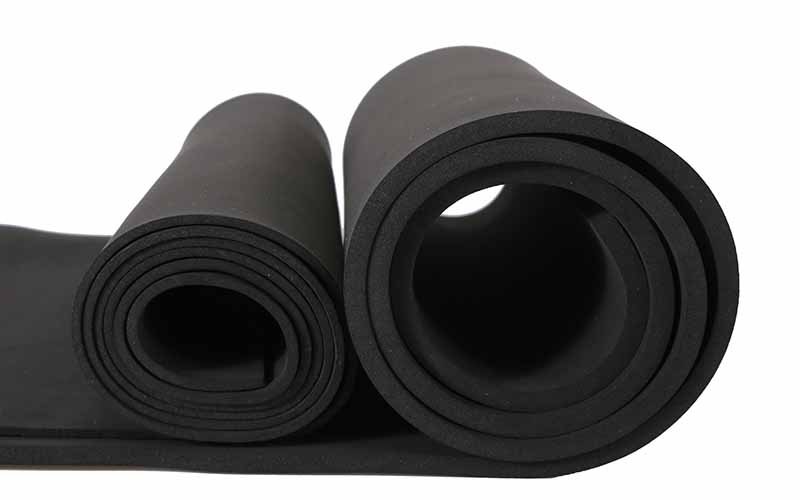
2mm Neoprene
- Lightweight and flexible
- Suitable for small accessories
- Easy to fold and carry
3mm Neoprene
- Balanced flexibility and structure
- Most commonly used for gym bags
- Good user comfort and durability
5mm Neoprene
- Strong support and cushioning
- Used for protective and compression products
- Higher durability for heavy use
Customized Thickness
- Adjusted based on product design
- Used for specialized performance requirements
Neoprene Manufacturing and Processing Techniques
Foaming and Sheet Formation
- Determines density, softness, and elasticity
- Impacts final product performance
Lamination Process
- Bonds neoprene with outer fabrics (polyester, nylon, etc.)
- Improves durability and appearance
- Enables better logo application
Cutting Techniques
- Precision die-cutting ensures consistent shapes
- Important for large-scale production accuracy
Sewing and Stitching
- Requires experience due to material thickness and elasticity
- Reinforced stitching used for load-bearing areas
Edge Finishing
- Clean edges improve appearance and durability
- Prevent material peeling or damage
Common Issues Without Proper Neoprene Selection
| Issue | Result / Impact |
|---|---|
| Material too soft | Product loses shape easily |
| Material too rigid | Uncomfortable to use |
| Low-quality neoprene | Faster aging and cracking |
| Incorrect thickness | Poor performance or higher cost |
| Weak lamination | Surface peeling or delamination |
Comprehensive Neoprene Product Range for Fitness Applications
Oneier develops and manufactures a wide range of neoprene-based products designed for gym, training, and active lifestyle scenarios. Product structures are optimized for durability, portability, and brand presentation.
Over the years, Oneier has built production experience across both simple high-volume items and more complex functional designs.
Neoprene Gym Bags & Carry Solutions
Designed for Daily Training, Travel, and Brand Visibility
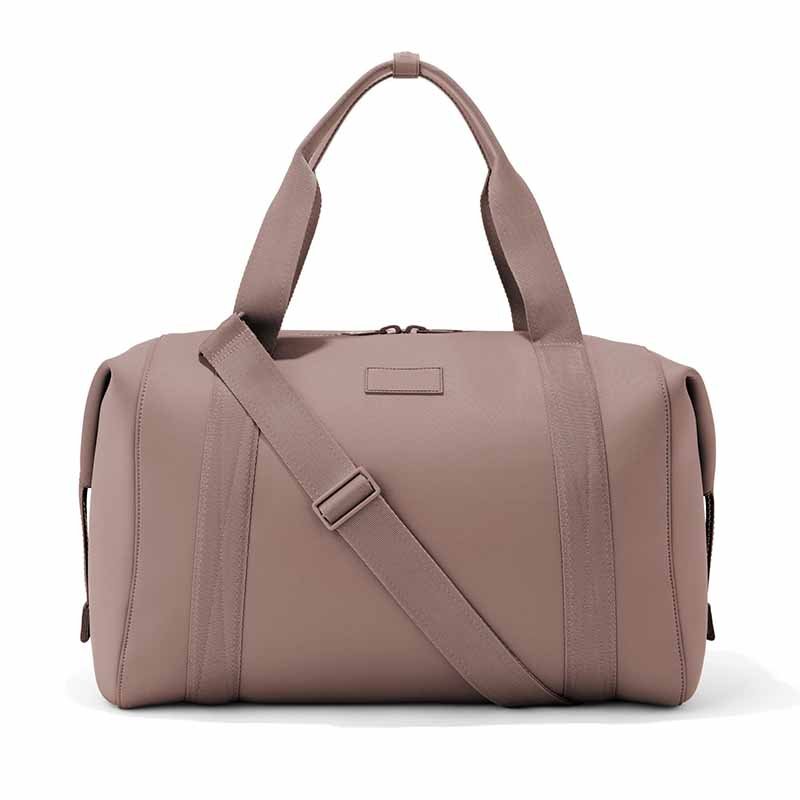
Gym bags are one of the most stable and repeatable product categories. Oneier produces different bag structures to match various usage needs, from compact daily bags to larger travel duffels.
Key product types
- Neoprene gym duffel bags
- Neoprene tote gym bags
- Neoprene crossbody gym bags
- Neoprene sports backpacks
- Neoprene travel fitness bags
- Neoprene shoe compartment gym bags
Functional features
- Reinforced handles and shoulder straps
- Multi-compartment storage design
- Lightweight but structured body (commonly 3mm SCR neoprene)
- Easy-to-clean and water-resistant surfaces
Typical use scenarios
- Gym training and daily workouts
- Short fitness trips
- Studio and class-based training
Oneier capability
- Stable production for repeat orders
- Custom structure development (pockets, compartments)
- Branding support across full bag collections
Neoprene Sleeves & Support Gear
Compression, Protection, and Performance-Focused Products
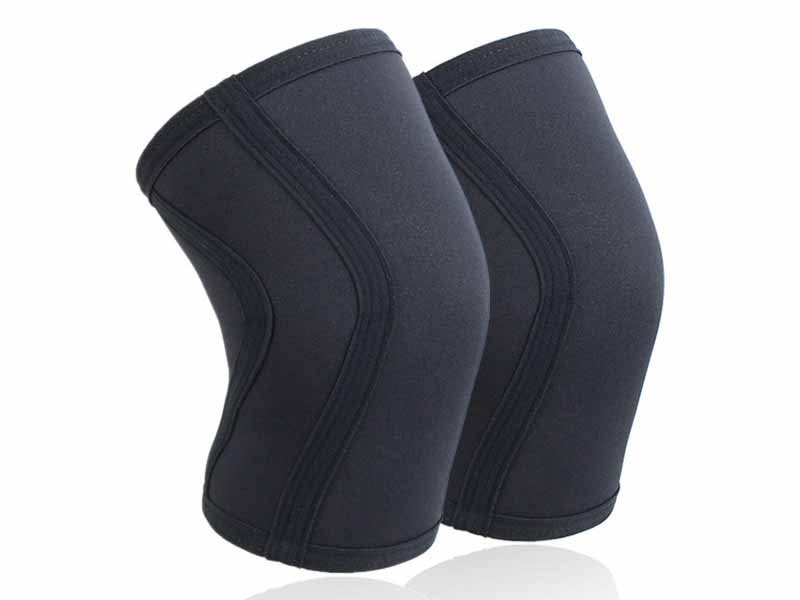
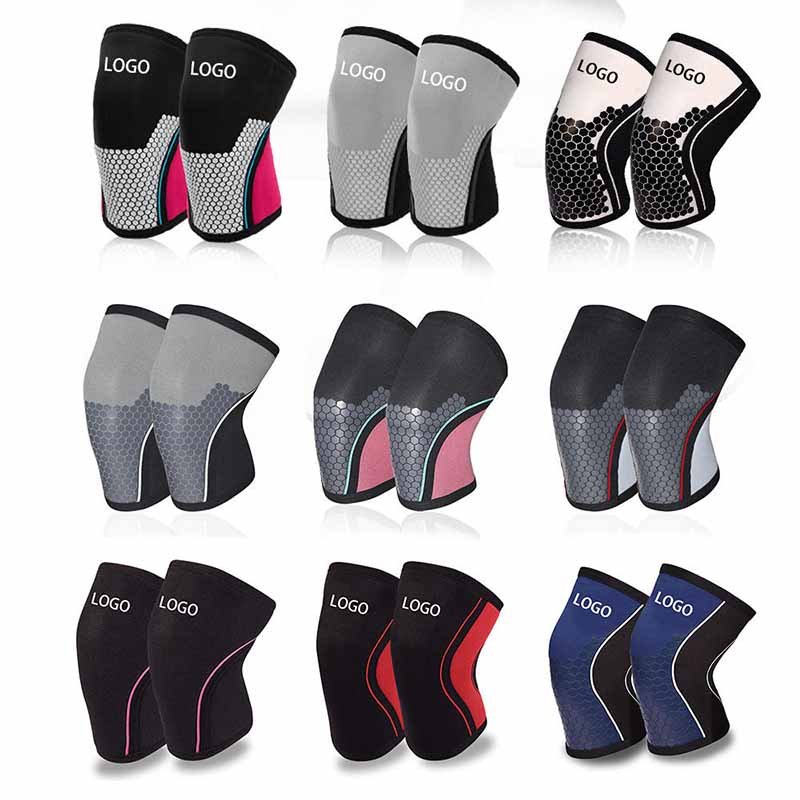
Support gear requires accurate material selection and structure control. Oneier works with different neoprene thicknesses (mainly 3mm–5mm SCR/CR) to achieve the right balance between flexibility and support.
Key product types
- Neoprene knee sleeves
- Neoprene elbow supports
- Neoprene ankle braces
- Neoprene wrist supports
- Neoprene waist trimmers
- Neoprene posture support belts
Functional features
- Compression and joint stabilization
- Thermal retention for muscle support
- Durable stitching for repeated use
- Comfortable inner lining for skin contact
Typical use scenarios
- Strength training and weightlifting
- Injury prevention and recovery
- Daily fitness routines
Oneier capability
- Experience in structure and compression balance
- Stable quality across different sizes and batches
- Support for performance-focused product lines
Neoprene Bottle Holders & Hydration Accessories
Lightweight, Practical, and High-Volume Products
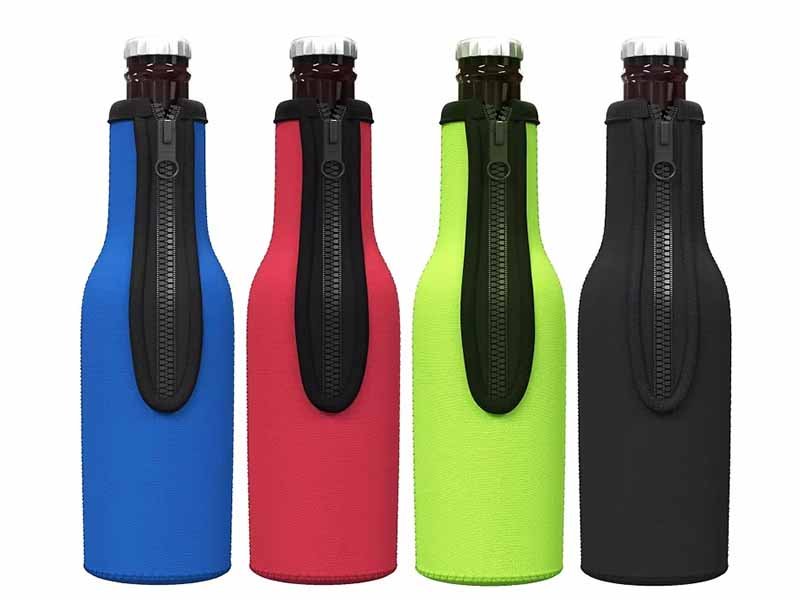
Bottle holders are one of the most popular neoprene items due to their simple structure and high usability. They are often used for promotional products or bundled with fitness kits.
Key product types
- Neoprene water bottle sleeves
- Neoprene bottle carriers with straps
- Neoprene can coolers (koozies)
- Neoprene hydration sleeves
Functional features
- Thermal insulation for temperature control
- Lightweight and easy to carry
- Flexible structure to fit different bottle sizes
- Clean surface for logo printing
Typical use scenarios
- Gym hydration
- Outdoor training
- Promotional and event products
Oneier capability
- Fast sampling within 5–7 days
- Efficient production for large-volume orders
- Consistent logo application across batches
Neoprene Fitness Accessories & Small Gear
Flexible Products for Expanding Product Lines
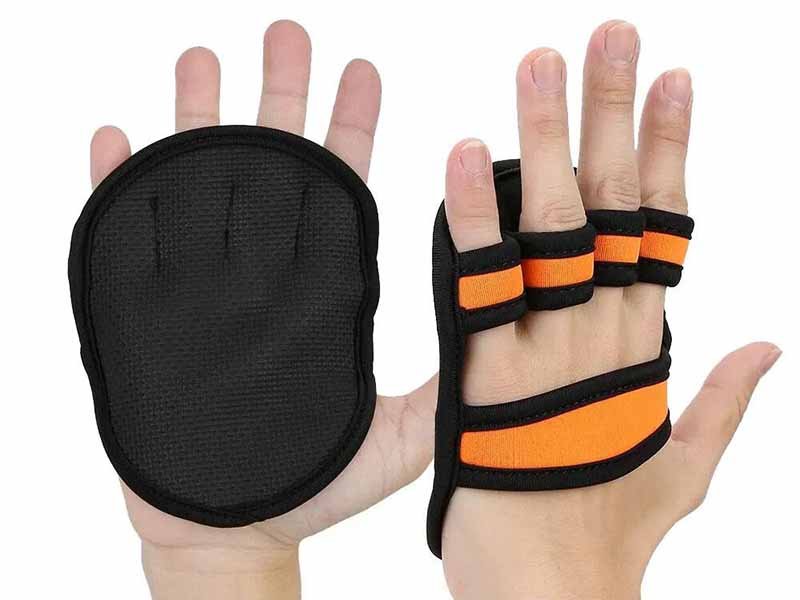
Small accessories allow brands to quickly expand SKU ranges with lower development cost and faster production cycles.
Key product types
- Neoprene gym pouches
- Neoprene phone holders / armbands
- Neoprene key holders
- Neoprene resistance band covers
- Neoprene grip pads
- Neoprene accessory kits
Functional features
- Lightweight and portable
- Easy to bundle with other products
- High customization flexibility
- Suitable for branding and promotional use
Typical use scenarios
- Gym training
- Running and outdoor fitness
- Starter product lines for new brands
Oneier capability
- Low MOQ starting from 100 pcs
- Fast development for multiple SKUs
- Support for bundled product sets
Neoprene Yoga & Training Equipment Accessories
Supporting Studio Training and Home Fitness
Yoga and training accessories require a balance between flexibility, comfort, and durability. Neoprene provides both cushioning and structure for these applications.
Key product types
- Neoprene yoga mat carriers
- Neoprene yoga straps
- Neoprene mat storage bags
- Neoprene training pads
- Neoprene dumbbell covers
Functional features
- Soft and comfortable handling
- Protective cushioning
- Easy storage and transport
- Durable for repeated use
Typical use scenarios
- Yoga studios
- Home workouts
- Group training sessions
Oneier capability
- Matching product sets for yoga brands
- Consistent material and color across collections
- Flexible customization for design and branding
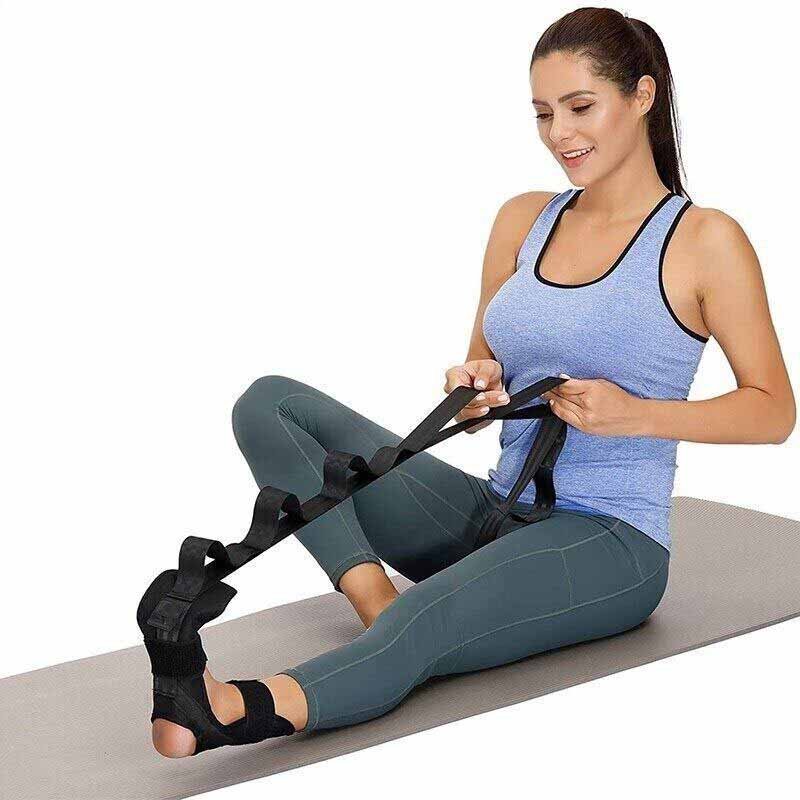
Neoprene Protective Cases & Functional Covers
Protection-Focused Products for Equipment and Accessories
Neoprene’s shock-absorbing properties make it ideal for protective applications. These products are often used alongside fitness equipment.
Key product types
- Neoprene equipment covers
- Neoprene laptop / tablet sleeves
- Neoprene protective pouches
- Neoprene gear cases
Functional features
- Impact protection
- Scratch resistance
- Flexible and lightweight structure
- Easy storage and portability
Typical use scenarios
- Gym equipment protection
- Travel and storage
- Fitness-related electronics and accessories
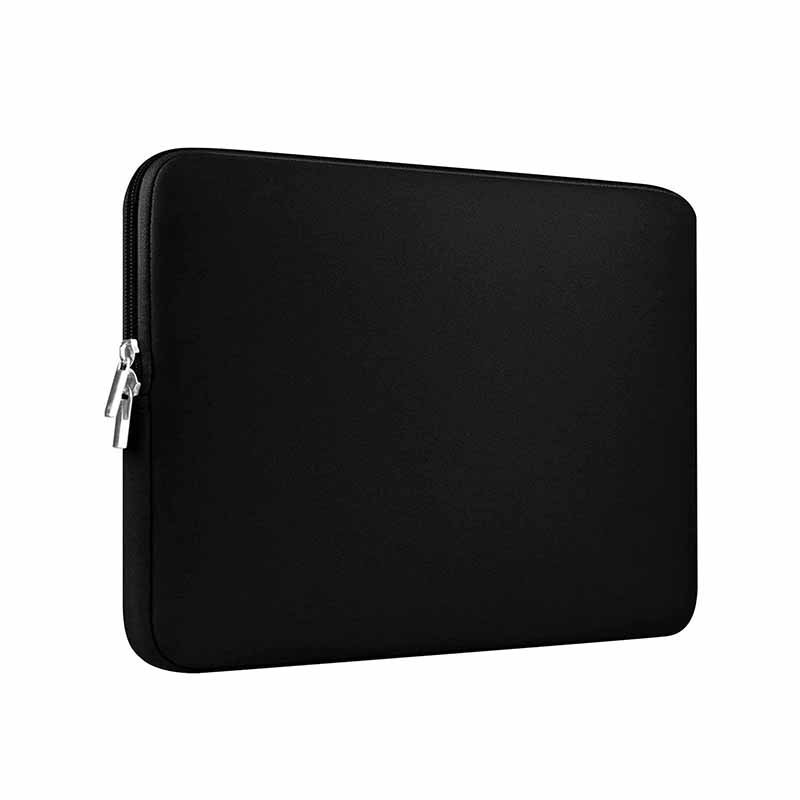
Neoprene Wetsuits & Specialized Performance Products
Advanced Products Requiring Higher Material Control
For more technical applications, Oneier also supports neoprene-based products that require higher material precision and construction.
Key product types
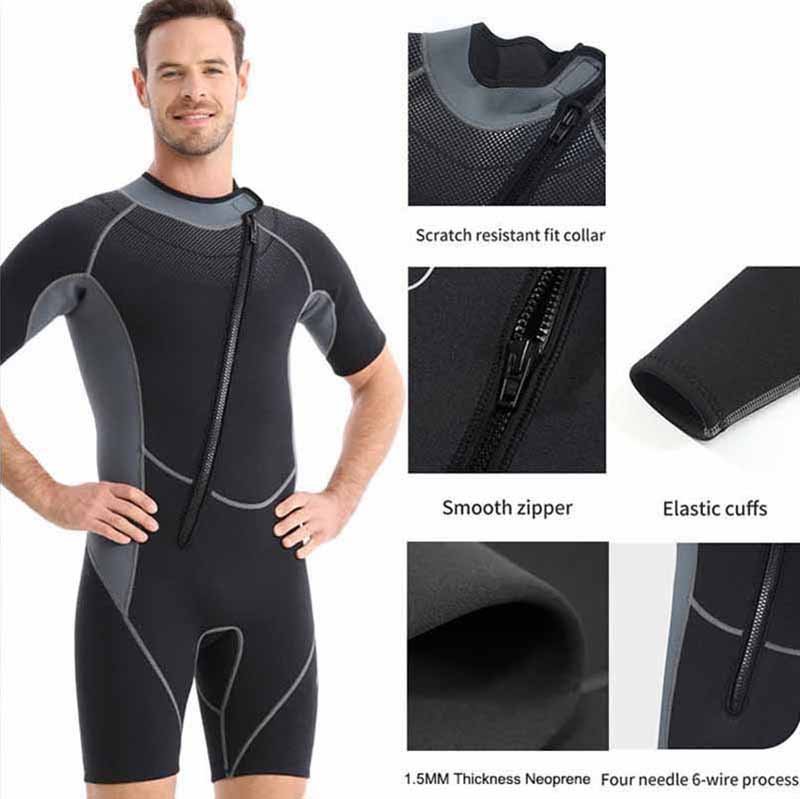
- Neoprene wetsuits
- Neoprene diving accessories
- Neoprene performance wear components
Functional features
- Thermal insulation
- High elasticity and fit
- Water resistance and durability
Oneier capability
- Experience with complex neoprene structures
- Support for specialized product development
- Controlled material selection (SCR / CR)
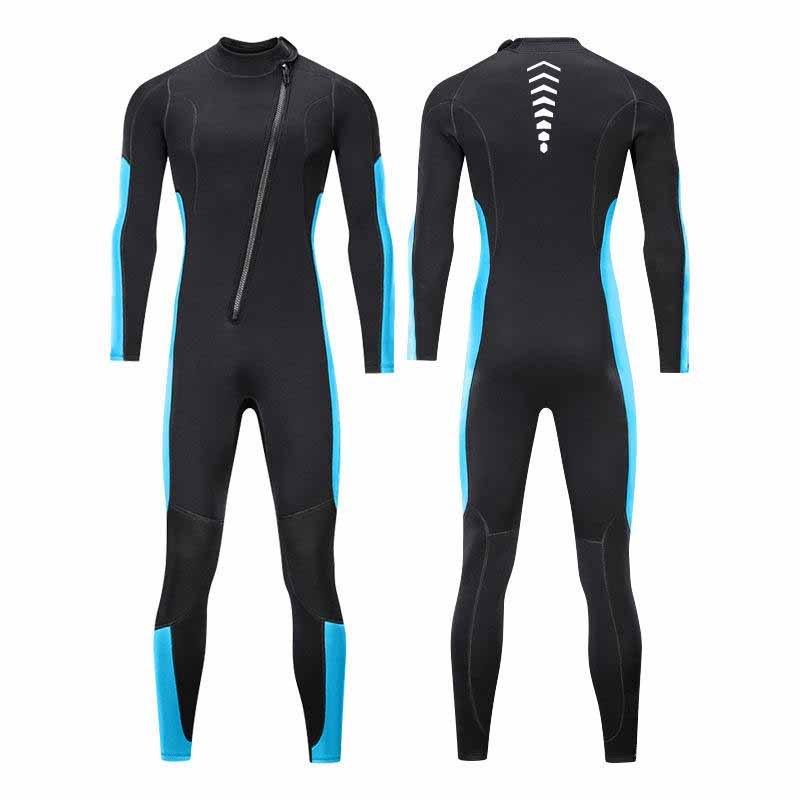
Product Category Overview
| Category | Product Examples | Development Complexity | Production Stability |
|---|---|---|---|
| Gym Bags | Duffel, tote, backpack | Medium–High | High |
| Support Gear | Knee, elbow, waist | High | High |
| Bottle Holders | Sleeves, carriers | Low | Very High |
| Accessories | Pouches, armbands | Low–Medium | High |
| Yoga Products | Carriers, straps | Medium | High |
| Protective Cases | Covers, sleeves | Medium | High |
| Wetsuits | Performance wear | High | Medium |
Customization & Co-Development for Fitness Products
Turn Concepts into Scalable Products
Oneier supports fitness brands from initial idea to production-ready product through a structured co-development process. Whether starting from sketches, reference samples, or just a concept, the internal R&D team translates ideas into manufacturable designs.
Over the past 18+ years, most long-term clients began with 1–2 custom SKUs and expanded into full product lines after validating the first samples.
What can be customized
- Product structure (size, compartments, reinforcement)
- Material combinations (neoprene + nylon / polyester / canvas)
- Thickness and density of neoprene
- Functional features (water resistance, insulation, compression)
- Accessories (zippers, buckles, straps, hooks)
Development workflow
- Concept discussion (design files, references, or idea outline)
- Technical evaluation by R&D team
- Sampling (5–7 days standard / 7–15 days for complex designs)
- Feedback and adjustments
- Final sample confirmation before production
Typical development timeline
| Stage | Time Required |
|---|---|
| Design evaluation | 1–2 days |
| Sample development | 5–15 days |
| Sample revision (if needed) | 3–7 days |
| Production preparation | 3–5 days |
Logo & Branding Solutions for Fitness Brands
Build Recognizable Products That Strengthen Brand Identity
Fitness products are not only functional but also highly visual. Oneier provides multiple branding techniques that balance durability, cost, and appearance, depending on product positioning.
From entry-level gym accessories to premium fitness collections, branding solutions are adapted to match market expectations.
Core Logo Application Methods
Different logo techniques are selected based on product structure, neoprene surface, and branding requirements.
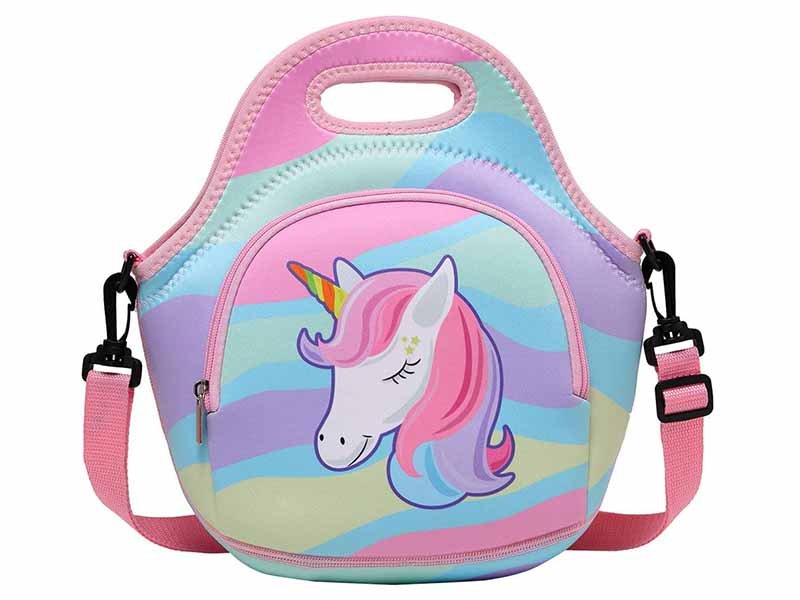
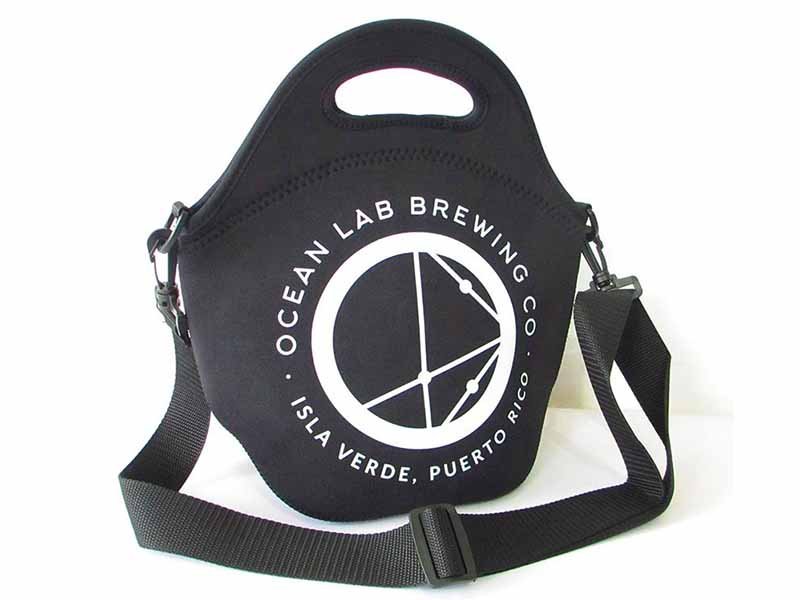
Heat Transfer Printing
- Smooth and clean logo appearance
- Suitable for complex graphics and multi-color designs
- Cost-efficient for medium to large production runs
- Commonly used on neoprene gym bags and accessories
Screen Printing
- Solid color printing with strong adhesion
- Suitable for bold and simple logos
- Good durability under regular use
- Often used for bottle holders and pouches
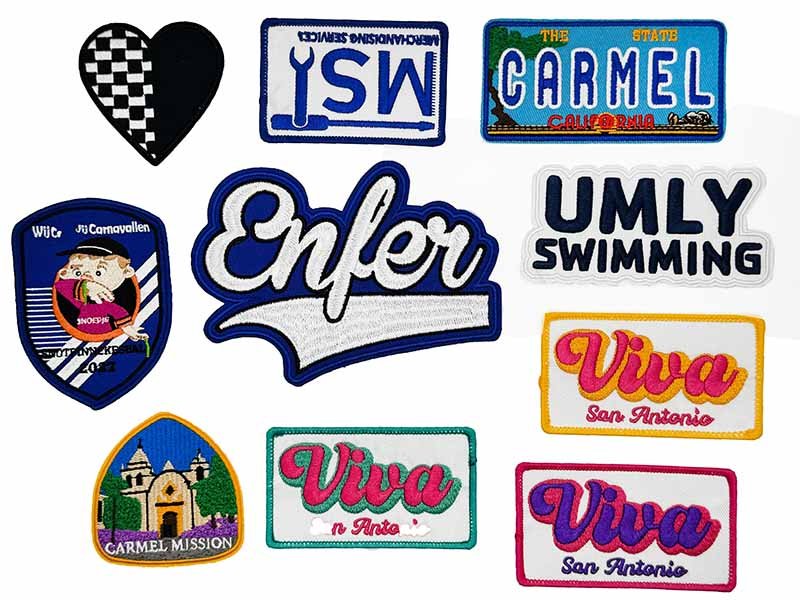
Embroidery
- Premium and textured visual effect
- Strong durability for long-term use
- Suitable for thicker neoprene products (bags, supports)
- Enhances perceived product value
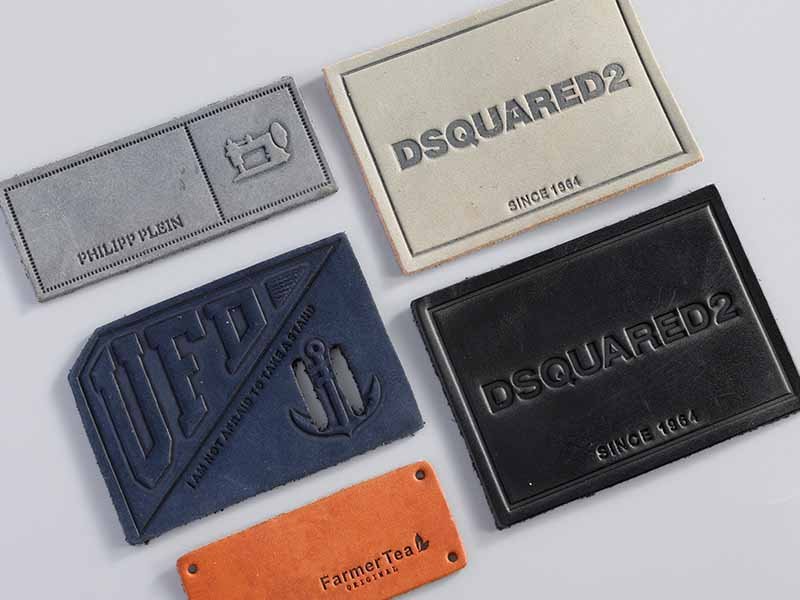
Embossed Logo
- Logo integrated into neoprene surface
- Minimalist and high-end appearance
- No color fading or peeling
- Ideal for premium fitness brands
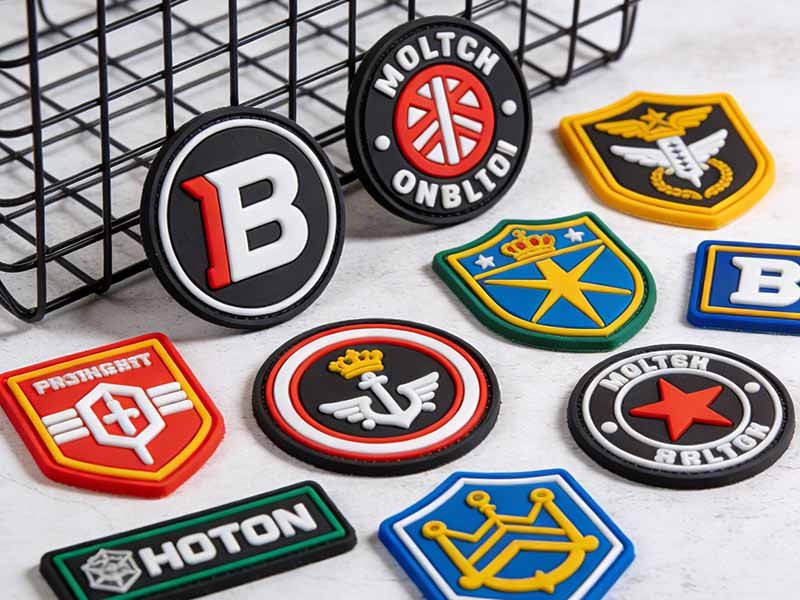
Silicone / PVC Patch
- 3D effect with strong brand presence
- High durability and impact resistance
- Suitable for sports and performance branding
- Common on gym bags and backpacks
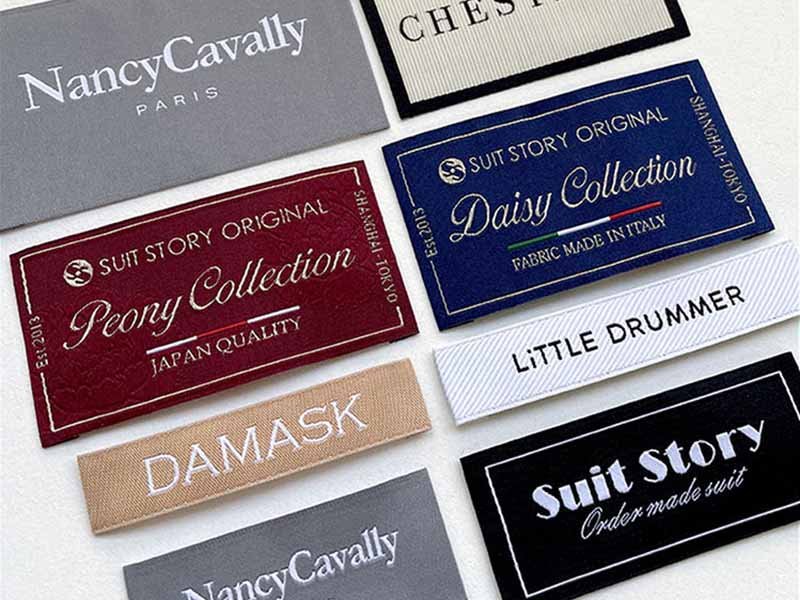
Woven Labels and Rubber Badges
- Clean and structured brand identity
- Suitable for inner labels or subtle external branding
- Supports consistent branding across product lines
Logo Method Selection Guide
| Logo Method | Visual Style | Durability | Cost Level | Best For |
|---|---|---|---|---|
| Heat Transfer | Clean, detailed | Medium | Medium | Gym bags, accessories |
| Screen Printing | Bold, simple | Medium–High | Low–Medium | Bottle holders, pouches |
| Embroidery | Premium, textured | High | Medium–High | Bags, sleeves |
| Embossing | Minimal, high-end | Very High | Medium | Neoprene surfaces |
| Silicone Patch | 3D, sporty | Very High | Medium–High | Backpacks, duffels |
| Woven Label | Clean, subtle | High | Low | Inner branding |
Branding Placement Options
Brand visibility depends not only on the logo method but also on placement. Common logo positions
- Front panel (main branding area)
- Side panels (secondary branding)
- Handles and straps
- Zipper pullers
- Inner labels
- Packaging elements
Consistency Across Product Lines
For fitness brands building a product range, consistency in branding is critical. Oneier supports unified branding across multiple SKUs. What can be standardized
- Logo size and positioning
- Color matching across materials
- Branding method consistency
- Packaging and labeling style
Packaging & Retail-Ready Branding
Branding is not limited to the product itself. Packaging also plays an important role in presentation, especially for e-commerce and retail. Available packaging options
- Custom printed polybags
- Branded hangtags
- Woven labels with product information
- Barcode labeling for retail
- Simple eco-friendly packaging options
Common Branding Issues Avoided in Production
- Logo misalignment between batches
- Color variation due to inconsistent printing
- Peeling or fading after use
- Incorrect logo size or proportion
- Weak adhesion on neoprene surfaces
R&D and Product Innovation Capability
From Functional Design to Market-Ready Products
Oneier’s R&D team focuses on developing products that perform well in real fitness environments. This includes improving structure, usability, and durability based on actual usage scenarios.
Instead of only producing existing designs, the team works on adapting products to specific brand positioning and market needs.
R&D capabilities
- Product structure development (load-bearing, reinforcement, ergonomics)
- Material testing (elasticity, durability, abrasion resistance)
- Function integration (insulation, compression, multi-use design)
- Sample iteration based on feedback
What gets tested during development
- Neoprene thickness vs flexibility balance
- Stitching strength and load capacity
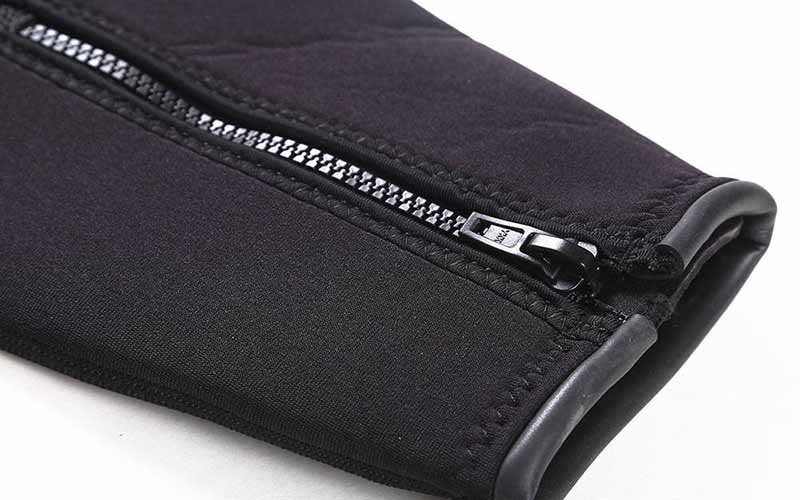
- Zipper durability under repeated use
- Strap reinforcement for heavy loads
Example of practical optimization
- Gym bags: reinforced bottom panels to prevent deformation
- Knee sleeves: optimized compression levels for comfort and support
- Bottle holders: improved insulation layers for temperature retention
Innovation focus areas
- Multi-functional fitness products
- Lightweight but durable structures
- Cost-efficient material combinations
- Product sets and bundled SKUs
Production Process — From Sample to Bulk Manufacturing
Structured Production for Consistent Quality and Delivery
Oneier follows a standardized production workflow that ensures every order meets quality requirements and delivery timelines. Each stage is managed with clear checkpoints to reduce errors and maintain consistency.
Design confirmation
Final sample approved with all specifications (material, size, logo, structure)
Material preparation
Neoprene and fabrics prepared based on confirmed specifications
Cutting process
Precision cutting to ensure consistent sizing
Sewing and assembly
Skilled workers handle stitching, reinforcement, and structure building
Logo application
Branding added according to selected method
Quality inspection
100% inspection before packaging
Packaging and shipment
Packed according to client requirements and shipped globally
Production Capacity & Lead Time
Stable Output for Both Small Runs and Scaling Orders
Oneier is structured to support both initial trial orders and long-term repeat production. With multiple production lines dedicated to neoprene bags, accessories, and protective gear, capacity can be adjusted based on order size and product complexity.
Most fitness brands start with 100–300 pcs per SKU and gradually scale to larger volumes after market validation.
Production capability overview
MOQ: 100 pcs per design
Sample lead time:
- 5–7 days for standard products
- 7–15 days for custom structures or new molds
Bulk production lead time:
- 25–30 days for most orders
Parallel production lines available for multi-SKU orders
Monthly production capacity
| Product Type | Monthly Output |
|---|---|
| Neoprene bags | 30,000 – 50,000 pcs |
| Sleeves & supports | 50,000 – 80,000 pcs |
| Small accessories | 80,000+ pcs |
Quality Control & Assurance System
100% Inspection Before Shipment — No Exceptions
Quality consistency is critical in fitness products, especially for items exposed to stress, sweat, and repeated use. Oneier applies a full inspection system across all stages of production.
Every order is checked before shipment to ensure it meets agreed specifications.
Quality control workflow
- Raw material inspection (neoprene thickness, fabric quality, color consistency)
- In-line inspection during production
- Final inspection before packaging
- Random carton checks before shipment
Inspection focus areas
- Stitching strength and reinforcement
- Logo placement and clarity
- Size accuracy and structure consistency
- Zipper functionality and accessory quality
- Surface finishing (no stains, defects, or deformation)
Logistics & Global Shipping Solutions
Flexible Delivery Options for Different Order Needs
Oneier supports multiple shipping methods depending on order size, urgency, and cost considerations. Logistics planning is handled based on each project to ensure smooth delivery.
Shipping methods
- Express (DHL, FedEx, UPS) — suitable for samples and urgent orders
- Air freight — balance between speed and cost
- Sea freight — cost-efficient for large volume shipments
Typical shipping timelines
| Method | Transit Time |
|---|---|
| Express | 3–7 days |
| Air freight | 7–12 days |
| Sea freight | 20–40 days |
Supported trade terms
- EXW (Ex Works)
- FOB (Free on Board)
- DAP (Delivered at Place)
- DDP (Delivered Duty Paid)
Logistics support includes
- Export documentation preparation
- Carton labeling and packaging standards
- Coordination with freight forwarders
- Delivery tracking updates
Packaging approach
- Standard export cartons with reinforced protection
- Custom packaging available for retail-ready products
- Optimized carton sizes to reduce shipping cost
Payment Terms & Transaction Flexibility
Multiple Payment Options to Support Different Business Models
Oneier provides flexible payment methods to support both small and medium-sized brands as well as established companies.
Accepted payment methods
- T/T (bank transfer)
- PayPal
- Credit card
- Alibaba Trade Assurance
- Alipay
- Western Union
Typical payment structure
- 30% deposit before production
- 70% balance before shipment
Why flexibility matters
- Easier onboarding for new brands
- Secure transaction options for international clients
- Suitable for different company structures and regions
Transaction advantages
- Fast payment confirmation
- Clear financial process before production starts
- Support for small trial orders and scaling orders
Security and transparency
- Order details confirmed before payment
- Production starts only after deposit confirmation
- Final inspection completed before balance payment
Communication & Project Management
Clear Communication from First Inquiry to Final Delivery
Smooth communication is often the difference between a successful order and a delayed project. Oneier assigns a dedicated sales representative to each project, ensuring consistent follow-up from sampling to shipment.
The team works with international clients daily and maintains stable communication across different time zones.
Communication channels
- Email (formal documentation and confirmation)
- WhatsApp / WeChat (daily updates and quick discussions)
- Video calls (design review, factory walkthrough, problem solving)
Response standards
- Initial response within 12–24 hours
- Quotation provided after requirement confirmation
- Regular updates during sampling and production
Project management workflow
- Requirement confirmation (product specs, quantity, timeline)
- Quotation and feasibility check
- Sample development and feedback
- Production scheduling
- Progress updates during manufacturing
- Final inspection and shipment confirmation
What clients experience in real projects
- Clear timelines before production starts
- Quick clarification on design or material questions
- Real-time updates when needed
- Direct communication without layers
Case Studies — From Trial Orders to Repeat Production
Real Production Results with Fitness Brands
Over the years, Oneier has supported different types of fitness brands, from startups launching their first product to established companies expanding product lines.
Below are examples based on real production scenarios.
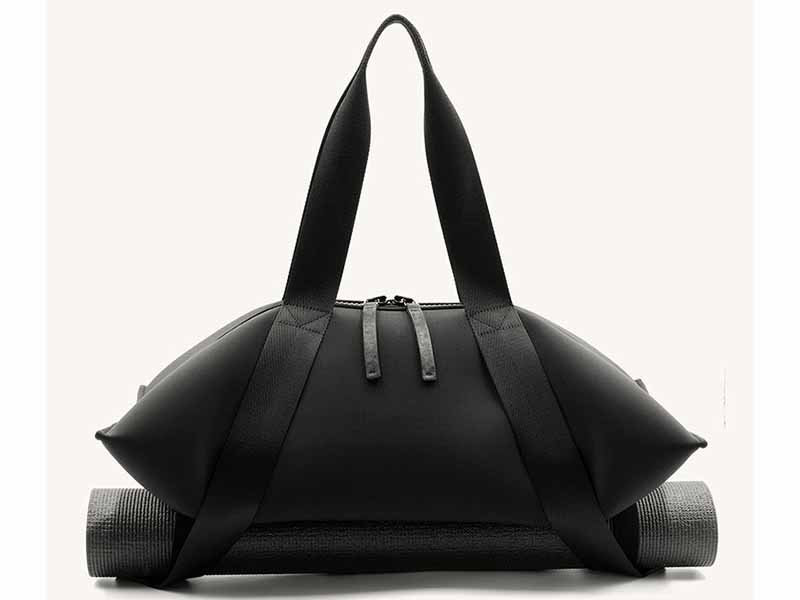
Case 1 — US Fitness Brand
Project details
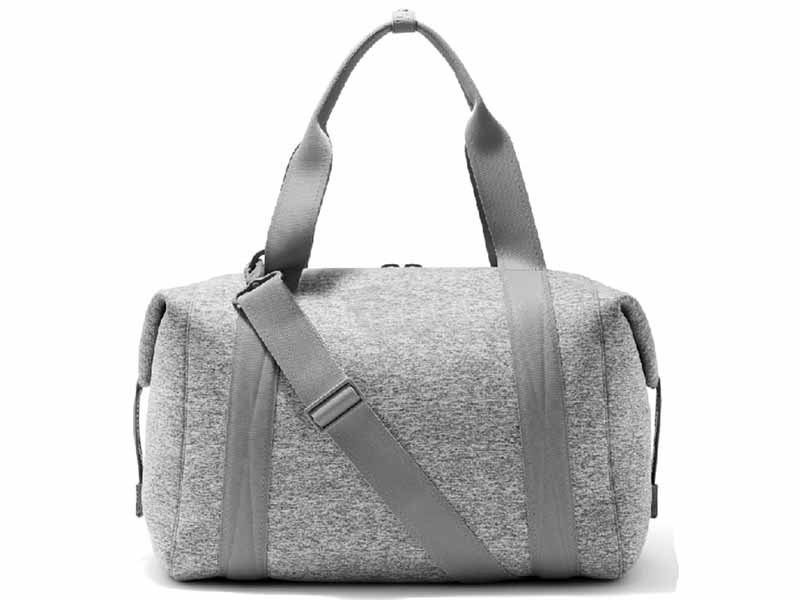
- Product: Neoprene gym duffel bags
- Initial order: 200 pcs
- Expanded order: 2,000+ pcs within 3 months
- Required a balance between lightweight structure and durability
- Needed reinforced straps for heavy gym use
- Adjusted neoprene thickness + added reinforced stitching
- Improved bottom panel structure to prevent deformation
- Product successfully launched and scaled
- Stable repeat orders established
Case 2 — European Yoga Brand
Project details
- Product: Neoprene yoga mat carriers
- Order quantity: 300 pcs initial run
- Required clean design with consistent branding
- Needed soft but durable material for daily use
- Selected optimized neoprene thickness for flexibility
- Applied embossed logo for a minimal premium look
- High consistency across all units
- Follow-up orders placed after first batch
Case 3 — E-commerce Brand
Project details
- Product: Multi-item neoprene fitness accessory kits
- Channels: Amazon & Shopify
- Needed cost control for competitive retail pricing
- Required consistent packaging for bundled products
- Optimized material combination to reduce cost
- Standardized packaging for all SKUs
- Improved product margin
- Increased reorder frequency
Oneier vs Other Manufacturers
Clear Differences That Impact Long-Term Cooperation
Choosing the right manufacturer affects not only the first order but also future scalability, product consistency, and overall business efficiency.
Below is a comparison based on typical market conditions.
| Key Factor | Oneier | Typical Supplier |
|---|---|---|
| Manufacturing Type | Direct factory (since 2007) | Trading company or mixed sourcing |
| Material Control | Own neoprene + fabric production | Outsourced materials |
| MOQ | 100 pcs | 300–500 pcs |
| Sampling Speed | 5–15 days | 15–25 days |
| Production Lead Time | 25–30 days | 30–45 days |
| Quality Control | 100% inspection | Random inspection |
| Customization | Full co-development support | Limited adjustments |
| Communication | Direct, fluent English | Often indirect or delayed |
After-Sales Support & Long-Term Cooperation
Built for Repeat Orders, Not One-Time Transactions
Oneier focuses on long-term production relationships rather than one-off orders. Many clients continue working together across multiple product cycles after the initial collaboration.
Support after shipment
- Follow-up on product feedback
- Assistance with product improvements
- Support for repeat orders with consistent specifications
Repeat order advantages
- Faster production due to existing specifications
- Reduced sampling time
- Stable pricing and material sourcing
Ongoing cooperation support
- Product upgrades based on market feedback
- Material adjustments for cost or performance optimization
- Planning for seasonal or promotional product launches
What long-term cooperation looks like
- First order: small quantity for testing
- Second order: adjusted based on feedback
- Third order and beyond: stable, scalable production
FAQs — Key Questions Before Starting Production
Oneier offers a flexible minimum order quantity starting from 100 pcs per design, which is suitable for both new product testing and small-to-medium production runs. Since 2007, many fitness brands have started with small trial orders to validate their products before scaling to larger volumes. This MOQ structure allows brands to control inventory risk while still working with a direct manufacturer that supports consistent quality and repeat production.
Sampling time depends on the complexity of the product and the level of customization required. For standard neoprene products such as gym bags or bottle holders, sampling usually takes around 5–7 days. For more complex designs involving custom structures, new molds, or specific functional requirements, sampling typically takes 7–15 days. Oneier’s in-house sample workshop allows faster turnaround compared to suppliers that rely on external development.
The standard production lead time at Oneier is approximately 25–30 days after sample confirmation and deposit payment. This timeline has been optimized through internal production planning and stable material supply. For repeat orders where specifications are already confirmed, production can often be scheduled more efficiently, reducing preparation time and improving delivery predictability.
Yes, Oneier supports full customization based on design files, reference samples, or even initial product concepts. The internal R&D team works closely with each project to adjust structure, material selection, and functionality so that the product can be manufactured consistently at scale. This process has been refined over more than 18 years of experience, helping brands move from idea to production with fewer revisions and clearer outcomes.
Oneier works with different neoprene types including SBR, SCR, and CR, depending on product requirements and positioning. SBR is typically used for cost-sensitive products, SCR is the most commonly used option for balanced performance, and CR is applied in premium or high-performance products requiring better durability and resistance. The appropriate material is selected based on product function, expected usage, and target market.
Quality control is applied throughout the entire production process. This includes raw material inspection, in-line checks during production, and 100% final inspection before shipment. Each product is checked for stitching strength, logo accuracy, size consistency, and overall appearance. Since Oneier operates as a direct manufacturer with integrated material control, it is easier to maintain consistent quality across both samples and bulk orders.
Oneier supports multiple shipping options including express delivery, air freight, and sea freight, depending on order size and urgency. Trade terms include EXW, FOB, DAP, and DDP, allowing flexibility based on different business needs. The team also assists with export documentation, packaging standards, and shipment coordination to ensure smooth delivery from factory to destination.
Oneier offers a range of payment methods to accommodate different types of clients and transaction preferences. These include T/T (bank transfer), PayPal, credit card, Alibaba Trade Assurance, Alipay, and Western Union. The standard payment structure is a deposit before production and the balance before shipment, ensuring that both production scheduling and quality inspection are completed in a clear and controlled process.
Start Your Custom Neoprene Product Project
From Idea to Production — Clear and Efficient Process
Whether launching a new product or expanding an existing line, Oneier provides a structured approach to move projects forward efficiently.
How to get started
- Share product idea, design, or reference
- Receive quotation and feasibility feedback
- Develop and confirm samples
- Start production with clear timeline
What to prepare for faster quotation
- Product type (bag, sleeve, accessory, etc.)
- Estimated size and structure
- Quantity
- Logo requirements
- Target market or usage
- +86 13823134897
- info@neoprene-bag.com