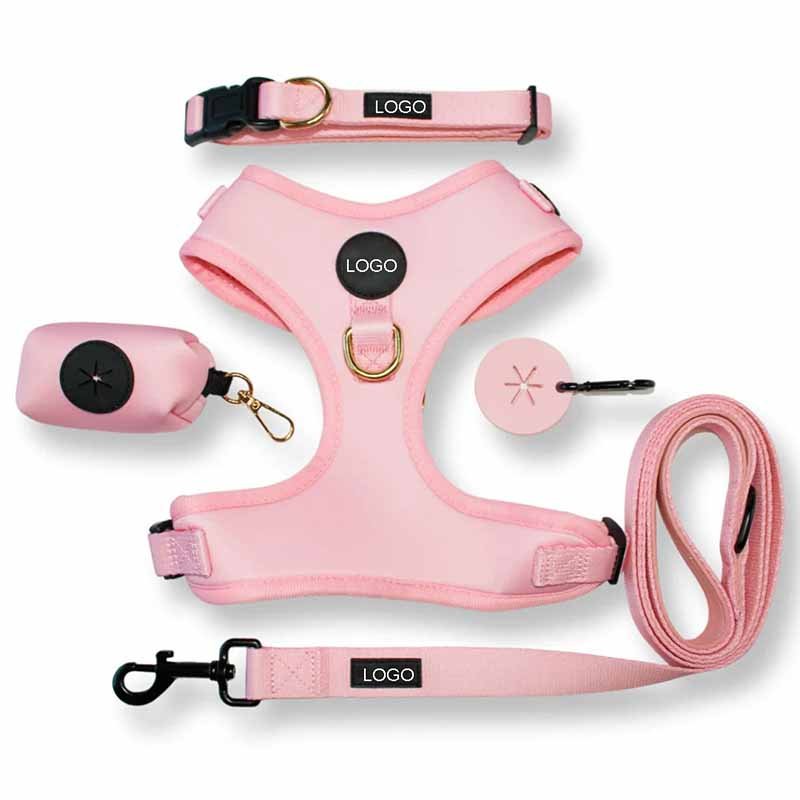
Neoprene Manufacturer for Pet Brands | Custom Pet Products Factory in China
From Daily Pet Essentials to Branded Product Lines
Oneier is a Shenzhen-based manufacturer specializing in neoprene product development for global pet brands. With its own neoprene production capability and integrated fabric supply system, Oneier supports custom pet products such as dog harnesses, leashes, collars, pet toys, and travel accessories.
- Own neoprene factory with stable material supply
- MOQ from 100 pcs for flexible product testing
- Sampling within 5–15 days
- Production lead time: 25–30 days
- 100% inspection before shipment
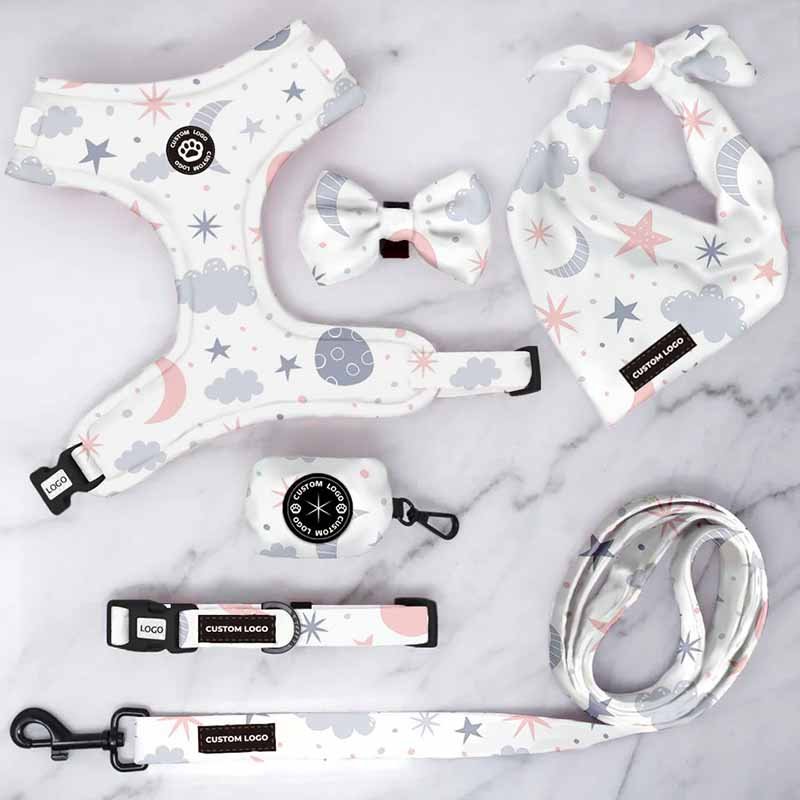
A Reliable Manufacturing Partner for Pet Product Brands
Established Manufacturing System with Long-Term Stability
Oneier was established in Shenzhen in 2007 and has focused on neoprene-based product manufacturing for over 18 years. The company has built a stable production system covering product development, sampling, and bulk manufacturing. This long-term operational experience allows projects to move forward with predictable timelines and consistent quality, especially important for pet products that require durability and safety.
Integrated Neoprene Material Supply for Better Quality Control
Oneier works with its own neoprene production resources, which allows better control over thickness, density, and material consistency. For pet products such as harnesses, collars, and leashes, material stability is critical because products must withstand pulling force, outdoor exposure, and repeated use. This integrated supply reduces delays and ensures that bulk production matches approved samples.
In-House R&D and Sample Development Capability
The company operates an internal R&D team and a dedicated sample workshop, allowing fast development of new pet products. Sampling typically takes 5–15 days depending on complexity. This setup makes it easier to adjust product structure, improve comfort, and refine details before moving into production. It also reduces reliance on external development, which often slows down projects.
Production Experience Across Multiple Pet Product Categories
Since 2007, Oneier has developed and produced a variety of neoprene pet products, including dog harnesses, leashes, collars, toys, and travel accessories. This experience helps in understanding how different products perform in real use, such as how harnesses distribute pressure or how leashes handle pulling force. It also supports consistent production across different SKUs within the same product line.
Flexible Production Model for Growing Pet Brands
Oneier supports both small trial orders and larger repeat production. The minimum order quantity starts from 100 pcs, allowing brands to test products in the market before scaling. As orders grow, production can be adjusted without changing suppliers, helping maintain consistency in materials, structure, and branding.
Clear Communication and Direct Factory Coordination
Projects are managed with direct communication between clients and the Oneier team. The sales team communicates in fluent English and provides updates through email, WhatsApp, and video calls. This direct coordination helps reduce misunderstandings, speeds up decision-making, and ensures that product requirements are accurately implemented during production.
Neoprene Material Advantage for Pet Products
For pet products, material choice affects far more than appearance. It influences comfort against the animal’s skin, strength under pulling force, resistance to moisture and dirt, ease of cleaning, logo performance, and consistency in bulk production.
Why Neoprene Works So Well in Pet Products
Neoprene is one of the most practical materials for pet products because it combines softness, flexibility, structure, and durability in one material system. Pet products are exposed to movement, pulling, friction, moisture, outdoor environments, and repeated daily use. A material used in this category needs to remain comfortable while still holding up under stress.
Compared with many conventional fabrics, neoprene offers a better balance between performance and user experience. It feels softer against the pet’s body, provides a cushioned effect, and maintains enough body to support the product structure. For brands developing products that need to feel both functional and premium, neoprene is often a strong material choice.
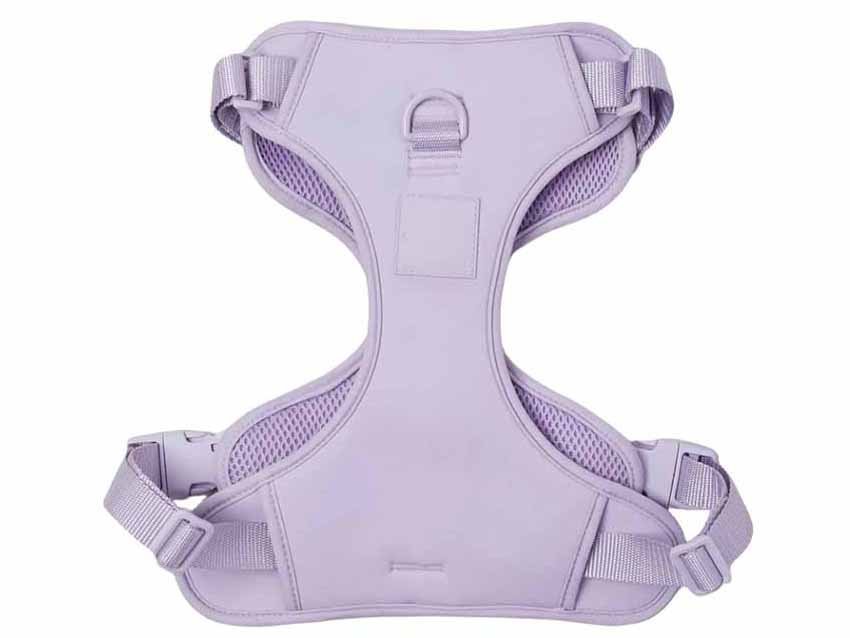
Core Physical Characteristics of Neoprene
Soft surface feel
Neoprene has a naturally soft and padded hand feel, which makes it especially suitable for products worn directly on the pet’s body. In harnesses and collars, this softness helps reduce discomfort during daily wear.
Elasticity and flexibility
Neoprene can bend and move with the pet’s body instead of feeling stiff or restrictive. This is important for active dogs and pets that wear products during walking, running, or outdoor activity.
Cushioning performance
The foam structure of neoprene creates a cushioning effect that helps reduce direct pressure. In products such as harness chest panels or leash handles, this improves comfort for both pets and pet owners.
Water resistance
Neoprene performs well in wet or humid environments. Pet products are often used outdoors, exposed to rain, puddles, drool, and regular cleaning. Water resistance helps maintain product usability and appearance.
Shape retention
A good neoprene structure helps products keep their intended form instead of collapsing too easily. This matters in harness padding, leash handles, mats, and certain travel products.
Surface stability for branding
Neoprene can work well with several logo applications, making it practical for branded pet products that need both function and visual consistency.
Comfort Advantage for Pet Wear Products
Comfort is one of the most important reasons neoprene is widely used in pet accessories. A product may look good in photos, but if it rubs the pet’s skin, traps too much pressure, or feels too hard, it quickly becomes a problem in actual use.
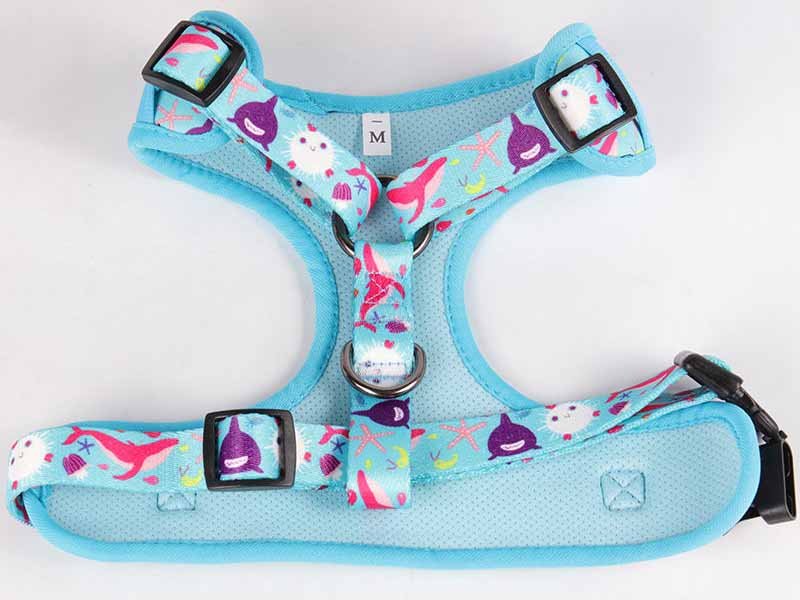
For harnesses, collars, and chest straps, neoprene creates a more comfortable contact layer between the product and the pet’s body. Its padded structure helps reduce friction, especially in areas where movement is continuous. This is valuable for dogs that pull, run, or wear harnesses for extended periods.
At Oneier, comfort is considered early in product development. Material thickness, edge finishing, inner lining selection, and strap construction are evaluated together so the final product feels balanced rather than bulky or rough.
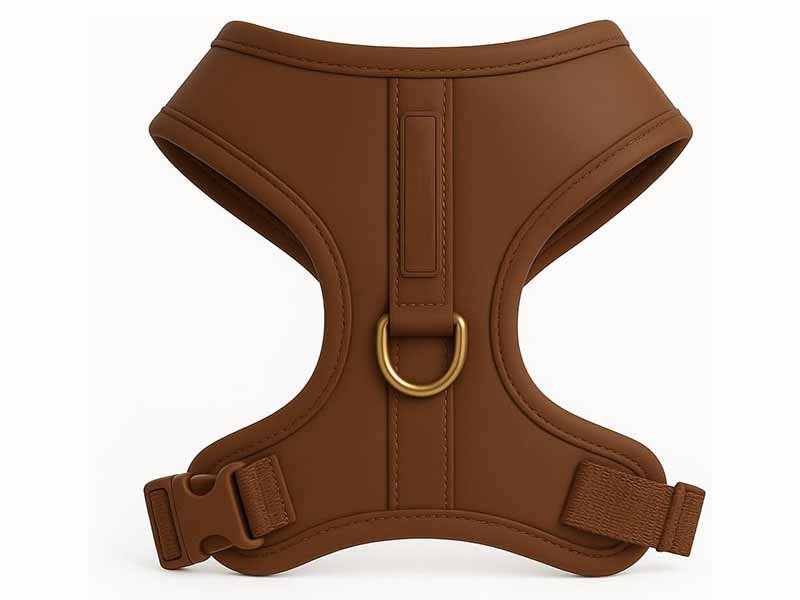
Durability Advantage in Daily Pet Use
Pet products are not used gently. They are pulled, dragged, bent, twisted, exposed to mud, rubbed against fur, and sometimes chewed. Material durability is therefore a major factor in product life and brand reputation.
Neoprene offers several durability advantages in this category:
- It handles repeated bending without losing shape too quickly
- It resists surface wear better than many softer padded materials
- It maintains cushioning even after ongoing use
- It works well when combined with reinforced stitching and strong hardware
- It supports both lightweight and more heavy-duty product structures
Oneier uses neoprene not only because it looks good in a sample, but because it performs reliably when matched correctly to the product design. For example, a harness for medium or large dogs requires a different neoprene setup than a collar for small pets. That material matching helps improve long-term durability.
Safety-Related Benefits of Neoprene
Safety in pet products is closely connected to material performance. A material that is too hard may create discomfort. A material that is too weak may fail under force. A material that absorbs water too easily may become unhygienic over time.
Neoprene helps support safer product construction in several ways:
- It creates a softer contact surface for wearable items
- It cushions pressure points in harnesses and collars
- It supports stable stitching in reinforced product areas
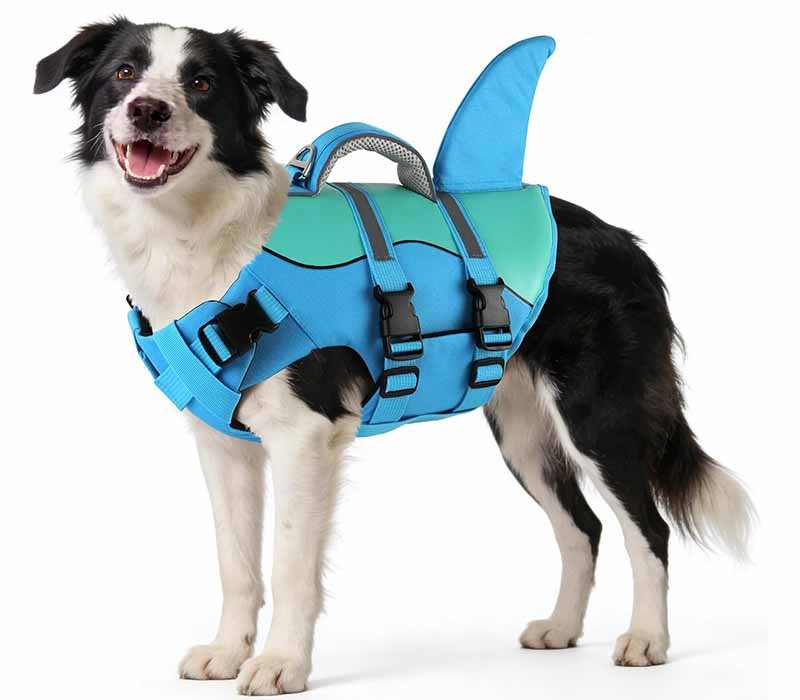
- It remains practical in wet-use conditions
- It can be combined with reflective elements and durable hardware for safer outdoor use
At Oneier, neoprene is selected alongside the product’s intended stress level. That means a leash handle, chest panel, or collar padding is not treated as a decorative layer only, but as a functional part of the product’s overall safety performance.
Neoprene Types Used in Pet Products: SBR, SCR, and CR
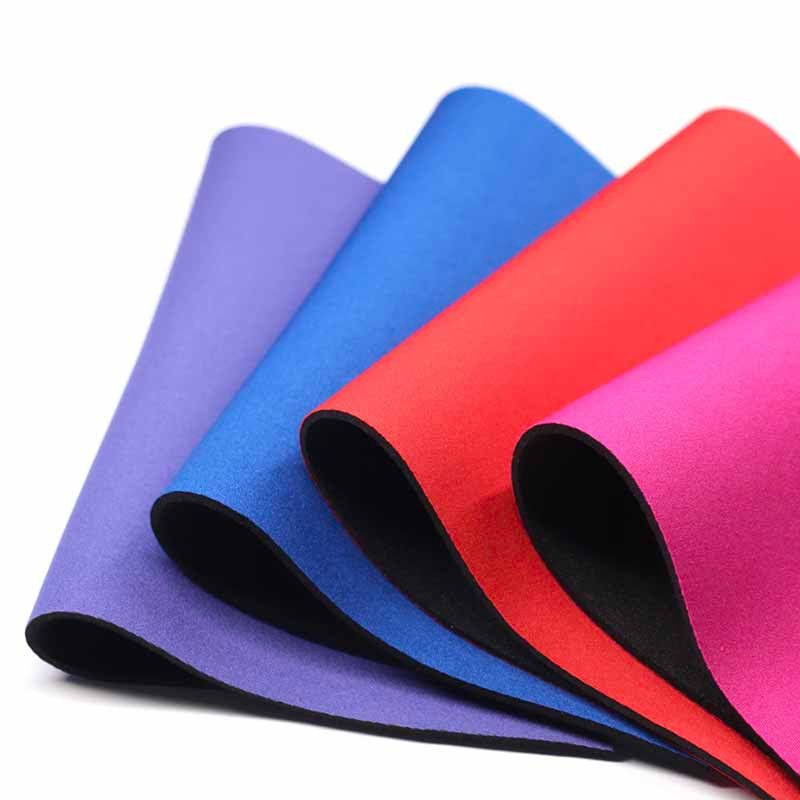
Neoprene is not one single uniform material. Different neoprene grades offer different cost and performance levels. Oneier works with SBR, SCR, and CR depending on the product requirement, target price level, and performance expectations.
SBR neoprene: SBR is generally the more economical option. It provides basic flexibility and cushioning and can be suitable for entry-level or cost-sensitive pet products. It is often used when price control is a priority and the product does not require premium performance.
SCR neoprene: SCR is a blended material that offers a better balance between cost and performance. It is one of the most practical choices for many commercial pet products because it improves elasticity, durability, and general stability compared with lower-grade options. For many harnesses, leash handles, and padded collars, SCR is often the preferred choice.
CR neoprene: CR is the premium option with better elasticity, durability, weather resistance, and long-term performance. It is more suitable for premium pet products or items that need higher resistance and better long-term structural stability.
Oneier selects among these options based on actual product positioning rather than applying the same material grade to every project.
Neoprene Thickness and How It Affects Product Performance
Thickness has a major effect on comfort, flexibility, support, weight, and perceived quality. A pet product made with the wrong thickness may feel too stiff, too soft, too heavy, or not supportive enough.
| Neoprene Thickness | Typical Pet Product Use | Main Benefit |
|---|---|---|
| 2mm | Small collars, lightweight accessories, toy components | Light, flexible, easy to use |
| 3mm | Standard harnesses, leash handles, padded collars | Balanced comfort and structure |
| 5mm | Heavy-duty harnesses, stronger support zones, premium padded products | Better cushioning and durability |
| Customized | Special projects based on breed size or product structure | Performance matched to actual use |
In many pet projects, 3mm neoprene is a common choice because it gives a good balance between softness and body. For larger dogs or more heavy-duty harness systems, thicker neoprene may be more suitable in certain zones.
Lamination Structure
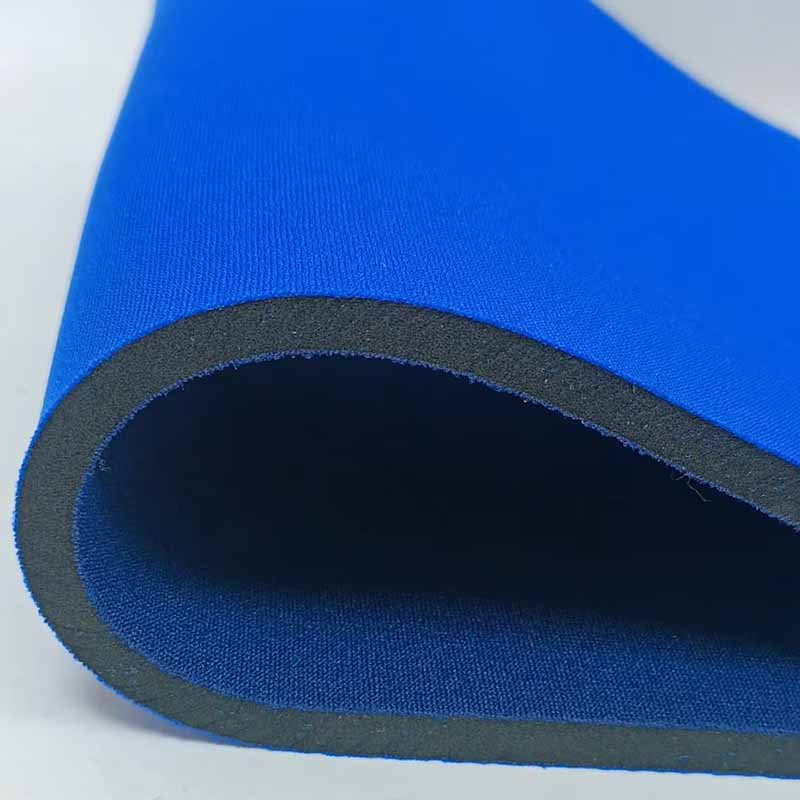
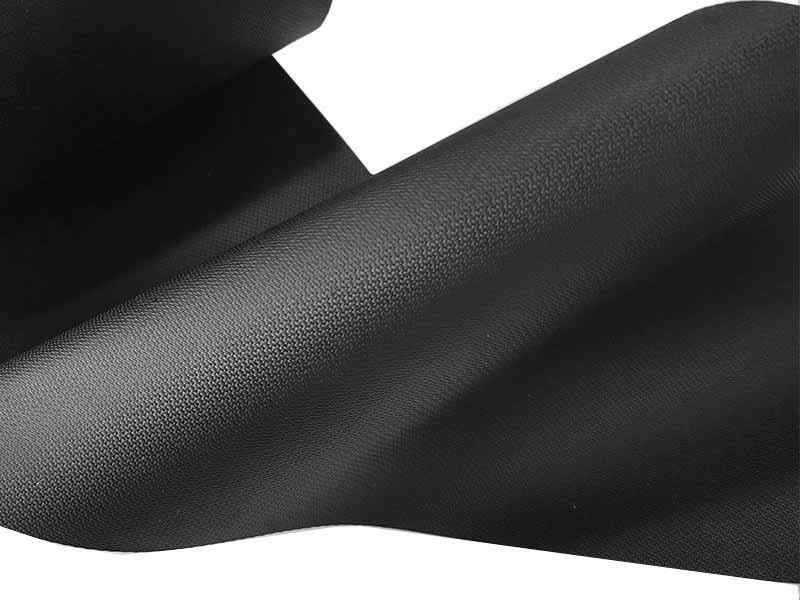
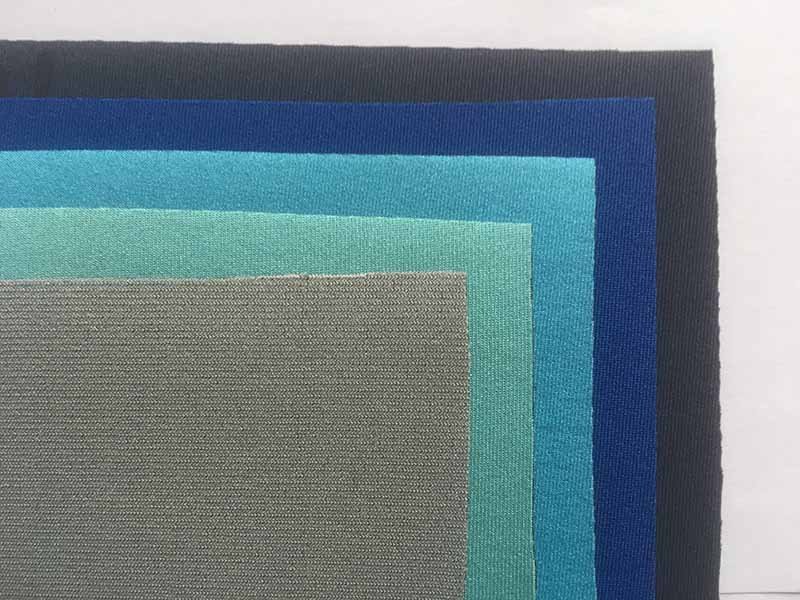
Neoprene is often laminated with fabric on one or both sides. This laminated structure affects appearance, abrasion resistance, printing performance, comfort, and sewing behavior.
A well-chosen lamination setup can improve both product function and production consistency. Oneier evaluates lamination not only for appearance, but for how it performs in daily use and bulk manufacturing.
Common benefits of proper lamination
- Better outer surface durability
- Improved logo application performance
- More comfortable contact feel
- Stronger sewing stability
- Cleaner product appearance
In pet products, lamination choice can affect whether the harness looks premium, whether the collar feels soft enough, and whether the leash handle maintains its form after repeated use.
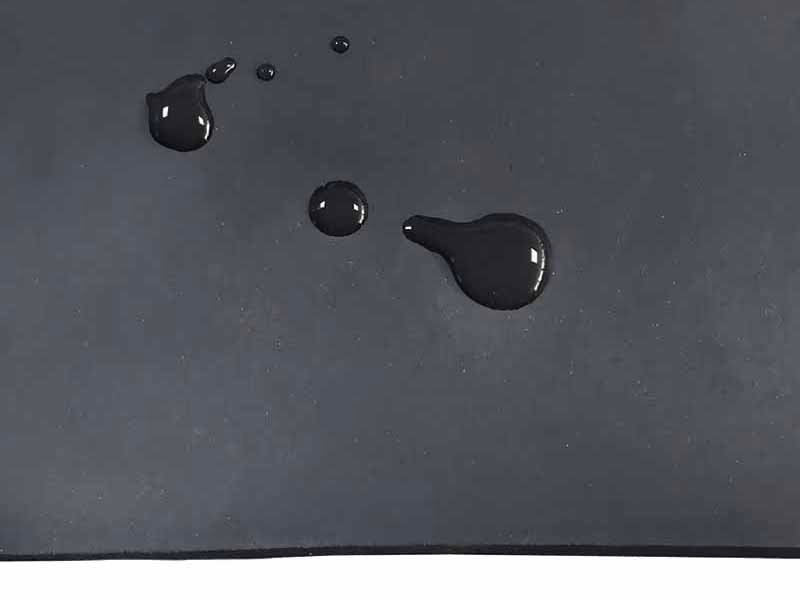
Moisture Resistance and Outdoor Performance
Pet products are frequently used outdoors and exposed to moisture. Harnesses and leashes may be used in rain, on grass, near water, or during frequent washing. Materials that absorb water too easily can become heavy, slow to dry, and less hygienic over time.
Neoprene performs well in these environments because of its water-resistant nature. It does not behave like many traditional absorbent materials, which makes it practical for everyday outdoor pet use.
This is especially valuable for:
- Dog harnesses worn during walks in wet weather
- Outdoor training gear
- Travel mats and pet accessories
- Products intended for active or water-loving dogs
Oneier considers these outdoor use conditions when recommending neoprene setup, especially for brands targeting active pet lifestyles.
Cleaning and Maintenance Advantage
Pet products must be easy to maintain. Dirt, fur, saliva, and outdoor residue are part of daily use. Materials that are difficult to clean often reduce customer satisfaction over time.
Neoprene is relatively easy to wipe, rinse, and maintain compared with many more absorbent or rougher materials. Its surface and foam structure make it a practical option for pet accessories that require regular cleaning.
For brands, this maintenance advantage supports:
- Better long-term user experience
- Cleaner product appearance after repeated use
- More practical positioning for outdoor and daily-use items
Material Matching Based on Pet Product Type
Different pet products need different neoprene setups. Using the same structure for all product types usually leads to poor performance.
| Product Type | Recommended Neoprene Direction | Why |
|---|---|---|
| Dog Harness | SCR or CR, 3mm–5mm | Comfort, support, durability |
| Pet Collar | SBR or SCR, 2mm–3mm | Lightweight padding, flexibility |
| Leash Handle | SCR, around 3mm | Better grip comfort and repeated-use stability |
| Pet Travel Mat | SCR or CR | Comfort, water resistance, practical cleaning |
| Pet Toy Components | SBR or SCR | Flexible cost-to-performance balance |
This type of material matching helps brands avoid common problems such as excessive weight, poor comfort, or weak durability.
Common Problems Caused by Poor Neoprene Selection
When neoprene is selected only by price, several production and product issues can happen:
- The harness may feel too stiff for daily wear
- The collar padding may collapse too quickly
- The leash handle may lose comfort after repeated use
- Surface lamination may not perform well in production
- Bulk orders may not match approved samples
- Product life may be shorter than expected
Oneier reduces these risks by evaluating product function, structure, and target market before confirming the material setup.
Pet Product Categories Developed by Oneier
Comprehensive Range for Modern Pet Brands
Oneier supports a wide range of neoprene pet products, allowing brands to build complete product lines rather than single items.
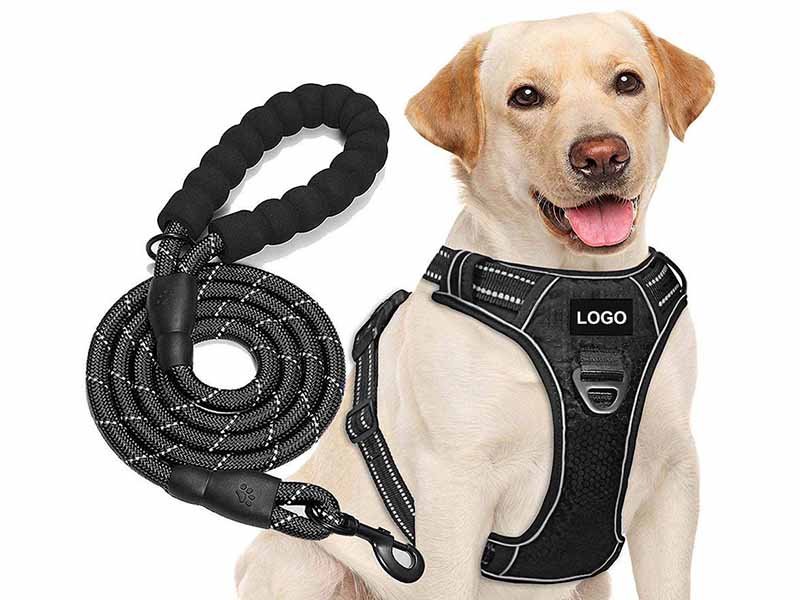
Dog Harnesses & Walking Gear
- Neoprene padded dog harnesses
- Adjustable harness systems
- Reflective harness designs
- Soft inner lining for comfort
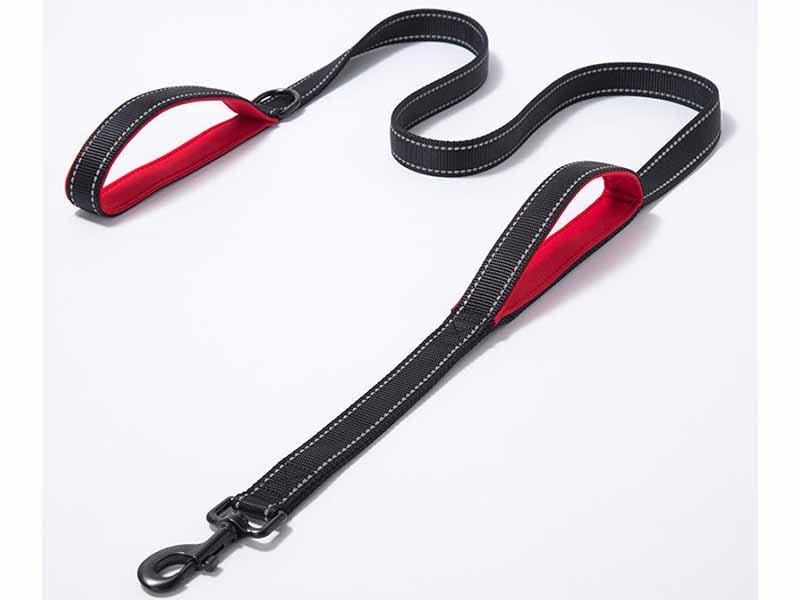
Leashes & Control Accessories
- Neoprene handle dog leashes
- Dual-handle training leashes
- Heavy-duty leashes for large dogs
- Hands-free running leashes
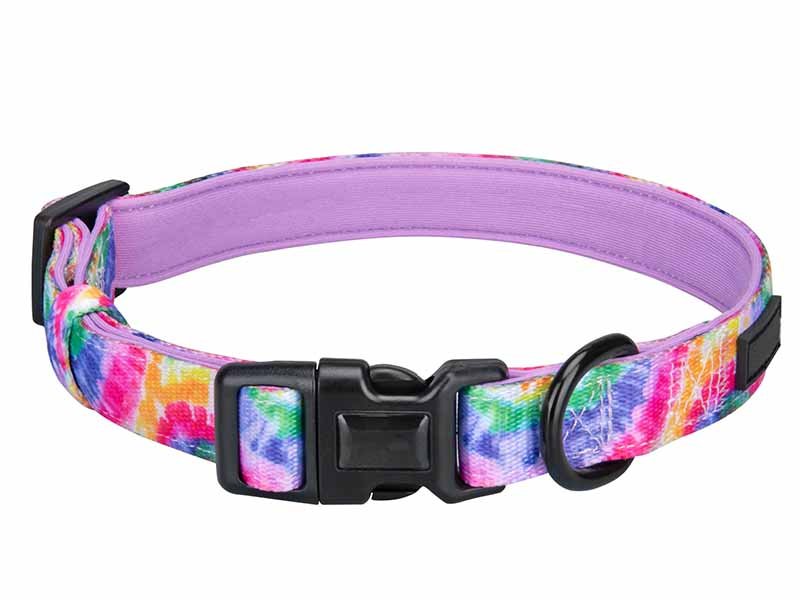
Pet Collars & Wearable Accessories
- Neoprene padded collars
- Adjustable collars with buckle systems
- Reflective safety collars
- Decorative branded collars
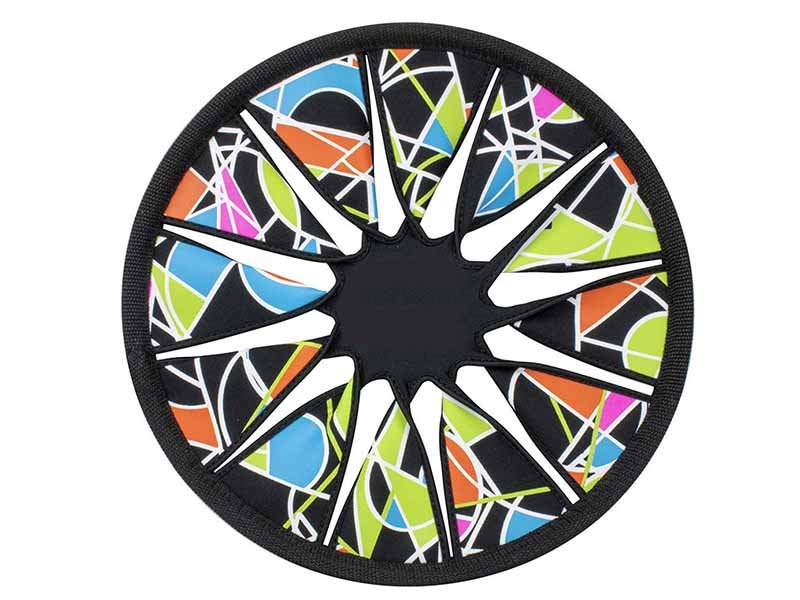
Pet Toys & Training Products
- Neoprene chew toys
- Floating toys for water play
- Training accessories
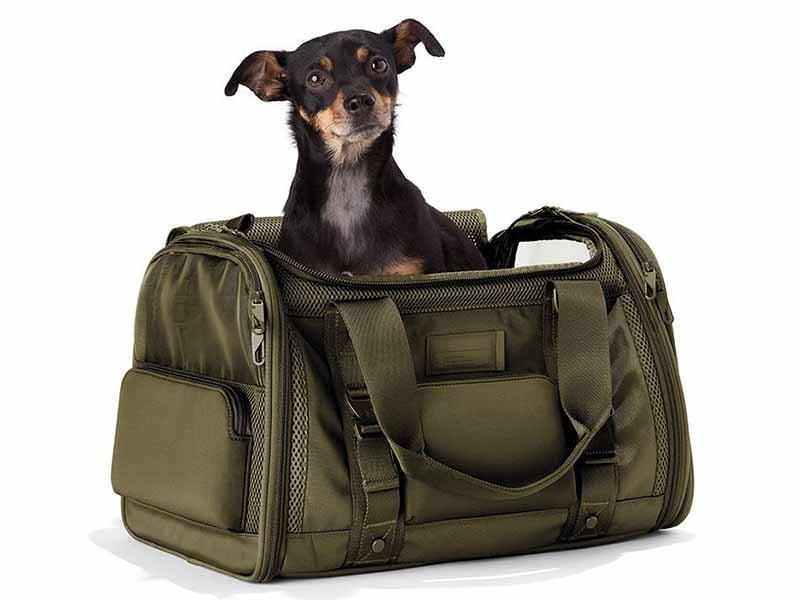
Pet Travel & Outdoor Products
- Neoprene pet travel mats
- Pet carriers with neoprene components
- Portable feeding accessories
- Outdoor pet gear
Customization & Co-Development for Pet Products
From Concept to Market-Ready Pet Products
Pet brands often start with a concept rather than a finalized product. Oneier supports the full development process, turning ideas into manufacturable products with stable structure and repeatable quality.
Since 2007, many projects in the pet category have started from reference images or basic sketches and developed into complete product lines after several iterations.
What can be customized
- Product structure (harness shape, leash length, collar width)
- Neoprene thickness and padding level
- Inner lining for comfort and anti-friction
- Hardware (buckles, D-rings, adjusters)
- Functional features (reflective strips, quick-release systems)
Development Workflow
- Requirement confirmation (product type, size, target pet category)
- Structure evaluation by R&D team
- Sample development
- Adjustment based on feedback
- Final sample confirmation before production
Typical Development Timeline
| Stage | Time |
| Requirement confirmation | 1–2 days |
| Sample development | 5–15 days |
| Sample revision | 3–7 days |
| Production preparation | 3–5 days |
Logo & Branding Solutions for Pet Brands
Build Products That Reflect Brand Identity and Lifestyle
Pet products are highly visual and often used daily in public spaces. Branding plays an important role in product appeal, especially for e-commerce and retail-focused brands.
Oneier has supported pet brands since 2007 in applying logos across neoprene products while maintaining durability and clean appearance.
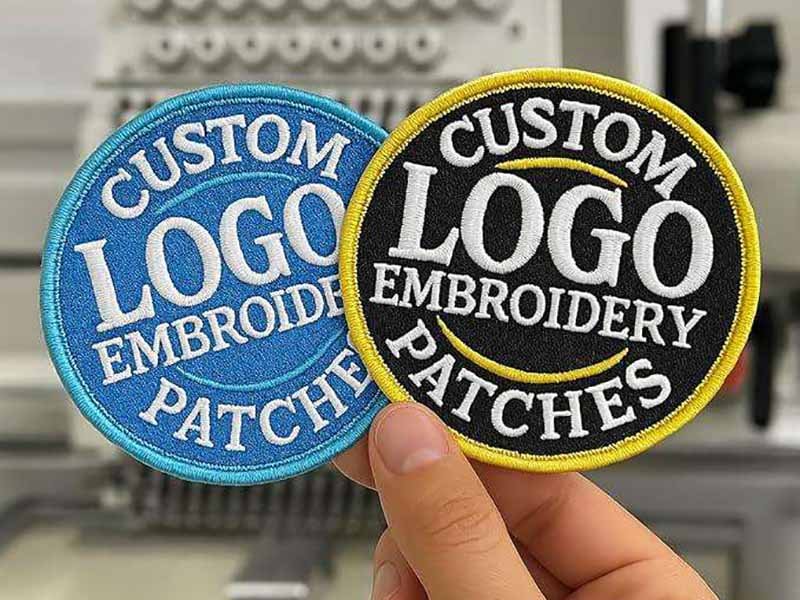
Available Logo Methods
- Heat transfer printing for detailed and colorful designs
- Screen printing for simple and bold logos
- Embroidery for a premium textured look
- Embossed logos integrated into neoprene surface
- Silicone or PVC patches for strong visual impact
- Woven labels for clean and consistent branding
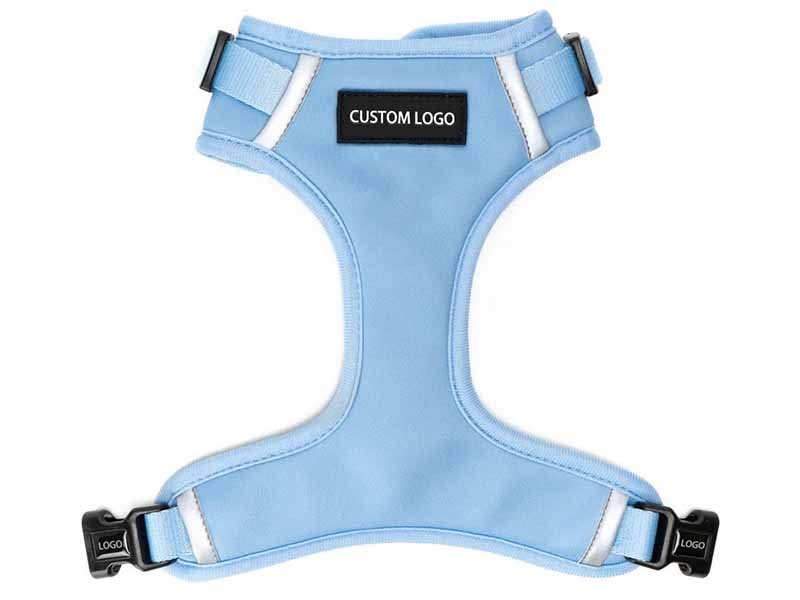
Branding Placement Options
- Harness chest panels
- Collar outer surface
- Leash handles
- Side panels of pet accessories
- Packaging and hangtags
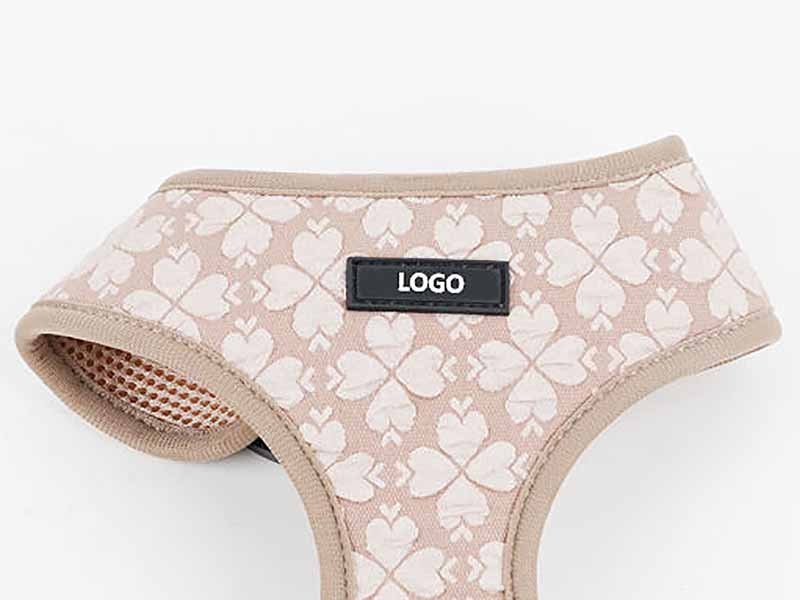
Branding Considerations for Pet Products
- Logos must remain clear after repeated use and washing
- Placement should not affect comfort or flexibility
- Materials must support strong adhesion and durability
R&D Focus on Pet Comfort, Safety, and Durability
Designed for Real Pet Behavior and Daily Use
Pet products are used under unpredictable conditions, including pulling, chewing, outdoor exposure, and frequent movement. Oneier’s R&D process focuses on adapting product design to these real-life scenarios.
Key Development Focus Areas
Comfort
- Soft neoprene lining to reduce skin irritation
- Smooth edges to prevent friction
- Flexible structure for natural movement
Safety
- Secure stitching for load-bearing areas
- Strong hardware (metal D-rings, reinforced buckles)
- Stable structure under pulling force
Durability
- Reinforced seams for repeated use
- Abrasion-resistant outer layers
- Material selection based on product stress level
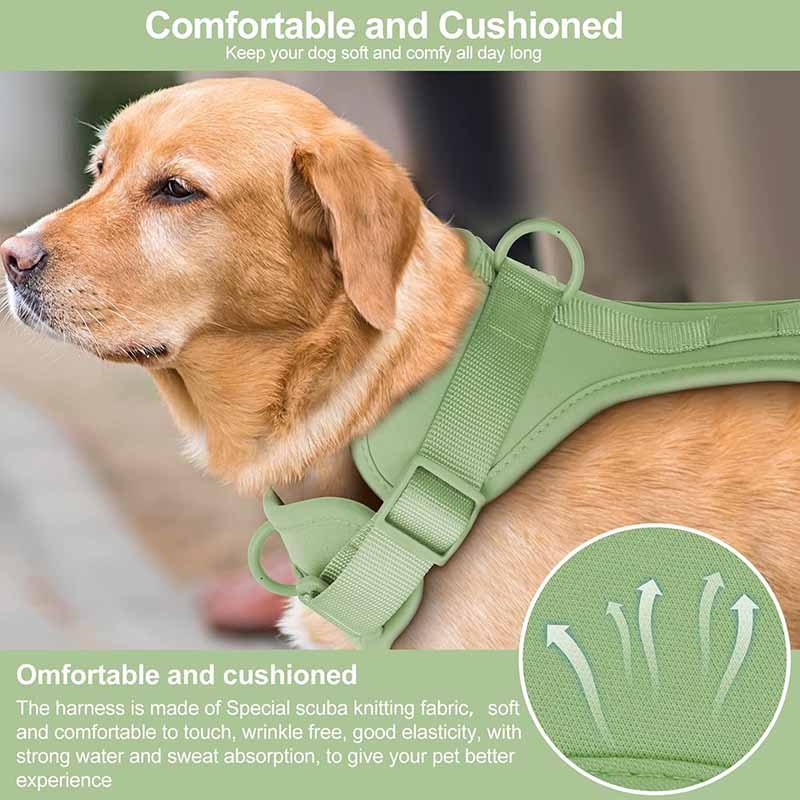
Testing Considerations During Development
- Pull strength of leashes and harnesses
- Stitching durability under tension
- Comfort during extended wear
- Resistance to moisture and dirt
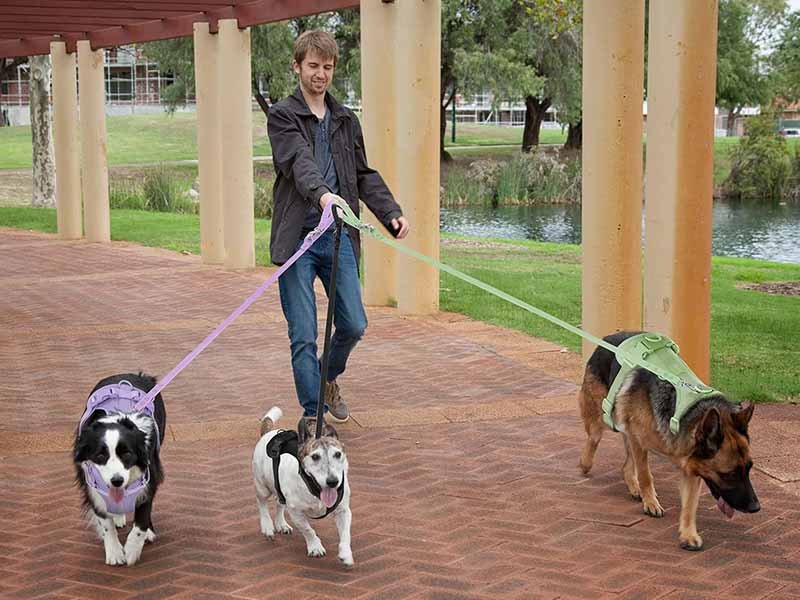
Production Process for Neoprene Pet Products
Structured Manufacturing for Consistent Results
Oneier follows a standardized production process to ensure that each pet product meets functional and quality requirements.
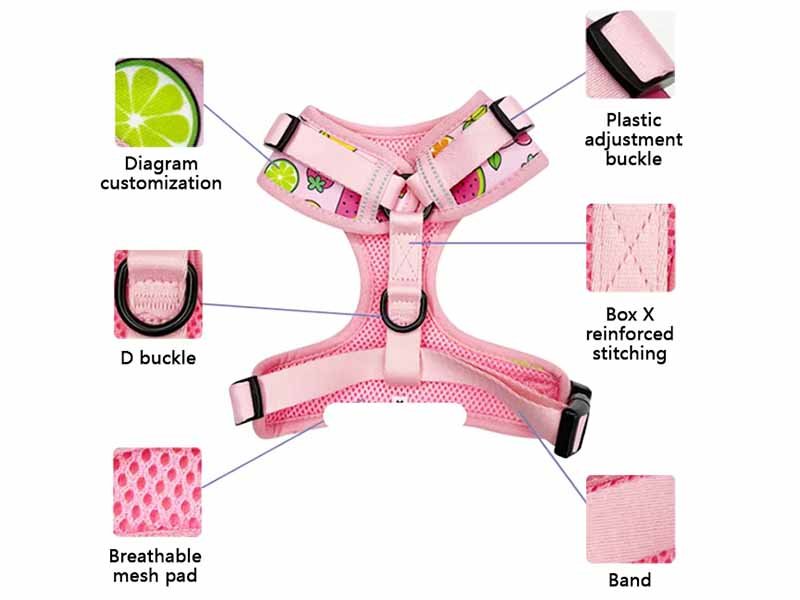
Production Workflow
- Final sample confirmation
- Material preparation (neoprene and accessories)
- Cutting and shaping
- Sewing and assembly
- Logo application
- Quality inspection
- Packaging and shipment
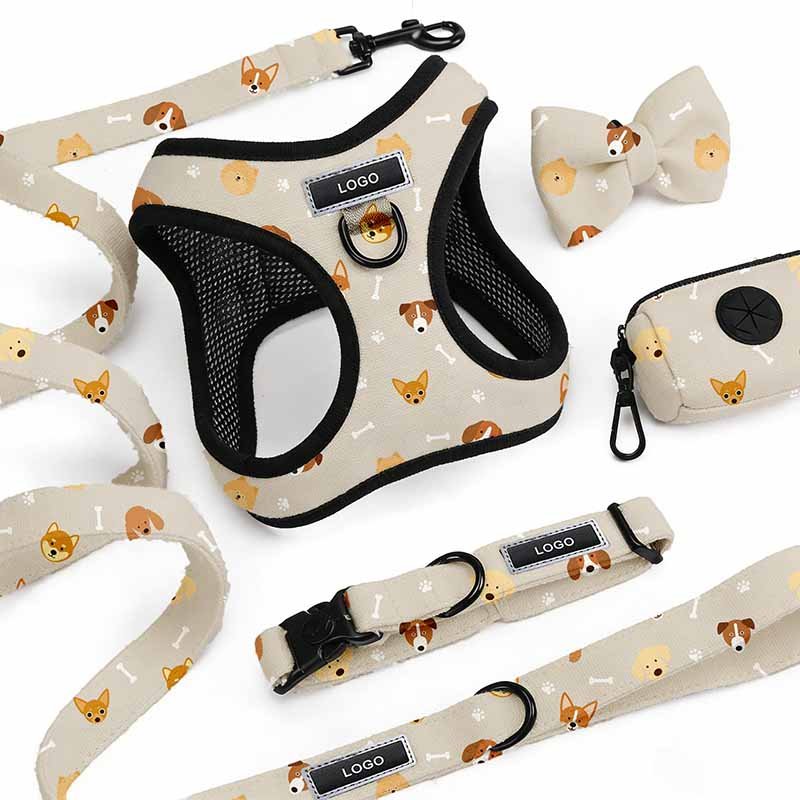
Production Timeline Overview
| Stage | Time |
|---|---|
| Material preparation | 3–5 days |
| Production | 25–30 days |
| Inspection & packaging | 2–3 days |
Production Capacity & Lead Time for Pet Products
Built for Both Trial Orders and Scalable Production
Oneier supports pet brands at different stages, from initial testing orders to long-term repeat production. Since 2007, many projects have started with small quantities (100–300 pcs) and scaled into stable monthly orders after market validation.
With multiple production lines dedicated to neoprene products, capacity can be adjusted depending on product type such as harnesses, leashes, collars, and accessories.
Production Capability Overview
MOQ: 100 pcs per design
Sample lead time:
- 5–7 days for standard pet products
- 7–15 days for customized structures
Bulk production lead time: 25–30 days
Multi-line production for different product categories
Estimated Monthly Capacity
| Product Type | Monthly Output |
|---|---|
| Dog harnesses | 30,000 – 50,000 pcs |
| Leashes & collars | 50,000 – 80,000 pcs |
| Small accessories | 80,000+ pcs |
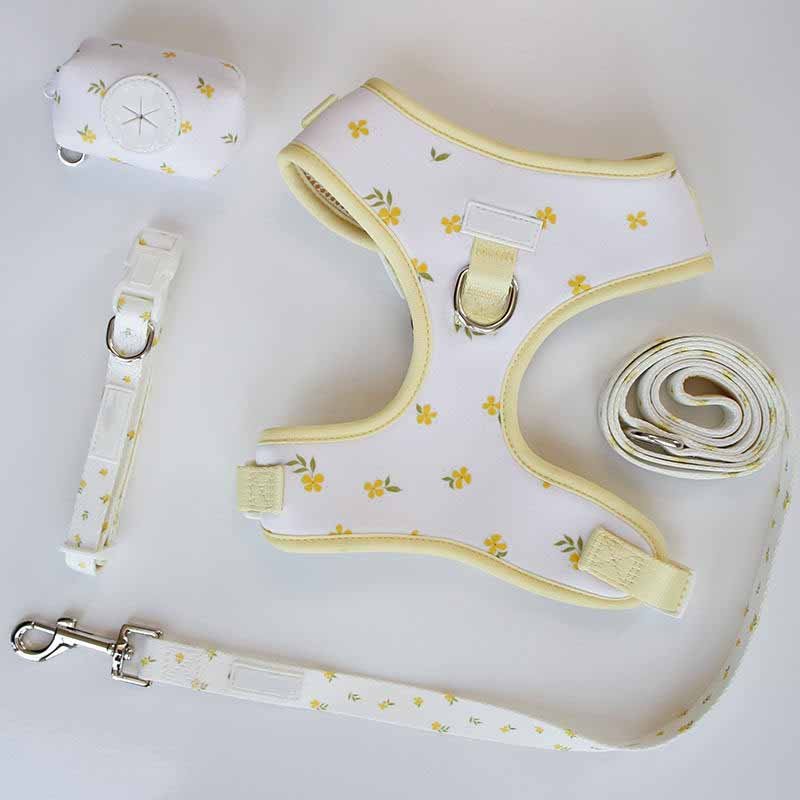
Quality Control System for Pet Product Safety
100% Inspection Before Shipment
Pet products require a higher level of reliability because they are directly used by animals and must withstand pulling, movement, and outdoor conditions. Oneier applies strict quality control at every stage of production.
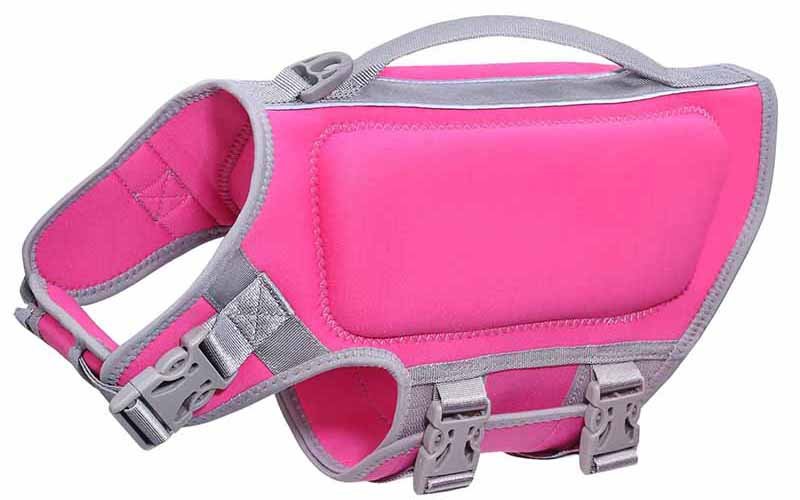
Quality Control Workflow
- Raw material inspection (neoprene thickness, softness, consistency)
- In-line inspection during production
- Final inspection before packaging
- Random carton checks before shipment
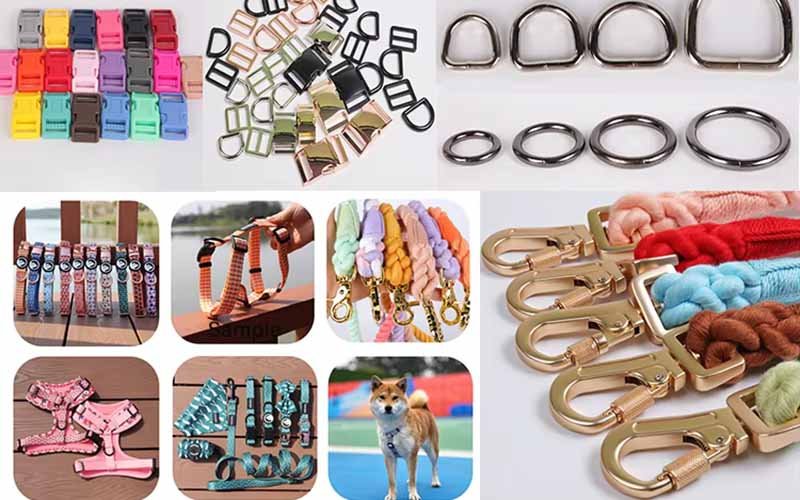
Key Inspection Focus Areas
- Stitching strength in load-bearing areas
- Hardware durability (buckles, D-rings, hooks)
- Size accuracy and fit consistency
- Logo quality and placement
- Surface condition (no defects or deformation)
Quality Standards in Practice
| Inspection Item | Standard |
|---|---|
| Stitching | Reinforced, no loose threads |
| Hardware | Secure and durable |
| Size | Within approved tolerance |
| Function | Fully operational |
| Appearance | Clean and consistent |
Logistics & Global Shipping for Pet Products
Flexible Delivery Options Based on Order Needs
Oneier supports different shipping methods depending on order size, urgency, and destination. Since 2007, the company has handled shipments to North America, Europe, and other global markets with stable logistics coordination.
Shipping Methods
- Express delivery (DHL, FedEx, UPS) for samples and urgent orders
- Air freight for medium-sized shipments
- Sea freight for large-volume production
Typical Transit Times
| Shipping Method | Delivery Time |
| Express | 3–7 days |
| Air freight | 7–12 days |
| Sea freight | 20–40 days |
Supported Trade Terms
- EXW (Ex Works)
- FOB (Free on Board)
- DAP (Delivered at Place)
- DDP (Delivered Duty Paid)
Logistics Support
- Export documentation preparation
- Carton labeling and packaging standards
- Shipment tracking updates
- Coordination with freight forwarders
Packaging Approach
- Standard export cartons with reinforced protection
- Custom packaging for branded products
- Optimized carton size to reduce shipping cost

Payment Terms & Transaction Flexibility
Multiple Payment Options for Different Business Needs
Oneier provides flexible payment solutions to support different types of pet brands, from startups to established companies.
Accepted Payment Methods
- T/T (bank transfer)
- PayPal
- Credit card
- Alibaba Trade Assurance
- Alipay
- Western Union
Standard Payment Structure
- 30% deposit before production
- 70% balance before shipment
Why Payment Flexibility Matters
- Easier onboarding for new brands
- Reduced financial pressure for small orders
- Secure and traceable transactions
- Suitable for different regions and company types
Transaction Process
- Order details confirmed before payment
- Production scheduled after deposit confirmation
- Final inspection completed before balance payment
- Shipment arranged after full payment
Communication & Project Management
Direct, Clear, and Consistent Communication Throughout the Project
Smooth communication is essential when developing pet products, especially when sizing, comfort, and safety details need to be clearly aligned. Oneier assigns a dedicated sales representative to each project, ensuring continuity from initial inquiry to final shipment.
The team communicates daily with international clients and maintains stable coordination across time zones.
Communication Channels
- Email for formal confirmation and documentation
- WhatsApp and WeChat for daily updates and quick responses
- Video calls for product discussion, sample review, and factory walkthrough
Response and Support
- Initial response within 12–24 hours
- Quotation after confirming product requirements
- Updates during sampling and production stages

Case Studies — Pet Product Development and Production
Real Examples from Pet Brand Projects
Over the years, Oneier has worked with pet brands across different markets, supporting product development, testing, and scaling.
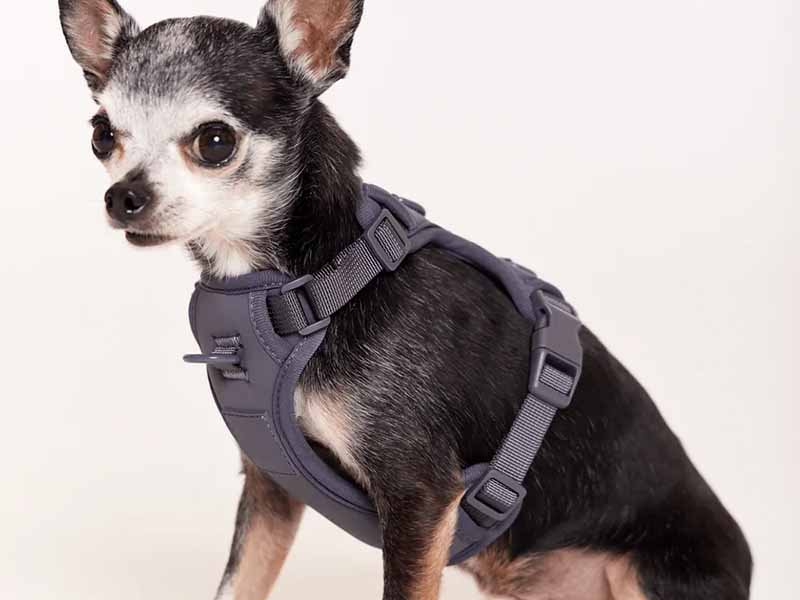
Case 1 — US Pet Brand
Project overview
- Product: Neoprene padded dog harness
- Initial order: 150 pcs
- Follow-up orders: 1,500+ pcs within 2 months
The harness needed to balance comfort for pets with sufficient strength for medium-to-large dogs.
Solution
Oneier adjusted neoprene thickness to 4mm SCR and reinforced stress points with stronger stitching and hardware.
Result
- Improved product durability
- Positive market feedback
- Stable repeat orders established
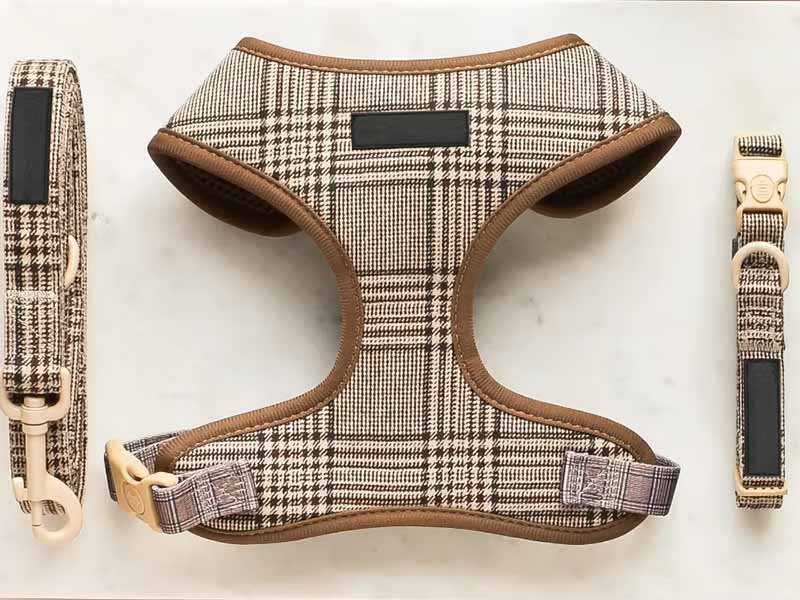
Case 2 — European Brand
Project overview
- Product: Matching leash and collar set
- Order quantity: 300 pcs initial batch
The brand required consistent color matching and clean logo presentation across both products.
Solution
Optimized material lamination and controlled logo application during production.
Result
- High consistency across all units
- Smooth product launch
- Follow-up order placed within one season
Case 3 — E-commerce Pet Brand
Project overview
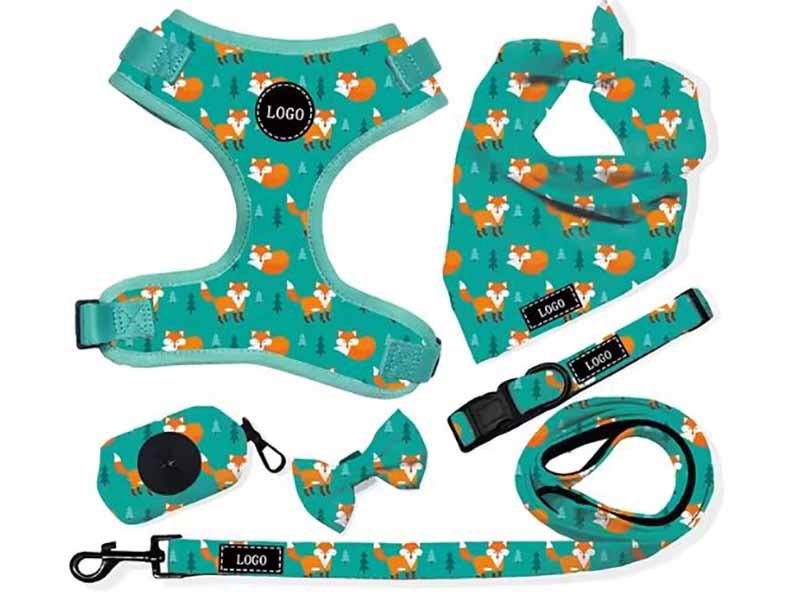
- Product: Neoprene pet accessory kits
- Sales channel: Amazon and Shopify
Needed cost control while maintaining acceptable quality for competitive pricing.
Solution
Adjusted material combination and simplified structure to reduce production cost.
Result
- Improved profit margin
- Increased reorder frequency
- Expanded product line
Oneier vs Other Pet Product Manufacturers
Key Differences That Affect Product Quality and Stability
Choosing the right manufacturer impacts product consistency, delivery timelines, and long-term cooperation.
| Comparison Area | Oneier | Typical Pet Product Supplier |
|---|---|---|
| Company Type | Direct manufacturer established in 2007 with 18+ years experience in neoprene products | Trading company or factory relying on outsourced production |
| Material Control | Stable access to neoprene production (SBR / SCR / CR), consistent thickness and lamination | Materials sourced from different vendors, quality may vary between batches |
| Neoprene Expertise | Deep experience in neoprene structure, thickness selection, and product matching | Limited understanding, often using generic materials |
| Product Development Capability | In-house R&D team + sample workshop, supports full custom development | Mostly catalog-based products with limited modification |
| Sampling Speed | 5–7 days (standard), 7–15 days (custom designs) | 10–25 days depending on outsourcing |
| MOQ Flexibility | Starts from 100 pcs per design, suitable for product testing | Usually 500–1000 pcs or higher |
| Production Lead Time | 25–30 days with structured planning | 30–45+ days with less predictable scheduling |
| Production Stability | Consistent structure, materials, and quality across repeat orders | Higher variation between batches |
| Quality Control System | 100% inspection before shipment with multi-stage checks | Partial inspection or random quality checks |
| Comfort & Safety Focus | Material and structure selected based on real pet usage (comfort, pressure distribution, durability) | Often focused on appearance and cost rather than real usage |
| Hardware & Reinforcement | Strong stitching, reinforced stress points, reliable hardware selection | May use lower-grade hardware or inconsistent reinforcement |
| Customization Depth | Full customization: structure, material, function, accessories, branding | Limited customization, mostly surface-level changes |
| Product Range Capability | Supports full product lines (harness, leash, collar, toys, travel products, accessories) | Often limited to single product categories |
| Collection Development | Strong ability to build matching product sets with consistent branding | Difficult to maintain consistency across multiple SKUs |
| Branding Capability | Supports multiple logo methods with consistent positioning and durability | Logo application may vary between batches |
| Communication Efficiency | Direct communication with fluent English team via email, WhatsApp, video | Communication may be indirect or slower |
| Project Management | Clear workflow from concept → sample → production → shipment | Less structured process, higher risk of miscommunication |
| Repeat Order Efficiency | Faster and more stable once specifications are confirmed | Often requires re-confirmation and adjustments each time |
| Logistics Support | Supports EXW, FOB, DAP, DDP with global shipping experience | Limited shipping coordination support |
| Payment Flexibility | Multiple payment options (T/T, PayPal, credit card, Alibaba, etc.) | Fewer payment options available |
| Scalability | Easy transition from small trial orders to large-scale production | Scaling may require switching suppliers |
| Risk Level for New Products | Lower risk due to structured development and material control | Higher risk due to inconsistent materials and processes |
| Long-Term Cooperation Value | Built for repeat orders, product expansion, and brand growth | Often focused on one-time order execution |
After-Sales Support & Long-Term Cooperation
Focused on Repeat Orders and Stable Production
Oneier works with many clients across multiple production cycles, not just single orders. After initial cooperation, processes become more efficient and predictable.
Support After Shipment
- Follow-up on product feedback
- Assistance with product improvements
- Support for repeat orders with consistent specifications
Repeat Order Advantages
- Faster production due to confirmed specifications
- Reduced sampling time
- More stable material sourcing
- Improved cost efficiency over time
Long-Term Cooperation Approach
- Start with small trial orders
- Adjust based on feedback
- Scale production with stable quality
FAQs — Key Questions Before Starting Pet Product Production
Oneier supports a minimum order quantity starting from 100 pcs per design, which is suitable for testing new pet products without committing to large inventory. Many pet brands begin with small orders to evaluate market response and then scale up production once the product is validated. This approach has been widely used since 2007 across different product categories such as harnesses, leashes, and collars.
Sampling time depends on product complexity. For standard neoprene pet products, sampling usually takes 5–7 days. For more customized items such as harnesses with specific structures or reinforced components, the timeline is typically 7–15 days. Oneier’s in-house sample workshop allows faster turnaround compared to suppliers relying on external development.
The standard production lead time is around 25–30 days after sample approval and deposit payment. For repeat orders where specifications are already confirmed, production preparation is faster and timelines are more predictable. This consistency is supported by stable material supply and organized production scheduling.
Yes, Oneier supports full customization based on design files, reference samples, or concept descriptions. The internal R&D team works on structure, material selection, and functionality to ensure the product can be manufactured consistently. This process has been refined through more than 18 years of experience in neoprene product development.
Oneier works with SBR, SCR, and CR neoprene depending on product requirements. SBR is typically used for cost-sensitive products, SCR is the most commonly used option for balanced performance, and CR is applied in higher-end products requiring better durability and resistance. Material selection is based on product function, expected usage, and price positioning.
Quality control is applied throughout the production process, including material inspection, in-line checks, and 100% final inspection before shipment. Special attention is given to stitching strength, hardware reliability, and overall product structure, as pet products must withstand pulling, movement, and outdoor conditions.
Oneier supports express delivery, air freight, and sea freight depending on order size and urgency. Express shipping typically takes 3–7 days, air freight 7–12 days, and sea freight 20–40 days. Trade terms include EXW, FOB, DAP, and DDP, allowing flexibility based on different shipping requirements.
Accepted payment methods include T/T, PayPal, credit card, Alibaba Trade Assurance, Alipay, and Western Union. The standard payment structure is a deposit before production and the balance before shipment, ensuring that production and quality inspection are completed in a controlled process.
Start Your Custom Pet Product Project
Simple Process from Idea to Production
Oneier provides a clear and structured process for developing custom pet products.
How to Begin
- Share product idea, design, or reference
- Receive quotation and feasibility feedback
- Develop and confirm samples
- Start production with defined timeline
Information That Helps Speed Up Quotation
- Product type (harness, leash, collar, etc.)
- Size and structure details
- Estimated quantity
- Logo requirements
- Target market or usage
Send your product idea or request a sample to receive a detailed quotation and development plan.
- +86 13823134897
- info@neoprene-bag.com