Neoprene Manufacturer for Amazon Sellers
Custom Neoprene Product Manufacturing for Amazon Brands
Selling neoprene products on Amazon requires reliable manufacturing, consistent quality and flexible production quantities.
Oneier is a Shenzhen-based neoprene product manufacturer established in 2007, supporting global ecommerce brands with custom neoprene product development and manufacturing.
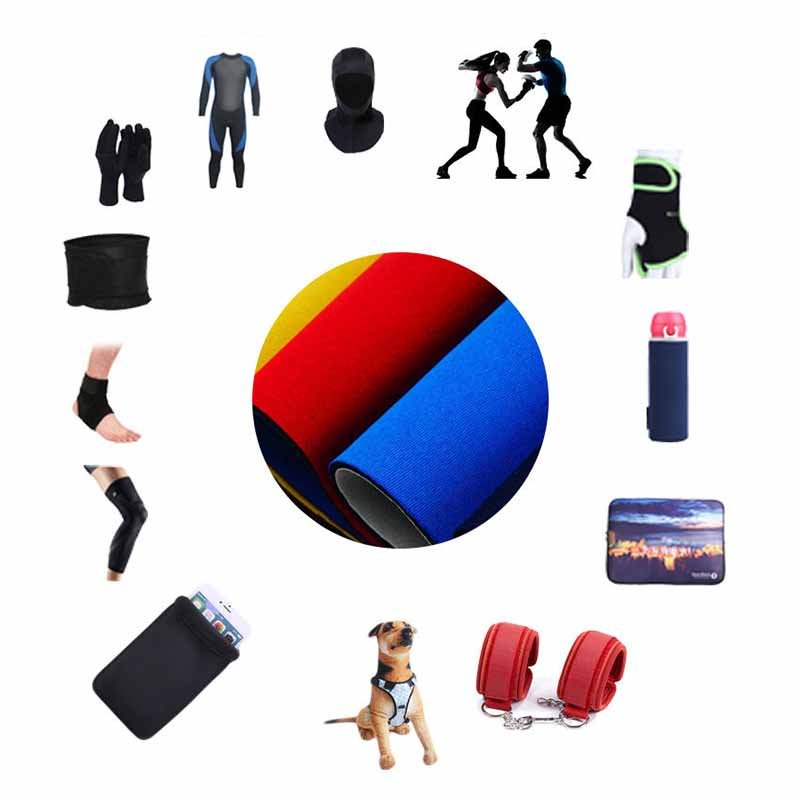
With integrated resources including neoprene material production, fabric supply and experienced sewing factories, Oneier helps Amazon sellers develop competitive neoprene products such as bags, sleeves, koozies and sports accessories.
- Minimum order quantity from 50 pieces
- Sample development within 5–7 days
- Production lead time 25–30 days
- Custom logo and private label support
- Global shipping including FBA delivery
Who Oneier Works With in the Amazon Ecosystem
Amazon product brands operate differently from traditional retail companies. Many sellers build niche products and rely on reliable factories to turn product ideas into scalable inventory.
Over the years, Oneier has supported several types of Amazon-focused companies.
Private Label Amazon Brands
Private label brands often develop their own branded products to differentiate from generic listings.
Common neoprene products developed for these brands include:
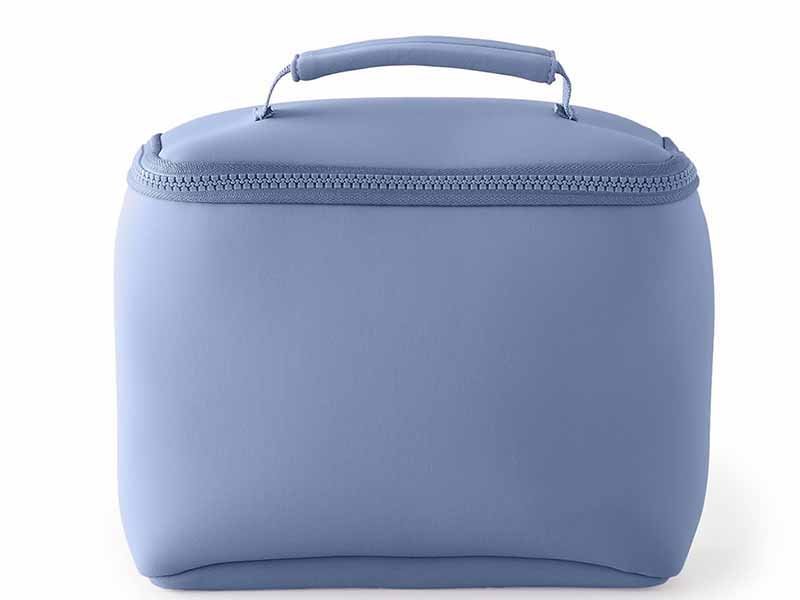
- neoprene lunch bags
- neoprene cooler bags
- neoprene laptop sleeves
- neoprene cosmetic bags
These brands often require custom packaging, logo printing and stable product quality to maintain strong product reviews.
Amazon Startup Brands
New Amazon sellers typically begin with a small production run to test product demand.
Typical requirements include:
- small order quantities
- quick sample development
- cost-efficient production
With 50-piece minimum order quantities, Oneier allows new product launches with lower inventory risk.
Established Amazon Product Companies
More experienced Amazon brands usually focus on expanding product lines.
They may already have existing products but require a manufacturing partner capable of producing improved versions.
Typical improvement requests include:
- stronger stitching
- better insulation performance
- improved packaging
- enhanced product durability
The engineering team at Oneier frequently assists with structural improvements that help products perform better in competitive marketplaces.
Why Manufacturing Quality Matters for Amazon Products
Selling neoprene products on Amazon places significant pressure on product quality and consistency.
Unlike wholesale channels, ecommerce platforms expose products directly to customer reviews. A small quality issue can quickly affect product ratings and listing performance.
Several common problems occur when neoprene products are manufactured without proper engineering and quality control.
Weak Seams Causing Product Failure
Improper stitching techniques can cause bag handles or seams to tear after repeated use.
For load-bearing neoprene bags, reinforced stitching and webbing support are often necessary.
Inconsistent Material Density
Low-quality neoprene foam may lose shape or elasticity over time, which can lead to customer complaints.
Maintaining stable neoprene density across production batches helps ensure consistent product performance.
Printing Quality Problems
Amazon brands frequently rely on printed graphics for branding. Poor printing methods may result in fading colors or misaligned logos.
Professional printing techniques such as sublimation printing or heat transfer printing help maintain graphic quality.
Packaging That Fails to Protect Products
Packaging quality can affect the condition of products delivered to Amazon fulfillment centers.
Proper packaging prevents damage during transportation and storage.
Key Factors Amazon Sellers Consider When Choosing a Neoprene Manufacturer
For Amazon product brands, selecting the right manufacturer can significantly influence product success. Unlike traditional wholesale businesses, Amazon sellers rely heavily on product reviews, listing rankings and inventory stability.
A manufacturing partner must therefore provide not only production capability but also reliable product development support, stable quality and predictable delivery timelines.
Below are several key factors that Amazon sellers usually evaluate when choosing a neoprene manufacturer.
Flexible Minimum Order Quantity
Most Amazon products begin with smaller production runs in order to test market demand.
Large minimum order quantities increase financial risk and inventory pressure, especially for new product launches.
Oneier supports minimum orders starting from 50 pieces per design for many neoprene bags, sleeves and accessories.
Typical MOQ examples:
| Product Type | Typical MOQ |
|---|---|
| Neoprene laptop sleeves | 50 pcs |
| Neoprene lunch bags | 50 pcs |
| Neoprene cosmetic bags | 50 pcs |
| Neoprene bottle sleeves | 100 pcs |
| Neoprene can coolers | 100 pcs |
Lower MOQs allow Amazon brands to launch new products more efficiently and expand production only after validating market demand.
Fast Sample Development
Product speed is critical for ecommerce brands. Being able to launch a product earlier often means gaining a competitive advantage in crowded Amazon categories.
Oneier operates its own pattern development team and sample workshop, allowing prototypes to be produced quickly.
Typical sampling timeline:
| Sample Type | Development Time |
|---|---|
| Standard neoprene products | 5–7 days |
| Products requiring custom accessories | 7–15 days |
Fast sample production helps Amazon brands accelerate product development and listing preparation.
Reliable Product Quality
Product quality directly influences Amazon reviews and product ratings.
Poor manufacturing quality can lead to issues such as:
- weak seams
- zipper failure
- material deformation
- color inconsistency
These issues often result in negative reviews and product returns.
To prevent such risks, Oneier performs quality inspections throughout the manufacturing process.
Quality control stages include:
- raw material inspection
- in-line production checks
- final product inspection
Each shipment undergoes 100% final inspection before delivery.
Stable Production Lead Time
Inventory shortages can negatively impact Amazon listings. Running out of stock may cause ranking loss and reduced sales momentum.
Because of this, Amazon brands usually prefer manufacturers capable of maintaining consistent production schedules.
Typical production timeline at Oneier:
| Production Stage | Time |
|---|---|
| Material preparation | 3–5 days |
| Cutting and sewing | 15–20 days |
| Inspection and packing | 3–5 days |
Total manufacturing time usually ranges between 25 and 30 days.
Stable lead times help Amazon sellers manage inventory replenishment more effectively.
Product Engineering Support
Many Amazon sellers develop products based on market opportunities rather than complex engineering knowledge.
Manufacturers with product development expertise can help improve product performance and manufacturing feasibility.
Oneier’s engineering team frequently assists with:
- product structure optimization
- material selection recommendations
- accessory compatibility evaluation
- durability improvements
These adjustments often improve product durability and reduce return rates after product launch.
Branding and Private Label Support
Brand identity is essential for Amazon products.
Custom branding elements help products stand out among competing listings.
Oneier supports several branding options including:
- screen printing
- sublimation printing
- embroidery logos
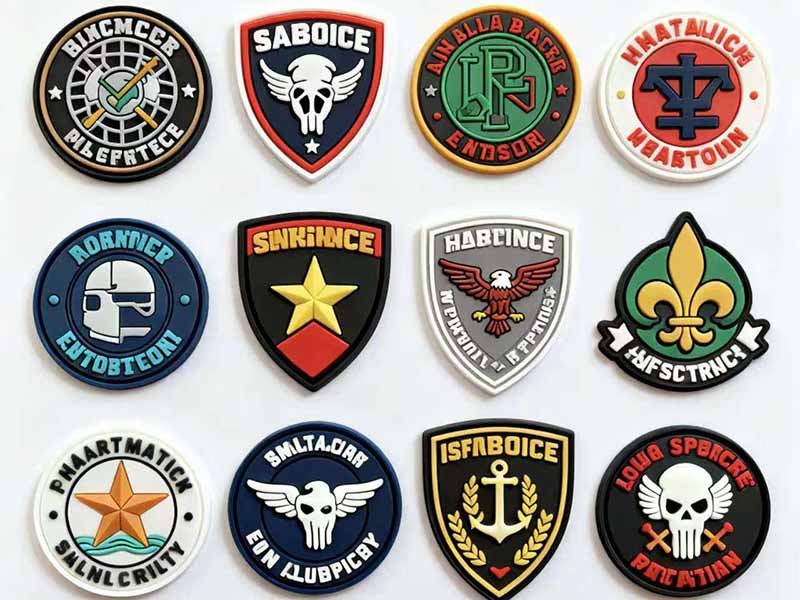
- rubber patches
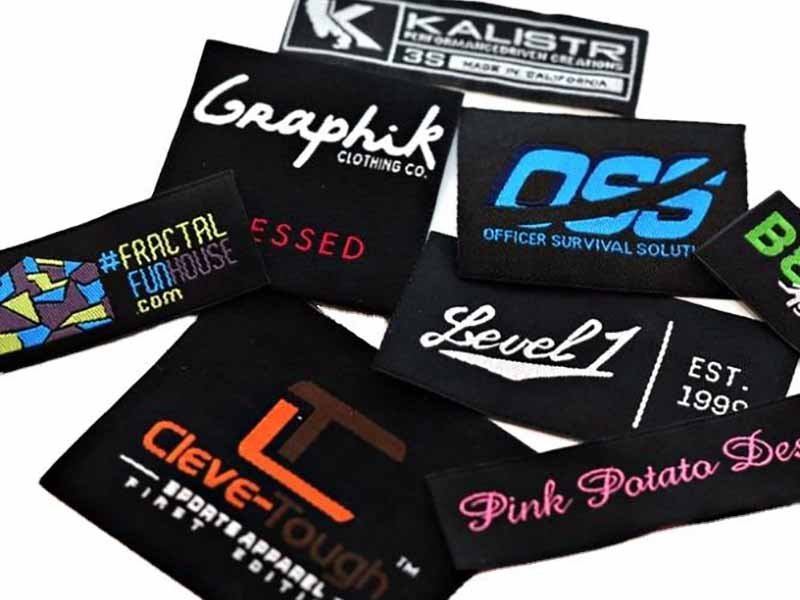
- woven labels
Private label packaging such as custom boxes, hang tags and branded poly bags can also be produced.
Global Logistics and Shipping Flexibility
Amazon sellers operate in multiple global marketplaces, which makes logistics flexibility important.
Oneier supports several international shipping methods:
| Shipping Method | Typical Transit Time |
|---|---|
| International express | 5–7 days |
| Air freight | 7–12 days |
| Sea freight | 25–40 days |
Trade terms supported include:
- EXW
- FOB
- DAP
- DDP
These options allow Amazon sellers to select shipping solutions that match their inventory planning strategy.
Communication and Project Management
Clear communication between product teams and manufacturers helps reduce errors during development and production.
Oneier’s project managers communicate in fluent English and provide regular updates during production.
Communication channels include:
- video meetings
Efficient communication helps ensure that product specifications, timelines and production requirements are clearly understood throughout the project.
How Oneier Helps Amazon Brands Develop Competitive Neoprene Products
Many Amazon brands compete in crowded categories. Product differentiation is often the key factor that allows a listing to stand out.
Oneier supports Amazon sellers not only as a manufacturer, but also as a product development partner.
Product Structure Optimization
Many neoprene products initially designed by Amazon brands can benefit from structural improvements during the sampling stage.
The engineering team at Oneier evaluates product designs to identify potential weaknesses or areas where durability can be improved.
Typical structural adjustments include:
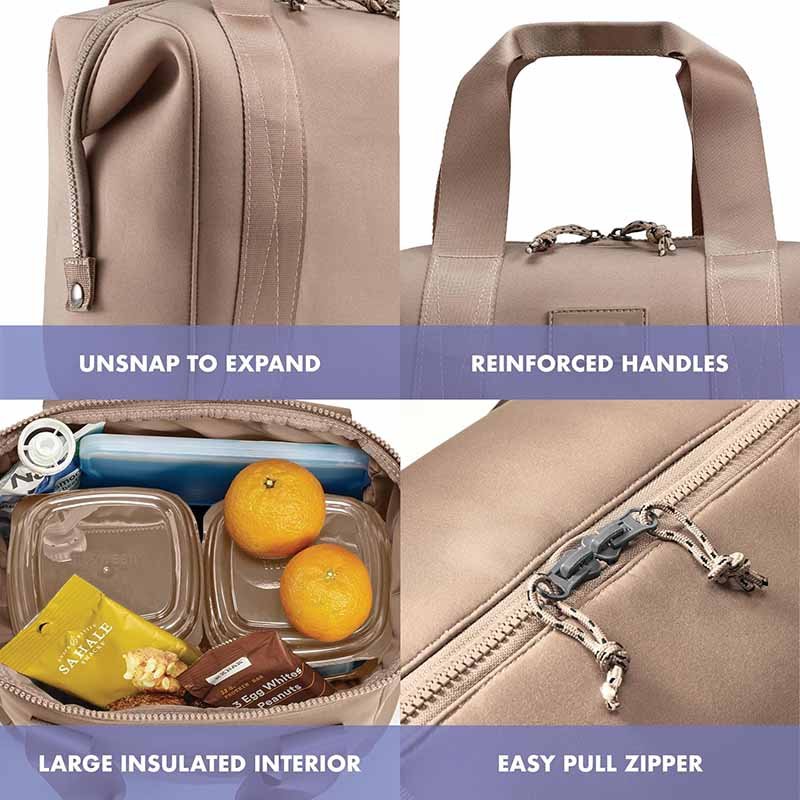
- reinforcing bag handles with nylon webbing support
- strengthening zipper areas with double stitching
- adding binding tape along edges to prevent tearing
- adjusting seam placement to improve load distribution
These small structural changes often increase product durability and help reduce customer complaints after the product reaches the market.
For example, when developing neoprene cooler bags or lunch bags, reinforced handles are frequently added to support heavier loads.
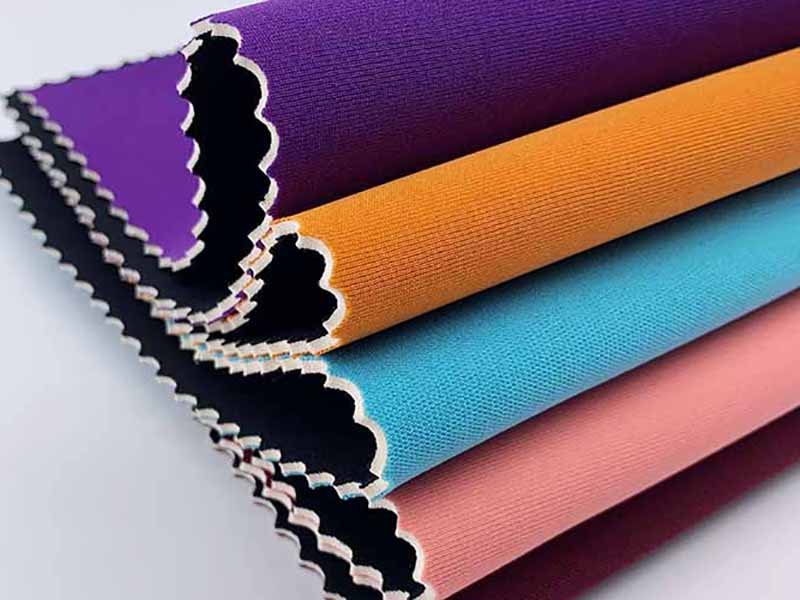
Material Selection and Performance Balance
Selecting the correct neoprene material is essential for balancing durability, weight and production cost.
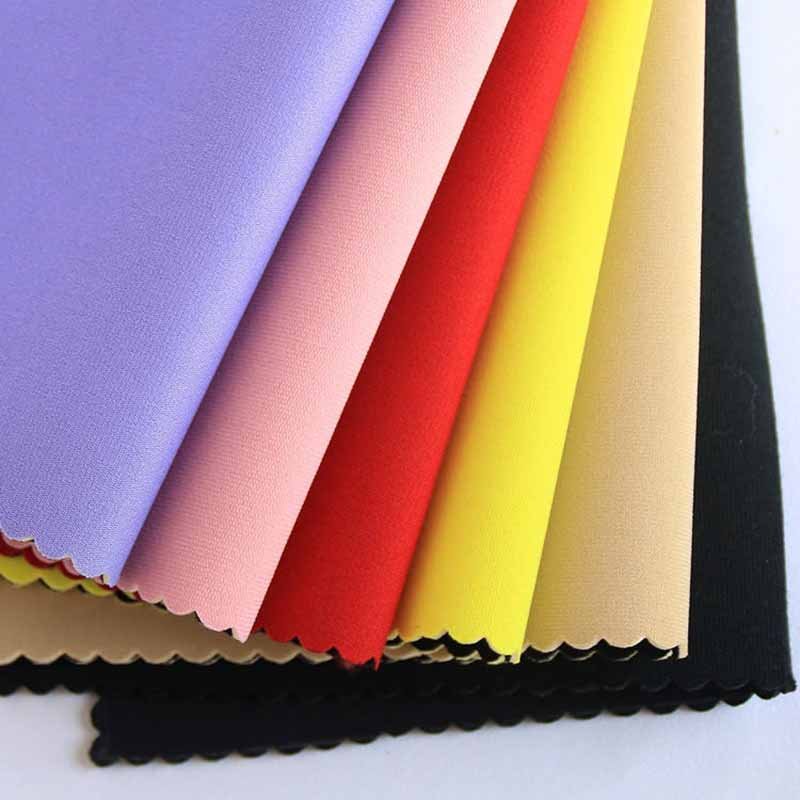
Oneier has access to multiple neoprene material sources and fabric suppliers, allowing different material combinations to be used depending on the product category.
Common neoprene material options include:
| Material Type | Characteristics | Typical Products |
|---|---|---|
| SBR neoprene | cost-efficient and flexible | sleeves, bags |
| SCR neoprene | balanced performance | lunch bags, cosmetic bags |
| CR neoprene | high durability | sports gear |
For many Amazon products, 3 mm SCR neoprene laminated with polyester fabric provides a reliable combination of durability and cost efficiency.
Thinner neoprene such as 2 mm may be used for lightweight sleeves, while 5 mm neoprene may be used for insulated cooler bags.
Manufacturing Feasibility Evaluation
Some product designs look attractive in concept but are difficult to produce efficiently in large quantities.
Before confirming samples, the product team evaluates manufacturing feasibility to ensure that the design can be produced consistently.
Typical considerations include:
- cutting efficiency of neoprene sheets
- compatibility between fabrics and foam layers
- accessory installation methods
- sewing complexity
This evaluation helps prevent production problems once mass manufacturing begins.
Branding and Product Differentiation
Amazon listings benefit from strong visual identity and clear product branding.
Oneier supports several logo and branding techniques suitable for neoprene products.
Common options include:
- screen printed logos
- sublimation printed graphics
- rubber logo patches
- woven labels
- custom hang tags
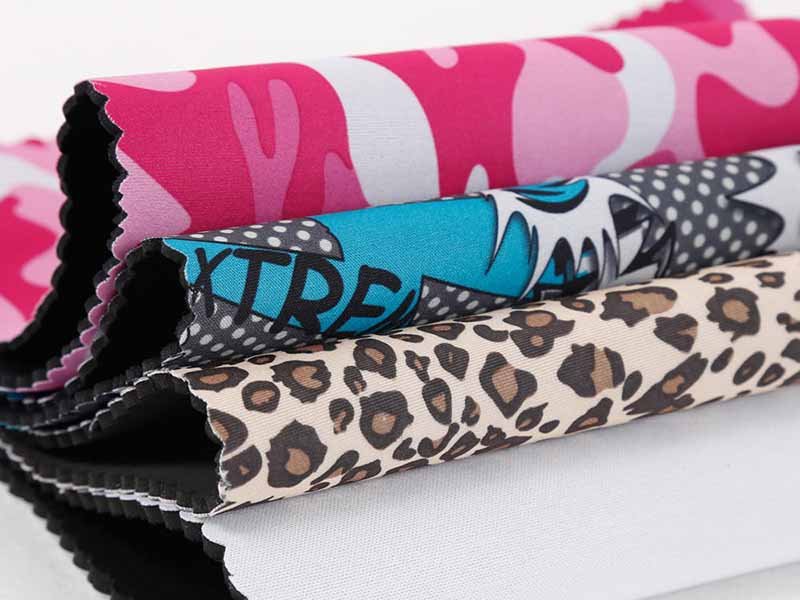
Sublimation printing is particularly popular for Amazon products because it allows full-surface color designs, which helps products stand out visually in listing images.
Private label packaging can also be produced, including branded boxes and product labels.
Packaging Designed for Ecommerce Logistics
Unlike traditional retail distribution, Amazon products must withstand long transportation routes and handling within fulfillment centers.
To reduce damage during shipping, packaging is designed with protective considerations.
Typical packaging elements include:
- poly bags for moisture protection
- reinforced export cartons
- protective inserts for fragile products
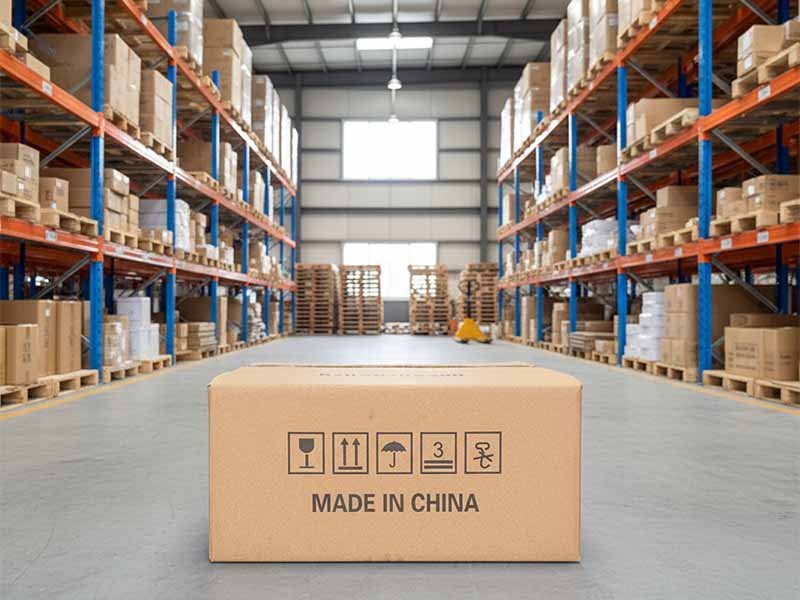
For Amazon fulfillment, additional labeling such as FNSKU barcodes and carton labels can be applied before shipment.
Supporting Product Line Expansion
Many Amazon brands begin with a single product and gradually expand into related items.
Because Oneier produces a wide range of neoprene products, the factory can support product line expansion without requiring brands to change suppliers.
For example, brands that begin with laptop sleeves may later expand into:
- neoprene travel organizers
- neoprene cosmetic bags
- neoprene lunch bags
- neoprene bottle sleeves
This allows brands to maintain consistent product quality across multiple items within the same product line.
Stable Production Capacity for Growing Brands
Amazon product sales can grow quickly when listings begin ranking well.
Manufacturers must therefore be able to scale production when demand increases.
Through cooperation with multiple partner factories and long-term material suppliers, Oneier can expand production capacity according to order volume.
Typical production capability includes:
- flexible small orders starting from 50 pieces
- scalable production for larger orders
- stable manufacturing lead time of 25–30 days
This scalability allows Amazon brands to increase inventory without switching manufacturing partners.
Engineering Support During Product Development
Product development is often a collaborative process between brand owners and factory engineers.
Oneier supports Amazon product teams during development by providing recommendations related to:
- material selection
- structural improvements
- accessory compatibility
- manufacturing efficiency
These engineering suggestions often help improve product durability and reduce production costs.
Popular Neoprene Products for Amazon Marketplaces
Neoprene products have become increasingly popular on Amazon because the material offers several advantages including flexibility, water resistance, cushioning and thermal insulation. These properties make neoprene suitable for a wide variety of consumer products.
Oneier has manufactured neoprene products for ecommerce brands selling in marketplaces such as Amazon US, Amazon Europe and Amazon Australia. Over the years, certain product categories have consistently performed well due to their practicality, relatively simple manufacturing structure and strong consumer demand.
Below are several neoprene product categories commonly developed by Amazon brands working with Oneier.
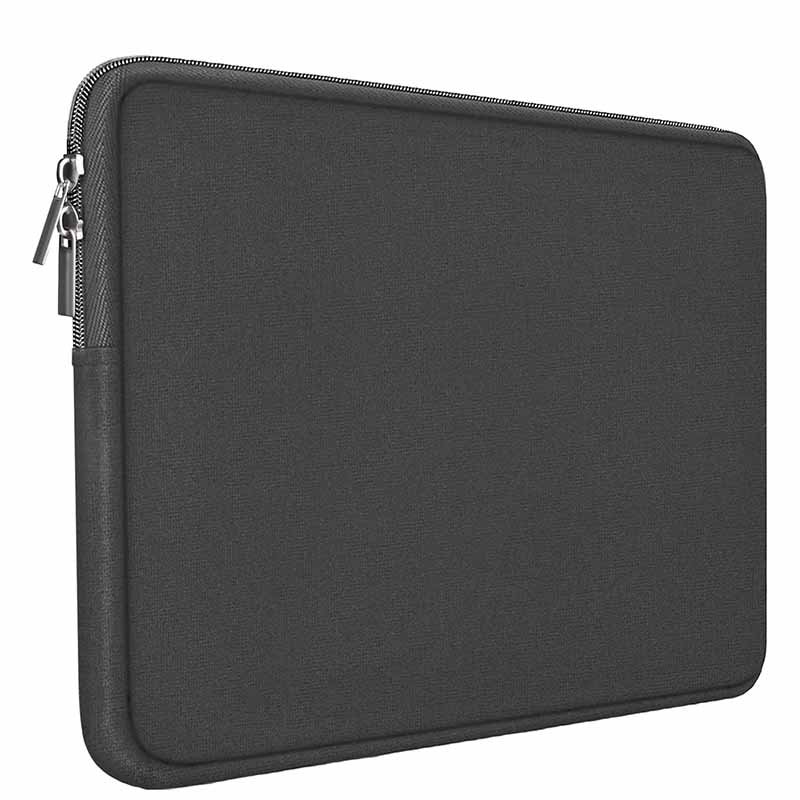
Neoprene Laptop Sleeves
Laptop sleeves remain one of the most common neoprene products sold on Amazon. Consumers value the lightweight cushioning that neoprene provides for protecting electronic devices.
Typical features include:
- padded neoprene protection
- zipper or flap closure
- slim profile design
- lightweight construction
Most laptop sleeves are manufactured using 2 mm or 3 mm neoprene laminated with polyester fabric to balance protection and portability.
When producing sleeves, the engineering team at Oneier carefully adjusts the internal dimensions to ensure compatibility with common laptop sizes such as 13-inch, 14-inch and 15-inch models.
Reinforced edge binding is often added to improve durability and prevent seam failure during daily use.
Neoprene Lunch Bags
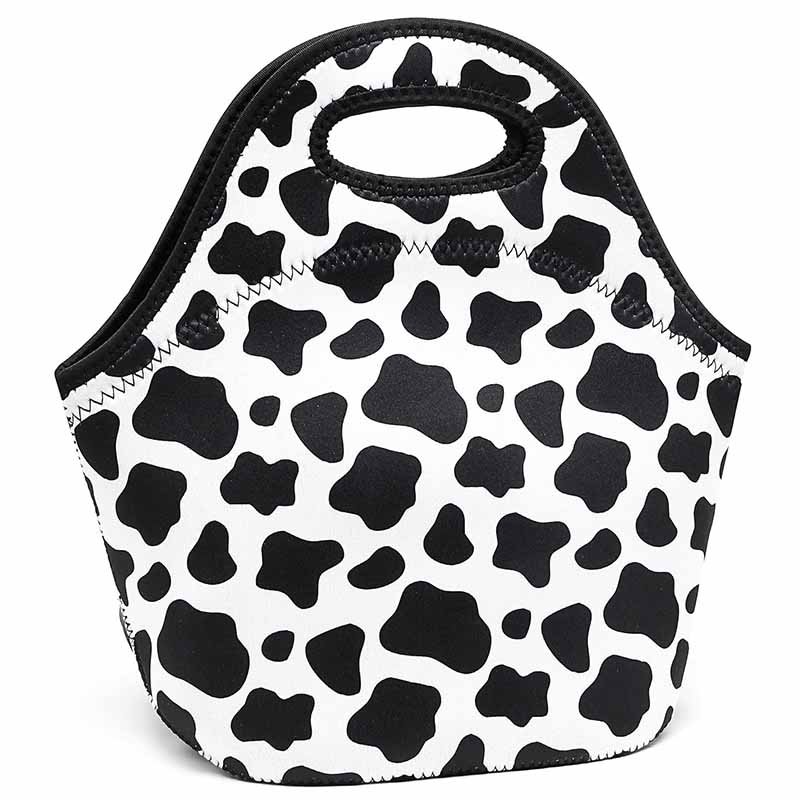
Insulated neoprene lunch bags have become increasingly popular among office workers, students and travelers.
These bags combine insulation performance with flexible structure, allowing them to fold easily when not in use.
Typical features include:
- thermal insulation
- lightweight design
- zipper closure
- reinforced handles
Most lunch bags use 3 mm neoprene laminated with polyester fabric, providing moderate insulation while maintaining product flexibility.
For Amazon brands developing lunch bags, Oneier often recommends reinforced nylon webbing handles to improve durability during everyday use.
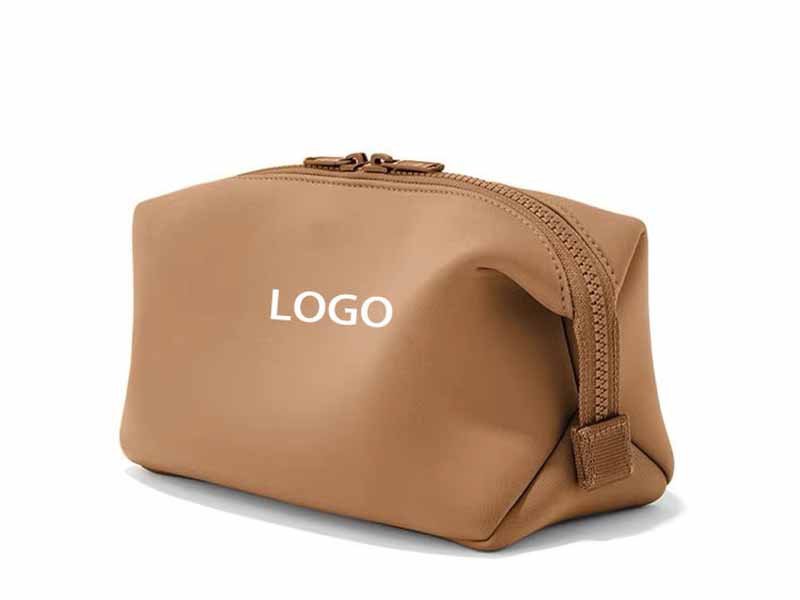
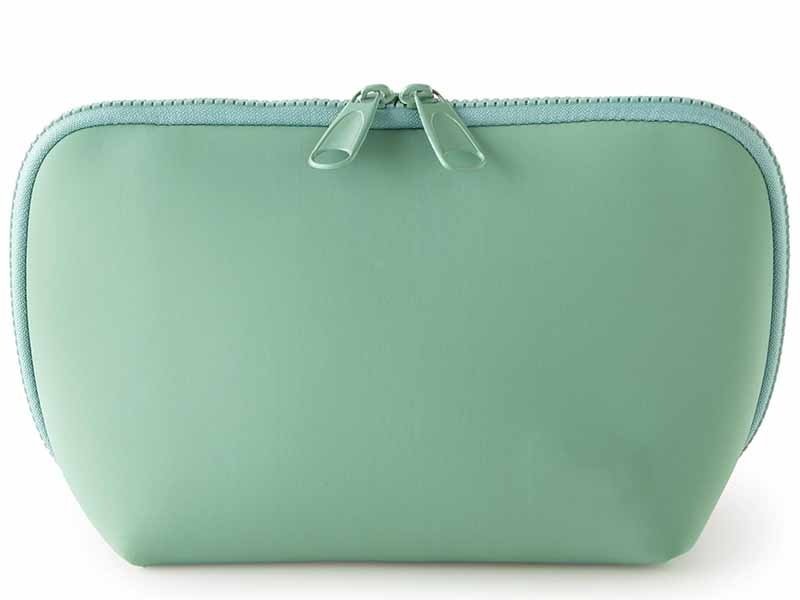
Neoprene Cosmetic Bags
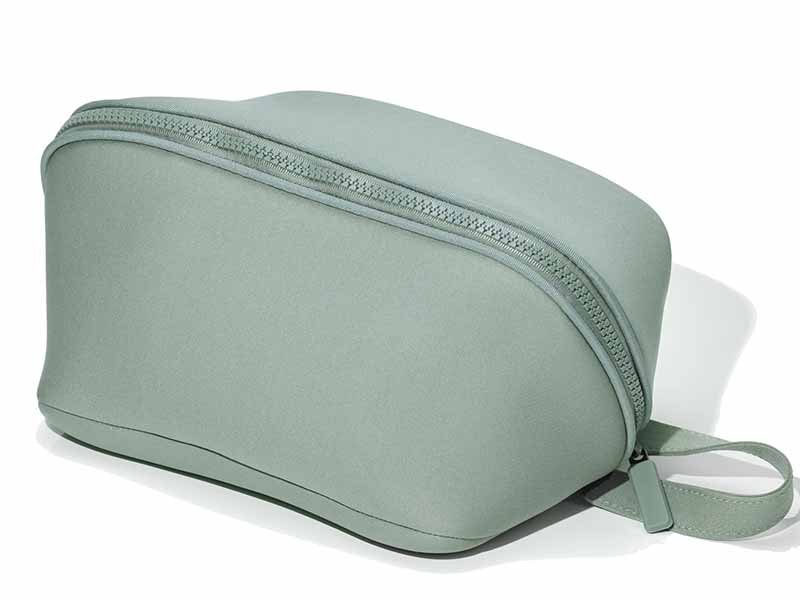
Neoprene cosmetic bags are widely used in beauty and lifestyle product categories.
The material is easy to clean, flexible and resistant to minor moisture exposure, which makes it suitable for storing cosmetics and travel accessories.
Typical cosmetic bag features include:
- soft neoprene structure
- zipper closure
- compact travel design
- customizable color patterns
These products often use sublimation printing, allowing full-surface graphic designs across laminated neoprene fabric.
This printing method is frequently chosen by Amazon brands because colorful designs help listings stand out visually.
Neoprene Can Coolers (Koozies)
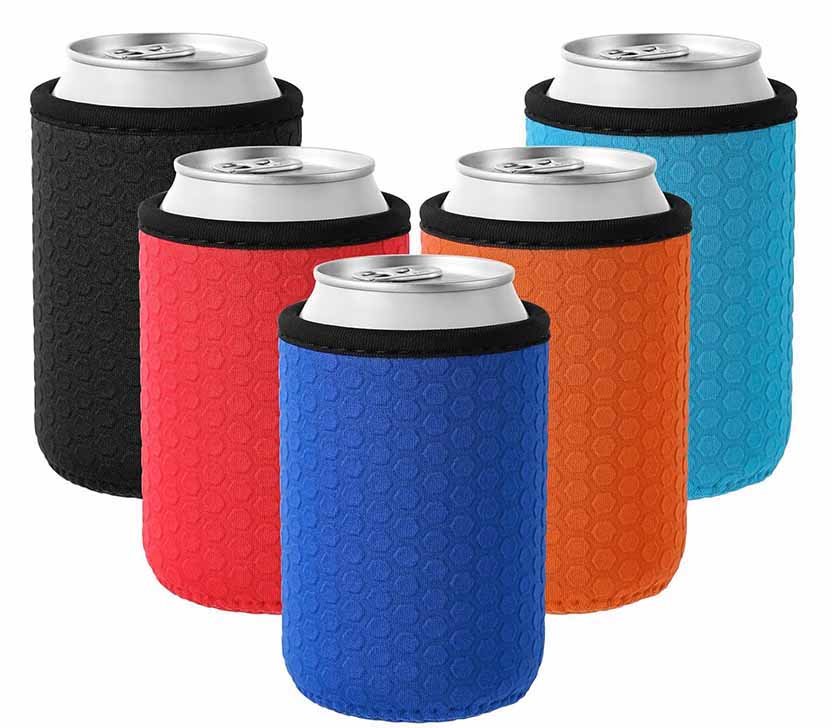
Neoprene beverage can coolers are one of the most widely produced neoprene products worldwide.
They are commonly used for:
- beverage insulation
- promotional events
- outdoor activities
Because of their simple structure, koozies are relatively easy to manufacture in larger quantities.
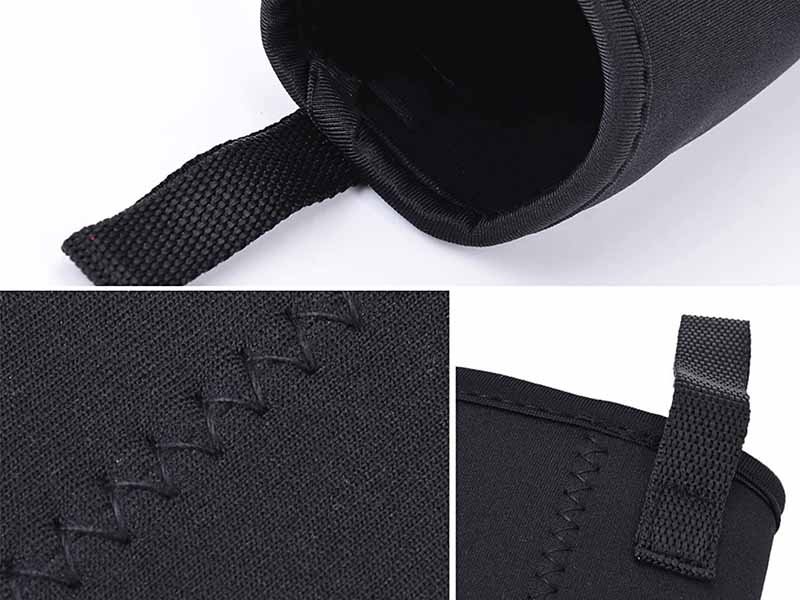
Most koozies use 3 mm neoprene with flat stitching or zigzag stitching to create a durable cylindrical shape.
Many Amazon sellers customize these products using sublimation printing or screen printing to display brand logos or creative designs.
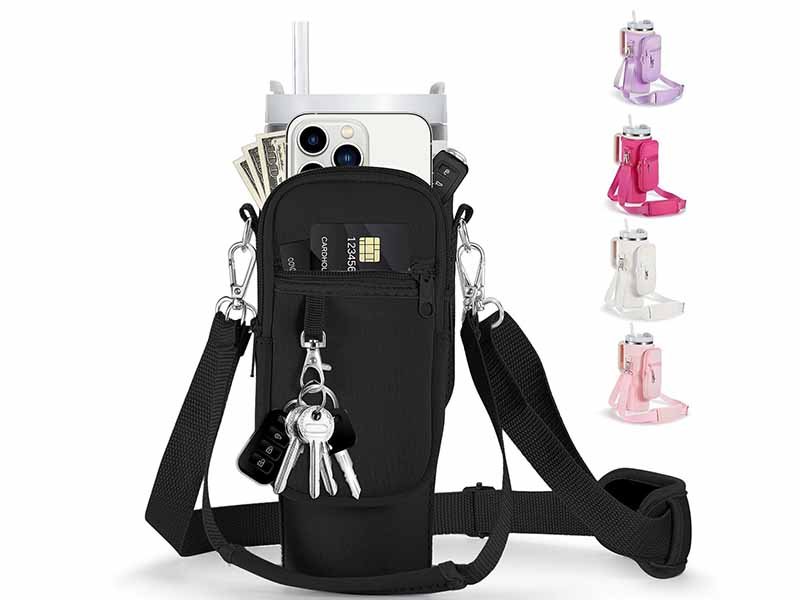
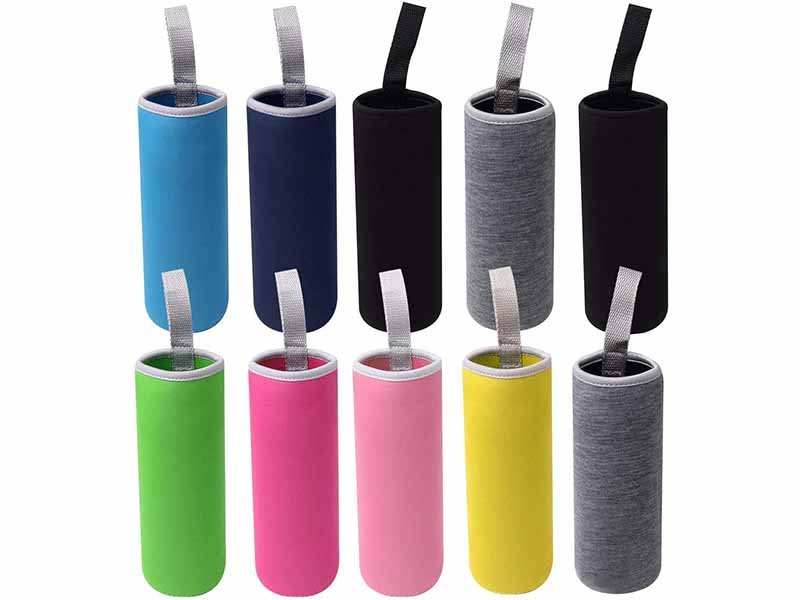
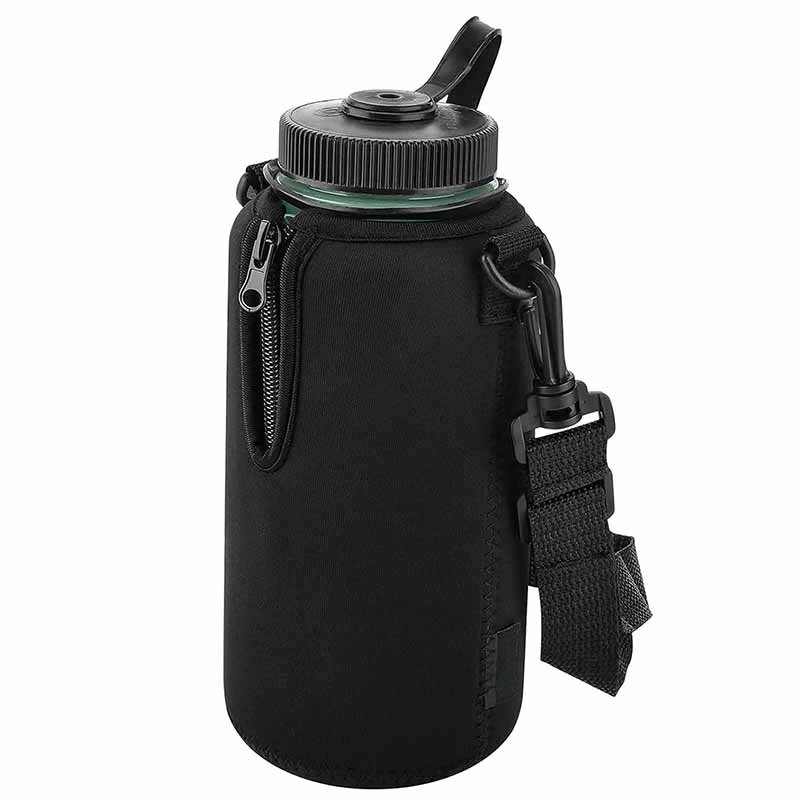
Neoprene Bottle Sleeves
Reusable bottle sleeves are another product category that performs well in online marketplaces.
These sleeves help protect bottles from scratches while also improving grip and maintaining beverage temperature.
Typical product features include:
- insulating neoprene layer
- reinforced stitching around the opening
- flexible structure for different bottle sizes
Bottle sleeves are commonly produced using 3 mm neoprene with nylon edge binding to improve durability.
Neoprene Travel Organizer Bags
Travel organizer bags made from neoprene are becoming increasingly popular among Amazon lifestyle brands.
These products are often used to organize small items such as:
- electronic cables
- travel accessories
- cosmetic products
Neoprene provides soft padding that protects stored items while keeping the bag lightweight.
These organizers are typically produced using 3 mm neoprene with zipper closures and internal compartments.
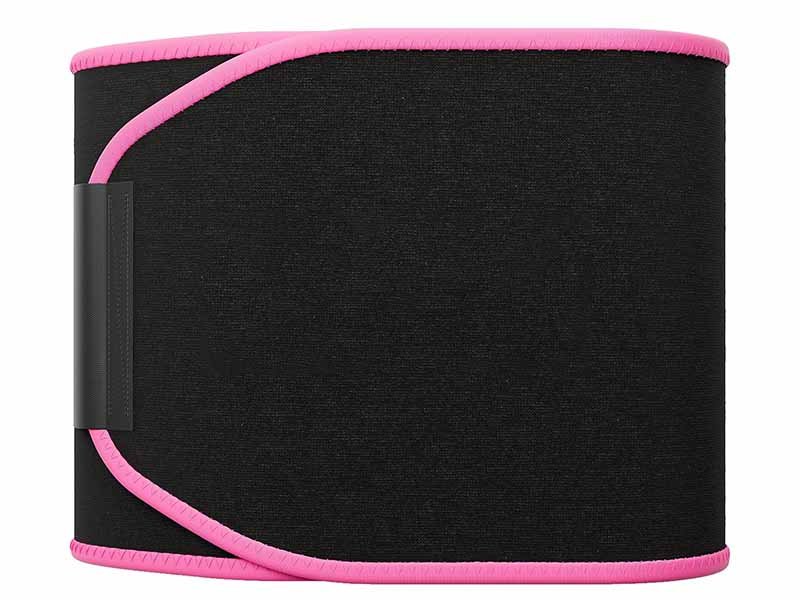
Neoprene Sports Accessories
Sports-related neoprene products are also frequently sold on Amazon.
Examples include:
- knee sleeves
- elbow supports
- wrist supports
- weightlifting belts
These products require higher-density neoprene materials because they must withstand repeated stretching during physical activity.
For sports products, Oneier often recommends SCR or CR neoprene due to its improved elasticity and durability.
Neoprene Pet Accessories
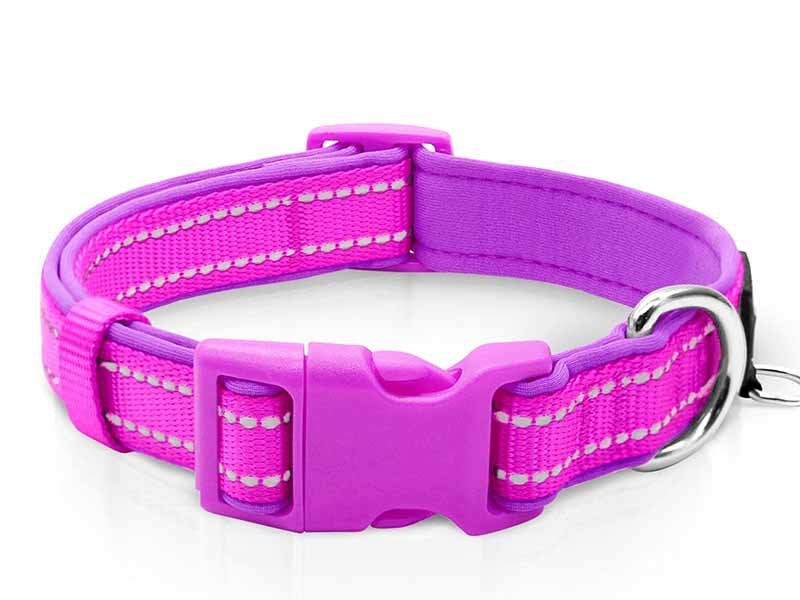
Pet accessories made from neoprene are also popular among Amazon pet product brands.
Common products include:
- padded dog collars
- neoprene dog harnesses
- neoprene leashes
These products usually combine neoprene padding with nylon webbing straps, providing comfort for pets while maintaining structural strength.
Pet brands often prioritize durable stitching and adjustable hardware to ensure long-term use.
20 Top-Selling Neoprene Products on Amazon
| Product Category | Typical Thickness | Main Selling Point | Usual Market Type |
|---|---|---|---|
| Laptop sleeves | 2–3 mm | device protection | tech accessories |
| Lunch bags | 3 mm | insulation and portability | daily use |
| Cosmetic bags | 3 mm | flexible storage | beauty and travel |
| Can coolers | 3 mm | beverage insulation | promotional and lifestyle |
| Bottle sleeves | 3 mm | grip and temperature retention | sports and travel |
| Tablet sleeves | 2–3 mm | lightweight protection | tech accessories |
| Travel organizers | 3 mm | padded storage | travel and lifestyle |
| Pencil cases | 3 mm | compact organization | stationery |
| Sunglasses cases | 2–3 mm | scratch protection | fashion and travel |
| Camera pouches | 3 mm | gear protection | photography |
| Mouse pads | 2–3 mm | printable surface | office and gaming |
| Desk mats | 2–3 mm | large visual branding area | office and gaming |
| Baby bottle sleeves | 3 mm | insulation and grip | baby products |
| Wine bottle totes | 3–5 mm | gift and transport use | lifestyle |
| Beer bottle sleeves | 3 mm | beverage insulation | outdoor and gifting |
| Cooler totes | 3–5 mm | higher-capacity insulation | outdoor and grocery |
| Gym accessory bags | 3 mm | lightweight carry | fitness |
| Dog collars | 3 mm padding | pet comfort | pet accessories |
| Dog harnesses | 3 mm padding | padded support | pet accessories |
| Wrist or knee supports | 3–5 mm | support and compression feel | sports |
Neoprene Product Construction and Structural Details
Although neoprene products may appear simple, their internal construction plays an important role in durability and product performance. Well-designed structures help products withstand repeated use while maintaining their shape and functionality.
At Oneier, the product engineering team reviews structural details during the sample development stage to ensure that products perform reliably once they reach end users.
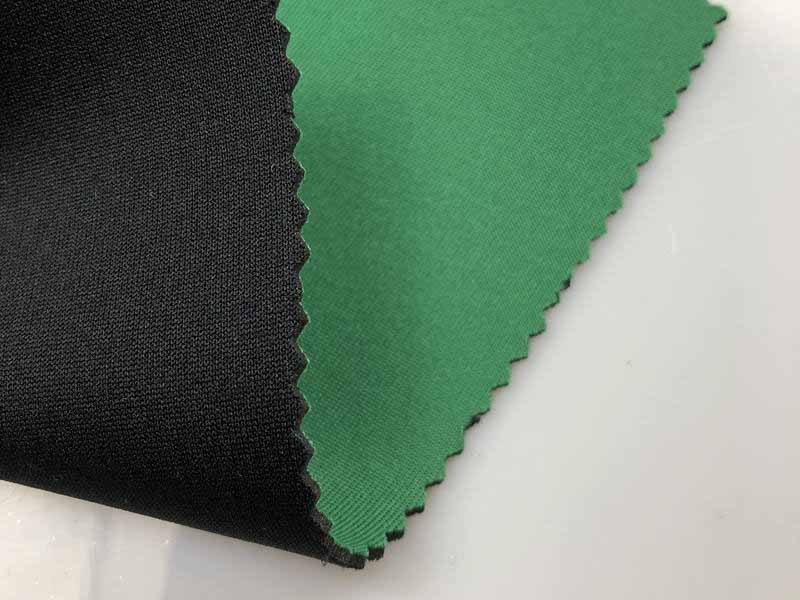
Neoprene Lamination Structure
Most neoprene products are made from laminated neoprene sheets, where neoprene foam is combined with outer fabric layers.
Typical laminated structure:
| Layer | Function |
|---|---|
| Outer fabric (polyester / nylon) | durability and appearance |
| Neoprene foam | cushioning and insulation |
| Inner fabric lining | structural stability |
This laminated construction provides flexibility while maintaining enough structure for bags, sleeves and protective cases.
Reinforced Stitching
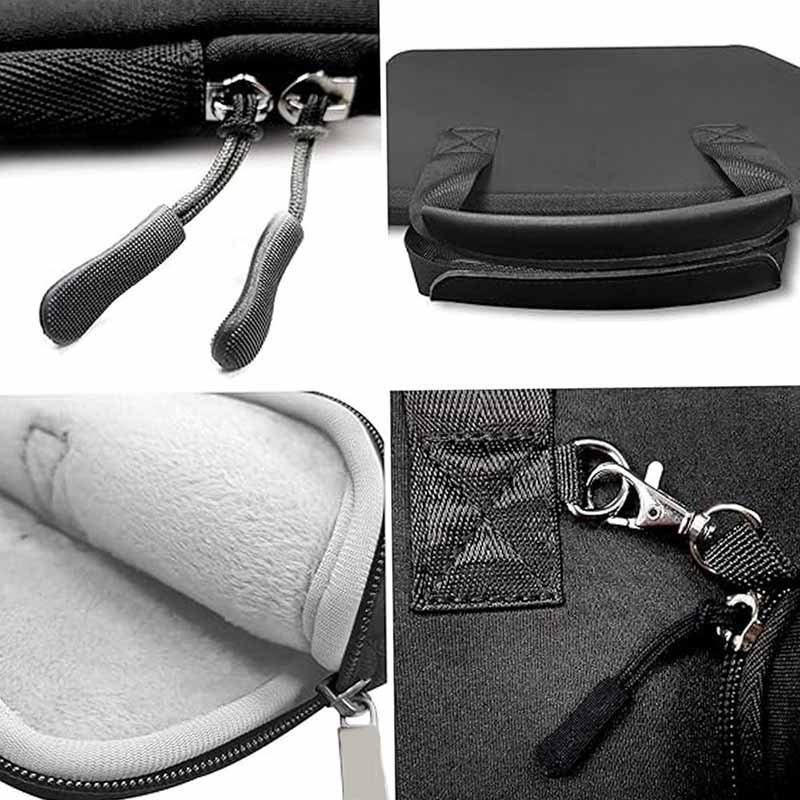
Many neoprene products require reinforced seams to prevent tearing under repeated use.
Typical reinforcement areas include:
- bag handles
- zipper edges
- stress points near straps
- corners of laptop sleeves
Oneier commonly uses double stitching or reinforced binding tape to improve durability.
Edge Binding and Finishing
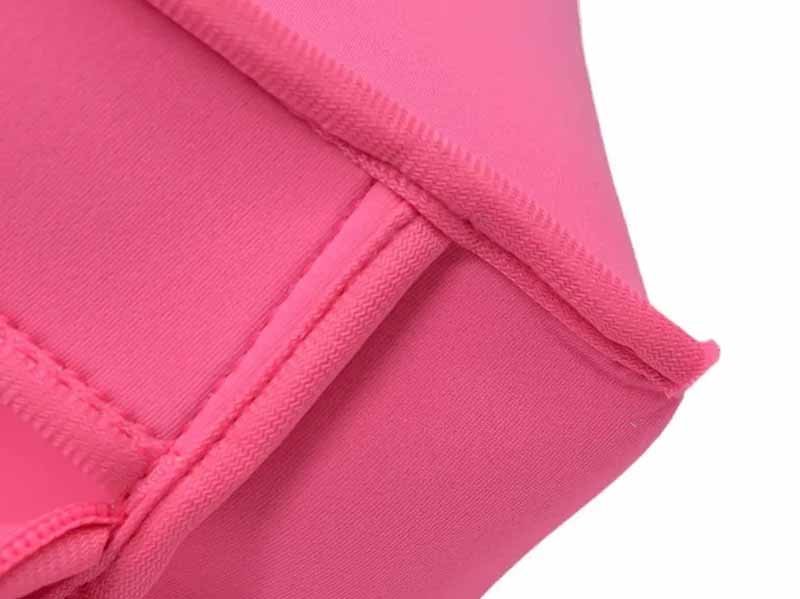
Edge finishing plays an important role in the overall appearance and durability of neoprene products.
Typical finishing methods include:
- nylon edge binding
- folded seam construction
- reinforced corner stitching
Proper finishing prevents neoprene layers from separating over time.
Zipper Installation
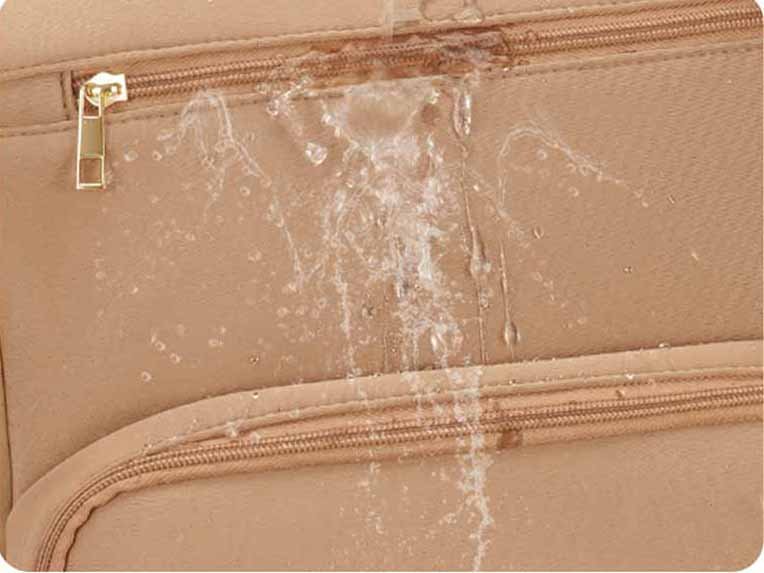
For products such as sleeves and bags, zipper quality significantly affects user experience.
Common zipper options include:
- nylon coil zippers
- waterproof zippers
- reverse coil zippers
The factory selects zipper types according to product function and durability requirements.
Load-Bearing Design
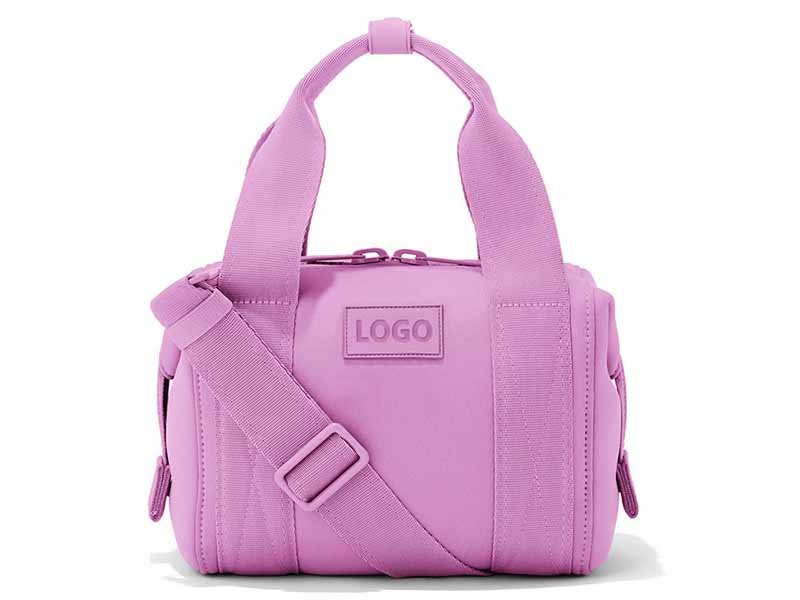
Certain neoprene products such as tote bags and cooler bags require additional structural reinforcement.
These reinforcements may include:
- nylon webbing handles
- internal lining layers
- cross-stitch reinforcement
These structural improvements allow products to support heavier loads while maintaining long-term durability.
Neoprene Material Options for Amazon Product Development
Selecting the correct material combination is an important step when developing neoprene products.
Different neoprene types and thicknesses influence product flexibility, weight and cost.
With access to its own neoprene material production resources and fabric supply chain, Oneier helps brands select materials suited for their product category.
Neoprene Material Types
Three types of neoprene materials are commonly used in product manufacturing.
| Material | Characteristics | Applications |
|---|---|---|
| CR neoprene | high elasticity and durability | sports gear, wetsuits |
| SBR neoprene | economical material | sleeves, bags |
| SCR neoprene | balanced performance | most accessories |
SCR neoprene is commonly used for lifestyle and ecommerce products because it offers a balance between performance and cost.
Neoprene Thickness Options
Thickness selection depends on the product’s intended function.
| Thickness | Typical Applications |
|---|---|
| 2 mm | laptop sleeves, lightweight cases |
| 3 mm | lunch bags, cosmetic bags |
| 5 mm | cooler bags, insulated carriers |
Thicker neoprene provides better insulation and cushioning but increases product weight.
Laminated Fabric Options
Neoprene foam is often laminated with different outer fabrics.
Common options include:
- polyester fabric
- nylon fabric
- printed sublimation fabric
These fabric options allow brands to customize both durability and product appearance.
Waterproof and Functional Fabrics
For outdoor products, additional fabric features may be used, including:
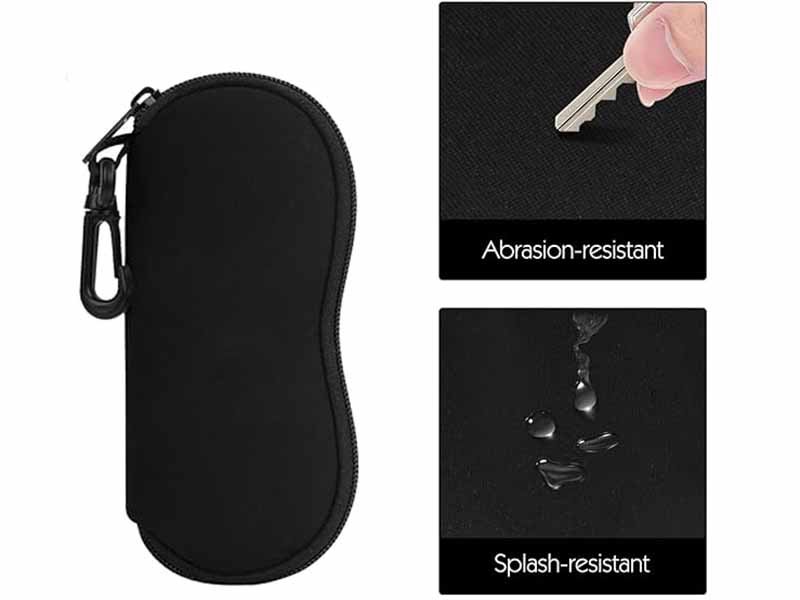
- water-resistant coatings
- UV-resistant fabrics
- anti-scratch surfaces
These materials improve product performance in outdoor environments.
Custom Logo and Branding Options
Brand identity plays an important role for Amazon product listings. Unique branding helps products stand out in competitive marketplaces and builds long-term brand recognition.
Oneier supports several logo and branding techniques suitable for neoprene products.
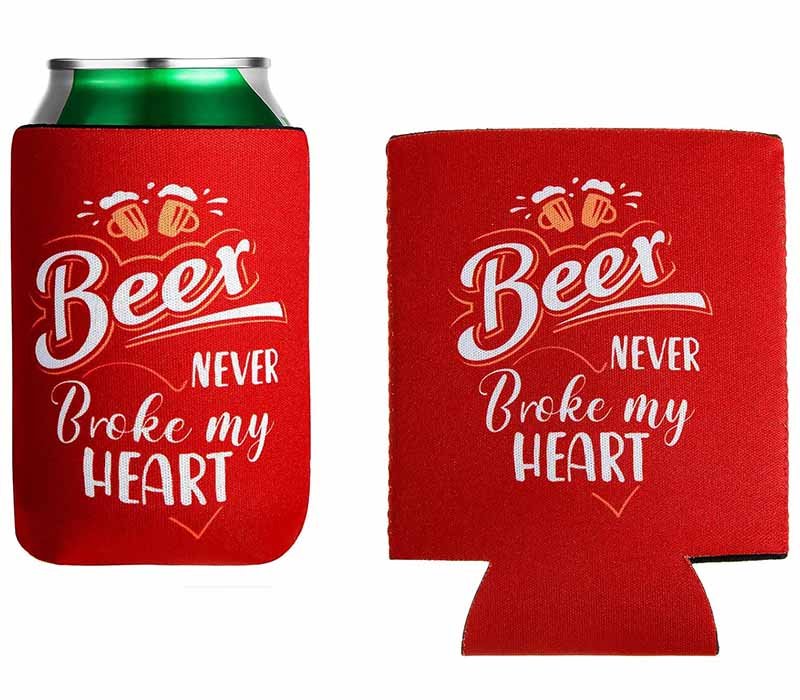
Screen Printing
Screen printing is commonly used for simple logo designs.
Advantages include:
- cost-effective for larger quantities
- durable ink adhesion
- clear color reproduction
This method is often used for promotional products and simple brand logos.
Sublimation Printing
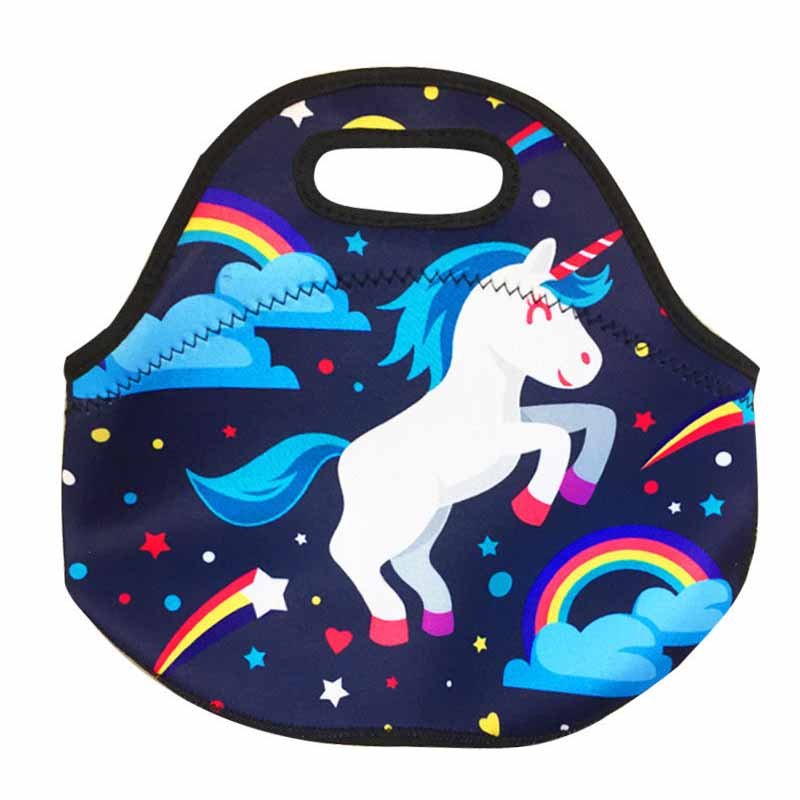
Sublimation printing allows full-color graphics to be applied across laminated neoprene fabric.
Benefits include:
- high-resolution printing
- vibrant colors
- full surface coverage
This method is widely used for products such as:
- laptop sleeves
- lunch bags
- cosmetic bags
Embroidery
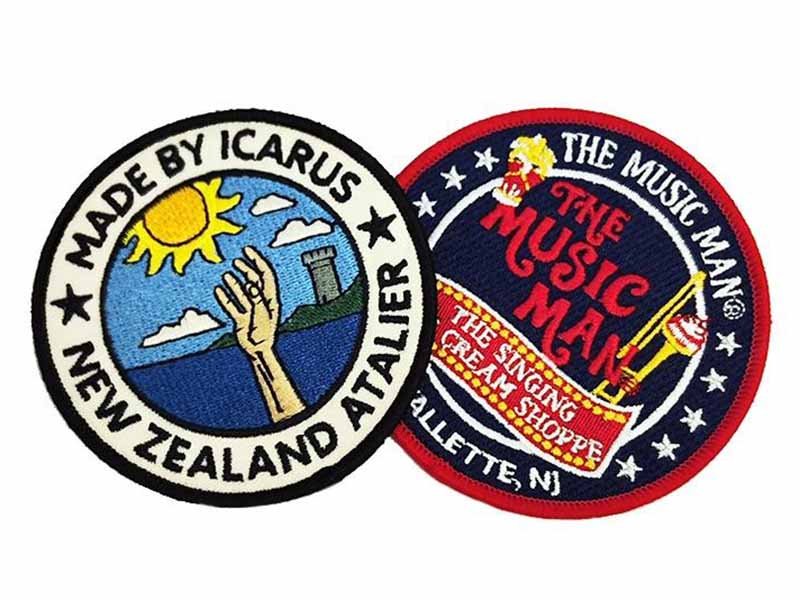
Embroidery provides a premium appearance for certain products.
It is often used for:
- brand logos on bags
- sports equipment accessories
- premium product lines
Embroidery offers strong durability but is typically used on thicker fabrics.
Rubber and Silicone Patches
Rubber patches provide a modern branding style that is durable and resistant to wear.
These patches can be sewn or heat-pressed onto neoprene products.
They are often used by sports brands and outdoor product companies.
Woven Labels and Internal Branding
Many brands also include additional internal branding elements.
Examples include:
- woven labels
- care labels
- internal brand tags
These elements enhance brand presentation and provide important product information.
Overview of Logo Methods
| Logo Method | Visual Effect | Best Applications |
|---|---|---|
| Screen printing | simple and durable | promotional products |
| Sublimation printing | full-color graphics | laptop sleeves, bags |
| Embroidery | premium appearance | sports accessories |
| Rubber patches | modern brand look | outdoor gear |
These branding options allow Amazon sellers to build distinctive product identities while maintaining manufacturing efficiency.
Minimum Order Quantity, Sampling and Production Timeline
For Amazon brands, production flexibility is extremely important. Product launches often begin with small quantities to test market demand before scaling up inventory.
Because of this, Oneier structures its production process to support both small initial orders and scalable manufacturing.
Minimum Order Quantity
Most neoprene bags and sleeves produced by Oneier start with a minimum order quantity of 50 pieces per design.
This allows Amazon sellers to test product concepts with lower financial risk.
Typical MOQ structure:
| Product Category | Minimum Order |
|---|---|
| Neoprene laptop sleeves | 50 pcs |
| Neoprene lunch bags | 50 pcs |
| Neoprene cosmetic bags | 50 pcs |
| Neoprene bottle sleeves | 100 pcs |
| Neoprene koozies | 100 pcs |
Lower MOQs make it easier for new brands to launch products and validate market demand.
Sample Development Process
Sampling is an important stage where the product structure, materials and branding are confirmed before mass production.
The sample process normally includes:
- product specification confirmation
- material preparation
- cutting and sewing
- logo application
- final sample inspection
Typical sample timeline:
| Sample Type | Time Required |
|---|---|
| Standard neoprene products | 5–7 days |
| Products requiring custom molds | 7–15 days |
Once samples are approved, production specifications are finalized for mass manufacturing.
Mass Production Timeline
Production time depends on order quantity, product complexity and accessory requirements.
Typical manufacturing schedule at Oneier:
| Production Stage | Time |
|---|---|
| Material preparation | 3–5 days |
| Cutting and sewing | 15–20 days |
| Inspection and packing | 3–5 days |
Total production time generally ranges between 25 and 30 days.
Maintaining stable lead times helps Amazon sellers manage inventory planning and restocking cycles.
Quality Control and Product Inspection
Consistent product quality is essential for ecommerce products. Negative customer reviews caused by manufacturing issues can affect listing performance and brand reputation.
To reduce these risks, Oneier follows a structured quality inspection process throughout production.
Raw Material Inspection
All incoming materials are checked before entering the production line.
Inspection includes:
- neoprene thickness verification
- fabric surface quality
- color consistency
- accessory durability
This step prevents defective materials from being used in production.
In-Process Production Inspection
During production, quality inspectors monitor key manufacturing stages.
Inspection points include:
- stitching strength
- logo alignment
- zipper installation
- edge finishing
Regular in-line inspections help identify issues early before large quantities are produced.
Final Product Inspection
Before shipment, finished products undergo a comprehensive inspection process.
Inspection checklist includes:
| Inspection Area | Quality Requirement |
|---|---|
| Appearance | clean surface without stains |
| Stitching | secure seams without loose threads |
| Logo printing | accurate position and color |
| Accessories | securely attached components |
| Dimensions | consistent with approved sample |
Every order undergoes 100% final inspection before shipment.
Durability and Performance Testing
Certain products may require additional performance testing, such as:
- seam strength testing
- zipper durability testing
- load-bearing tests for bags
These tests help ensure products perform reliably during everyday use.
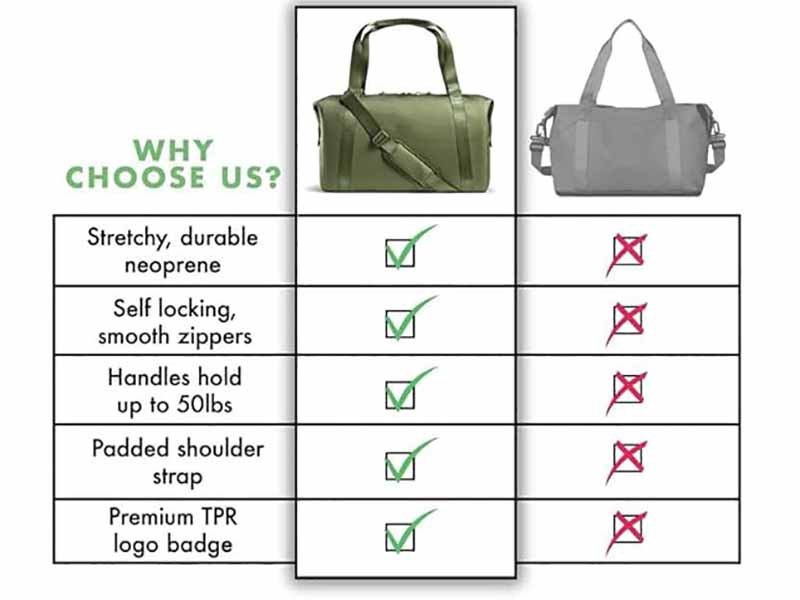
Packaging and Amazon FBA Shipping Support
Proper packaging plays an important role in protecting products during international transportation and fulfillment center handling.
Many Amazon sellers require packaging suitable for Amazon FBA logistics systems.
Oneier supports several packaging options depending on product type and brand requirements.
Standard Protective Packaging
Basic packaging is designed to protect products during shipping.
Typical options include:
- poly bags
- protective inner packaging
- carton boxes for export
These packaging methods prevent damage during transportation.
Private Label Packaging
For branded products, customized packaging is often required.
Common branding elements include:
- printed product boxes
- branded poly bags
- hang tags
- barcode labels
These elements improve brand presentation and help products stand out in online listings.
Amazon FBA Preparation
Amazon fulfillment centers have specific packaging and labeling requirements.
Oneier assists with several FBA preparation steps, including:
- FNSKU barcode labeling
- carton labeling
- packaging compliance checks
These preparations help products move smoothly through Amazon logistics systems.
Global Shipping Options
Depending on delivery urgency and cost considerations, several shipping options are available.
| Shipping Method | Typical Transit Time |
|---|---|
| International express | 5–7 days |
| Air freight | 7–12 days |
| Sea freight | 25–40 days |
Trade terms supported include:
- EXW
- FOB
- DAP
- DDP
These options allow Amazon sellers to select logistics solutions that match their inventory planning strategy.
Amazon Brand Case Examples
Over the years, Oneier has supported many ecommerce brands in developing neoprene products for online marketplaces. These projects often start with small product launches and gradually scale as sales increase.
Below are several examples illustrating different development scenarios.
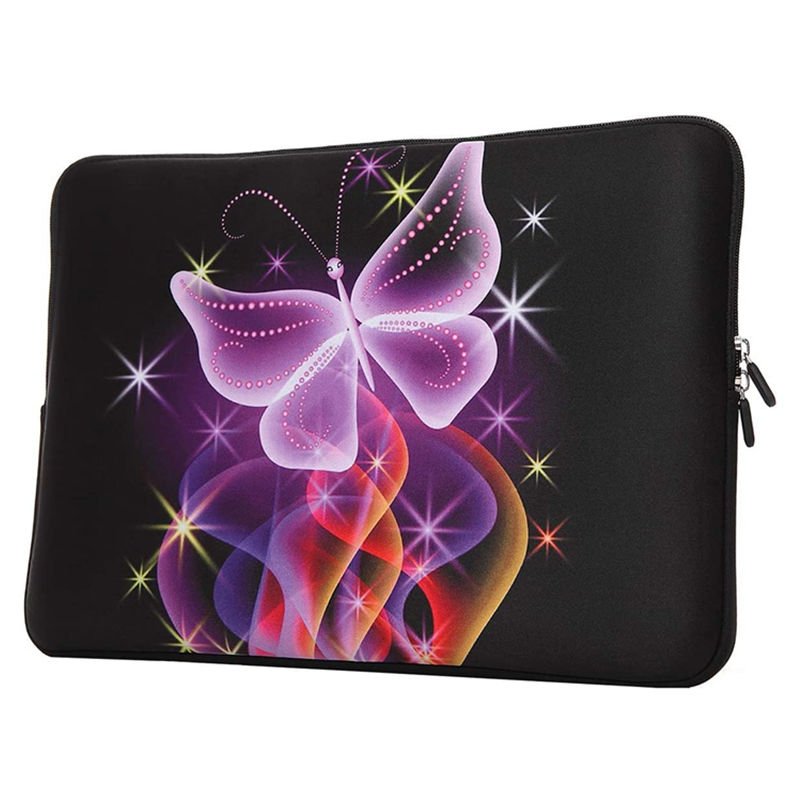
Case 1 – Laptop Sleeve Brand in the United States
A US-based ecommerce brand approached Oneier to develop a series of neoprene laptop sleeves designed for MacBook users.
Project requirements included:
- slim protective structure
- soft internal lining
- full-surface sublimation printing
The product team optimized the sleeve dimensions and reinforced the zipper edges to improve durability.
The first order was 300 units across three color designs, followed by repeat orders as the product gained traction on Amazon.
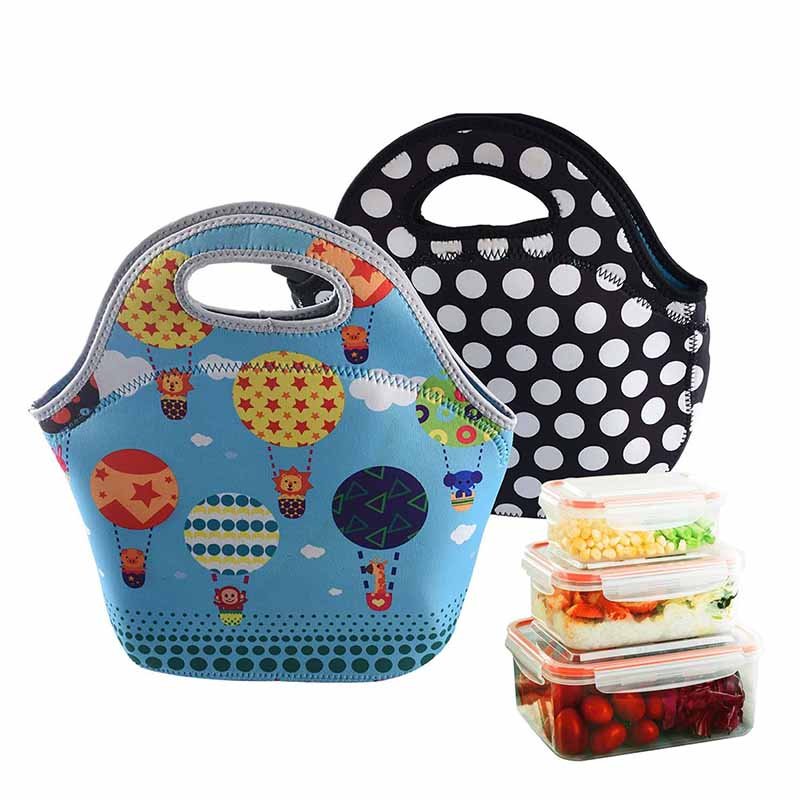
Case 2 – Insulated Lunch Bag for European Marketplace
A European Amazon brand launched a neoprene lunch bag designed for office workers and students.
The design required:
- foldable insulated structure
- reinforced carry handles
- waterproof inner lining
Oneier developed a 3 mm neoprene insulated structure combined with polyester lamination, improving insulation performance while maintaining lightweight design.
The product later expanded into multiple color variations.
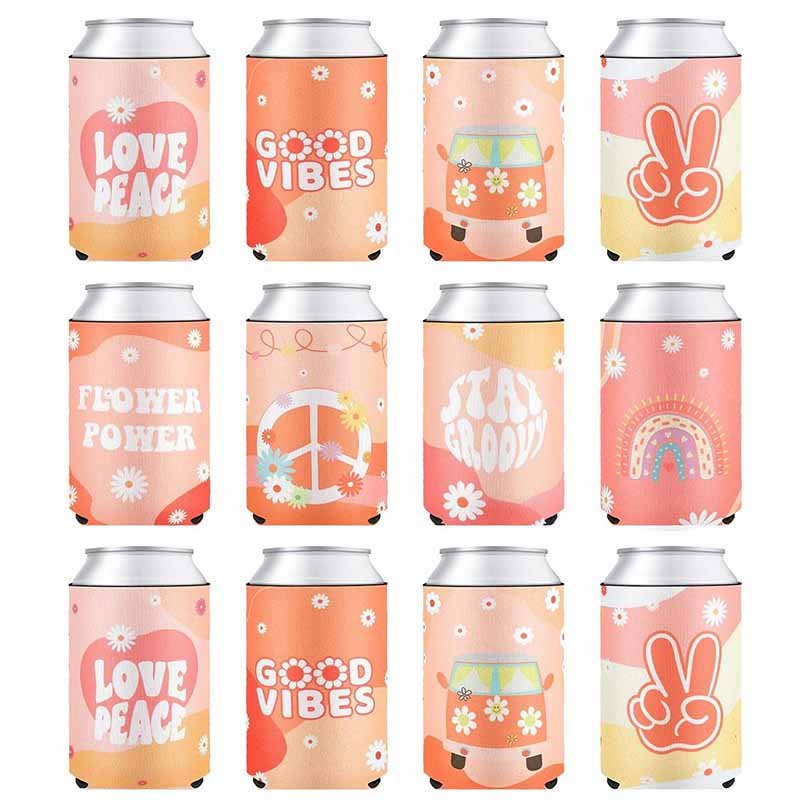
Case 3 – Beverage Koozie Promotional Product
An Amazon seller focused on beverage accessories needed a supplier capable of producing large quantities of neoprene can coolers.
The project required:
- bright sublimation printing
- stable stitching quality
- consistent neoprene thickness
Because koozies are relatively simple products, Oneier was able to support large-volume production with consistent printing quality, allowing the seller to maintain stable stock availability.
Custom Neoprene Product Development Process
Developing neoprene products typically involves several stages from concept development to final shipment.
Oneier follows a structured workflow to ensure that each stage of production is completed efficiently.
Step 1 – Product Requirement Discussion
The process begins with defining product specifications.
Key details usually include:
- product type
- dimensions
- neoprene thickness
- fabric lamination
- logo method
- accessories
Clear specifications allow the engineering team to evaluate manufacturing feasibility.
Step 2 – Cost Evaluation and Quotation
Once product requirements are confirmed, the product team calculates production costs.
Factors influencing cost include:
| Cost Factor | Impact |
|---|---|
| Material thickness | affects neoprene consumption |
| Product size | determines cutting efficiency |
| Printing method | affects setup cost |
| Accessories | zippers, buckles, webbing |
A quotation is then prepared for review.
Step 3 – Sample Development
After confirming the sample order, the pattern development team begins prototype production.
Typical sample timeline:
- standard neoprene products: 5–7 days
- products requiring molds or special accessories: 7–15 days
Samples are inspected before shipment to ensure accuracy.
Step 4 – Sample Confirmation
Customers review the sample for:
- product dimensions
- material selection
- logo placement
- stitching quality
Once approved, the production specification is finalized.
Step 5 – Mass Production
Mass production begins after confirming the order and receiving the production deposit.
Typical production time: 25–30 days.
Production stages include:
- material cutting
- sewing assembly
- accessory installation
- logo printing
Step 6 – Quality Inspection and Shipment
Finished products undergo final inspection before packaging and shipment.
Shipping methods include:
- international express
- air freight
- sea freight
Trade terms supported include EXW, FOB, DAP and DDP.
Frequently Asked Questions About Neoprene Manufacturing for Amazon Sellers
Most neoprene bags and sleeves produced by Oneier start from 50 pieces per design. This allows Amazon sellers to launch new products with smaller inventory risk while testing product demand.
Standard neoprene product samples usually take 5–7 days to produce. Designs involving custom molds or complex structures may require 7–15 days.
Many ecommerce products use 2 mm or 3 mm neoprene, which provides a balance between cushioning and lightweight construction.
Yes. The engineering team regularly helps optimize product structures, material combinations and accessory choices to improve durability and manufacturing efficiency.
Common options include screen printing, sublimation printing, heat transfer printing and rubber patches, depending on product design and branding requirements.
Quality inspections occur during material preparation, production and final packaging stages. Each shipment undergoes 100% final inspection before delivery.
Products can be shipped through international express, air freight or sea freight, depending on delivery urgency and budget.
Yes. Packaging and labeling can be prepared according to Amazon FBA requirements, including barcode labeling and carton labeling.
Start Your Amazon Neoprene Product Project with Oneier
Launching neoprene products on Amazon requires reliable manufacturing, flexible production quantities and consistent product quality.
To begin a product discussion, prepare the following information:
- product type
- approximate dimensions
- preferred neoprene thickness
- estimated order quantity
- logo artwork or reference images
The product team will review the information and provide manufacturing recommendations.
- +86 13823134897
- info@neoprene-bag.com