
What Does a Neoprene Knee Brace Do? A Comprehensive Guide
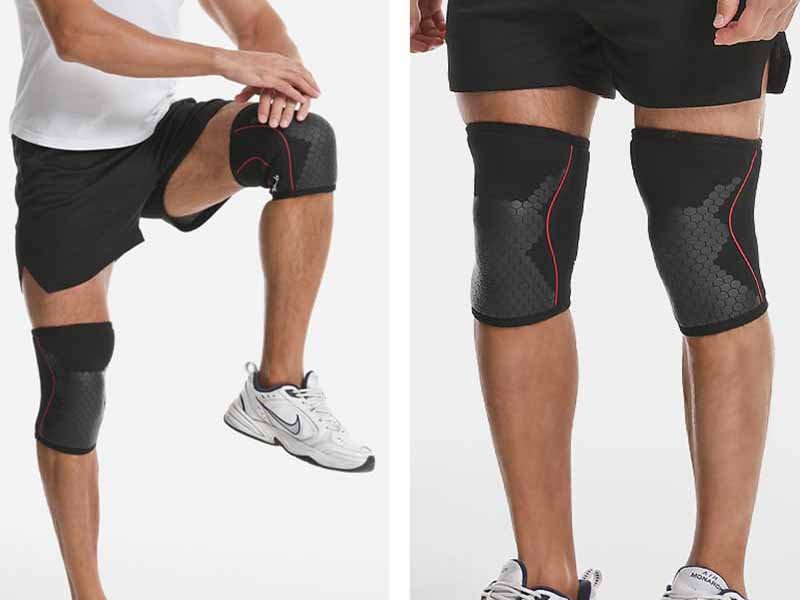
Knee pain is one of those subtle problems that can derail an entire day — a sudden twinge when climbing stairs, a dull ache after sitting too long, or the stiffness that greets you every morning. It’s no surprise that knee braces have become everyday essentials for athletes, office workers, and seniors alike. Among the many types on the market, neoprene knee braces stand out for their blend of comfort, flexibility, and heat-retaining support.
A neoprene knee brace provides compression, warmth, and stabilization to support the knee joint. Made from soft, stretchable synthetic rubber, it improves circulation, reduces swelling, and eases pain from sports strain, arthritis, or injury recovery. Unlike rigid braces, neoprene models allow mobility while protecting ligaments and tendons during movement.
Most people discover neoprene knee braces by accident — an online search after a twisted jog or a recommendation from a physical therapist. Yet few realize how precisely engineered these simple-looking sleeves are. They combine medical principles with material science to help knees heal faster and move safer. Let’s unpack how they work, who benefits most, and how to choose one that truly fits your lifestyle.
What Is a Neoprene Knee Brace and How Does It Differ from Other Braces?
A neoprene knee brace is a flexible sleeve or wrap made from synthetic rubber that delivers warmth and compression. It differs from rigid plastic or metal braces by offering mobility while reducing pain and swelling. Compared with fabric elastic supports, neoprene provides superior heat retention and consistent pressure — ideal for everyday wear or sports use without restricting movement.
Neoprene — a type of closed-cell synthetic rubber — was first developed for wetsuits and industrial seals. Its structure traps nitrogen bubbles inside tiny cells, making it simultaneously elastic, insulating, and resistant to moisture. When applied to knee braces, those same properties create an optimal environment for healing: warmth, steady compression, and flexible reinforcement.
Unlike nylon or cotton sleeves that quickly lose elasticity, neoprene maintains uniform compression across the joint. This stabilizes the patella (kneecap) and soft tissues, reducing strain on tendons and ligaments. For post-injury use, the slight heat generated improves local blood flow, helping nutrients reach damaged cartilage.
Comparison Table — Knee Brace Material and Function
| Brace Type | Material | Primary Benefit | Flexibility | Ideal Use Case |
|---|---|---|---|---|
| Neoprene Brace | Closed-cell synthetic rubber | Heat retention + compression | High | Everyday support, sports, arthritis |
| Elastic Fabric Sleeve | Cotton / nylon blend | Light support & breathability | Very high | Mild strain, warm climate use |
| Hinged Brace | Neoprene + metal hinges | Lateral stability after injury | Moderate | Post-surgery or ligament rehab |
| Rigid Brace | Plastic or carbon fiber | Full immobilization | Low | Severe injury or medical rehab |
Neoprene sits perfectly between flexibility and structure — firm enough to stabilize, yet soft enough to move naturally. It’s also durable: a well-made neoprene brace can last hundreds of wash cycles without losing its elasticity, making it cost-effective for daily users.
In short, neoprene’s balance of thermal and elastic properties is what separates it from cheaper elastic sleeves or restrictive medical braces. It’s why athletes, physical therapists, and even orthopedic surgeons frequently recommend it as the first line of defense for moderate knee discomfort.
How Does a Neoprene Knee Brace Work to Support the Knee Joint?
A neoprene knee brace supports the joint by applying gentle compression that enhances circulation and stability while retaining heat to keep muscles flexible. This combination reduces inflammation, minimizes pain, and prevents further strain during movement. By stabilizing ligaments and guiding proper alignment, the brace aids recovery from injuries and improves comfort during daily or athletic activity.
When the knee bends and twists, forces up to seven times body weight travel through it. Neoprene braces counter those stresses in three ways: compression, thermal therapy, and structural stabilization.
1. Compression for Joint Stability
Compression gently squeezes soft tissue, improving blood flow and lymphatic drainage. This reduces swelling after strain or surgery. Studies show that moderate compression (20–30 mmHg) can lower joint pain perception by up to 40 percent. It also enhances proprioception — your body’s awareness of joint position — helping users maintain better balance.
2. Heat Retention for Flexibility
The closed-cell neoprene traps body heat, keeping the joint around 2–3 °C warmer than ambient temperature. This keeps muscles pliable and prevents stiffness, especially during cold-weather training or long office hours. Warm tissue is less prone to tearing or cramping, which is why many physical therapists recommend neoprene for warm-up phases.
3. Stabilization for Movement Control
While not as rigid as a hinged brace, neoprene provides enough resistance to minimize side-to-side wobble. It supports key structures:
- ACL (Anterior Cruciate Ligament)
- MCL (Medial Collateral Ligament)
- Patellar Tendon
By centering the patella and cushioning the kneecap’s glide, the brace reduces irritation in common conditions like runner’s knee (patellofemoral pain syndrome) or jumper’s knee (tendonitis).
Performance Benefits Summarized
| Mechanism | Effect on Knee | Result for User |
|---|---|---|
| Gentle Compression | Improves circulation & reduces swelling | Less pain, faster recovery |
| Heat Retention | Keeps muscles supple | Greater flexibility, reduced injury risk |
| Structural Support | Stabilizes ligaments and patella | Better alignment & confidence in motion |
Athletes often describe the feeling as “controlled freedom” — the knee moves naturally but feels more secure. Even desk workers notice less stiffness after long hours. That’s the power of a material designed to move with you, not against you.
Which Conditions or Activities Benefit Most from Using a Neoprene Knee Brace?
Neoprene knee braces are ideal for people managing joint pain, swelling, or instability from overuse, arthritis, sprains, or sports injuries. They support the knee during recovery, prevent reinjury, and provide warmth that eases stiffness. From runners and weightlifters to office workers and older adults, anyone needing mild-to-moderate knee support can benefit from neoprene’s balance of flexibility and compression.
Knee braces aren’t just for athletes; they’re for anyone who moves, stands, or bends. The knee is the largest and most complex joint in the body, connecting bones, muscles, tendons, and ligaments. When one element weakens, the whole system feels it — which explains why more than 25 % of adults experience knee discomfort each year.
1. Sports and Fitness
Athletes often choose neoprene braces to prevent or recover from minor ligament strains, patellar tracking issues, and tendon inflammation.
- Running & Cycling: A light neoprene sleeve improves circulation and alignment, reducing “runner’s knee.”
- Weightlifting & CrossFit: Braces provide joint feedback and reduce shear forces during squats and jumps.
- Court Sports: Added stability reduces side-strain risk in rapid lateral movement.
A 2024 clinical review in Sports Medicine Today found that compression sleeves reduced post-workout swelling by 32 % compared with no support — a clear performance edge.
2. Arthritis and Chronic Pain
For those with osteoarthritis or early-stage rheumatoid arthritis, warmth is therapeutic. Heat relaxes muscles around the joint, reducing stiffness and improving morning mobility. Neoprene braces are particularly valuable in cooler climates or air-conditioned environments that aggravate joint pain.
3. Post-Injury and Rehabilitation
After ligament strain or meniscus injury, doctors often recommend soft braces once acute swelling subsides. The consistent pressure enhances proprioception — the body’s awareness of joint position — allowing safer movement while muscles rebuild strength.
4. Occupational and Everyday Use
Jobs that involve kneeling, lifting, or prolonged standing (carpenters, nurses, warehouse workers) create micro-strain. Wearing a neoprene brace throughout the shift reduces fatigue and swelling, improving comfort at the end of the day.
Conditions vs. Recommended Support Level
| Condition / Activity | Recommended Brace Type | Neoprene Thickness | Purpose |
|---|---|---|---|
| Mild strain or prevention | Neoprene sleeve (open patella) | 3 mm | Light compression & warmth |
| Arthritis / chronic pain relief | Closed patella sleeve | 4 mm | Heat therapy & gentle support |
| Post-injury rehab (ACL/MCL) | Hinged neoprene brace | 5 mm | Lateral stability & alignment control |
| Sports training / impact sports | Strap-reinforced brace | 3–5 mm | Extra support & anti-slip fit |
| Daily work or long standing | Flexible wrap around | 3 mm | Circulation support & comfort |
Pro Insight: When in doubt, choose medium compression (3–4 mm). It’s firm enough for protection yet comfortable for daily use.
What Features Should You Look for When Choosing a Neoprene Knee Brace?
Look for a knee brace that fits snugly, uses breathable neoprene, and provides the right support level for your activity. Key features include correct sizing, adjustable straps, reinforced stitching, moisture control, and patella stability. Choose open-patella for ventilation and guidance, or closed-patella for warmth and compression. Always balance flexibility with support — comfort is crucial for consistent wear.
A knee brace may look simple, but design details make the difference between effective therapy and drawer clutter. Here’s how to separate marketing claims from functional engineering.
1. Fit and Sizing
The fit determines everything — compression, comfort, and stability.
Measure around the mid-knee, roughly 4 inches (10 cm) above the kneecap. A proper brace should be snug but not restrictive.
| Size | Knee Circumference (in) | Typical User |
|---|---|---|
| S | 12–14 | Petite build or teens |
| M | 14–16 | Average adult |
| L | 16–18 | Athletic build |
| XL | 18–20 | Larger frames / swelling cases |
Tip: If between sizes, select the smaller one for sport use and the larger one for long-hour wear.
2. Open vs. Closed Patella
Open Patella: Relieves kneecap pressure, improves tracking during bending. Great for running or gym use.
Closed Patella: Provides uniform warmth; ideal for arthritis or post-work recovery.
Hybrid designs with small stabilizing rings combine both advantages.
3. Thickness & Support Level
Neoprene thickness affects both warmth and stiffness.
| Thickness (mm) | Compression Level | Best For |
|---|---|---|
| 2–3 mm | Light | Warm climates, mild support |
| 4 mm | Medium | Arthritis relief / daily use |
| 5 mm | Firm | Sports, post-injury training |
4. Ventilation & Moisture Control
High-density neoprene insulates well but can trap sweat. Look for perforated or mesh-back panels and nylon lining that wicks moisture away. Premium neoprene retains structure while reducing odor — critical for multi-hour wear.
5. Straps and Closures
Wrap-around Velcro designs make adjustment easy for swelling changes. Dual-strap braces distribute pressure evenly and prevent slippage during movement. Always check for reinforced stitching around stress points; it’s the first sign of quality.
6. Durability and Maintenance
A neoprene brace should withstand hundreds of stretch cycles without cracking. Edges bound with nylon tape resist fraying. For washing, use mild soap and air-dry flat — heat can collapse neoprene’s cell structure.
Feature Comparison Table
| Feature | Standard Brace | Premium Neoprene Brace | User Benefit |
|---|---|---|---|
| Material Density | Low elastic foam | High-density closed cell neoprene | Consistent compression & durability |
| Seam Construction | Basic stitch | Flatlock / GBS stitched | No chafing, leak-proof |
| Straps | Single Velcro | Dual adjustable strap | Custom fit for all-day wear |
| Patella Design | Closed only | Open + stabilizer ring | Improved tracking & cooling |
| Ventilation | Solid sheet | Perforated zones | Less sweat, better comfort |
| Color / Style | Limited | Custom logo + color options | Brand identity & user appeal |
Buyer Note: A high-quality brace doesn’t have to be thick — it just needs the right neoprene density and anatomical cut. That’s where custom manufacturing can fine-tune performance for different markets or user groups.
Real-World Tip
Imagine a warehouse worker on their feet ten hours a day. A 3 mm open-patella brace with perforated sides keeps the knee stable yet breathable. Now picture a marathoner training in 45°F weather — the same worker’s brace wouldn’t help. They’d need a 5 mm closed-patella model for warmth and tendon protection.
That’s why “best” always depends on environment, movement, and purpose, not brand slogans.
How Should You Wear, Maintain, and Care for a Neoprene Knee Brace to Get the Best Results?
Wear a neoprene knee brace snugly around the joint, centered over the kneecap, without cutting off circulation. Keep it clean by hand-washing with mild soap, air-drying flat, and storing it in a cool, shaded place. Avoid heat, sunlight, and fabric softeners that degrade neoprene. With proper care, a quality knee brace maintains elasticity and compression for up to one to two years of regular use.
A neoprene brace is like any other performance gear — it needs attention to stay reliable. Sweat, friction, and body heat slowly break down its cellular structure, especially if neglected. With simple habits, you can double its lifespan while keeping it odor-free and effective.
1. How to Wear It Correctly
Most people make the same mistake — wearing a brace too tight or too loose.
- Position the center opening (if open-patella) directly over the kneecap.
- Smooth out wrinkles and pull evenly to distribute compression.
- It should feel snug, not suffocating — you should be able to slip one finger between your skin and the brace.
- For sports, wear it over a thin moisture-wicking sleeve to prevent friction burns.
When to Wear It:
- During activities that involve repetitive motion (walking, running, lifting).
- For 2–3 hours at a time if used for pain management.
- Remove periodically to allow skin to breathe.
2. Cleaning and Maintenance
Neoprene is durable, but heat and chemicals are its enemies.
Always:
- Hand wash in cold or lukewarm water with mild detergent.
- Rinse thoroughly to remove salt or sweat.
- Air dry flat in the shade; direct sunlight damages elasticity.
Never:
- Machine wash or tumble dry.
- Use bleach or fabric softeners.
- Hang on metal hooks — rust stains neoprene lining.
Maintenance & Care Checklist
| Step | Frequency | Purpose / Why It Matters |
|---|---|---|
| Rinse with fresh water | After each use | Removes salt, sweat, and bacteria |
| Hand wash with mild soap | Weekly | Keeps neoprene elastic & odor-free |
| Air dry flat (no heat) | Every wash | Prevents cracking and stiffness |
| Inspect seams & Velcro | Monthly | Catch wear early and repair small tears |
| Store flat or rolled | Always | Avoids permanent creases |
| Replace after elasticity loss | 12–24 months | Ensures reliable compression |
Pro Tip: sprinkle a small amount of cornstarch inside the brace after drying. It keeps the lining smooth and absorbs residual moisture.
3. Odor and Bacteria Control
Because neoprene traps heat, sweat buildup is common.
Use an anti-bacterial spray or diluted vinegar rinse monthly. Some high-end braces include silver-ion linings that prevent odor naturally — worth considering if you wear your brace daily.
Proper care also protects your skin health — preventing rashes, fungal infections, and discomfort caused by trapped sweat. Clean neoprene equals healthy skin and reliable compression.
Are There Any Risks or Limitations When Using a Neoprene Knee Brace?
While neoprene knee braces are safe for most users, potential issues include skin irritation, overheating, or over-reliance that weakens supporting muscles. A brace should aid movement, not replace it. If you experience numbness, severe swelling, or persistent pain, stop use and consult a medical professional. Selecting the correct fit and wearing schedule minimizes these risks.
Even the best brace can cause discomfort if worn incorrectly or used for the wrong purpose. Neoprene’s warmth and compression are helpful — but moderation and fit matter.
1. Skin Irritation and Allergic Reactions
Some users experience redness or mild rashes from trapped sweat or latex-blend neoprene.
Prevention:
- Choose latex-free neoprene (most modern models are).
- Keep skin clean and dry before wearing.
- Apply a thin cotton or spandex sleeve underneath for ventilation.
If irritation persists, discontinue use and clean the area with mild soap. Switch to perforated neoprene with breathable panels.
2. Overheating and Circulation Problems
Because neoprene retains heat, wearing it too long — especially in warm weather — may cause excess sweating or mild swelling.
The rule: wear during activity, remove afterward.
If your leg tingles or feels numb, loosen the strap or select a larger size. Never sleep with a brace on unless prescribed by a physician.
3. Dependence and Muscle Weakness
A brace supports muscles, but overuse may encourage reliance.
Physical therapists recommend alternating between brace-assisted and unassisted movement during rehabilitation. Strengthening the surrounding muscles — quadriceps, hamstrings, and calves — ensures long-term joint stability.
4. When a Brace Is Not Enough
A neoprene knee brace provides mild to moderate support, not immobilization.
If your pain is sharp, swelling severe, or the joint feels unstable, consult an orthopedic specialist.
Red flags include:
- Locking or clicking sounds in the knee
- Sudden giving-way sensation
- Pain persisting beyond two weeks of brace use
Potential Risks Overview
| Issue | Possible Cause | Prevention / Solution |
|---|---|---|
| Skin rash or irritation | Sweat accumulation, latex sensitivity | Clean regularly, use liner, choose latex-free |
| Overheating or sweating | Long wear time, poor ventilation | Use perforated neoprene, remove during rest |
| Numbness or tingling | Brace too tight | Adjust strap or sizing |
| Muscle dependence | Overuse without exercise | Alternate with strengthening workouts |
| Persistent pain | Underlying medical condition | Seek professional evaluation |
Responsible Use Mindset
Think of your neoprene knee brace like a seatbelt for movement — it doesn’t drive the car for you, but it helps you stay safe while you do.
The goal isn’t to wear it forever; it’s to use it smartly until your muscles and joints regain strength.
Wearing it with awareness, maintaining it properly, and combining it with good habits — stretching, proper posture, and balanced activity — ensures that your brace remains a tool for recovery, not a crutch for dependency.
Conclusion — Move Confidently, Heal Smarter, and Protect What Matters
Knee pain can be a whisper that starts with a small strain — or a roar that stops you mid-stride. Whatever the cause, support matters. A well-made neoprene knee brace bridges the gap between discomfort and confidence, between recovery and restriction. It’s not magic — it’s material science and human understanding combined.
Let’s recap what you’ve learned throughout this guide:
| Key Takeaway | What It Means for You |
|---|---|
| Neoprene’s core power | Gentle compression + thermal retention improve circulation and mobility. |
| Versatility | Ideal for sports, arthritis, or daily support; adapts to your lifestyle. |
| Proper fit = effectiveness | Snug but not tight — ensures correct pressure without restricting movement. |
| Maintenance | Hand-wash, air-dry, store flat; regular care doubles lifespan. |
| Safe use | Avoid overreliance, monitor skin health, and combine with strengthening exercises. |
A neoprene knee brace is more than a piece of gear — it’s a personal companion that supports you through recovery, training, or everyday motion. The warmth you feel isn’t just temperature; it’s confidence returning to your steps.
Many athletes recall the first time they ran pain-free again. Office workers mention walking home after long hours without that heavy, aching pull. These small victories add up — and neoprene’s flexible resilience plays a quiet role in each one.
Partner With Szoneier — The Neoprene Experts Behind Every Reliable Brace
Behind every effective brace is a manufacturer that understands the material down to its cellular structure.
That’s where Szoneier stands apart.
For more than 18 years, Szoneier has combined neoprene R&D, production, and design under one roof — turning technical precision into comfort and safety for users worldwide.
Why Szoneier?
1. Quality Neoprene, Engineered for Performance
We don’t just buy neoprene — we formulate it.
Szoneier’s in-house R&D team develops high-density, closed-cell neoprene optimized for orthopedic use. Each sheet undergoes compression, stretch, and aging tests to ensure consistent elasticity, breathability, and skin-safe durability.
All materials meet OEKO-TEX®, REACH, and CPSIA compliance standards.
2. Custom Manufacturing & Private Label Service
Whether you’re building a sports brace brand, launching a rehabilitation line, or sourcing medical support gear, we provide:
- Free design consultation and sampling
- Low-MOQ customization for small and mid-sized brands
- Custom logos, embossing, and packaging options
- Adjustable models: sleeve, wrap-around, hinged, or hybrid designs
Our goal is simple — help your product feel premium while staying accessible for your customers.
3. Fast Sampling & Reliable Delivery
Time matters when you’re scaling a product line.
Szoneier offers:
- Prototypes in 5–7 days
- Mass production within 20–25 days
- Door-to-door DDP shipping to the US, Canada, UK, and EU
- Full FBA-ready packaging for Amazon and online retail
Each batch passes triple-stage QC inspection:
- Thickness & compression test
- Stitch tension & seam integrity check
- Visual surface and color match audit
From Factory Floor to Functional Support
What makes a neoprene knee brace truly reliable isn’t just the design — it’s the consistency behind every cut, seam, and stitch.
That consistency is the heartbeat of Szoneier.
Our engineers know how to align function with comfort, ensuring every brace offers that precise mix of stability, warmth, and mobility.
Whether you need a lightweight brace for sports retail, a reinforced version for rehab clinics, or a stylish branded series for e-commerce, we can make it. And we’ll make it fast — without compromise.
Get in Touch
Email: info@neoprene-bag.com
Website: www.neoprene-bag.com
Phone: (+86) 13823134897
Let our engineers and product team help you develop your custom neoprene knee brace line — from idea to finished product. We’ll help you choose the right neoprene thickness, design pattern, and compression grade for your target customers.
What Can I Do For You?
Here, developing your OEM/ODM private label leather goods collection is no longer a challenge,it’s an excellent opportunity to bring your creative vision to life.