
What Is So Special About Neoprene? A Complete Guide
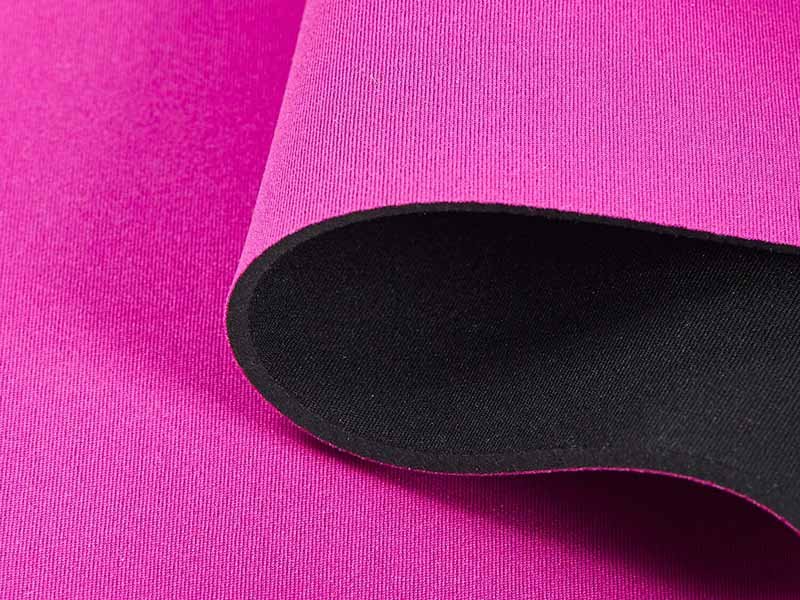
When you hear the word neoprene, you probably think of wetsuits, laptop sleeves, or those slim koozies keeping your drinks cold. But beyond these everyday items lies a material that has quietly revolutionized fashion, sports, automotive, and protective gear industries. Neoprene isn’t just another synthetic fabric—it’s a hybrid of rubber and textile that combines resilience, waterproofing, insulation, and flexibility in ways most materials can’t match.
Neoprene is special because it is waterproof, durable, flexible, and resistant to weather, chemicals, and temperature changes. This makes it ideal for products like wetsuits, bags, covers, and accessories, offering comfort and protection that alternatives like leather, nylon, or PVC can’t provide.
Now imagine this: a surfer relying on a neoprene wetsuit in icy waters, a traveler carrying a neoprene laptop sleeve through tropical storms, or a gym-goer using a neoprene belt for joint support. Each scenario proves neoprene’s unique versatility—and why industries from fashion to industrial safety keep turning back to it. Let’s explore exactly what makes neoprene so special.
What Exactly Is Neoprene and How Is It Made?
Neoprene is a synthetic rubber made by polymerizing chloroprene, laminated with fabric to create a soft yet durable material used in wetsuits, bags, covers, and protective gear.
The Origins of Neoprene:
Neoprene (also called polychloroprene) was invented in 1930 by DuPont as one of the world’s first synthetic rubbers. Unlike natural rubber, which is harvested from latex, neoprene is produced through polymerization of chloroprene in a controlled lab process. This innovation solved a big problem: dependence on natural rubber supply.
How It’s Made:
- Polymerization: Chloroprene monomers are linked to form polychloroprene.
- Foaming Process: Gas is introduced to create a spongy, closed-cell structure.
- Sheet Formation: The foamed neoprene is cut into sheets of different thicknesses (1mm–10mm+).
- Fabric Lamination: Nylon, polyester, or Lycra is laminated on both sides to improve durability, aesthetics, and handling.
- Cutting & Sewing: Sheets are cut into parts for products—bags, koozies, gloves, wetsuits, etc.
Key Differentiator:
Unlike plain rubber, neoprene combines rubber’s resilience with fabric’s usability. This is why you can stitch, print, emboss, or glue neoprene easily, making it a designer’s favorite for both fashion and industrial gear.
Neoprene vs Natural Rubber:
| Property | Neoprene | Natural Rubber |
|---|---|---|
| Source | Synthetic (chloroprene) | Latex from rubber trees |
| Water Resistance | Excellent | Good but degrades |
| Chemical Resistance | High | Low (easily degraded) |
| Cost | Moderate | Varies with supply |
| Applications | Wetsuits, bags, medical gear | Tires, footwear, adhesives |
Which Physical and Chemical Properties Make Neoprene Unique?
Neoprene is unique because it is waterproof, flexible, durable, resistant to temperature swings, and chemically stable, making it versatile across industries.
Waterproofing & Weather Resistance:
The closed-cell foam structure of neoprene prevents water from seeping through. That’s why it’s the gold standard for wetsuits, koozies, and waterproof bags. Unlike cotton or polyester, neoprene stays functional in 100% humidity or rain.
Temperature Flexibility:
Neoprene resists -20°C cold to +120°C heat, outperforming fabrics like nylon that shrink or stiffen. Surfers, divers, and winter athletes all rely on this stability. Even in automotive uses, neoprene holds up under hot dashboards or cold winters.
Chemical & Oil Resistance:
Polychloroprene resists oils, solvents, and industrial chemicals better than natural rubber. This makes neoprene the go-to for industrial gloves, safety gear, and automotive hoses.
Stretch & Cushioning:
Neoprene’s foam-like elasticity provides cushioning without permanent deformation. That’s why it’s used in elbow/knee supports, camera cases, and guitar straps.
Durability vs Alternatives:
| Property | Neoprene | Nylon | PVC | Leather |
|---|---|---|---|---|
| Waterproof | Yes | No | Yes | No |
| Stretch/Flex | High | Medium | Low | Low |
| Chemical Resistance | High | Low | Medium | Low |
| Heat/Cold Stability | Excellent | Moderate | Low | Poor |
| Lifespan (avg) | 5–10 yrs | 3–5 yrs | 2–4 yrs | 10+ yrs |
How Is Neoprene Used in Fashion, Sports, and Daily Life?
Neoprene is used in fashion, sports, and daily life for wetsuits, bags, laptop sleeves, gloves, straps, and protective gear thanks to its waterproofing and cushioning.
In Sportswear & Aquatics:
- Wetsuits & Surf Gear: Neoprene is unmatched in thermal insulation and flexibility. Surfers, divers, and swimmers rely on it because it traps a thin layer of water between skin and suit, warmed by body heat.
- Protective Supports: Knee braces, elbow sleeves, and weightlifting belts often use neoprene padding for both comfort and joint stability.
In Fashion Accessories:
- Neoprene Bags: Increasingly popular for tote bags, backpacks, and travel bags. They’re lightweight, water-resistant, and trendy with a sleek, sporty aesthetic.
- Laptop Sleeves & Device Covers: Soft yet protective, neoprene cushions electronics from bumps and drops.
In Daily Utility Products:
- Koozies & Bottle Holders: Keeps drinks cold and hands dry.
- Covers & Cases: For cameras, tools, and medical equipment.
- Straps & Slings: Used in watch straps, guitar straps, or camera slings due to stretch and padding.
Industrial & Automotive Uses:
- Gaskets & Seals: Resistant to oil and heat.
- Car Seat Covers: Protect against spills, pets, and wear.
- Safety Gear: Gloves, aprons, and masks in industrial settings.
| Category | Neoprene Applications | Key Benefits |
|---|---|---|
| Sports | Wetsuits, gloves, braces | Waterproof, insulating |
| Fashion | Bags, straps, cases | Stylish, durable, soft |
| Daily Use | Koozies, sleeves, covers | Lightweight, protective |
| Industrial | Seals, gloves, hoses | Chemical & heat resistant |
Do Neoprene Products Offer Better Protection and Comfort?
Yes, neoprene products provide excellent protection and comfort due to their cushioning, shock absorption, insulation, and water resistance compared to most fabrics.
Protection Benefits:
- Impact Resistance: Neoprene absorbs shocks, protecting electronics, instruments, and tools.
- Waterproofing: Prevents water damage in covers and sleeves.
- Temperature Control: Provides insulation in wetsuits and gloves.
Comfort Benefits:
- Soft Padding: Cushions shoulders in straps and slings.
- Elastic Flexibility: Moves with the body in sports supports.
- Thermal Warmth: Ideal for cold-weather gear.
Case Studies:
- Laptop Sleeves: Drop-test data shows neoprene sleeves reduce impact force by 30–40% compared to polyester-only sleeves.
- Neoprene Knee Supports: Clinical studies highlight neoprene’s role in improving proprioception and reducing pain during athletic recovery.
- Car Seat Covers: Users report better comfort and protection from spills compared to fabric-only covers.
Comparison Chart – Comfort & Protection:
| Product | Neoprene Advantage | Compared to Alternative |
|---|---|---|
| Laptop Sleeve | Shock absorption | Polyester (less padding) |
| Wetsuit | Thermal insulation | Nylon (no insulation) |
| Guitar Strap | Shoulder relief | Leather (rigid, heavy) |
| Knee Brace | Elastic support | Cotton (non-elastic) |
Is Neoprene Eco-Friendly and Safe for Long-Term Use?
Neoprene is durable and safe for users, but its production is petroleum-based and less eco-friendly. New alternatives like eco-neoprene aim to reduce impact.
Environmental Concerns:
Traditional neoprene is made from petrochemicals (chloroprene), which raises sustainability issues. Production consumes energy and generates emissions, making it less eco-friendly than natural fibers.
Health & Safety:
For consumers, neoprene is generally safe. It’s widely used in medical braces, gloves, and sports gear. However, sensitive users may experience mild skin irritation if raw neoprene touches skin without lamination.
Eco-Friendly Alternatives:
- Yulex® Natural Rubber: Plant-based alternative developed for wetsuits.
- Limestone Neoprene: Derived from limestone instead of petroleum, though energy-intensive.
- Recycled Neoprene Blends: Some brands now reuse post-consumer neoprene waste.
Durability Factor:
Ironically, neoprene’s long lifespan makes it eco-efficient in use. A neoprene bag or sleeve might last 5–10 years, while polyester or cotton may wear out in 2–3 years, reducing replacement cycles.
Eco Assessment Table:
| Factor | Neoprene | Cotton | Nylon/Polyester |
|---|---|---|---|
| Source | Petroleum-based | Natural fiber | Petroleum-based |
| Lifespan | 5–10 yrs | 2–3 yrs | 3–5 yrs |
| Recycling Options | Limited (emerging tech) | Biodegradable | Limited |
| Safety | Safe with lamination | Safe | Safe |
How Do Neoprene Products Compare to Alternatives?
Neoprene products outperform cotton, nylon, and PVC in waterproofing, cushioning, and durability, but leather offers more luxury and cotton better breathability.
Neoprene vs Leather:
- Advantages of Neoprene: Flexible, cushioned, waterproof, cheaper, and easier to customize.
- Advantages of Leather: Luxurious look, longer lifespan, higher heat resistance.
- Use Case Split: Leather dominates luxury accessories; neoprene dominates functional gear.
Neoprene vs Nylon/Polyester:
- Neoprene Strengths: Padding, shock absorption, waterproofing.
- Nylon Strengths: Lightweight, breathable, lower cost.
- Trade-off: Nylon for budget-conscious buyers; neoprene for premium performance.
Neoprene vs PVC:
- Neoprene Strengths: Flexible, comfortable, higher chemical resistance.
- PVC Strengths: Cheaper, rigid, widely available.
- Drawback: PVC cracks over time; neoprene retains elasticity.
Comparison Table – Neoprene vs Alternatives:
| Feature | Neoprene | Leather | Nylon/Polyester | PVC |
|---|---|---|---|---|
| Waterproof | Yes | No | No | Yes |
| Flexibility | High | Medium | High | Low |
| Comfort | Excellent | Good | Moderate | Poor |
| Durability | 5–10 yrs | 10–20 yrs | 3–5 yrs | 2–4 yrs |
| Cost | Mid | High | Low | Low |
| Eco-Friendliness | Moderate (improving) | Low | Low–Medium | Low |
Which Buyers and Brands Should Consider Custom Neoprene Products?
Custom neoprene products are ideal for brands in sports, outdoor gear, fashion accessories, and promotional goods that need low MOQ, quick sampling, and private label solutions.
For Sports & Outdoor Brands:
Surf shops, diving schools, yoga brands, and fitness companies rely on neoprene for wetsuits, gloves, braces, and straps. Private-label neoprene gear sells well because it’s both functional and premium-looking.
For Fashion & Lifestyle Brands:
Neoprene tote bags, backpacks, and pouches are trending. Brands value neoprene’s soft-touch, sleek appearance combined with practicality.
For Promotional Goods & Corporate Gifting:
Neoprene koozies, laptop sleeves, and drink holders make great bulk promotional products. With low MOQ and easy logo printing, businesses use them as giveaways or merch.
For OEM/ODM Buyers:
Factories like Szoneier provide:
- MOQ: 300–500 pcs depending on product.
- Sampling: 7–10 days.
- Bulk Lead Time: 25–35 days.
- Customization: Logo embossing, silk-screen print, embroidery, Pantone color match.
- Certifications: ISO, REACH, ROHS, OEKO-TEX.
Top 10 Neoprene Products in High Demand (2025):
- Neoprene bags (tote, backpack, travel)
- Neoprene koozies & bottle holders
- Neoprene laptop/tablet sleeves
- Neoprene gloves & wetsuits
- Neoprene braces & sports supports
- Neoprene straps (watch, guitar, camera)
- Neoprene car seat covers
- Neoprene protective covers (tools, electronics)
- Neoprene promotional items (custom giveaways)
- Eco-neoprene (plant-based alternatives)
Conclusion: Why Source Custom Neoprene with Szoneier
So, what is so special about neoprene? It’s the rare material that blends waterproofing, flexibility, durability, comfort, and versatility—making it indispensable in industries from surfing to fashion to automotive. It’s not the cheapest, nor the most luxurious, but it’s often the smartest choice for brands seeking function and consumer satisfaction.
At Szoneier, we’ve been at the forefront of neoprene R&D and manufacturing for 18+ years, serving global clients with OEM, ODM, and private-label solutions.
Here’s why brands choose us:
Custom Design: Bags, koozies, gloves, wetsuits, covers, straps, and more.
Low MOQ: 300 pcs—perfect for startups and niche brands.
Fast Sampling: 7–10 days.
Quick Lead Time: 25–35 days bulk.
Free Design & Samples: Helping brands reduce entry costs.
Global Standards: ISO, REACH, ROHS certifications.
Ready to create your own neoprene products? Contact us today:
- Website: www.neoprene-bag.com
- Email: info@neoprene-bag.com
- Phone: +86 13423847456
Neoprene is special. With Szoneier, it becomes your brand’s advantage.
What Can I Do For You?
Here, developing your OEM/ODM private label leather goods collection is no longer a challenge,it’s an excellent opportunity to bring your creative vision to life.