
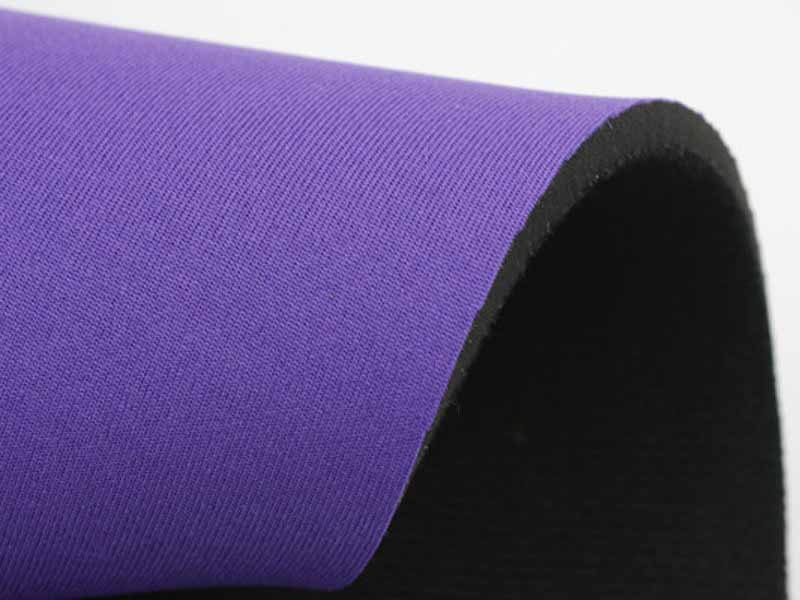
Neoprene is a highly versatile material known for its flexibility, water resistance, and insulating properties. It’s widely used across various industries, from fashion to sports and medical gear. However, not all neoprene fabrics are created equal. Two popular types—smooth neoprene and textured neoprene—are often chosen for different uses based on their unique characteristics.
In this guide, we’ll break down the key differences between smooth and textured neoprene fabrics, helping you make an informed decision when choosing the right material for your products. Whether you are looking to design custom bags, wetsuits, or medical gear, understanding the performance, durability, and aesthetic qualities of each type will ensure your product meets both functional and aesthetic requirements.
Smooth neoprene is sleek, flexible, and ideal for applications requiring a polished appearance, while textured neoprene offers enhanced grip and durability, making it perfect for products exposed to abrasion.
What Is Neoprene Fabric?
Neoprene, often referred to as polychloroprene, is a synthetic rubber with unique properties that make it suitable for a wide range of applications. Its resistance to water, chemicals, and extreme temperatures makes it a top choice for industries that demand high durability and thermal insulation.
What makes neoprene unique?
Neoprene’s flexibility and waterproof nature are key reasons it’s used in so many industries. It retains its shape and flexibility even under extreme conditions, including high heat, cold, and exposure to chemicals. Additionally, its closed-cell structure makes it an excellent insulator, which is especially beneficial for products like wetsuits and medical supports.
What are common neoprene uses?
Neoprene is found in products across multiple industries. Some of the most common uses include:
- Wetsuits: The primary function of neoprene in wetsuits is its ability to trap a thin layer of water between the fabric and the skin, providing thermal insulation.
- Bags: Neoprene bags are known for their durability, water resistance, and sleek appearance. They are often used for fashion bags, laptop sleeves, and even waterproof cases.
- Sports Gear: From knee pads to ankle supports, neoprene provides the necessary flexibility and shock absorption.
- Medical Equipment: Neoprene is commonly used in braces and supports because of its compressive properties, which help in reducing swelling and providing joint stability.
How Are Smooth and Textured Neoprene Fabrics Made?
Understanding the manufacturing process behind smooth and textured neoprene is key to appreciating their unique properties. Neoprene is produced through a series of specialized steps, from raw material mixing to the final fabrication of the fabric. While both smooth and textured neoprene share some basic manufacturing principles, their surface characteristics and performance properties are shaped by different processing methods. Let’s take a deeper look at the production of both fabric types and understand what makes them distinct.
How is smooth neoprene manufactured?
Smooth neoprene is produced using a casting and calendaring process, where liquid neoprene is poured into molds, then rolled out into thin sheets under high pressure and heat. This process creates a smooth, glossy surface that is highly flexible and stretches well. Here’s a breakdown of the key stages:
- Material Mixing:
First, the neoprene rubber is blended with various additives such as polymer resins, accelerators, and stabilizers. These ingredients determine the final properties of the neoprene, such as flexibility, resistance, and durability.
- Casting and Calendering:
The mixture is poured into molds or rollers, and calendering is used to flatten the material into uniform thickness. This is a key step in ensuring the smooth texture that makes the fabric ideal for fashion accessories, custom branding, and sleek designs. The smooth surface makes it perfect for printing sharp logos and detailed graphics.
- Curing:
Once the fabric is flattened and shaped, it undergoes a curing process. During this step, the neoprene is heated to solidify and ensure that it holds its shape and properties, such as flexibility and water resistance.
- Surface Treatment:
After curing, the surface may be further treated with coatings to enhance its performance. For example, a UV-resistant coating or abrasion-resistant finish can be applied, increasing the material’s longevity while maintaining its smooth texture.
How is textured neoprene manufactured?
Textured neoprene is made through a slightly different process that creates the distinct raised patterns or rugged finishes seen on the surface. The key difference is the additional step of embossing or laminating, which gives textured neoprene its enhanced durability and abrasion resistance. Below are the steps involved:
- Material Mixing and Preparation:
Similar to smooth neoprene, the first step is to mix the neoprene with essential additives. However, in this process, the formula may include higher concentrations of reinforcements to make the fabric more durable and less flexible than smooth neoprene.
- Lamination:
Textured neoprene is often made by laminating multiple layers of neoprene fabric or combining neoprene with other materials such as polyester, nylon, or cotton. The lamination process gives the neoprene its rigidity and added thickness, which can contribute to better abrasion resistance.
- Embossing or Patterning:
Once the layers of neoprene are laminated, the fabric is run through embossing rollers that press patterns or textures onto the surface. These textures can range from subtle, like a fabric-like finish, to more prominent diamond or geometric patterns. The embossing process not only creates a textured surface but also adds to the material’s grip and durability, making it perfect for items like sports gear, backpacks, and tool bags that require frequent use and exposure to harsh environments.
- Curing and Surface Treatment:
After embossing, textured neoprene undergoes a curing process, similar to smooth neoprene. This ensures that the material remains solid and retains its properties. The fabric may also be treated with special finishes to increase its waterproofness, UV resistance, and anti-microbial properties.
Surface Differences Between Smooth and Textured Neoprene
The difference in texture between the two types of neoprene has a significant impact on performance, aesthetic appeal, and applications. Let’s break down how the surface characteristics of smooth and textured neoprene affect their overall properties and uses.
| Property | Smooth Neoprene | Textured Neoprene |
|---|---|---|
| Surface Texture | Glossy, even, and sleek | Raised patterns, embossed or rugged |
| Flexibility | High flexibility, ideal for form-fitting | Slightly less flexible, firmer feel |
| Durability | Moderate durability, prone to abrasion | High durability, abrasion-resistant |
| Grip | Low grip, better for fashion items | High grip, ideal for sports and bags |
| Aesthetic Appeal | Sleek, shiny, great for branding | Rugged, industrial, sporty look |
| Cost | Generally lower cost | Slightly higher due to additional steps |
Which Applications Suit Each Fabric?
- Smooth Neoprene: Best suited for fashion items, custom bags, and gadgets where a sleek, polished appearance is desired. The smooth finish is ideal for products that will feature logos or branding.
- Textured Neoprene: Perfect for products exposed to high wear and tear, such as sports gear, medical braces, and protective bags. The rough surface provides added durability, grip, and abrasion resistance.
Performance Differences: Which Type is Best for Your Needs?
The performance of neoprene depends on the surface type chosen for the application. Here’s how smooth and textured neoprene compare in various functional aspects:
| Performance Factor | Smooth Neoprene | Textured Neoprene |
|---|---|---|
| Flexibility | Ideal for items that need to stretch and fit snugly (e.g., wetsuits, braces) | Slightly stiffer, but suitable for items requiring greater durability |
| Durability & Abrasion Resistance | Moderate durability, can wear out quicker with rough use | Excellent durability, more resistant to scratches and abrasion |
| Grip | Low grip, not ideal for high-contact items | Excellent grip, perfect for sport gear and activewear |
| Breathability | Generally breathable, ideal for comfort | Less breathable due to added texture, better for supportive or insulated products |
How Surface Texture Affects Product Longevity
The textured surface of neoprene offers better resistance against wear and tear, especially in products subjected to continuous friction. This is why textured neoprene is often used in products that are exposed to rough environments. For example, tool bags and sports bags made from textured neoprene will last longer because the rough surface minimizes abrasion damage, even when the bags are used frequently or dragged across various surfaces.
Conversely, smooth neoprene, while flexible and aesthetically appealing, is more likely to show signs of wear from friction. Over time, smooth neoprene products may develop scuff marks or lose their polish when exposed to rough handling.
What’s the Difference Between Smooth and Textured Neoprene?
When selecting neoprene for custom products, understanding the difference between smooth and textured neoprene is essential. The surface characteristics of each type impact both performance and aesthetic appeal. Let’s break down the key differences and how each type fits into various applications.
Are there performance differences?
Smooth neoprene and textured neoprene behave quite differently in terms of elasticity and overall feel. These factors determine not only comfort but also the functional suitability of the material for various products.
| Property | Smooth Neoprene | Textured Neoprene |
|---|---|---|
| Elasticity | High, provides stretchability for form-fitting products | Slightly less elastic, ideal for structured items |
| Feel | Soft, smooth, flexible | Firmer, more rigid, with a rougher surface |
| Stretch | Greater flexibility, better for comfort and fit | Slightly less stretch, better for structure |
| Comfort | Ideal for body-hugging designs (e.g., wetsuits) | Good for applications needing more support (e.g., braces) |
Smooth neoprene is the go-to option for products that require comfort, such as wetsuits, compression sleeves, or form-fitting bags. Its high stretchability allows it to conform to the body, making it ideal for products that require a snug fit.
Textured neoprene, while still flexible, is more rigid and has less stretch, making it ideal for products that need more structure and durability—such as sports bags, protective gear, and medical braces.
Do they differ in durability and abrasion resistance?
Durability is one of the most important factors when choosing neoprene for custom products. Both types are highly durable, but their resistance to wear and tear varies, especially under abrasive conditions.
| Property | Smooth Neoprene | Textured Neoprene |
|---|---|---|
| Abrasion Resistance | Moderate, prone to scratches and scuffs | High, resistant to abrasion and wear |
| Tensile Strength | Moderate, ideal for light to moderate use | Higher, designed for rougher environments |
| Long-Term Durability | Good, but may show signs of wear over time | Excellent, more resistant to damage |
Smooth neoprene is durable but is prone to damage over time from abrasive surfaces or heavy use. Scratches and scuffs can affect its sleek appearance. This makes smooth neoprene a better choice for products with lower exposure to abrasion, like fashion bags or gadgets.
Textured neoprene, on the other hand, excels in environments where products experience frequent friction or abrasion. Its surface texture provides extra resistance to wear, making it a superior option for high-contact products like sports bags, backpacks, and protective gear. Textured neoprene is particularly favored for items that need to withstand constant handling, such as tool bags, outdoor gear, and medical supports.
Which surface is better for printing and branding?
For companies looking to customize or brand their products, the surface texture plays a significant role in how well the product can be printed or embossed.
Smooth Neoprene for Branding
Smooth neoprene is the preferred choice for clear, high-quality printing. Its even, flat surface allows for sharp logos, graphics, and designs that are consistent across batches. It’s ideal for products where branding is a key focus.
- Ideal Uses: Custom bags, phone sleeves, and accessories that require vibrant prints and logo visibility.
- Printing Methods: Sublimation or screen printing works best for smooth neoprene, ensuring a long-lasting and vibrant result.
Textured Neoprene for Branding
While textured neoprene can also be customized, the raised surface patterns can make printing slightly less sharp or crisp. However, embossing is a popular method for adding brand logos or designs onto textured neoprene, as it enhances the tactile feel and aesthetic appeal of the product.
- Ideal Uses: Products like sports bags or protective cases where branding is secondary to durability and texture.
- Printing Methods: Embossing, debossing, or laser etching work best for textured neoprene.
Branding Comparison for Custom Products:
| Surface | Smooth Neoprene | Textured Neoprene |
|---|---|---|
| Best for Branding | Yes, sharp prints, clear logos, and vibrant designs | Less crisp prints, better for embossing or laser etching |
| Preferred Printing Method | Sublimation, screen printing | Embossing, laser etching, debossing |
| Customization Appeal | Ideal for fashion items, high-visibility branding | Works well for rugged, high-performance gear |
Which surface is better for different applications?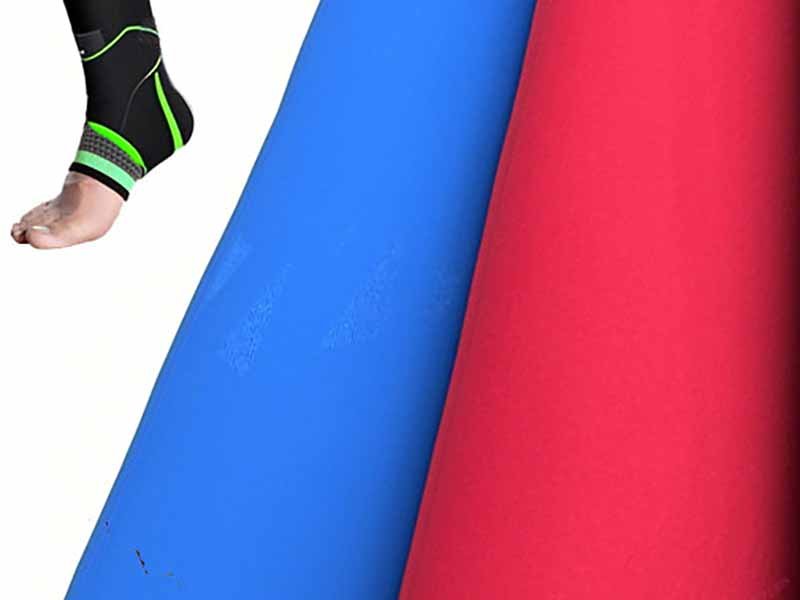
Choosing the right neoprene surface is highly dependent on the type of product you’re manufacturing and its end-use. Here’s how the surface types differ across several key applications.
Smooth Neoprene for Fashion and High-Performance Products
Smooth neoprene is ideal for products where aesthetic appeal, comfort, and fit are the primary focus. Its flexibility, sleek finish, and ability to form-fit make it perfect for:
- Fashion bags and accessories: Smooth neoprene’s smooth surface allows for sharp designs and branding.
- Wetsuits: Smooth neoprene provides the flexibility needed for a comfortable and snug fit.
- Compression gear: Smooth neoprene ensures a close, comfortable fit that adapts to the body.
Textured Neoprene for Sports, Medical, and Protective Products
Textured neoprene is the best choice for products where durability, grip, and abrasion resistance are paramount. These products require materials that can withstand heavy use and still maintain their structure and integrity.
- Sports bags and backpacks: Textured neoprene offers better abrasion resistance for high-contact products.
- Medical braces and supports: The texture provides added compression and stability for joints and muscles.
- Protective gear: Textured neoprene’s rigidity and grip help in protecting against impacts.
Why Choose Smooth vs Textured Neoprene?
Choosing between smooth and textured neoprene depends on the specific requirements of your product. Both have unique characteristics that cater to different applications, performance needs, and aesthetic preferences. Below, we’ll break down why you should choose each type based on your product’s functionality, durability, and design goals.
Which is best for bags & fashion products?
When it comes to fashion bags, accessories, or gadgets, smooth neoprene is generally the better choice for the following reasons:
Sleek, High-End Aesthetic
Smooth neoprene has a polished, sleek surface that is perfect for high-end fashion items. Its even, glossy finish allows for sharp, vibrant prints, making it an excellent choice for custom branding and logo designs.
Flexibility and Comfort
Smooth neoprene is highly flexible and stretchable, making it ideal for form-fitting designs. Whether you’re creating a laptop sleeve, a fashion-forward bag, or a protective case, smooth neoprene’s ability to mold around the object provides a comfortable and snug fit.
Customization
Smooth neoprene’s smooth surface is easy to print on, ensuring that custom logos or graphics maintain their clarity and sharpness. For bags, vibrant branding stands out best on a smooth, flat surface.
Custom fashion bags for retail brands typically use smooth neoprene to ensure that the bags maintain a modern, sleek aesthetic while allowing for easy customization with logos and designs.
Key Benefits:
- High aesthetic appeal
- Custom branding opportunities
- Flexible and form-fitting design
Which works better for wetsuits & sports gear?
For wetsuits, sports gear, and other performance-based products, smooth neoprene is often preferred due to its flexibility and thermal insulation properties. However, in certain cases, textured neoprene can be more beneficial.
Smooth Neoprene for Flexibility and Comfort
Wetsuits made from smooth neoprene provide the ultimate stretchability and comfort needed for high-performance activities, such as diving or surfing. The smooth surface ensures there’s no friction against the skin, offering superior comfort during movement.
- Thermal properties: Smooth neoprene traps body heat, keeping the wearer warm in cold water conditions.
- Stretch and fit: Smooth neoprene stretches to fit the body, offering a snug but comfortable fit that moves with the wearer’s motions.
Textured Neoprene for Durability and Support
While smooth neoprene excels in flexibility, textured neoprene is preferred for areas exposed to abrasion or wear, such as the knee or elbow sections of a wetsuit, or sports gear like knee pads and elbow protectors.
- Abrasion resistance: Textured neoprene is more durable and resistant to wear and tear from repeated friction, making it a great choice for high-contact sports gear or protective suits.
- Increased support: The texture provides a firmer grip and added stability, which is essential for sports gear that must remain firm during use.
Example: A surfing wetsuit may feature smooth neoprene for flexibility but include textured neoprene on the knees or elbows for extra durability.
Key Benefits:
- Smooth neoprene: Ideal for flexibility, comfort, and thermal insulation.
- Textured neoprene: Adds durability and resistance to abrasion in high-wear areas.
Which is ideal for medical or protective equipment?
When it comes to products like knee braces, elbow supports, and medical sleeves, the decision between smooth and textured neoprene depends on the compression and support needed.
Textured Neoprene for Support and Compression
For medical braces and protective gear, textured neoprene provides added compression and stability, which are essential for joint support. The rough texture offers a firm grip around the joint, ensuring the product stays in place during movement.
- Better grip: The raised surface of textured neoprene ensures that the material doesn’t shift or slide during physical activities.
- Compression: The firmness of textured neoprene adds gentle compression to the affected area, helping to relieve pain and promote recovery.
Smooth Neoprene for Comfort and Flexibility
In some cases, smooth neoprene is preferred for compression gear or medical sleeves that require comfort and flexibility. Smooth neoprene allows for a more comfortable fit while still providing adequate support.
- Ideal for long-term wear: Smooth neoprene is softer against the skin, making it a better option for products worn for extended periods, such as compression sleeves or supportive wraps.
- Stretchability: For products that need to mold to the body, smooth neoprene provides a better fit without sacrificing comfort.
Example: Medical knee supports may use textured neoprene for joint compression and stability, while sleeves for pain relief use smooth neoprene for comfort.
Key Benefits:
- Textured neoprene: Best for support and compression in medical gear.
- Smooth neoprene: Ideal for comfort and long-term wear in medical accessories.
Which is best for durability in bags and gear?
For bags and protective gear, where abrasion resistance and longevity are key, textured neoprene often outperforms smooth neoprene.
Textured Neoprene for Durability and Functionality
Textured neoprene provides greater durability due to its ability to resist abrasion and scratches. This makes it the ideal material for items that will undergo frequent use or rough handling, such as sports bags, luggage, and tool bags.
- Increased strength: Textured neoprene has a tougher surface that can withstand repeated friction without compromising its structure or appearance.
- Enhanced grip: It also offers better grip, which is essential for carrying heavy items or high-contact objects like sports equipment.
Smooth Neoprene for Sleek Appearance
While smooth neoprene is not as durable as textured neoprene, it is often chosen for high-end bags and accessories that require a sleek, polished appearance. Smooth neoprene provides a clean, modern look but may not be as resistant to abrasion as textured neoprene.
Example: A custom laptop bag would typically use smooth neoprene for its clean aesthetic and custom branding. However, travel bags or sports bags would be better suited for textured neoprene, which is better equipped to handle wear and tear.
Key Benefits:
- Textured neoprene: Superior for durability, abrasion resistance, and grip.
- Smooth neoprene: Ideal for fashion items with a sleek design and custom branding.
How to Choose the Right Neoprene for Your Product
When selecting neoprene for a specific product, understanding the characteristics of smooth and textured neoprene is critical. This decision goes beyond aesthetics; it impacts durability, performance, and customer satisfaction. Here’s a breakdown of the key factors to consider when choosing the right type of neoprene for your project.
What factors matter most?
Choosing the right neoprene fabric involves balancing performance requirements, aesthetic goals, and budget constraints. Here’s a table outlining the main considerations when selecting between smooth and textured neoprene:
| Factor | Smooth Neoprene | Textured Neoprene |
|---|---|---|
| Appearance | Sleek, glossy, ideal for clean, modern designs | Rugged, sporty, offers unique patterns |
| Performance | High flexibility, form-fitting | Durable, abrasion-resistant, added grip |
| Customization | Easier for sharp prints and logos | Challenging for sharp prints |
| Cost | Generally more affordable | Slightly more expensive due to added durability |
- Performance: If the product requires flexibility, smooth neoprene is preferred. For items exposed to abrasion, such as sports gear, textured neoprene is the better option.
- Appearance: Smooth neoprene is best for sleek, high-end looks, while textured neoprene lends a more rugged aesthetic.
- Cost: Smooth neoprene tends to be more affordable, while textured neoprene’s added durability and complex manufacturing can lead to higher costs.
How to balance look vs function?
Striking a balance between aesthetic appeal and functionality is a key consideration when choosing neoprene for your products. If visual appeal is paramount, smooth neoprene will offer that sleek, high-end feel, perfect for custom bags, fashion accessories, and gadgets. However, if performance and durability are essential—such as for sports equipment, medical braces, and luggage—textured neoprene’s enhanced resistance to abrasion and its additional grip will be more suitable.
Pro Tip: Consider hybrid designs—combining smooth and textured neoprene in different parts of the same product. For example, a bag may use smooth neoprene for the body and textured neoprene for the base or handles to improve durability while maintaining aesthetic appeal.
Are There Maintenance Differences?
Understanding how each type of neoprene responds to regular use and cleaning is crucial for ensuring product longevity. The texture of the material affects how easy it is to clean and maintain.
How to care for smooth neoprene products
Smooth neoprene products, such as bags, wetsuits, and sleeves, are relatively easy to maintain. Here’s a simple guide to cleaning and caring for smooth neoprene:
| Task | Smooth Neoprene |
|---|---|
| Washing | Hand wash in cold water with mild detergent |
| Drying | Air dry flat to maintain shape |
| Storage | Store in a cool, dry place to prevent deformation |
Cleaning Tips:
- Avoid using harsh chemicals that can damage the smooth surface and cause discoloration.
- Dry properly to avoid the growth of mold or mildew, as neoprene can retain moisture.
How to care for textured neoprene products
Textured neoprene, with its raised surface, requires more careful maintenance, especially to avoid damage to the surface texture.
| Task | Textured Neoprene |
|---|---|
| Washing | Spot clean with mild soap and water |
| Drying | Air dry flat, avoid direct sunlight |
| Storage | Store away from abrasive surfaces |
Cleaning Tips:
- Use gentle cleaning agents and a soft cloth to prevent damaging the texture.
- Air dry completely before storing to avoid any buildup of moisture within the material.
Get Custom Neoprene Products from Oneier
At Oneier, we specialize in crafting custom neoprene products, including bags, wetsuits, and medical gear. Whether you need smooth neoprene for sleek, high-end accessories or textured neoprene for durable, high-performance gear, we have the expertise and resources to deliver exactly what you need.
Contact us today to learn more about our custom neoprene offerings and get a free sample of your desired material. We provide low MOQ, fast sampling, and 100% quality assurance. From initial design to final production, we’re committed to providing you with the best in neoprene customization.