
Best Neoprene Elbow Sleeve Guide
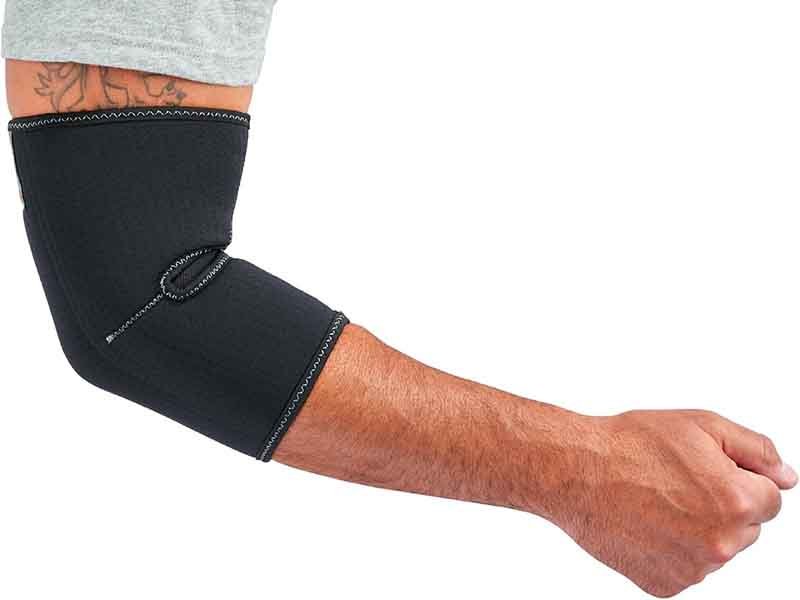
Elbow injuries, strains, and chronic pain aren’t reserved for professional athletes—they happen to weightlifters, tennis players, office workers, and anyone who relies heavily on their arms. In recent years, neoprene elbow sleeves have become one of the most sought-after support products, praised for their ability to combine joint stability, compression therapy, and comfortable wear. But not all sleeves are equal, and the question that keeps popping up on Google is clear: What exactly makes the best neoprene elbow sleeve?
The best neoprene elbow sleeve is made from high-grade CR neoprene with reinforced seams, ergonomic design, and anti-slip grips. It should balance compression and flexibility, offer thickness options (3–7mm) suited for sports or recovery, and prevent odor through breathable linings. A truly top-tier sleeve not only relieves pain and supports healing but also enhances athletic performance across weightlifting, tennis, CrossFit, and daily activities.
Imagine this: a powerlifter about to attempt a personal record bench press, or an office worker dealing with stubborn tennis elbow pain. Both can benefit from the same solution—a well-designed neoprene sleeve that feels like a second skin. This article breaks down everything you need to know, from materials and sizing to design and maintenance, so you can identify what “best” really means and make a smart choice—whether for personal use, your brand, or your sports team.
What Is a Neoprene Elbow Sleeve and How Does It Work?
A neoprene elbow sleeve is a flexible support garment that compresses the elbow joint, retaining heat while improving circulation and proprioception. It helps reduce pain from overuse injuries like tendinitis or tennis elbow, supports joint stability under heavy load, and enhances recovery. Unlike rigid braces, sleeves provide mobility with consistent pressure, making them ideal for athletes and everyday users.
Neoprene elbow sleeves function on three key mechanisms: compression, warmth, and proprioception. Compression reduces swelling, limits micro-movement of injured tissue, and promotes faster healing. The heat-retentive quality of closed-cell neoprene keeps joints warm, which aids blood flow and reduces stiffness—especially important for athletes training in colder conditions. Proprioception refers to the body’s awareness of joint position; the sleeve gently stimulates nerve endings around the elbow, improving movement control and reducing re-injury risks.
Problems sleeves solve include:
- Tendinitis and Overuse Injuries: By limiting stress on tendons and offering support during repetitive motions.
- Tennis/Golfer’s Elbow: Providing pain relief and stability during racket swings or golf strokes.
- Weightlifting Strain: Supporting heavy pressing and pulling movements by stabilizing the joint.
Unlike hinged braces, which restrict motion, neoprene sleeves allow full range of motion, making them more practical for daily wear and sports training. They are not a cure but a performance and recovery aid—a subtle yet powerful addition to an athlete’s toolkit.
Which Materials and Constructions Are Best—CR vs. SBR, Thickness, and Lining?
The best elbow sleeves use chloroprene (CR) neoprene, known for superior elasticity, durability, and resilience compared to cheaper SBR blends. Thickness options (3mm for light use, 5mm for balance, 7mm for heavy lifting) affect support and mobility. Quality linings—such as anti-microbial, perforated, or 4-way stretch—enhance comfort and prevent odor, making construction details as critical as the neoprene itself.
Not all neoprene is created equal. Here’s what defines the difference:
| Factor | Best Choice | Cheaper Alternative | Impact |
|---|---|---|---|
| Neoprene Type | CR (Chloroprene) | SBR blends | CR lasts longer, resists cracks, and retains elasticity. |
| Thickness | 3mm, 5mm, 7mm | 2mm thin generic | Determines compression & warmth—best depends on activity. |
| Seams | Flatlock / bonded | Basic stitched | Flatlock reduces chafing, bonded improves lifespan. |
| Linings | Antimicrobial, perforated | None | Prevents odor, enhances breathability. |
- CR vs. SBR: CR is the “gold standard,” retaining elasticity even after months of intense training. SBR sleeves stretch out and lose support faster.
- Thickness matters: A 3mm sleeve suits light compression for arthritis or daily wear, 5mm balances mobility and stability for CrossFit, and 7mm is the go-to for heavy lifters who need maximum joint support.
- Linings and panels: Perforation increases airflow, antimicrobial coatings prevent odor, and stretch panels add comfort.
This is why when evaluating sleeves, buyers should look past the price tag and check the neoprene type, thickness, and seam quality. These three determine whether a sleeve performs well in the long run or ends up in the trash after a few weeks.
How Do You Measure and Pick the Right Size and Compression Level?
Measure around the elbow crease and mid-bicep to find your sleeve size. Light compression suits recovery, medium balances performance and comfort, and firm is for heavy training. Always check brand-specific charts, as sizing can vary, and size down for firmer compression if you’re between sizes.
Proper fit is everything. Too loose, and compression fails; too tight, and blood flow suffers.
- Measurement Points:
- Elbow crease circumference
- Mid-bicep
- Forearm below elbow
- Compression Levels:
- Light: For arthritis and daily comfort
- Medium: For general sports and gym use
- Firm: For powerlifting, CrossFit, or post-injury stabilization
- Brand Sizing: Charts vary. For in-between sizes, athletes often size down for firmer support.
Pro Tip: A 5mm medium sleeve is the sweet spot for most buyers—it balances warmth, flexibility, and compression.
Which Elbow Sleeve Is Best for Specific Sports and Conditions?
For tennis/golf elbow, thinner sleeves (3–5mm) support tendons without limiting swings. For powerlifting, 7mm sleeves maximize joint stability. Arthritis patients benefit from light compression with breathable linings. The “best” depends on whether you need pain relief, stability, or enhanced performance.
Different activities stress elbows differently.
- Tennis/Golf Elbow: Needs flexibility and tendon relief → choose 3–5mm CR neoprene.
- Powerlifting/Bodybuilding: Demands max stability → go for 7mm thick, firm compression sleeves.
- Calisthenics & CrossFit: Requires balance → 5mm perforated sleeves offer both motion and support.
- Arthritis/Recovery: Light 3mm, with antimicrobial lining for comfort during daily wear.
Features like barbell stability, lockout warmth, and micro-support all come from proper thickness and neoprene grade. Athletes often keep multiple sleeve types for different sessions.
Do Design Features—Seams, Straps, and Silicone Grippers—Improve Performance?
Yes—flatlock seams reduce chafing, straps allow adjustable compression, and silicone grippers prevent slipping during sweaty workouts. These design details separate ordinary sleeves from the best-performing models, especially for athletes in high-intensity training.
Small details make a big difference:
- Seams: Flatlock seams lay flat, preventing skin irritation. Bonded seams improve longevity.
- Straps: Adjustable Velcro offers control but can restrict mobility if overused.
- Silicone Grippers: Essential in CrossFit or hot environments to prevent sleeve sliding.
Best sleeves integrate all three, blending comfort, stability, and practicality.
How Do You Compare Top Picks by Budget, Durability, and Use Case?
Budget sleeves (<$20) offer basic support but wear out quickly. Mid-tier ($20–40) balance quality and comfort, while pro-grade ($40+) sleeves feature premium CR neoprene and reinforced construction for long-term use. Choose based on training intensity and frequency.
| Price Range | Typical Features | Lifespan | Best For |
|---|---|---|---|
| <$20 | Basic SBR, stitched seams | 3–6 months | Beginners, light users |
| $20–40 | CR neoprene, flatlock seams | 6–12 months | Regular gym-goers |
| $40+ | Premium CR, antimicrobial lining, pro design | 12–24 months | Athletes, heavy lifters |
For heavy weekly training loads, pro-grade sleeves last longest and often include warranties. Beginners may start budget, but serious users save money by investing in mid/pro grade.
Is Care and Maintenance Simple, and How Do You Prevent Odor?
Hand-wash neoprene sleeves in mild detergent, air-dry away from sunlight, and store dry. Perforated designs and antimicrobial linings reduce odor buildup. Avoid harsh detergents or dryers, which damage elasticity and void warranties.
- Washing: Hand-wash in cold water with mild soap. Machine washing shortens lifespan.
- Drying: Air dry; avoid direct sun or dryers to prevent cracks.
- Odor Prevention: Choose perforated neoprene or antimicrobial lining. Use laundry bags if machine-washing occasionally.
With care, quality sleeves can last 1–2 years even under weekly training.
How Are Custom/OEM Options Useful for Teams and Brands?
Custom neoprene elbow sleeves allow brands and gyms to select thickness, colors, and logos. OEM factories like Szoneier provide low MOQ, fast sampling, and compliance with ROHS/REACH, making private label products accessible to small retailers and sports clubs.
Customization transforms sleeves from personal gear to brand identity.
- Options: Thickness (3–7mm), Pantone-matched colors, logo emboss/print, packaging.
- MOQ & Lead Times: Szoneier offers low MOQ, free sampling, and quick delivery.
- Compliance: ROHS/REACH certified, latex-free materials for global distribution.
For gyms, clubs, or e-commerce brands, custom sleeves boost professionalism and create retail-ready products.
Conclusion
The best neoprene elbow sleeve isn’t defined by price alone—it’s about premium CR neoprene, correct thickness, ergonomic design, and thoughtful details like seams, straps, and grippers. Whether you’re an athlete chasing performance or a patient seeking pain relief, the right sleeve can transform your daily comfort and training results.
At Szoneier, with over 18 years of neoprene expertise, we offer OEM/ODM customization, private label solutions, low MOQ, and global compliance. If you’re ready to create your own line of high-performance neoprene sleeves—or simply want expert advice on choosing the best—contact Szoneier today for a free consultation and quotation.
What Can I Do For You?
Here, developing your OEM/ODM private label leather goods collection is no longer a challenge,it’s an excellent opportunity to bring your creative vision to life.