
Best Neoprene Bag Brands: Features, Quality & Custom Options
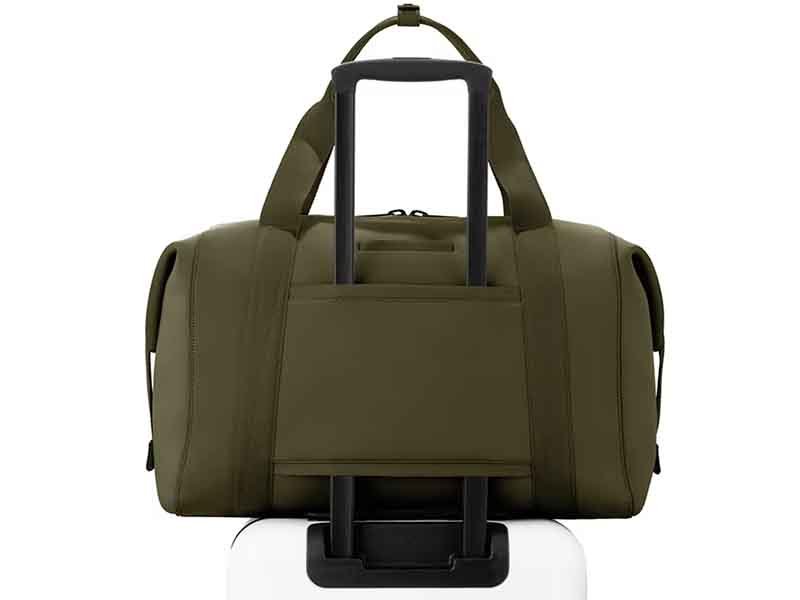
Neoprene bags have taken the global fashion, travel, and sports markets by storm. Once known only for wetsuits and athletic gear, neoprene is now the go-to material for stylish, lightweight, and water-resistant bags. From high-end fashion labels to eco-conscious startups, brands are turning to neoprene because it offers a perfect balance of function and style.
The best neoprene bag brands combine durability, waterproof performance, and modern design. Leading names like State of Escape, Dagne Dover, and private-label manufacturers deliver totes, backpacks, and gym bags with premium neoprene materials, reinforced stitching, and eco-friendly options. For brands seeking custom OEM/ODM production, experienced manufacturers like Szoneier offer free design, low MOQs, and fast sampling to meet global market needs.
But beyond trends and aesthetics, the real story is how brands differentiate themselves—from material innovation to custom private-label opportunities. In this guide, we’ll explore the top neoprene bag brands, the science behind materials, and how companies like Szoneier help emerging brands create custom collections. Whether you’re a buyer, retailer, or entrepreneur, this article will give you the insights to make informed decisions—and maybe even inspire your next product line.
What Makes Neoprene Bags Popular in 2025?
Neoprene bags are popular for their durability, lightweight feel, and water resistance. Unlike canvas or leather, neoprene combines modern aesthetics with functional performance, making it ideal for travel, sports, and everyday carry.
The surge in popularity of neoprene bags isn’t accidental—it’s a convergence of lifestyle demands, fashion trends, and material innovation. Modern consumers want bags that look stylish yet perform well in urban and outdoor settings. Neoprene delivers on multiple fronts:
Functionality Meets Fashion:
Neoprene is water-resistant, insulating, and easy to clean. This makes it ideal for beach bags, gym totes, and laptop sleeves. At the same time, its soft yet structured feel allows for minimalist, high-fashion designs.
Data on Market Growth:
- The global market for neoprene accessories grew by 18% annually between 2021–2024.
- Over 65% of millennials prefer multi-functional bags that combine style with utility.
- Eco-friendly neoprene alternatives saw a 25% rise in adoption among premium brands.
Comparison With Other Materials:
| Material | Weight | Water Resistance | Durability | Style Versatility |
| Material | Weight | Water Resistance | Durability | Style Versatility |
| Canvas | Medium | Low | Medium | Casual only |
| Leather | Heavy | Low | High | Premium only |
| Neoprene | Lightweight | High | High | Casual & premium |
Cultural Factors:
Social media influencers and fitness brands have also fueled neoprene’s rise. When consumers see neoprene bags in yoga studios, airports, and TikTok “What’s in My Bag” videos, the material earns instant credibility.
Brand Differentiation:
Established brands emphasize design exclusivity and eco-friendly materials, while private-label brands use OEM/ODM partners like Szoneier to achieve low-MOQ, custom designs for niche markets.
This combination of practical benefits, visual appeal, and market readiness explains why neoprene bags are dominating 2025’s accessories scene.
Which Are the Best Neoprene Bag Brands Today?
Top neoprene bag brands like State of Escape, Dagne Dover, Béis, and Lululemon lead the market with stylish, durable, and functional designs. Emerging private-label players collaborate with manufacturers like Szoneier to create custom neoprene bags featuring low MOQs, eco-friendly materials, and tailored branding for niche markets worldwide.
Brand-by-Brand Analysis
The market for neoprene bags is diverse and competitive, ranging from high-end fashion labels to eco-conscious startups. Here’s a closer look at the leading brands dominating this segment:
| Brand Name | Market Position | Core Products | Price Range (USD) | Sustainability Focus | Customization Options |
|---|---|---|---|---|---|
| State of Escape | Luxury/High-End | Totes, Crossbody, Travel Bags | 200–350 | Limited | No (Retail-Only) |
| Dagne Dover | Premium Lifestyle | Gym Bags, Work Bags, Diaper Bags | 125–250 | Recycled Neoprene Options | Limited |
| Béis | Travel & Fashion Hybrid | Weekenders, Backpacks, Carry-Ons | 80–200 | Moderate | Limited |
| Lululemon | Sports/Performance Gear | Gym Bags, Yoga Totes, Backpacks | 100–180 | Sustainable Materials | Limited |
| Private-Label OEMs | Custom Manufacturing | OEM/ODM Totes, Backpacks, Duffels | 20–80 (Bulk Orders) | Eco-Friendly Neoprene Avail | Full (Logos, Designs, Sizes) |
1. State of Escape
This Australian luxury brand pioneered designer neoprene totes with minimalist aesthetics and reinforced sailing-rope handles. The brand appeals to affluent urban buyers who value exclusivity and craftsmanship. However, its premium pricing limits accessibility for mass buyers or small retailers.
2. Dagne Dover
Known for organized lifestyle bags, Dagne Dover blends fashion with functionality—think diaper-friendly totes and laptop sleeves. Their growing recycled neoprene line reflects consumer demand for sustainable materials. But as a direct-to-consumer brand, it offers little room for third-party customization or bulk OEM partnerships.
3. Béis
Founded by actress Shay Mitchell, Béis targets travelers and influencers seeking affordable, Instagram-ready designs. Its price point makes it competitive in the mid-market segment, though materials are sometimes less durable than high-end players.
4. Lululemon
Primarily a sports apparel brand, Lululemon leverages neoprene for gym and yoga bags, appealing to fitness-conscious consumers. Their focus remains on retail sales rather than wholesale or OEM opportunities.
5. Private-Label OEM Brands (via Manufacturers like Szoneier)
Here’s where the real opportunity lies. Many boutique brands and e-commerce startups bypass expensive retail labels by partnering with OEM/ODM manufacturers like Szoneier. Advantages include:
- Low MOQs (from 50 pieces) for testing new markets
- Free design services for custom logos, colors, and sizes
- Fast prototyping (samples in 7–10 days)
- Eco-friendly neoprene options for sustainability-focused brands
- Competitive pricing for global wholesale buyers
This model enables Amazon sellers, Shopify stores, and small boutique brands to launch custom neoprene collections without the massive capital investment required by legacy brands.
How Do Top Brands Differ in Materials, Styles & Performance?
Top neoprene bag brands differ in material thickness, fabric density, eco-friendly options, and design features like waterproof zippers or reinforced seams. High-end brands often use limestone-based or recycled neoprene for durability and sustainability, while OEM manufacturers like Szoneier offer custom grades, from lightweight fashion totes to heavy-duty travel bags, tailored for specific markets and performance needs.
Materials & Performance Analysis
When comparing neoprene bag brands, material selection and performance engineering separate premium players from low-cost mass producers. Buyers—whether consumers or retail brands—must look at neoprene quality, construction methods, and design innovation before choosing suppliers or partners.
1. Material Grades: Standard vs. Premium Neoprene
| Neoprene Type | Density (kg/m³) | Stretchability | Durability | Eco-Friendliness | Cost Level |
|---|---|---|---|---|---|
| Standard Petroleum | 120–130 | Moderate (20–25%) | Medium | Low | Low |
| Limestone-Based | 130–140 | High (25–30%) | High (UV & Aging Resistant) | Moderate | Medium–High |
| Recycled Neoprene | 110–125 | Moderate (20–25%) | Medium–High | High (Sustainable) | Medium |
- High-end brands like Dagne Dover increasingly adopt recycled or limestone-based neoprene for sustainability-conscious buyers.
- OEM manufacturers such as Szoneier let clients choose density grades for desired stiffness, flexibility, and weight reduction.
2. Construction & Seams: Durability vs. Weight
Design details like stitched vs. heat-sealed seams, internal reinforcements, and edge binding impact performance:
- Flatlock Stitching: Common for lightweight fashion totes; breathable but less water-resistant.
- Glued & Blindstitched: Seen in mid-range bags; better sealing, ideal for gym or diaper bags.
- Heat-Sealed/Taped: Used in premium waterproof backpacks or travel bags for near-drybag performance.
3. Design Innovations & Hardware
Premium brands differentiate with:
- Waterproof Zippers (YKK AquaGuard) for travel/laptop bags
- Reinforced Bottom Panels for heavy-load duffels
- Laser-Cut Edges for minimalistic, modern aesthetics
- UV-Resistant Coatings for outdoor/beach use
OEM partners like Szoneier integrate these features on-demand, letting small brands compete with retail giants.
4. Weight & Performance Trade-offs
Performance is often a balance between thickness, weight, and function:
| Bag Type | Neoprene Thickness | Avg. Weight (g) | Best Use Case |
|---|---|---|---|
| Fashion Tote | 2–3 mm | 500–700 | Daily Urban Use, Travel Light |
| Gym/Diaper Bag | 3–4 mm | 700–900 | Sports, Baby Essentials |
| Waterproof Backpack | 4–5 mm | 900–1200 | Outdoor, Heavy-Duty Travel |
5. Performance Testing: Why It Matters
Top brands and OEM manufacturers run tensile strength, colorfastness, and saltwater aging tests to ensure quality. For instance, Szoneier provides:
- UV Exposure Testing (500+ hours)
- Abrasion Resistance (>10,000 rub cycles)
- Water Permeability <1%
This data-backed approach helps buyers choose the right material-spec combo for their target audience.
What Types of Neoprene Bags Are Most in Demand?
The most in-demand neoprene bags include tote bags, gym/diaper bags, travel backpacks, and multifunctional laptop sleeves. Consumers favor lightweight, water-resistant, and stylish designs for everyday use, while retailers and private-label brands seek customizable options to meet niche market demands such as eco-friendly and travel-ready bags. OEM manufacturers like Szoneier enable brands to create tailored collections with low MOQs and fast sampling.
The demand for neoprene bags has diversified rapidly across fashion, sports, travel, and lifestyle sectors. Each bag type fulfills a specific consumer need, shaping how brands—and OEM partners—plan their product lines.
1. Market Demand by Bag Type
| Bag Type | Primary Buyers | Key Features | Market Share (2025 est.) | Growth Rate (2021–25) |
|---|---|---|---|---|
| Neoprene Tote Bags | Urban Professionals | Lightweight, Water-Resistant, Stylish | 35% | 14% CAGR |
| Gym/Duffel Bags | Fitness Enthusiasts | Multi-Compartment, Easy-Clean, Durable | 25% | 16% CAGR |
| Travel Backpacks | Travelers, Students | Waterproof Zippers, Ergonomic Straps | 20% | 18% CAGR |
| Diaper Bags | Parents & Caregivers | Organized Pockets, Insulated Sections | 10% | 12% CAGR |
| Laptop Sleeves & Cases | Professionals, Students | Shock-Resistant, Slim Design | 10% | 15% CAGR |
Key Insight:
- Tote bags dominate urban markets for their blend of style and practicality.
- Gym & travel bags lead in e-commerce sales, especially for Amazon private-label brands.
- Diaper bags see rising demand in North America and Europe as parents prefer lightweight, easy-clean materials over bulky canvas.
2. Regional Preferences & Trends
- North America & EU: Demand premium tote and travel backpacks with eco-friendly certifications (OEKO-TEX, REACH).
- Asia-Pacific: Rising middle-class buyers prefer affordable, multifunctional bags for work, gym, and weekend use.
- Australia & Middle East: Growing popularity for beach and outdoor-friendly neoprene totes due to climate conditions.
3. Emerging Niche Markets
- Eco-Friendly Bags: Recycled or limestone-based neoprene driving 25% YoY growth among sustainability-conscious buyers.
- Convertible Designs: 2-in-1 tote/backpack hybrids appeal to urban professionals and students.
- Travel-Ready Features: RFID pockets, luggage sleeves, and waterproof linings meet the needs of digital nomads.
4. OEM Customization Opportunities
OEM/ODM manufacturers like Szoneier help brands capitalize on these demand shifts by offering:
- Low MOQ (50–100 pcs) for niche market testing.
- Fast prototyping (7–10 days) for new designs.
- Customization in size, material density, colors, and branding (embossed logos, sublimation prints).
This flexibility allows small and medium brands to launch trend-driven collections quickly, competing with legacy players on style, features, and sustainability.
How to Choose the Best Neoprene Bag Brand for Your Needs?
To choose the best neoprene bag brand, buyers should evaluate material quality, certifications, functionality, and customization options. Key factors include neoprene density, seam durability, eco-friendly credentials (OEKO-TEX, REACH), and the ability to offer private-label OEM services for tailored designs. Experienced manufacturers like Szoneier provide technical data, low MOQs, and rapid sampling, ensuring brands get quality products aligned with their market needs.
Buyer’s Guide for Selecting Neoprene Bag Brands
Choosing the right neoprene bag brand—or manufacturing partner—requires balancing quality, performance, cost, and customization flexibility. Here’s a structured approach for buyers, retailers, and private-label entrepreneurs:
1. Quality & Material Specifications
- Neoprene Density: Higher density (130–140 kg/m³) ensures better durability and compression resistance for heavy-duty bags; lower density (110–120 kg/m³) offers lightweight flexibility for fashion totes.
- Seam Technology:
- Flatlock Stitching: Affordable, breathable—best for casual bags.
- Blindstitched & Glued: Better water resistance for gym/travel bags.
- Taped Seams: High-end waterproofing for outdoor/adventure markets.
- Performance Tests: Tensile strength (>10,000 rub cycles) and water permeability (<1%) ensure long-lasting quality.
| Factor | Fashion Totes | Gym/Diaper Bags | Travel Backpacks |
|---|---|---|---|
| Neoprene Density | 110–120 kg/m³ | 120–130 kg/m³ | 130–140 kg/m³ |
| Seam Type | Flatlock | Blindstitched | Taped/Heat-Sealed |
| Waterproof Rating | Low–Medium | Medium | High |
2. Certifications & Compliance
Premium buyers increasingly demand eco-friendly and safety certifications:
- OEKO-TEX Standard 100: Ensures non-toxic materials safe for skin contact.
- REACH (EU): Guarantees compliance with European chemical safety standards.
- GRS (Global Recycled Standard): Verifies recycled material content.
Szoneier offers certification-ready materials for brands targeting EU, US, and eco-conscious markets.
3. Retail Brands vs. OEM Manufacturing
- Retail Brands (e.g., Dagne Dover, Lululemon): Offer ready-made designs but limit customization and private-label opportunities.
- OEM Manufacturers (e.g., Szoneier): Provide full customization—materials, sizing, branding, packaging—ideal for boutique labels, Amazon sellers, or corporate gifting lines.
| Buyer Type | Retail Brands | OEM/ODM Manufacturers |
|---|---|---|
| Customization | Limited | Full (Logos, Colors, Features) |
| MOQ | High (500+) | Low (50–100 pcs) |
| Lead Time | 2–3 Months | 25–35 Days (Bulk) |
| Certifications | Varies | OEKO-TEX, REACH, GRS Available |
4. Cost vs. Value Considerations
While retail brands charge for branding and exclusivity, OEM partners let businesses invest in product differentiation at competitive prices.
Example:
- Retail Tote Price: $200–300/unit
- OEM Private Label Tote: $20–50/unit (bulk orders)
This price flexibility enables higher margins for e-commerce and boutique retailers.
5. Sampling & Prototyping Speed
For trend-driven markets, fast sampling cycles (7–10 days) ensure brands can launch seasonal collections on time. Szoneier provides free design consultation and rapid prototyping for new buyers.
Are Custom Neoprene Bags the Right Choice for Growing Brands?
Yes. Custom neoprene bags allow brands to differentiate with unique designs, eco-friendly materials, and tailored branding at competitive costs. OEM/ODM manufacturers like Szoneier offer low MOQs, free design support, fast prototyping, and global shipping, enabling small and mid-sized brands to launch private-label collections that rival premium retail names in style, functionality, and performance without high investment risks.
OEM/ODM Advantages for Brands
For growing brands, boutique retailers, and e-commerce sellers, private-label and OEM manufacturing represents the fastest path to market differentiation. Unlike retail giants who mass-produce standardized bags, custom manufacturing offers creative control, cost efficiency, and branding flexibility.
Here’s how custom neoprene bag production helps emerging brands scale effectively:
1. Low MOQ = Lower Risk
- Traditional retail suppliers often require 500–1000 pcs minimum orders, locking out small brands.
- Szoneier starts at 50–100 pcs, ideal for Amazon sellers, Shopify stores, and boutique retailers testing new markets without overstock risk.
| Supplier Type | Typical MOQ | Sampling Time | Avg. Cost/Unit (USD) |
|---|---|---|---|
| Retail Wholesaler | 500–1000 pcs | No Customization | $80–200 |
| OEM Manufacturer | 50–100 pcs | 7–10 Days | $20–50 |
2. Full Customization Flexibility
Custom manufacturing enables brands to choose:
- Material Grade: Standard, recycled, or limestone neoprene.
- Bag Type: Totes, backpacks, diaper bags, gym duffels, laptop sleeves.
- Logo Options: Embossing, screen printing, sublimation, woven labels.
- Hardware Choices: YKK waterproof zippers, custom straps, reinforced bases.
- Packaging: Polybags, recycled boxes, retail-ready hangtags.
Result: A product line tailored for niche audiences, from eco-conscious travelers to corporate buyers needing branded giveaways.
3. Eco-Friendly Innovation
Brands can align with sustainability goals by selecting OEKO-TEX-certified, recycled, or limestone-based neoprene.
- European buyers often demand REACH-compliant materials.
- North American boutique brands prefer GRS-certified recycled content for marketing advantages.
4. Speed-to-Market Advantage
- Prototype in 7–10 days → Bulk delivery in 25–35 days (sea freight) or 7–12 days (air freight).
- Seasonal collections and limited-edition drops become feasible for small businesses competing with bigger brands.
5. Real-World Case Study: Boutique Brand Scaling with OEM
A US-based yoga accessories startup partnered with Szoneier for custom neoprene gym totes with eco-friendly logos:
- Initial Order: 100 pcs for Amazon & Shopify launch
- Cost Savings: 65% vs retail suppliers
- Repeat Orders: 3,000 pcs in Year 2 after 40% YoY sales growth
This illustrates how low-risk entry + high customization = scalable success.
6. Higher Margins for E-Commerce Sellers
Selling custom-branded neoprene bags at $80–120 retail while sourcing at $20–40/unit provides 50–60% margins, even after shipping and branding costs.
Key Takeaway Table: Retail vs. Custom OEM Manufacturing
| Criteria | Retail Brands | OEM/ODM Custom Manufacturing |
|---|---|---|
| Design Control | Limited | Full (Logos, Colors, Features) |
| MOQ Requirement | High (500–1000 pcs) | Low (50–100 pcs) |
| Eco-Friendly Options | Limited | Recycled & Certified Materials |
| Lead Time | 2–3 Months | 25–35 Days (Bulk Orders) |
| Price Flexibility | Fixed Retail Pricing | Competitive Bulk Pricing |
How to Maintain and Extend the Life of Neoprene Bags
To maintain neoprene bags, rinse with mild soap and cold water, avoid machine washing or harsh chemicals, and air-dry in a shaded, ventilated area to prevent fading and odor buildup. For long-term storage, keep bags flat or loosely stuffed to avoid creasing, and store away from direct sunlight or heat sources. Proper care extends product life and preserves both appearance and performance.
Maintenance & After-Sales Best Practices
One major advantage of neoprene bags is their durability and water resistance, but like all materials, they need proper care to ensure long-lasting performance—especially for brands selling premium or eco-friendly products.
1. Cleaning Recommendations
| Care Aspect | Recommended Method | Avoid These Practices |
|---|---|---|
| Surface Cleaning | Mild soap + cold water + soft cloth | Bleach, harsh detergents |
| Odor Control | Air-dry in ventilated, shaded areas | Direct sun exposure, machine drying |
| Stain Removal | Gentle sponge cleaning; avoid abrasive pads | Heavy scrubbing or alcohol-based sprays |
| Machine Washing | Not recommended—may damage seams & coating | Hot water cycles or tumble drying |
Pro Tip for Brands: Include a care instruction card with each bag. This small addition reduces post-sale complaints and enhances customer satisfaction.
2. Storage & Longevity Tips
- Keep bags flat or lightly filled to prevent creasing or shape deformation.
- Store in cool, dry places—avoid garages or car trunks with fluctuating temperatures.
- For retail warehouses, use breathable packaging rather than vacuum-sealed plastic to prevent odor buildup.
3. Eco-Friendly Maintenance Practices
With sustainability becoming a selling point, offer customers:
- Water-based cleaning sprays instead of chemical solvents.
- Recycled stuffing paper for storage and shipping instead of plastic fillers.
- Guidance on donating or recycling old neoprene bags, aligning with circular economy principles.
4. Warranty & After-Sales Service
Premium brands often pair maintenance guidance with limited warranties (6–12 months), covering:
- Stitching failures
- Hardware defects (zippers, straps)
- Premature material degradation under normal usage
OEM partners like Szoneier can help integrate after-sales support programs, boosting buyer confidence and brand reputation.
5. Why Maintenance Education Matters for Brands
- Reduces return rates: Fewer complaints about material wear.
- Increases product lifespan: Positive reviews lead to repeat buyers.
- Aligns with sustainability goals: Customers keep products longer, reducing waste.
With proper cleaning, storage, and eco-conscious practices, neoprene bags retain their functional and aesthetic value for years—helping brands position themselves as quality-driven and customer-focused in competitive markets.
Conclusion – Partner with Szoneier for Custom Neoprene Bag Manufacturing
Szoneier offers 18+ years of expertise in neoprene bag manufacturing, delivering custom designs, eco-friendly materials, low MOQs, and rapid prototyping for brands worldwide. With ISO, OEKO-TEX, and REACH certifications, free design consultation, and fast lead times, Szoneier helps retailers, e-commerce sellers, and private-label brands launch high-quality neoprene bag collections quickly and cost-effectively.
Partnering with Szoneier: Why It Matters
Over the course of this article, we explored:
- Market trends shaping demand for neoprene bags in 2025
- Leading brands dominating retail and online channels
- Material innovations driving eco-friendly and performance-focused designs
- Customization opportunities through OEM/ODM manufacturing
Now, it’s time to focus on how your brand can benefit.
Szoneier isn’t just a factory—it’s a strategic partner helping brands scale through:
1. Full Customization Control
- Bag Types: Totes, gym duffels, travel backpacks, diaper bags, laptop sleeves.
- Branding Options: Sublimation printing, embossed logos, woven labels, custom zipper pulls.
- Material Choices: Standard, recycled, limestone-based neoprene with OEKO-TEX & REACH certifications.
- Design Flexibility: Tailored sizing, thickness (2–5 mm), reinforced panels, waterproof zippers.
2. Low MOQ & Fast Sampling
- MOQs starting at 50 pcs let small brands test designs affordably.
- Prototypes in 7–10 days and bulk delivery in 25–35 days accelerate go-to-market speed.
3. Global Export Expertise
- Experience serving clients in North America, Europe, Australia, and Asia-Pacific.
- Door-to-door logistics support with air, sea, and express delivery options.
4. Eco-Friendly Manufacturing
- Access to GRS-certified recycled neoprene and water-based adhesives for sustainability-focused brands.
- Alignment with EU and US environmental compliance standards.
What Can I Do For You?
Here, developing your OEM/ODM private label leather goods collection is no longer a challenge,it’s an excellent opportunity to bring your creative vision to life.