
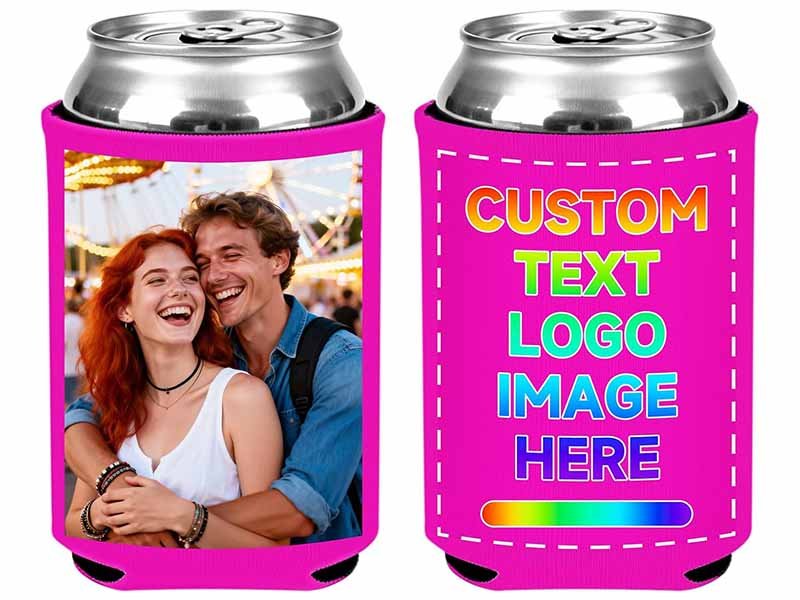
Corporate gifting has changed. People don’t get excited about “another free item” anymore—they get excited when a gift is useful immediately and still looks good a month later. That’s why neoprene koozies keep winning in corporate programs. They’re simple, but they solve a real everyday annoyance: warm drinks, wet hands, slippery bottles. And when your logo sits on something people actually use at BBQs, office happy hours, beach trips, or weekend sports events, your brand isn’t just seen once—it becomes part of someone’s routine.
Neoprene koozies make strong corporate gifts because they’re practical, easy to brand, and affordable at scale. The best results come from picking the right size (standard vs slim vs bottle), choosing a thickness that matches the gifting level (1.5–2mm for mass giveaways, 3–4mm for premium feel), and using a logo method that won’t crack or fade. Pair that with clean packaging and a realistic lead-time plan, and you get a gift that’s actually kept and reused.
One brand manager once told us their best “ROI swag” wasn’t a fancy box—it was a simple koozie set given at a summer event. People kept it, posted it, and re-ordered. The difference wasn’t luck. It was design choices made early, before production.
What Makes a Neoprene Koozie Work for Corporate Gifts?
A neoprene koozie works for corporate gifting when it delivers three things at once: instant usefulness, comfortable feel, and clean branding. If the koozie feels too thin, it looks cheap. If the fit is wrong, it won’t be used. If the logo fades, brand value disappears. Good corporate koozies are designed around how recipients actually drink and socialize—not around what’s easiest to manufacture.
What corporate teams should optimize first
- Fit for the most common drink size at your event
- Feel that matches your brand level (basic vs premium)
- Logo durability (no cracking, no peeling, no blurry edges)
- Packaging that matches the moment (trade show vs VIP gift)
What benefits do recipients notice first?
Recipients notice two things in the first 10 seconds: hand feel and fit.
Hand feel: A 3–4mm neoprene koozie feels “thick enough” and softer than foam sleeves. That “premium grip” is what makes people keep it instead of tossing it.
Fit: If it slides on easily and doesn’t wobble, it gets used. If it’s too tight, too loose, or the bottom is unstable, people stop using it quickly—no matter how good the logo looks.
What makes people say “this is nice”
- smooth outer fabric (not rough)
- no sharp seams scratching fingers
- stable bottom (especially for bottles)
- printing that looks clean at arm’s length
Why do “useful” gifts get better brand recall?
People remember gifts they touch repeatedly. A koozie is handled for minutes at a time, not seconds. That makes it one of the few corporate gifts that naturally creates repeated brand exposure without feeling like advertising.
Also, koozies often show up in social settings—photos, group tables, outdoor events—where your logo becomes part of the scene. That “casual visibility” tends to create better recall than items that stay in a drawer.
Practical brand exposure logic
| Gift Type | How often it’s used | Visibility while used | Typical fate |
|---|---|---|---|
| Pen | medium | low | drawer |
| Keychain | high | low | |
| T-shirt | medium | high | closet rotation |
| Neoprene koozie | high | high | kitchen / outings |
If you want something that is both reused and seen, koozies are a strong choice.
Which events and industries use koozies most?
Koozies perform best in events where drinks are naturally part of the experience. Corporate teams often order koozies for:
- trade shows + booth giveaways (portable, easy to distribute)
- company retreats + team-building (great for photos and group moments)
- client thank-you gifts (simple but useful)
- holiday gifts (especially summer campaigns)
- product launches (drink-based activations)
Industries where koozies are especially common:
- beverage & hospitality
- outdoor & sports brands
- tech companies doing events (surprisingly common)
- real estate, insurance, local services (community giveaways)
Which Koozie Styles Fit Corporate Gifting Best?
The best style depends on what people actually drink at your event. Corporate gifting fails when the company orders the wrong format—like standard can sleeves for a slim-can audience.
A smart approach is choosing one “main size” and optionally adding one secondary size if your program is premium.
Which is better: can sleeve, bottle sleeve, or slim can?
Here’s the simplest way to decide:
- Standard can sleeve = widest compatibility (soda/beer, most common)
- Slim can koozie = modern drinks (energy drinks, seltzers)
- Bottle sleeve = events with glass bottles / water bottles / long neck bottles
| Style | Best for | What it signals |
|---|---|---|
| Standard can sleeve | mass gifting | broad, practical |
| Slim can sleeve | modern lifestyle | trendy, current |
| Bottle sleeve | premium drink culture | more “gift-like” |
If you’re unsure, many corporate programs start with standard + slim as a two-size combo.
What sizes should you support (12oz, slim, 16oz)?
Most corporate gifting orders target 12oz standard. But drink habits have changed; slim cans are everywhere now. Supporting the right size increases usage immediately.
Common sizes
| Size Type | Typical drink examples | Corporate use case |
|---|---|---|
| 12oz standard | soda, beer | general events |
| 12oz slim | seltzer, energy drinks | modern events |
| 16oz tall | craft cans, iced coffee | premium gifting |
| Bottle (varies) | glass bottle, water bottle | hospitality/outdoor |
If your event is outdoor/summer and your audience is under 40, slim cans become much more common. If your event is older or mixed, 12oz standard is still the safe main option.
Are collapsible or structured koozies preferred?
This depends on the gift’s “role”:
- Collapsible is perfect for high-volume giveaways: light, cheap to ship, easy to hand out.
- Structured feels more premium: holds shape better, looks cleaner on the table, and gives stronger brand impression.
Collapsible vs structured
| Type | Best scenario | Pros | Trade-offs |
|---|---|---|---|
| Collapsible | trade show giveaways | lowest shipping cost, easy storage | looks less premium |
| Structured | VIP gifts, client sets | higher perceived value | bulkier, higher unit cost |
Many brands choose collapsible for big events, and structured for client gift bundles.
How Do You Choose Neoprene Specs for Performance?
Specs decide whether the koozie feels “cheap” or “kept.” Most recipients don’t know thickness numbers, but they feel the difference instantly. The right specs also decide how well your logo holds up after use.
What thickness works best for insulation and feel?
Thickness choices usually fall into three practical tiers:
Thickness tiers for corporate gifting
| Thickness | Feel | Best for | Notes |
|---|---|---|---|
| 1.5–2mm | light, flexible | large giveaways | lowest shipping cost |
| 2.5–3mm | solid everyday | mid-level gifting | good balance |
| 3–4mm | premium, sturdy | client gifts, VIP | best “hand feel” |
| 4–5mm | heavy insulation | outdoor premium | bulkier; higher cost |
If you want a safe choice for corporate gifting that feels good and prints well, 3mm is the most common “sweet spot.”
Which surface fabrics (nylon/poly/spandex) print best?
Surface fabric is where your logo lives. Different surfaces produce different print sharpness.
- Nylon: strong, clean surface; works well for most printing; durable
- Polyester: good color performance; often cost-effective
- Spandex: softer feel; stretchier; needs careful printing so logos don’t distort
Print clarity vs fabric choice
| Surface | Print clarity | Abrasion resistance | Best for |
|---|---|---|---|
| Nylon | high | high | long-term use |
| Polyester | high | medium | bright designs |
| Spandex | medium | medium | soft-touch premium feel |
Common mistake: Using a very stretchy surface for detailed logos. If the koozie stretches during use, the logo can look distorted. For sharp corporate logos, nylon/poly surfaces are often safer.
How do seams and edge finishes affect durability?
Seams and edges are where koozies fail first—especially after repeated pulling, folding, or washing.
What matters most:
- seam type that handles stretch
- edge finish that prevents fraying and curling
- clean glue/lamination so edges don’t peel
Durability checklist for koozie construction
| Area | What “good” looks like | What causes failures |
|---|---|---|
| Side seam | straight, even tension | puckering, thread break |
| Bottom seam | stable fit, no wobble | loose bottom, off-center |
| Edge finish | smooth and flat | curling, rough edge |
| Lamination | no bubbling near seam | peeling after heat/sweat |
How Should Corporate Logos Be Printed on Neoprene?
When designing neoprene koozies for corporate gifting, the logo printing method you choose will directly affect how your branding looks and lasts. Different printing methods handle color, detail, durability, and feel differently, so it’s important to match your logo type and event style with the right technique. The goal is always to create a sharp, clear logo that won’t fade or peel, even after multiple uses.
Corporate logos on neoprene koozies should be printed using durable methods like screen printing or heat transfer. The choice depends on the complexity of the design and long-term durability required.
Which logo methods last longest (screen, transfer, patch)?
When it comes to logo longevity, the printing method you choose determines how well your brand stands up over time.
- Screen Printing: Screen printing remains the most common and cost-effective method for large orders. This method is perfect for bold, simple logos and provides long-lasting durability, even with frequent washing or use. The ink adheres to the fabric and won’t crack easily over time. Screen printing is great for solid colors and logos that don’t have too much detail.
- Heat Transfer Printing: Heat transfer printing uses heat and pressure to transfer a design onto the neoprene. It works well for complex designs with gradients or fine details, but heat transfer can sometimes result in less durability compared to screen printing, particularly in high-stretch areas of the koozie. However, it’s still a good option for premium gifts with detailed logos.
- Embossing / Patches: For high-end corporate gifts, embossed logos or fabric patches offer a luxurious finish. These methods can add texture to your design and give a three-dimensional look. Embossing uses heat to press the logo into the material, making it permanent without ink that could wear off. Patches are ideal for high-quality, rugged koozies and provide a more tangible branding experience. However, these methods come with higher costs.
Comparison of logo methods
| Method | Best For | Durability | Cost | Pros | Cons |
|---|---|---|---|---|---|
| Screen Printing | Large orders, simple logos | Very high | Low | Long-lasting, clean look | Limited detail |
| Heat Transfer | Complex designs, detailed logos | Medium | Medium | Detailed designs, vibrant colors | Can fade or peel |
| Embossing/Patch | Premium gifts, high-end giveaways | Very high | High | Premium feel, durable | Expensive, limited color |
What artwork rules avoid blurry or cracked logos?
For the best possible outcome, your logo file must be high quality and suited for the printing process. Here are the key artwork tips to ensure clear, sharp results:
- Resolution: Always provide vector-based artwork (e.g., AI or EPS files). This ensures the logo can scale without loss of detail. If raster images are necessary (like PNG or JPEG), ensure that resolution is 300 DPI at the desired print size.
- Color Matching: Make sure to use Pantone colors for accurate color reproduction. Neoprene is a dark material that can absorb ink differently, so consistent color matching across products is key to maintaining brand integrity.
- Design Simplicity: While complex designs are possible, simpler logos tend to perform better on neoprene. Fine lines or too much text might not print as clearly on this material, and intricate details can fade more quickly.
- Avoid Stretching: Ensure your logo design accounts for stretching, especially around curved koozie edges. Logos placed on stretch zones should be shorter and bolder to avoid distortion.
How do you match brand colors on neoprene?
Matching brand colors to neoprene requires attention to the material’s color absorption and the printing process. Neoprene koozies come in a variety of base colors, but dark neoprene (black, navy, etc.) absorbs ink differently than lighter-colored surfaces.
- Pantone Color Matching: For perfect color replication, Pantone color matching should always be used when specifying logos. Pantone colors provide a universal reference to ensure your corporate logo appears as intended, regardless of the printing process.
- Test Printing: Due to neoprene’s unique surface properties, a test print is highly recommended before committing to mass production. This ensures that the colors appear as you expect and that your logo will be vibrant and crisp.
What Packaging and Order Details Matter for Corporate Programs?
Packaging and order management are often overlooked in the corporate gifting process, but they can make a big impact on how your brand is perceived. For corporate koozies, effective packaging doesn’t just protect the product during shipping; it can enhance the gifting experience and increase the perceived value of your brand.
For corporate gifting, packaging should match the gift’s quality. High-end koozies benefit from premium boxes or eco-friendly wraps. For large giveaways, bulk packing is more cost-effective, but still well-presented.
Which packaging options look premium (OPP, kraft, gift box)?
When it comes to packaging, the presentation matters. Corporate gifts should feel special from the moment recipients open them. Here are the top packaging options for corporate koozie gifts:
- Kraft Paper Wraps: Kraft paper is eco-friendly and can provide a rustic yet premium feel when used with a branded sticker or seal. This option is cost-effective and fits well in bulk gifting situations like trade shows.
- Clear OPP Bags: OPP bags (or poly bags) are often used for economical, simple packaging. They provide a clear view of the product and are a good choice for high-volume giveaways. A custom printed insert card can elevate the presentation.
- Gift Boxes: For high-end gifting, koozies can be packaged in custom-designed gift boxes. This adds an extra level of sophistication to the gift and is often used for VIP clients or special events. Boxes can be branded with your logo, message, or colors, making it feel even more personalized.
- Eco-Friendly Packaging: As sustainability becomes a larger focus for many brands, eco-friendly packaging like recycled paper, fabric pouches, or biodegradable wrapping is gaining popularity.
| Packaging Type | Best For | Pros | Cons |
|---|---|---|---|
| Kraft Paper Wraps | Bulk giveaways | Simple, eco-friendly | Not as premium |
| OPP Bags | High-volume, cost-effective | Clear view, customizable insert | Less premium |
| Gift Boxes | VIP gifts, premium clients | Sophisticated, customizable | Higher cost |
| Eco-Friendly Packaging | Sustainability-focused brands | Green image, innovative | More expensive |
What lead time plan works for events and holidays?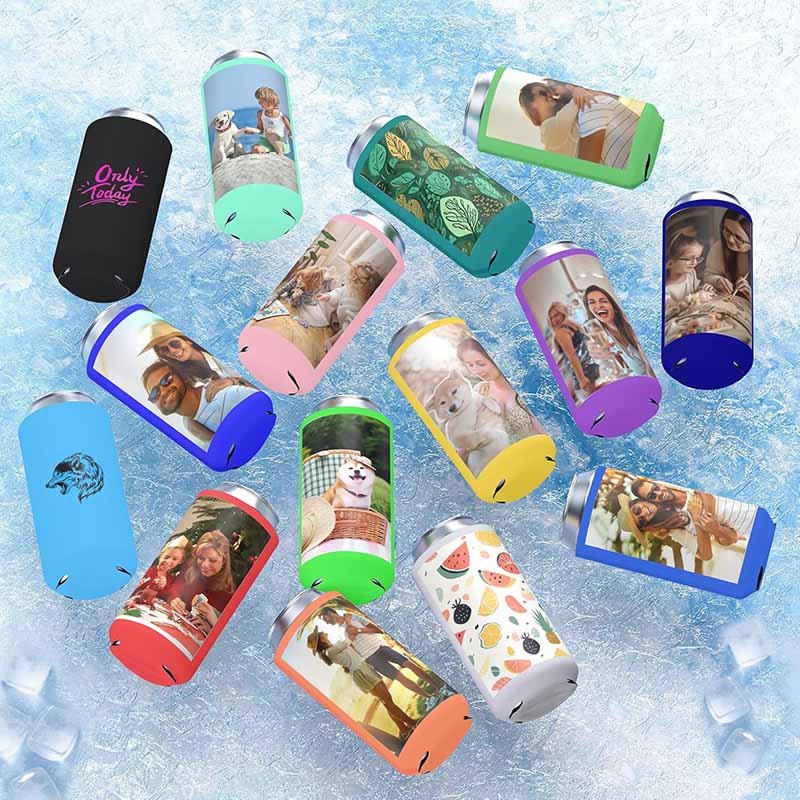
Lead time management is crucial when planning corporate gifts, especially if you’re working around events or holiday deadlines.
- Standard Order: Typically, you can expect 4–6 weeks for production and delivery of custom neoprene koozies. This time frame includes sampling, approvals, production, and shipping.
- Rush Orders: If you need koozies for an upcoming event or holiday, many factories offer rush production that reduces lead time to 2–3 weeks. However, this comes with a premium price and may limit customization options.
- Seasonal Planning: To avoid last-minute stress, plan your orders 3–4 months in advance if your corporate event or giveaway falls during peak seasons like Christmas, New Year, or summer months.
How do you set MOQ, sampling, and QC for large orders?
Managing MOQ (Minimum Order Quantity), sampling, and QC checks is key to ensuring you get the right product, at the right time, at the right price.
- MOQ: Most manufacturers will set a minimum order quantity, which can range from 100 to 500 units depending on the style and complexity of the koozie. For lower MOQ orders, manufacturers may charge a higher unit price to cover setup costs.
- Sampling: Always request a sample before mass production. This ensures that color, logo placement, and overall fit meet your expectations. Many manufacturers offer pre-production samples for a small fee. Make sure to test the sample in real-world conditions before approving the full run.
- Quality Control (QC): A solid QC plan includes size checks, print durability tests, and seam strength tests to ensure the final product meets your specifications. If you’re ordering a large quantity, insist on random sampling inspections at different stages of production to ensure consistent quality.
How Can You Customize Neoprene Koozies for Stronger Brand Impact?
Customizing neoprene koozies goes far beyond adding a logo.
The most successful corporate gifting programs treat koozies as mini brand carriers—where color, texture, shape, and finishing details all work together to express brand identity. Small design decisions, such as matching corporate color tones or adding subtle stitched labels, can significantly increase how “premium” the final gift feels in the recipient’s hand.
Well-customized neoprene koozies improve perceived brand value, increase real-world usage, and extend marketing visibility long after an event ends.
Which color and material choices strengthen brand identity?
Color is the first branding signal people notice—even before the logo.
Choosing neoprene body color that matches or complements corporate brand palettes creates instant recognition, especially in group settings like conferences or outdoor gatherings.
Key practical strategies:
- Use Pantone-matched neoprene colors whenever brand consistency is critical.
- Pair dark body colors + bright logo print for maximum readability.
- Choose light body colors only when stain resistance and long-term cleanliness are acceptable.
- Consider two-tone stitching or inner lining for premium gift programs.
| Strategy | Visual Effect | Best Use Case |
|---|---|---|
| Exact brand color match | Strong recognition | Corporate identity campaigns |
| Neutral body + bold logo | Clean, modern look | Tech or minimalist brands |
| Bright promotional colors | High visibility | Trade shows and festivals |
| Dark premium tones | Elegant perception | VIP or executive gifting |
Material surface also affects perception.
Smooth nylon laminations feel more durable and structured, while soft spandex laminations create a relaxed, lifestyle feel. Selecting the right surface helps align the koozie with your brand personality.
What add-on details make koozies feel premium?
Recipients often judge quality through small tactile details, not size or price.
Several inexpensive additions can noticeably elevate perceived value:
- Woven logo labels stitched into the side seam
- Embossed rubber patches for textured branding
- Reinforced bottom panels for stability on tables
- Contrast stitching that highlights craftsmanship
- Hang tags or message cards explaining the brand story
These details transform a simple drink sleeve into a gift-level promotional item rather than a disposable giveaway.
Cost vs. perceived value of add-ons
| Add-On Feature | Cost Impact | Perceived Upgrade |
|---|---|---|
| Woven label | Low | Moderate |
| Rubber patch | Medium | High |
| Contrast stitching | Low | Moderate |
| Reinforced base | Medium | High |
| Gift tag card | Very low | Moderate |
Even one or two of these upgrades can double the perceived quality without dramatically increasing budget.
How can sustainability improve corporate gifting value?
Sustainability is increasingly important in corporate procurement.
Many companies now evaluate promotional products based on environmental responsibility as well as cost.
Ways neoprene koozie programs can support sustainability goals:
- Using eco-friendly packaging (recycled kraft, biodegradable bags)
- Reducing over-packaging for bulk distribution
- Selecting durable construction so items are reused instead of discarded
- Offering reusable multi-pack gift sets instead of single giveaways
A koozie that lasts for years provides better environmental value than disposable promotional items used once and thrown away.
Why Do Sampling, Testing, and QC Matter Before Mass Production?
Many corporate gifting problems appear after delivery, when it is too late to correct them.
Sampling and quality control protect your timeline, budget, and brand reputation by catching issues before full production begins.
A structured sampling and QC process ensures color accuracy, correct sizing, durable seams, and consistent print quality across the entire order.
What should you confirm during sampling?
A physical sample is the most reliable way to verify expectations.
During sampling, corporate teams should check:
- Actual color vs. artwork color
- Logo size and placement accuracy
- Fit on real drink containers
- Edge finishing smoothness
- Overall hand feel and thickness perception
Testing the sample in real-life situations—office use, outdoor events, refrigeration, or washing—reveals issues that photos cannot show.
Which durability tests prevent post-event complaints?
Simple durability checks dramatically reduce risk:
- Print rub test – ensures logos do not fade with handling
- Seam pull test – confirms stitching strength under tension
- Cold-to-warm cycling – checks insulation stability and glue integrity
- Drop or compression test – evaluates structural resilience
These tests are inexpensive but prevent costly reputation damage later.
Typical QC acceptance reference
| Check Item | Acceptable Result |
|---|---|
| Logo rub resistance | No visible fading after repeated rubbing |
| Seam strength | No tearing under moderate pull |
| Size tolerance | Consistent fit across samples |
| Edge finish | Smooth, no curling or peeling |
How does production consistency affect brand trust?
Inconsistent promotional products create confusion.
If one batch looks different from another, recipients may question overall brand quality, even if the difference is small.
Reliable manufacturing focuses on:
- Color consistency between batches
- Stable stitching quality across quantities
- Uniform packaging presentation
Consistency is what turns a single successful giveaway into a repeatable corporate gifting program.
Turning Corporate Koozies Into Long-Term Brand Visibility
Designing neoprene koozies for corporate gifting is not just about making a promotional item—it is about creating something people use naturally, see repeatedly, and associate with positive experiences.
When the right size, thickness, branding method, and packaging strategy come together, a simple koozie becomes a long-lasting marketing tool that continues working long after the event ends.
With more than 18 years of experience in neoprene material development and custom product manufacturing, Szoneier / Oneier supports global brands through:
- Low-MOQ customization for corporate programs
- Rapid sampling and accurate color matching
- Stable production quality across repeat orders
- Flexible OEM, ODM, and private-label solutions
Whether you are preparing for a trade show, company celebration, seasonal campaign, or client appreciation program, the right neoprene koozie design can deliver practical value and lasting brand exposure at the same time.
Contact Szoneier today to start designing custom neoprene koozies tailored to your brand, budget, and event timeline.
A well-designed koozie may look simple—but in corporate gifting, simple products done right often create the strongest impressions.