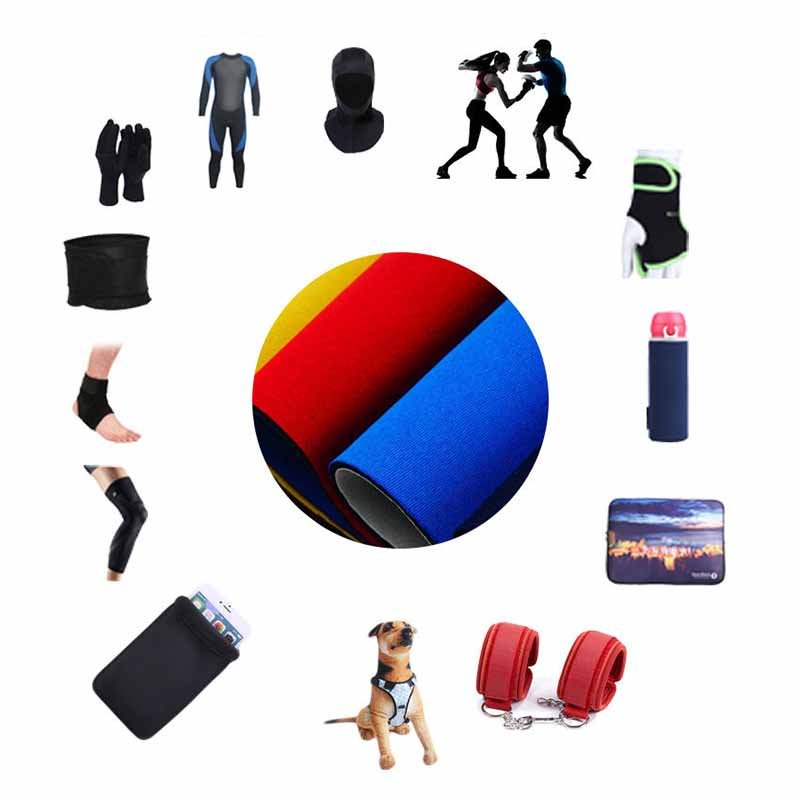
Custom Neoprene Manufacturer China
OEM Neoprene Product Development and Manufacturing for Global Brands
Oneier is a professional neoprene product manufacturer located in Shenzhen, Guangdong, China, with manufacturing experience dating back to 2007.
Oneier company focuses on the development and production of custom neoprene products, including bags, sleeves, wetsuits, protective gear, promotional products and technical accessories used across sports, outdoor, lifestyle and promotional industries.
- Minimum order quantity from 50 pieces
- Sample development in 5–7 days
- Mass production lead time 20–30 days
- Integrated neoprene and fabric manufacturing resources
- Global shipping via express, air freight and sea freight
Who Oneier Manufactures Neoprene Products For
Oneier has worked with a wide range of international companies developing neoprene-based products for different markets.
These organizations vary in size—from small product startups to established international brands—but they share a common requirement: reliable custom manufacturing for neoprene products with consistent quality and flexible development capability.
Below are some of the most common types of companies that collaborate with Oneier.
Sports and Fitness Equipment Brands
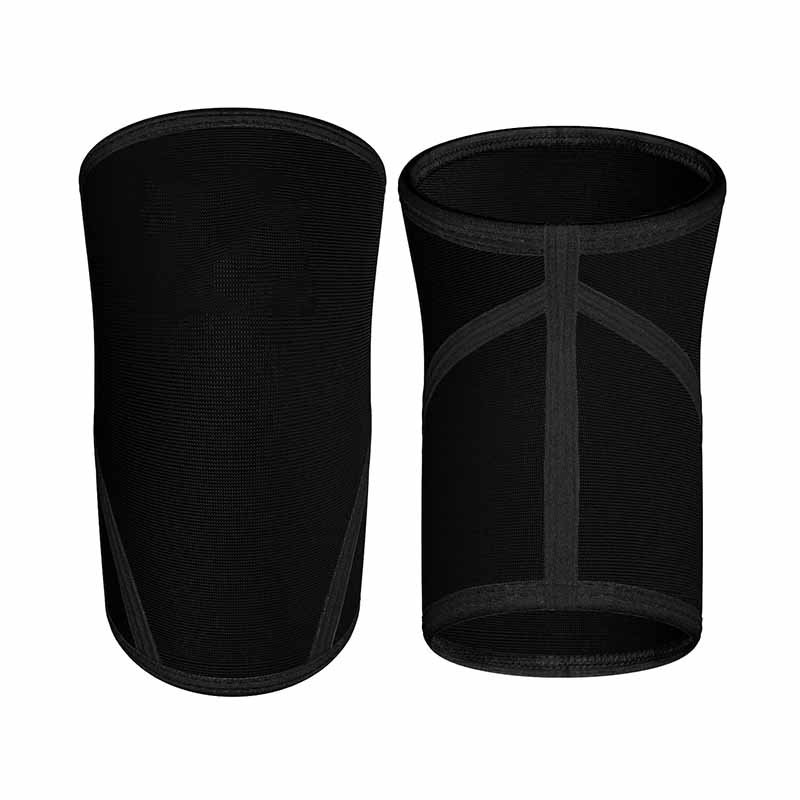
Sports brands frequently use neoprene because of its elasticity, shock absorption and durability.
Typical sports-related products include:
- neoprene knee sleeves
- elbow supports
- weightlifting belts
- sports bottle holders
- training accessory bags
Many sports equipment companies require neoprene materials with specific thickness and density to ensure long-term performance under repeated movement.
Oneier works with these companies to select appropriate neoprene types such as CR neoprene or SCR neoprene, and to design reinforced seams capable of handling heavy usage.
These products are commonly exported to North America, Europe and Australia, where fitness equipment markets continue to expand.
Outdoor and Water Sports Brands
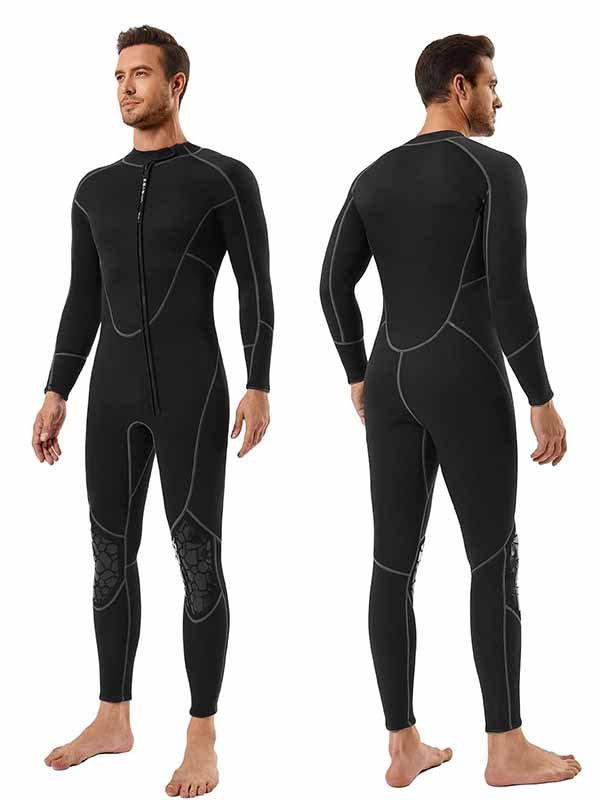
Outdoor equipment companies often rely on neoprene because of its water resistance and thermal insulation properties.
Common outdoor applications include:
- wetsuits
- diving gloves
- insulated cooler bags
- paddle board accessories
- waterproof storage pouches
Outdoor product structures often require stronger stitching techniques and thicker neoprene layers.
For example, neoprene used in wetsuits may range from 3 mm to 5 mm thickness, while insulated cooler bags may combine neoprene with laminated polyester fabrics for additional durability.
Oneier’s product team frequently collaborates with outdoor brands during the early development stage to ensure that products perform well under demanding environmental conditions.
Ecommerce Product Brands
Many ecommerce companies develop niche products using neoprene material because it offers both functional performance and flexible product design possibilities.
Common ecommerce neoprene products include:
- laptop sleeves
- tablet cases
- cosmetic bags
- travel organizers
- insulated bottle holders
Ecommerce brands often launch products with smaller initial production volumes. To support these projects, Oneier offers minimum order quantities starting from 50 pieces, allowing product teams to test market demand before expanding production.
The factory’s sample development capability (5–7 days for standard products) also allows ecommerce companies to move quickly during product launch cycles.
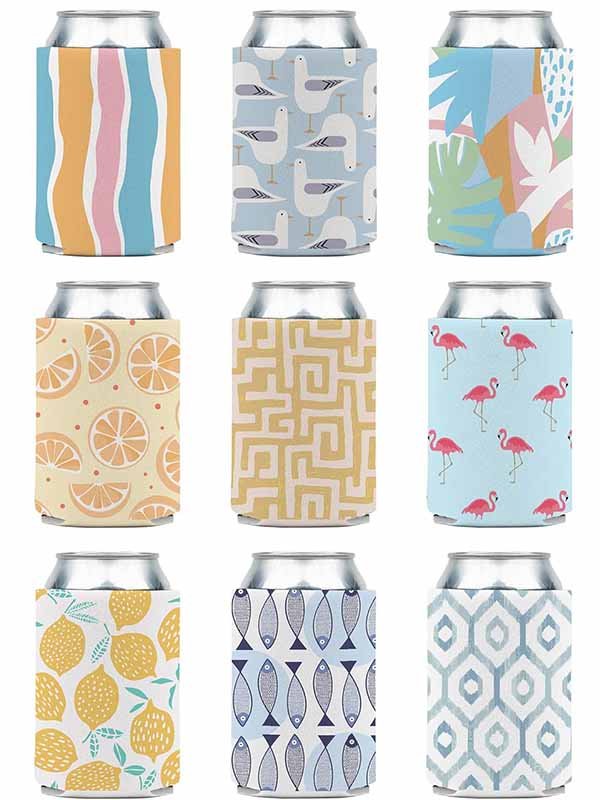
Promotional Product Companies
Promotional distributors and advertising agencies frequently choose neoprene products because they combine practicality with strong brand visibility.
Typical promotional neoprene products include:
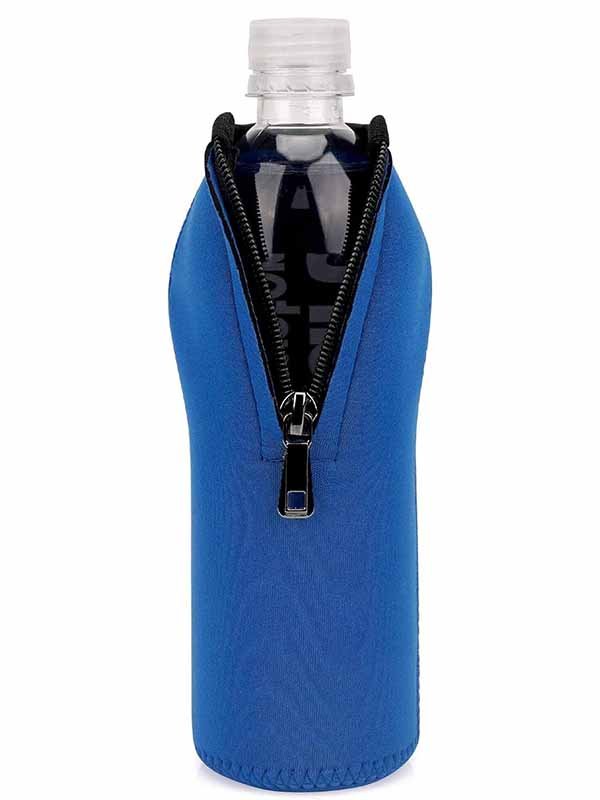
- can coolers (koozies)
- branded beverage sleeves
- promotional tote bags
- event merchandise accessories
These products often require sublimation printing or screen printing to display company logos or event graphics.
Promotional companies often place larger seasonal orders, particularly for:
- corporate events
- sports sponsorship campaigns
- beverage brand promotions
Oneier’s production network can support both short promotional runs and large-volume orders depending on the campaign scale.
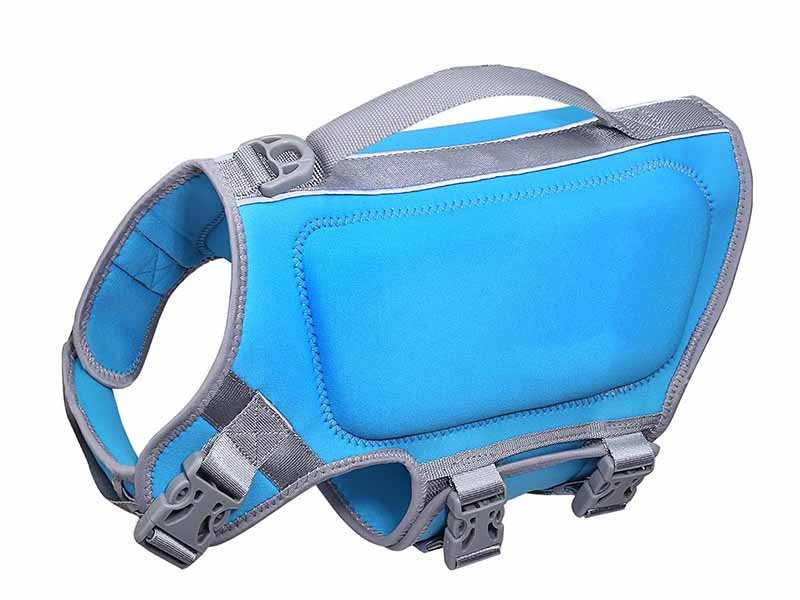
Pet Product Brands
Neoprene is widely used in pet accessories due to its soft texture, flexibility and water resistance.
Typical neoprene pet products include:
- dog collars
- padded harnesses
- dog leashes
- training accessories
These products often combine neoprene padding with nylon webbing, providing comfort while maintaining structural strength.
Pet product brands frequently require adjustable structures and reinforced stitching to ensure durability for active animals.
Product Designers and Startup Brands
Many new product concepts begin with independent designers or startup companies.
These projects usually start with:
- concept sketches
- reference images
- competitor products
The product development team at Oneier assists in converting these early ideas into manufacturable products by helping with:
- product structure optimization
- material recommendations
- accessory selection
- production feasibility evaluation
Because the factory operates its own sample workshop and pattern development team, prototype development can begin quickly once design details are confirmed.
Distributors and Importers
Distributors often work with factories capable of producing a wide range of neoprene products with consistent quality.
These companies typically distribute products to:
- sporting goods retailers
- outdoor equipment stores
- ecommerce platforms
- promotional product networks
Distributors often require stable production timelines, consistent product specifications and reliable quality control systems.
Oneier has supported numerous repeat manufacturing programs for distribution partners across multiple markets.
Why Choosing the Right Neoprene Manufacturer Matters
Neoprene product manufacturing involves far more complexity than basic sewing operations.
Several technical factors influence the durability, structure and final appearance of neoprene products.
Many companies encounter problems when working with suppliers that lack experience in neoprene production.
Common Issues Seen in the Industry
Inconsistent neoprene density
Low quality neoprene foam may lose elasticity or deform after repeated use.
Weak seam construction
Improper stitching techniques can cause seams to tear under tension.
Color inconsistencies in printed products
Promotional products require consistent brand colors, which requires professional printing processes.
Unstable production schedules
Production delays can impact product launch timelines for brands and retailers.
Key Factors in Custom Neoprene Product Manufacturing
Developing reliable neoprene products requires careful consideration of several technical and production factors.
The following factors are commonly discussed during the early stages of neoprene product development.
Material Selection
Neoprene products are typically manufactured using laminated neoprene sheets, where foam material is combined with outer fabrics such as polyester or nylon.
Selecting the appropriate neoprene type directly affects product durability, elasticity and cost.
Common neoprene materials include:
| Neoprene Type | Characteristics | Typical Applications |
|---|---|---|
| CR Neoprene | high flexibility and durability | sports gear, wetsuits |
| SBR Neoprene | economical material | bags, sleeves |
| SCR Neoprene | balanced performance and cost | general accessories |
For most neoprene bags and sleeves, 3 mm thickness SCR neoprene provides a good balance between cushioning and structural stability.
Oneier works with long-term neoprene material suppliers to ensure consistent foam density and lamination quality, which helps maintain stable product performance across production batches.
Product Structure Design
Product structure determines how well neoprene products perform during daily use.
Even small design decisions—such as seam placement or handle attachment—can influence durability.
Common structural considerations include:
- load-bearing seam reinforcement
- edge binding to prevent tearing
- internal lining for structural support
- reinforcement tape for high-stress areas
For example, cooler bags or travel bags may require reinforced webbing handles combined with internal stitching reinforcement to prevent handle failure when carrying heavier items.
The product engineering team at Oneier evaluates structural requirements during sampling to ensure the design performs well in real usage conditions.
Minimum Order Quantity
Minimum order quantity influences the feasibility of launching new neoprene products.
Many brands initially develop products with smaller quantities in order to test market demand.
Typical MOQ structure at Oneier:
| Product Type | MOQ |
|---|---|
| Neoprene bags | 50 pcs |
| Laptop sleeves | 50 pcs |
| Sports supports | 100 pcs |
| Promotional koozies | 100 pcs |
Lower MOQs make it possible for startups and ecommerce brands to develop new products without committing to large inventory volumes.
Production Lead Time
Efficient lead time is essential for product launch planning, especially for seasonal products or promotional campaigns.
Production lead time depends on several factors:
- material preparation
- product complexity
- printing processes
- accessory availability
Typical production timeline at Oneier:
| Production Stage | Time |
|---|---|
| Sample production | 5–7 days |
| Sample with custom hardware | 7–15 days |
| Mass production | 25–30 days |
Maintaining a predictable production schedule allows brands to plan product launches more effectively.
Quality Control
Neoprene product quality depends heavily on both material quality and manufacturing precision.
Oneier uses a multi-stage quality control system to ensure consistent production results.
Key inspection stages include:
- raw material inspection
- in-line production checks
- final product inspection before shipment
Inspection criteria typically include:
| Inspection Area | Quality Check |
|---|---|
| Material quality | correct thickness and lamination |
| Stitching | secure seams and reinforcement |
| Printing | accurate logo placement |
| Accessories | strong attachment |
Each shipment undergoes 100% final inspection before delivery to minimize defect risks.
Cost Structure
Product cost is influenced by several components including materials, labor and accessories.
Major cost factors include:
| Cost Factor | Description |
|---|---|
| Neoprene material | thickness and type |
| Fabric lamination | nylon or polyester |
| Logo method | printing or embroidery |
| Accessories | zippers, buckles, webbing |
The engineering team at Oneier often suggests structural adjustments or material alternatives that help maintain product quality while improving cost efficiency.
Compliance and Testing
Certain markets require additional testing or certification depending on product category.
Examples include:
- REACH compliance for European markets
- CPSIA testing for children’s products
- durability and performance testing for sports equipment
When necessary, testing can be arranged through third-party laboratories to meet specific regulatory requirements.
Engineering Support During Development
Developing neoprene products is often a collaborative process between product designers and factory engineers.
Oneier supports product teams during development by providing:
- material selection advice
- structural recommendations
- accessory compatibility evaluation
- manufacturing feasibility analysis
This engineering feedback helps ensure that products can move smoothly from prototype stage to stable mass production.
Oneier’s Manufacturing Solution for Custom Neoprene Products
Developing reliable neoprene products requires more than a sewing workshop. It requires stable material supply, engineering capability, and a production system capable of maintaining consistent quality across multiple orders.
Oneier operates with an integrated manufacturing structure that combines material production, product development, sampling capability, and assembly production.
Integrated Manufacturing Resources
Oneier’s production structure includes:
- an in-house neoprene material production partner
- long-term fabric mills producing polyester, nylon, canvas, cotton and functional fabrics
- a dedicated pattern development team
- a fully equipped sample workshop
- multiple partner factories specializing in bag and accessory production
This structure allows efficient development of new products while maintaining stable production capacity.
Sample Development Capability
Many product projects begin with concept validation. Oneier maintains a specialized sample room capable of quickly producing prototypes.
Typical development timeline:
| Development Stage | Time |
|---|---|
| Standard neoprene bag sample | 5–7 days |
| Samples requiring hardware molds | 7–15 days |
| Prototype revision | 3–5 days |
The sample team works closely with the product engineering department to refine structures and ensure feasibility before mass production.
Production Capacity
Production capacity varies depending on product complexity, but the manufacturing network typically supports:
| Product Category | Estimated Monthly Capacity |
|---|---|
| Neoprene bags | 40,000 – 60,000 pcs |
| Neoprene sleeves | 80,000 – 100,000 pcs |
| Neoprene koozies | 150,000+ pcs |
| Sports supports | 50,000 pcs |
This capacity structure supports both small product launches and large promotional campaigns.
Global Communication
Communication is often a major challenge in international manufacturing.
Oneier maintains a multilingual sales and project management team with fluent English communication through:
- video meetings
Factory visits and production inspections are also welcomed.
Types of Custom Neoprene Products Manufactured by Oneier
Neoprene is a highly versatile material widely used in consumer products, sports equipment and protective accessories. Because it combines flexibility, cushioning, water resistance and thermal insulation, neoprene is suitable for a broad range of product categories.
Oneier has developed and manufactured neoprene products for companies across multiple industries. With access to neoprene material production, fabric lamination resources and experienced sewing factories, the company is capable of producing a wide variety of neoprene-based products.
Below are some of the most common product categories manufactured by Oneier.
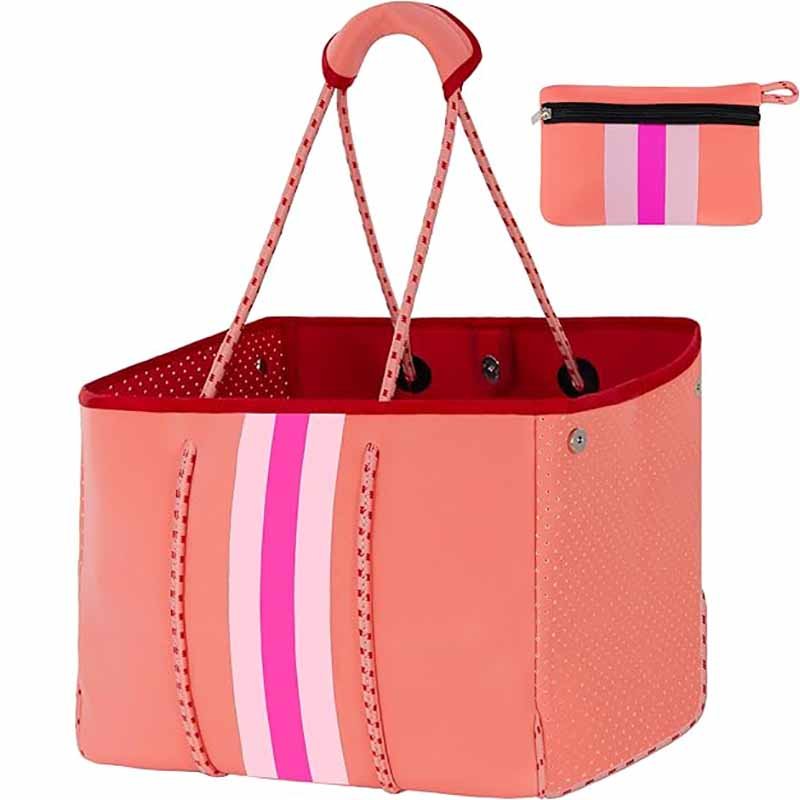
Neoprene Bags and Carrying Products
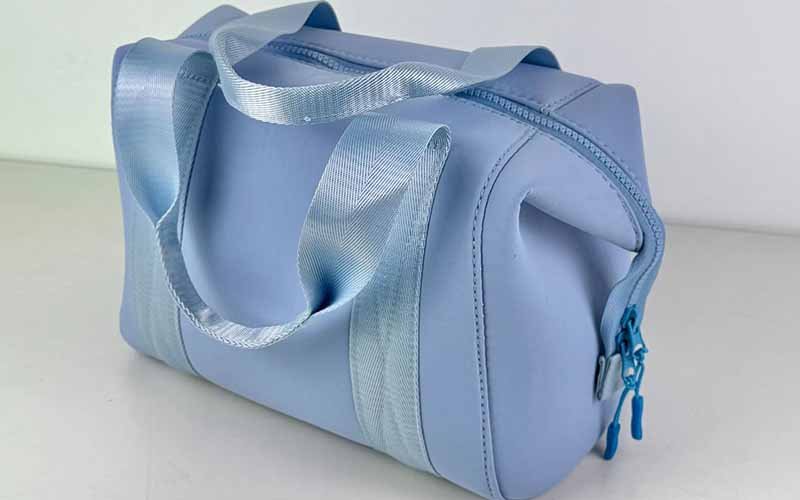
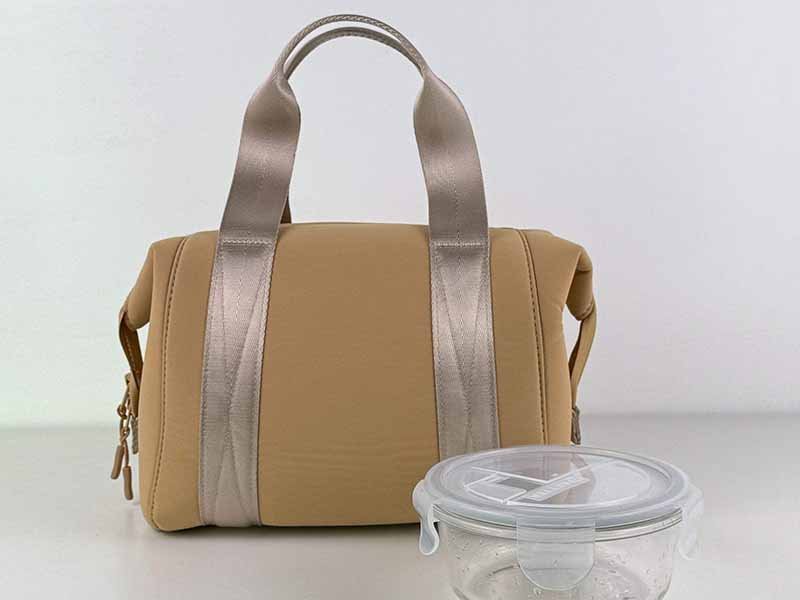
Neoprene bags are among the most widely produced neoprene products because the material provides both structure and cushioning.
Typical bag products include:
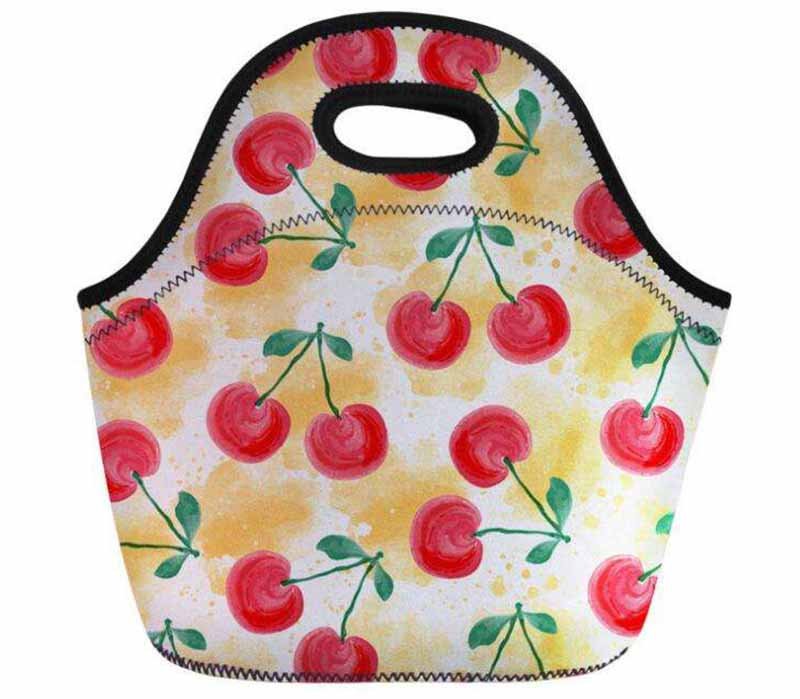
- neoprene tote bags
- neoprene cooler bags
- neoprene lunch bags
- neoprene travel bags
- neoprene cosmetic bags
- neoprene organizer pouches
These products often use 3 mm neoprene laminated with polyester or nylon fabric, providing both durability and aesthetic flexibility.
For load-bearing bags such as cooler bags or travel bags, additional reinforcement elements may be included:
- nylon webbing handles
- internal lining
- reinforced stitching
Oneier’s production lines regularly manufacture neoprene bags for outdoor brands, lifestyle brands and promotional product distributors.
Neoprene Laptop Sleeves and Protective Cases
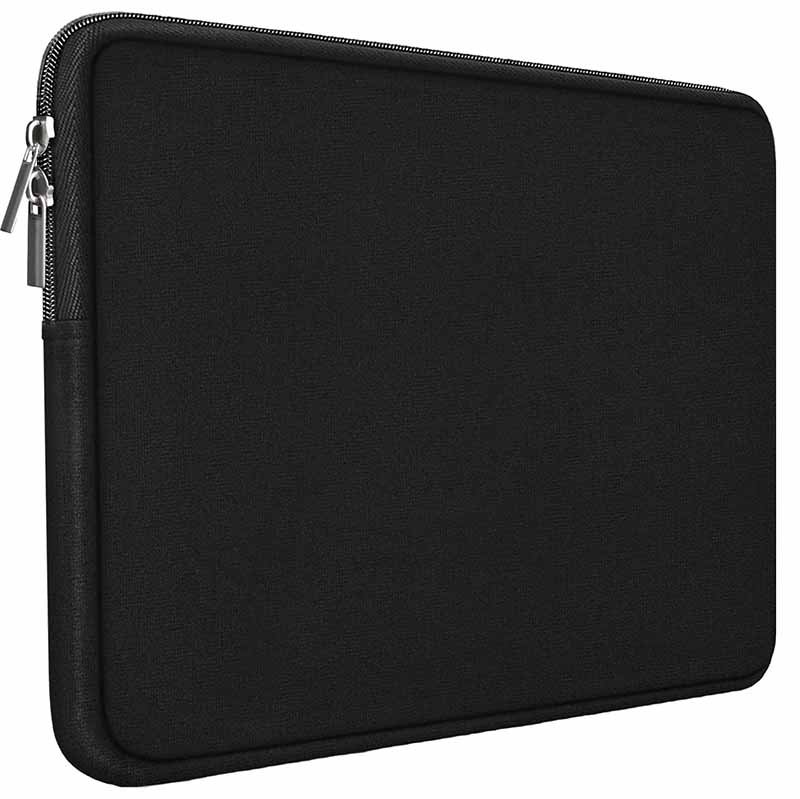
Another major category of neoprene products is protective sleeves for electronics.
Neoprene foam provides shock absorption and scratch protection, making it suitable for protecting electronic devices.
Common sleeve products include:
- laptop sleeves
- tablet sleeves
- camera lens pouches
- electronic device covers
- power bank cases
Most electronic sleeves use 2 mm or 3 mm neoprene thickness to provide lightweight protection without adding excessive bulk.
Edge binding and zipper installation are important details that influence product durability.
The engineering team at Oneier evaluates sleeve dimensions carefully to ensure that the final product fits specific device sizes.
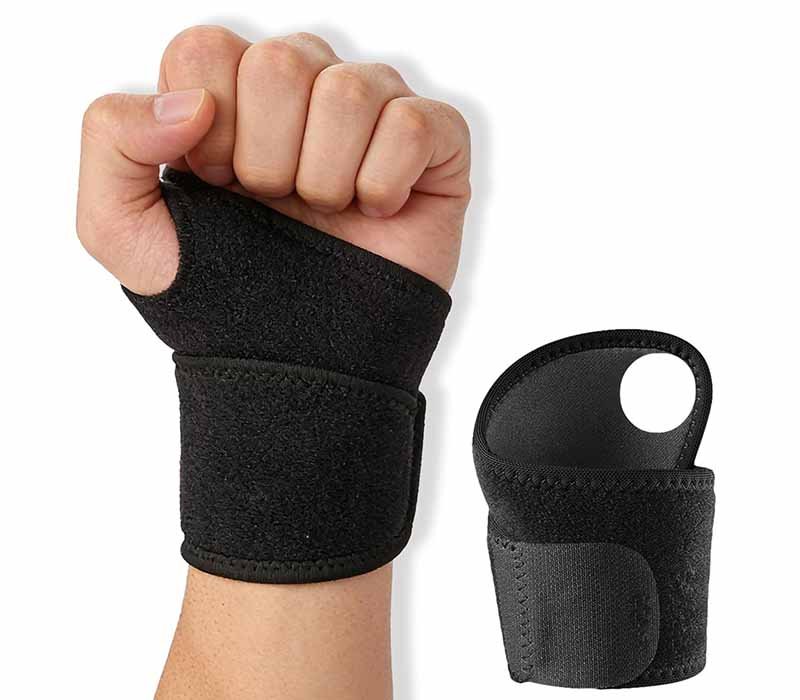
Neoprene Sports Support Products
Neoprene is widely used in sports equipment due to its elasticity and supportive properties.
Common sports support products include:
- knee braces
- elbow supports
- wrist supports
- weightlifting belts
- compression sleeves
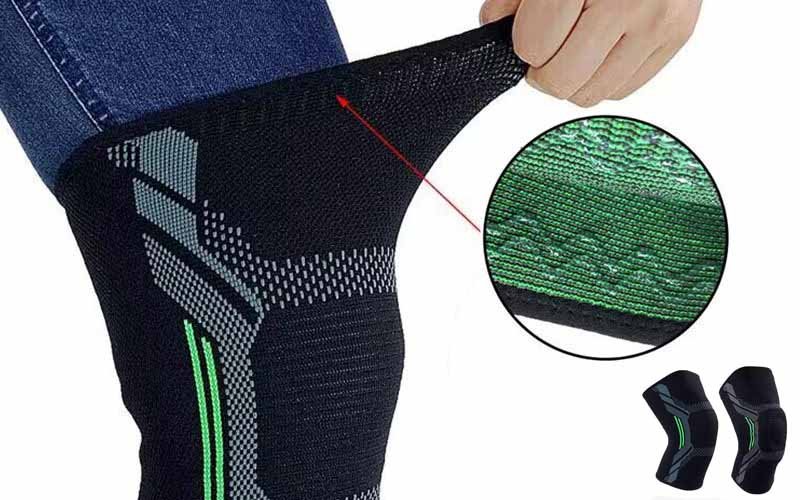
These products often require higher-density neoprene materials and reinforced stitching, as they must withstand repeated stretching and movement during exercise.
For these applications, CR neoprene or SCR neoprene is often recommended to ensure durability and flexibility.
Neoprene Beverage Insulation Products
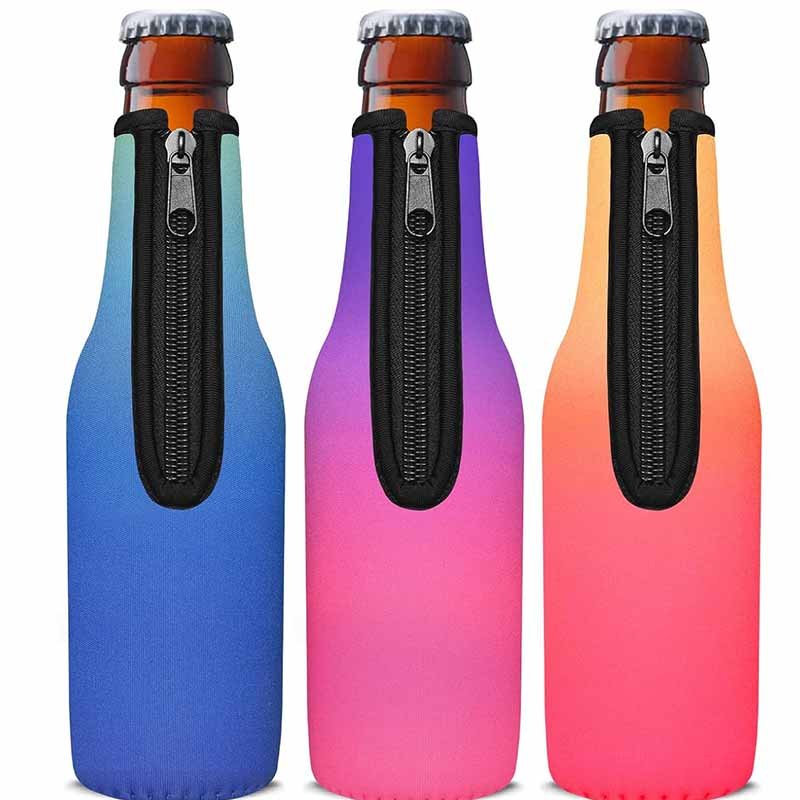
Neoprene is also widely used for beverage insulation products.
The material’s thermal insulation properties help maintain beverage temperature while protecting hands from condensation.
Typical products include:
- can coolers (koozies)
- bottle sleeves
- wine bottle carriers
- insulated drink holders
Promotional product companies frequently order these products for corporate events or beverage marketing campaigns.
Because these items are often branded, sublimation printing or screen printing is commonly used to display logos and graphics.
Oneier’s production capacity allows manufacturing of large promotional quantities when required.
Neoprene Outdoor and Water Sports Products
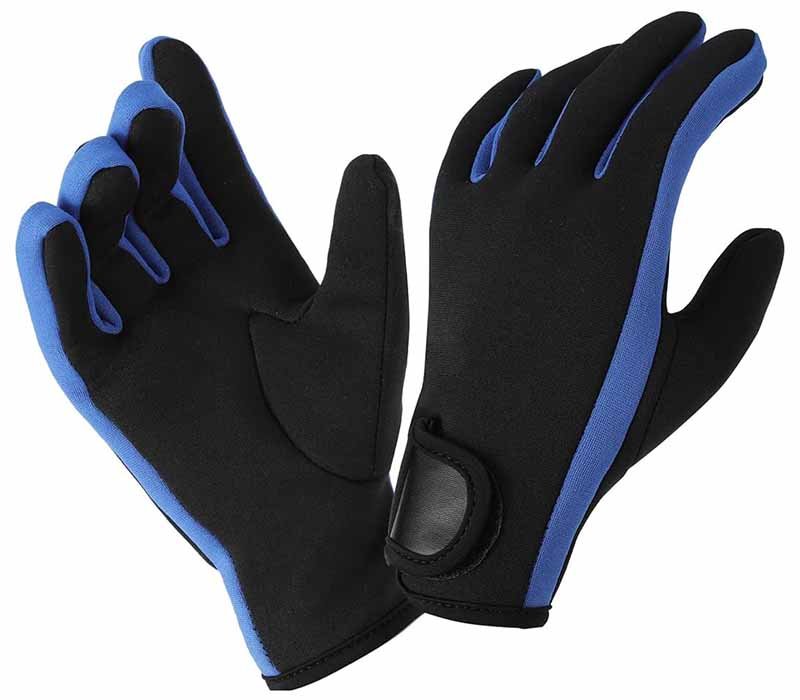
Because neoprene performs well in wet environments, it is widely used in outdoor and water sports equipment.
Common outdoor neoprene products include:
- wetsuits
- diving gloves
- paddle board accessories
- waterproof gear covers
These products often require thicker neoprene materials ranging from 3 mm to 5 mm, depending on insulation and flexibility requirements.
Specialized seam construction techniques such as glued seams or reinforced stitching are often used for water sports equipment.
Neoprene Pet Accessories
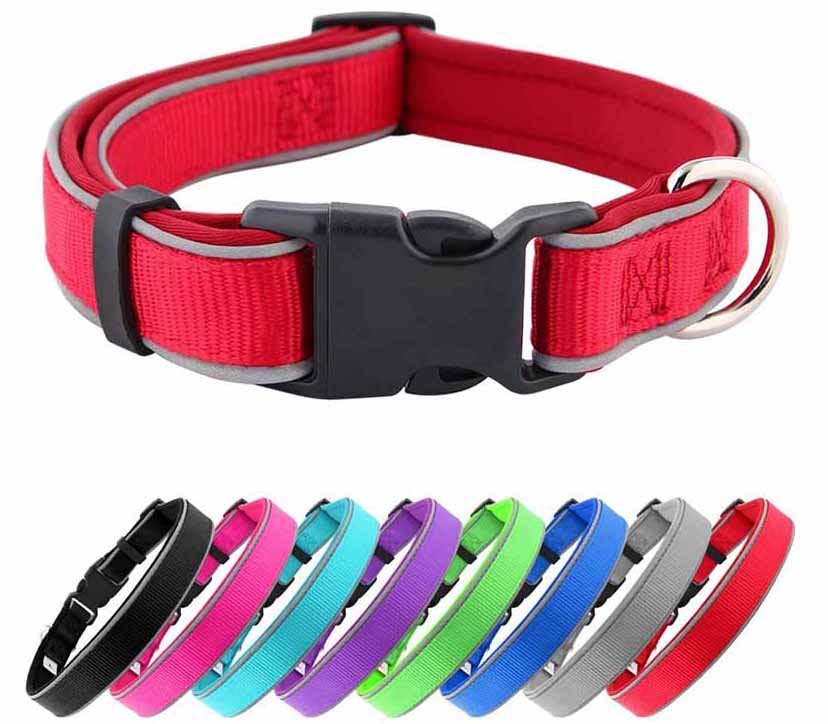
Neoprene is also commonly used in pet accessories because it provides soft padding while maintaining durability.
Typical neoprene pet products include:
- dog collars
- padded dog harnesses
- dog leashes
- pet training accessories
These products often combine neoprene padding with nylon webbing straps, ensuring comfort for animals while maintaining structural strength.
Pet accessory brands often focus on durable materials that can withstand outdoor activities, and neoprene is well suited for these applications.
Custom Neoprene Promotional Products
Neoprene’s ability to support colorful printing makes it a popular material for promotional products.
Promotional neoprene products may include:
- branded can coolers
- promotional tote bags
- branded device sleeves
- event merchandise accessories
These products are often produced using sublimation printing, which allows full-color graphics across laminated neoprene surfaces.
Because promotional campaigns sometimes require large quantities, production planning and printing consistency are important considerations.
Typical Neoprene Product Categories Produced
Below is a simplified overview of common neoprene product categories manufactured by Oneier.
| Product Category | Examples |
|---|---|
| Neoprene bags | tote bags, cooler bags, lunch bags |
| Electronic sleeves | laptop sleeves, tablet sleeves |
| Sports supports | knee braces, wrist supports |
| Beverage insulation | koozies, bottle sleeves |
| Outdoor gear | wetsuits, diving gloves |
| Pet accessories | dog collars, harnesses |
Structure of Custom Neoprene Products
Understanding the structure of neoprene products helps ensure durability and proper performance.
Most neoprene products consist of three primary layers.
Typical Neoprene Material Structure
| Layer | Function |
|---|---|
| Outer fabric layer | appearance and abrasion resistance |
| Neoprene foam core | cushioning and insulation |
| Inner fabric layer | comfort and structure |
The outer fabric is commonly laminated to the neoprene foam during material production.
Reinforcement Components
Depending on product type, additional reinforcement elements may include:
- webbing handles
- internal lining
- structural piping
- foam padding inserts
These structural elements determine product load capacity and durability.
Edge Finishing
Edges must be finished properly to prevent tearing.
Common finishing methods include:
- binding tape
- folded seams
- reinforced stitching
Proper edge finishing significantly increases product lifespan.
Neoprene Material and Fabric Options
Material selection directly affects product durability, appearance and cost.
Oneier works with several types of neoprene materials and laminated fabrics.
Neoprene Material Types
| Type | Characteristics | Typical Products |
|---|---|---|
| CR neoprene | premium elasticity and durability | sports products |
| SBR neoprene | cost-effective material | bags and sleeves |
| SCR neoprene | balanced performance | general consumer goods |
Laminated Fabric Options
Neoprene is often laminated with additional fabrics to enhance durability and aesthetics.
Common lamination fabrics include:
| Fabric | Features |
|---|---|
| Polyester | durable and economical |
| Nylon | smoother texture and higher strength |
| Spandex | flexible stretch applications |
| Canvas | stronger structure for bags |
Because Oneier cooperates with multiple fabric mills, different fabric textures and colors can be supplied according to product requirements.
Thickness Options
Neoprene thickness also affects product performance.
| Thickness | Common Use |
|---|---|
| 2 mm | laptop sleeves |
| 3 mm | bags and accessories |
| 5 mm | sports supports and wetsuits |
The engineering team evaluates thickness during product development to ensure proper performance.
Hardware and Accessories Options for Custom Neoprene Products
Although neoprene is the primary material used in these products, accessories and hardware components play a critical role in product durability and functionality.
Over the years, Oneier has developed a stable supply chain for bag accessories and structural components. These accessories are selected according to product use scenarios, durability requirements and budget considerations.
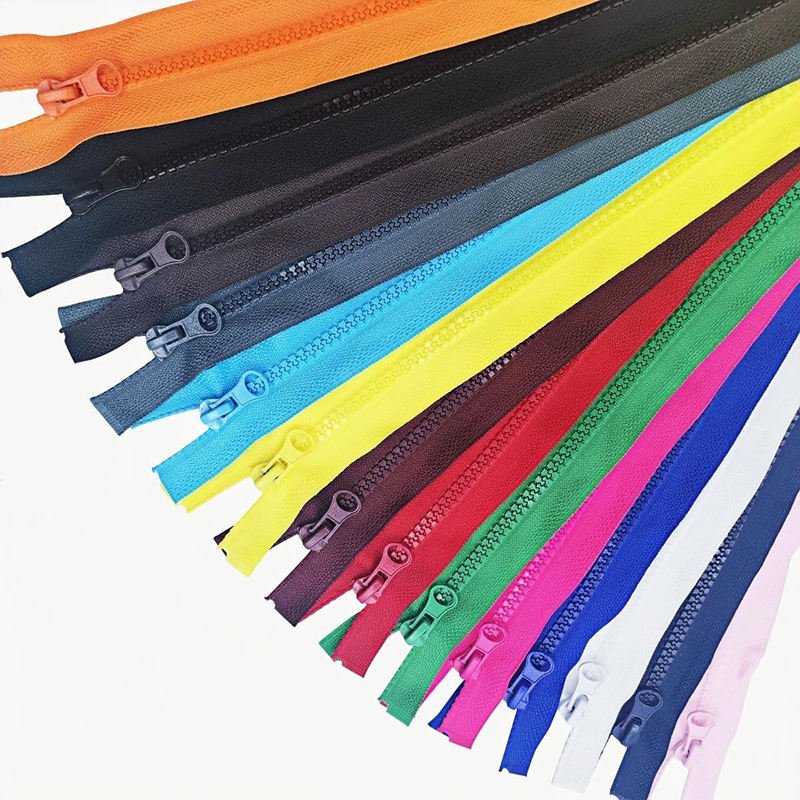
Common Zipper Options
Zippers are one of the most important functional components in neoprene bags and sleeves.
Typical zipper options include:
| Zipper Type | Application |
|---|---|
| Nylon zipper | cosmetic bags, sleeves |
| Resin zipper | cooler bags, outdoor bags |
| Metal zipper | premium lifestyle bags |
| Waterproof zipper | wetsuits, waterproof gear |
High-end projects can also use YKK zippers depending on brand positioning and budget.
Buckles and Fasteners
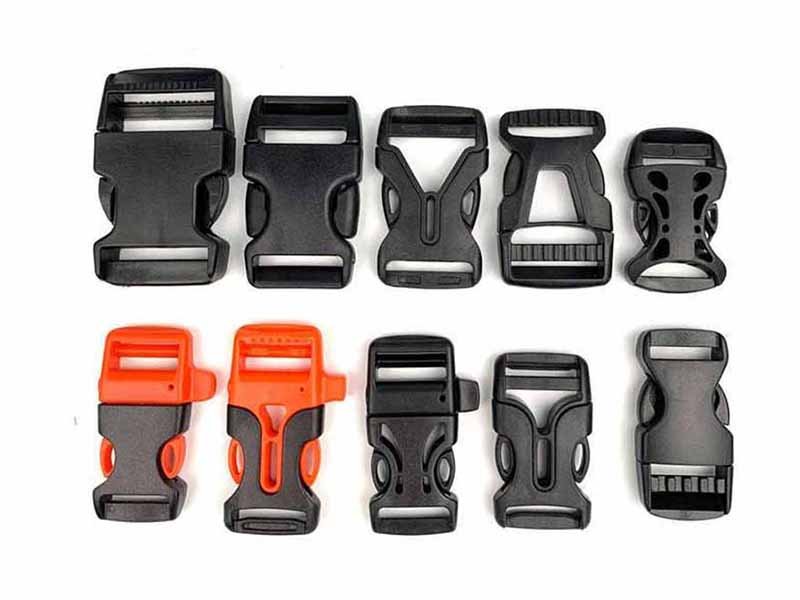
For products requiring adjustable structures, buckles and fasteners are essential components.
Common options include:
- side release buckles
- ladder lock buckles
- swivel hooks
- metal snap hooks
- D-rings
These components are typically made from durable POM plastic or metal alloy depending on load requirements.
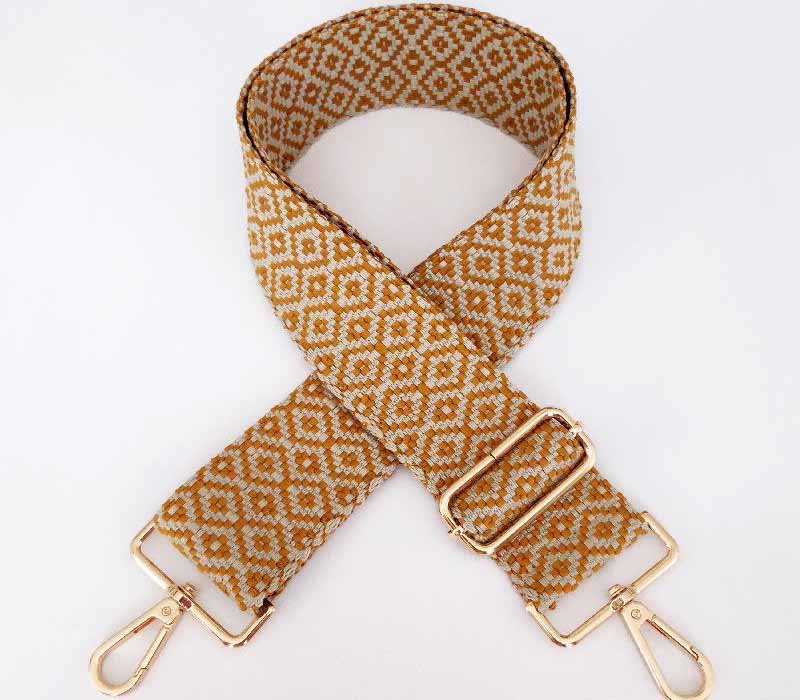
Webbing and Straps
Handles and straps determine the load-bearing capability of neoprene bags.
Common strap materials include:
| Material | Characteristics |
|---|---|
| Nylon webbing | strong and durable |
| Polyester webbing | cost-effective |
| Cotton webbing | softer texture |
Strap widths typically range from 20 mm to 40 mm, depending on bag size and weight capacity.
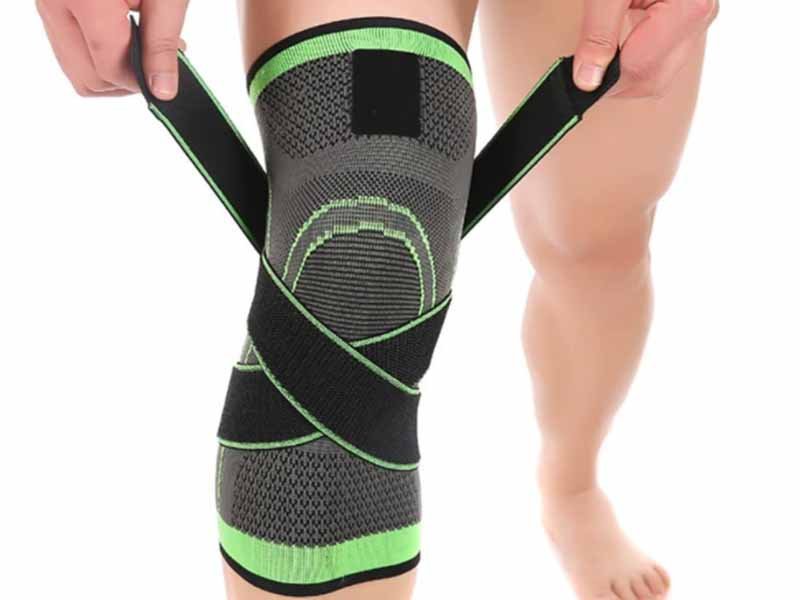
Velcro and Hook Systems
For sports supports and adjustable accessories, hook-and-loop systems are frequently used.
Typical applications include:
- knee braces
- elbow supports
- adjustable sleeves
Industrial-grade velcro ensures stable attachment during repeated use.
Logo and Branding Methods for Neoprene Products
Brand identity is one of the most important aspects of product development.
Neoprene material supports a variety of branding methods, allowing companies to integrate logos and graphics into product design.
Screen Printing
Screen printing remains one of the most cost-effective logo methods.
Advantages include:
- suitable for large orders
- durable ink adhesion
- strong color visibility
This method is widely used for promotional products and simple logo designs.
Sublimation Printing
Sublimation printing allows full-color graphics to be transferred directly onto laminated neoprene fabrics.
Advantages include:
- unlimited color possibilities
- full-surface printing
- no cracking or fading
This method is widely used for:
- neoprene koozies
- promotional bags
- branded sleeves
Heat Transfer Printing
Heat transfer printing is suitable for logos with complex graphics and gradients.
Advantages include:
- high detail accuracy
- suitable for small production runs
- flexible color reproduction
Embroidery
Embroidery is commonly used for premium products requiring a textured brand appearance.
Typical applications include:
- sports accessories
- outdoor gear bags
Embroidery adds durability and perceived product value.
Rubber and Silicone Patches
For stronger brand identity, rubber or silicone patches can be attached to neoprene products.
Advantages include:
- raised 3D appearance
- strong durability
- modern aesthetic for outdoor brands
Minimum Order Quantity, Sampling and Production Timeline
Efficient product development depends on clear expectations regarding order quantity and production timelines.
Oneier supports both new product launches and large-scale manufacturing projects.
Minimum Order Quantity
Oneier supports flexible minimum order quantities depending on product complexity.
| Product Category | Typical MOQ |
|---|---|
| Neoprene bags | 50 pcs |
| Neoprene sleeves | 50 pcs |
| Promotional koozies | 100 pcs |
| Sports supports | 100 pcs |
Lower MOQs allow brands to test market demand while controlling inventory risk.
Sample Development Timeline
The sample workshop is equipped to develop prototypes quickly.
Typical sample development schedule:
| Sample Type | Time |
|---|---|
| Standard neoprene bag | 5–7 days |
| Products requiring molds | 7–15 days |
| Sample revision | 3–5 days |
During the sampling stage, product engineers evaluate structure, materials and production feasibility.
Mass Production Lead Time
Production lead time varies depending on order size and complexity.
Typical production timeline:
| Production Stage | Time |
|---|---|
| Material preparation | 3–5 days |
| Cutting and sewing | 15–20 days |
| Quality inspection | 2–3 days |
| Packaging and shipment | 2–3 days |
Overall production time typically ranges from 25 to 30 days.
Payment Options
To support international transactions, Oneier accepts multiple payment methods:
- T/T bank transfer
- PayPal
- credit card payments
- Alibaba Trade Assurance
- Alipay
- Western Union
Trade terms supported include EXW, FOB, DAP and DDP.
Product Design Support and Visual Prototyping
Many companies approach Oneier with an early-stage product concept rather than a finished design.
The product development team assists in transforming these ideas into manufacturable products.
Design Support Capabilities
The engineering team provides assistance in several areas:
- product structure optimization
- material recommendations
- cost control analysis
- production feasibility evaluation
This process ensures that products are optimized for both performance and manufacturing efficiency.
Digital Mockups and Drawings
Before sample production, the design team can provide:
- product sketches
- technical drawings
- digital visual mockups
These visuals allow product teams to review proportions, color schemes and logo placement before committing to physical samples.
Collaborative Product Development
For brands developing new products, collaboration between product teams and factory engineers is often necessary.
This collaboration may include:
- adjusting product dimensions
- selecting suitable neoprene thickness
- optimizing internal structures
Because Oneier maintains both material expertise and manufacturing capability, engineering feedback can be provided early in the development process.
Quality Control and Product Testing
Consistent quality is one of the most important requirements when manufacturing neoprene products. Because neoprene products combine foam materials, laminated fabrics and stitching structures, quality control must cover both materials and production processes.
Oneier implements a structured inspection system covering several stages of production.
Raw Material Inspection
Before production begins, incoming materials are checked to ensure consistency and performance.
Materials inspected include:
- neoprene sheets
- laminated fabrics
- webbing
- zippers
- buckles and hardware
Key inspection points include:
| Inspection Item | Purpose |
|---|---|
| Material thickness | ensure correct neoprene density |
| Fabric color | match approved sample color |
| Material defects | prevent surface damage |
| Hardware strength | ensure durability |
This process helps prevent defective materials from entering the production line.
In-Process Production Inspection
During manufacturing, quality inspectors monitor production at several checkpoints.
Inspection items include:
- stitching consistency
- seam reinforcement
- logo printing accuracy
- accessory attachment strength
Random inspections are performed across production batches to ensure stable product quality.
Final Product Inspection
Before shipment, finished products are inspected to ensure they meet the approved sample standard.
Inspection points include:
| Inspection Area | Checkpoints |
|---|---|
| Appearance | clean surface, no stains |
| Logo placement | correct size and position |
| Stitching | no loose threads |
| Accessories | secure attachment |
| Dimensions | match production specifications |
Every shipment undergoes 100% inspection before delivery.
This inspection process reduces the risk of quality issues during distribution or retail sales.
Performance Testing
Depending on product application, additional performance tests may be conducted.
Examples include:
- seam strength testing
- zipper durability testing
- load capacity testing for bags
- elasticity testing for sports supports
For brands requiring additional compliance documentation, testing can be arranged through third-party laboratories.
Manufacturing Process for Custom Neoprene Products
Developing custom neoprene products involves multiple stages, from concept development to final shipment.
Oneier follows a structured production workflow designed to ensure efficiency and predictable timelines.
Step 1 – Product Requirement Discussion
Initial discussions define the product specifications.
Key details typically include:
- product type
- dimensions
- neoprene thickness
- fabric lamination
- logo method
- accessories
Clear product requirements help the engineering team evaluate manufacturing feasibility.
Step 2 – Cost Evaluation and Quotation
Once specifications are confirmed, the product team performs cost analysis.
Factors influencing price include:
| Cost Factor | Impact |
|---|---|
| Material type | neoprene grade and fabric |
| Product size | material consumption |
| Logo method | printing or embroidery |
| Accessories | zippers, buckles, straps |
A quotation is then provided for review.
Step 3 – Sample Production
After confirming sample orders, the pattern department begins development.
Typical sampling process:
- pattern creation
- material preparation
- cutting and sewing
- logo application
- sample assembly
Sample production normally takes 5–7 days for standard products.
Products requiring custom molds or specialized hardware may take 7–15 days.
Step 4 – Sample Evaluation
Samples are reviewed for:
- product dimensions
- logo placement
- stitching quality
- structural stability
Revisions may be performed if adjustments are required.
Step 5 – Mass Production
Once samples are approved, mass production begins.
Production stages typically include:
| Stage | Description |
|---|---|
| Material preparation | cutting neoprene sheets |
| Fabric lamination | preparing outer materials |
| Sewing assembly | structural stitching |
| Accessory installation | attaching hardware |
| Finishing | trimming and cleaning |
Mass production typically takes 25–30 days depending on order quantity.
Step 6 – Quality Inspection
Finished products undergo final inspection before packaging.
This stage ensures that production meets approved sample standards.
Step 7 – Packaging and Shipment
After inspection, products are packed and prepared for shipment.
Shipping methods supported include:
- international express
- air freight
- sea freight
Trade terms available:
- EXW
- FOB
- DAP
- DDP
Manufacturing Experience and Project Examples
Oneier has participated in a wide range of neoprene product development projects across multiple industries.
These projects often involve complex structures, tight timelines or specialized product requirements.
Below are examples illustrating different types of production scenarios.
Case 1 – Outdoor Cooler Bag Project
A European outdoor equipment brand required a durable neoprene cooler bag designed for beach and camping use.
Project challenges included:
- improved insulation performance
- reinforced carrying handles
- resistance to repeated folding
Solutions implemented:
- thicker neoprene insulation layer
- reinforced nylon webbing handles
- internal lining for improved structure
The project involved an initial trial order of 500 units, followed by regular seasonal orders.
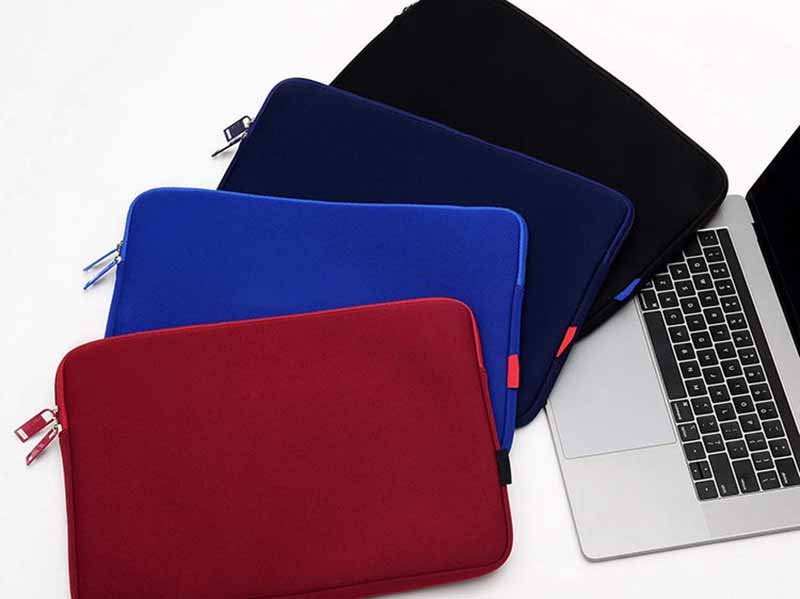
Case 2 – Ecommerce Laptop Sleeve Development
An American ecommerce brand developed a series of neoprene laptop sleeves designed for lightweight protection.
Key requirements included:
- slim product profile
- strong edge protection
- full-surface sublimation printing
Engineering adjustments included:
- optimized neoprene thickness
- reinforced binding around edges
- sublimation printing across laminated fabric
The initial launch order consisted of 2,000 units across four color variations.
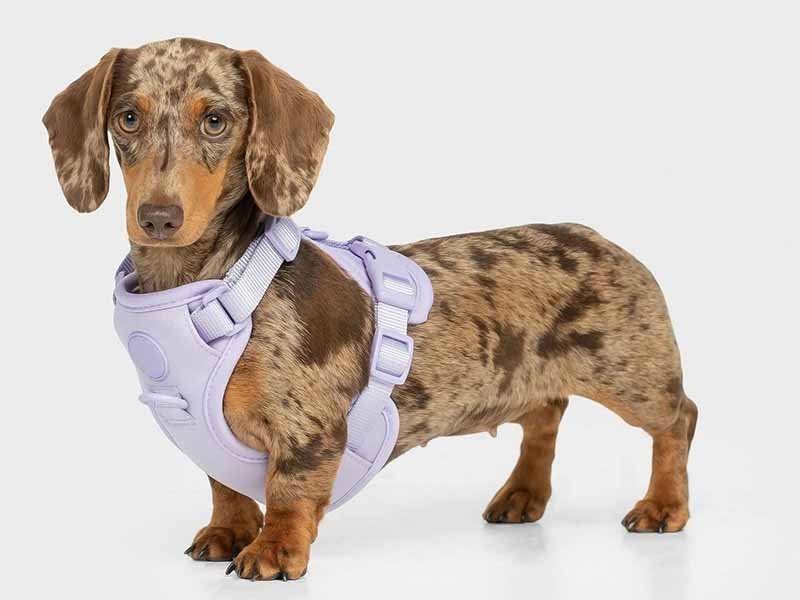
Case 3 – Pet Harness Development Project
An Australian pet brand required padded neoprene harnesses designed for active outdoor dogs.
Challenges included:
- comfortable padding
- durable adjustable straps
- waterproof materials
Production solutions included:
- neoprene padding laminated with polyester
- reinforced webbing straps
- adjustable buckle system
After successful testing, the harness product line expanded into additional pet accessories.
Frequently Asked Questions About Custom Neoprene Manufacturing
Below are some of the most common questions received from international companies developing neoprene products.
The typical minimum order quantity at Oneier is 50 pieces per design for most neoprene bags and sleeves. This allows brands, startups and ecommerce companies to launch new products without holding large inventories. Promotional products such as can coolers may require slightly higher quantities depending on printing methods.
Standard neoprene bag or sleeve samples usually require 5–7 days after confirming materials and product specifications. Projects involving custom hardware molds, complex structures or special printing techniques may require 7–15 days. The sample stage allows engineers to confirm product structure, dimensions and material compatibility.
Most neoprene product orders are completed within 25–30 days depending on order quantity and product complexity. Production includes material preparation, cutting, sewing, logo application and final inspection. Maintaining a predictable production schedule helps companies coordinate product launches and inventory planning.
Oneier commonly works with CR neoprene, SBR neoprene and SCR neoprene, each offering different levels of flexibility, durability and cost. The product engineering team recommends appropriate materials depending on product type, usage environment and performance requirements.
Yes. Laminated fabrics and printing processes allow color matching according to Pantone color standards. This ensures product colors remain consistent with brand identity across production batches. Color matching is usually confirmed during the sample approval stage.
Several branding methods are available depending on the product design and production volume. Common options include screen printing, sublimation printing, heat transfer printing, embroidery and rubber patches. Each method offers different visual effects and durability levels.
Yes. Oneier’s product development team assists with structure optimization, material selection, accessory recommendations and cost evaluation. Many projects start with simple sketches or reference images, which are then converted into manufacturable designs during the sampling stage.
Quality control is conducted at several stages including raw material inspection, in-process production checks and final product inspection. Every shipment undergoes 100% inspection before delivery to ensure consistency with the approved sample.
Products can be shipped using international express, air freight or sea freight depending on delivery requirements and budget. Trade terms supported by Oneier include EXW, FOB, DAP and DDP, allowing flexible logistics arrangements for global customers.
Yes. Factory visits are welcome for companies traveling to China. For remote clients, video meetings and live production walkthroughs can be arranged through platforms such as WhatsApp, WeChat or Zoom, allowing transparent communication during the manufacturing process.
Technical Resources and Product Development Materials
Product development often requires technical references to ensure correct material selection and structural design.
Oneier provides several resources to support product teams during development.
Available Resources
Neoprene Material Thickness Reference
A technical document explaining the most common neoprene thickness options and their typical product applications.
Neoprene Product Structure Examples
Visual diagrams showing internal construction of bags, sleeves and padded accessories.
Logo Printing Methods Comparison
A reference chart explaining the advantages and limitations of different logo techniques.
Example Resource Table
| Resource | Description |
|---|---|
| Neoprene Thickness Chart | 2mm / 3mm / 5mm applications |
| Printing Methods Guide | screen, sublimation, embroidery |
| Product Structure Diagrams | bag construction examples |
These materials help product managers and designers better understand manufacturing considerations before finalizing designs.
Additional technical information can be provided during the sampling stage.
Start Your Custom Neoprene Project with Oneier
Developing neoprene products requires careful coordination between product design, material selection and manufacturing execution.
To begin a product discussion, provide the following information:
- product type
- approximate dimensions
- preferred material thickness
- estimated order quantity
- artwork or reference images
The product team will review project details and provide initial manufacturing recommendations.
- +86 13823134897
- info@neoprene-bag.com