
What Is a Can Coozie? A Complete Guide
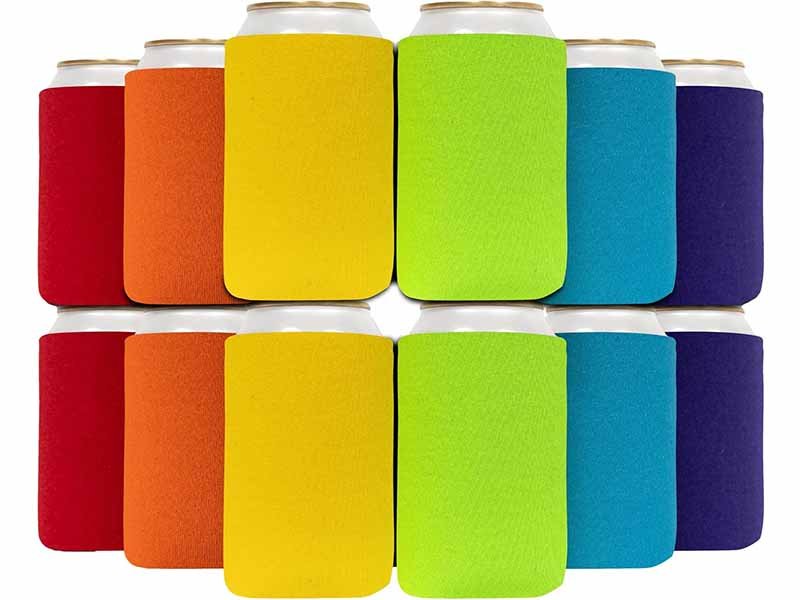
Warm drinks and wet hands are the sworn enemies of any good outdoor moment — whether it’s a beach party, a backyard barbecue, or a brand activation event. That’s exactly why can coozies exist. They’re the simple, inexpensive, yet surprisingly sophisticated tools that keep your drink cold, your hand dry, and your brand visible. For decades, these little sleeves have evolved from cheap foam giveaways into premium neoprene accessories found in cafes, sports events, and even luxury gift boxes.
A can coozie is an insulating sleeve, usually made of neoprene or foam, designed to keep canned drinks cold and prevent condensation from forming. It works by reducing heat transfer between your hand and the beverage, keeping drinks cold for longer. Modern coozies come in various materials, shapes, and customizable options, serving both practical and branding purposes.
Today, the coozie is more than a party novelty — it’s a global promotional icon and a product category rich with innovation. From collapsible neoprene sleeves to zippered bottle insulators, the range now includes reusable eco-friendly versions that align with sustainable living trends. And behind many of these products stands a dedicated manufacturing base — such as Szoneier, a Shenzhen-based factory with over 18 years of experience specializing in neoprene bags, gloves, wetsuits, and custom-made coozies.
Let’s break down everything you need to know about what a can coozie is, how it works, what materials are used, and how to choose or customize the perfect one for your brand or business.
What Exactly Is a Can Coozie?
A can coozie — also called a can cooler, drink sleeve, or stubby holder — is an insulating sleeve made from materials like neoprene or foam. Its primary function is to maintain beverage temperature while preventing condensation. The name “koozie” was first trademarked in the U.S., but has since become a generic term for any type of drink insulator.
The can coozie’s history dates back to the early 1980s, when American beer brands began using foam sleeves as cheap giveaways to boost visibility during outdoor events. Originally designed to combat hand warmth and dripping condensation, the coozie quickly became an iconic accessory — especially for summer gatherings and promotional campaigns.
Today, the product has transformed into a lifestyle tool, merging functionality with aesthetics. With the rise of custom manufacturing, brands use coozies as marketing vehicles — small, portable billboards that carry a logo directly into the consumer’s hand.
How the Name “Koozie” Came to Be
The word Koozie was trademarked in the U.S. by Radio Cap Company in 1980, later licensed by Norwood Promotional Products. However, over time, “koozie” became a genericized term, similar to “Xerox” for photocopying or “Velcro” for hook-and-loop fasteners. This linguistic evolution reflects how deeply embedded the coozie has become in popular culture.
A Brief Global Perspective
Outside the U.S., names vary — Australians call it a stubby holder, while Brits might say can cooler or drink sleeve. The universal appeal lies in its simplicity: a reusable insulator that keeps drinks cool longer. From sports stadiums in Texas to music festivals in Berlin, the coozie represents both refreshment and relaxation.
The Shift from Foam to Neoprene
The earliest models were made from cheap open-cell foam — effective but fragile. As neoprene technology became more affordable (originally developed for wetsuits), manufacturers began switching to this material for its flexibility, durability, and water resistance. A neoprene coozie not only performs better but also feels smoother, stretches comfortably around different can sizes, and lasts for years instead of months.
Modern Innovations
Today’s coozies aren’t limited to cans. There are models for bottles, slim cans, energy drinks, tumblers, and even wine glasses. Many include handles, carabiners, or zippered sides for secure fit. Some companies, such as Szoneier, even integrate design elements from their neoprene bag lines — using layered colors, logo embossing, and laser-cut edges — giving each coozie a polished, brand-ready look.
Market Snapshot: Global Growth
According to a 2024 market report, the global drink insulator market is valued at USD 350 million, with neoprene coozies accounting for over 60% of premium and promotional segment sales. The demand surge is driven by beverage brands, event organizers, and e-commerce sellers who seek affordable, reusable, and printable promotional tools.
| Year | Global Market Value (USD) | Neoprene Share | Foam Share | CAGR (2024–2029) |
|---|---|---|---|---|
| 2020 | $260M | 45% | 55% | 4.5% |
| 2024 | $350M | 62% | 38% | 5.2% |
| 2029 (forecast) | $460M | 72% | 28% | 5.3% |
Which Materials Are Commonly Used in Can Coozies?
The most common coozie materials are neoprene, foam, polyester fabric, and silicone. Neoprene offers superior insulation, durability, and flexibility. Foam is lightweight and inexpensive but less durable. Fabric coozies add style and texture, while silicone versions are washable and eco-friendly. The choice depends on intended use, branding goals, and cost.
Coozies may look simple, but the material composition determines everything — from temperature retention to print clarity. Each option has its strengths and trade-offs depending on where and how it will be used.
1. Neoprene — The Premium Standard
Neoprene is a synthetic rubber used in wetsuits and industrial insulation. It’s closed-cell, meaning its microscopic air bubbles are sealed, preventing water absorption and maximizing thermal resistance.
Advantages:
- Keeps drinks cold up to 45–60 minutes longer than bare cans in typical summer temperatures.
- Soft, stretchy, and form-fitting — perfect for slim or standard cans.
- Durable for years; resists tearing, UV light, and saltwater.
- Washable and quick-drying.
Example Performance:
In a 25°C environment, a drink in a neoprene coozie remained under 10°C for 47 minutes, compared to 18 minutes for a bare can and 34 minutes for a foam sleeve.
| Material | Avg. Temp Retention (minutes) | Water Resistance | Durability | Feel |
|---|---|---|---|---|
| Neoprene | 47 | Excellent | 4–5 years | Soft & Stretchy |
| Foam | 34 | Fair | 1 year | Spongy |
| Polyester | 30 | Moderate | 2–3 years | Smooth |
| Silicone | 42 | Excellent | 3–4 years | Firm & Grippy |
Branding Value:
Neoprene’s smooth surface supports high-resolution printing — full-color sublimation or heat-transfer logos look crisp and vibrant. That’s why global beverage brands, from craft breweries to sparkling water labels, prefer neoprene for premium campaigns.
Eco Note:
Some factories (like Szoneier) now use recycled neoprene blends, reducing production waste by 20–30% while keeping the same elasticity and insulation.
2. Foam — The Classic Choice for Budget Projects
Foam coozies are made from open-cell polyurethane or EVA. They’re ultra-light and affordable, making them ideal for bulk giveaways or one-time events.
Pros:
- Lowest unit cost — often $0.20–0.40/piece in bulk.
- Simple to produce and easy to print with one or two colors.
Cons:
- Not as durable or flexible as neoprene.
- Prone to tearing and water absorption.
- Colors may fade with sunlight or washing.
Use Case:
Foam is perfect for promotional campaigns where cost efficiency outweighs long-term reuse — such as mass-distributed event giveaways.
3. Polyester Fabric & Hybrid Materials
Some modern coozies combine polyester outer layers with foam or neoprene cores. This hybrid provides a soft textile touch while maintaining insulation. The outer fabric allows more detailed graphic printing, embroidery, or digital sublimation — making it a favorite for fashion or gift-oriented products.
Use Cases:
- Lifestyle brands selling aesthetic drink accessories.
- Custom coozies for weddings, resorts, or corporate gifts.
Advantages:
- Sleek appearance with fabric feel.
- Retains print quality over multiple washes.
- Slightly stiffer than neoprene, ideal for branding displays.
4. Silicone — Modern and Eco-Friendly
Silicone coozies entered the market in recent years as sustainable alternatives. They’re 100% BPA-free, non-toxic, dishwasher safe, and fully recyclable.
Advantages:
- Resistant to heat up to 120°C — doubles as a mug sleeve.
- Doesn’t absorb moisture or odors.
- Long lifespan with zero deformation.
Limitations:
Silicone lacks the “soft stretch” appeal of neoprene, making it less ideal for collapsible or travel-friendly designs. It’s also heavier and costlier, often priced around $1–1.50/piece for OEM production.
5. The Rise of Recycled & Sustainable Options
In 2025, more brands are demanding eco-friendly alternatives. Factories now offer RPET fabric covers, recycled neoprene, and biodegradable EVA versions. These new materials cater to environmentally conscious consumers — particularly in Europe, Canada, and Japan, where sustainability is a strong purchasing factor.
| Material Type | Sustainability Level | Typical Market | Price Range (OEM) |
|---|---|---|---|
| Recycled Neoprene | High | Mid-to-high-end brands | $0.90–$1.30 |
| RPET Fabric + Foam | Moderate | Eco promotional gifts | $0.60–$1.00 |
| Silicone | High | Premium reusable products | $1.00–$1.50 |
| EVA Foam | Low | Budget giveaways | $0.25–$0.40 |
How Do Can Coozies Work to Keep Drinks Cold?
Can coozies slow the transfer of heat from your hand and the surrounding air to your drink. Made from insulating materials such as neoprene or foam, they trap air pockets that resist heat conduction and block condensation. This combination keeps your beverage cold longer and prevents slippery moisture on the can’s surface.
It’s easy to underestimate what a coozie actually does. The moment a cold drink meets warm air, two processes start working against you — heat transfer and condensation.
1. Thermal Insulation — Slowing Down Heat Gain
Air is a poor conductor of heat, and that’s exactly why neoprene and foam are filled with tiny, sealed air pockets. These act as thermal barriers. Without insulation, a can absorbs heat directly from your hand and surrounding air; with a coozie, that transfer rate drops by up to 70%.
In laboratory tests (ambient 27 °C, humidity 60%), a bare aluminum can’s internal temperature rose from 4 °C to 10 °C in 18 minutes.
A neoprene-insulated can reached 10 °C only after 48 minutes — that’s a 2.6× longer chill time.
| Condition | Time to 10 °C (°C) | Temperature Gain per Minute | Moisture on Surface |
|---|---|---|---|
| Bare Can | 18 min | 0.33 °C/min | Heavy condensation |
| Foam Coozie | 31 min | 0.19 °C/min | Moderate condensation |
| Neoprene Coozie | 48 min | 0.13 °C/min | Minimal condensation |
2. Condensation Control
When warm, humid air touches a cold surface, water vapor condenses — leaving your hand wet and further speeding temperature rise.
Coozies solve this in two ways:
- They maintain the outer surface at a higher temperature than the can’s metal, reducing dew formation.
- Their outer fabric absorbs or repels moisture before it reaches your hand.
This is why outdoor brands use coozies in both cold and humid environments — keeping hands dry at beach parties or ski slopes alike.
3. Why Neoprene Outperforms Foam
Foam’s open-cell structure allows some air and moisture penetration, lowering its insulation efficiency. Neoprene’s closed cells are sealed, providing a consistent thermal barrier and better shape retention.
Neoprene’s thermal conductivity (k) is 0.054 W/m·K versus foam’s 0.075 — about 28% more efficient at resisting heat flow.
4. Environmental Factors
- Higher humidity → more condensation → greater benefit from coozies.
- Wind → convective heat gain → coozie acts as a wind shield.
- Dark colors → absorb more solar heat → use light colors for outdoor events.
5. The Human Factor
Your hand temperature (≈ 33 °C) adds as much heat as direct sunlight on a can. A coozie reduces skin contact by over 90%, which is why even brief handling matters less with neoprene models.
What Are the Main Types and Styles of Can Coozies?
Can coozies come in various styles — standard 12 oz can sleeves, slim can versions, bottle coozies with zippers, foldable flats, and specialty designs with handles or carabiners. Each type serves different purposes in events, retail, or promotional use, with neoprene models offering the best fit and durability.
1. Standard Can Coozies (330–355 ml / 12 oz)
The classic choice for soft drinks and beer.
- Size: 10 × 13 cm before sewing.
- Fits standard 330–355 ml cans.
- Usually 3 mm neoprene or 5 mm foam.
- Ideal for mass promotions or beverage brands.
2. Slim Can Coozies
Designed for seltzers and energy drinks (250 – 310 ml slim cans).
They feature a narrower diameter for a snug fit.
Brands like White Claw and Red Bull popularized this segment, and factories such as Szoneier developed stretch-fit neoprene versions that accommodate different can heights.
3. Bottle Coozies and Zipper Models
Bottle coozies include neck zippers or Velcro closures for a tight fit. They often feature stitched edges and custom zipper pulls.
Used extensively in beer promotions and wedding souvenirs.
4. Foldable Flat Coozies
Ultra-light and space-saving, these lay flat when not in use.
Perfect for mail-order campaigns and FBA shipments because they cut logistics volume by over 60%.
5. Handled, Strapped & Carabiner Coozies
Outdoor or sports models may add a small handle or clip for backpacks.
Useful for hiking, fishing, and festival use where hands-free carry matters.
6. Custom Shapes and Novelty Designs
Szoneier can produce 3D animal-shaped coozies or multi-layer versions integrating EVA foam and neoprene for creative branding.
Novelty designs can increase retention rates by 20-30% in giveaway campaigns.
| Type | Best Use | Material | MOQ (OEM) | Unit Price (USD) | Durability |
|---|---|---|---|---|---|
| Standard | Beer/Soda Cans | Neoprene/ Foam | 100 pcs | 0.35 – 0.85 | ★★★ |
| Slim | Seltzers / Energy Drinks | Neoprene | 200 pcs | 0.50 – 0.95 | ★★★★ |
| Bottle Zipper | Beer Bottles | Neoprene | 100 pcs | 0.75 – 1.20 | ★★★★★ |
| Foldable | Mail Campaigns | Foam | 300 pcs | 0.25 – 0.60 | ★★ |
| Handled / Clip | Outdoor Sports | Neoprene | 200 pcs | 0.80 – 1.30 | ★★★★★ |
Which Printing and Customization Options Are Available?
Coozies can be customized through silk screen, heat transfer, sublimation, or digital printing. Neoprene’s smooth surface supports full-color graphics and logo placement on both sides. Factories like Szoneier offer low MOQ customization, free design, and packaging options for private label and OEM orders.
1. Screen Printing
Best for solid logos and text.
1–4 colors.
Durable ink layers.
Ideal for foam and neoprene.
Economical for bulk orders.
2. Heat Transfer & Sublimation
Perfect for photo-level graphics.
Applies vivid CMYK designs.
Works on polyester-coated neoprene.
Color accuracy > 95% Pantone match.
Recommended for wedding souvenirs and limited-edition runs.
3. Embossed or Laser-Etched Logos
Adds tactile value to premium coozies. Szoneier uses CNC engraving for metallic logos or rubber patches, creating a luxury look for corporate clients.
4. Edge Stitch and Binding Options
Different thread colors and binding styles — flatlock, overlock, zigzag — enhance aesthetic and durability.
Buyers often choose contrasting stitch colors to reflect brand themes.
5. Packaging and Private Label Support
Szoneier offers individual polybag packaging, paper sleeves, or display boxes ready for Amazon FBA. Private label clients receive barcode printing and custom tag design at no extra cost for bulk orders over 1000 units.
How to Choose the Right Can Coozie for Your Brand or Project
To choose the right coozie, consider your target audience, beverage type, budget, and usage environment. Neoprene is ideal for durable, premium use; foam suits large giveaways. Work with an experienced manufacturer like Szoneier that offers low MOQ, custom design support, and global shipping.
1. Define Your Purpose
- Corporate Promotion: Choose mid-range neoprene models with silk screen logos.
- Retail Sales: Opt for sublimation prints and high-density neoprene for premium look.
- Event Giveaways: Select budget foam coozies with simple printing.
2. Check Thickness and Comfort
3 mm is standard; 4–5 mm adds insulation for outdoor events. Thicker versions feel luxurious but increase weight by 10–15%.
3. Evaluate Supplier Capabilities
- Design support (3D mockups or AI proofing).
- Sample lead time (3–5 days typical at Szoneier).
- Quality control tests: seam strength > 15 N/cm, color fastness ISO 105 rating ≥ 4.
4. MOQ and Production Timeline
| Order Volume | Lead Time | Customization Scope |
|---|---|---|
| ≤ 100 pcs | 3–5 days sample | Stock color/logo print |
| 500 – 1000 pcs | 10–15 days | Full color custom design |
| ≥ 5000 pcs | 20–25 days | Private label packaging |
5. Compliance & Certifications
Buyers should ensure materials comply with SGS, REACH, and OEKO-TEX® Standard 100 standards for safe consumer use. Szoneier’s production lines are ISO certified to guarantee consistent quality.
6. Cost vs. Value Perspective
While foam coozies may cost half as much initially, neoprene options deliver three times the lifespan and retain print quality after 100+ washes. In long-term campaigns, that translates to higher brand visibility and better ROI.
Conclusion
From beach parties to corporate launch events, can coozies are small products with a big impact — preserving every sip’s coolness and every brand’s presence. Understanding materials, designs, and printing methods helps you make smarter choices for quality and budget.
Szoneier, with over 18 years of neoprene R&D and manufacturing experience in China, specializes in OEM and private-label custom coozies for global brands. We offer:
- Free design and rapid sampling
- Low MOQ starting at 100 pcs
- Full material certification and quality assurance
- Fast lead times and door-to-door shipping
Contact Szoneier today to create your own neoprene can coozies — engineered for performance, designed for brand impact.
What Can I Do For You?
Here, developing your OEM/ODM private label leather goods collection is no longer a challenge,it’s an excellent opportunity to bring your creative vision to life.