
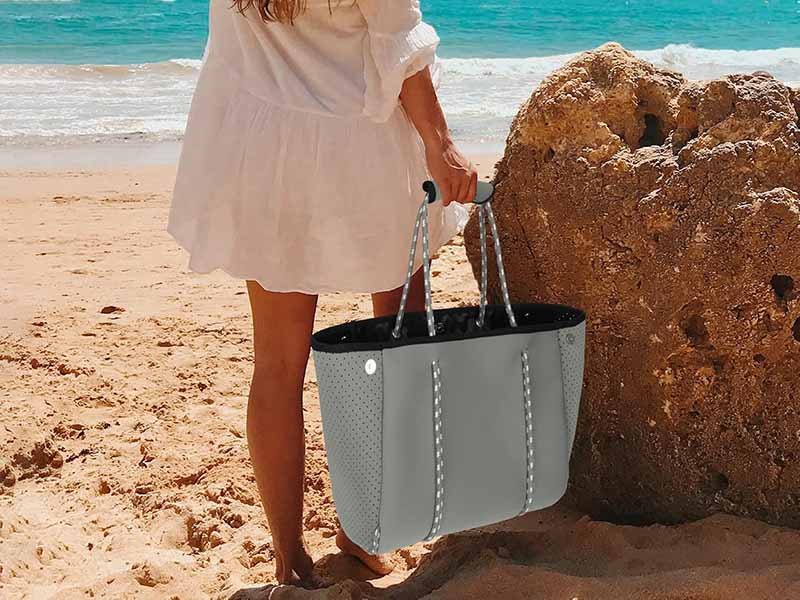
Neoprene bags are renowned for their flexibility, durability, and weather resistance. Whether you’re designing a sports bag, laptop sleeve, or travel gear, ensuring the durability of neoprene bags is essential for long-term customer satisfaction and product longevity. Testing a bag’s durability involves assessing how well it holds up under wear and tear, abrasion, stress, and exposure to environmental elements.
Testing neoprene bags for durability involves a series of tests that assess abrasion resistance, tear strength, and environmental stress. These tests help ensure the bag can withstand real-world conditions, making it suitable for various applications and user needs.
In this article, we will guide you through the key methods used to test the durability of neoprene bags, explain why each test is important, and help you understand how these tests can ensure your products meet the highest standards for quality and long-lasting performance.
What Is Neoprene Bag Durability?
Neoprene bag durability refers to how well the bag can withstand daily use, abrasion, stress, and exposure to environmental conditions. A durable neoprene bag should not only resist wear and tear but also retain its shape, insulation properties, and aesthetic appearance after long-term use. Durability plays a significant role in determining the quality and longevity of the bag, especially in high-performance environments like outdoor activities, sports, or travel.
Durability is not just about resisting damage; it’s also about how well the bag maintains its functionality over time, especially when exposed to rough handling, harsh weather conditions, and frequent usage.
What factors affect durability?
Several factors contribute to the overall durability of neoprene bags. These factors determine how well the material performs under stress, wears over time, and maintains its integrity throughout its lifecycle. Here’s a breakdown of the most critical factors that affect durability:
| Factor | Description |
|---|---|
| Neoprene Thickness | Thicker neoprene provides better durability and shock resistance, while thinner neoprene offers more flexibility, but may not hold up as well under heavy use. |
| Seam Strength | The strength of the seams plays a crucial role in overall durability. Well-stitched or welded seams prevent tearing or separation of materials, especially in areas like the handles and bag bottom. |
| Rubber Quality | Higher-quality neoprene resists cracking and abrasion and offers superior performance in extreme conditions. Poor-quality neoprene may degrade quickly when exposed to UV light or moisture. |
| Coatings & Treatments | Special coatings (e.g., water-resistant or UV-resistant coatings) can increase the bag’s longevity by improving its ability to withstand harsh outdoor elements and regular use. |
Each of these factors contributes to the overall lifespan of a neoprene bag, helping to ensure it remains functional and visually appealing even after prolonged exposure to wear, sunlight, or water. Whether it’s a gym bag, cooler bag, or backpack, these factors must be balanced during both the design and manufacturing stages.
Real-World Impact of Durability:
For example, a thicker neoprene bag designed for outdoor adventures may have reinforced seams and a water-resistant coating to ensure it remains functional even when exposed to rain or rough handling. On the other hand, a lighter neoprene fashion bag may prioritize flexibility over thickness but may not perform as well under extreme conditions.
What common failure points should you check?
Understanding where bags typically fail during usage helps manufacturers and customers ensure long-lasting quality. Below are the common failure points that need to be tested for in neoprene bags:
| Failure Point | Potential Problem |
|---|---|
| Seams and Stitching | Poor-quality stitching or weak seams may lead to tearing or disintegration at the handles, edges, or base of the bag, especially under heavy loads. |
| Zippers and Closures | Zippers are a high-stress area, often failing due to wear or breakage under pressure. Water-resistant zippers may also fail in wet conditions if not tested properly. |
| Handles and Straps | Handle tears or strap breakage are common when the material or stitching is not strong enough to bear weight. These components are crucial for comfort and usability in daily use. |
| Surface Abrasion | The surface material can wear out or discolor from frequent contact with rough surfaces or exposure to UV rays. Without proper abrasion resistance, the bag may look worn-out before its functional lifespan ends. |
Testing these failure points during the manufacturing process is essential for ensuring that the neoprene bag can handle real-world conditions. For example, a bag designed for sports may undergo stress tests on the seams and handles to ensure it can withstand heavy lifting and frequent use.
How Do You Perform Physical Durability Tests?
Testing a neoprene bag’s physical durability is essential for ensuring it can withstand normal usage and harsh environments. Here are the key physical tests used to assess the bag’s resilience and performance.
How to test abrasion resistance?
Abrasion resistance tests measure how well the neoprene fabric stands up to friction and repeated contact with rough surfaces. This is crucial for bags that will face frequent handling or are used in outdoor environments.
Abrasion Test Methods:
- Martindale Abrasion Test: This is one of the most commonly used tests to measure the abrasion resistance of fabrics. The fabric is rubbed against an abrasive surface, and the number of cycles required for the material to wear through is recorded.
- Benefit: It simulates long-term wear and exposure to rough conditions, helping you gauge how the bag will perform over time.
- Taber Abrasion Test: This test uses a rotating abrasive wheel that rubs against the neoprene surface. The number of revolutions required to wear through the fabric helps determine the abrasion resistance.
Why it matters:
For products like sports bags, luggage, or backpacks, where the bag experiences constant friction, abrasion resistance is vital. High resistance means the bag will maintain its appearance and functionality longer.
| Test Type | Benefit |
|---|---|
| Martindale Test | Tests long-term wear and helps ensure the bag can handle rough surfaces. |
| Taber Abrasion Test | Simulates repeated friction to measure how the material will hold up with extended use. |
How to test tear and stress resistance?
Tear resistance and stress testing help assess how well the neoprene can withstand high-stress areas such as the seams, handles, and base. A bag that fails under pressure in these areas will not perform well in real-world conditions.
Testing Methods:
- Puncture and Tear Strength Testing: This test measures how much force is required to tear the neoprene. A sample of the material is pulled until it breaks, and the force needed to puncture the material is recorded.
- Grab Test: In this test, neoprene is subjected to various stresses that simulate real-world usage, such as being pulled or stretched. The material’s ability to stretch and recover without tearing is crucial.
Why it matters:
Stress and tear resistance ensure the bag can withstand heavy loads, rough handling, and frequent use. For instance, sports bags or travel gear need to endure high-stress situations, like carrying heavy objects or being dragged on rough surfaces.
How to test seam strength?
Seam strength tests evaluate how well the seams of a bag hold up under pressure. Since the seams are the most common point of failure in bags, testing them is crucial for long-term durability.
Seam Testing Methods:
- Bursting Test: The seam is tested by applying pressure until it bursts. The test measures how much stress the seams can handle before breaking.
- Seam Slippage Test: This test simulates stretched seams under heavy loads and measures the extent to which the seam “slips” or fails when exposed to tension.
Why it matters:
For any bag, especially those used in demanding situations like backpacks or travel bags, the seams need to be reinforced to prevent breaking under heavy usage. Weak seams can lead to structural failure, making seam testing an essential step in the durability testing process.
| Test Type | Benefit |
|---|---|
| Bursting Test | Simulates real-world stress on high-stress areas like handles and seams. |
| Seam Slippage Test | Tests how the seams hold under tension and stretch. |
Which Environmental Tests Matter Most?
Testing the environmental durability of neoprene bags ensures that they can withstand various outdoor and weather conditions, such as rain, sunlight, and high temperatures. Neoprene is a highly durable material, but its longevity depends on how well it handles harsh conditions over time. Let’s take a closer look at the essential environmental tests.
Which water exposure tests are used?
Water resistance is an essential test, especially for bags used in outdoor activities, sports, and travel. Neoprene’s ability to keep contents dry is one of its major selling points, but it must be thoroughly tested to ensure that it will perform well in wet environments.
Water Resistance Testing Methods:
- Spray Test: This test simulates rain exposure by spraying water onto the bag for a set amount of time. The neoprene material is observed to ensure that no water seeps through. If water starts to penetrate the bag, it indicates that the material or seams need improvement.
- Purpose: This test ensures that the bag can withstand light rain exposure without soaking through.
- How it Works: The bag is placed under a spray nozzle that mimics the effects of rainfall. The material is then checked for water penetration.
- Submersion Test: The bag is submerged in water for a specified period to check whether the neoprene or seams remain waterproof. This test helps to evaluate how well the bag holds up in wet conditions, such as during flooding or if the bag is dropped into water.
- Purpose: This test simulates submersion in deep water, such as if the bag is dropped in a puddle or river.
- How it Works: The bag is submerged in water for several minutes and observed for any water ingress into the bag’s interior. If the bag remains dry, it indicates that the waterproofing is intact.
Why it matters:
For bags exposed to rain or humidity, such as sports gear bags or travel bags, ensuring water resistance is crucial for keeping your items dry and protected.
| Test Method | Benefit |
|---|---|
| Spray Test | Tests resistance to light rain, ensuring no moisture infiltration. |
| Submersion Test | Tests waterproofing in deeper water exposure, such as from accidental submersion. |
Which UV or heat aging tests are relevant?
UV exposure and heat aging tests simulate the damaging effects of sunlight and extreme heat over time. Neoprene bags used in outdoor environments are often exposed to both, which can lead to material degradation if the neoprene is not UV-resistant or capable of withstanding high temperatures.
UV Exposure and Heat Aging Testing Methods:
UV Weathering Test: In this test, the neoprene bag is exposed to simulated sunlight using UV lamps to mimic prolonged sun exposure. The material is then monitored for any changes, such as fading, cracking, or loss of flexibility.
- Purpose: The goal of this test is to ensure that the bag’s material resists UV radiation, preventing sun damage to the fabric.
- How it Works: The bag is placed in a UV chamber that simulates outdoor conditions. The bag’s performance is evaluated after a set period to check for any signs of damage or color fading.
Heat Aging Test: This test simulates long-term exposure to high temperatures. Neoprene is subjected to high heat (typically 70-90°C or 158-194°F) to see how well it maintains its flexibility and strength under stress.
- Purpose: The goal is to evaluate how the neoprene reacts to heat exposure and ensure it doesn’t become brittle or lose its structural integrity over time.
- How it Works: The bag is placed in a heat chamber for an extended period, often 72 hours or more, and then assessed for cracking or discoloration.
Why it matters:
For products like cooler bags, sports gear bags, and travel bags that may be exposed to outdoor conditions, these tests ensure that the bags remain resilient and long-lasting, even after prolonged exposure to sunlight or extreme heat.
| Test Method | Benefit |
|---|---|
| UV Weathering Test | Tests resistance to UV rays and sunlight fading to ensure long-term durability. |
| Heat Aging Test | Simulates high temperatures to see if the material becomes brittle or loses flexibility. |
How Do Functional Tests Simulate Real Use?
To ensure that a neoprene bag performs well under real-world conditions, functional tests are crucial. These tests simulate the bag’s usage in everyday scenarios, where the bag will be exposed to stress, weight, and repetitive actions. Let’s look at some of the key functional tests that are essential for evaluating neoprene bags.
How to test weight loading and handle stress?
One of the most important aspects of functional durability is how well the bag can handle weight and stress. Neoprene bags are often used for carrying heavy or bulky items, such as laptops, sports equipment, or groceries. It’s crucial to test whether the bag can hold up under pressure without losing its shape or functionality.
Weight Loading Tests:
- Load Test: In this test, the bag is loaded with weights or real-life items to simulate how it will handle the weight during regular use. The bag’s handles, seams, and straps are specifically tested to see how much weight they can handle before showing signs of damage.
- Purpose: This test helps ensure that the handles and straps can support heavy items without tearing or weakening.
- How it Works: The bag is loaded with varying weights and subjected to stress over time. The material is tested for any signs of stretching, tearing, or weakening.
Why it matters:
Stress tests help ensure that a bag designed to carry heavy or bulky items, such as laptop bags or sports bags, can withstand daily use without compromising its structural integrity.
How to test zipper and closure durability?
The zippers and closures of neoprene bags are often points of failure, especially if they are subjected to frequent use. Testing these components is crucial to ensure that the bag remains functional and secure over time.
Zipper and Closure Tests:
- Pull Strength Test: This test measures how much force the zipper can withstand before it fails. The zipper is pulled repeatedly to simulate regular use.
- Purpose: To ensure that the zipper does not break, jam, or fail under pressure.
- How it Works: The zipper is subjected to repeated opening and closing cycles, and the force required to pull it open or closed is measured.
- Waterproof Zipper Test: This test checks the waterproof integrity of the zipper by subjecting the bag to water exposure to see if the zipper can prevent moisture from entering.
Why it matters:
Zippers and closures are crucial for keeping the contents of the bag secure and protected. If the zipper fails, the bag can lose its functional integrity. This is especially important for laptop bags, sports bags, and travel bags.
| Test Method | Benefit |
|---|---|
| Load Test | Ensures that the bag can handle heavy loads without tearing. |
| Pull Strength Test | Ensures that zippers and closures won’t break under pressure. |
What Standards or Tools Are Used in Testing?
When testing neoprene bags for durability, it’s essential to follow recognized industry standards and use accurate testing tools. These standards and tools help ensure that the products meet performance and safety criteria for real-world applications. Below, we’ll explore the key standards and testing equipment used by manufacturers and quality control professionals to assess the durability of neoprene bags.
What industry standards apply?
Various standards apply when testing the durability of neoprene bags. These standards are typically set by international organizations that govern materials testing and product quality. Adhering to these standards ensures that the bags meet the required performance, safety, and environmental criteria.
Key Industry Standards for Neoprene Bags:
| Standard | Description |
|---|---|
| ISO 6330 | This standard deals with the washing performance of textile materials, including abrasion resistance and colorfastness. It’s relevant for bags that are frequently washed or exposed to dust and dirt. |
| ISO 13934-1 | This standard tests tensile strength and seam strength by subjecting the fabric to a pulling force. It’s used to assess how much stress the bag can withstand before the seams break. |
| ASTM D4966 | The abrasion resistance test developed by ASTM is commonly used to evaluate how well materials can withstand friction and wear in real-world conditions. It’s essential for sport bags, travel bags, and other high-use products. |
| ISO 105-B02 | This standard measures colorfastness to light exposure (UV radiation). It’s especially important for neoprene bags used in outdoor environments where UV exposure is inevitable. |
| ISO 14704 | The waterproof testing standard for textile products ensures that bags and other items are tested for water resistance and water penetration under various environmental conditions. |
These standards ensure that neoprene bags not only meet the necessary quality criteria but also perform as expected when exposed to environmental stressors like abrasion, sunlight, and water.
Why do these standards matter?
By following ISO and ASTM standards, manufacturers can guarantee that their products meet international quality expectations. This not only increases the reliability of the bags but also helps businesses gain customer trust by offering products that are durable and high-performing.
What specialized testing equipment is used?
In addition to industry standards, specialized testing equipment is crucial for assessing the durability of neoprene bags. These machines and devices simulate real-world stress and environmental exposure to provide objective, quantifiable results. Below are the primary tools used in durability testing.
Key Testing Equipment:
- Abrasion Testing Machines:
- Martindale Abrasion Tester: The Martindale tester rubs the neoprene material against an abrasive surface to measure how long it takes for the material to show signs of wear. It simulates long-term use in conditions like repeated friction.
- Taber Abrasion Tester: This tool uses a rotating abrasive wheel to rub against the neoprene fabric, simulating the abrasive actions that happen when the bag is in use, especially during travel or when carried over rough surfaces.
- Tensile Testing Machines:
- Instron Testing Machine: This machine pulls the neoprene material in both directions to measure tensile strength—how much force it can withstand before breaking. It simulates real-world usage like heavy lifting or wear on seams.
- Universal Testing Machine (UTM): This equipment is used for testing various properties, including stretch resistance and load-bearing strength, to assess how much weight and stress the neoprene bag can handle.
- UV Exposure Chambers:
- Xenon Arc Weathering Tester: This equipment simulates UV exposure by subjecting neoprene to intense light and heat. The results show how well the material can resist fading and deterioration due to sunlight exposure.
- Q-Sun Xenon Test Chamber: Used for testing colorfastness to light. This machine ensures that neoprene bags maintain their appearance when exposed to prolonged sunlight.
- Waterproof Testing Equipment:
- Hydrostatic Pressure Tester: This tool tests the bag’s resistance to water by applying pressure to the material. It helps determine whether the bag can withstand submersion or high-pressure water exposure.
- Spray Test Chambers: These simulate rain exposure to see if the bag holds up to water penetration through seams or the material itself. It’s used to test the water resistance of outdoor bags.
- Load Testing Devices:
- Load Testing Frames: These devices simulate how a bag holds up when subjected to heavy items. The bag is loaded with weights to test its stress resistance and seam integrity under real-life conditions like backpacking or sports activities.
Why do these tools matter?
The specialized equipment mentioned above allows manufacturers to simulate real-world conditions and measure performance objectively. With these tests, businesses can ensure their products meet high standards of durability, guaranteeing customer satisfaction and quality assurance for long-lasting products.
Get Custom Neoprene Bags with Oneier
At Oneier, we specialize in manufacturing custom neoprene bags with durability in mind. Our rigorous testing procedures ensure that each bag meets the highest standards of quality and performance, from abrasion resistance to waterproofing and seam strength.
Contact us today to ensure your custom neoprene bags meet the toughest standards of durability. With low MOQ, fast prototyping, and 100% quality assurance, we help you create long-lasting products that perform.