
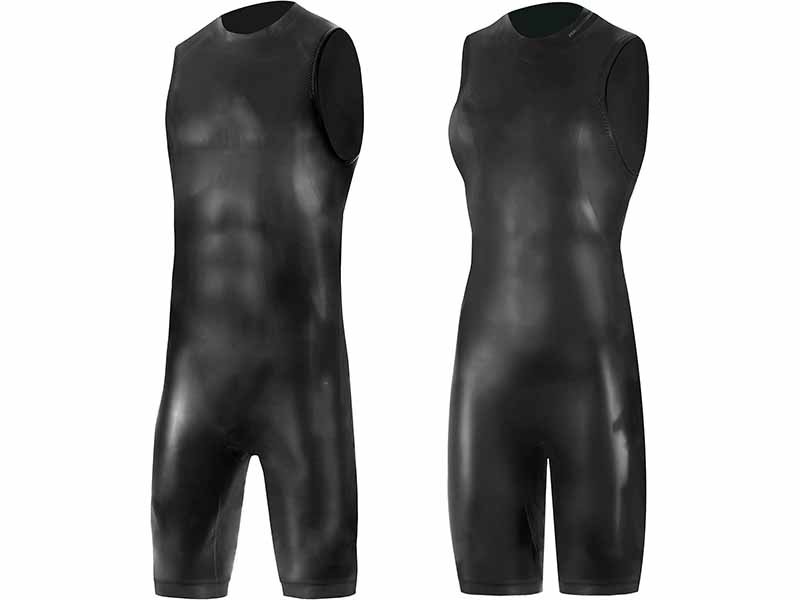
Triathlons are a grueling test of endurance, and every advantage counts. One of the most crucial elements of a triathlete’s gear is their wetsuit. The right wetsuit not only provides warmth and buoyancy but can also significantly boost swim efficiency and reduce drag. Custom neoprene wetsuits are specifically engineered to meet the needs of triathletes, offering features that optimize performance in the water. Custom wetsuits for triathletes improve performance through enhanced buoyancy, flexibility, and reduced drag. Key features such as tailored fit and specific neoprene thickness can make a noticeable difference in swim speed and endurance.
Wetsuits made of neoprene offer insulation, buoyancy, and flexibility—critical features for triathletes during open-water swims. However, not all wetsuits are created equal. Custom wetsuits designed specifically for triathletes are tailored to an athlete’s body and race conditions, ensuring the best possible performance. Let’s dive into the custom features that boost swim times and enhance overall race performance.
What Makes Neoprene Wetsuits Ideal for Triathletes?
Triathletes rely on wetsuits not just for insulation and buoyancy, but also to enhance their swimming efficiency. Neoprene wetsuits are the go-to choice for athletes because they offer a unique combination of flexibility, buoyancy, and insulation—key elements that support optimal swim performance.
What is Neoprene and Why is it Used in Triathlon Wetsuits?
Neoprene is a synthetic rubber that’s incredibly flexible and buoyant, making it the ideal material for wetsuits. When a triathlete enters cold water, the body can lose heat quickly, causing discomfort and reduced performance. Neoprene wetsuits help maintain body temperature by trapping a thin layer of water between the skin and the suit, which warms up to the body’s temperature.
- Flexibility: Neoprene offers a high degree of stretch, allowing triathletes to move freely during the swim. This is especially important for stroke mechanics, as unrestricted arm and shoulder movement is crucial for swim efficiency.
- Buoyancy: Neoprene has natural buoyancy properties, keeping the swimmer’s body aligned in a horizontal position. This buoyancy reduces the energy spent on treading water and ensures less drag, enhancing speed and endurance.
Why is it ideal for triathletes?
Neoprene wetsuits allow athletes to conserve energy, maintain efficient body position in the water, and stay warm—essential elements for achieving faster swim times in triathlons.
How Buoyancy and Flexibility Affect Swim Efficiency
For triathletes, maintaining the correct body position in the water is essential for conserving energy and minimizing drag. Neoprene wetsuits provide extra buoyancy, helping the swimmer stay in a more streamlined position with less effort.
Buoyancy and Flexibility Impact on Performance
| Feature | Impact on Performance | Benefit for Triathletes |
|---|---|---|
| Buoyancy | Keeps the body elevated in the water | Reduces drag, helps maintain body position, and conserves energy. |
| Flexibility | Enhances range of motion in shoulders and arms | Maximizes stroke efficiency, reduces fatigue, and improves swim speed. |
How it works in the swim:
The buoyant properties of neoprene ensure that the legs, which often sink during swimming, are kept afloat. This allows triathletes to maintain a horizontal body position, which reduces drag and increases efficiency. At the same time, the flexibility of the neoprene allows for freedom of movement in the arms and shoulders, making the stroke longer and more powerful.
Real-World Data
- Swimming Efficiency Improvement: Studies show that triathletes can improve swim speed by 5-10% when wearing a wetsuit that optimally balances buoyancy and flexibility, compared to swimming without one.
- Energy Conservation: Triathletes report less fatigue and more energy for the bike and run phases when using wetsuits, thanks to the reduction in drag and the added buoyancy.
Are Neoprene Wetsuits Allowed in Official Triathlon Events?
Yes, neoprene wetsuits are typically mandatory in triathlon events, especially when the water temperature is below 78°F (25.5°C). They are designed to keep athletes warm, improving comfort and performance, particularly in cold water environments. However, wetsuit thickness is regulated to prevent overheating in warmer waters.
Wetsuit Regulations for Triathlons
| Water Temperature | Wetsuit Rules |
|---|---|
| < 78°F (25.5°C) | Wetsuits allowed and typically required |
| > 78°F (25.5°C) | Wetsuits prohibited in many events |
| < 65°F (18.3°C) | Wetsuits mandatory for safety and comfort |
Why regulations matter:
The guidelines ensure that wetsuits help triathletes maintain their core body temperature without causing overheating in warmer waters. The 5mm thickness limit ensures buoyancy without restricting movement or causing discomfort in the water.
Triathletes also benefit from the fact that wetsuits improve warmth, allowing for longer swims and reducing the chance of muscle fatigue or cramping caused by cold water. By keeping the muscles warm and the swimmer’s body well-aligned, wetsuits give athletes the edge they need to transition smoothly to the bike and run phases of the race.
Which Custom Features Improve Triathlon Performance?
Custom wetsuits provide triathletes with features that are designed to optimize performance, such as tailored panel designs, neoprene thickness customization, and fit adjustments. These adjustments allow triathletes to maximize their strengths and minimize weaknesses during the swim portion of the race.
Which Panel Designs Enhance Stroke Mobility?
The flexibility of the shoulder and arm panels is critical for stroke efficiency. Custom wetsuits can be designed with extra-flexible panels in these areas, improving stroke reach and reducing fatigue. Panel configurations can also be designed to match the swimmer’s technique and style.
Panel Designs for Enhanced Mobility
| Panel Location | Custom Feature | Benefit |
|---|---|---|
| Shoulders | Thinner neoprene for flexibility | Increases shoulder rotation for a full stroke. |
| Arms | Stretch panels to support fluid motion | Reduces arm fatigue by allowing for longer strokes. |
Which Thickness Configurations Balance Warmth and Movement?
The thickness of neoprene can be customized to ensure that athletes stay warm without sacrificing flexibility. Triathletes often choose thicker neoprene in the torso for warmth and thinner neoprene in the limbs for greater freedom of movement.
Optimal Thickness for Performance
| Area of Wetsuit | Thickness Options | Purpose |
|---|---|---|
| Torso | 4-5mm | Provides warmth and buoyancy, reducing water drag. |
| Arms and Legs | 2-3mm | Maximizes flexibility for efficient swimming strokes. |
How Custom Cut Lines Improve Fit and Reduce Drag
A properly fitted wetsuit can make a significant difference in performance. Custom cut lines ensure that the wetsuit fits snugly around key areas like the neck, waist, and thighs, minimizing water entry and reducing drag. A tight fit prevents wrinkles or loose spots that could slow the swimmer down.
Fit Adjustments for Drag Reduction
| Adjustment Area | Custom Feature | Benefit |
|---|---|---|
| Neck and Shoulders | Tailored neck cut, smooth seams | Prevents water from entering, reducing drag. |
| Legs and Hips | Streamlined leg and hip design | Minimizes water resistance, allowing for a faster swim. |
How Do Custom Wetsuits Fit Different Body Types?
Triathletes come in all shapes and sizes, and a one-size-fits-all wetsuit is often not the best solution. Custom wetsuits are designed to fit an athlete’s individual measurements, improving comfort, swim efficiency, and performance. A wetsuit that fits well can help reduce drag, prevent discomfort, and keep the athlete focused on the race, rather than dealing with ill-fitting gear.
How to Measure for Neoprene Wetsuits
The first step in obtaining a custom wetsuit is taking accurate body measurements. Proper measurements ensure that the wetsuit fits snugly while allowing for optimal movement in the water. Body shape and proportions can vary significantly between athletes, so the wetsuit must be tailored to meet individual needs.
Key Body Measurements for Custom Wetsuits
| Measurement Area | How to Measure | Impact on Performance |
|---|---|---|
| Chest | Measure around the fullest part of the chest | Ensures a snug fit for buoyancy and comfort while allowing for proper arm movement. |
| Waist | Measure around the natural waist | Prevents water from entering and provides better body alignment. |
| Hips | Measure around the widest part of the hips | Ensures better fit around the lower body, reducing drag and increasing comfort. |
| Inseam | Measure from the crotch to the ankle | Customizes the fit of the legs, ensuring flexibility and comfort during swimming. |
| Height | Measure from head to toe | Helps determine the overall suit length and ensures the wetsuit doesn’t pull in any area. |
Why accurate measurements matter:
A wetsuit that fits properly means less water resistance and better movement in the water. For triathletes, fit is crucial because even a small gap can cause unnecessary drag, slowing down performance.
Is Tailored Fit Better Than Standard Sizes for Performance?
Yes, a tailored wetsuit provides better performance than standard, off-the-shelf options. Custom wetsuits are specifically designed to meet the unique proportions of the athlete’s body. A poor fit can result in chafing, discomfort, and inefficient movement, all of which can negatively impact swim times. Custom wetsuits are made to ensure that the suit is snug in the right places without being too tight or too loose.
How Custom Fit Improves Performance
| Fit Issue | Effect on Performance | Solution with Custom Wetsuit |
|---|---|---|
| Loose Fit | Causes drag and water entry, which can slow swimmers. | Custom wetsuit ensures a snug fit, preventing water drag and minimizing resistance. |
| Tight Fit | Restricts movement and causes discomfort, affecting stroke efficiency. | Custom fit ensures freedom of movement, especially in the shoulders and arms, optimizing stroke efficiency. |
Real-World Example:
Triathletes who wear custom wetsuits often report significant improvements in their swim times. Custom wetsuits fit the body’s unique shape, ensuring there are no loose areas that create drag, and no tight spots that limit flexibility. This leads to more efficient strokes and faster swim performance.
How Customization Reduces Discomfort and Chafing
Chafing is one of the most common problems faced by swimmers wearing poorly fitting wetsuits. Areas like the neck, arms, and thighs are especially prone to chafing when the wetsuit is too loose or tight. Custom wetsuits are designed to eliminate these issues by adjusting the fit and using specialized construction techniques to reduce friction.
How Customization Prevents Chafing
| Problem Area | Cause of Chafing | Solution with Custom Wetsuit |
|---|---|---|
| Neck | Tight fit causes rubbing and irritation. | Custom wetsuits have a softer, adjustable neck seal to minimize friction. |
| Armpits | Loose or tight areas lead to skin irritation. | Custom wetsuit panels are designed to allow for a comfortable fit, preventing rubbing. |
| Thighs | Excess material bunches up, causing discomfort. | Custom leg fits ensure that material doesn’t bunch up, reducing rubbing. |
A well-designed custom wetsuit ensures minimal movement in key areas, eliminating friction that could lead to chafing during long swims. Triathletes with sensitive skin or prone to chafing can greatly benefit from personalized designs that avoid these issues.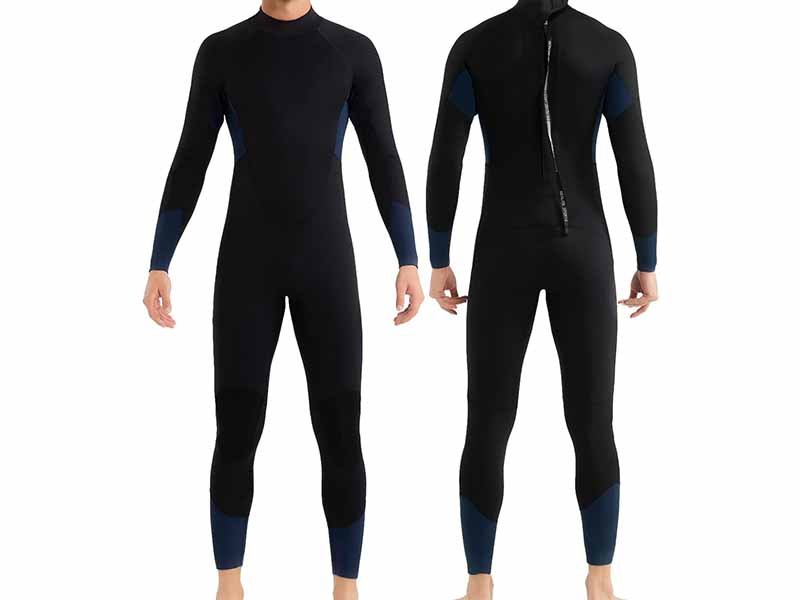
Do Custom Neoprene Features Increase Swim Speed?
Custom neoprene wetsuits are designed with specific features that can significantly impact a triathlete’s swim speed. Features such as buoyancy zones, hydrodynamic panels, and water-repellent coatings help reduce drag and improve the swimmer’s glide through the water. When triathletes opt for wetsuits tailored to their unique body type and swim style, they can experience faster swim times and enhanced efficiency.
Do Advanced Coatings Reduce Water Absorption?
One of the critical ways custom wetsuits improve swim speed is through advanced coatings that reduce water absorption. Standard wetsuits tend to absorb water, making them heavier and less efficient, but advanced water-repellent coatings ensure that the wetsuit stays dry, light, and buoyant throughout the swim. This makes a noticeable difference in speed and comfort.
Benefits of Water-Repellent Coatings
| Coating Type | Effect on Wetsuit Performance | Benefit for Triathletes |
|---|---|---|
| SCS (Super Composite Skin) Coating | Reduces water absorption and friction, providing a smoother surface | Reduces drag, allowing for faster swimming with less effort. |
| Hydrophobic Coatings | Repels water from the suit’s surface, keeping it lightweight | Keeps the wetsuit light, preventing it from becoming waterlogged, enhancing buoyancy and speed. |
When the wetsuit repels water instead of absorbing it, the suit remains lighter and buoyant, which enhances speed by reducing drag. Triathletes benefit from faster swims, especially in long-distance races where maintaining energy is essential.
Are Specialized Buoyancy Zones Effective?
Yes, specialized buoyancy zones are a highly effective feature in custom wetsuits, as they help maintain a horizontal body position in the water. The legs, where swimmers tend to lose buoyancy, benefit from extra-thick neoprene panels that lift the legs and keep the swimmer’s body aligned. This optimized buoyancy helps reduce drag and improves swim speed.
How Buoyancy Zones Improve Swim Speed
| Buoyancy Zone Location | Thickness of Neoprene | Impact on Swim Speed |
|---|---|---|
| Chest & Torso | 4-5mm (thicker neoprene) | Provides warmth and overall buoyancy, helping triathletes maintain proper body position in the water. |
| Legs & Lower Body | 5-6mm (extra buoyancy) | Keeps the legs elevated and reduces drag, ensuring a horizontal position that improves efficiency. |
These zones are particularly useful for triathletes with lower body fatigue or those struggling to maintain proper position in the water. By optimizing buoyancy, the wetsuit helps triathletes glide through the water more easily, improving speed and reducing the energy spent on treading water.
How Hydrodynamic Panels Improve Glide
Hydrodynamic panels are another custom feature that significantly impacts swim speed. These panels are designed to create a smooth water flow over the wetsuit, reducing turbulence and water resistance. Triathletes benefit from less drag during the swim, allowing them to move through the water more efficiently.
Hydrodynamic Panels and Their Effect on Swim Speed
| Panel Type | Effect on Wetsuit Performance | Benefit for Triathletes |
|---|---|---|
| Smoothskin Panels | Smooth, hydrodynamic surface that reduces water friction | Enhances glide and speed, making swimming more efficient. |
| Textured Panels | Special design elements that create controlled water flow | Helps the wetsuit move through the water with minimal resistance, improving overall speed. |
By using smooth and textured panels, the wetsuit becomes more hydrodynamic, creating less drag in the water and allowing the athlete to swim more efficiently and faster. These panels are strategically placed in areas like the chest, arms, and legs to help enhance overall body position and streamline movement.
How Does Reduced Drag Increase Swim Speed?
The primary purpose of custom wetsuits is to reduce drag, a key factor that can slow down a swimmer. A wetsuit designed with optimal buoyancy, flexibility, and hydrodynamic panels ensures that the athlete’s body remains as streamlined as possible in the water, allowing for faster speeds.
The Relationship Between Drag and Speed
| Drag Factor | Effect on Performance | Benefit of Custom Wetsuit |
|---|---|---|
| Water Resistance | Slows swimmers down, requiring more energy to move forward. | Custom wetsuits are designed to reduce resistance, making the swim phase faster and more efficient. |
| Turbulence | Causes the swimmer to waste energy trying to fight the water. | Hydrodynamic panels minimize turbulence, improving speed and efficiency. |
Triathletes who wear custom wetsuits experience less drag, as the wetsuit fits more snugly and strategically placed features allow them to glide through the water. The reduced drag enables the athlete to conserve energy and focus on maintaining a consistent pace, rather than fighting the water for movement.
What Materials and Construction Matter Most?
The quality of materials and the construction of a wetsuit are crucial for triathlon performance. The right neoprene material, combined with careful attention to wetsuit construction, impacts everything from buoyancy to durability, to flexibility. Triathletes need wetsuits that perform consistently and comfortably throughout the race, and the materials used play a significant role in this.
What Neoprene Grades Are Best for Triathletes?
Triathletes require neoprene wetsuits that combine flexibility, buoyancy, and durability. The grade of neoprene used in the wetsuit affects how well it performs under the pressures of long-distance swims. High-performance neoprene has the ideal balance of stretch, buoyancy, and insulation, allowing for faster swims without sacrificing comfort.
Neoprene Types and Their Effect on Performance
| Neoprene Type | Properties | Benefits for Triathletes |
|---|---|---|
| Yamamoto Neoprene | Lightweight, stretchable, and durable | Provides the best balance of flexibility and buoyancy, enabling full stroke reach and low drag. |
| SCS-Coated Neoprene | Smooth surface coating that reduces friction and water absorption | Helps reduce drag, keeping the wetsuit lighter and improving swim efficiency. |
| Smoothskin Neoprene | Non-absorbent, smooth surface for minimal water intake | Keeps the wetsuit buoyant, providing better insulation and faster glide through the water. |
The Yamamoto neoprene is often considered the best material for elite triathletes, due to its exceptional flexibility and high buoyancy. SCS-coated neoprene, on the other hand, is beneficial for athletes looking to reduce friction and drag in the water.
How Seam Construction Affects Wetsuit Durability and Comfort
The type of seam construction used in wetsuits is integral to both their durability and comfort. Triathletes need wetsuits that are not only well-constructed to withstand the rigors of repeated use but also designed to reduce irritation and increase flexibility. The construction of seams directly impacts comfort and water resistance.
Seam Types and Their Impact on Wetsuit Performance
| Seam Type | Description | Performance Benefit for Triathletes |
|---|---|---|
| Flatlock Seams | Stitched seams that are sewn through the fabric, creating a visible seam | More durable but less flexible, suitable for less demanding swims. |
| Blindstitch Seams | Seams that do not puncture the fabric completely, providing watertight seals | Offers greater flexibility and prevents water from entering, ideal for triathletes. |
| Welded Seams | Seams bonded with adhesives for a waterproof finish | Creates sealed seams that minimize water intake, ensuring maximum buoyancy and comfort. |
The blindstitch seam is typically favored by triathletes for its flexibility and waterproof properties, preventing water entry that can weigh down the suit and impede performance.
Why Fit and Construction Materials Matter for Comfort and Efficiency
The fit of the wetsuit is just as important as the material it is made from. A wetsuit that is too tight or too loose can create drag, cause chafing, and reduce overall performance. The construction materials of the wetsuit ensure that it fits the contours of the body snugly and comfortably, which enhances both speed and mobility during the swim.
Fit Considerations and Construction Impact
| Fit Consideration | Customizable Option | Effect on Triathlon Performance |
|---|---|---|
| Torso Fit | Thicker neoprene panels in the chest area | Helps retain warmth and buoyancy, improving swim position and body alignment. |
| Leg Fit | Stretch panels in the lower body | Improves flexibility and reduces water drag, allowing for a stronger kick. |
| Arm Fit | Thin, flexible neoprene for unrestricted stroke movement | Prevents fatigue and ensures an efficient stroke, contributing to faster swim times. |
The wetsuit’s design should ensure that it fits snugly but comfortably, without restricting movement. This customized fit helps maintain speed and reduce fatigue, making it easier for athletes to complete the swim phase without compromising performance.
How Wetsuit Construction Affects Hydrodynamics and Glide
A wetsuit is designed to optimize hydrodynamics, ensuring the triathlete can glide efficiently through the water. The materials and construction of the wetsuit affect how easily an athlete can cut through water, reducing resistance and drag.
Key Construction Factors for Hydrodynamics
| Construction Factor | Impact on Performance | Benefit for Triathletes |
|---|---|---|
| Panel Layout | Strategic placement of thinner and thicker panels to balance flexibility and buoyancy | Ensures optimal body position, reducing water resistance. |
| Smooth Exterior Finish | Polished or hydrodynamic material surface | Reduces water friction, allowing for faster movement in the water. |
| Specialized Buoyancy Panels | Thicker neoprene around the chest and legs for added buoyancy | Helps maintain horizontal alignment, reducing drag and enhancing speed. |
The smooth exterior finish on the wetsuit ensures that the water flows more smoothly over the body, reducing turbulence and improving overall glide. When combined with specialized buoyancy panels in the legs, this creates a hydrodynamic effect, reducing drag and increasing swim efficiency.
Why Choose OEM/ODM Custom Neoprene Wetsuits?
Oneier’s OEM/ODM wetsuits offer high-quality, customized wetsuits that are built for triathletes’ specific needs. With options like low MOQ and quick sampling, athletes can access tailored wetsuits without the need for bulk orders.
Why Private Label Wetsuits Are Ideal for Coaches and Brands
Private-label wetsuits give coaches and brands the ability to offer customized gear with their branding. This makes it easier for teams and athletes to have personalized wetsuits that reflect their identity and improve performance.
How Low MOQ and Fast Sampling Benefit Small Brands
With low MOQ and quick turnaround times, small brands can order custom wetsuits in smaller quantities, testing the market before committing to larger batches. This flexibility is essential for teams or new businesses looking to offer high-quality wetsuits without the risk of overcommitting.
Contact Oneier Today for Your Custom Neoprene Wetsuit! Ready to enhance your triathlon performance? Reach out to Oneier today and customize your wetsuit for maximum comfort and efficiency in your next race.
Why Choose Oneier’s Custom Neoprene Wetsuits?
Oneier’s custom neoprene wetsuits offer triathletes the ultimate combination of performance and comfort. With low minimum order quantities (MOQ) and quick sampling, athletes can access tailored wetsuits designed for maximum performance without the need for large upfront orders. Custom wetsuits from Oneier also come with a 100% quality guarantee, ensuring that each wetsuit is made to the highest standards.
Ready to Take Your Triathlon Performance to the Next Level? Contact Oneier for your custom wetsuit solutions. Our tailored neoprene wetsuits are designed to help you achieve maximum buoyancy, flexibility, and swim efficiency in your next race!