
Where Can I Buy Neoprene Fabric? Complete Guide
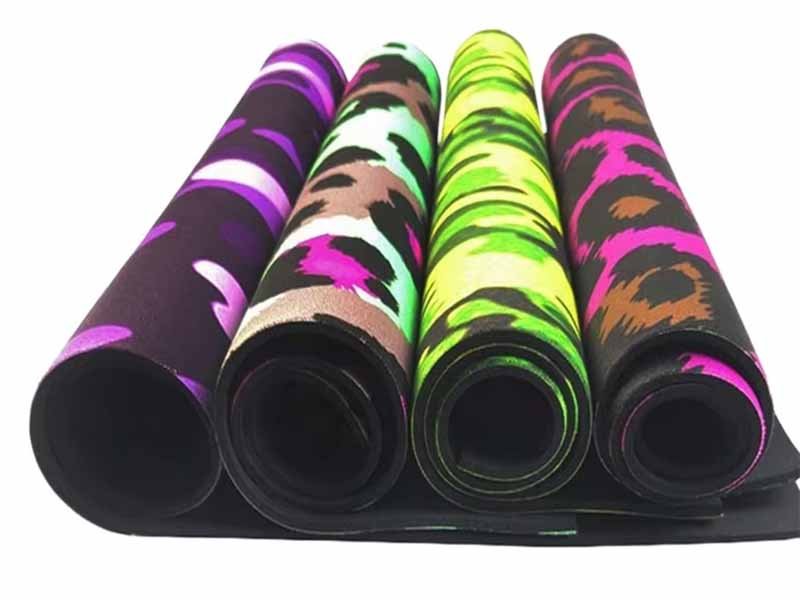
Neoprene fabric has become one of the most versatile materials in modern manufacturing, used in everything from wetsuits and laptop sleeves to industrial seals and medical braces. Whether you’re a small business designing custom bags or a brand sourcing performance fabrics for sports gear, chances are you’ve wondered: where can I buy neoprene fabric that’s high-quality, affordable, and reliable?
You can buy neoprene fabric from local fabric stores, craft shops, online marketplaces like Amazon and Etsy, and directly from manufacturers or wholesalers. Retail options are convenient for small DIY projects, but businesses usually save more by sourcing directly from certified neoprene factories like Szoneier, which offer bulk pricing, customization, and guaranteed quality.
The buying journey, however, isn’t always straightforward. Prices vary widely depending on thickness, type, and order size. Certifications matter in industries like healthcare and fashion, while shipping lead times can make or break production schedules. Imagine a designer launching a new line of waterproof backpacks, only to find that their neoprene fabric supplier can’t meet the deadline—this is a scenario that costs not just money, but reputation.
In the sections below, we’ll explore where to buy neoprene both locally and online, what types are available, how much it costs, and why certifications and sourcing strategy matter. By the end, you’ll know exactly how to secure neoprene fabric for your needs—whether you’re crafting a single DIY project or ordering thousands of yards for international distribution.
What Is Neoprene Fabric and Why Is It Popular?
Neoprene fabric is a synthetic rubber material made from polychloroprene, known for its water resistance, insulation, and flexibility. It is widely used in wetsuits, sports accessories, laptop sleeves, bags, and medical supports. Its popularity comes from durability, comfort, and adaptability across industries, making it a go-to fabric for both consumer products and industrial applications.
To understand why neoprene fabric is in such high demand, you first need to know what it is. Neoprene, scientifically known as polychloroprene, is a synthetic rubber invented in the 1930s by DuPont. Unlike natural rubber tapped from trees, neoprene is man-made in laboratories by polymerizing chloroprene. This innovation gave manufacturers a rubber-like material that could outperform natural rubber in durability and resistance.
Why It’s Popular
Water Resistance
Neoprene’s closed-cell structure makes it virtually waterproof. This is why it’s the top choice for wetsuits, diving gear, and koozies.
Insulation
The trapped nitrogen bubbles within closed-cell neoprene provide insulation, keeping body heat in during cold-water activities and drinks cool inside holders.
Flexibility & Comfort
Despite being durable, neoprene is soft and flexible, making it comfortable for wearable items like braces, gloves, or sports gear.
Durability
Neoprene resists UV light, ozone, oils, and chemicals, which gives it a much longer life compared to natural rubber.
Versatility
From fashion brands making neoprene handbags to automotive companies using it for gaskets, the range of applications is massive.
Industry Examples
- Sportswear: Surf suits, yoga mats, resistance bands.
- Medical: Knee braces, orthopedic supports.
- Bags & Accessories: Tote bags, laptop sleeves, bottle koozies.
- Industrial: Protective covers, seals, insulation.
Here’s a quick breakdown:
| Feature | Why It Matters | Example Products |
|---|---|---|
| Water resistance | Keeps items dry, resists leaks | Wetsuits, drink koozies |
| Insulation | Maintains temperature | Diving suits, lunch bags |
| Durability | Withstands harsh conditions | Industrial gaskets, covers |
| Comfort | Flexible and wearable | Braces, gloves, clothing |
Where Can You Buy Neoprene Fabric Locally and Online?
You can buy neoprene fabric at local fabric shops, specialty textile markets, and large craft chains. Online, options include Amazon, Etsy, eBay, and specialized fabric retailers. For businesses needing bulk supply, the most cost-effective route is buying directly from manufacturers or wholesalers like Szoneier, which provide customization, certifications, and better pricing for bulk orders.
When it comes to sourcing neoprene fabric, the buying channel you choose often depends on your project size, budget, and purpose. Let’s break down the main options:
1. Local Fabric Stores & Craft Shops
- Pros: Immediate access, no shipping wait, and the ability to touch and test the fabric before buying. Great for DIY crafters or small projects like cosplay, personal bags, or school assignments.
- Cons: Limited thickness and color options, usually priced higher per yard compared to online or wholesale.
2. Specialty Textile Markets
- Found in major cities (e.g., Guangzhou fabric markets in China, LA’s Fashion District in the U.S.).
- Pros: Wider selection, negotiable pricing, bulk discounts.
- Cons: Requires physical presence and industry connections to get the best deals.
3. Online Retail Platforms
- Amazon & Etsy: Popular for small quantities. Easy to order 1–5 yards for crafting or prototyping.
- eBay & Fabric Specialty Sites: Offer mid-range options, sometimes surplus or discounted rolls.
- Pros: Convenience, variety, global reach.
- Cons: Prices are retail-level, shipping costs can add up, and product descriptions may lack detail on certifications or material quality.
4. Direct from Manufacturers & Wholesalers
The most efficient option for brands and businesses.
Pros:
- Competitive pricing (wholesale rates).
- Customization (thickness, color, lamination, printing).
- Certifications (ISO, REACH, OEKO-TEX).
- Lower long-term cost per unit.
Cons: Requires minimum order quantities (MOQs) and longer lead times.
Here’s a comparison table:
| Buying Option | Best For | Pros | Cons |
|---|---|---|---|
| Local fabric stores | DIY / hobby use | Immediate, test in-person | Expensive, limited options |
| Textile markets | Designers, SMEs | Variety, bulk discounts | Must visit in person |
| Online retail (Amazon) | Small projects | Convenience, easy orders | Higher price, limited detail |
| Direct manufacturers | Brands, bulk use | Best price, customization | MOQ, longer lead times |
Which Types of Neoprene Fabric Are Available for Buyers?
Neoprene fabric comes in various types, including sheet neoprene, laminated neoprene, perforated neoprene, and medical-grade neoprene. Buyers can also choose thicknesses from 1mm to 10mm, plus different colors, finishes, and lamination fabrics like nylon or polyester to suit diverse applications.
Neoprene isn’t one-size-fits-all. Depending on the industry and use case, the type of neoprene fabric you choose will affect durability, comfort, flexibility, and price.
Sheet Neoprene
- Solid rolls of neoprene without lamination.
- Common in industrial applications (gaskets, padding).
Laminated Neoprene
- Neoprene bonded with fabrics like nylon, polyester, or spandex.
- Found in wetsuits, laptop sleeves, bags, and sportswear.
Perforated Neoprene
- Contains small holes for breathability.
- Popular in medical braces and sports supports.
Medical-Grade Neoprene
- Hypoallergenic, latex-free, with certifications.
- Used in hospitals, orthopedic products, and sensitive industries.
Thickness Options
- Thin (1–2mm): lightweight, flexible (fashion, small accessories).
- Medium (3–5mm): balance of insulation and comfort (wetsuits, braces).
- Thick (6–10mm): heavy-duty protection (industrial covers, diving suits).
| Neoprene Type | Key Features | Typical Uses |
|---|---|---|
| Sheet neoprene | No lamination, versatile | Gaskets, pads, industrial seals |
| Laminated neoprene | Bonded with fabric, strong & flexible | Bags, wetsuits, laptop sleeves |
| Perforated neoprene | Breathable, lightweight | Medical supports, sports braces |
| Medical-grade neoprene | Certified, latex-free | Healthcare, sensitive industries |
| Thin neoprene (1–2mm) | Lightweight, flexible | Fashion items, craft projects |
| Thick neoprene (6–10mm) | High insulation, protective | Diving gear, industrial products |
How Much Does Neoprene Fabric Usually Cost?
Neoprene fabric typically costs $8–$25 per yard in retail stores, depending on thickness and type. Wholesale orders directly from manufacturers can drop prices to $4–$12 per yard, but may require minimum order quantities. Custom laminations or certifications can add to the price.
Neoprene pricing is influenced by type, thickness, quantity, and customization.
Retail Pricing
- Amazon/Etsy: $10–$25 per yard (small cuts, hobby use).
- Craft/fabric stores: $12–$20 per yard.
Wholesale Pricing
- Direct from manufacturers: $4–$12 per yard, depending on thickness.
- MOQs usually range from 200–500 yards per order.
Cost Factors
- Thickness: Thicker neoprene = higher cost.
- Fabric lamination: Nylon/spandex laminated neoprene costs more.
- Certification: OEKO-TEX/REACH adds compliance cost.
- Customization: Colors, printing, and embossing increase price.
| Thickness | Retail Price (per yard) | Wholesale Price (per yard) | Typical Use Cases |
|---|---|---|---|
| 1–2mm (thin) | $8–$15 | $4–$7 | Fashion, small crafts |
| 3–5mm (medium) | $12–$20 | $6–$10 | Wetsuits, bags, laptop sleeves |
| 6–10mm (thick) | $18–$25 | $8–$12 | Diving suits, industrial covers |
Do You Need Certifications When Buying Neoprene Fabric?
Yes. Certifications like OEKO-TEX, REACH, and ISO ensure neoprene fabric is safe, non-toxic, and compliant with global standards. For businesses selling to Europe or North America, certifications protect against liability and give customers confidence in product safety.
Certifications are critical for brands sourcing neoprene:
OEKO-TEX® Standard 100
- Ensures fabric is free from harmful chemicals.
- Important for clothing, children’s products, medical gear.
REACH (EU Regulation)
- Mandatory in Europe.
- Confirms fabric meets chemical safety standards.
ISO 9001
- Guarantees consistent quality management in manufacturing.
CPSIA (U.S.)
- Required for children’s products (e.g., neoprene toys, accessories).
| Certification | Purpose | Markets Where Important |
|---|---|---|
| OEKO-TEX Standard 100 | Tests for harmful substances | Global (fashion, apparel) |
| REACH (EU) | Chemical safety compliance | European Union |
| ISO 9001 | Manufacturing quality assurance | Global |
| CPSIA | Child product safety | United States |
For businesses, these certifications aren’t just nice-to-have—they’re often the difference between entry into regulated markets and being denied.
Is It Better to Buy Neoprene Fabric Wholesale from Manufacturers?
Buying neoprene fabric wholesale from manufacturers is usually better for businesses. It reduces cost per yard, allows customization, and guarantees supply consistency. The trade-off is higher MOQs and longer lead times, but these are offset by long-term savings and brand control.
Advantages
- Lower Cost: Wholesale reduces per-yard cost by 30–60%.
- Customization: Control thickness, lamination, color, and even printed logos.
- Consistency: Stable quality and supply chain.
- Certifications: Easier to request OEKO-TEX, REACH, ISO compliance.
Challenges
- MOQ: Typically 200–500 yards per order.
- Lead Time: 2–6 weeks depending on order size and shipping.
- Upfront Investment: Higher than buying retail, but cheaper in the long run.
| Buying Channel | Cost Efficiency | Customization | MOQ Requirement | Lead Time |
|---|---|---|---|---|
| Retail stores | High cost | None | No MOQ | Immediate |
| Online marketplaces | Moderate | Very limited | No MOQ | 3–10 days shipping |
| Wholesale (factory) | Best value | Full options | 200–500 yards | 2–6 weeks |
How Can Sourcing Neoprene Fabric from Szoneier Benefit Your Business?
Sourcing neoprene fabric from Szoneier offers global buyers low MOQ, free design support, and certified latex-free neoprene with fast sampling and delivery. With over 18 years of R&D and manufacturing expertise, Szoneier ensures consistent quality for custom bags, koozies, covers, and wetsuits.
Szoneier is more than just a fabric supplier—we are a vertically integrated neoprene manufacturer with the expertise to support global buyers:
- Product Range: Neoprene bags, koozies, gloves, covers, wetsuits, laptop sleeves, sports braces.
- Customization: Thickness (1–10mm), lamination (nylon, polyester, spandex), embossing, logo printing.
- Free Design Service: Helping clients turn concepts into market-ready samples.
- MOQ Flexibility: Low starting MOQs, ideal for small to mid-sized brands testing new products.
- Fast Sampling: 2–3 days for urgent samples; bulk lead time 2–4 weeks.
- Certifications: OEKO-TEX, REACH, ISO, CPSIA available.
- Global Reach: Exporting to North America, Europe, and beyond.
Conclusion
Finding the right place to buy neoprene fabric depends on your needs. For hobby projects, local stores and online retailers work fine. But for brands, startups, and established companies, sourcing directly from certified manufacturers ensures lower costs, better customization, and long-term quality assurance.
At Szoneier, we’ve spent over 18 years perfecting neoprene R&D and production, serving global buyers who demand quality, speed, and flexibility.
Contact us today at info@neoprene-bag.com or call (+86) 13823134897 to request your free sample and custom quotation.
What Can I Do For You?
Here, developing your OEM/ODM private label leather goods collection is no longer a challenge,it’s an excellent opportunity to bring your creative vision to life.