
How Long Do You Press Neoprene Coasters? Complete Guide & Tips
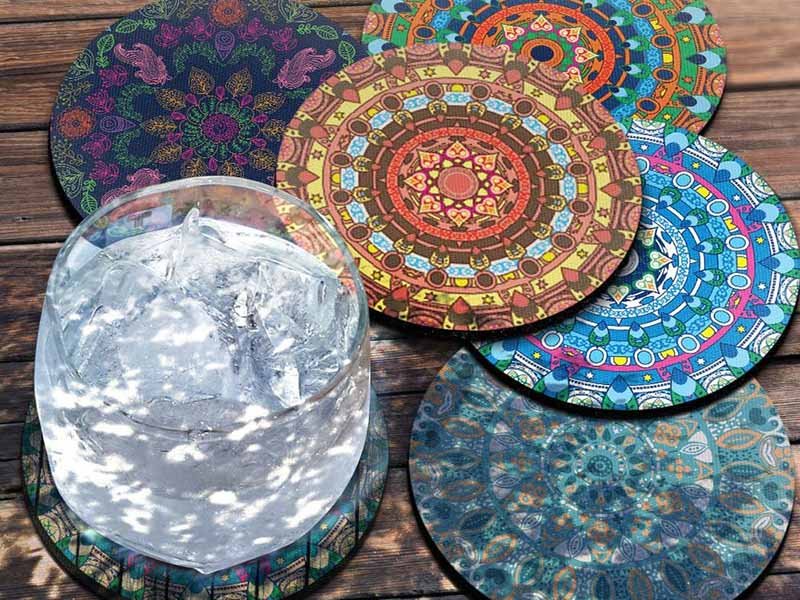
When it comes to personalized gifts, promotional products, and event merchandise, neoprene coasters are among the most popular options. They’re durable, flexible, water-resistant, and most importantly—perfect for sublimation printing. But one of the most common questions both beginners and professionals ask is: How long do you press neoprene coasters to achieve the best results? Get this wrong, and you risk faded prints, ghosting, or even burnt material.
Neoprene coasters should typically be pressed at 385–400°F (195–205°C) for 45–60 seconds with medium pressure. This ensures the sublimation ink fully transfers into the fabric layer without burning the neoprene. However, time may vary slightly depending on coaster thickness, ink type, and heat press machine. Always test one sample first to fine-tune settings for your specific setup.
Imagine spending hours designing a vibrant logo or wedding graphic, only to end up with dull, faded results because you pressed for too short—or scorched the edges by pressing too long. Understanding the right time, temperature, and technique is what separates professional-quality products from costly mistakes. Let’s break it down step by step.
What Are Neoprene Coasters And Why Are They Popular?
Neoprene coasters are drink coasters made of synthetic rubber with a polyester top layer, ideal for sublimation printing. They are popular because they’re durable, flexible, washable, and provide vibrant print results. Unlike cork or paper coasters, neoprene options don’t absorb spills, making them perfect for branding, gifts, or events. Their mix of functionality and customization potential makes them a favorite in both personal and commercial use.
Neoprene, a synthetic rubber first developed in the 1930s, has long been used in wetsuits, laptop sleeves, and protective gear. When adapted for coasters, it offers unique benefits that explain its growing popularity in the promotional product industry and among small businesses.
1. Structure & Materials
- Bottom Layer: Soft neoprene rubber prevents slipping and protects surfaces.
- Top Layer: A white polyester fabric designed for sublimation printing, allowing sharp, vibrant graphics.
- This dual-layer construction gives neoprene coasters both functionality and aesthetic appeal.
2. Why They Outperform Other Coasters
- Durability: Cork and paper coasters quickly degrade after repeated use. Neoprene coasters last for years.
- Moisture Resistance: Unlike cardboard or fabric coasters, neoprene repels water and doesn’t warp.
- Flexibility: They bend without breaking, making them easy to store or transport.
- Washability: Neoprene coasters can be hand-washed without damaging the design.
3. Popular Applications
- Corporate Branding: Companies print logos on coasters for giveaways.
- Events & Weddings: Customized coasters add a personal touch to celebrations.
- E-commerce: Small businesses sell personalized neoprene coasters through Etsy, Amazon, or Shopify.
- Hospitality Industry: Restaurants and bars use branded neoprene coasters for both marketing and practical use.
Comparison of Coaster Materials
| Material | Durability | Print Quality | Water Resistance | Cost | Popular Use Case |
|---|---|---|---|---|---|
| Cork | Medium | Good | Poor | Low | Budget giveaways |
| Paperboard | Low | Moderate | Very poor | Very low | Disposable events |
| Leather | High | Limited | Moderate | High | Premium branding |
| Neoprene | High | Excellent | Excellent | Medium | Custom gifts, promotions |
How Long Do You Press Neoprene Coasters For Sublimation?
The recommended pressing time for neoprene coasters is 45–60 seconds at 385–400°F (195–205°C) with medium pressure. This ensures the sublimation ink fully transfers into the polyester fabric layer without scorching the neoprene base. Shorter pressing may result in dull or incomplete prints, while excessive time can cause fading, yellowing, or burn marks. Always test a sample coaster before running bulk production to confirm exact timing.
The exact pressing time depends on factors such as coaster thickness, ink saturation, heat press quality, and environmental conditions. Getting this right is the difference between crisp, professional designs and wasted blanks.
1. Why Press Time Matters
- Too Short: Ink doesn’t fully transfer → faded or incomplete prints.
- Too Long: Fabric overheats, colors wash out, or polyester scorches.
- Just Right: Bright, vivid colors and long-lasting durability.
2. Standard Timing Guidelines
- Thin Coasters (3 mm): 40–45 seconds at 385°F.
- Medium Coasters (5 mm): 50–55 seconds at 390–395°F.
- Thick Coasters (6 mm+): 55–60 seconds at 400°F.
3. Other Variables
- Ink Type: Some sublimation inks require slightly higher or lower exposure.
- Press Quality: Cheaper presses may have heat fluctuations—test and adjust.
- Batch Size: When pressing multiple coasters at once, allow consistent heating.
Recommended Press Time by Thickness
| Thickness | Temp (°F / °C) | Time (seconds) | Pressure |
|---|---|---|---|
| 3 mm | 385°F / 195°C | 40–45 | Medium |
| 5 mm | 390°F / 200°C | 50–55 | Medium |
| 6 mm+ | 400°F / 205°C | 55–60 | Medium–High |
What Temperature And Pressure Settings Work Best?
The best settings for neoprene coasters are 385–400°F (195–205°C) at medium pressure. Temperatures below 380°F may not activate sublimation ink fully, while above 405°F risks scorching the fabric. Medium pressure allows proper ink absorption without flattening the neoprene foam. Consistent heat, steady pressure, and protective sheets help achieve sharp, durable results every time.
Pressing neoprene coasters isn’t only about time—temperature and pressure are equally important.
1. Temperature Guidelines
- Ideal Range: 385–400°F (195–205°C).
- Too Low (<380°F): Ink doesn’t vaporize properly → faded designs.
- Too High (>405°F): Polyester burns → yellowing, blurred edges.
2. Pressure Settings
- Light Pressure: Not enough contact → incomplete transfer.
- Medium Pressure: Optimal balance for clear, vibrant prints.
- High Pressure: Can flatten neoprene foam or cause ghosting.
3. Using Protective Sheets
Place parchment paper or Teflon sheets above and below to:
- Prevent ink bleed.
- Protect heat press plates.
- Avoid gloss marks or fabric scorching.
4. Environmental Adjustments
- High Humidity: May require a few extra seconds to prevent moisture blurring.
- Cold Rooms: Heat press recovery time may be slower—don’t rush between presses.
Temperature & Pressure Matrix
| Setting | Result |
|---|---|
| Low Temp / Low Pressure | Faded, incomplete print |
| High Temp / Low Pressure | Overheated edges, blurred ink |
| Low Temp / High Pressure | Weak transfer, compressed foam |
| Ideal (390°F, Medium Pressure) | Bright, sharp, durable print |
Do Neoprene Coasters Work Well With Sublimation Printing?
Yes, neoprene coasters work very well with sublimation printing. The polyester fabric surface absorbs sublimation ink efficiently, producing vibrant, long-lasting colors. Unlike cork or paper coasters, neoprene resists moisture and wear, so designs remain clear after repeated use. While prints may look slightly softer than on rigid substrates, neoprene coasters are ideal for customized gifts, corporate branding, and event merchandise because of their flexibility and durability.
Sublimation has become the go-to method for customizing neoprene products because it creates permanent, full-color designs that don’t peel or crack. Here’s why neoprene coasters stand out:
1. Material Compatibility
- The polyester fabric top layer is specifically designed for sublimation.
- During pressing, ink turns into gas and bonds with polyester fibers.
- Result: durable, vibrant graphics integrated into the fabric, not sitting on top.
2. Print Quality
- Vibrancy: Sublimation produces bright, eye-catching prints, perfect for logos or colorful patterns.
- Detail: Fine details transfer well, though not as sharp as hard substrates like ceramic.
- Durability: Designs withstand washing, spills, and UV exposure without fading.
3. Advantages Over Other Materials
- Cork: Absorbs moisture, limiting print quality.
- Paperboard: Cheap but disposable, not suitable for long-term branding.
- Leather: Premium but limited to embossing or UV printing, not sublimation.
4. Limitations
- Very dark designs may appear slightly muted compared to glossy surfaces.
- Requires careful pressing to avoid ghosting or blurring.
Material Comparison for Sublimation Coasters
| Material | Print Vibrancy | Durability | Moisture Resistance | Customization Potential |
|---|---|---|---|---|
| Cork | Medium | Medium | Poor | Limited |
| Paperboard | Low | Low | Very Poor | Low-cost, disposable |
| Ceramic | Excellent | Excellent | Excellent | Heavy, fragile |
| Neoprene | High | High | Excellent | Flexible, versatile |
Which Equipment And Supplies Do You Need To Press Neoprene Coasters?
To press neoprene coasters, you need a heat press machine, sublimation paper, sublimation ink, and protective sheets (Teflon or parchment). A flat heat press works best for even pressure. Use high-quality sublimation ink and coated transfer paper for vibrant results. Optional tools like heat-resistant tape and foam pads help prevent ghosting, ensuring professional-quality prints on every coaster.
Having the right tools ensures consistent, high-quality results and prevents wasted blanks.
1. Essential Equipment
Heat Press Machine:
- Flat press recommended for coasters.
- Swing-away designs provide even pressure.
- Avoid handheld irons—they can’t guarantee consistent heat.
Sublimation Paper:
- Use premium sublimation transfer paper for sharp prints.
- Cheap paper risks ink bleeding or ghosting.
Sublimation Ink:
- High-quality ink ensures vibrant, long-lasting colors.
- Generic ink may fade quickly after washing.
Protective Sheets:
- Teflon or parchment paper prevents ink bleed-through.
- Keeps heat press plates clean and damage-free.
2. Helpful Accessories
- Heat-Resistant Tape: Secures paper in place, avoiding ghost images.
- Foam Pads or Felt Mats: Provide cushion, ensuring even pressure across the coaster.
- Lint Roller: Removes dust or fibers from polyester surface before pressing.
3. Why Quality Supplies Matter
- Cheap inks or paper → faded designs, color shifts.
- Uneven heat press → inconsistent results.
- Professional-grade supplies cut waste and boost production efficiency.
Checklist for Pressing Neoprene Coasters
| Item | Purpose | Notes |
|---|---|---|
| Heat Press Machine | Transfers ink via heat & pressure | Flat or swing-away preferred |
| Sublimation Paper | Holds ink design | Use premium brands |
| Sublimation Ink | Produces permanent, vibrant prints | Match printer compatibility |
| Protective Sheets | Protects coaster & machine | Teflon/parchment |
| Heat-Resistant Tape | Secures design to coaster | Prevents ghosting |
| Foam Pad | Distributes pressure evenly | Especially for thick coasters |
How Do You Prevent Ghosting, Fading, Or Burn Marks?
To prevent ghosting, fading, or burn marks when pressing neoprene coasters, secure the transfer paper with heat-resistant tape, use correct time (45–60 seconds) and temperature (385–400°F), and apply medium pressure. Always use protective sheets and avoid shifting the paper after pressing. Test samples before bulk production. Proper setup ensures sharp, vibrant, and long-lasting results without damaging the neoprene material.
Even with the best equipment, printing errors are common if pressing is rushed or settings aren’t dialed in.
1. Ghosting Issues
Cause: Transfer paper shifts during pressing or after opening the press.
Solution:
- Use heat-resistant tape to hold paper in place.
- Allow coasters to cool slightly before removing the paper.
- Avoid sliding the press open abruptly.
2. Fading Prints
Cause: Insufficient time, low temperature, or poor ink quality.
Solution:
- Stick to 45–60 seconds at 385–400°F.
- Use premium sublimation inks and papers.
- Store blanks in dry conditions—moisture weakens sublimation transfer.
3. Burn Marks / Yellowing
Cause: Excessive heat or pressing time.
Solution:
- Do not exceed 400°F or 60 seconds.
- Always test a single coaster before large runs.
- Use parchment/Teflon sheets to diffuse heat evenly.
4. Additional Tips
- Clean coaster surface with a lint roller to remove dust.
- Avoid stacking hot coasters immediately after pressing—let them cool flat.
- Keep your press plates calibrated; uneven heating causes partial burns.
Common Problems and Fixes
| Problem | Likely Cause | Solution |
|---|---|---|
| Ghosting | Paper shift | Tape edges, cool before removal |
| Fading | Low temp/time | 385–400°F for 45–60s |
| Burn Marks | Too hot/too long | Keep below 400°F, use protection |
| Uneven Colors | Poor pressure/dirty press | Adjust pressure, clean plates |
Are Neoprene Coasters Durable After Pressing?
Yes, neoprene coasters are highly durable after pressing. The sublimation design bonds permanently to the polyester fabric surface, resisting fading, peeling, or cracking. They are flexible, washable, and water-resistant, making them suitable for everyday use in homes, offices, and restaurants. With proper pressing, neoprene coasters can last for years, maintaining both print vibrancy and functional performance.
Durability is one of the main reasons neoprene coasters have become so popular in both retail and promotional markets.
1. Sublimation Print Longevity
- Unlike screen printing or heat transfers, sublimation dyes the fibers instead of sitting on top.
- Result: permanent, vibrant images that don’t peel or crack.
- Coasters maintain color even after repeated washing or exposure to moisture.
2. Everyday Wear Resistance
- Neoprene is naturally water-resistant and flexible, preventing warping or cracking.
- It can handle hot mugs, cold drinks, and accidental spills.
- Fabric top resists scratches better than glossy surfaces.
3. Washability
- Can be hand-washed with mild soap and water.
- Air-dries quickly without losing shape or design quality.
4. Performance in Commercial Use
- Bars, cafes, and event organizers prefer neoprene coasters because they withstand heavy daily use.
- Branded coasters stay attractive longer, reinforcing company image.
Durability Comparison of Coaster Materials
| Material | Print Longevity | Washability | Flexibility | Lifespan |
|---|---|---|---|---|
| Paperboard | Poor | No | None | Single-use |
| Cork | Moderate | Limited | Low | 3–6 months |
| Leather | Good | Wipe-clean | Medium | 1–3 years |
| Neoprene | Excellent | Yes | High | 2–5 years+ |
How To Choose The Right Neoprene Coaster Supplier For Custom Projects?
Choose a neoprene coaster supplier with proven experience, quality assurance, customization options, and flexible MOQs. Look for fast sampling, reliable delivery times, and the ability to support OEM/ODM or private label branding. A strong supplier provides consistent product quality, offers free design support, and ensures smooth communication. This combination reduces risks and ensures your coasters meet both functional and branding needs.
Selecting the right supplier is just as important as mastering the sublimation process itself. The supplier determines not only the quality of blanks but also your production reliability and brand reputation.
1. Quality Control & Certifications
- Ensure the factory maintains strict quality checks for neoprene material and polyester coating.
- Look for certifications such as ISO, REACH, or OEKO-TEX for eco-safety and durability.
- Ask for test reports to verify non-toxic inks and long-term durability.
2. Customization Capabilities
- Leading suppliers provide custom sizing, thickness, and shapes (round, square, novelty).
- They can also add logos, packaging, and branding elements for resale or giveaways.
- OEM/ODM services ensure your design vision is fully realized.
3. Flexible MOQ & Fast Sampling
- A good partner allows low minimum orders for startups and bulk discounts for scaling businesses.
- Fast sampling (within days) helps test design ideas before committing to larger runs.
4. Lead Times & Global Logistics
- Reliable suppliers ship samples in under a week and bulk orders in 2–4 weeks.
- International logistics support ensures timely delivery, whether by air, sea, or express courier.
5. Communication & Support
- Look for responsive customer service that understands your local market.
- Transparent pricing and clear technical guidance reduce errors.
Checklist for Choosing a Neoprene Coaster Supplier
| Factor | What to Look For |
|---|---|
| Experience | 10+ years in neoprene manufacturing |
| Certifications | ISO, REACH, OEKO-TEX compliance |
| Customization | OEM/ODM, logo printing, unique shapes |
| MOQ & Sampling | Low MOQ, free or fast samples |
| Lead Time | 2–4 weeks bulk, days for samples |
| Support | Clear communication & design help |
Conclusion
Neoprene coasters have become one of the most effective promotional and retail products, combining durability, flexibility, and vibrant sublimation printing. By pressing them at the correct 385–400°F for 45–60 seconds with medium pressure, you achieve professional-quality results that last for years. From preventing ghosting and fading to choosing the right equipment, every detail matters.
But even the best techniques fall short without the right supplier. That’s where Szoneier comes in. With 18+ years of expertise in neoprene R&D and manufacturing, we provide global clients with custom-designed coasters and neoprene products backed by strict quality assurance and fast delivery.
What Can I Do For You?
Here, developing your OEM/ODM private label leather goods collection is no longer a challenge,it’s an excellent opportunity to bring your creative vision to life.